
Last updated November 17, 2026
 AC repair
 Furnace & heating
 Heat pumps
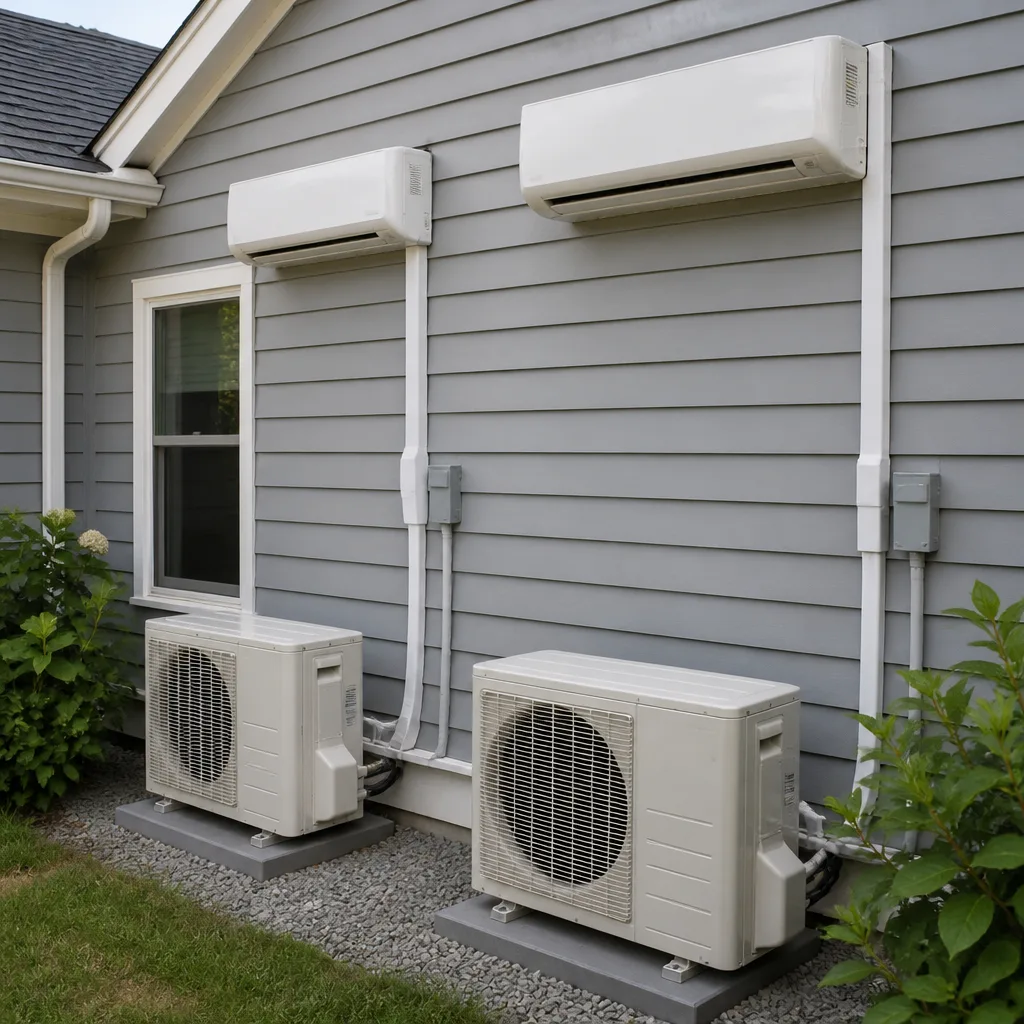 Ductless mini splits
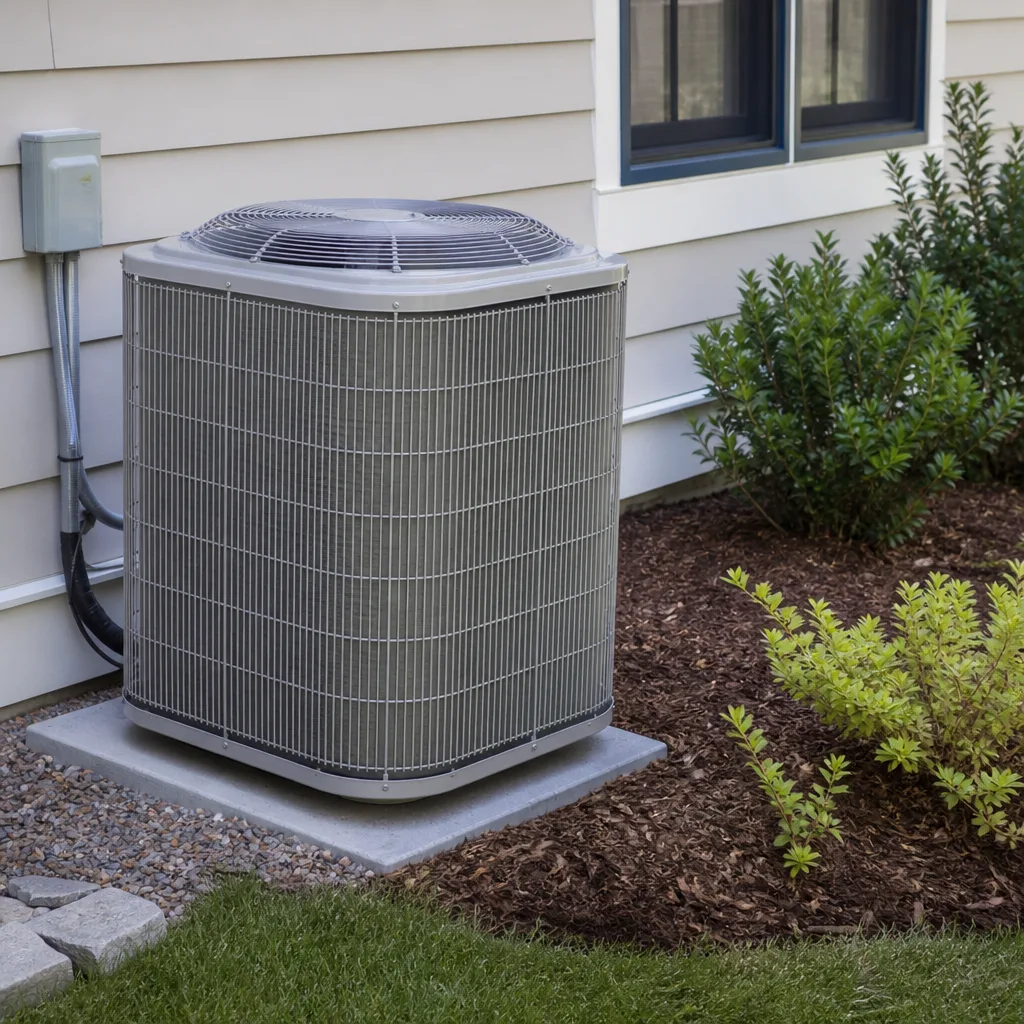 Carrier
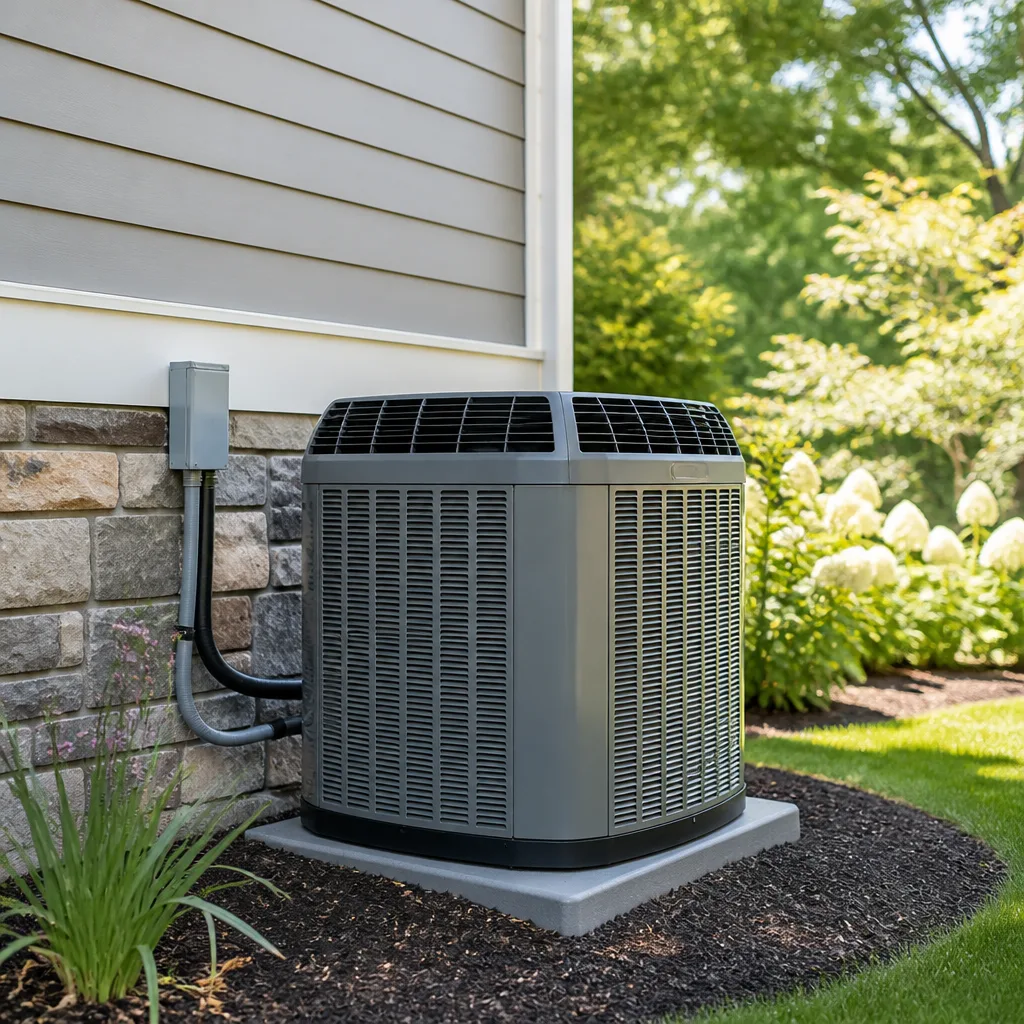 Trane
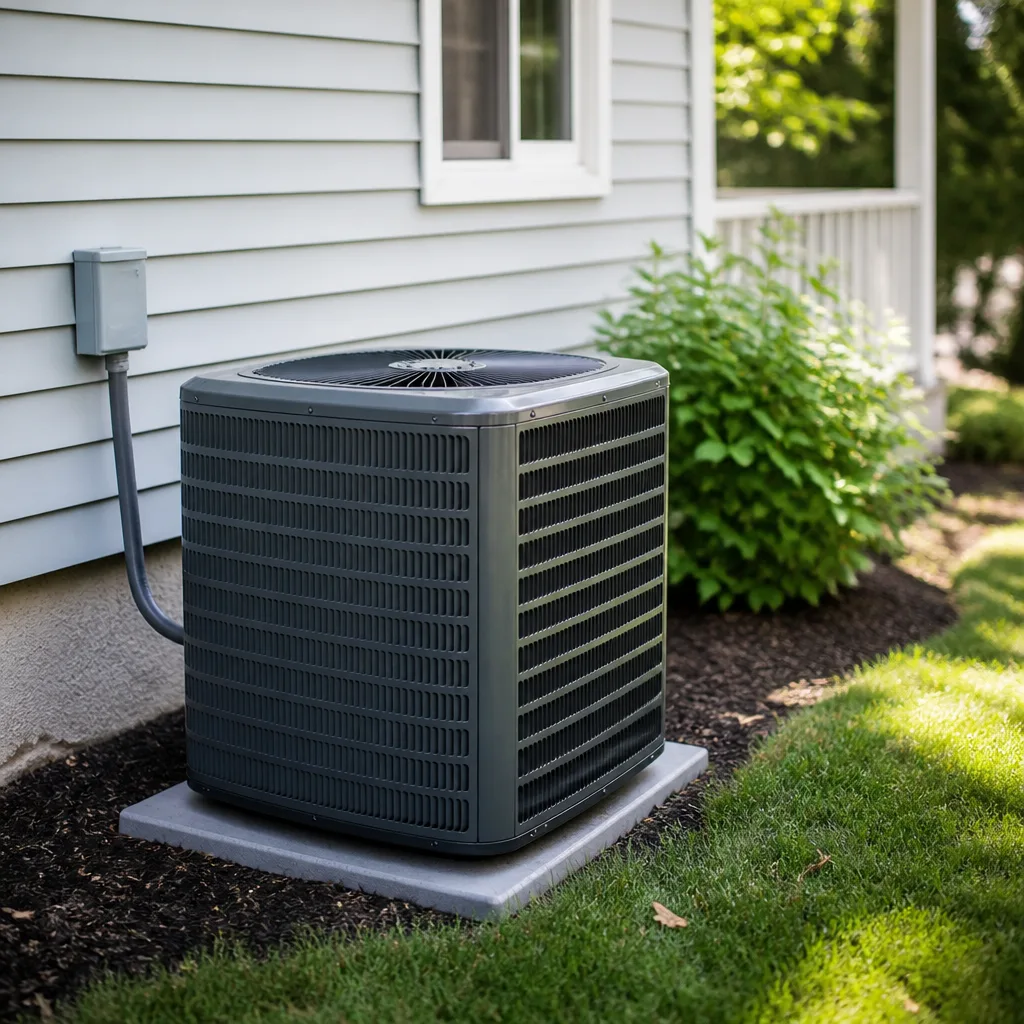 Goodman
Seasonal tune-up and full diagnostic on your Carrier, Trane, or Goodman system - readings shown to you before any repair is proposed
Diagnosis first, numbers second - you approve the repair price before a single part goes in.
Get your free estimateSeasonal HVAC Care for Enterprise: Year-Round Homeowner’s Guide
October in Enterprise is when most homeowners stop thinking about their HVAC. It is also the month the furnace lockouts from a dirty flame sensor get discovered for the first time at 11pm on a Tuesday in January. That gap between October and January is where money gets lost, coils get eaten by monsoon dust, and capacitor failures get diagnosed as something much worse than they are. Enterprise does not really run on four seasons. It runs on three: a killing summer, a short mild stretch, and a cold window that catches transplants from warmer places completely off guard. This guide walks through what your system is actually doing in each one, why the shoulder months are the right time to book, and what to do in the two weeks before summer that almost everybody skips.
Quick Answer
Year-round HVAC care in Enterprise means servicing your system in the shoulder months (October – November and March – April), not during the July panic, when the trade blows dust out of your condenser in the desert sun. In our experience, heat pump households need coil and reversing valve checks before both summer and winter, while gas-and-electric split households need the furnace cleaned and the igniter and flame sensor tested every fall. Wait until July and you are paying emergency rates alongside everyone else in Enterprise who did the same thing.
Styles & brands we work with
- AC repair
- Furnace & heating
- Heat pumps
- Ductless mini splits
- Carrier
- Trane
- Goodman
Table of Contents
- The Three-Season Reality of Enterprise HVAC
- Why the Shoulder Months Are the Time to Book
- Heat Pump vs. Split Gas-and-Electric: Different Maintenance
- The Monsoon Micro-Season: What July and August Do to Your Equipment
- The Two Weeks Before Summer: What Most Homeowners Skip
- Season-by-Season Task Checklist
- The January Wake-Up Call: Furnace Lockouts and Flame Sensors
The Three-Season Reality of Enterprise HVAC
Enterprise is not Phoenix, and it is not the high desert either. It sits in a pocket of the Las Vegas Valley that catches the full weight of summer heat, gets a real, if brief, cold window in December and January, and then two mild stretches that most people waste. The installer who set up your system probably talked about a “four-season maintenance plan.” That plan sounds fine on a brochure. It does not match what happens at the address on your street.
- Killing summer (roughly May through September): Your system is running near full capacity for five months straight. Capacitors cook and fail. Condenser coils grab dust and cottonwood fluff. Drain lines clog from constant condensate.
- Mild shoulder stretch (March – April and October – November): Equipment is mostly idle but not yet needed for the next extreme. This is the booking window, and it is the cheapest, best-diagnosed service you will ever get.
- Cold window (December – February): Nights regularly dip into the 30s, sometimes lower. This is when the people who moved to Enterprise from Southern California or the Gulf Coast discover that a furnace that sat quietly for nine months has a dirty flame sensor, a weak igniter, or a drafty flue.
Once you accept that Enterprise has three seasons, not four, the maintenance calendar almost writes itself: prep the cooling before the heat, prep the heating before the cold, and use the two mild stretches to do both. The generic quarterly service reminder is fine for the mailer. It is not what your system needs.
Why the Shoulder Months Are the Time to Book
In our experience, March, April, October, and November are the four months when a homeowner in Enterprise can actually get the person they want and a fair price for the work. In July, every outfit in the valley is triaging calls. You are competing with 200 other households who all waited until the condenser stopped spinning.
Here is what we see change once the summer hits:
- Availability tightens: Emergency calls stack up and non-urgent maintenance gets pushed back. A tune-up booked in October happens in October. The same tune-up booked in July sometimes waits a week or more, and nobody wants to hear the compressor running hot all week.
- Price creeps up: Emergency rates and weekend premiums exist for a reason. Booking shoulder-month work avoids most of them.
- Diagnostics get rushed: A technician who has 11 calls left in the day is going to move fast. The same person in November has the time to pull readings, check the capacitor under load, and tell you what is actually drifting toward failure.
How to book it
- Put a calendar reminder for the second week of March and the second week of October. That is your trigger.
- Ask for a full cooling and heating inspection at the same visit if it is the October slot. Equipment is cooler, easier to work on, and both sides of the system get looked at.
- Ask for the readings in writing: capacitor microfarads, refrigerant superheat and subcooling, static pressure. If the person at your door cannot produce them, that is your answer.
Ray’s Heating & Air Enterprise runs on the same shoulder-month logic. If you call in April, you get a real slot. If you need AC repair in Enterprise in the middle of July, we will still be there, but the calendar is going to be a lot tighter. That is the shape of the trade, not a sales pitch.
Heat Pump vs. Split Gas-and-Electric: Different Maintenance
Most maintenance guides treat every house the same, and that is a mistake. A heat pump household and a split gas-and-electric household in Enterprise are two different machines doing two different jobs. The task list is not identical, and treating it as if it is leaves real gaps.
If you have a heat pump (Bryant, York, Daikin, American Standard, and similar)
Your system runs year-round, not just in summer. In cooling mode it drains condensate; in heating mode it reverses and uses the same coil as an evaporator, which means the coil has to be clean for both seasons or it starves in one of them.
- Check the reversing valve operation each shoulder season. A valve that is slow to shift causes weak heating or weak cooling and often gets blamed on refrigerant.
- Clean the outdoor coil in March and again in September. Daikin and Bryant outdoor units in the Enterprise sun pack a lot of dust into the fins in a single summer.
- Test the defrost cycle before the cold window. In December, a heat pump that cannot defrost will run itself into a lockout.
- Check auxiliary and emergency heat in November. The strip heat is the backup that saves you on a 28-degree morning, and it should be tested before it is needed, not during.
If you have a split gas-and-electric system
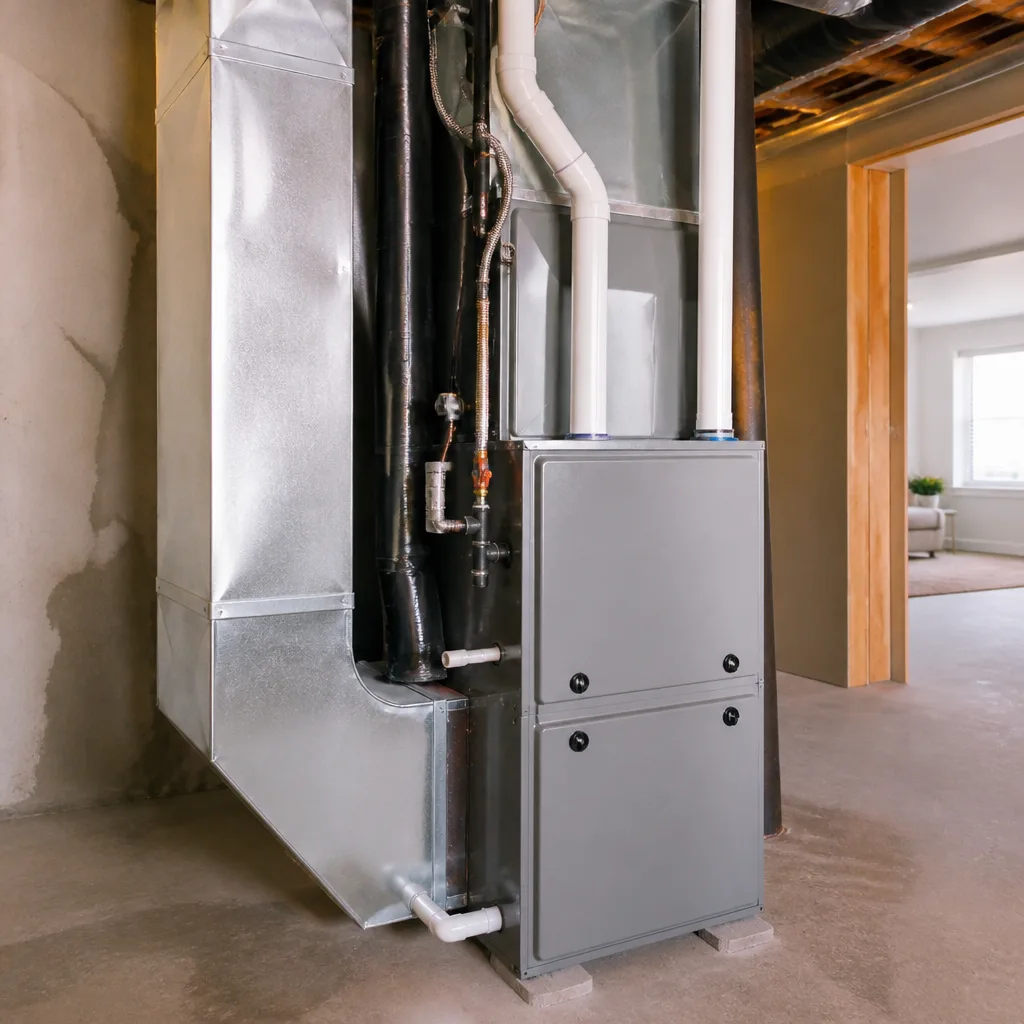
Your cooling side and heating side are two separate machines connected only by ductwork and a thermostat. Half the system sits dormant for most of the year, and that is exactly why the fall tune-up matters.
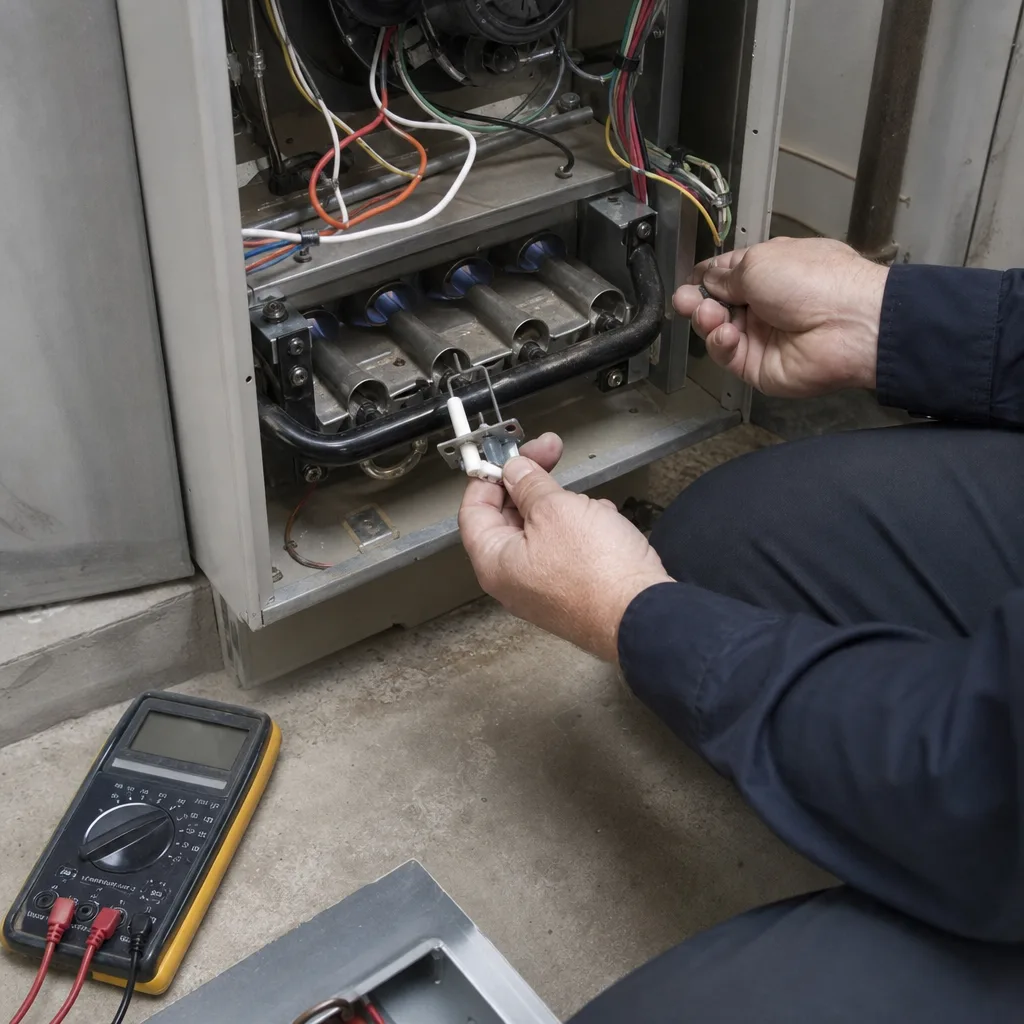
- Clean the burners, test the flame sensor and igniter, and check the heat exchanger for cracks before December. Enterprise winters are mild compared to the Midwest, but a cracked heat exchanger is a carbon monoxide issue anywhere.
- Clear the condensate drain and pan in late spring. Cooling season is where the drain earns its keep.
- Inspect flue and venting in October. A bird nest in the flue does not announce itself until the first cold night.
- Test the capacitor under load each spring on the condenser. That part is the most common single failure we see on the cooling side, and testing it takes minutes.
Either way, when something fails, the person at your door should be producing readings before they produce a recommendation. That is the difference between heating and furnace service in Enterprise that you can trust and a phone quote that does not survive contact with the actual equipment.
The Monsoon Micro-Season: What July and August Do to Your Equipment
Enterprise does not get a lot of rain, which is exactly why the monsoon months matter more here than most homeowners realize. When July and August push moisture through the valley, the dust that has been accumulating on your condenser coil all summer turns into a paste. That paste insulates the coil, the compressor works harder, and the capacitor runs hotter than it was designed for. Failures cluster in late July and August for that reason, not by coincidence.
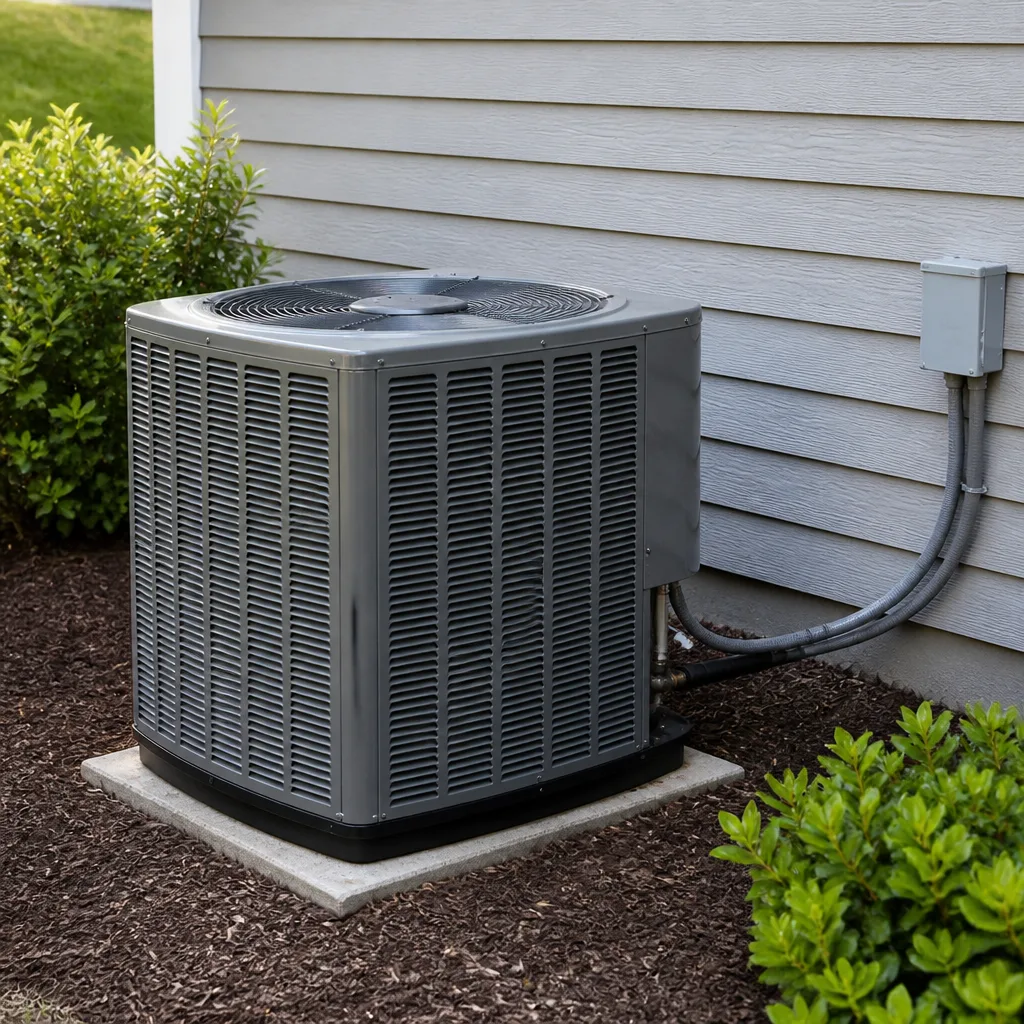
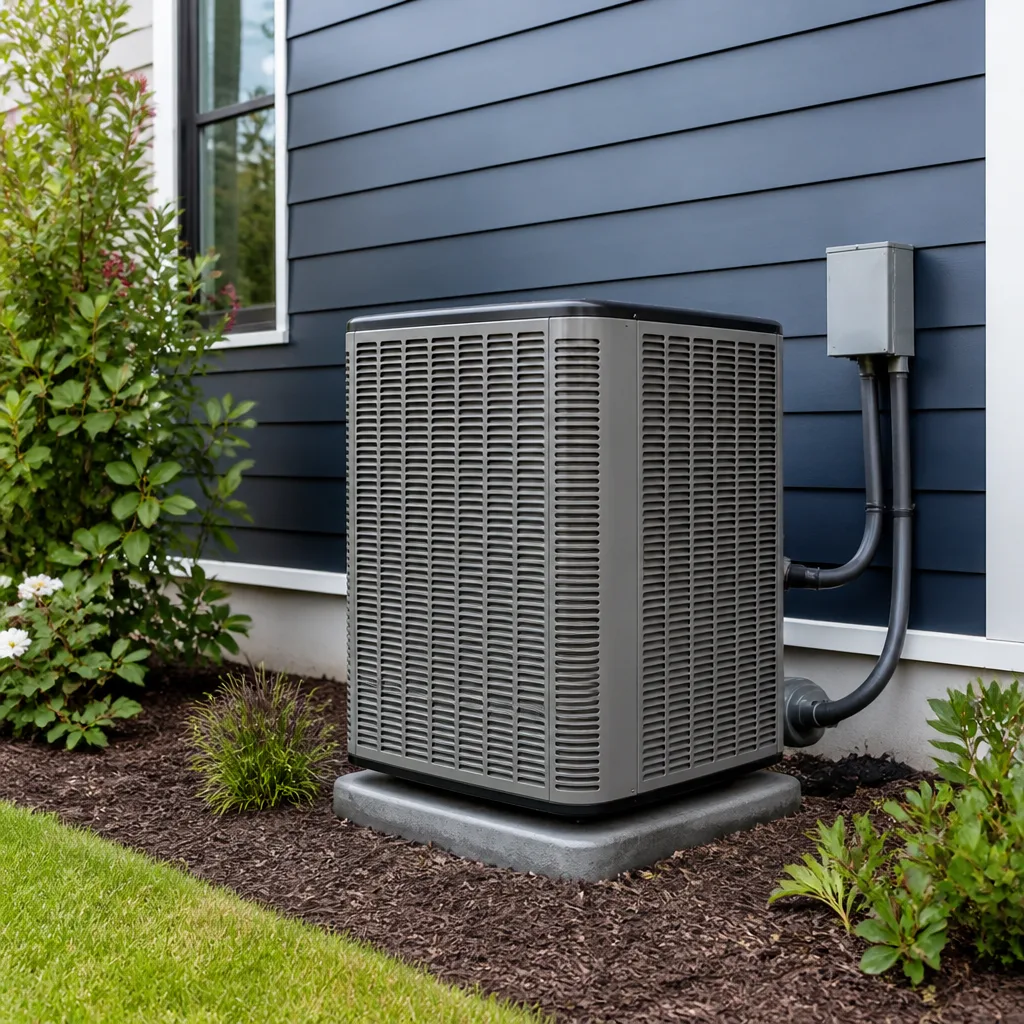
- Condenser coils: A dry dusty coil tolerates airflow. A wet dusty coil does not. A quick rinse of the outdoor unit after a monsoon event, with the power off, prevents most of the coil damage we see in Enterprise.
- Drain pans and lines: The system is pulling more moisture out of the air during a humid stretch. A drain line that was marginally clear in June can back up in August. Check the pan for standing water once a week during the monsoon window.
- Capacitors: Heat plus load plus a clogged coil is the classic Enterprise capacitor death combination. Testing the part takes two minutes; guessing that the compressor is bad does not.
- Attic and ductwork: Attics in Enterprise get brutally hot. A small duct leak that was harmless in spring bleeds cold air into a 140-degree attic in August and shows up as a room that will not cool.
If you hear the outdoor unit laboring in late July, or the air handler is running but the house is not getting cool, get it looked at before the next monsoon wave. Call (844) 455-2034 and someone actually answers.
The Two Weeks Before Summer: What Most Homeowners Skip
There is a stretch of about two weeks in late April and early May that almost every homeowner in Enterprise skips, and it is the most valuable two weeks on the calendar. By the time the first 105-degree day hits, the decision is already made for you. Here is what to do in that window.
- Rinse the outdoor condenser coil. Power off at the disconnect, garden hose on low, straight down through the fins. Never sideways, never a pressure washer. Ten minutes of work.
- Change the filter. One inch, every 30 to 60 days in cooling season. If you have pets or live near a dirt lot, closer to 30. Note the size on the filter frame so the next one is easy.
- Flush the condensate drain line. A cup of white vinegar down the access port once in spring nips most clogs before they happen. If you have a float switch, test it.
- Test the cooling system on a mild day. Turn it on in April when it is 78 degrees out. If it does not cool, you have weeks of margin instead of hours.
- Check the thermostat. Batteries, schedule, and setpoints. A thermostat set to “heat” in April is more common than you would think, especially in homes with a heat pump.
- Walk the attic and check for wet insulation or sagging duct runs. A duct that fell off in January quietly ruins your summer efficiency.
What this costs you when you skip it: a July emergency call, a hot house, and sometimes a compressor that ran itself to death against a clogged coil. In our experience, the homes that get through an Enterprise summer without an emergency are the homes that did this two-week list.
Season-by-Season Task Checklist
Here is the Enterprise maintenance calendar in one place, so you can put it on the fridge and stop thinking about it until the reminder goes off.
- March – April (spring): Outdoor coil rinse, filter change, condenser capacitor test, condensate drain check, full cooling tune-up. Heat pump: reversing valve and defrost cycle check.
- May (pre-summer push): The two-week list above. Test cooling on a mild day. Clean the attic if you can. Confirm you have the right filter on hand.
- July – August (monsoon micro-season): Weekly drain pan check, coil rinse after a rain event, listen to the outdoor unit for laboring. Do not skip the filter because it is hot out. That is when the filter matters most.
- October – November (fall): Furnace or heat pump heating tune-up, flame sensor and igniter test, heat exchanger inspection on gas equipment, flue and venting check, reversing valve and defrost check on heat pumps, auxiliary heat test.
- December – February (cold window): Filter change, thermostat schedule check, quick listening test on the furnace. If the flame goes out or the system locks out, call.
The full, brand-level detail is on our heat pump and mini split page for Enterprise if you want to dig into a specific system type. The list above is the plain-English version.
The January Wake-Up Call: Furnace Lockouts and Flame Sensors
The most common January call we get in Enterprise is not a blown furnace. It is a furnace that fires for a few seconds, shuts off, and repeats until it locks itself out. Nine times out of ten the flame sensor is coated. It is a cheap part, a quick clean, and it is the single most predictable failure in this climate because the furnace sits idle for nine months and then gets demanded at 11pm on the coldest night of the year.
A dirty flame sensor is not a DIY project most homeowners should take on, and a gas furnace is not a place to learn. A professional cleaning and test takes minutes, and it also catches the small percentage of cases where the problem is actually the igniter, the pressure switch, or venting. If you have not had the furnace looked at since last winter, do it in October or November, not in January when it is 34 degrees out and the house is cold.
We cover the full scope on our heating page for Enterprise. And if something is genuinely wrong with the heat exchanger or the flue, that is a safety matter, not a comfort matter. Get it looked at by someone trained to look at it.
Common Mistakes to Avoid
- Waiting for July to book a tune-up. By then you are competing with every household in Enterprise that also waited, and emergency rates are the price of the line.
- Treating a heat pump like a gas furnace. The task list is different. Reversing valves, defrost cycles, and auxiliary heat need their own checks that a gas-only maintenance visit skips entirely.
- Skipping the pre-summer drain flush. A clogged condensate line in August means water in the pan, water on the ceiling, and a call you could have avoided.
- Rinsing the condenser coil with a pressure washer. It bends the fins, it damages the coil, and it costs more than the cleaning was worth. Garden hose, low pressure, straight down.
- Letting a dirty flame sensor sit until the furnace locks out. Cleaned in fall, it is a five-minute job. Discovered at 11pm in January, it is an emergency call and a cold house.
- Assuming a capacitor is a compressor. Thousands of compressors have been condemned over a $30 part that was never tested. Ask for the reading.
- Letting the coil cake up through the monsoon. In Enterprise, a dry coil and a wet coil behave very differently. The wet, dusty one is what kills equipment.
See the difference
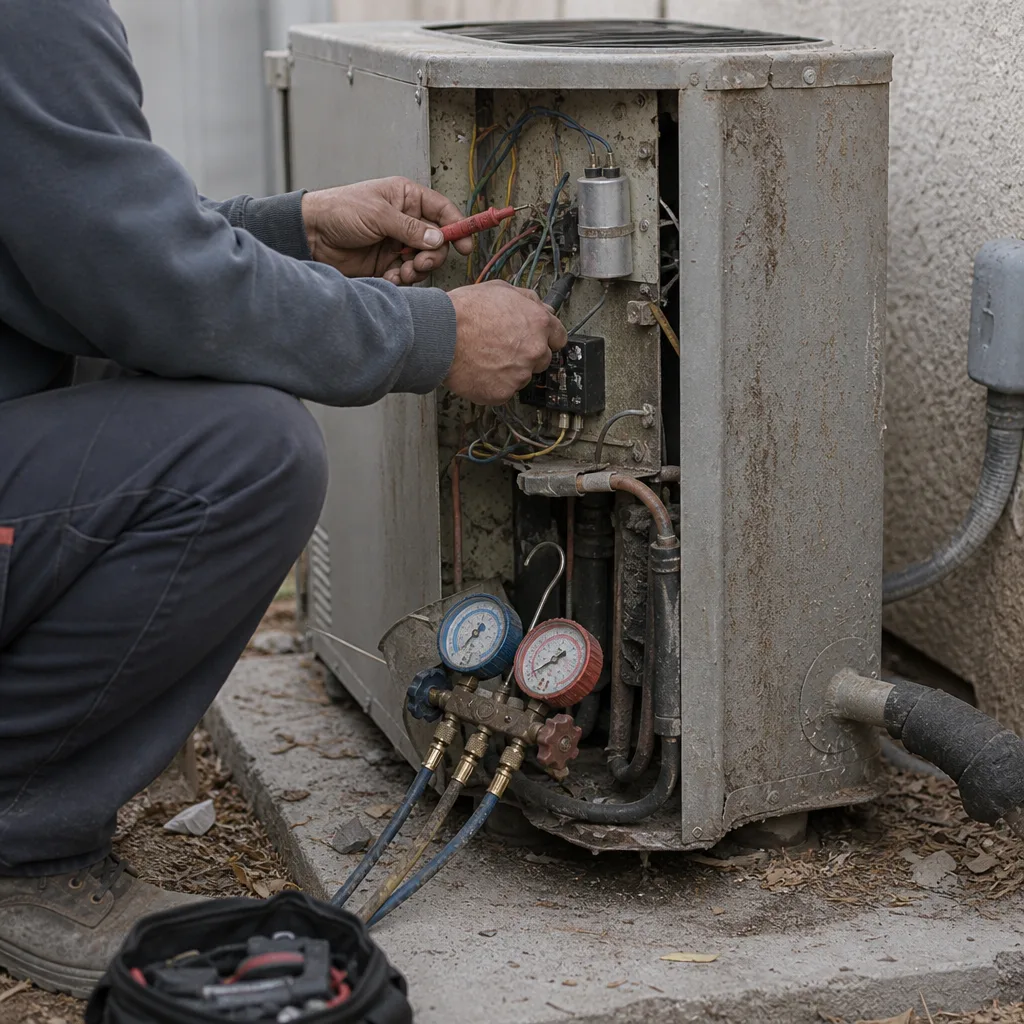 Before
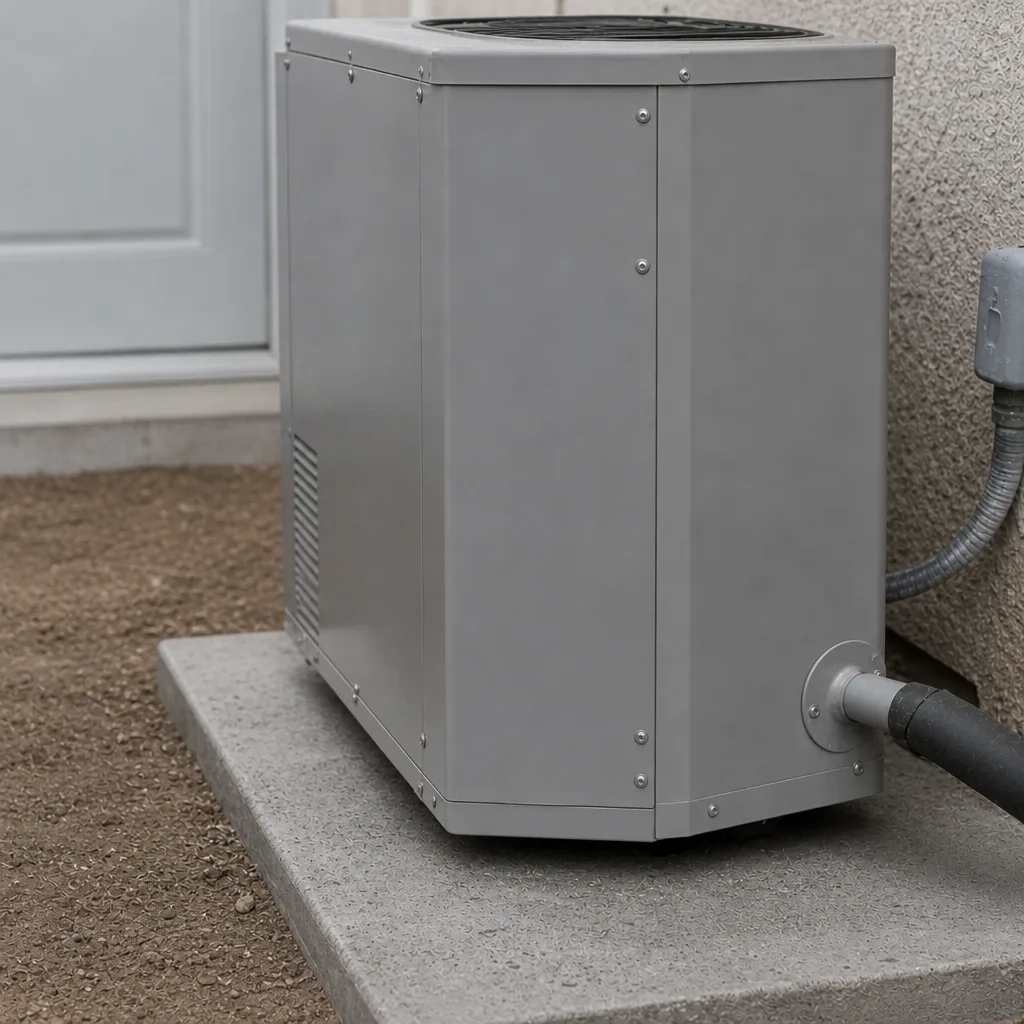 After
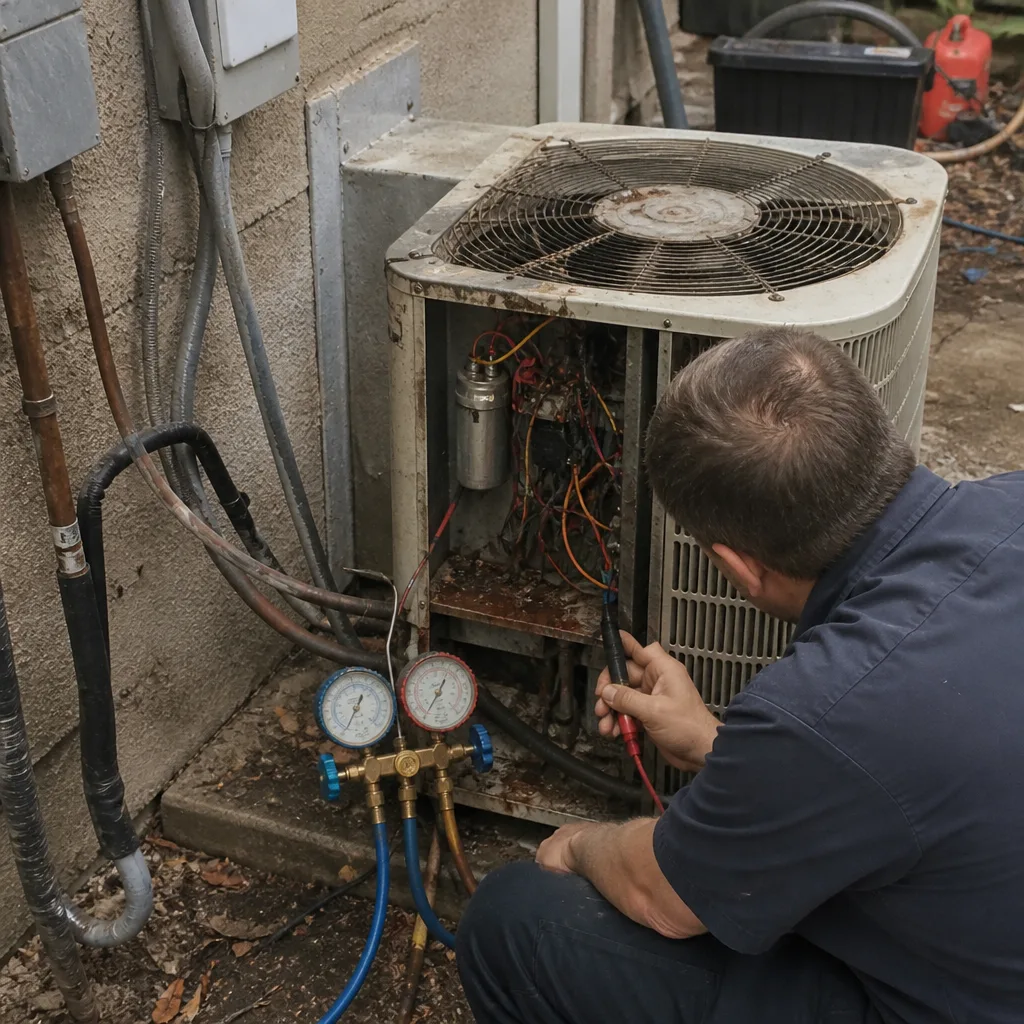 Before
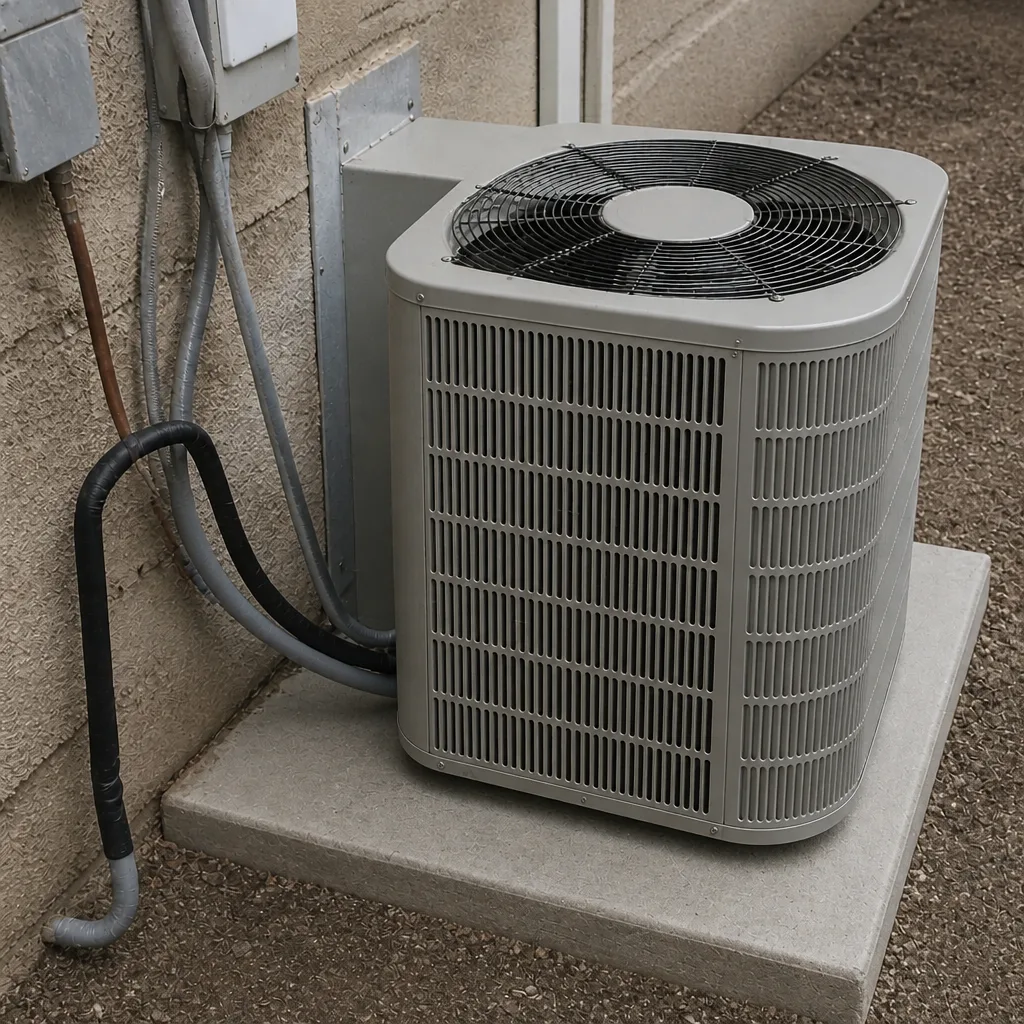 After
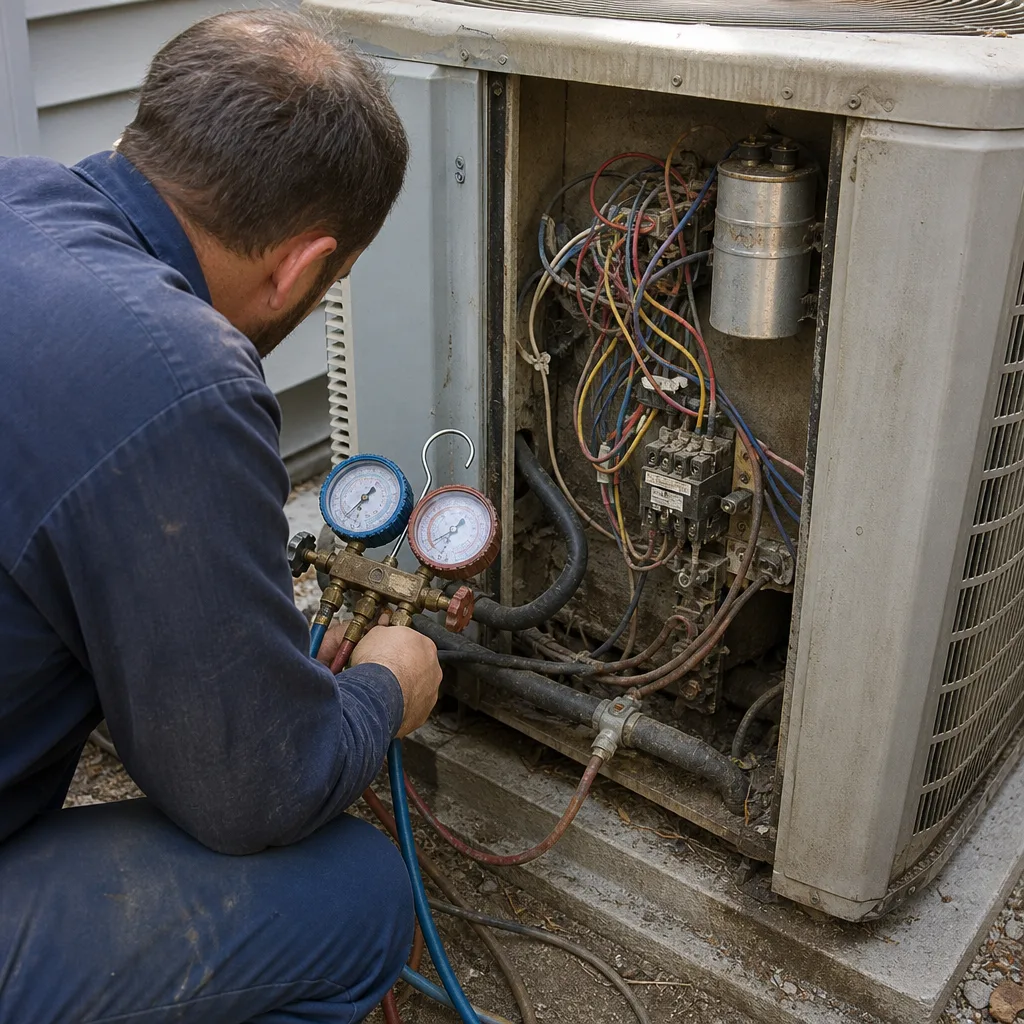 Before
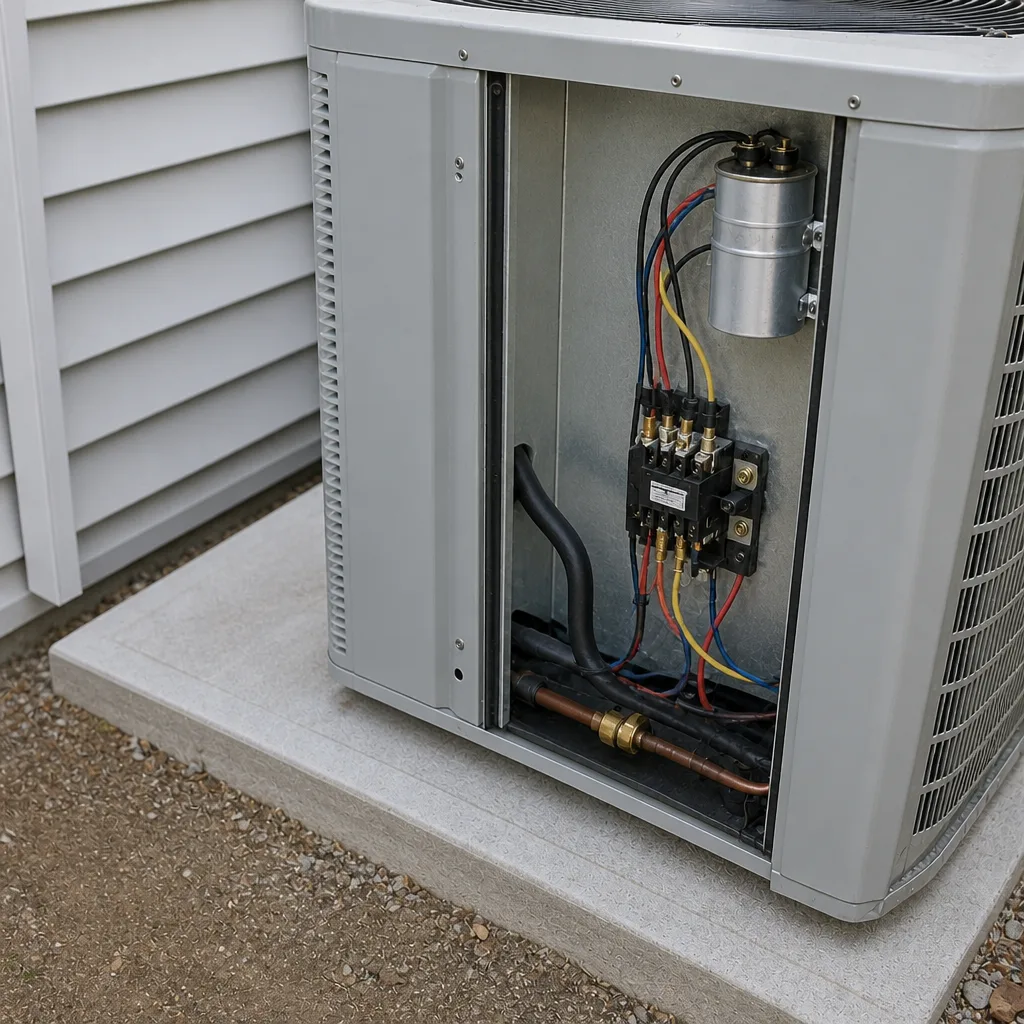 After
When to Call a Professional
Some things are a filter and a hose. Some things are not. Call a professional if the outdoor unit is laboring or shutting off on its own, if the furnace locks out or the flame goes out repeatedly, if you smell gas anywhere near the equipment, if the heat exchanger is suspect, if the breaker trips when the system starts, or if any high-voltage work is involved. Capacitors and compressors are not hands-on parts for a homeowner. Any electrical panel or gas line work is a professional job, full stop. If you are not sure whether it is urgent, it is worth a call to talk it through. Ray’s Heating & Air Enterprise offers free estimates in Enterprise; call (844) 455-2034 and a live person will pick up, day or night.
Frequently Asked Questions
Twice a year, once in spring before cooling season and once in fall before the cold window. Enterprise runs three seasons rather than four, so the two-visit schedule lines up with the two real extremes: the killing summer and the short cold stretch. A single annual visit leaves one side of your system unchecked for a full year.
March, April, October, and November are the best months. Availability is wider and pricing is more predictable because you are not competing with the July emergency queue. Booking in October also gets the furnace looked at before the January lockout calls start.
Yes. A heat pump runs year-round and relies on a reversing valve, a defrost cycle, and auxiliary heat that a standard gas-and-electric system does not have. Those parts need their own checks each shoulder season. A heat pump household that only books “AC service” is leaving real items off the list.
Almost always a dirty or failed flame sensor, sometimes an igniter or a pressure switch. The furnace sits idle for nine months, the sensor builds up a coating, and it cannot confirm flame. Cleaned and tested in the fall, it is a quick fix; discovered in January, it is an emergency. If it is happening now, call (844) 455-2034.
It accelerates wear, yes. The July and August moisture turns accumulated dust on the condenser coil into an insulating paste, which makes the compressor work harder and the capacitor run hotter. Capacitor failures cluster in late July and August for exactly that reason. Weekly drain checks and a coil rinse after a rain event cover most of the risk.
Not if it passes the readings. In our experience, a system that still holds proper refrigerant charge, tests within spec on the capacitor, and is not tripping a breaker usually has years left. Replacement math changes when you are facing a compressor, a heat exchanger, or repeated repairs on the same part. The honest answer comes from readings, not from the age of the equipment.
The Bottom Line
Enterprise does not run on a brochure’s four-season calendar. It runs on a long, brutal summer, a monsoon micro-season that quietly eats coils and capacitors, and a short cold window that catches transplants off guard in January. Prep the cooling in March and April, rinse and drain through the July – August moisture, and get the heating checked in October and November before the lockout calls start. Do that in the shoulder months and you will spend a lot less than the household down the street that waits until the first 105-degree day. The generic quarterly reminder on a mailer is not your system’s schedule. Your system’s schedule is the one in this guide.
Ray’s Heating & Air Enterprise is locally owned and owner-operated, backed by the 90-Day Done Right Promise in writing, and answers the phone with a live person around the clock. If it is time for a tune-up or you are not sure, call (844) 455-2034 for a free estimate. Start at the Ray’s Heating & Air Enterprise home page if you want the full picture of what we do.
Written by the team at Ray’s Heating & Air Enterprise.