
Last updated November 17, 2026
 AC repair
 Furnace & heating
 Heat pumps
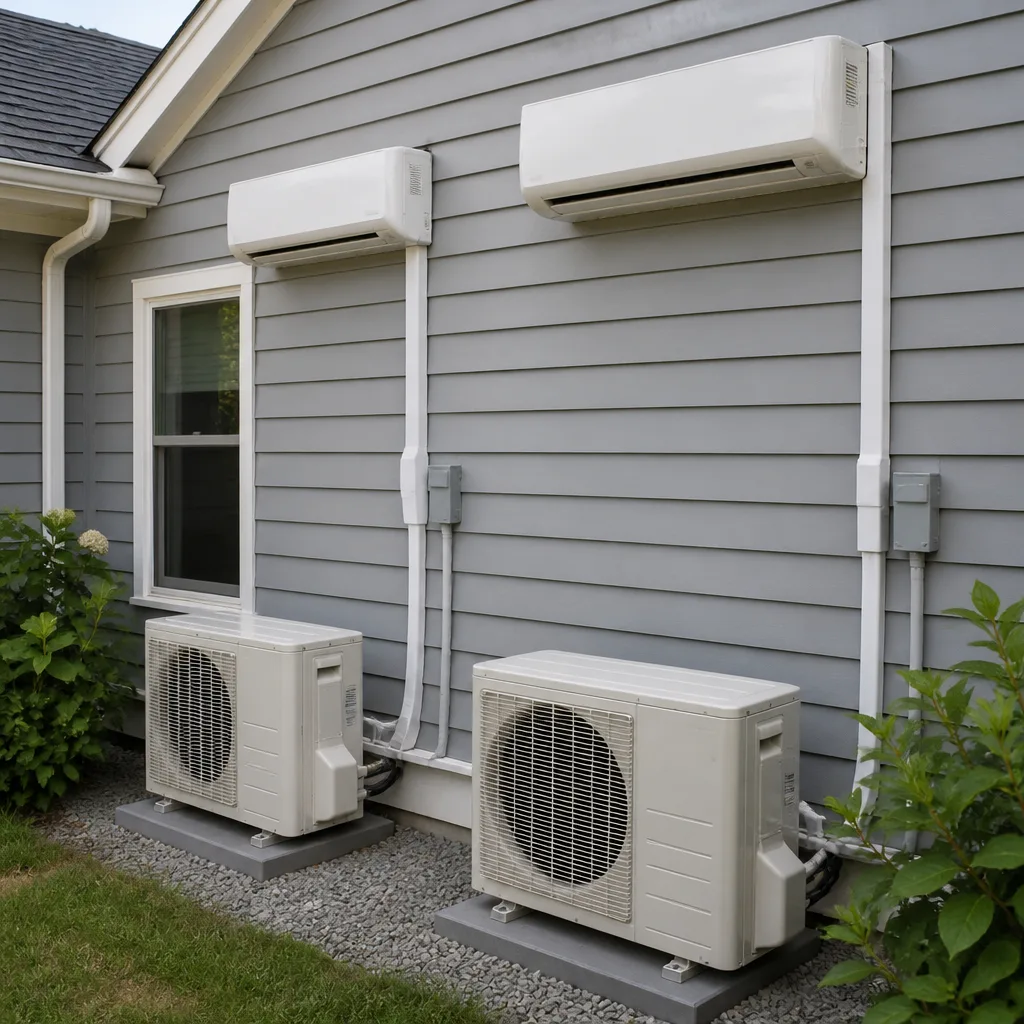 Ductless mini splits
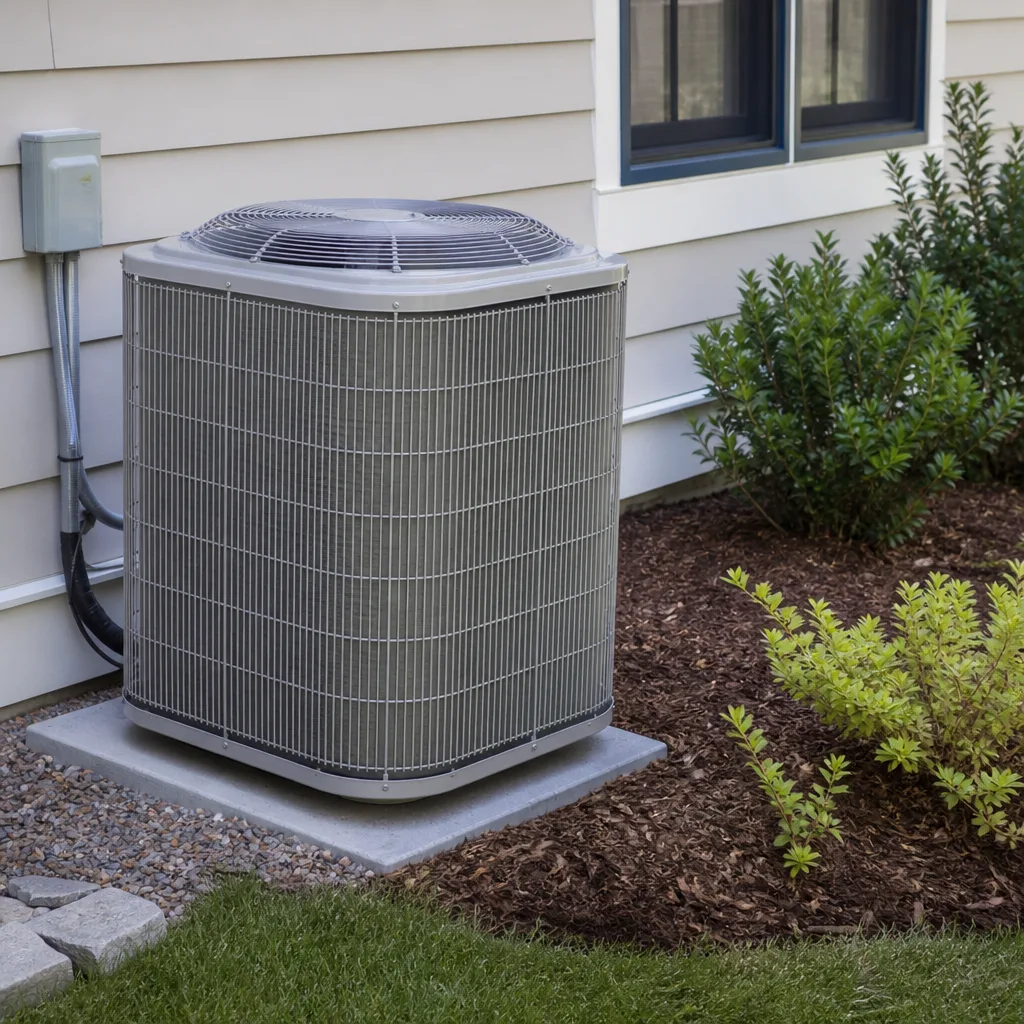 Carrier
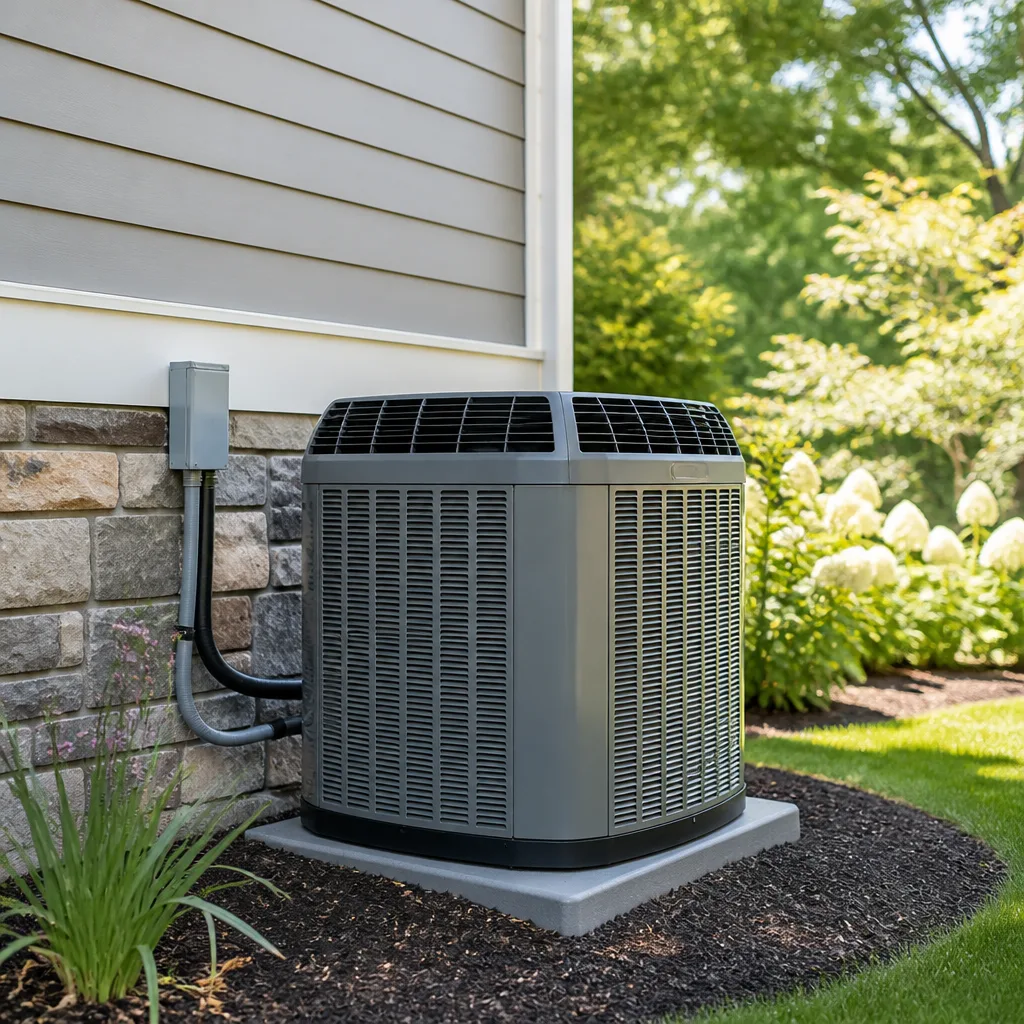 Trane
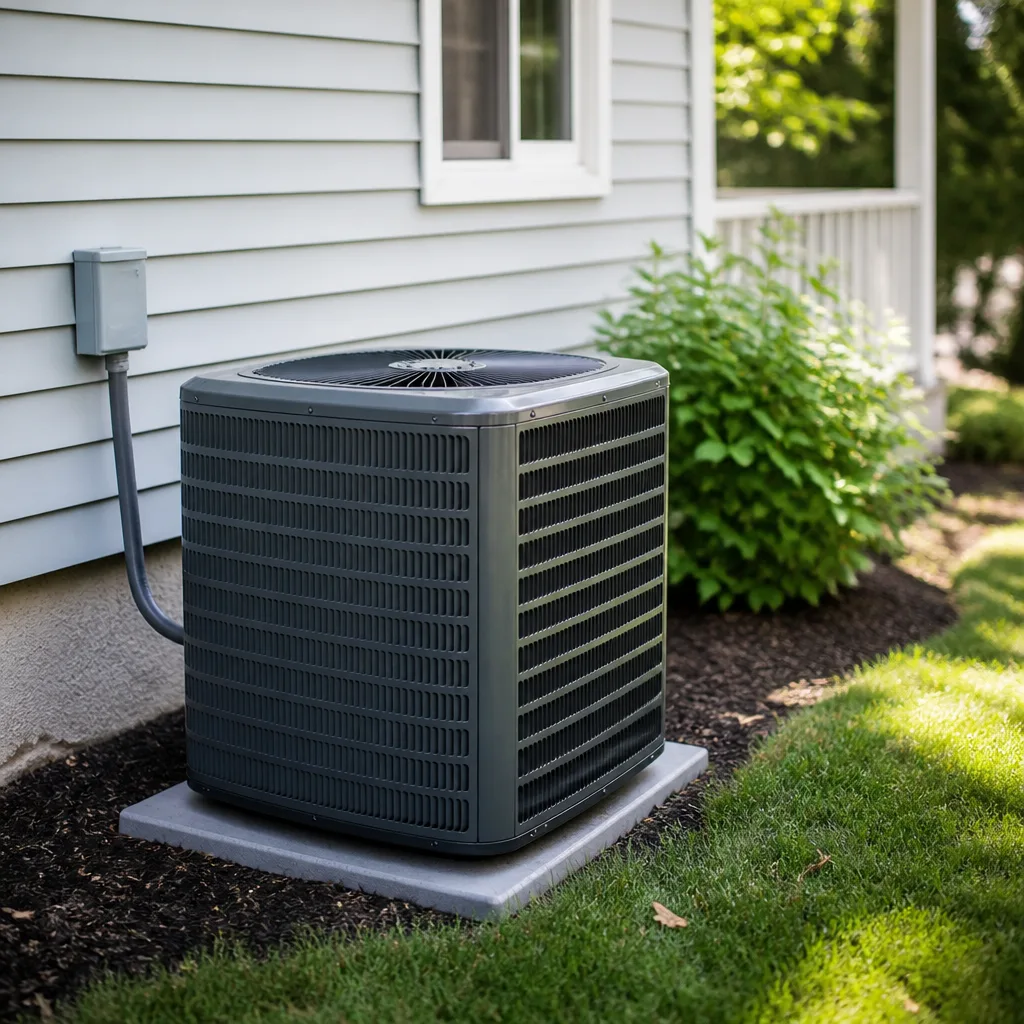 Goodman
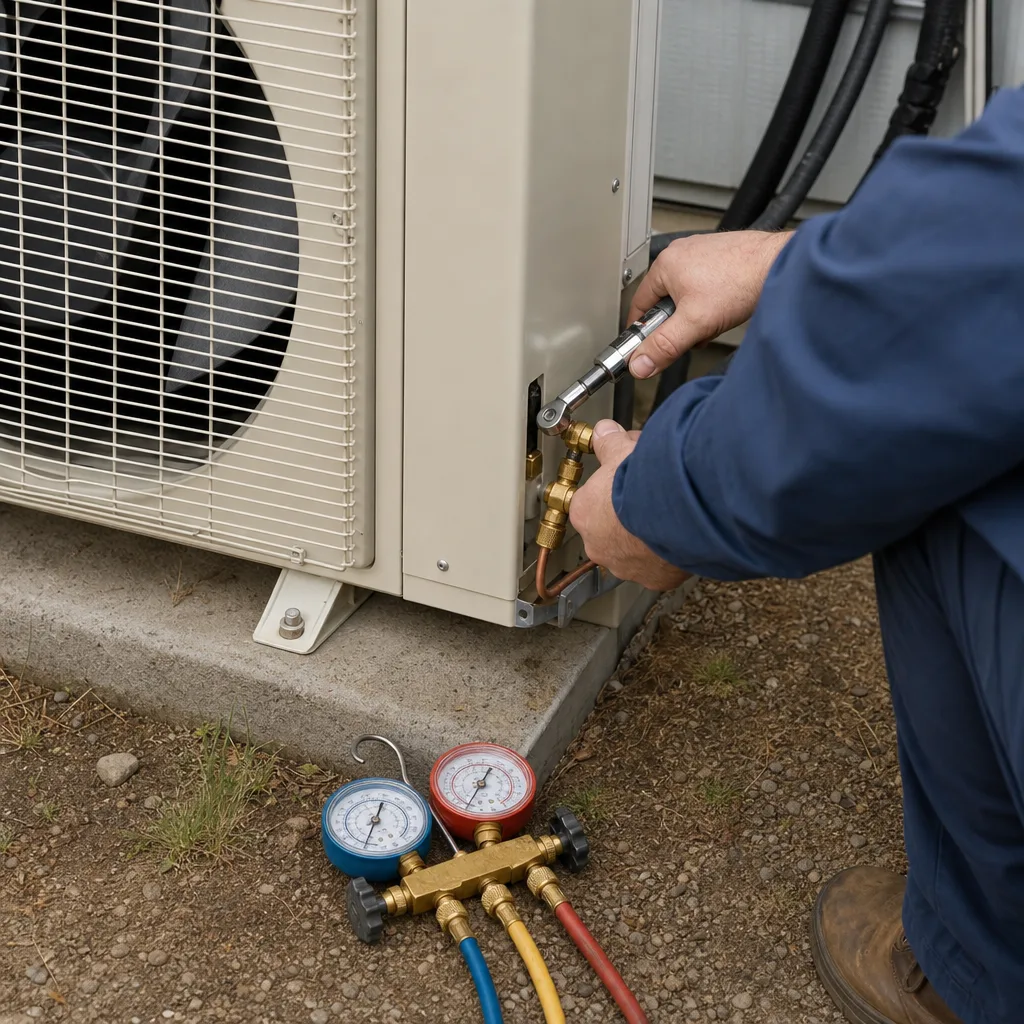
Seasonal tune-up and full diagnostic on your Carrier, Trane, or Goodman system - readings shown to you before any repair is proposed
Diagnosis first, numbers second - you approve the repair price before a single part goes in.
Get your free estimateEmergency & Commercial HVAC Warning Signs Every Homeowner Should Know
The rooftop unit that dies on a Friday afternoon in July didn’t decide to die Friday afternoon. It was telling anyone who was listening for the previous three weeks, in the form of a slight burning smell at startup and a thermostat that was “running a little more than usual.” Nobody wrote it down. Nobody connected the dots across three shifts. By the time it quit, the building was 91 degrees inside and the emergency call went out at 10 PM on a holiday weekend. We’ve seen that exact sequence play out across Enterprise more times than we’d like. This guide trains the non-technical owner to catch the early warnings, so you’re scheduling a service call on a Tuesday morning instead of begging for one on a Friday night.
Quick Answer
Commercial HVAC systems almost always signal failure weeks before they quit, and the earliest warnings are things a non-technical person can spot: a burning smell at startup, a sound change, uneven temperatures in one specific zone, or an energy bill that crept up 15 to 25 percent with no explanation. If you write those signals down and review them weekly, you’ll catch most breakdowns while they’re still cheap to fix. Standing water near a rooftop unit, visible refrigerant staining, or a damper that won’t move means call today, not next week.
Styles & brands we work with
- AC repair
- Furnace & heating
- Heat pumps
- Ductless mini splits
- Carrier
- Trane
- Goodman
Table of Contents
- The Warning Signs Your Staff Can Spot Without a Tool
- Reading Your Energy Bill for the Delta That Matters
- Rooftop Unit Warnings Specific to Nevada’s Climate
- How to Triage: Two Weeks vs. Today
- Building a Five-Minute Warning Sign Log
- Why Homeowners Should Watch the Same Signals
- Common Mistakes to Avoid
- Frequently Asked Questions
The Warning Signs Your Staff Can Spot Without a Tool
You don’t need gauges to hear a system working harder than it should. The human ear and nose are remarkably good diagnostic instruments if someone is paying attention. The problem is that nobody on staff is assigned to pay attention, so the signals fall through the cracks between shifts.
Three categories of signal are worth training your people on:
- Sound changes. A unit that used to hum and now rattles, chirps, or clunks at startup. A blower that used to be a steady whoosh and now cycles on and off in short bursts. A compressor that clicks repeatedly before it catches. Any of these is the system telling you something is loose, worn, or straining.
- Smell at startup. A faint burning smell that shows up only in the first 30 seconds after the system kicks on, then fades. That pattern is often a sign of a motor winding running hot, a belt slipping, or dust cooking on a heat exchanger. It is not the same as a dusty smell on the first cold day of fall. The startup smell that persists day after day is the one that matters.
- Uneven temperature complaints from specific zones. When employees in one corner of the building keep saying “it’s always freezing over here” or “this room never cools down,” that is not employee preference. It is a zone with a damper stuck open or closed, a duct leaking, or a thermostat that has drifted. The same room complaining week after week is a data point.
None of this requires anyone to open a panel. It requires someone to notice and write it down. In Enterprise, where summer afternoons regularly cross 100 degrees and a building can go from comfortable to unsafe in an hour once the cooling fails, that written record is what buys you time to plan.
Reading Your Energy Bill for the Delta That Matters
Here is the single most ignored warning sign in commercial HVAC: the energy bill that went up while everything else stayed the same. A failing compressor, a dirty coil, or a refrigerant charge that has drifted low will all make the system run longer to hit the same setpoint. The building still feels fine. The bill does not.
What you’re looking for is the month-over-month delta, adjusted for weather. You don’t need to be an energy analyst to spot it. Pull the last 12 months of bills and compare the same month a year earlier. If June of this year ran 18 percent higher than June of last year, and you didn’t add equipment or change hours, the system is working harder than it should be. A 15 to 25 percent unexplained increase over a comparable month is a strong signal to get a service call on the calendar.
Some of that delta is normal. Utility rates move. Occupancy shifts. But a rate increase tends to hit every month roughly equally. What you want to spot is the month where the cooling side jumped disproportionately to the rest of the building.
The reason this matters: a system running 20 percent harder for three months is usually a dirty condenser coil, a failing capacitor, or a slow refrigerant leak. Any of those is a service call in the $150 to $400 range in the Enterprise market. The same problem left to fail on its own turns into a compressor replacement, which runs into the four figures. Reading the bill is how you catch it while it’s still cheap.
Rooftop Unit Warnings Specific to Nevada’s Climate
Rooftop units in Enterprise live a rougher life than equipment in most of the country. The combination of 100-plus degree summers, monsoon-season dust that coats coils and clogs drains, and the swing from hot afternoons to cold desert nights puts stress on the same components all year. That climate produces some very specific warning signs worth knowing.
Standing water on the roof deck near the unit
The condensate drain line pulls gallons of water out of the air every day in summer. It should run off to a drain and disappear. If you see a puddle on the roof deck next to the unit after a week of running, that is a clogged drain pan or a broken line. A clogged drain is a modest repair. Water sitting on the roof deck seeps into insulation and can eventually find the ceiling tiles below. Look at the roof after a hot week, not during a rainstorm, and you’ll see the difference between monsoon water and drain overflow.
Visible refrigerant staining
Refrigerant oil leaves a dark, oily residue at fittings and joints when a system leaks. It’s often easier to see than to smell. Any staining on the copper lines near a rooftop unit or on the service valves means a leak has been there a while. Refrigerant leaks never improve on their own, and the cost to recharge a system climbs every year as refrigerant prices rise. Catching this early is worth real money.
Economizer damper that doesn’t move
Most commercial rooftop units in Nevada use an economizer to pull in outside air when it’s cool enough to avoid running the compressor. In summer, that damper should open at night and close during the day. If you can watch a unit cycle twice and the damper never moves, it is either stuck open (letting in hot air all day, running the bill up 20 percent) or stuck closed (wasting the free cooling that pays for itself). A stuck economizer is one of the most common problems we find on Enterprise rooftop checks.
Sun-facing units run hotter
A rooftop unit on the west or south side of the building, with no shade, works harder on an Enterprise afternoon than the same unit on the north side. That’s not a sign of failure, but it does mean those units age faster. If you have west-facing units that are approaching 12 to 15 years old, it’s worth putting them on a closer inspection schedule.
How to Triage: Two Weeks vs. Today
Not every warning sign is urgent, and treating everything like a 10 PM emergency is expensive and exhausting. The real skill is knowing which symptoms buy you two weeks and which ones mean you can’t open tomorrow without a service call today.
Schedule something in the next two weeks if you notice:
- A sound change that’s consistent but not getting worse (rattle, chirp, or intermittent clunk)
- A faint burning smell at startup only, that fades each time
- One zone that’s harder to keep comfortable than it used to be
- An unexplained 15 to 25 percent energy bill increase
- Visible refrigerant oil staining, but the system is still cooling
Do not open tomorrow without a service call today if you have:
- Any system that is not heating or cooling when the building needs it
- An outdoor unit or rooftop unit that trips its breaker repeatedly
- Ice forming on the indoor coil or refrigerant lines (this means airflow or charge trouble, and running it makes both worse)
- Any smell of gas or combustion in a heating system
- Water actively dripping from a ceiling below a rooftop unit
- The sound of a compressor trying to start and not starting
The reason we push for daily review rather than weekly: a sound change that was “not getting worse” on Monday can become “compressor won’t start” by Thursday if the component behind it was a starting capacitor. A capacitor is a modest part to test and replace. A compressor that has been cycling hard against a bad start is four figures to replace. Test the capacitor before anyone says the word compressor. That’s the whole game right there.
For a fuller picture of how this works on the repair side, our AC repair and installation page for Enterprise walks through what a diagnostic visit actually looks like, and when the fix is a repair versus a replacement.
Building a Five-Minute Warning Sign Log
The single highest-leverage thing a non-technical owner can do is ask someone on staff to write down what they noticed. Not to fix anything, just to record. This takes five minutes a day and catches the patterns that would otherwise disappear between shifts.
Here’s a template that works. One page, one column for each day of the week, one row per warning category:
- Set up the page. Label rows: any strange sound (yes/no, brief note), any smell at startup (yes/no, when), any zone comfort complaint (which room), roof visible water (yes/no), energy bill update (once a month). That’s five rows.
- Assign one person per shift. The first person on site does the 60-second walkthrough as the system starts, and the last person to leave does it again as it shuts down. That’s two minutes total, not five.
- Hand it off at the start of every shift. The new shift reads what the previous one wrote. This is the part most people skip, and it’s the entire value of the log. Patterns live across shifts, not inside individual ones.
- Review it once a week. You, the owner, look at the page every Friday with a coffee. Three entries about the same room in one week is a data point. Two entries about a startup smell that’s growing in intensity is a data point. One entry about a weird noise is probably nothing.
- Bring it to the service call. When you call for service, read from the log. A technician who arrives knowing that the smell started three weeks ago on the west-facing unit at 7 AM has a completely different diagnostic starting point than one who only knows “it smells weird sometimes.”
That’s the whole system. No software, no dashboard, no monthly subscription. A clipboard on a hook by the thermostat and a five-minute habit.
If you want a deeper look at maintenance-visit thinking, our heating and furnace page for Enterprise covers the fall-side checklist that pairs with this log. And for commercial equipment that combines heating and cooling in one rooftop package, our heat pump and mini-split page for Enterprise explains why those systems behave a little differently from a gas furnace and a separate AC.
Why Homeowners Should Watch the Same Signals
Everything above applies to a house, just smaller and quieter. The same three categories of warning sign show up in residential systems: the sound that changes, the smell at startup, the room that never felt right. A home system that has been “running a little more than usual” for six weeks is often a capacitor, a dirty coil, or a refrigerant leak. Those are the same three things we find on commercial rooftops, just at house scale.
What’s different in a home is that the person noticing is also the person calling, which means the pattern only catches if you remember it. Two people in a house is a pattern. One person is a hunch. Write it down anyway, or at least notice when the same odd smell or sound has happened three times this month.
The other thing that’s different: homes in Enterprise tend to have system quirks based on when the house was built and what part of town it sits in. A furnace from the mid-2000s has different failure patterns than a newer one, and an AC coil that’s been running through 15 monsoon seasons has different vulnerabilities than a rooftop unit built for the same climate. Knowing the age of your equipment is worth writing on the inside of the air handler door, so you can look at it every time you change a filter. For general orientation on how a residential system is put together, our Ray’s Heating & Air Enterprise home page is a good starting point.
Common Mistakes to Avoid
We’ve watched these patterns repeat across years of Enterprise service calls. Each one costs a homeowner or business owner more than it needed to.
- Waiting for the “big” sign. People wait for the system to fully quit before calling, because they think a small sound or a slight smell isn’t worth a service call. It isn’t worth a service call for a single occurrence, but three occurrences of the same sign is the whole reason to call.
- Ignoring the energy bill. A 20 percent uptick is one of the most reliable early warnings we see, and it’s the one people most often write off as “rates went up.” Rates move a few percent at a time. If the cooling side jumps 20 percent alone, that’s the system.
- Assuming employees will mention it. They will, once. Then they’ll assume someone else mentioned it, or that it’s not their job. Assign the log or the signal gets lost.
- Not knowing the equipment’s age. A capacitor test on a 6-year-old unit tells you one thing. The same test on a 16-year-old unit tells you something very different about how to spend the money. In Enterprise’s climate, a rooftop unit that’s spent 15 summers on a west-facing parapet may be at the end of its practical life even if it’s still technically running.
- Letting the first hot week catch you cold. Every spring in Enterprise, the first real heat wave produces a spike in emergency calls. Systems that have been resting all winter fail on the first day of real load. Getting a spring check before June is a way to find the tired capacitor in April instead of August.
- Taking the “it’s just the thermostat” shortcut. A thermostat can be the problem, but a system that quits on a rooftop in July is rarely thermostat trouble alone. Testing the actual component before replacing the controller saves a diagnosis that turns out to be wrong.
- Using the wrong service for the job. A commercial rooftop unit and a residential furnace need different tools and different approaches. A general handyman is fine for a filter change. Anything past that should be someone who knows the equipment.
If you want a second set of eyes on a system before you commit to a repair, our AC repair page for Enterprise has more detail on what a diagnostic-first visit looks like.
See the difference
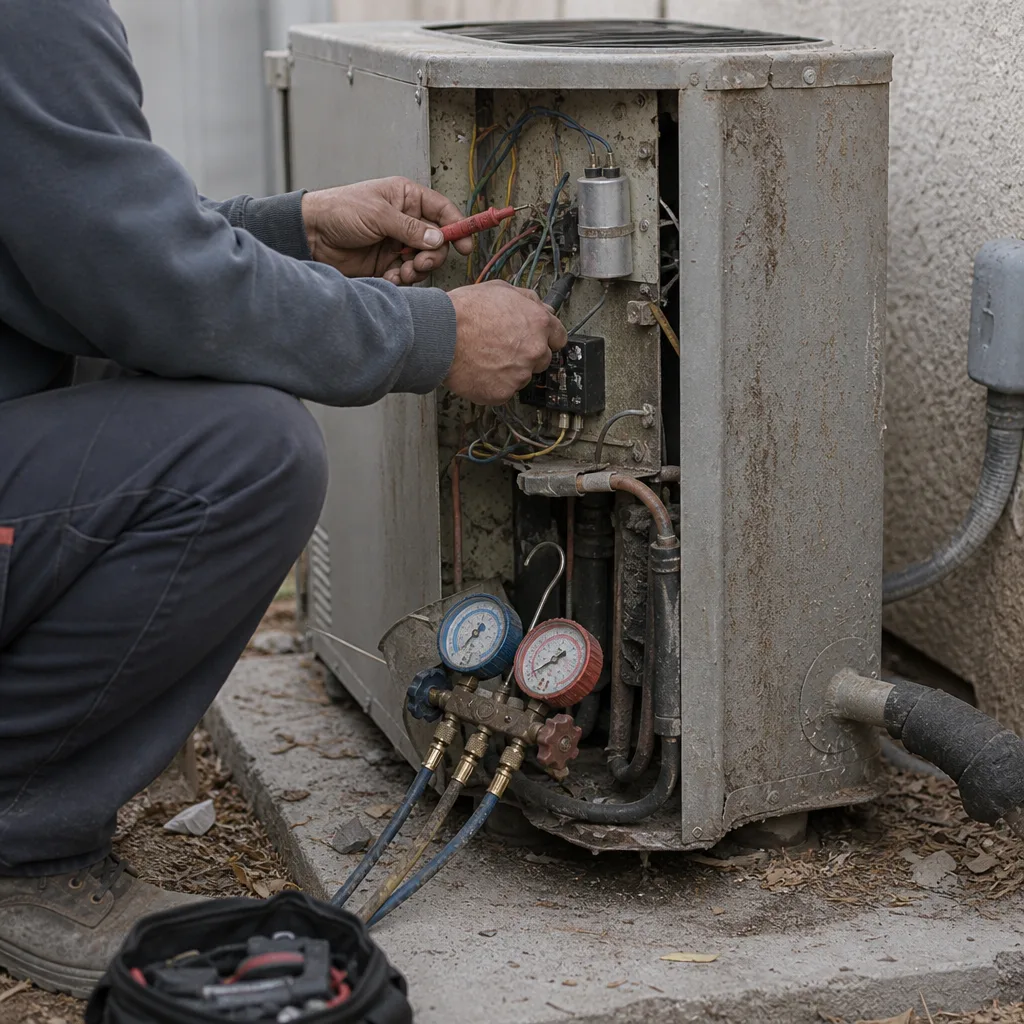 Before
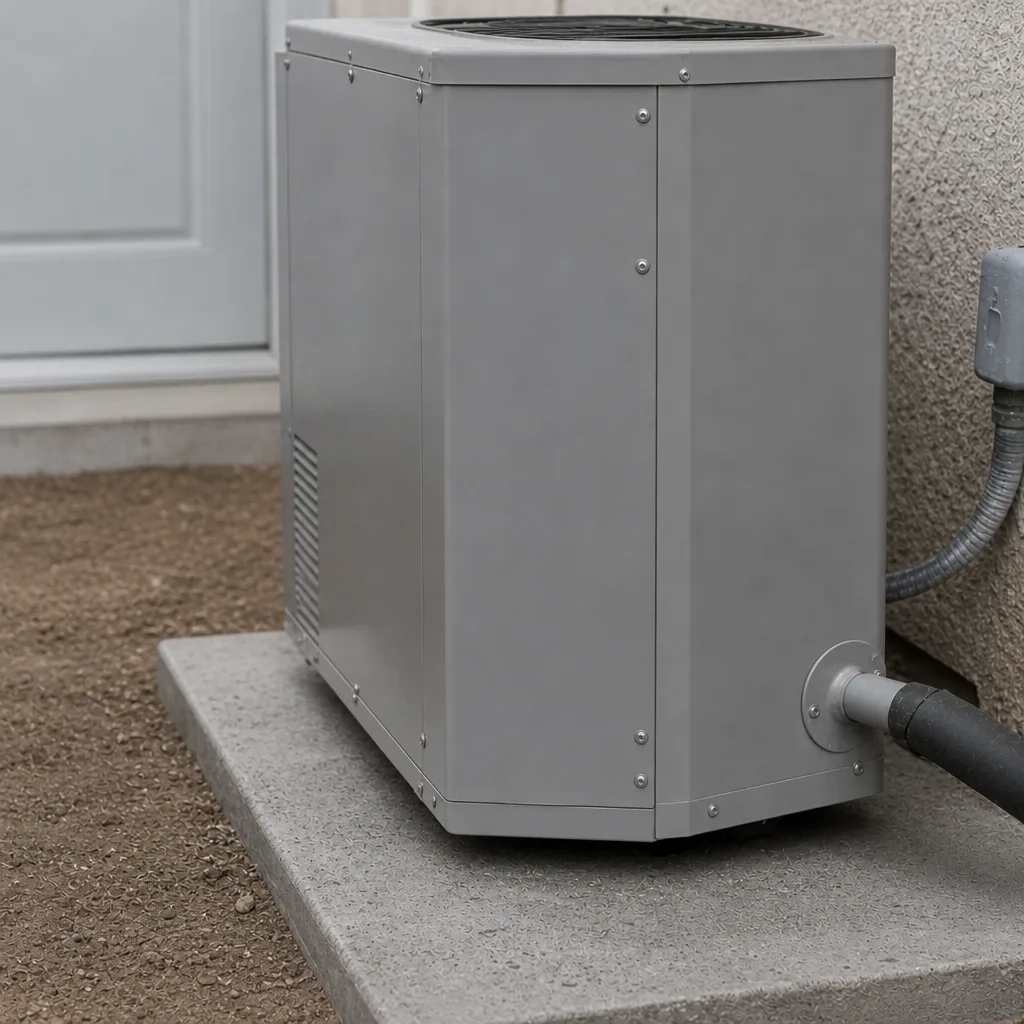 After
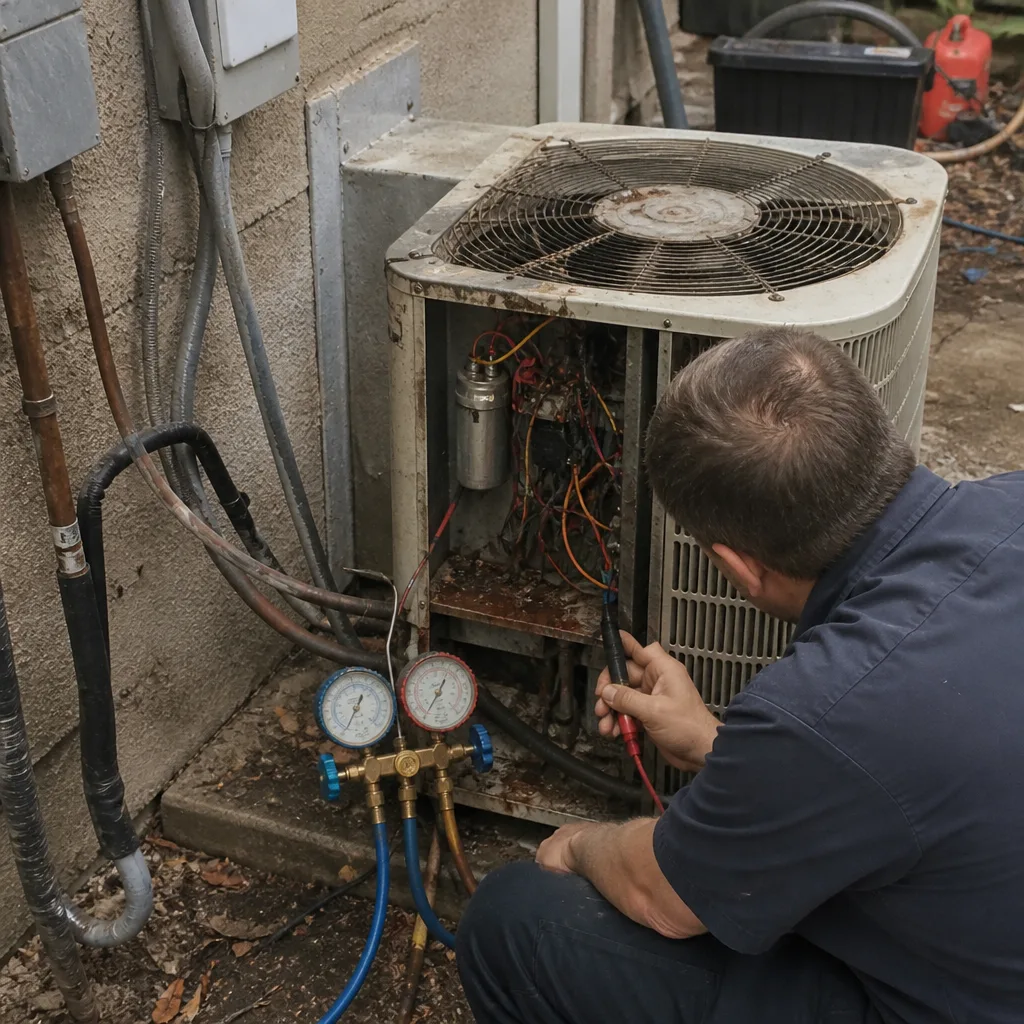 Before
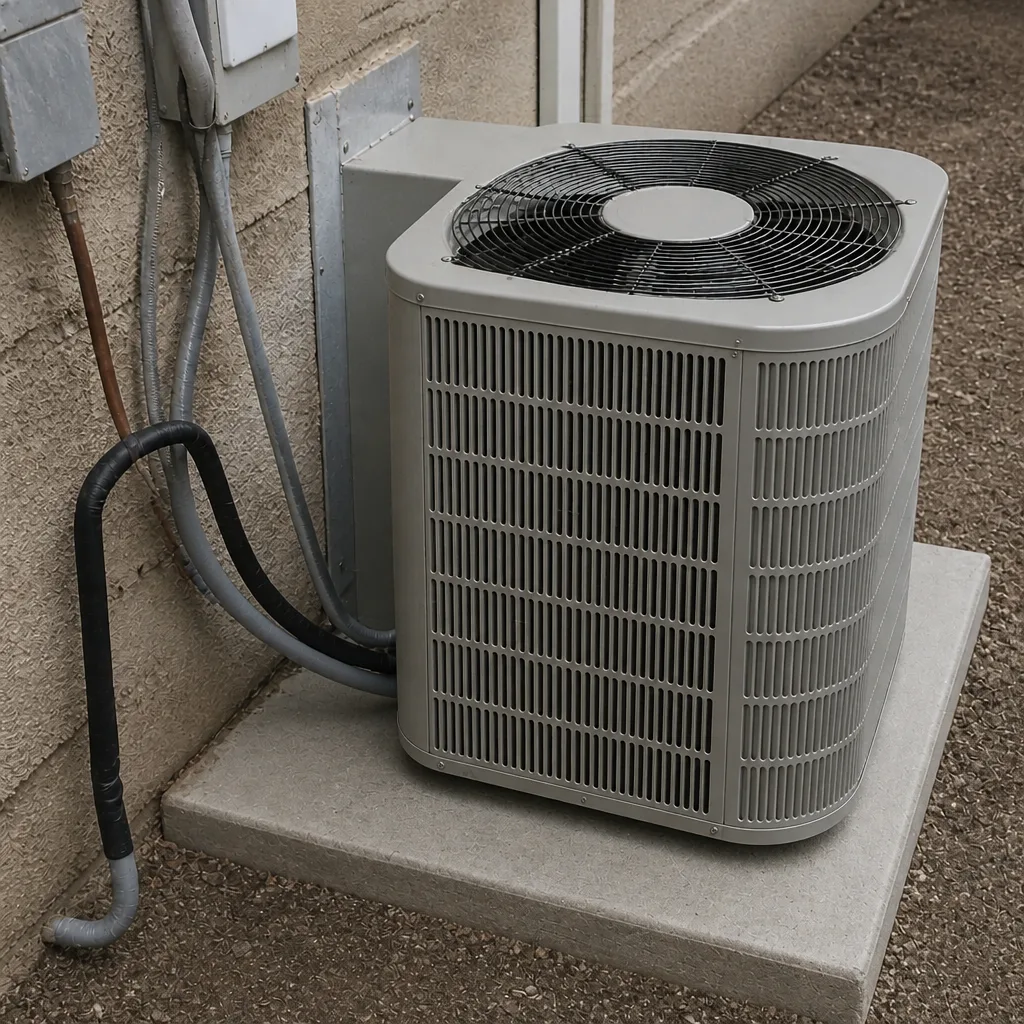 After
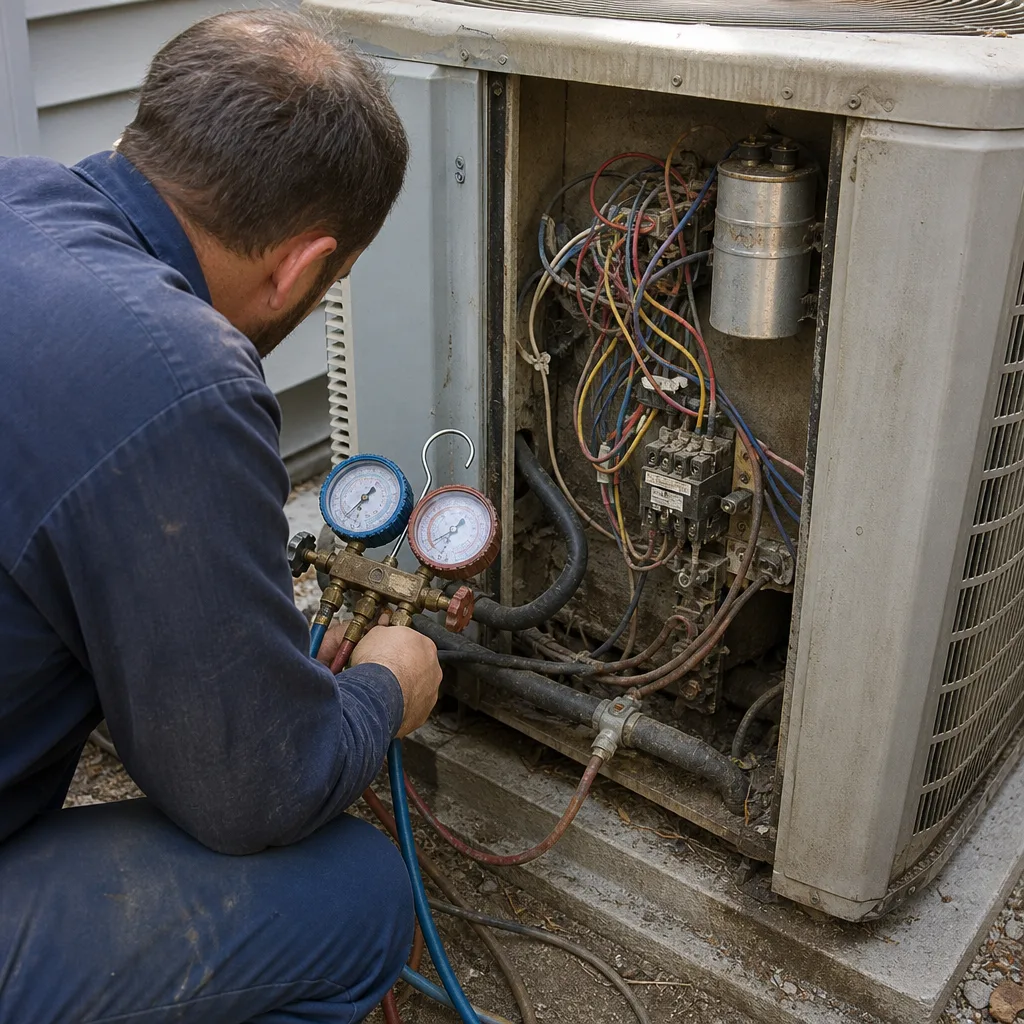 Before
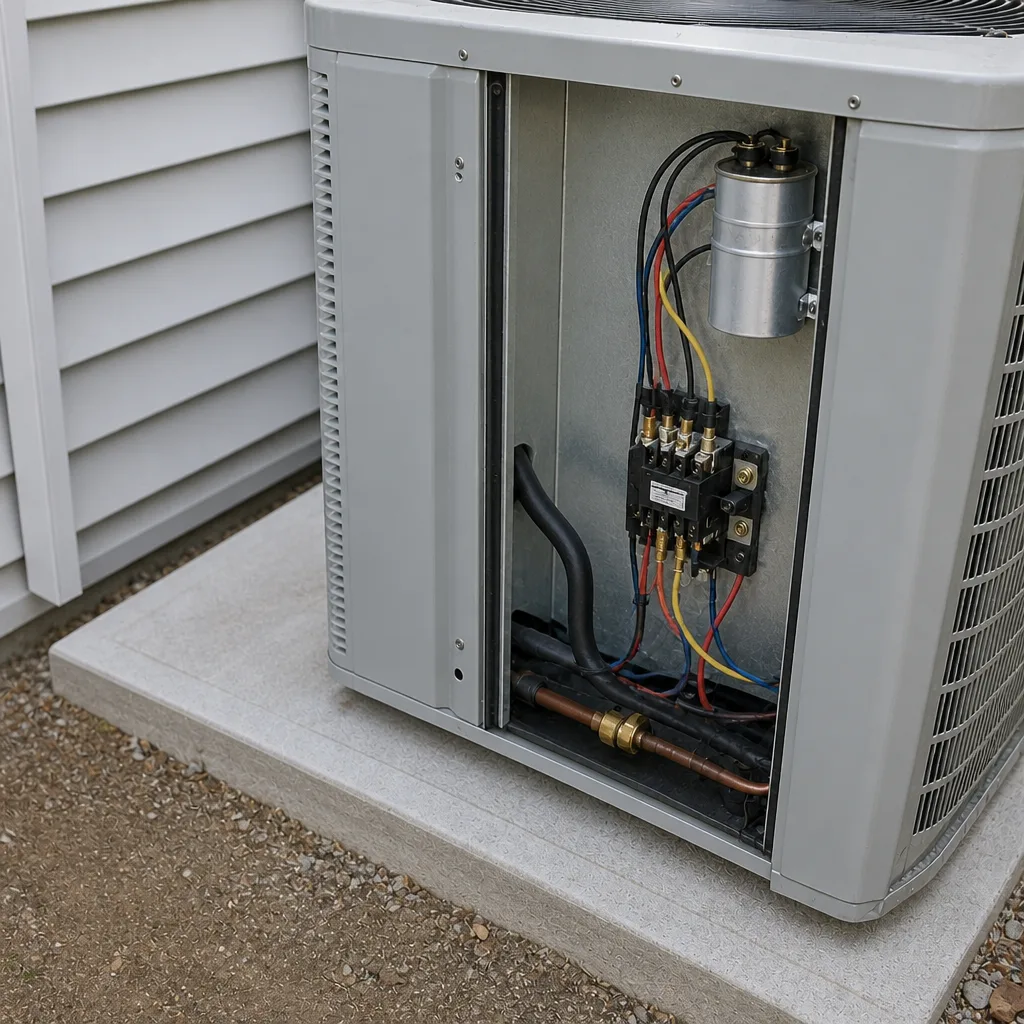 After
When to Call a Professional
Call a professional the moment you have: no heating or cooling when the building needs it, an ice-covered coil, a breaker that keeps tripping, an active ceiling drip below a rooftop unit, or a compressor that’s trying to start and not starting. These are not “watch and see” situations. They are “call today” situations, and running the system through them makes the eventual repair more expensive. Also call if you have three log entries in one week for the same room, the same smell, or the same sound. That’s a pattern worth having someone look at.
For moderate signals – unexplained energy increase, one startup smell, one room that’s harder than it used to be – scheduling within two weeks is the right move. You’ll get a service call on a Tuesday morning instead of a Friday emergency.
Ray’s Heating & Air Enterprise offers free estimates in Enterprise. We test the capacitor before anyone says the word compressor, and you see the readings and the numbers before any work begins. Call (844) 455-2034.
Frequently Asked Questions
The earliest signs are usually a sound change at startup, a faint burning smell that shows up only in the first 30 seconds of running, one room that’s consistently harder to keep comfortable, or an energy bill that jumped 15 to 25 percent with no obvious reason. All four are catchable without any tools. The trap is that each one, alone, is easy to dismiss as a one-off. Written down and reviewed weekly, they form a clear early warning.
Repeated cycles of the same symptom across two or three weeks is the strongest “about to fail” signal. A unit that’s had the same startup smell three times this month, or a compressor that has clicked-not-caught twice, is likely within weeks of a full failure. Warning signs at that stage belong in a service call this week, not a wait-and-see.
Not necessarily for a single noise. A single noise on one startup is usually nothing. The rule of thumb: if the same noise shows up three times over two weeks, get it looked at. If it’s accompanied by any smell, a tripped breaker, or a temperature complaint, call sooner. Testing the cheapest component first (usually a capacitor) tells you whether the noise is a real problem or a nuisance.
Ray’s Heating & Air Enterprise handles commercial HVAC in Enterprise across all major brands, including York, Daikin, and American Standard. Phones are answered by a live person around the clock, and diagnostics start with readings, not a guess. Call (844) 455-2034 for a free estimate.
The most common reason is that the cooling system is running longer to hit the same setpoint, usually because of a dirty coil, a failing capacitor, or a refrigerant charge that has drifted low. Compare the same month year over year and look for a jump in the cooling side that’s larger than the overall rate increase. If June ran 20 percent higher than last June, the system is working harder than it should be and a service call will usually find the reason.
A visual check of the roof deck and a listening check at startup should happen every day during cooling season, but 60 seconds a day is enough. A real spring check before the first heat wave in Enterprise should happen once a year before June. The everyday check catches the fast failures; the annual check catches the slow ones before they become expensive.
The Bottom Line
Commercial and home HVAC systems fail in a straight line, and the line starts weeks before the Friday afternoon quit. Sound changes, startup smells, and one bad zone show up first. Then the energy bill creeps up 15 to 25 percent. Then something harder fails, like a capacitor or a compressor, and you’re calling a service line at 10 PM. The shift that changes everything is a five-minute log and a weekly read of it. In Enterprise, where the summer puts real load on the same rooftop units all season, that log is what gets you a Tuesday morning appointment instead of a Friday emergency. Test the capacitor before anyone says the word compressor, and you’ll catch the failure while it’s still cheap.
Written by the team at Ray’s Heating & Air Enterprise.