
Last updated November 17, 2026
 AC repair
 Furnace & heating
 Heat pumps
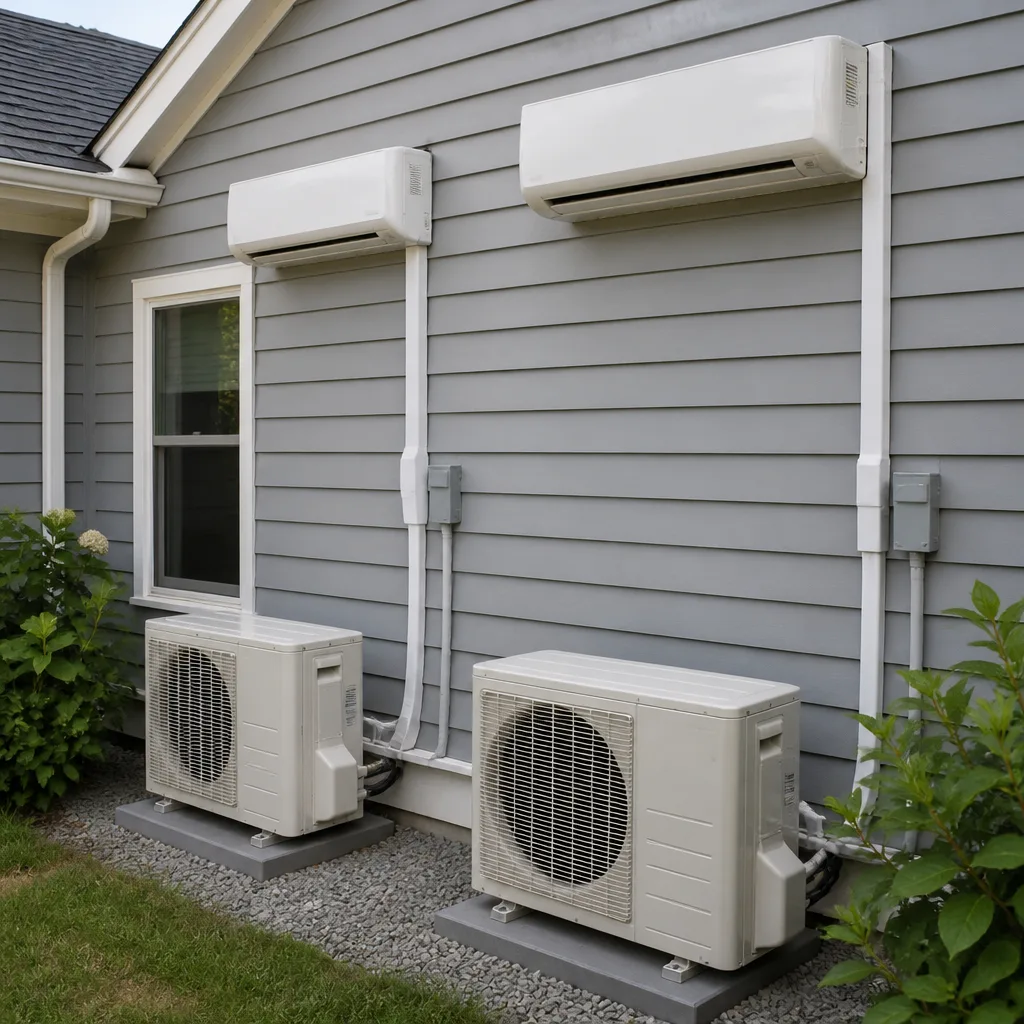 Ductless mini splits
 Carrier
 Trane
 Goodman
Seasonal tune-up and full diagnostic on your Carrier, Trane, or Goodman system - readings shown to you before any repair is proposed
Diagnosis first, numbers second - you approve the repair price before a single part goes in.
Get your free estimateDIY vs Professional Air Quality & Ventilation: What’s Safe to Do Yourself
The number one DIY air quality mistake we see around Enterprise isn’t a botched filter swap. It’s someone who sealed off a return vent to “reduce dust” and then wondered why the air handler started short-cycling six months later. That one move restricts airflow, and restricted airflow in a Nevada summer is how you cook a blower motor. Here’s the plain truth: some air quality work is completely safe for a careful homeowner. Some of it looks simple and quietly wrecks your equipment, your warranty, or your indoor air. This guide draws that line for Enterprise homes, so you know what to touch and what to leave alone.
Quick Answer
Filter changes, cleaning exterior vent covers, and swapping UV bulbs on accessible units are safe for most homeowners to do. Anything that touches bathroom exhaust fan internals, attic pressure balance, ductwork sealing, or the plenum and main supply trunk should go to a professional. The dividing line isn’t skill. It’s whether a mistake is reversible or turns into mold, a fire hazard, or a voided manufacturer warranty.
- Safe to DIY: filter changes, exterior vent cover cleaning, accessible UV bulb swaps
- Look easy, aren’t: bathroom exhaust cleaning, attic ventilation adjustments
- Leave to a pro: anything touching the plenum or main supply trunk on a warrantied system
Styles & brands we work with
- AC repair
- Furnace & heating
- Heat pumps
- Ductless mini splits
- Carrier
- Trane
- Goodman
Table of Contents
- What air quality tasks are actually safe to do yourself?
- What looks simple but has hidden failure modes in Nevada homes?
- What does “professional” actually mean for air quality work?
- How do you verify a duct cleaning isn’t making things worse?
- The one scenario where DIY is the wrong call no matter your skill
- Why Enterprise’s climate changes the answer
- Common mistakes to avoid
- When to call a professional
What air quality tasks are actually safe to do yourself?
Plenty. We’re not going to tell you a filter change needs a service call. There’s a set of tasks that any careful homeowner with a step stool and thirty minutes can handle, and doing them well genuinely helps your air in Enterprise.
Filter changes top the list. In a dusty desert town, a 1-inch filter can load up in 30 to 60 days during the summer months. Check it monthly and change it when it looks gray and matted. A clean filter protects your blower, keeps airflow up, and stops the system from pulling dust through gaps. Dogs, cottonwood season, and open windows in spring all shorten that interval.
Exterior vent cover cleaning is another safe one. Bathroom fans and dryer vents have outside flaps and screens. Dust, lint, and the occasional wasp nest block them. Brush the screen off, make sure the flap opens freely, and you’ve done real good without opening anything up.
- Filter swaps: monthly check, replace when gray or matted. Match the size printed on the old filter.
- Exterior vent cover cleaning: brush off screens and confirm flaps swing open. No tools inside the wall.
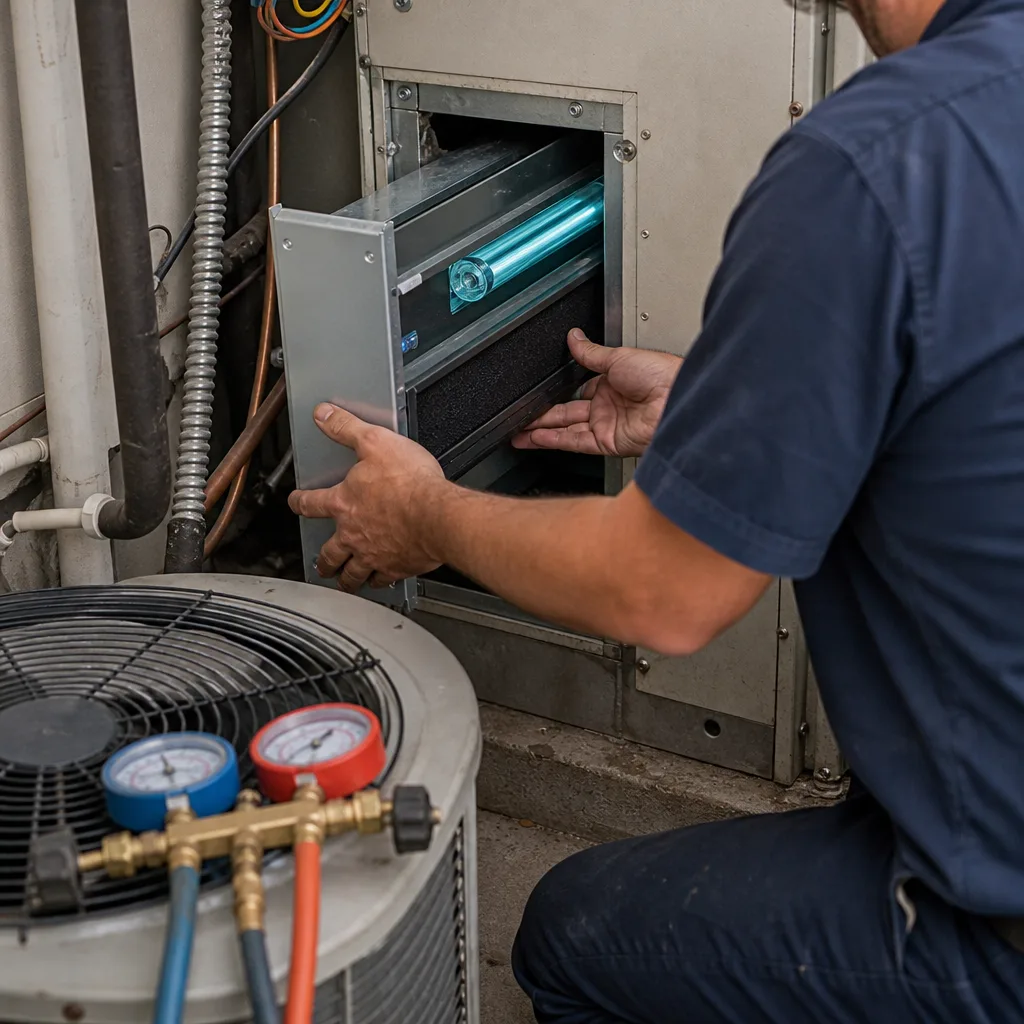
- UV bulb swaps on accessible units: if the bulb is behind a panel with a simple plug, and the unit is off at the breaker, a swap is fine. If it’s wired in or hard to reach, stop.
- Register and grille dusting: vacuum the face of supply registers and return grilles. Keeps dust from blowing back into rooms.
That’s the safe list. Everything past it needs a closer look at the system, not just the part.
What looks simple but has hidden failure modes in Nevada homes?
Two tasks trip people up more than any others: cleaning bathroom exhaust fans and adjusting attic ventilation. Both look like weekend projects. Both can go sideways.
Bathroom exhaust fans
Pulling the cover off a bathroom fan to vacuum the grille is fine. Digging into the housing, disconnecting the duct, or reaching into the fan box is where it gets dangerous. Bathroom exhaust ducts collect lint and dust, and in older Enterprise homes those ducts sometimes run near recessed lighting or warm attic spaces. Lint plus heat plus a fan motor is a fire combination. We’ve seen fan housings packed with lint that had been quietly building for years. That’s not a dust problem, that’s a fire waiting on the right day. Cleaning the duct properly means getting into the attic, checking the run, and verifying the duct actually vents outside and not into the attic. That last part is more common than it should be.
Attic ventilation adjustments
Adding or moving attic vents, blocking soffit vents, or running a fan to “pull more air” changes the pressure balance of the whole house. In a climate where attic temperatures hit 140 degrees in July, pressure changes can pull conditioned air out of your home or pull hot attic air in. That affects moisture, dust, and how hard your system works. If you seal off a return vent to reduce dust, you restrict airflow across the coil, and a restricted coil in an Enterprise summer is a frozen coil or a short-cycling air handler six months down the road. Balance is a whole-house calculation, not a one-vent decision.
If you want a system that’s quietly doing its job right, the AC side matters as much as the air side. Our team handles AC Repair & Installation in Enterprise and can check airflow while we’re there.
What does “professional” actually mean for air quality work?
Most people think “professional” means licensed and insured. That’s part of it. But for air quality work, there’s a bigger piece: liability. If someone cleans your ducts and your indoor air gets worse, who’s on the hook?
When you hire an unlicensed handyman for duct work and something goes wrong, your recourse is a phone call that probably won’t get answered. When you hire a licensed, insured company, there’s a paper trail, an insurance policy, and a name attached. If a duct cleaning stirs up debris and your family starts sneezing, or a sealing job creates backdraft on a gas appliance, you want someone accountable for that outcome.
In our experience, the “professional” part of air quality work comes down to three things:
- Diagnostics before numbers. Readings first, then the quote. Any company that quotes air quality work sight-unseen is guessing.
- Accountability in writing. A named company, an address, a license number you can check, and a written promise if the work isn’t right.
- Liability coverage that matches the risk. Duct work, combustion appliance zones, and attic ventilation all carry real liability. Insurance backs that up, a handshake doesn’t.
Ray’s Heating & Air has been locally owned and owner-operated since 2002, and Ray publishes his name, address, and license number so anyone can verify who they’re letting in. The 90-Day Done Right Promise is in writing on every job: if it isn’t done right, one call brings Ray back. That’s what “professional” looks like in Enterprise.
How do you verify a duct cleaning isn’t making things worse?
Duct cleaning is one of those services where a bad job is worse than no job. A poorly done cleaning loosens debris without removing it, and that debris ends up in your air and on your coils. Here’s how to tell if the company you’re hiring knows what they’re doing.
- Ask about a negative pressure test. A legitimate duct cleaning team uses negative pressure to keep debris from blowing into your living space. If they can’t explain how they control that, walk away.
- Request before and after photos. This is a reasonable ask. Interior of ducts, returns, and the plenum. If they refuse, that’s an answer too.
- Confirm they inspect the plenum and coil. Duct cleaning that ignores the air handler is half a job. The coil is where dust settles and mold grows.
- Ask for the license and insurance certificate. Both should be current and available before the work starts.
- Get the scope in writing. What gets cleaned, how, and what they’ll do if they find mold or damage. Verbal scopes disappear when something goes wrong.
Ray tests the capacitor before anyone says the word compressor, and the same principle applies here: readings first, numbers second. You should see the diagnostics before anyone quotes a price. A free second opinion on any written estimate is standing policy at Ray’s Heating & Air, so if another company hands you a duct cleaning quote and something feels off, bring it to us.
The one scenario where DIY is the wrong call no matter your skill
There’s one line in the sand. Any work that touches the plenum or the main supply trunk on a system still under manufacturer warranty is a professional-only job. Full stop.
Why? Because manufacturers void warranties over field modifications and improper sealing. If you cut into the plenum to add a register, seal a joint with the wrong tape, or attach a new duct fitting with hardware-store mastic, and the system later has a warranty claim, the manufacturer can deny it. That’s not a scare tactic. It happens, and the cost of a denied claim is a lot more than the service call you were trying to avoid.
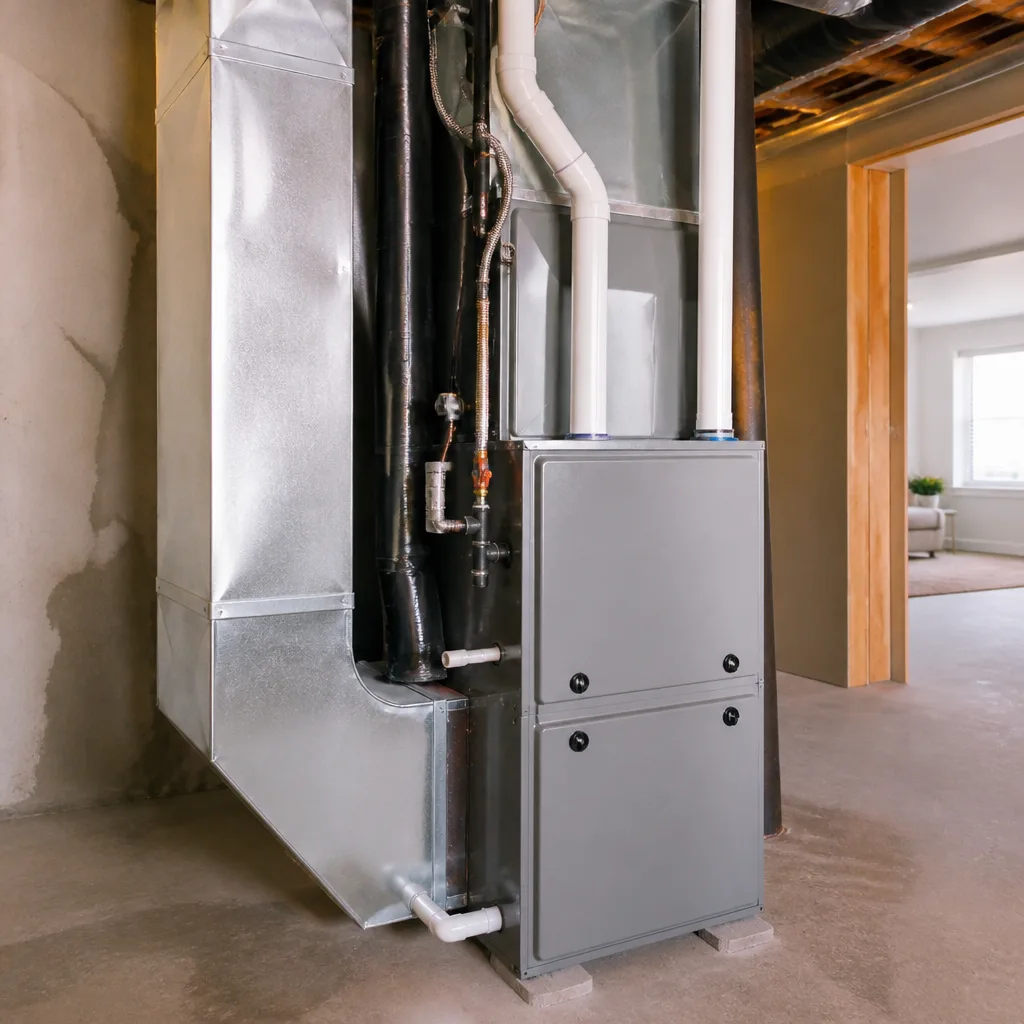
The plenum is the boxed metal right above the furnace or air handler. The main supply trunk is the big duct running out of it. If you don’t know which is which, that’s your answer: call someone who does. This isn’t about skill. It’s about reversibility. A filter change is reversible. A warranty-voided plenum modification is not.
If your system is due for a repair or a look at the heating side, our Heating & Furnace in Enterprise page covers what to expect and how to schedule.
Why Enterprise’s climate changes the answer
Enterprise sits in the Mojave, and that changes what “air quality” means for a home here compared to a wetter climate. Three climate realities drive most of what we see:
- Dust. Spring wind carries fine dust that gets past filters and settles in return plenums and on coils. That dust load shortens filter intervals and stresses blower motors.
- Heat. Attics here hit 140 degrees and higher. Any ventilation change that affects how hot attic air moves into or out of the home matters more here than in cooler regions.
- Dry air and seasonal swings. Low humidity means less mold pressure inside the living space, but condensation on a cold coil is still a mold risk if airflow is poor. Restricted airflow in summer is the mold setup here, not exterior humidity.
We’ve seen plenty of Enterprise homes with bathroom exhaust fans venting straight into the attic instead of outside. In a wet climate that’s a problem. In Enterprise, it’s a dust and attic-temperature problem, but it still needs fixing. Same for attic ventilation: adjustments that would be fine somewhere mild can change cooling load here significantly.
If you’re updating your system or considering a heat pump, our Heat Pump & Mini Split in Enterprise page covers how airflow and ventilation interact with those systems specifically.
Common Mistakes to Avoid
- Sealing off a return vent to “reduce dust.” This restricts airflow and short-cycles the air handler. That’s how a blower motor fails in an Enterprise summer.
- Cleaning a bathroom fan box without checking the duct. Lint-packed ducts near a fan motor are a fire risk. If the run is blocked, the fan just recirculates humid air and dust.
- Venting a bathroom fan into the attic. It’s more common in older homes than you’d think. It pushes moisture and dust into the attic and never actually vents outside.
- Using the wrong filter. A filter that’s too restrictive (very high MERV) can starve a system with limited return capacity. Match the filter to the system, not to the marketing on the box.
- Ignoring the coil. Even with clean filters, dust settles on the evaporator coil and ducts. A restricted coil runs cold, ices up, and blows warm air. Dust doesn’t just affect air quality, it affects cooling.
- Hiring duct cleaners who don’t do negative pressure or offer photos. Loose debris gets pushed into your living space and onto the coil. That’s worse than leaving the ducts alone.
- Cutting into the plenum on a warrantied system. Manufacturers can deny the warranty claim over field modifications. If the system is under warranty, call before you cut.
When to Call a Professional
Call for help if the work touches the plenum, main supply trunk, or combustion appliance zones. Call if bathroom exhaust ducts need cleaning and you can’t see them from the bathroom. Call if attic ventilation needs adjusting and you’re not sure how the pressure balance works. Call if a duct cleaning company won’t show you before and after photos or explain negative pressure. Call if you have a gas furnace and you’re doing anything that could affect backdraft. Call if you’ve noticed mold, moisture, or persistent odors around vents or the air handler.
We offer free estimates in Enterprise – no trip charge inside the county, a live person answers the phone 24/7, and no work begins before you see the readings and the numbers. Call (844) 455-2034.
See the difference
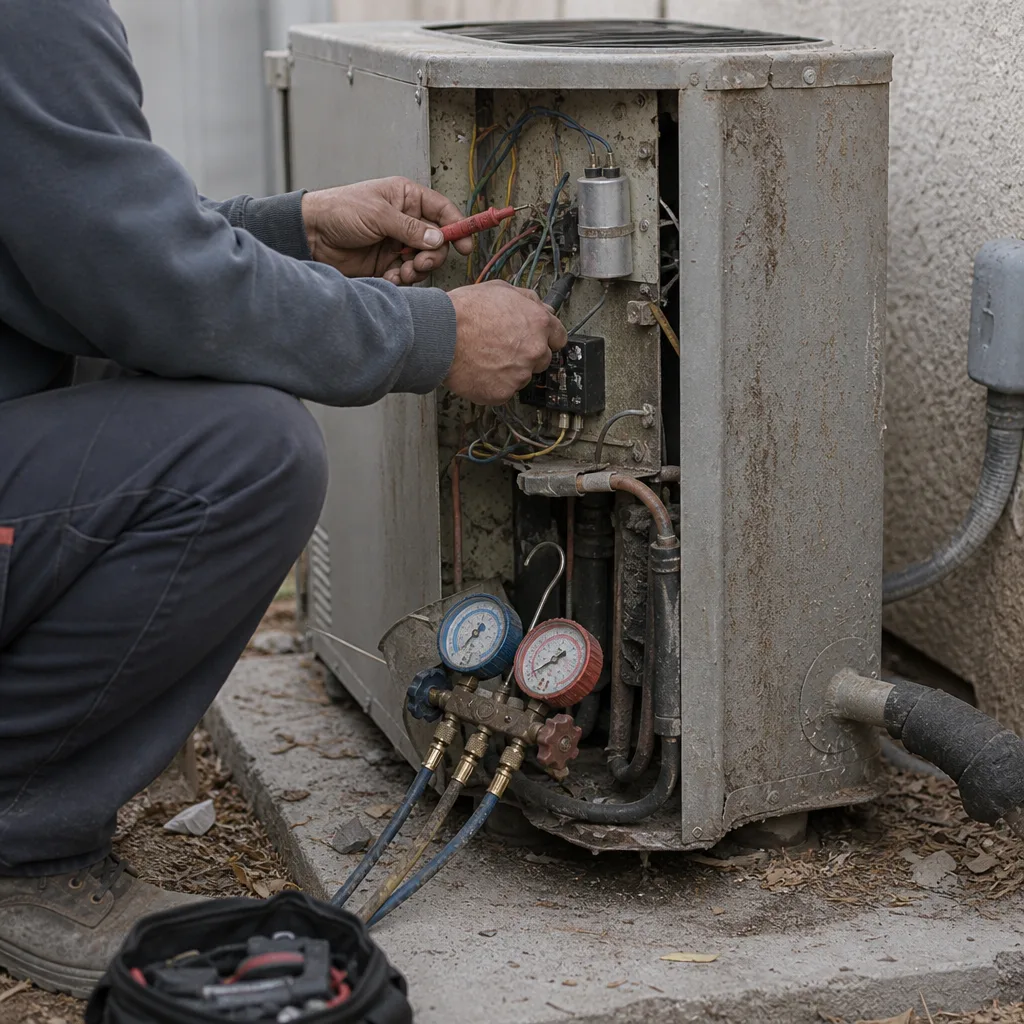 Before
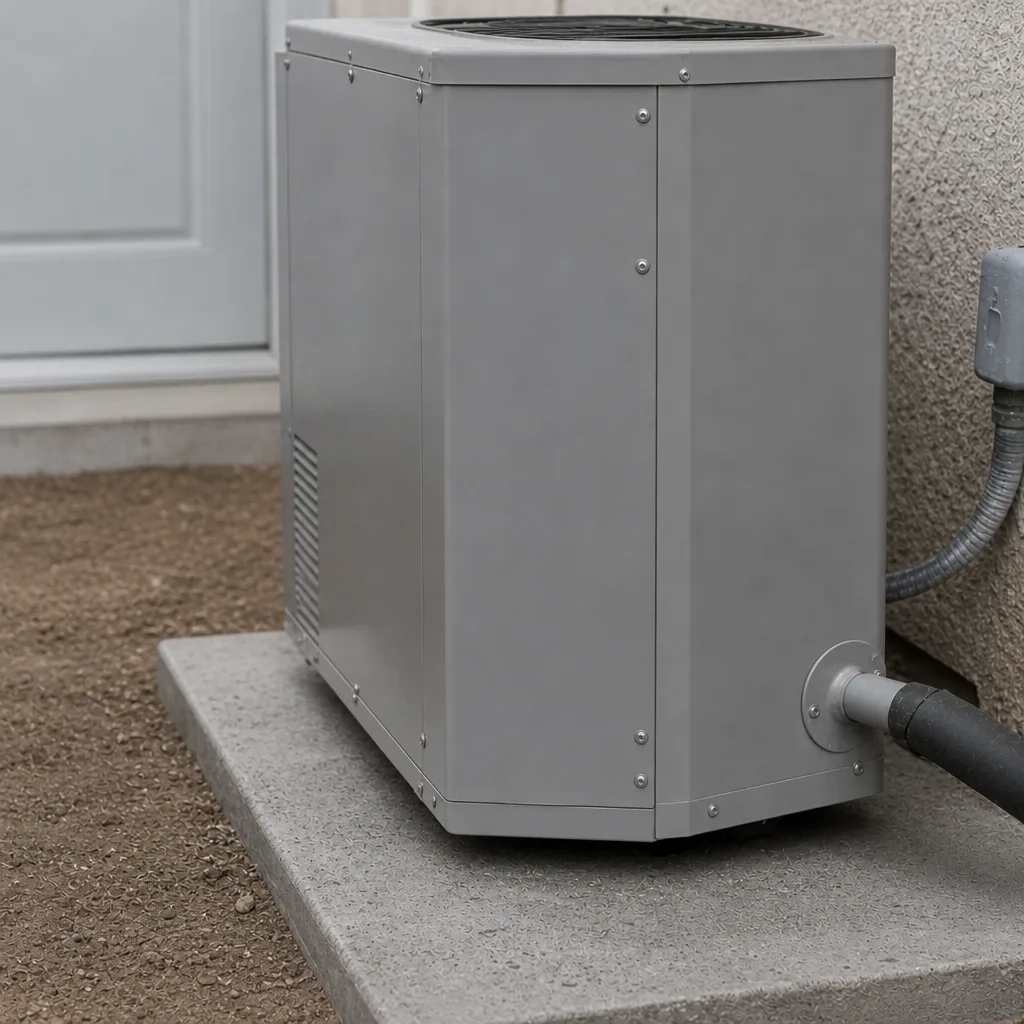 After
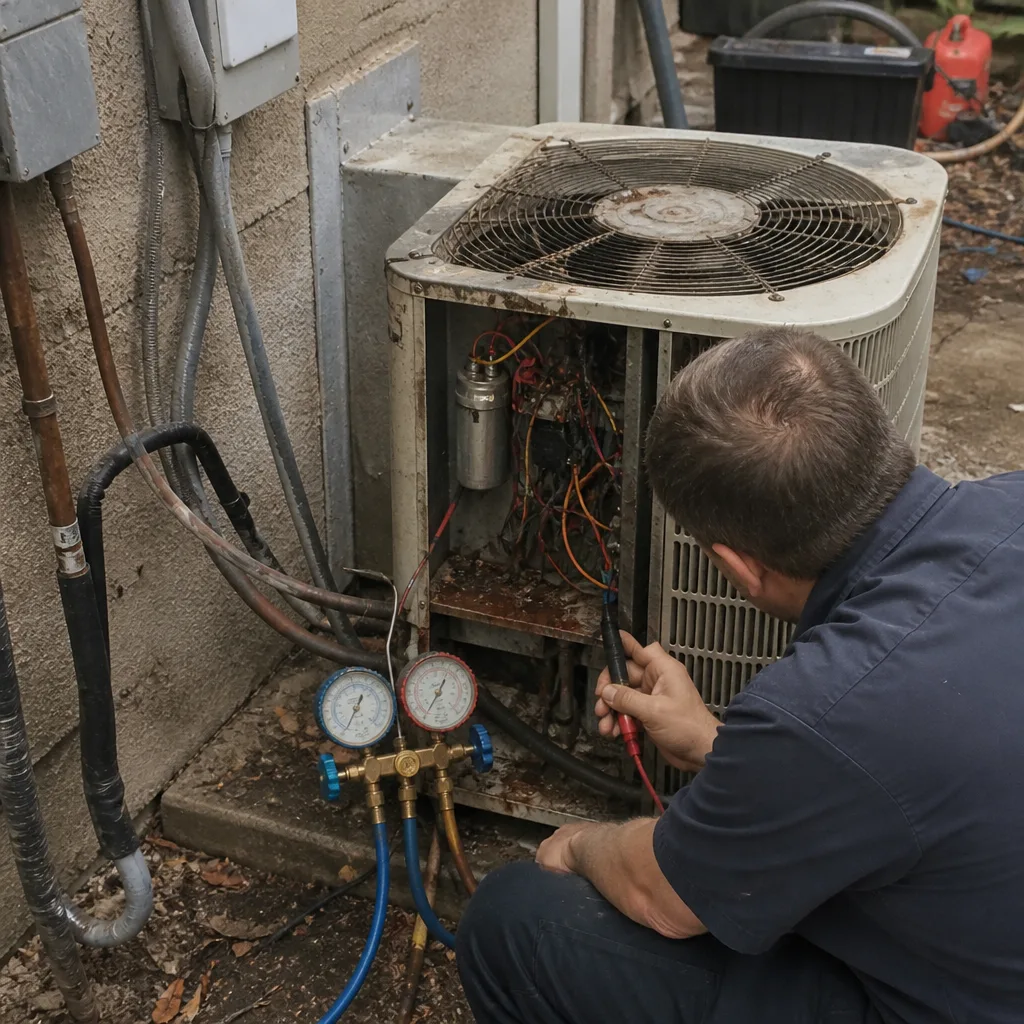 Before
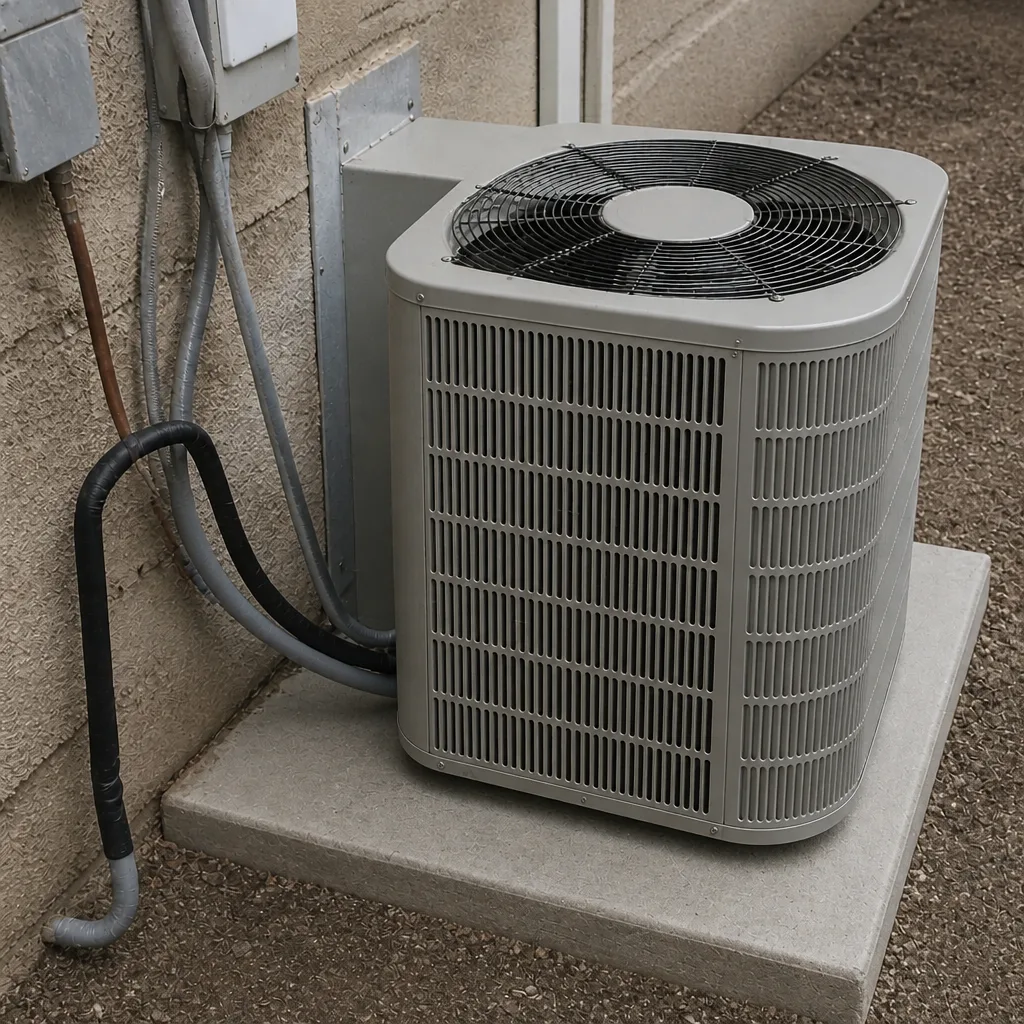 After
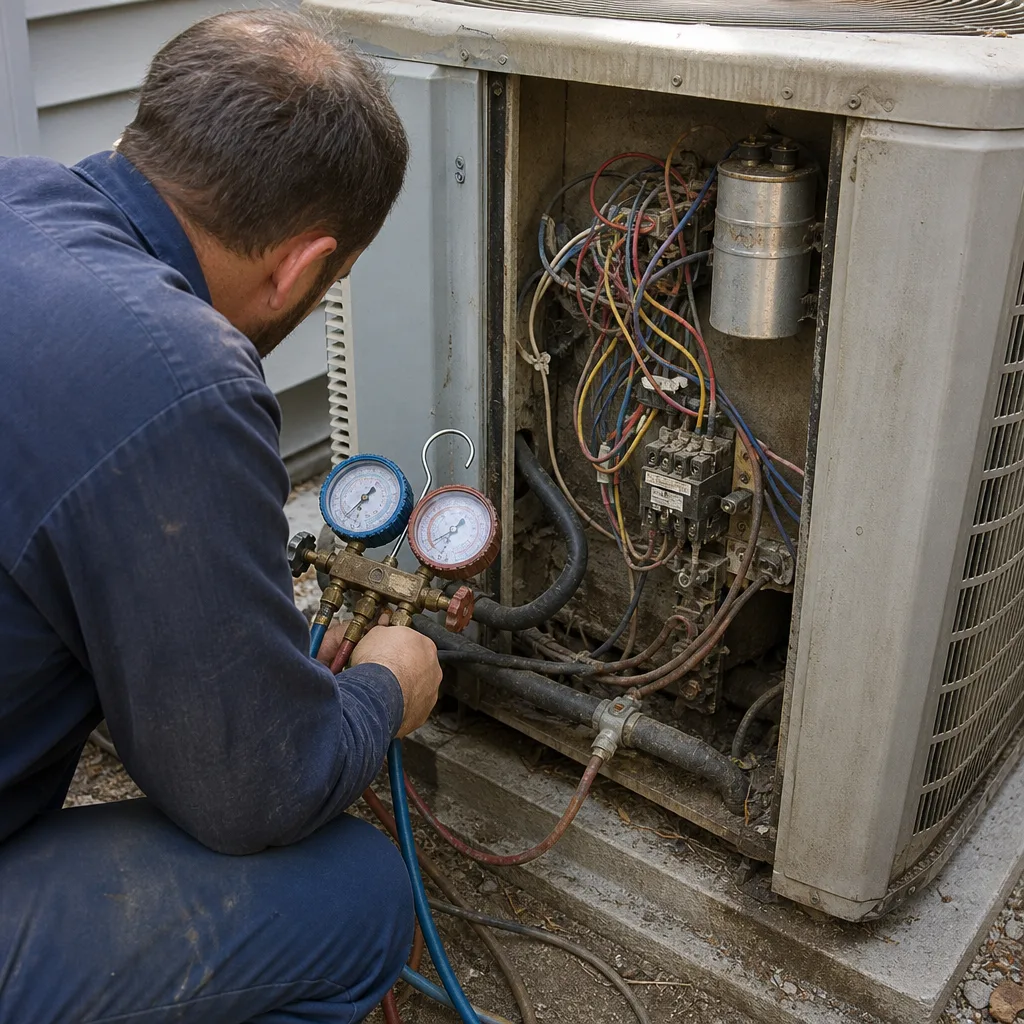 Before
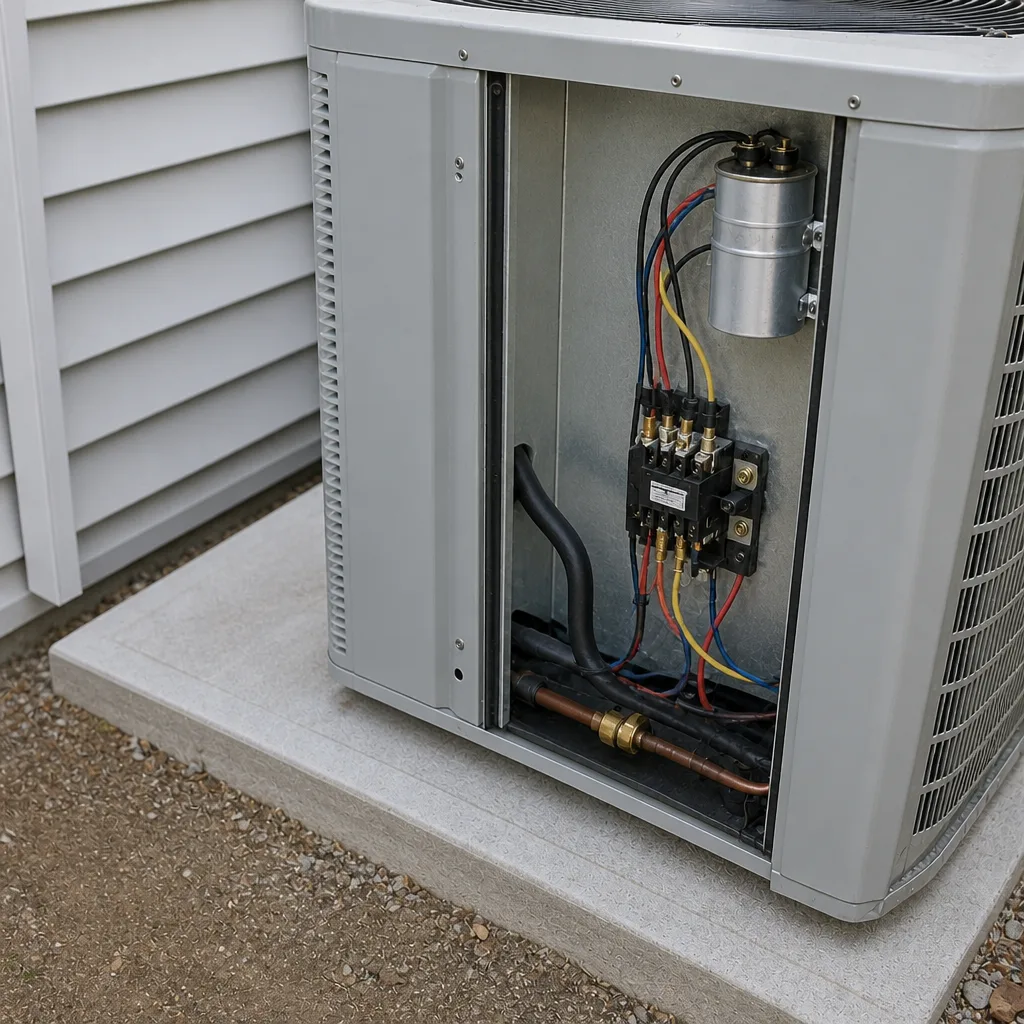 After
Frequently Asked Questions
Cleaning the grille and the accessible surface is safe. Going inside the housing, disconnecting the duct, or reaching into the fan box is where the risk starts. Lint buildup in the duct is a fire hazard, and if the duct was vented into the attic rather than outside, you need a pro to fix the routing.
Yes. Filter changes are routine homeowner maintenance and don’t affect the manufacturer warranty. Just use the size and type the system calls for. Putting in a filter that’s too restrictive can hurt performance, though, so if you’re unsure, ask before you swap.
Check it monthly and replace it when it looks gray or matted. In summer dust and cottonwood season, that can be every 30 to 60 days. Homes with pets or open windows need it more often. A clean filter protects the blower and keeps airflow where it should be.
Many people do, out of caution, but it depends on the equipment. A proper negative pressure setup keeps debris from spreading, and some homeowners stay. Ask the company what their process is before scheduling so you know what to expect.
Bring in any written estimate from another company and we’ll look at it. No charge, no pressure. You’ll see the readings, hear what we’d recommend, and get a straight answer on whether the work is needed at all. That’s how we’ve operated since 2002.
Not always. Very high MERV filters can be too restrictive for some systems, especially with limited return capacity in older Enterprise homes. A filter that starves airflow hurts more than it helps. Match the filter to your system, and if the system is old or undersized, talk to us before upgrading. Our team handles all major brands, including Carrier, Bryant, and American Standard.
The Bottom Line
DIY air quality work is fine when a mistake is reversible: filters, exterior vent covers, accessible UV bulbs, register dusting. It stops being fine when the work touches the plenum, the main supply trunk, attic pressure balance, or combustion appliance zones. Those carry fire risk, mold risk, and warranty risk. The question isn’t whether you’re handy. It’s whether a wrong turn is fixable or permanent. If you’re not sure which side of the line you’re on, that’s the moment to call. Ray’s Heating & Air has been locally owned and owner-operated since 2002, and Ray answers his own phone at two in the morning. Phones are answered by a live person around the clock, every day. Background-checked, uniformed technicians, no rotating crew who have never seen your system, and upfront pricing with no surprises – you see the readings and the numbers before any work begins.
Ready to get a straight answer? Call Ray’s Heating & Air Enterprise at (844) 455-2034 for a free estimate. No trip charge inside the county, and the 90-Day Done Right Promise is in writing on every job. Start at the Ray’s Heating & Air Enterprise home page to see what we cover, or call and we’ll take it from there.
Written by the team at Ray’s Heating & Air Enterprise.