
Last updated November 17, 2026
 Furnace & heating
 AC repair
 Heat pumps
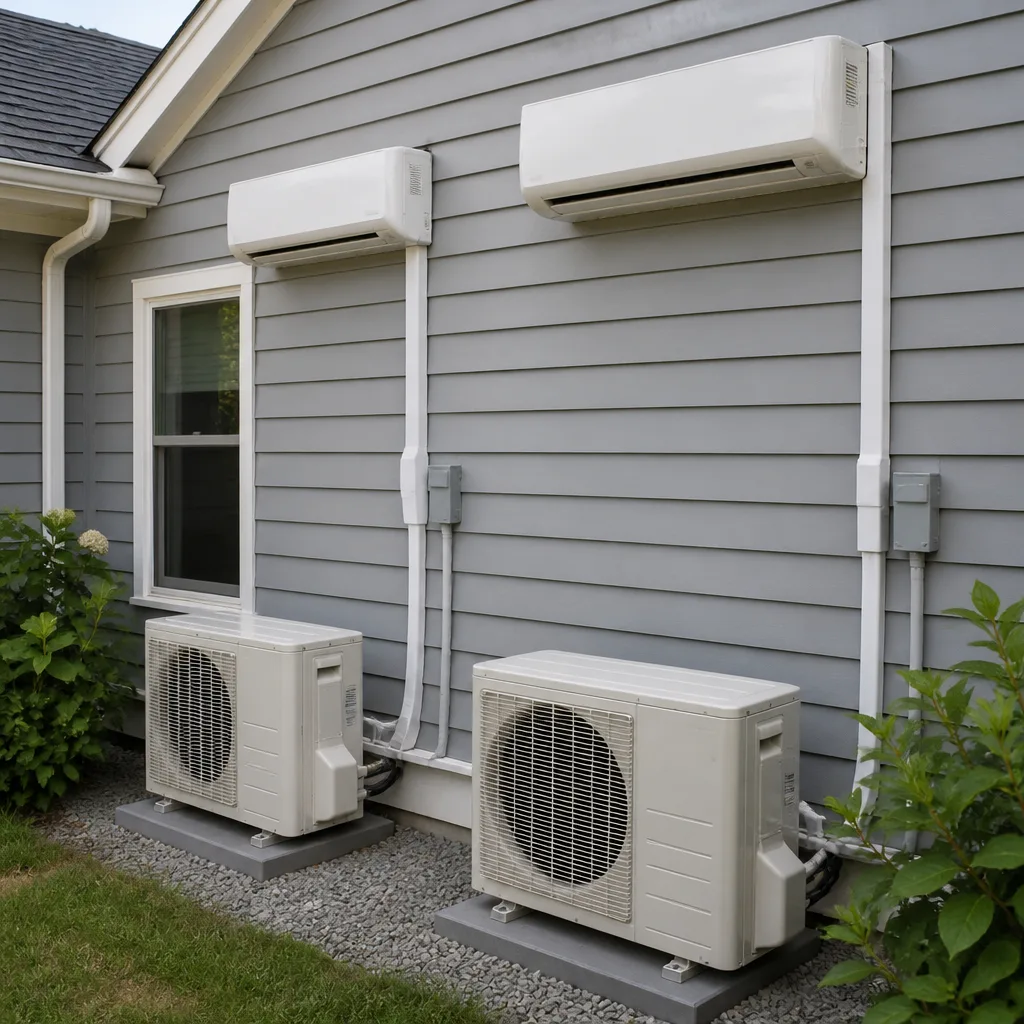 Ductless mini splits
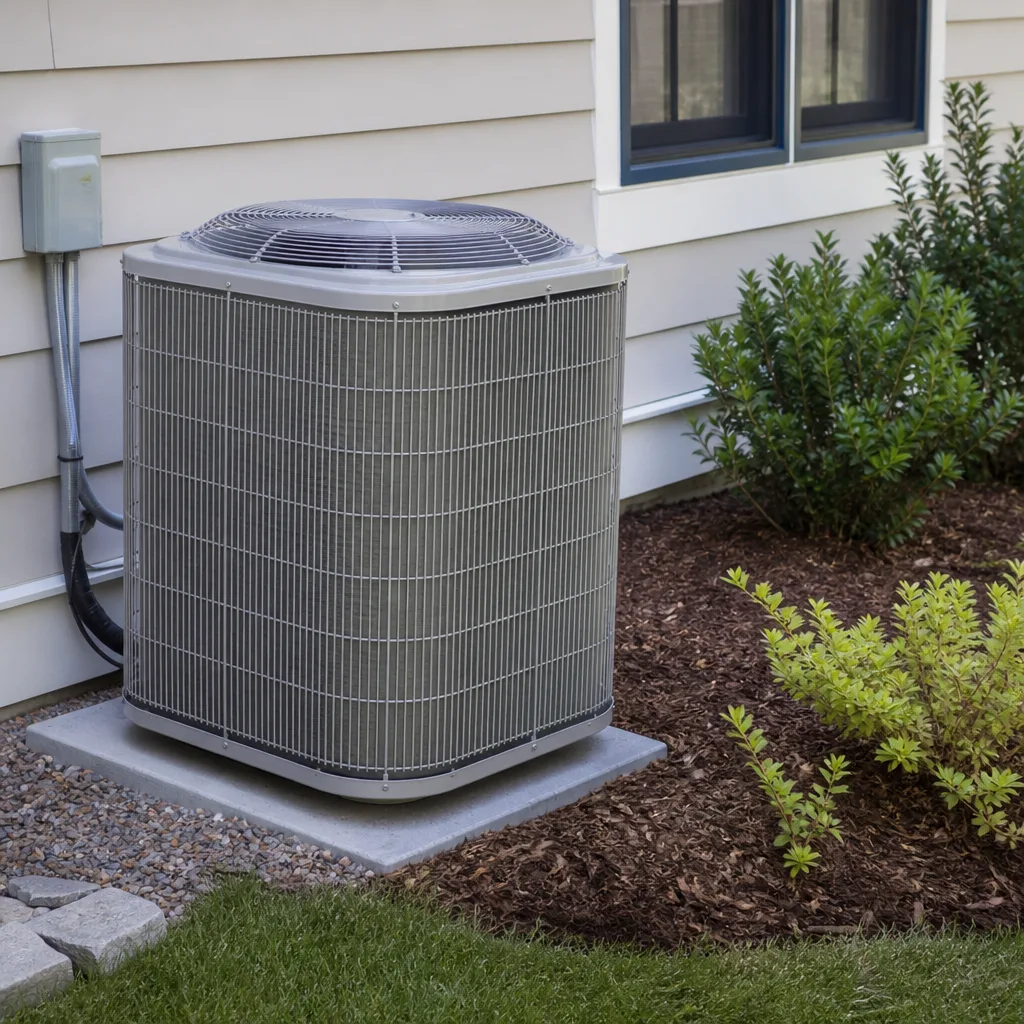 Carrier
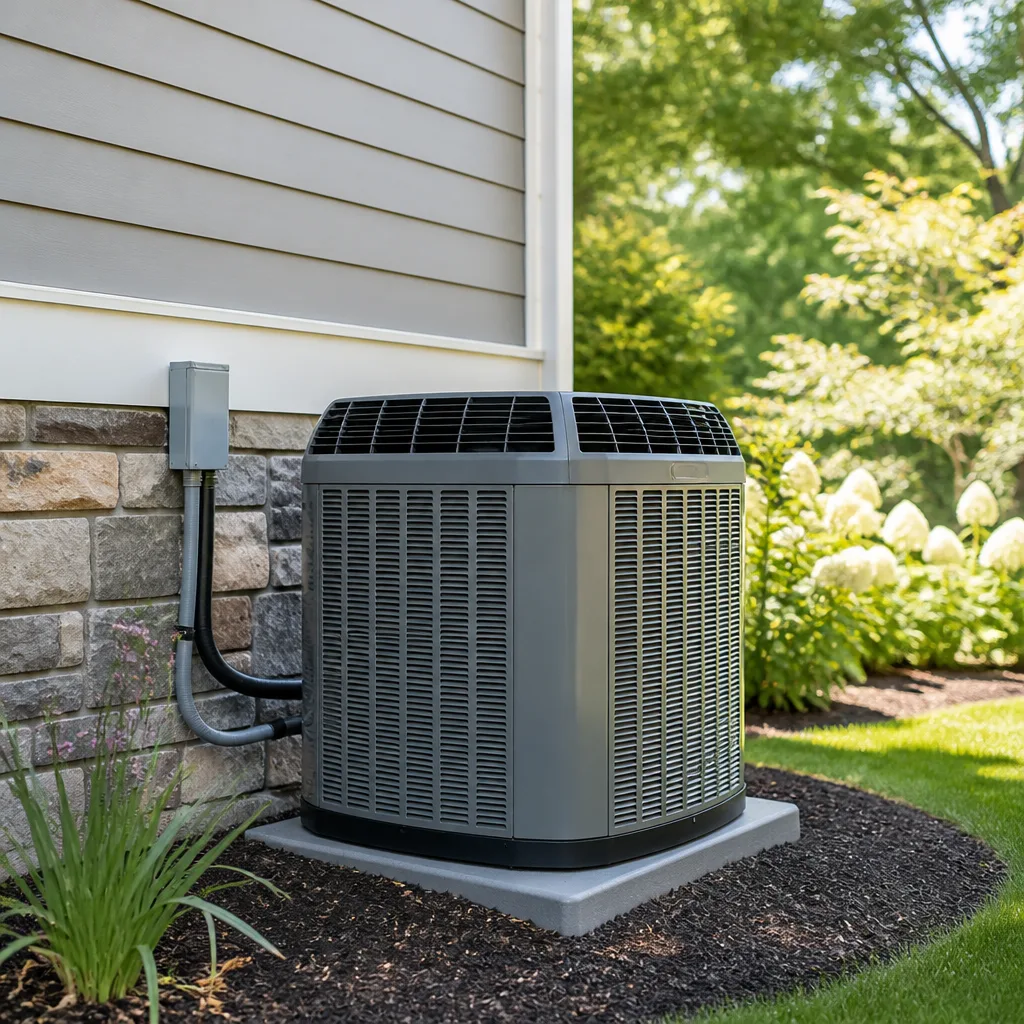 Trane
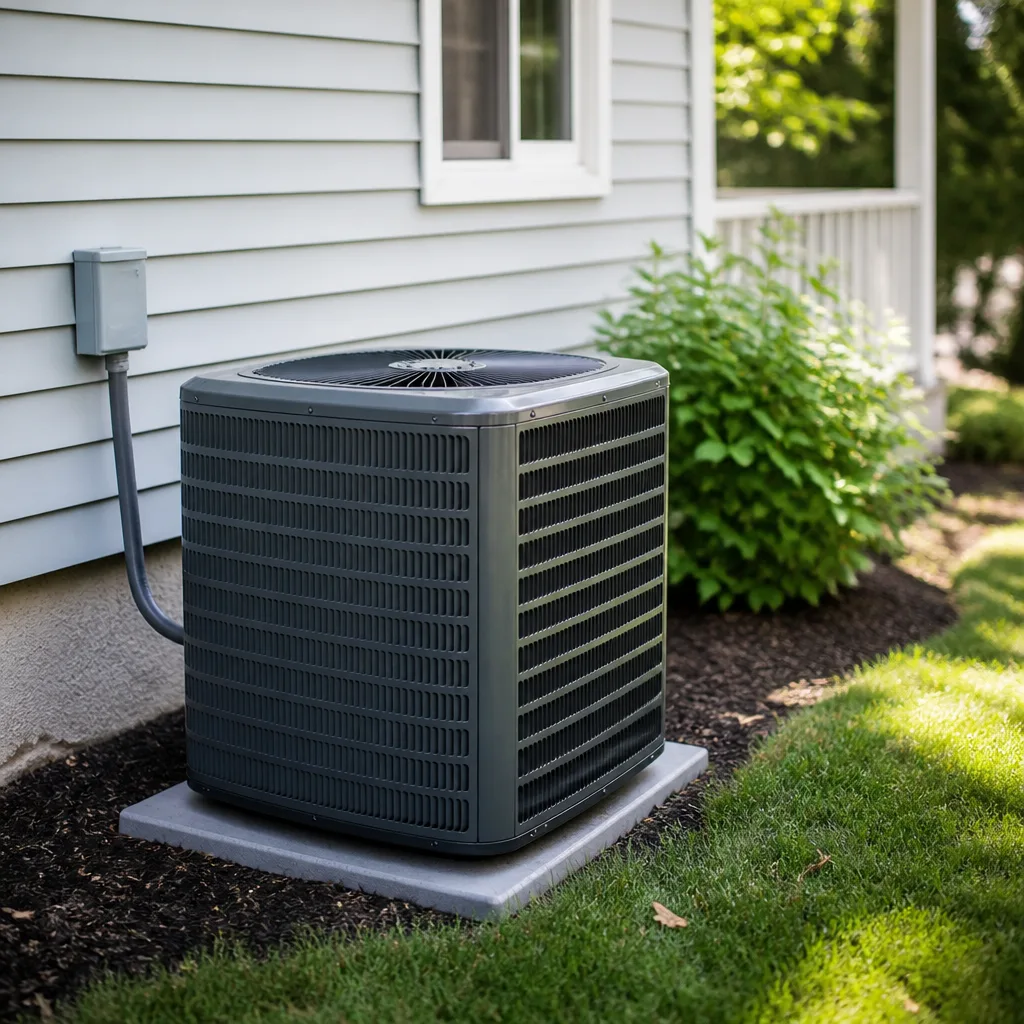 Goodman
Seasonal tune-up and full diagnostic on your Carrier, Trane, or Goodman system - readings shown to you before any repair is proposed
Diagnosis first, numbers second - you approve the repair price before a single part goes in.
Get your free estimateDIY vs Professional Heating & Furnace: What’s Safe to Do Yourself
Here’s the thing nobody puts in the YouTube title: a cracked heat exchanger looks like nothing. From the outside, with a flashlight, it can pass a visual check and still be pushing carbon monoxide into the air your family breathes. You can’t find it by looking, and that’s not because the job is complicated. It’s because you need a combustion analyzer and training to read what it tells you. We’re going to draw the line for you, task by task: what’s genuinely safe to handle yourself, what isn’t, and exactly why. If you live in Enterprise, this guide is written for your furnace, your climate, and your code.
Quick Answer
Filter changes, thermostat swaps, clearing a condensate drain, and resetting a lockout are safe for most homeowners. Anything involving gas piping, combustion, the heat exchanger, or opening the sealed cabinet is licensed-professional territory in Nevada, full stop. The line isn’t about money. It’s about the failure modes that don’t give you a second chance.
Styles & brands we work with
- AC repair
- Furnace & heating
- Heat pumps
- Ductless mini splits
- Carrier
- Trane
- Goodman
Table of Contents
- What’s Actually Safe to Do Yourself
- Why Gas Line Work Is a Licensed Job in Nevada
- The Heat Exchanger Reality
- The YouTube Trap: Electric vs Gas Furnaces
- How to Read a Furnace Quote in Enterprise
- Reset, Don’t Repair: Reading a Lockout
- When to Call a Professional
- Frequently Asked Questions
What’s Actually Safe to Do Yourself
We’re not going to tell you every task needs a truck in your driveway. That’s a lie, and you’d be right to be suspicious of it. There’s a real list of homeowner work that saves you money and doesn’t put anyone at risk, and we’ll give it to you straight.
Safe DIY tasks
- Changing the air filter. Every 1-3 months depending on dust and pets. In Enterprise, where spring winds kick up desert dust, we see filters load up faster than people expect. A clogged filter is the single most common cause of a furnace that runs hot and short-cycles.
- Swapping a thermostat. Low-voltage work is safe if you kill the breaker first and match wire-for-wire. Photograph the old wiring before you pull it loose.
- Clearing a condensate drain line. On high-efficiency furnaces, a gurgling sound or a shutdown during a cold snap is often a clogged drain. Flush it and you’re back in business.
- Resetting a lockout. A brief power cycle or flipping the furnace switch off and on can clear a one-time fault. If it locks out again within a day, stop resetting it and call.
- Replacing a furnace filter door switch. Cheap part, snap-in, no gas involved.
That’s a real list. Everything above keeps your system breathing without putting you near combustion. When you’re ready to go deeper on your furnace, our Heating & Furnace in Enterprise page covers the service side. But read the next section before you touch anything with a gas line attached.
Why Gas Line Work Is a Licensed Job in Nevada
Nevada doesn’t leave this to opinion. Gas piping, gas connections, and anything that touches a gas appliance’s combustion supply is licensed-contractor work. The state requires a plumbing or HVAC contractor with a specific license to run gas lines, and that’s not a formality to route money toward anybody. It’s written that way because the risk is real and the failures are ugly.
What actually goes wrong when gas work is done wrong
A gas leak doesn’t always announce itself. Gas companies add a smell to it, but a small enough leak, or one that pools in a low spot in a garage or utility closet, can build up before you notice. In Enterprise, furnaces often sit in garages or utility bays with limited airflow, which means an under-tightened flare fitting or a thread-sealing job done without the right compound can turn a closet into a pressure kettle.
The other failure is a bad flue connection. A furnace that fires fine but vents poorly pushes carbon monoxide into the home instead of up the chimney. This is why we recommend whenever gas work is done, the connection is leak-tested and the venting checked. It takes minutes. Skipping it has hurt people.
If your furnace smells like gas, leave the home, don’t flip any switches, and call the gas company and a licensed pro. That’s not a DIY call.
The Heat Exchanger Reality
The heat exchanger is the metal chamber that separates combustion gas from the air you breathe. When it cracks, the two mix, and you get carbon monoxide in your living space with no odor, no sound, and no warning. It is the single most important part of a furnace to check, and it’s the part visual inspection misses.
Why a flashlight isn’t enough
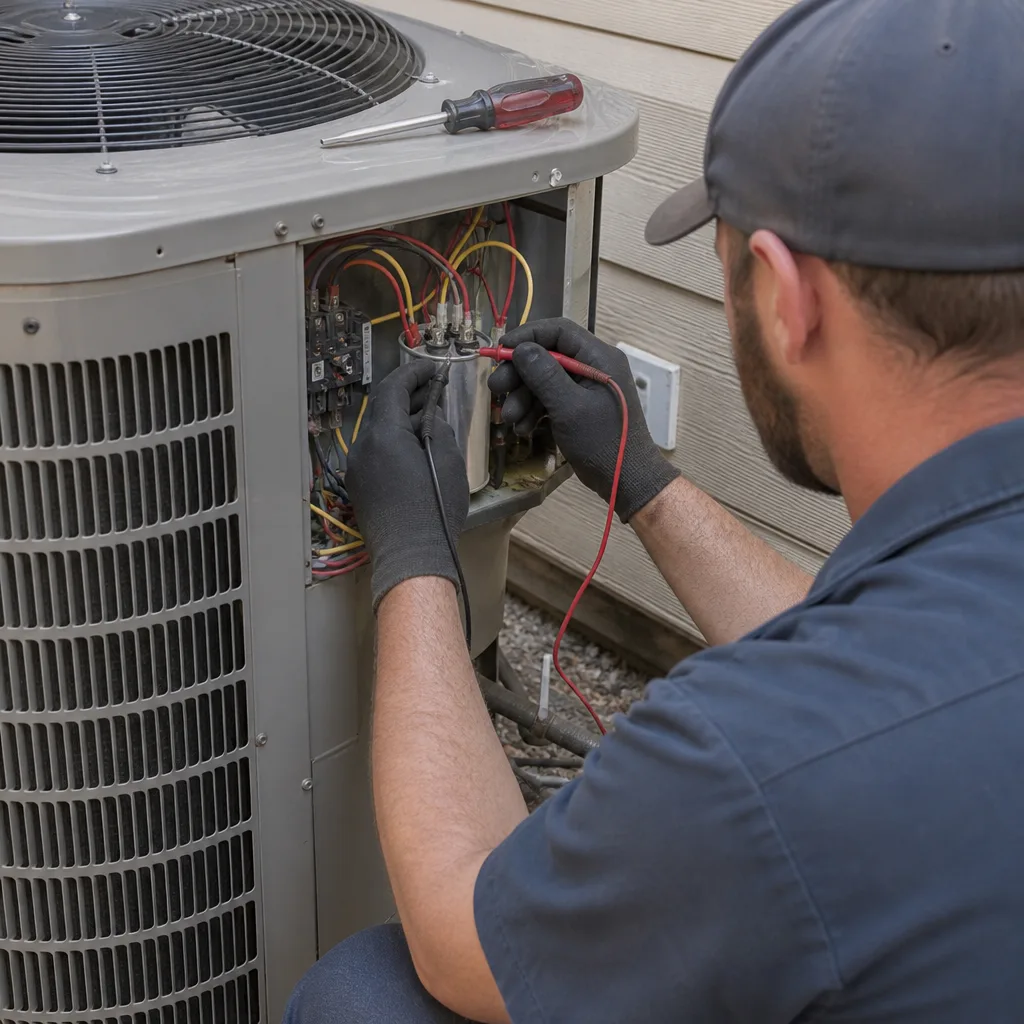
Heat exchangers fail in hairline cracks, in the seams, and on the back side you can’t see from the front panel. A homeowner with a flashlight and no training is guessing. Proper testing involves combustion analysis: measuring CO in the flue gases, checking draft pressure, and reading oxygen levels. A combustion analyzer tells the technician whether the chamber is holding or leaking in a way your eyes cannot. In our experience, most missed heat exchanger failures are not found by looking, they’re found by measuring.
Signs worth taking seriously
- Headaches, dizziness, or nausea that ease when you leave the house
- Soot streaks or corrosion around the burners or flue
- A yellow or lazy flame where it used to be blue and steady
- The furnace short-cycling and carbon monoxide alarms near the unit
If you’re seeing any of these, don’t diagnose it yourself. This is where the line sits, and it sits there for a reason: the person finding the crack needs the tools and the training to be right about it. Our team knows the difference between a heat exchanger that’s fine and one that isn’t, and we’re happy to be the second look.
The YouTube Trap: Electric vs Gas Furnaces
This is where a lot of folks in Enterprise get into trouble. There’s a mountain of repair videos on the internet, and a good chunk of them were filmed on an electric furnace. An electric furnace has no gas valve, no burner, no flue, no heat exchanger. Those parts just aren’t there. So the same tutorial that’s safe on an electric unit can have you holding a wrench near a gas line on a gas one, and the two are not the same job.
What’s actually different
- Electric: heating elements, sequencers, limit switches, blower motor, contactor. Much of this is low-voltage control plus line-voltage switching. Some tasks are genuinely safe for a handy homeowner.
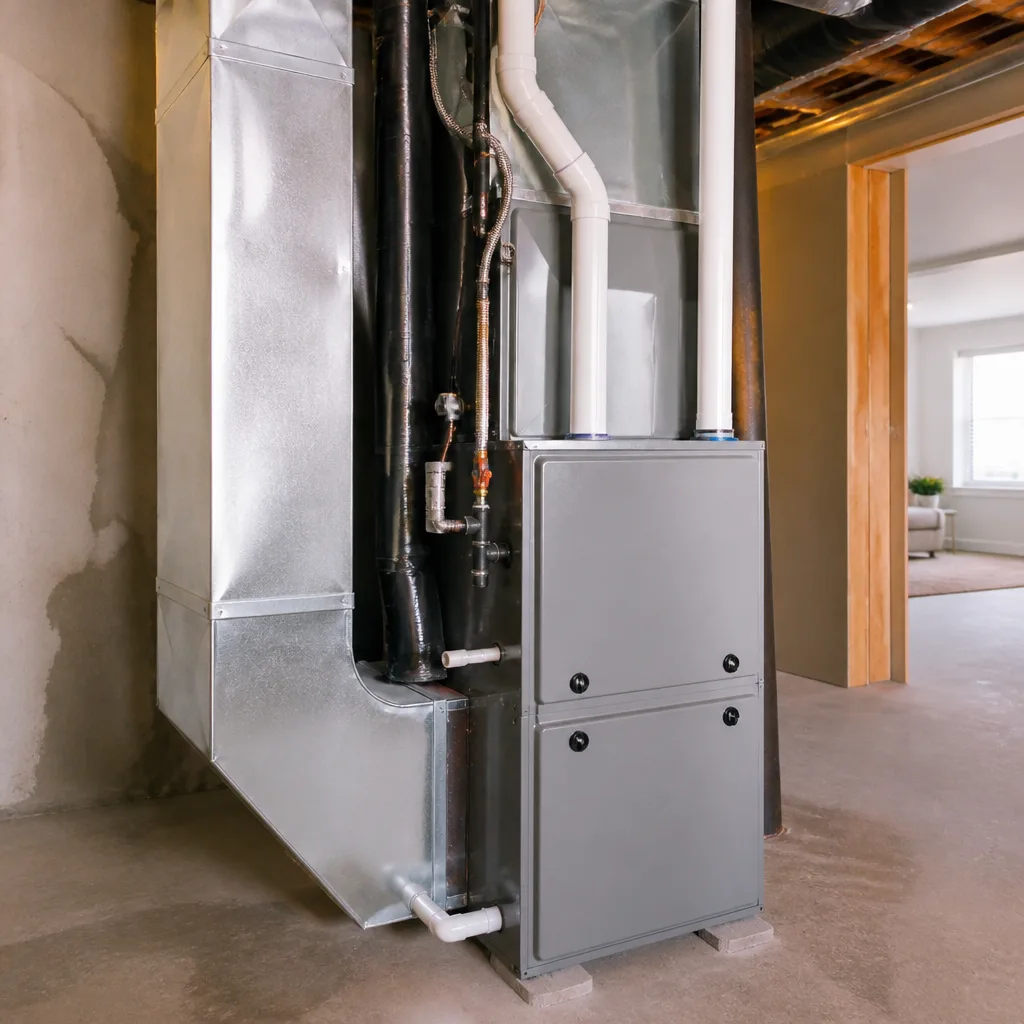
- Gas: gas valve, burners, igniter, flame sensor, inducer motor, heat exchanger, flue. Everything here involves combustion. The “same” part name from a video might not even be the same system.
- The tell: if the video shows a gas line or a burner assembly, treat it as licensed work, no matter how calm the guy on the screen sounds.
We’ve been called to homes where a homeowner followed a flame sensor video, cleaned the sensor with sandpaper, and bent the igniter just enough to make the furnace unreliable. The original problem got solved and a new one was created. If a video touches combustion, watch it for context, not as a repair plan. And remember our line: the person at your door should test and measure, not guess. For AC-side work, the same logic applies, covered on our AC Repair & Installation in Enterprise page.
How to Read a Furnace Quote in Enterprise
You should know what a legitimate quote looks like before anyone hands you a number. In Enterprise, we quote on real readings, and you should expect the same from anybody who wants your business. If someone hands you a price before they’ve tested anything, that’s a signal.
Line items that are legitimate
- Diagnostic fee that’s credited toward the repair if you proceed
- Specific parts named: igniter, inducer motor, gas valve, flame sensor, heat exchanger, blower
- Labor hours tied to the actual repair, not a flat “furnace package”
- Permit line item where the work triggers a permit (furnace replacement usually does in Nevada)
- A written note on what was tested and what the readings were
What looks like padding
- A quote for “the whole furnace needs replacement” with no combustion readings and no parts identified
- Charges for parts that aren’t related to your symptom
- “Diagnostic” that’s really a sales visit, with no readings you can see
- Prices that changed from the phone call to the doorstep
- An estimate with no written scope, so you can’t compare apples to apples
We’ll tell you what your system is telling us. Readings first, numbers second, and you see both. Our Ray’s Heating & Air Enterprise home page has the full picture of how we work.
Reset, Don’t Repair: Reading a Lockout
A lockout is your furnace’s way of saying something happened and it’s not going to keep trying. Many homeowners can safely reset it. The catch is knowing whether resetting is the right move or whether you’re covering a symptom that needs a pro.
- Locate the furnace switch and turn it off, or kill the breaker at the panel.
- Wait a full minute. Don’t rush it; many boards need a true cold start.
- Restore power and call for heat. Watch the first cycle. Does it ignite and stay lit, or does it fail within a minute?
- If it locks out again on the same day, stop. A repeated lockout is pointing at something specific: a flame sensor, an inducer, a gas valve, or a heat exchanger issue.
Resetting once is fine. Resetting five times a week is asking your furnace to keep firing at a problem it’s trying to tell you about. In Enterprise, our cold snaps are short but real, and a furnace that’s limping in November is going to quit in January. If yours keeps locking out, have it looked at. And on furnaces with gas combustion, the same rule applies as everywhere else on this page: the parts that touch combustion get a trained eye.
Common Mistakes to Avoid
- Cleaning a flame sensor with sandpaper. It feels effective and it’s not; it strips the sensing coating and makes the problem come back faster. Use the right tool or leave it to the pro.
- Diagnosing a no-heat call as the igniter. A failed igniter is a real thing, but a flame sensor, a pressure switch, and a combustion issue can all look similar from the outside. Test before you replace.
- Bending the igniter. It’s a fragile ceramic part, and the gap matters. Bent a millimeter, and the furnace won’t light reliably. This is a replace, not a bend.
- Blocking returns or closing vents to “save money.” On modern furnaces that throws off airflow, overheats the cabinet, and shortens the life of the blower. More strain, not less.
- Flipping the breaker and calling it fixed. If you’re resetting a lockout more than twice in a week, you’re not fixing anything; you’re watching a part fail slowly.
- Assuming the “tune-up” covers your heat exchanger. Ask whether the inspection includes combustion analysis and draft testing. If the answer is no, it’s not a real safety check.
- Ordering online parts off a guess. Returns cost you time and the wrong part doesn’t tell you what’s actually wrong. Test first, order second.
When to Call a Professional
Call a licensed pro when the work touches gas, combustion, the heat exchanger, the flue, or the sealed cabinet. Call also if you smell gas, if the carbon monoxide alarm has gone off, if your lockouts repeat, or if you’re not sure whether your furnace is gas or electric. And call when someone hands you a replacement quote and you’d like a second set of eyes on the numbers. A second opinion on any written estimate is free at Ray’s Heating & Air Enterprise, and there’s no trip charge inside the county. Estimates in Enterprise are free, and the number to call is (844) 455-2034.
Frequently Asked Questions
No, not legally on the gas side. Gas piping and gas appliance connections are licensed-contractor work in Nevada, and furnace replacement typically requires a permit. You can absolutely do your homework on the quote, but the install itself needs a licensed pro and an inspection on the back end. Call (844) 455-2034 and we’ll walk you through what the job involves.
Not as a DIY repair. Cleaning a sensor with the wrong material is the most common way a homeowner makes it worse. The sensor needs to be tested, not just scrubbed, and on a gas furnace that means a tech with the right tools. Call us for an exact quote if yours is acting up.
You can’t tell by looking, and that’s the point. A cracked heat exchanger is found with combustion analysis and draft testing, not a flashlight. Signs that warrant a professional check include headaches that ease when you leave home, soot around the burners, and a yellow or lazy flame. If any of those are happening, treat it as urgent. Call (844) 455-2034.
A repeated lockout means a part is genuinely failing. It’s usually a flame sensor, a pressure switch, an inducer, or a control board. The reset isn’t the fix; it’s a pause button. Have it diagnosed with actual readings before the cold weather settles into Enterprise.
No trip charge inside the county. We also do a free second opinion on any written estimate, and $40 off any repair over $200. There’s a Senior and Veteran 10% discount too. Call (844) 455-2034 and we’ll confirm the details.
Yes. We work on all major brands, including Rheem, York, Bryant, Carrier, Trane, Lennox, Goodman, Daikin, and American Standard. If you’re not sure what you have, the model plate on the cabinet tells the story, and we can read it with you over the phone.
See the difference
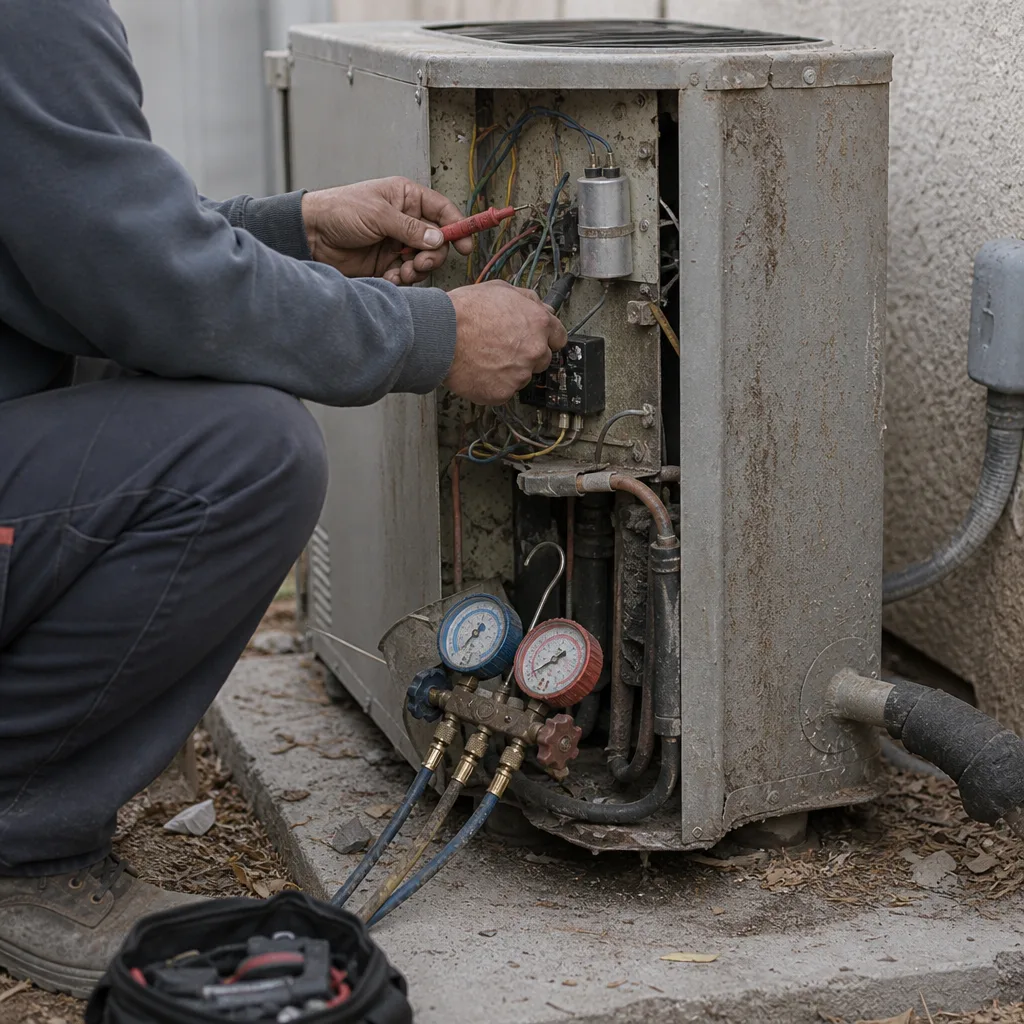 Before
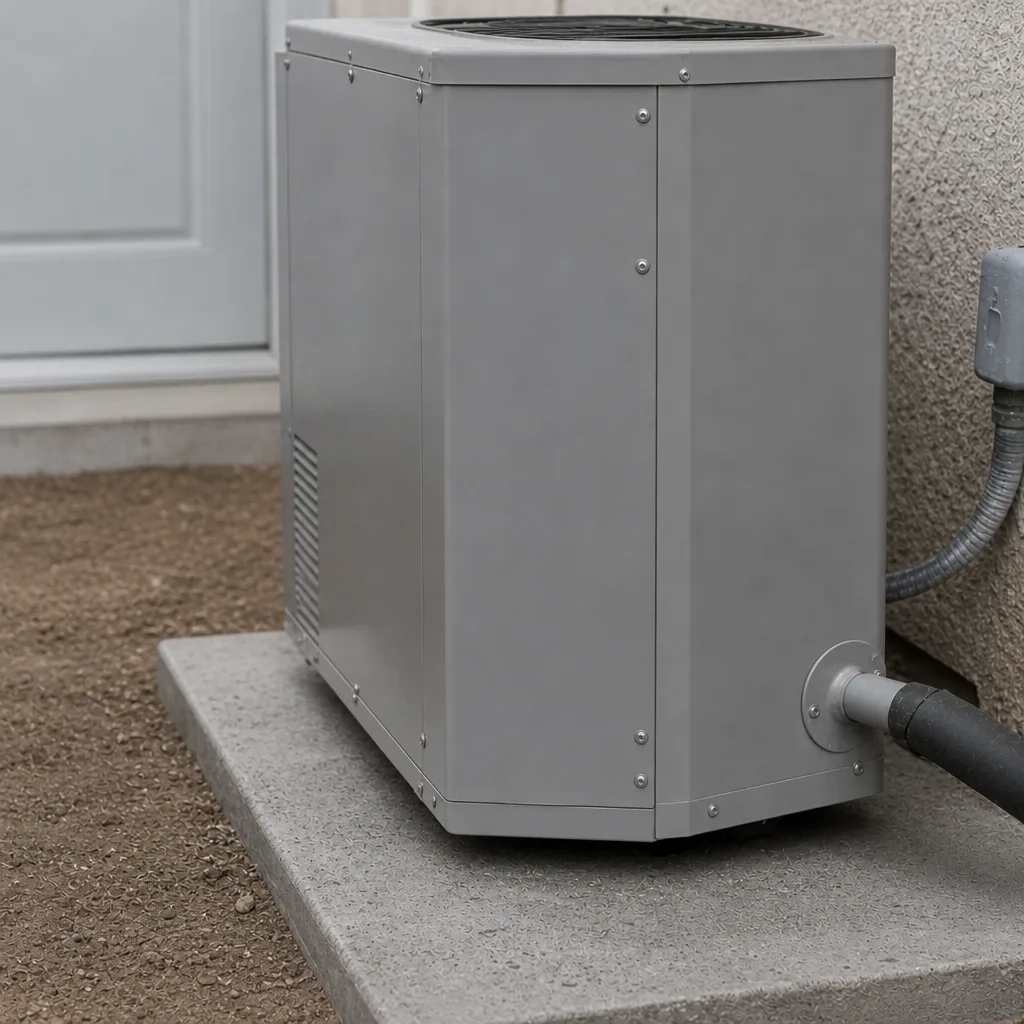 After
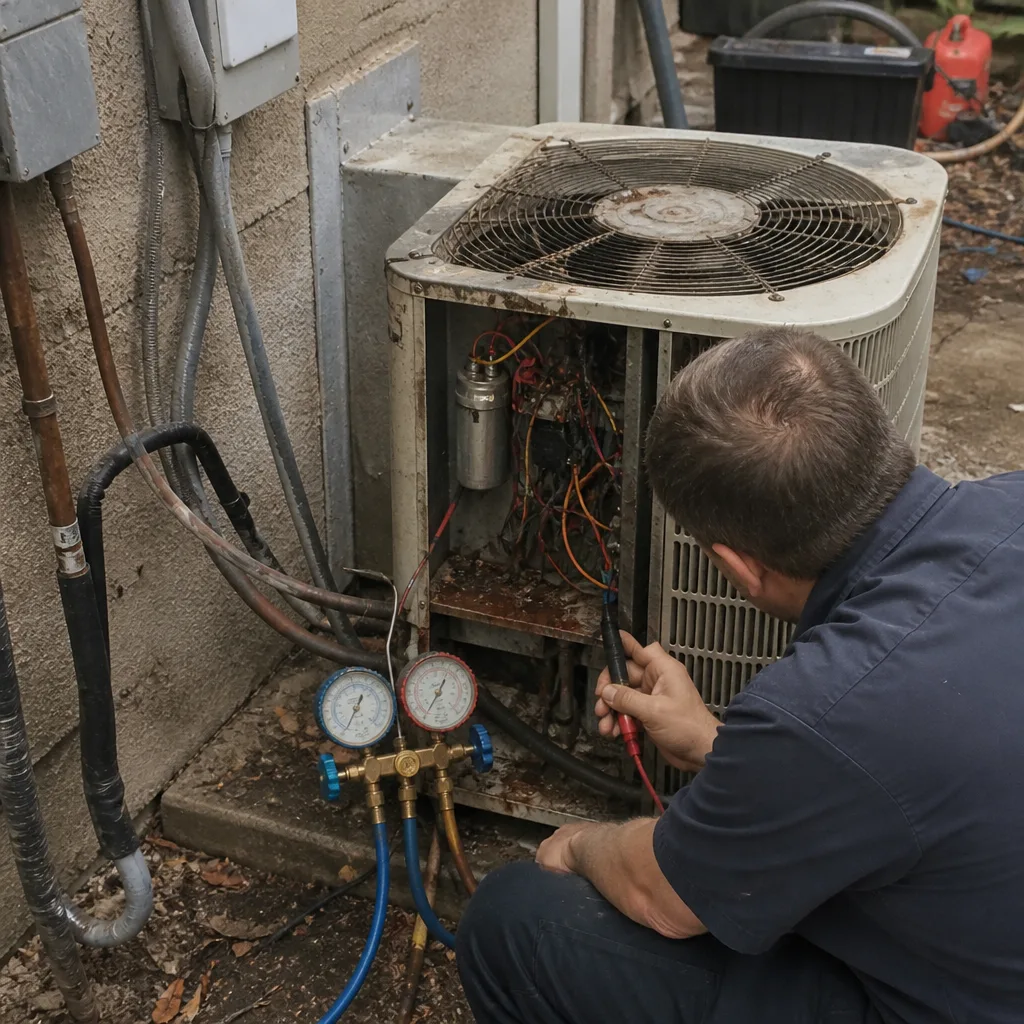 Before
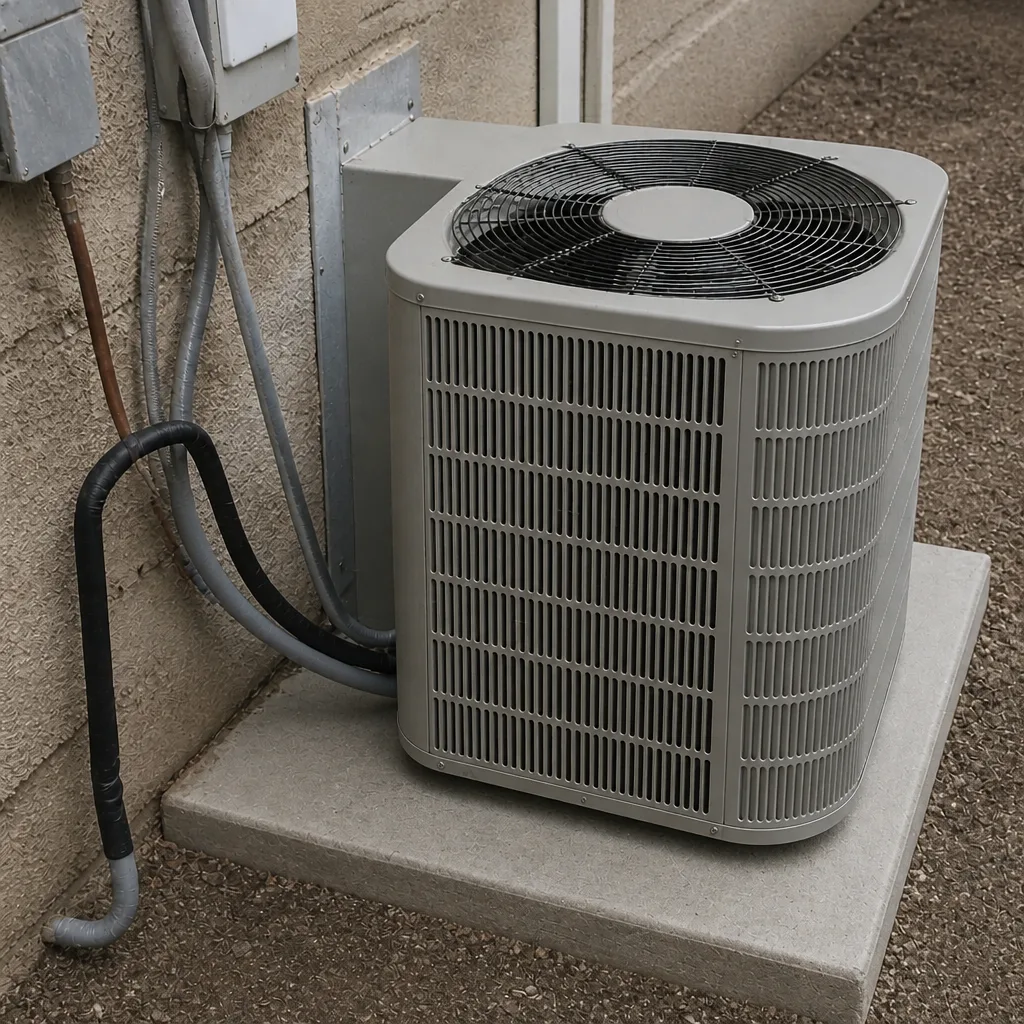 After
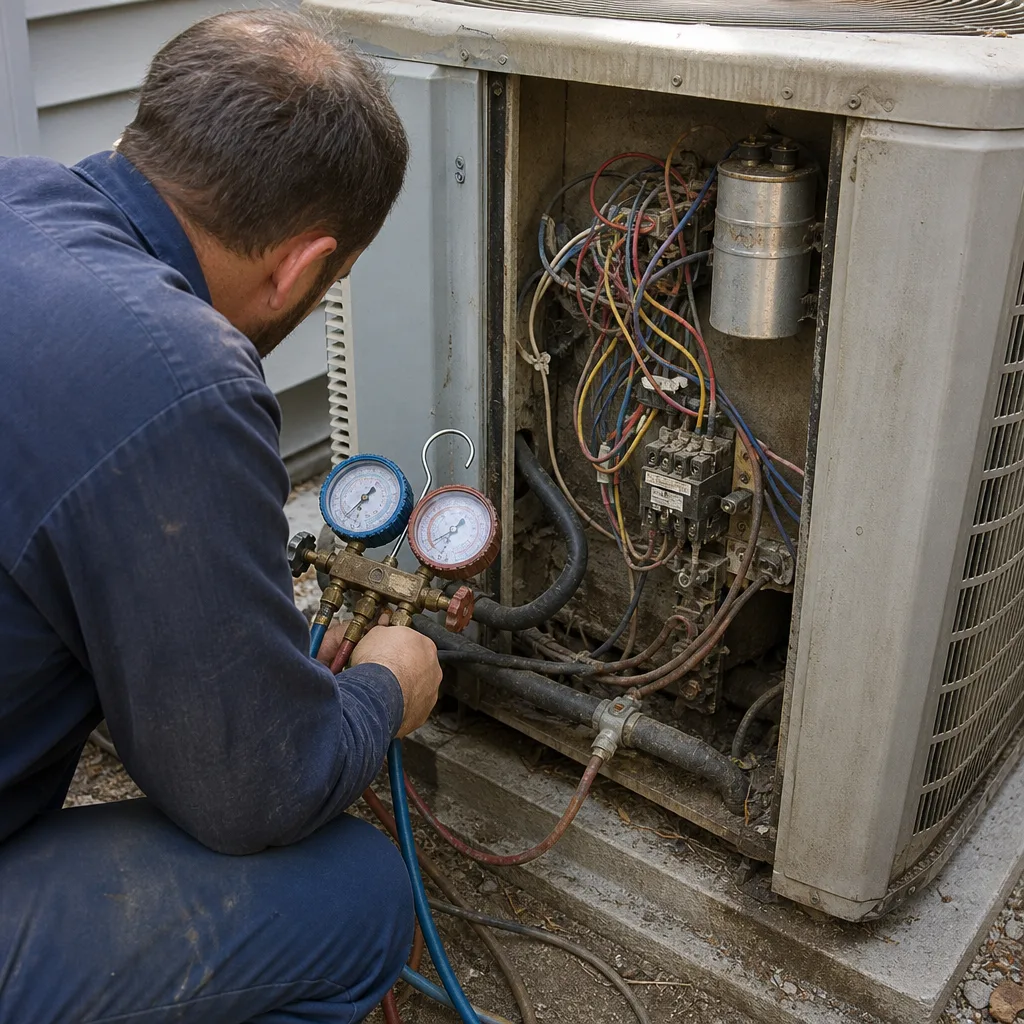 Before
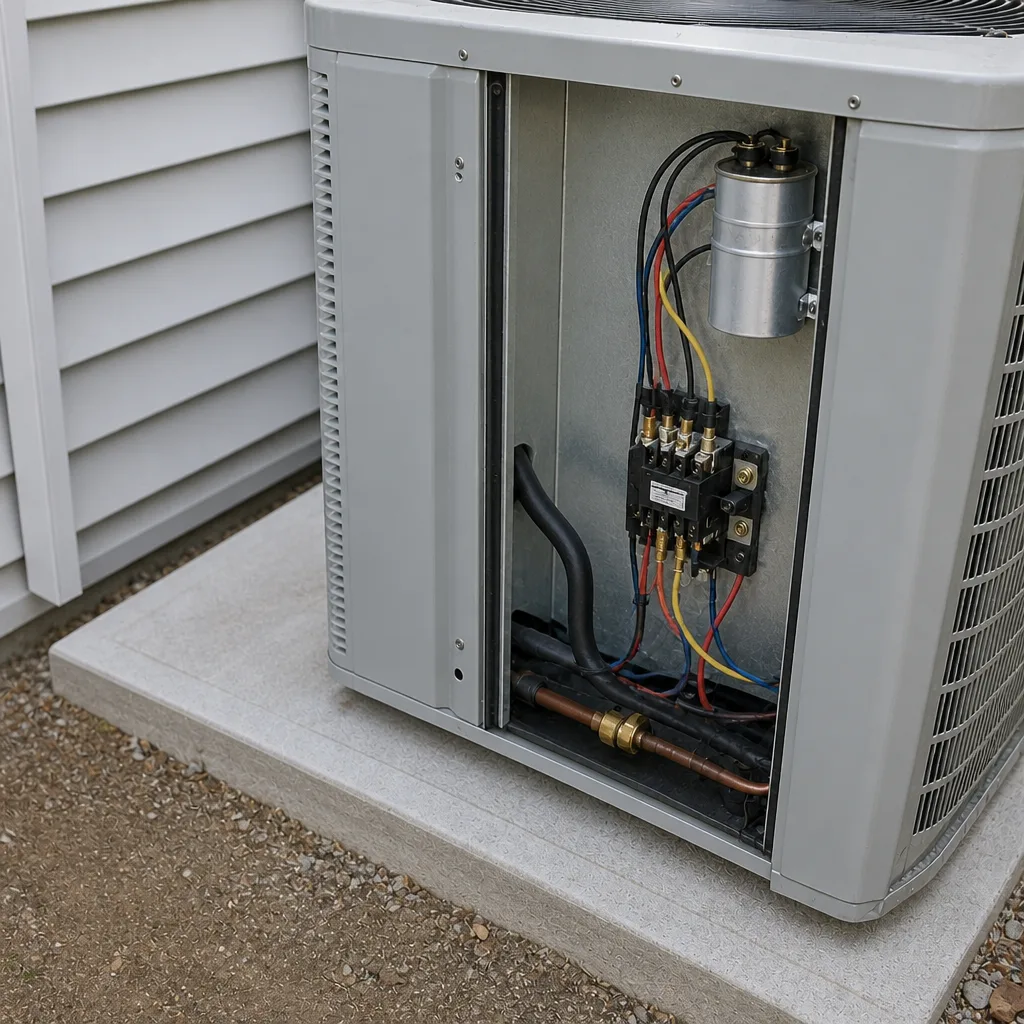 After
The Bottom Line
DIY furnace work has a real line, and it’s not drawn to sell you a service visit. Filter changes, thermostat swaps, drain clearing, and one-time resets are safe and worth doing. Gas piping, combustion parts, the flue, and the heat exchanger are not, and they’re not because the failure modes hurt people. The heat exchanger alone is worth the call. If you’re in Enterprise and something feels off, get a second opinion before you buy parts or authorize big work. You can reach our team any hour at (844) 455-2034, and a real person will pick up. That’s the whole rule: know where your line is, and have somebody verifiable behind it.
Related Pages
Contact
If anything in this guide has you wondering about your furnace, call Ray’s Heating & Air Enterprise at (844) 455-2034 for a free estimate. We’ll bring the readings and the numbers, and you’ll see both before any work starts.
Written by the team at Ray’s Heating & Air Enterprise.