
Last updated November 17, 2026
 Heat pumps
 AC repair
 Furnace & heating
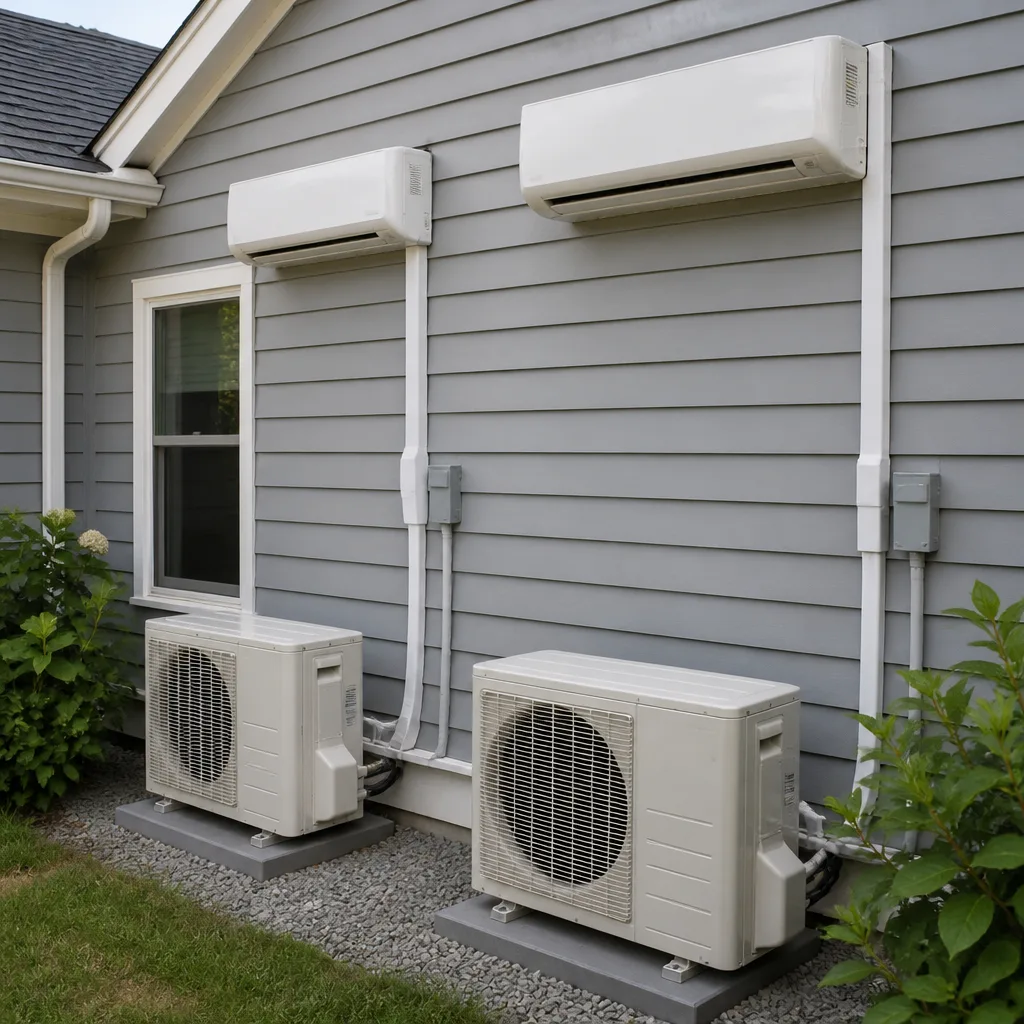 Ductless mini splits
 Carrier
 Trane
 Goodman
Seasonal tune-up and full diagnostic on your Carrier, Trane, or Goodman system - readings shown to you before any repair is proposed
Diagnosis first, numbers second - you approve the repair price before a single part goes in.
Get your free estimateDIY vs Professional Heat Pump & Mini Split: What’s Safe to Do Yourself
You can legally buy a pre-charged mini split kit at a big-box store and install a good chunk of it yourself. What most YouTube walkthroughs rush past is the part that decides whether the thing actually works: those pre-charged line sets only perform if the unit’s BTU load was sized right for your room. Undersizing by 20% is the single most common problem we get called out to fix after a do-it-yourself install, and it usually shows up as a unit that runs all afternoon and never quite cools the room. This guide draws the line for you: what a handy homeowner can safely handle, what voids your warranty, and what actually requires a certified tech. We’ll keep it grounded in what we see around Enterprise.
Quick Answer
Filter cleaning, remote setup, clearing space around the outdoor unit, and flushing the condensate line are all safe DIY jobs any homeowner can do. Anything involving refrigerant – charging, recovery, line connections, or evacuation – requires EPA 608 certification and is not legal DIY work, and unlicensed installation typically voids the manufacturer warranty. The sizing calculation that decides whether a unit will ever cool the room properly also belongs in professional hands.
Styles & brands we work with
- AC repair
- Furnace & heating
- Heat pumps
- Ductless mini splits
- Carrier
- Trane
- Goodman
Table of Contents
- What You Can Safely Do Yourself
- Why Refrigerant Work Isn’t DIY-Legal (EPA 608)
- The Load Calculation That Decides Everything
- The Warranty Clause Buried in the Fine Print
- DIY vs Professional: The Honest Cost Comparison
- Why Enterprise Heat Pumps Work Harder Than the Label Says
- Common Mistakes to Avoid
- When to Call a Professional
What You Can Safely Do Yourself
Plenty of mini split upkeep is well within reach for anyone comfortable with a screwdriver and a ladder. None of these tasks touch refrigerant, high-voltage wiring, or the sealed system, so they’re safe and they won’t affect your warranty. In fact, doing them regularly is what keeps a heat pump running efficiently through an Enterprise summer.
Here’s the list we hand to homeowners who want to stay hands-on:
- Filter cleaning. Rinse or vacuum the indoor filter every two to four weeks during cooling season. In dusty desert air, that filter loads up faster than most manuals suggest.
- Remote and thermostat programming. Set your schedules, modes, and fan speeds yourself. No license needed to push buttons.
- Outdoor unit clearance. Keep at least two feet of clear space around the condenser. Trim weeds, move stored items, and hose off dust and cottonwood fluff from the fins each spring.
- Condensate line flushing. A cup of distilled water or a mild vinegar solution poured through the drain line clears the algae that clogs drains and causes water leaks indoors.
- Visual inspection. Look for ice on the lines, water pooling near the indoor head, or a unit that short-cycles. Catching these early saves a service call.
We’ve walked plenty of Enterprise homeowners through this routine over the phone. It’s the kind of thing that keeps a system healthy without a truck in the driveway.
Why Refrigerant Work Isn’t DIY-Legal (EPA 608)
Handling refrigerant is regulated under Section 608 of the Clean Air Act. To buy refrigerant, connect gauges, charge a system, or recover refrigerant, a technician must hold an EPA 608 certification. This isn’t a scare tactic. The rule exists because refrigerant released into the air damages the ozone layer and contributes to climate change, and because a mischarged system can ice up, overheat the compressor, and fail within a season.
What that means for you in plain terms:
- You cannot legally add or remove refrigerant yourself. The recovery equipment and certification are required.
- Pre-charged line sets are the workaround, not a loophole. Some DIY kits ship with refrigerant sealed inside the lines. That is legal to install in many places, but it only stays correct if the unit was sized for the room – which brings us to the next section.
- The flare connections still have to be right. A single bad flare leaks refrigerant slowly, and a slow leak means the system stops cooling in year two, not year ten.
If a system needs a top-off or a repair that touches the sealed circuit, that is a certified-tech job. Our Heat Pump & Mini Split service in Enterprise handles the refrigerant side so you don’t have to touch it.
The Load Calculation That Decides Everything
Here’s the part the videos skip. Before anyone buys a mini split, a technician runs a load calculation, commonly called a Manual J, that figures out how much heat your specific room gains and loses. That number is what tells you the right BTU capacity. Square footage alone gets it wrong almost every time.
Why? Because a 300-square-foot bedroom with west-facing windows and a vaulted ceiling can load up harder than a 400-square-foot room with a north wall and shade trees. A load calculation accounts for:
- Window size, orientation, and glass type
- Wall and attic insulation values
- Ceiling height and air leakage
- Local design temperatures for Enterprise and surrounding areas
- How many people use the room and what appliances run there
Get that calculation wrong by 20% – the most common mistake we see – and the unit runs constantly, never quite reaches the setpoint, and wears out early. Undersized units are the DIY issue we fix most in Enterprise. It’s also why we start every mini split conversation with measurements and readings, not a price on a phone call.
The Warranty Clause Buried in the Fine Print
Nearly every major mini split manufacturer ties its equipment warranty to professional installation. Read the terms on your box or in your manual and you’ll usually find language requiring the equipment to be installed by a licensed contractor, with the installation documented. Trane, Lennox, Goodman, and Rheem all include some version of this. Skip that step and the manufacturer can decline a claim later.
That doesn’t mean you’ll never get help, but it shifts the risk onto you. A failed compressor in year three that would’ve been covered becomes an out-of-pocket repair. We’ve seen more than one homeowner in Enterprise end up paying twice – once for the kit, once for a proper install after the warranty was denied.
Our Ray’s Heating & Air Enterprise home page lays out how we document every install so the warranty holds.
DIY vs Professional: The Honest Cost Comparison
DIY looks cheaper on paper. Here’s what the numbers actually look like in our area, without pretending we know the exact price of every kit on the shelf.
- DIY kit plus materials: You save the labor line, but you buy the line set, the mounting bracket, the disconnect, and any permit or inspection fees yourself.
- Tools you’ll never use again: A vacuum pump, manifold gauges, and a torque wrench for flare fittings can easily cost as much as the labor you’re trying to avoid.
- Redo cost: If the unit was undersized or improperly charged, you pay for the correct unit and the install on top of the failed one.
- Professional install: Higher upfront, but the load calculation, refrigerant charge, electrical, and warranty documentation are all included and covered by a written promise.
Add it up and the “savings” often evaporate when a system fails early. Our AC repair and installation team handles the sizing and paperwork so you’re not chasing a warranty claim later.
Why Enterprise Heat Pumps Work Harder Than the Label Says
Enterprise summers push triple digits for weeks, and the units here face a load most manufacturer charts don’t fully capture. A mini split rated for a mild climate runs at the edge of its capacity through July and August. That’s exactly why getting the BTU sizing right matters more here than in a cooler part of the country.
We also see dust and cottonwood fluff clog condenser coils faster than in greener climates, which cuts efficiency and drives up run time. In Enterprise, a properly sized, professionally installed system with regular coil cleaning is what keeps the electric bill from climbing every August.
If you’re weighing a furnace upgrade alongside cooling, our heating and furnace service covers the other side of the year.
Key Takeaways
- Filter cleaning, remote setup, outdoor clearance, and condensate flushing are safe DIY tasks.
- Refrigerant handling requires EPA 608 certification and is not DIY work.
- The BTU load calculation, not square footage, decides whether a unit will cool the room.
- Unlicensed installation commonly voids the manufacturer warranty.
- Undersizing by 20% is the most common DIY mistake we fix in Enterprise.
Common Mistakes to Avoid
- Sizing by square footage alone. A west-facing room in Enterprise loads far harder than a shaded one, so the room-by-room calculation has to account for windows and ceilings, not just floor area.
- Skipping the vacuum before charging. If moisture stays in the lines, it freezes, blocks flow, and damages the compressor. A proper evacuation isn’t optional.
- Trusting a pre-charged line set for any line length. Pre-charged sets only work if the run stays within the factory spec. Longer runs need adjust-and-verify.
- Ignoring the outdoor mounting. A unit that vibrates or tips on a wall bracket loosens fittings and leaks refrigerant over time.
- Forgetting the condensate drain slope. A level or uphill drain backs water into the wall. This is one of the most common DIY calls we get.
- Not documenting the install. Skip the paperwork and a warranty claim becomes a fight you usually lose.
- Electrical shortcuts. Wiring a mini split into a circuit that wasn’t sized for it is a fire risk. Line voltage connections belong to a licensed electrician or a certified HVAC tech.
When to Call a Professional
Call a professional when the work touches refrigerant, high-voltage wiring, or the sizing calculation that determines the whole system. Also call when a unit is icing up, short-cycling, or leaking water indoors – those point to problems that get worse if you wait. And if you’ve installed a DIY kit and the room never quite cools, the fix usually starts with measurements, not more refrigerant.
Our technicians have up to 24 years of experience, and every job carries a 90-Day Done Right Promise in writing. Ray’s Heating & Air Enterprise offers free estimates in Enterprise – call (844) 455-2034.
See the difference
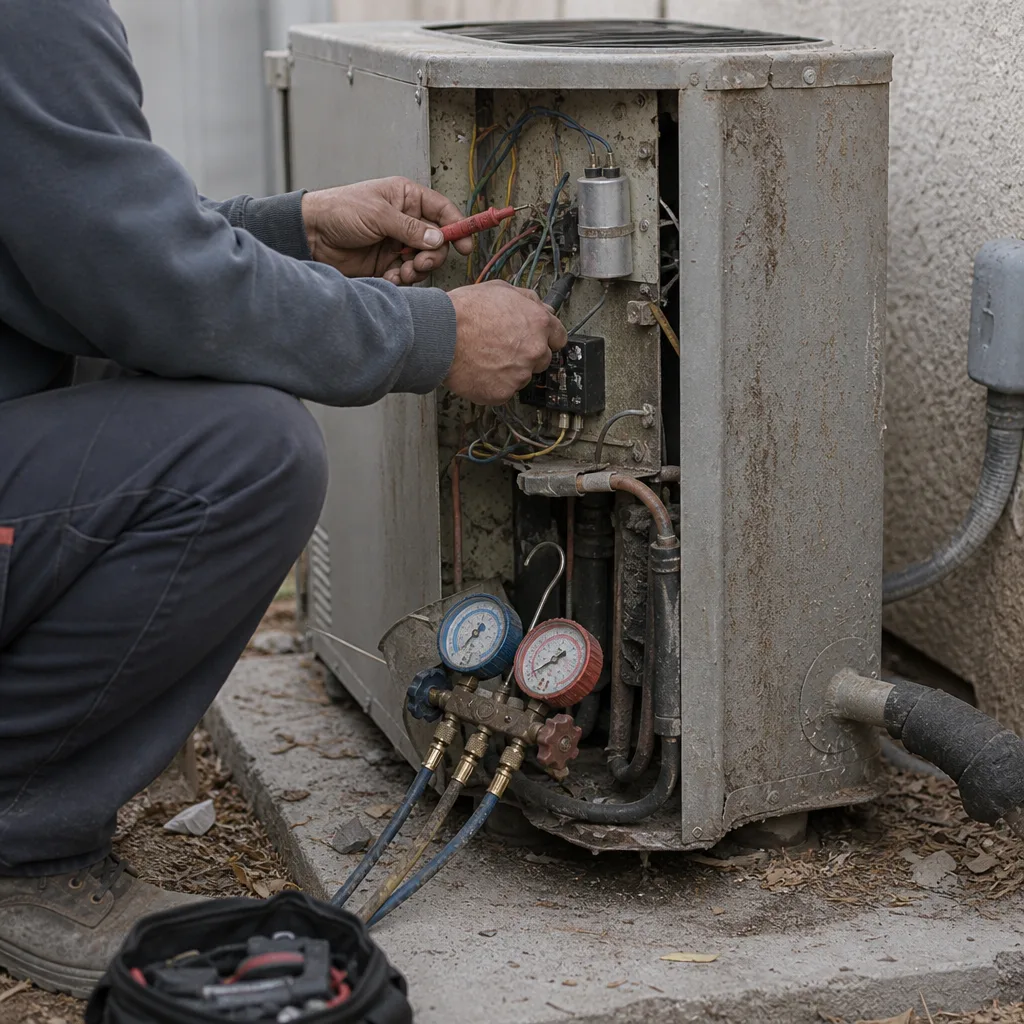 Before
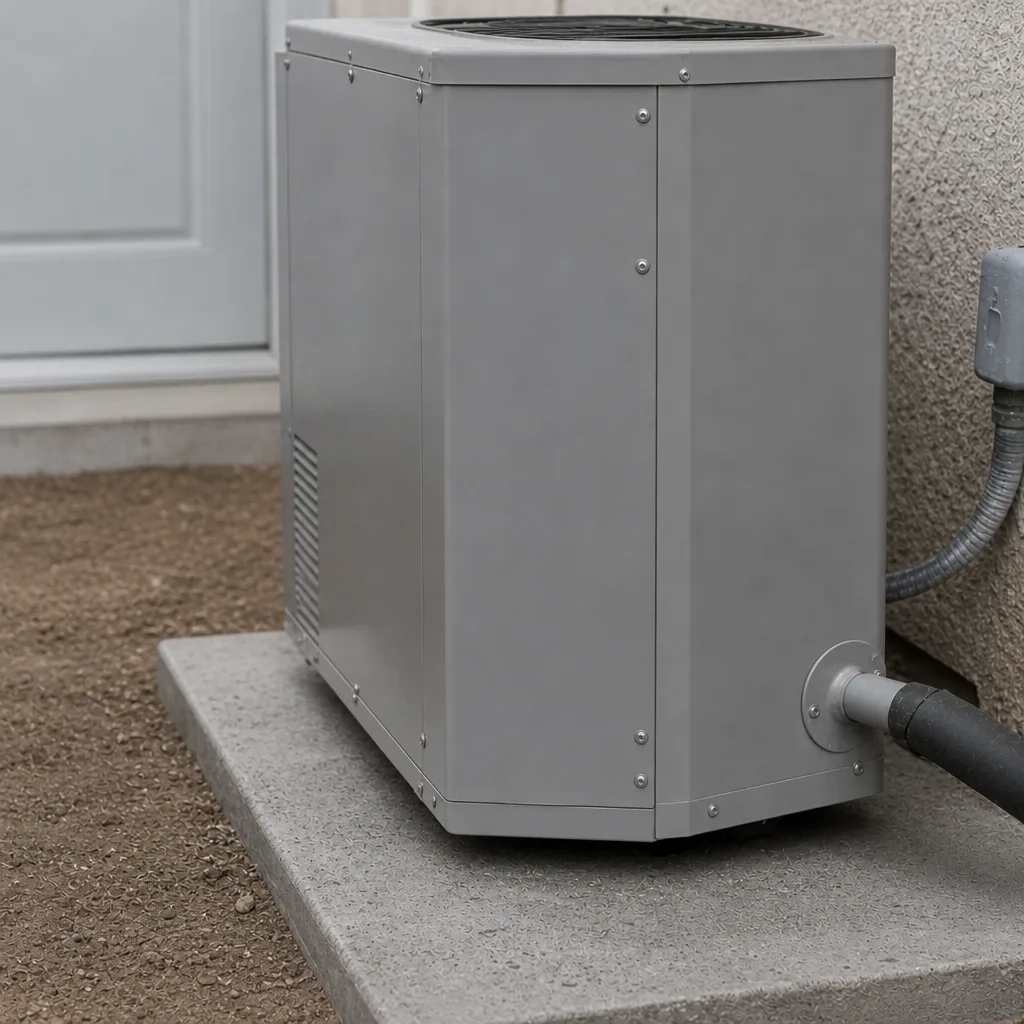 After
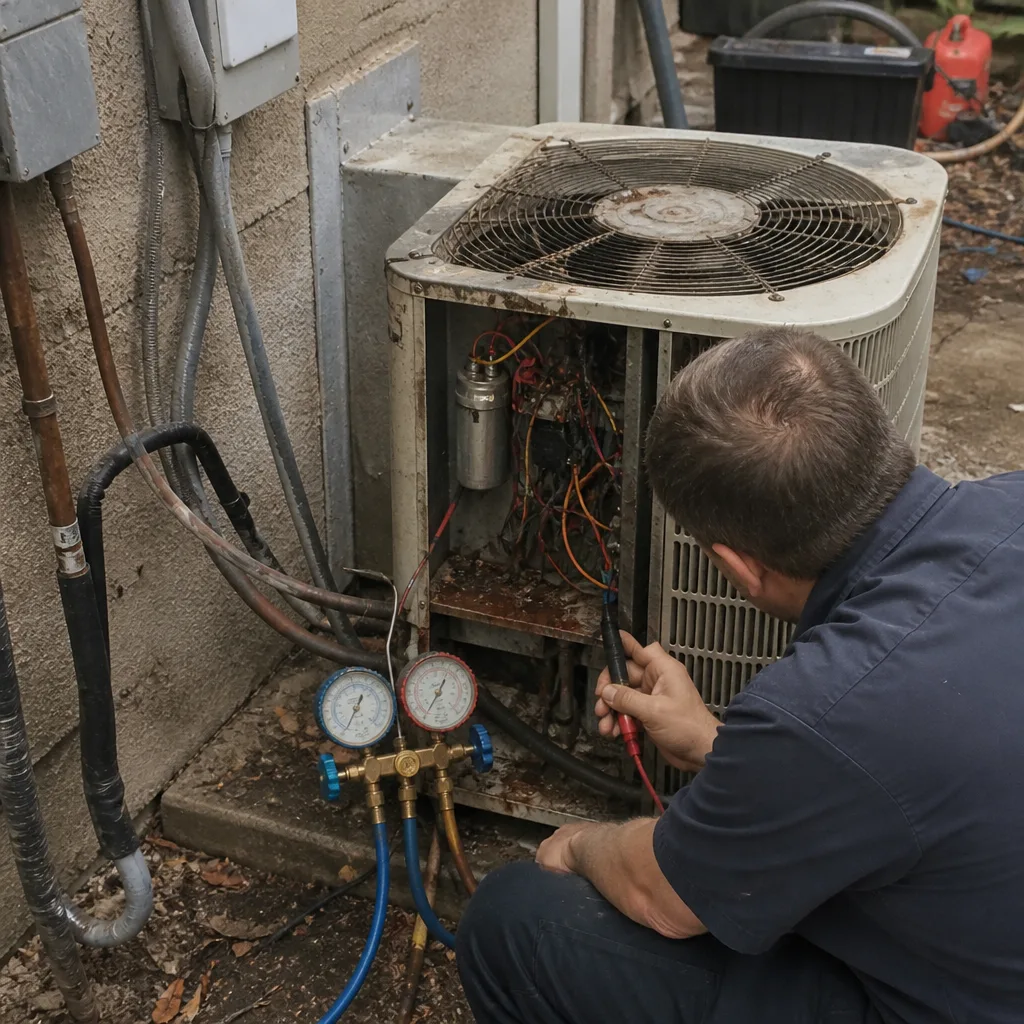 Before
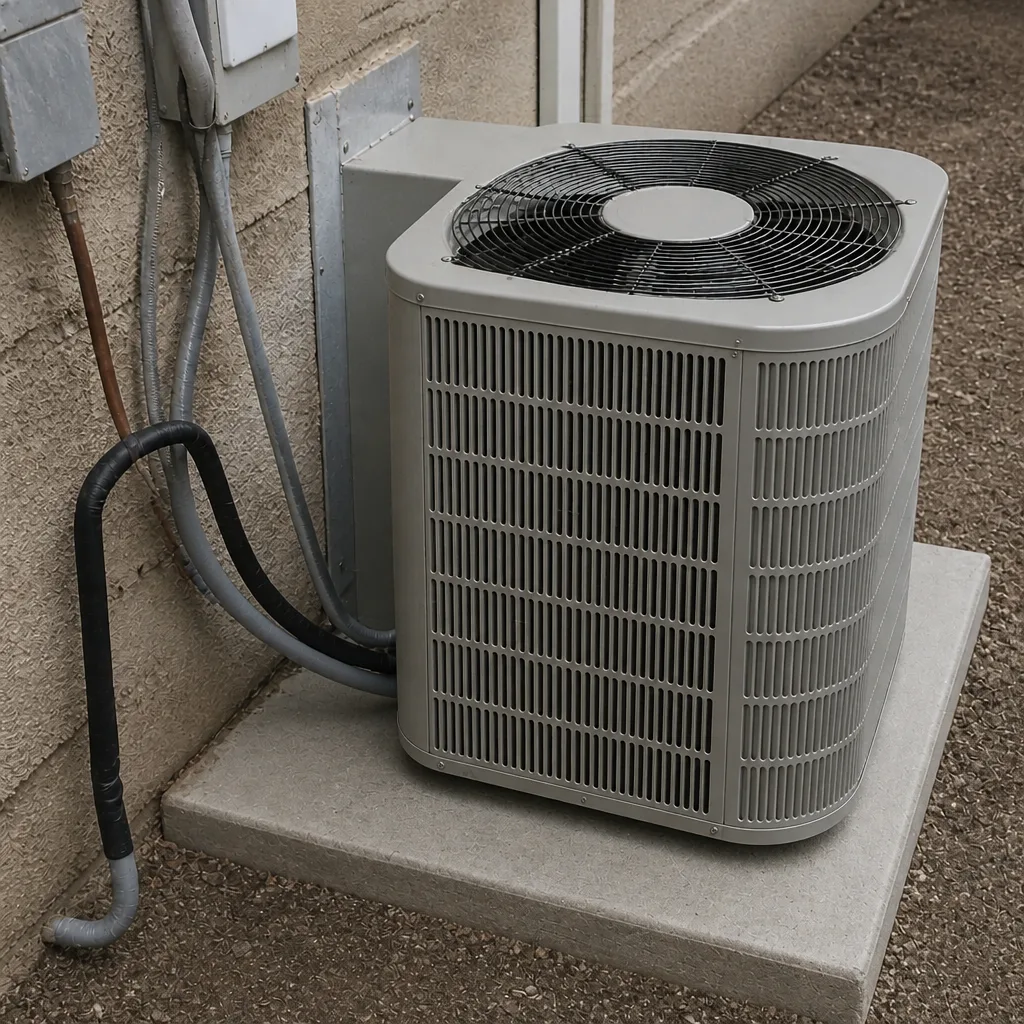 After
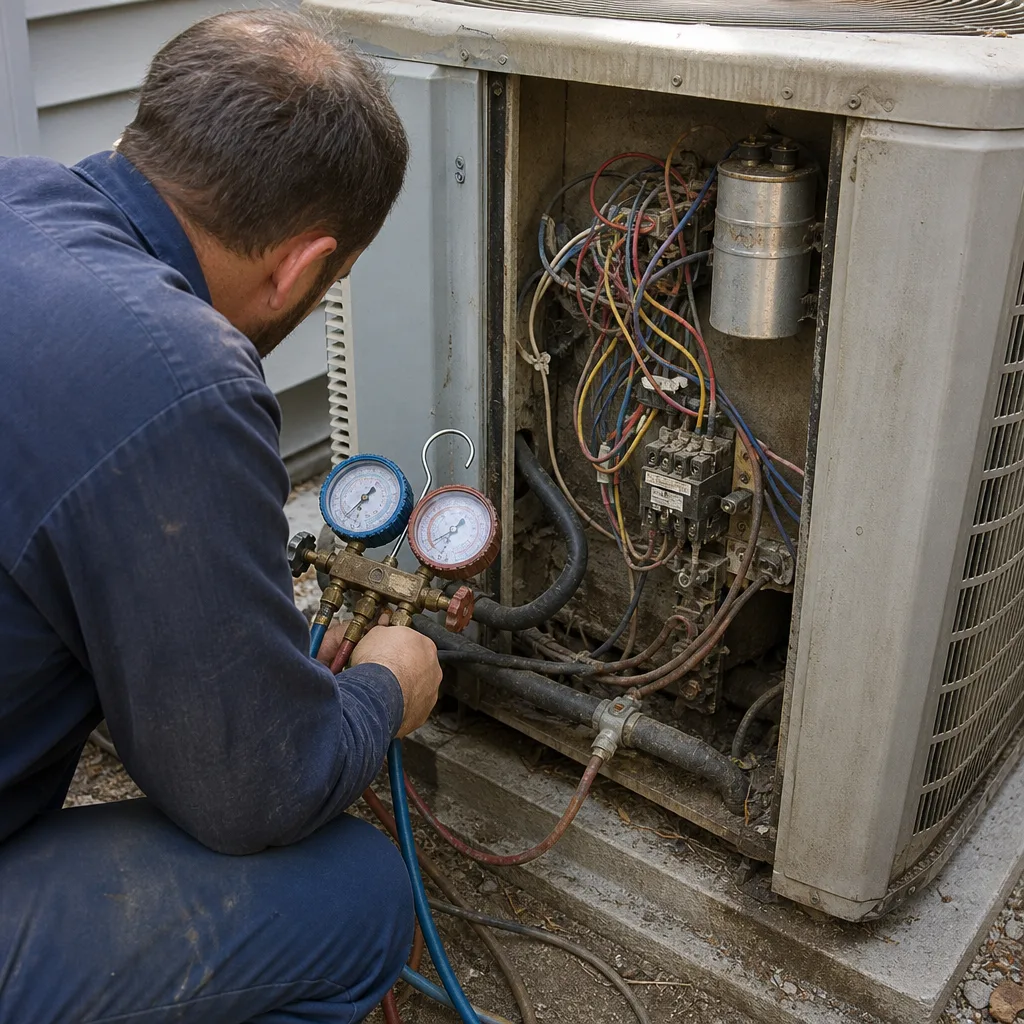 Before
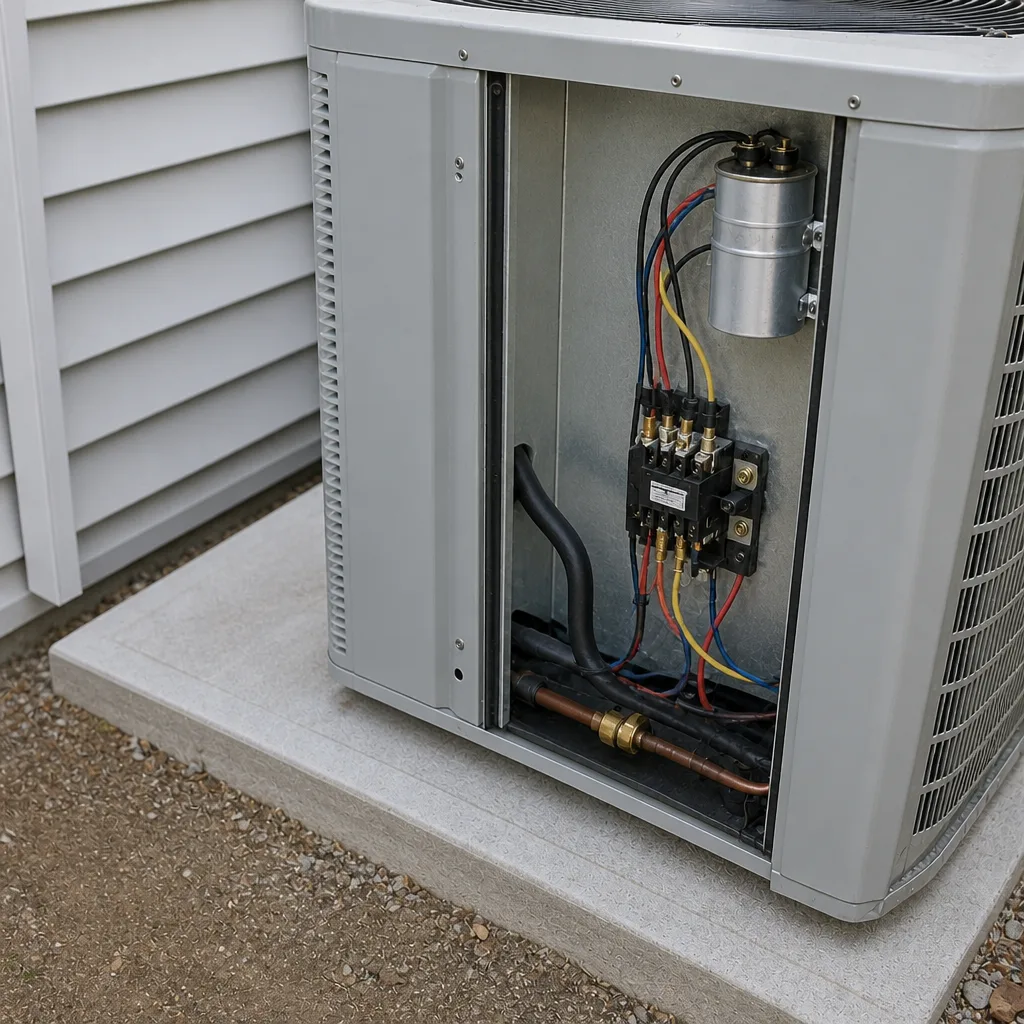 After
Frequently Asked Questions
It depends on the work. You can legally mount the indoor head, run the drain, and connect the electrical in many jurisdictions, but any work involving refrigerant requires EPA 608 certification. Unlicensed installs also commonly void the manufacturer warranty. Call (844) 455-2034 for a free opinion on what your situation needs.
Because square footage is a rough guess, not a load calculation. A room’s window orientation, insulation, and ceiling height can swing the BTU requirement by 20% or more, and an undersized unit will never cool the room properly. Call us for a proper load calculation before you buy.
In most cases, yes. Trane, Lennox, Goodman, Rheem, and most other brands require professional, licensed installation to keep the equipment warranty in force. Without it, a compressor failure in year three can become your bill. Call (844) 455-2034 to talk through your options.
Undersizing – buying a unit that’s roughly 20% too small for the room. That shows up as a system that runs all afternoon and never reaches setpoint, especially in our desert summers. It’s why we size with readings before we quote.
Yes, and you should. Rinse the indoor filter every two to four weeks, keep two feet clear around the outdoor unit, and flush the condensate line with a vinegar solution each season. Those tasks are safe, free, and keep the system running well. Call us if anything looks off.
It depends on the size of the unit, the length of the line run, and the electrical work needed. We don’t quote a price over the phone without readings – you’ll get a written, upfront number after we see your setup. Call (844) 455-2034 for a free estimate.
The Bottom Line
There’s a real line between the mini split work you can safely do and the work that belongs to a certified tech. Filter cleaning, remote setup, outdoor clearance, and condensate flushing are yours to handle. Refrigerant, evacuation, high-voltage wiring, and the load calculation are not – and unlicensed installs risk both the warranty and the system itself. In Enterprise, where the cooling season runs long and hard, sizing right the first time is what keeps a heat pump working for years. If you’re not sure which side of the line a job falls on, that’s exactly when to call.
Call Ray’s Heating & Air Enterprise at (844) 455-2034 for a free estimate. A live person answers every call, every day.
Written by the team at Ray’s Heating & Air Enterprise.