
Last updated November 17, 2026
 Heat pumps
 AC repair
 Furnace & heating
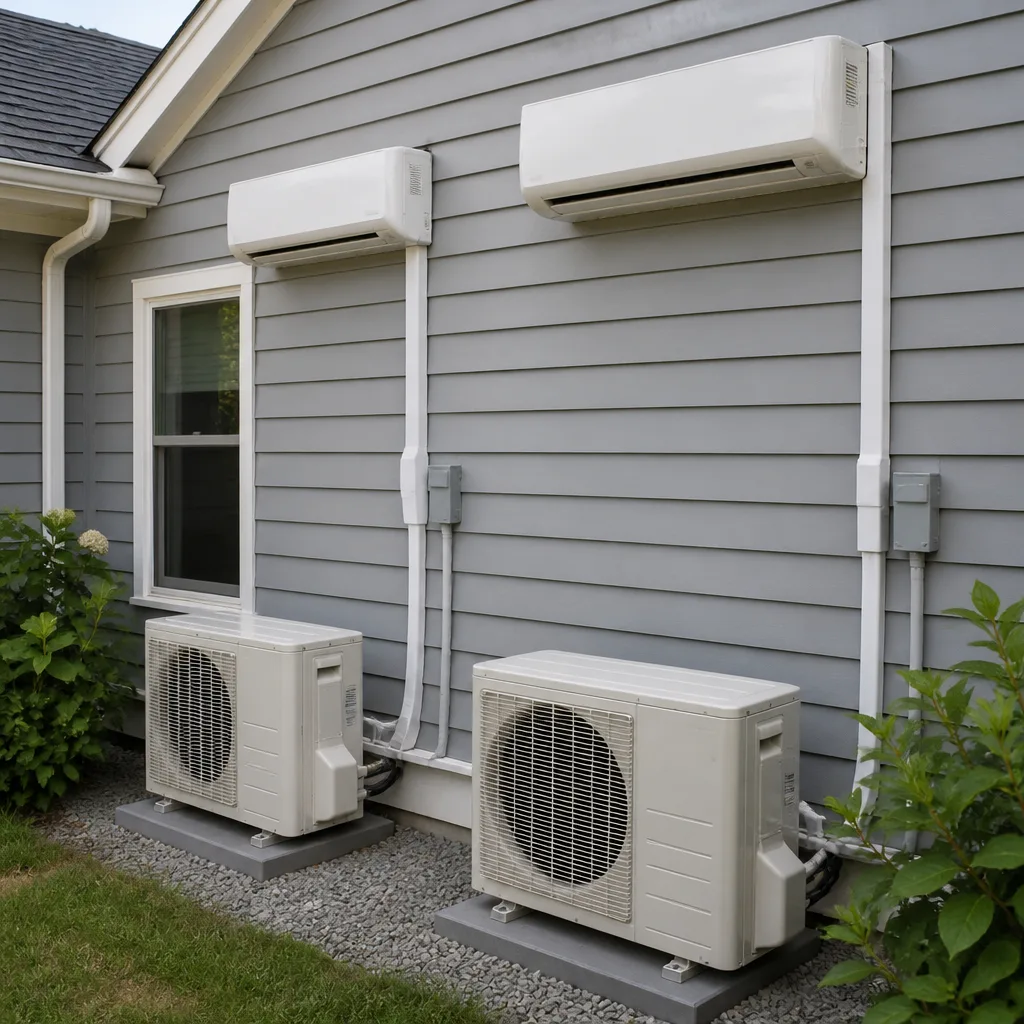 Ductless mini splits
 Carrier
 Trane
 Goodman
Seasonal tune-up and full diagnostic on your Carrier, Trane, or Goodman system - readings shown to you before any repair is proposed
Diagnosis first, numbers second - you approve the repair price before a single part goes in.
Get your free estimateHow Long Does Heat Pump & Mini Split Take? Timelines and What to Expect
A single-zone mini split install takes our crew about 3 to 4 hours on a standard interior wall. Add a second zone and that number doesn’t double. It goes up by about 2 hours. That gap is the whole story of scheduling a heat pump or mini split job, and it’s the reason two neighbors in Enterprise can get quotes on the same day and end up with wildly different install windows. Read on for real time ranges by job type, what tends to run long in Enterprise homes specifically, and the part of the timeline almost nobody warns you about: the permit and inspection clock in Clark County.
Quick Answer
A single-zone mini split install runs about 3 to 4 hours. Multi-zone systems usually take 6 to 9 hours, cassette ceiling mounts land around 5 to 7 hours, and concealed duct mini splits take a full day or more because of the ductwork. Full heat pump replacements (air-source, ducted) generally run 6 to 10 hours for the equipment swap, plus permit and inspection days on top. None of this includes the wait for a permit, which in Clark County is often the longest part.
Styles & brands we work with
- AC repair
- Furnace & heating
- Heat pumps
- Ductless mini splits
- Carrier
- Trane
- Goodman
Table of Contents
- Time Ranges by Job Type
- What Adds Time in Enterprise Homes
- The Permit and Inspection Timeline in Clark County
- Startup and Commissioning: Why It Isn’t Padding
- What to Have Ready Before the Crew Arrives
- What the Day Actually Looks Like
- Common Mistakes to Avoid
- Frequently Asked Questions
Time Ranges by Job Type
Here’s the honest breakdown. These are install-day hours only, not counting permits, inspection, or ordering equipment. Our technicians have up to 24 years of experience and the numbers below reflect what we actually see on jobs in the Enterprise area.
- Single-zone wall mount mini split: 3 to 4 hours. Straightforward interior wall, short line set, standard electrical available. This is the most common job and the fastest.
- Multi-zone system (2 to 4 heads): 6 to 9 hours. Each additional zone adds roughly 2 hours of work for line set routing, wiring, and head installation. A four-zone system can push past 9 hours if line sets have to travel far.
- Cassette ceiling mount: 5 to 7 hours. The ceiling work takes longer because we’re cutting into drywall or ceiling tile, framing support, and running condensate drainage carefully so it doesn’t stain your ceiling later.
- Concealed duct mini split: 8 to 12+ hours, often spread over two days. These units hide in the attic or a soffit and connect to short duct runs. Duct fabrication, sealing, and balancing add real time.
- Full heat pump replacement (ducted): 6 to 10 hours on install day. Remove old equipment, set the new air handler and condenser, connect refrigerant lines, wire, and commission. Then inspection on a later day.
The single biggest variable is zones. A one-zone job in Enterprise is a morning. A three-zone job is a full working day. If you’re planning around your own schedule, ask the person quoting you to break out the hours by zone so you can see exactly where you land. Our Heat Pump & Mini Split in Enterprise page walks through the equipment choices that affect those hours.
What Adds Time in Enterprise Homes
Enterprise is a different beast than most of the country. Our homes are built for heat, not for easy HVAC access, and that shows up in install times. Three things in particular run long here.
Stucco exterior walls. Most single-family homes in Enterprise are stucco over wire lath and sheathing. Running a line set through stucco isn’t a drill-and-go situation. It’s a careful process: locating the studs, cutting a clean penetration, flashing it correctly so wind-driven rain doesn’t find it, and patching to match. That adds 30 to 60 minutes per exterior penetration compared to a wood-sided home. On a multi-zone job with three exterior runs, that’s an hour and a half of your day gone to stucco. It’s the right work, but it’s real work.
Attic access in a desert climate. Concealed duct mini splits and any job needing attic routing run into the same problem: attics in Southern Nevada hit 140 to 160 degrees in summer. Crews can’t work in that safely for long stretches. We rotate people in and out, which adds time. A concealed duct job in July might take 10 hours that would have taken 8 in February. Nobody puts this in an estimate, but it’s the truth.
Long line set runs in single-story ranch layouts. Enterprise has a lot of single-story ranch homes where the best spot for the outdoor unit is the far side of the house from where the indoor head needs to go. Every extra foot of line set means more braising, more insulation, more labor. A 25-foot run is routine. A 60-foot run on a ranch home is a different afternoon. The refrigerant line length is not a small detail; it affects both time and how well the system performs.
The Permit and Inspection Timeline in Clark County
Here’s the part most homeowners find out too late: the install day is often not the longest part of the timeline. The permit and inspection process in Clark County can add days to weeks depending on the season and the workload at the building department.
Replacing HVAC equipment or installing a new mini split requires a mechanical permit. The timeline typically looks like this:
- Permit application and plan review: anywhere from same-day over-the-counter to a week or more, depending on complexity. Straightforward residential replacements move faster than multi-zone new installs with electrical changes.
- Scheduling the install: once the permit is issued, we schedule the install day. That’s usually the shortest wait of the whole process.
- Inspection: after install, the inspection has to be scheduled. Clark County inspection windows typically run a few business days out, sometimes more in peak summer when everyone is replacing equipment.
- Final sign-off: the inspector confirms the equipment, electrical, and refrigerant work is to code. If something isn’t right, a re-inspection is scheduled, which adds time.
What should you take from this? If you’re planning a heat pump or mini split install in Enterprise, start the permit conversation early. Don’t plan a weekend project around a same-week install if a new permit is required. Ask the person quoting you: “Is a permit required, and what’s the current inspection lead time?” If they can’t answer that specifically, keep looking.
Startup and Commissioning: Why It Isn’t Padding
Some homeowners look at an estimate and wonder why “startup and commissioning” is listed as a separate line, sometimes an hour or more. It’s not padding. It’s the difference between a system that runs and a system that runs right.
Commissioning means measuring the system under real conditions, not just flipping the breaker. Here’s what actually happens during that hour:
- Weighing in the correct refrigerant charge based on line length (mini splits don’t all come pre-charged for every install)
- Pulling a vacuum on the system and holding it to confirm no leaks exist before releasing refrigerant
- Checking static pressure and airflow on ducted units
- Verifying electrical draw at the breaker and confirming it matches spec
- Testing heat and cool cycles, checking temperature split across the coil
- Confirming condensate drainage flows correctly and won’t back up
- Programming the thermostat and walking the homeowner through controls
Skipping this step is the single most common reason for a callback. A unit that was never weighed-in correctly will short-cycle or freeze up within a month. A system with a leak from a bad braise will lose refrigerant by fall. We’ve been called to jobs where the previous install was “done in three hours” and the homeowner is now paying for a diagnostic and a repair because nobody commissioned it. Our AC Repair & Installation in Enterprise page covers what that kind of callback repair actually involves.
The systems we install carry the 90-Day Done Right Promise in writing. If a commissioning problem surfaces in the first 90 days, we come back and make it right. That’s the reason we don’t rush the commissioning step. A callback costs more than an extra hour of doing it right the first time.
What to Have Ready Before the Crew Arrives
You can add an hour to any install by not being ready. Here’s a checklist that saves time:
- Clear the work areas. Move furniture away from the interior wall where the head will mount. Clear a 4-foot radius around the outdoor unit location. Clear attic access if the job needs it.
- Unlock the gate and the electrical panel. We need access to both. If the outdoor unit is behind a locked gate, that gate needs to be open and remain open during the day.
- Know where your breaker panel is and clear access to it. Also make sure the panel has the labeled breaker for the existing HVAC equipment if there is one.
- Move vehicles out of the driveway. A pickup truck and a van need space, plus the line set and equipment need to move through.
- Put pets away. Gates and doors will be open throughout the day. A dog that gets out turns an eight-hour install into a lost afternoon.
- Have your HOA or CCR contact info ready if you live in one. Some Enterprise-area HOAs require approval for exterior equipment placement before install. If that’s not already settled, it can delay the day of install.
None of this is a big ask, but handling it the night before saves real time. And if the job is a heat pump replacement during a cold snap, you’ll want the crew focused on getting your heat back on, not waiting on access. If your current system has failed and you need service today, our Heating & Furnace in Enterprise page covers emergency calls.
What the Day Actually Looks Like
Here’s what to expect from a standard single-zone mini split install in Enterprise, hour by hour:
- Hour 1: Arrival, walk-through, protection of floors and work areas, measurements, confirm placement with you before any cuts are made.
- Hour 2: Set the outdoor unit pad and condenser. Drill the wall penetration(s). Cut and flash the stucco. Run the line set and electrical from outdoor to indoor.
- Hour 3: Mount the indoor head. Connect line set, condensate drain, and electrical. Pull a vacuum on the line set and hold it.
- Hour 4: Release refrigerant (weighed in to spec), power up, and commission. Test heating and cooling. Walk you through the controls. Clean up.
That’s a tight four hours on a clean interior-wall install. Add a second zone and you add about two hours. Add stucco challenges or a long line set and you’re looking at five or six. The job isn’t a mystery if the person quoting you actually plans the zones and the run length up front. Ask anyone on your street who’s had one installed; the clean jobs were the ones that were scoped honestly.
For a full heat pump replacement (ducted air-source), the day looks different: equipment removal, new air handler and condenser set, refrigerant lines, electrical, startup, and commissioning. Plan 6 to 10 hours. We schedule installs with the expectation that the day will run as long as it takes and we don’t cut corners to make the next appointment. The written fixed price in your estimate covers the install; it doesn’t change based on how long it takes.
If you’re considering a heat pump upgrade but want to understand rebate and financing paperwork before committing, that’s part of the conversation. We handle the paperwork as part of the job, not as an add-on. See Heat Pump & Mini Split in Enterprise for details on system types and rebate eligibility. For related comfort upgrades, our Ray’s Heating & Air Enterprise home page covers the full range of services.
Common Mistakes to Avoid
- Booking an install during a summer heat wave without confirming a back-up plan. Southern Nevada summers push attic work and line-set installs into the danger zone. If the install runs long on a 110-degree day, have a plan for where you’ll spend the evening.
- Assuming the quote includes the permit. Always ask. A residential mechanical permit in Clark County adds cost and time. If a quote doesn’t mention it, it may be coming later as a surprise line item.
- Skipping commissioning to save an hour. A system installed without proper charge weighing and vacuum hold will fail sooner and cost more to repair. Don’t let anyone tell you it’s optional.
- Placing the outdoor unit for looks instead of function. Shade and airflow matter in Enterprise. A unit tucked against a west-facing stucco wall in direct afternoon sun will work harder and fail sooner. Place it where it can breathe.
- Not accounting for HOA approval on exterior placement. Some Enterprise-area HOAs want signed approval before the outdoor condenser is visible from the street. Handle this before install day or you’ll be doing a second install.
- Ignoring the line-set length when comparing quotes. If one quote includes 15 feet and another includes 50 feet, they aren’t the same quote. Long runs in ranch-style Enterprise homes are common; ask how many feet are included and what an extra foot costs.
- Not asking who answers the phone at 2 a.m. When the system goes down on a cold January night, you want a live person, not a call center. Ask before you hire.
See the difference
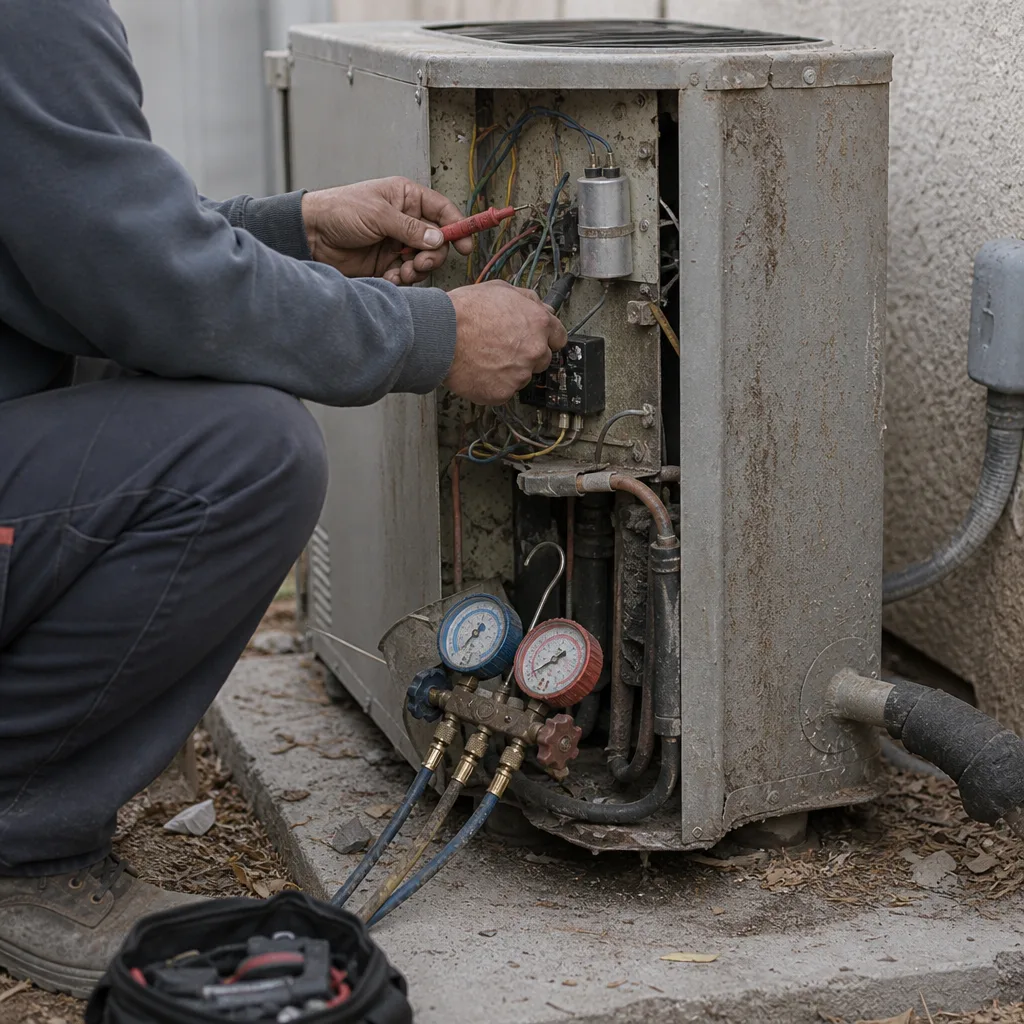 Before
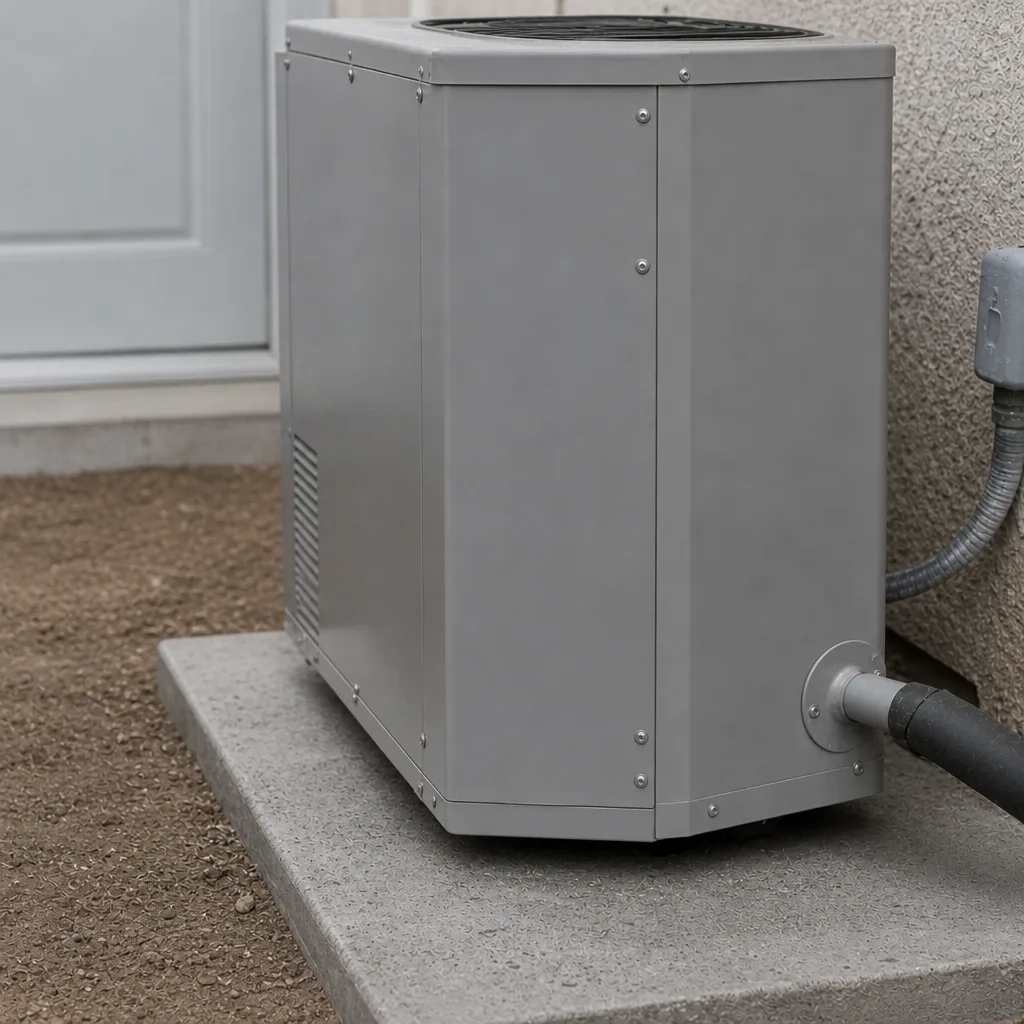 After
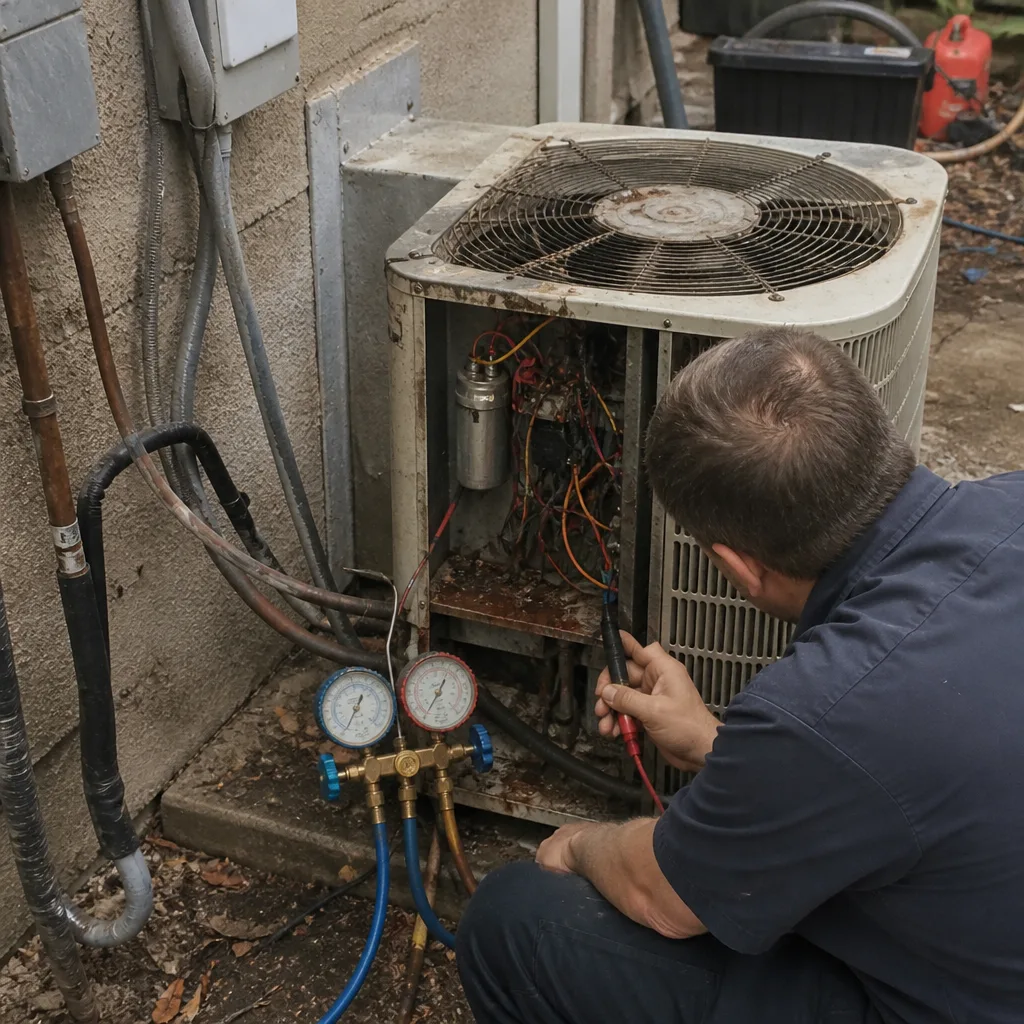 Before
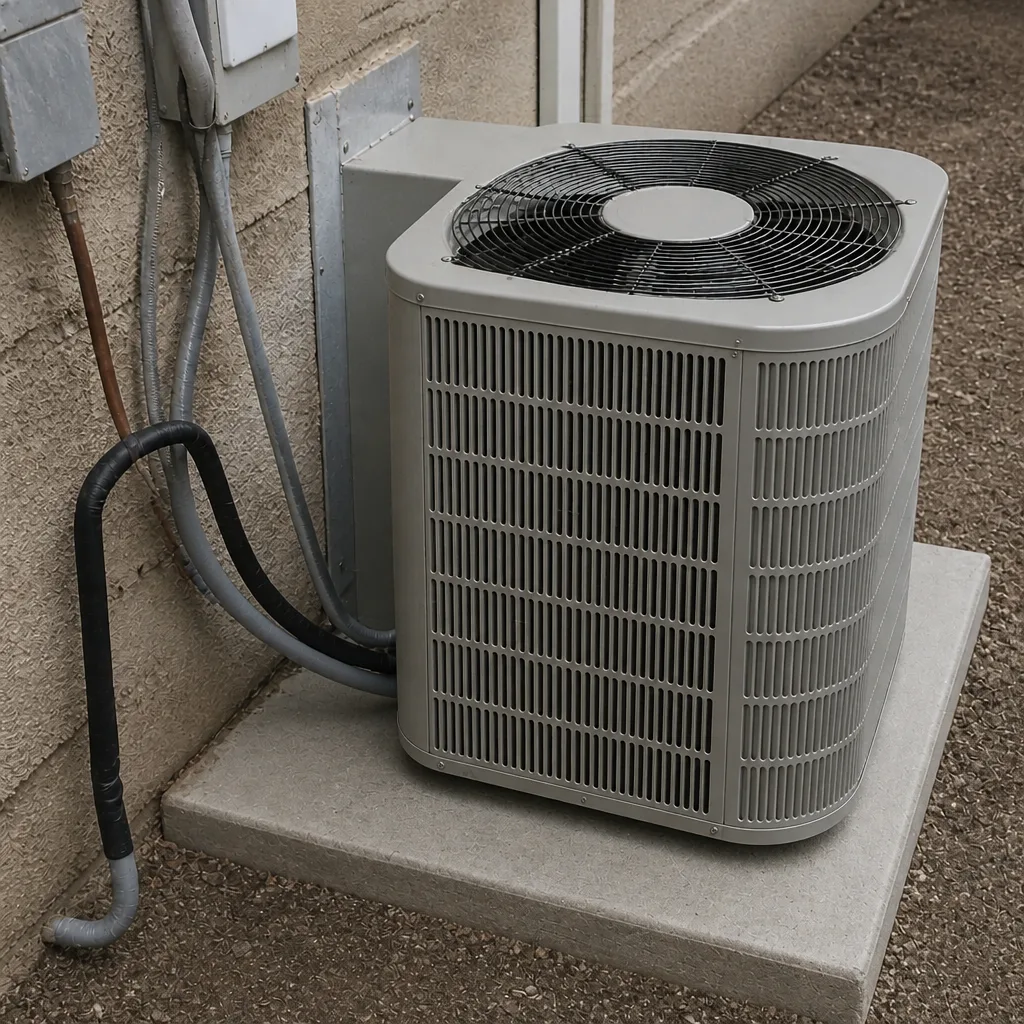 After
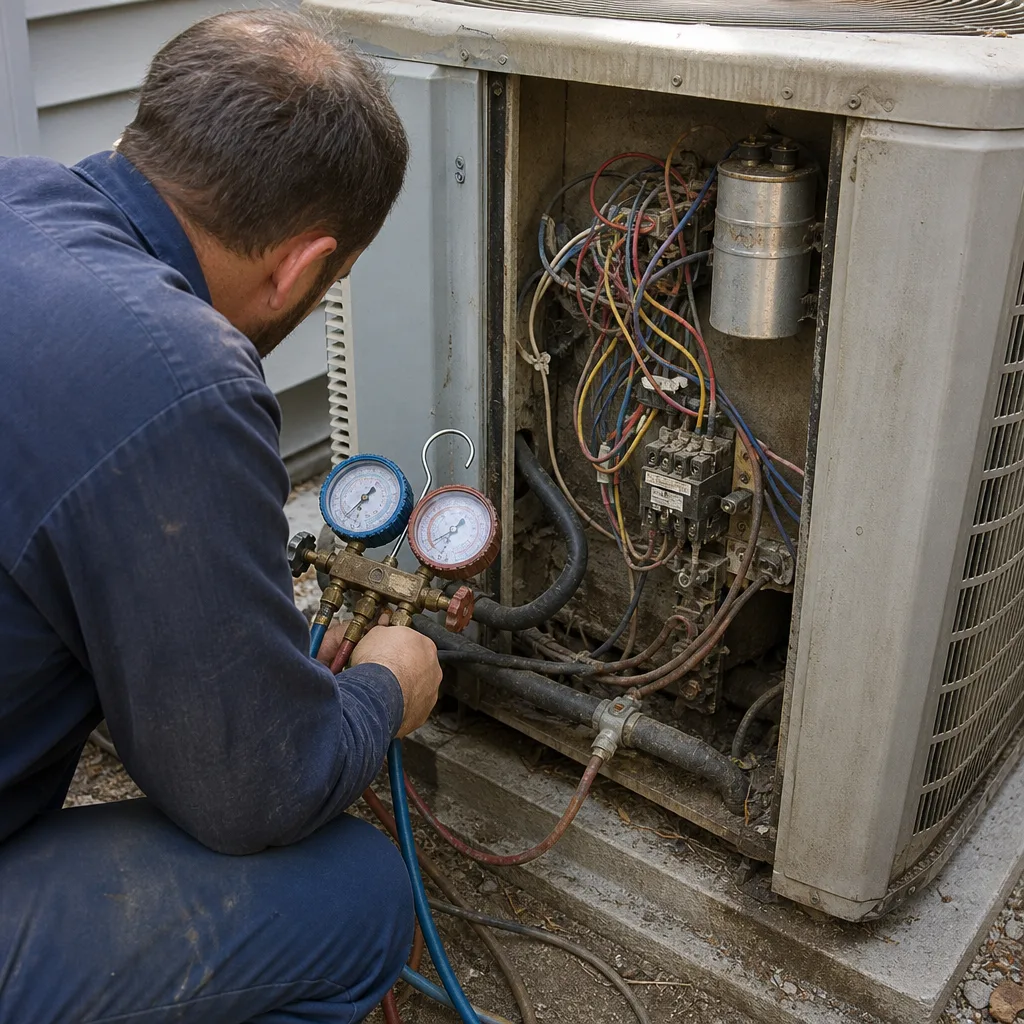 Before
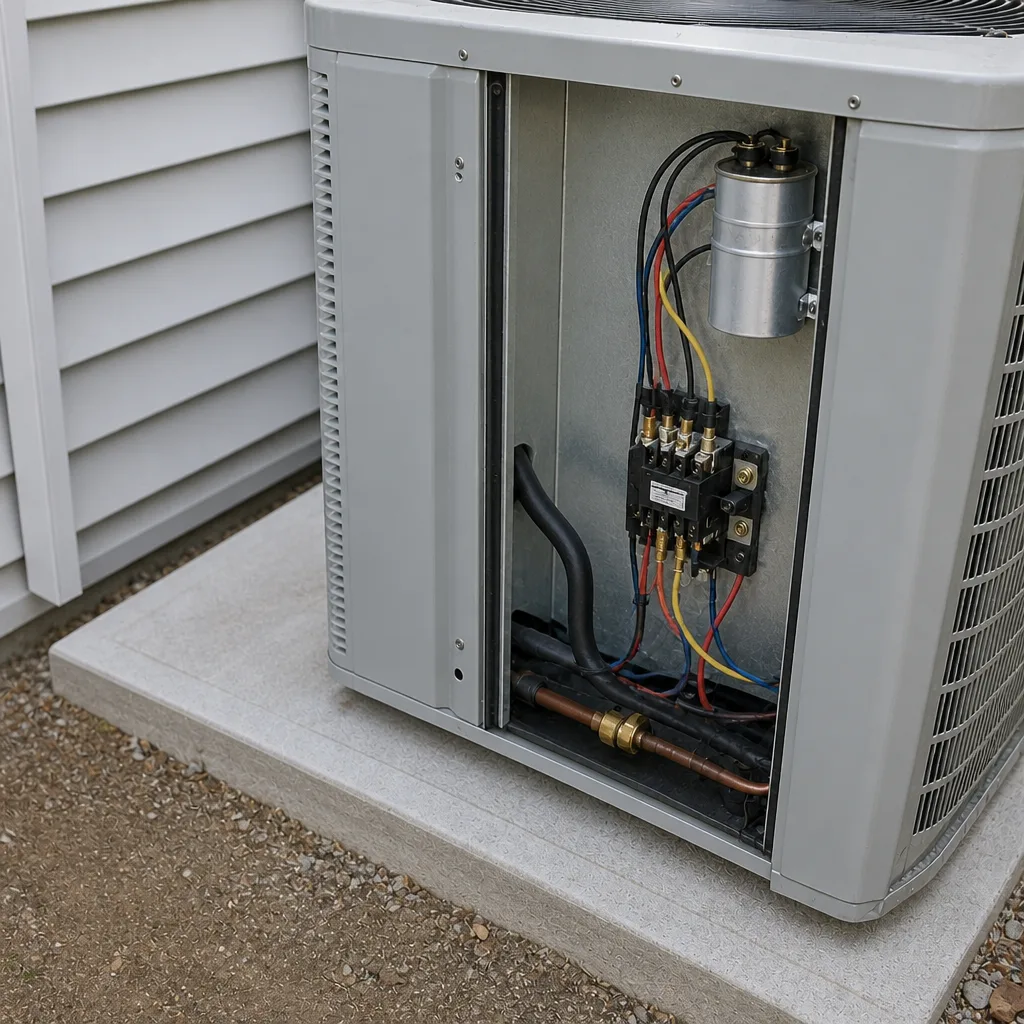 After
When to Call a Professional
Any heat pump or mini split install is a professional job. That’s not a sales pitch; it’s refrigerant handling law, electrical code, permit requirements, and the physical reality of braising line sets and working on live equipment. There are a few specific scenarios where you should call sooner rather than later. If your current system has failed and you’re running on space heaters, that’s a call. If you’ve had a quote that seemed suspiciously fast or cheap, get a second opinion. If your system is 15 years or older and you’re weighing repair versus replacement, get an honest assessment before the failure happens. If you have a mini split that’s icing up or losing heating capacity, that’s a refrigerant or charge problem and it needs a real diagnostic before it becomes a compressor problem.
Ray’s Heating & Air Enterprise offers free estimates in Enterprise. Call (844) 455-2034 to schedule. Phones are answered by a live person around the clock.
Frequently Asked Questions
A single-zone mini split install takes about 3 to 4 hours. Multi-zone systems run 6 to 9 hours, cassette ceiling mounts about 5 to 7 hours, and concealed duct mini splits a full day or more. Add permit and inspection days on top. Call (844) 455-2034 for an exact install window based on your home – estimates are free.
Yes, in most cases. A single-zone or two-zone mini split install can be completed in one day in Enterprise if no permit complications arise and the install site is straightforward. Larger multi-zone or concealed duct jobs often take a second day for commissioning or ductwork. Call (844) 455-2034 to confirm what your specific job will need.
Yes. Clark County requires a mechanical permit for new mini split installations and heat pump replacements. The permit is typically applied for before install and inspected after. Permit lead times vary, so plan ahead. Call (844) 455-2034 and we’ll walk you through the permit timeline for your address.
Cost varies by system size, efficiency tier (standard vs. high-efficiency inverter units), number of zones, and whether ductwork is involved. A single-zone wall mount is the least expensive; a full multi-zone or concealed duct system is more. We provide a written fixed price up front after an honest assessment. Call (844) 455-2034 for a free estimate specific to your home.
As a general rule, if the system is 12 to 15 years old and facing a repair over a third of what a new system costs, replacement usually makes more financial sense. But the honest answer depends on refrigerant type, compressor condition, and how well the rest of the system is holding up. Call (844) 455-2034 for a free second opinion before you decide.
Yes. Federal tax credits and utility rebates exist for qualifying high-efficiency heat pump installations, and the paperwork can be part of the install process rather than something you chase afterward. Eligibility depends on the specific equipment and your utility provider. Call (844) 455-2034 and we’ll walk through what applies to your job.
A faster-than-quoted install isn’t always a red flag, but it’s worth asking what was cut. If commissioning was skipped, refrigerant wasn’t weighed in, or the line set wasn’t vacuum-tested, the system will likely have problems within a year. Ask for the commissioning readings in writing if you have any doubts. Call (844) 455-2034 for a free second opinion on a recent install.
The Bottom Line
Mini split timelines are driven by zones, wall construction, and attic access, not by brand. A single-zone install in Enterprise is a morning. A three-zone job is a full day. A concealed duct mini split is a two-day project. Add permit and inspection days to any new install, and never let anyone skip commissioning to shave an hour. If your quote is honest about the hours, the zones, and the line-set length, the install will run predictably. If it isn’t, get a second opinion before you sign. Call (844) 455-2034 for a free estimate with a written fixed price and an install window you can actually plan around.
Written by the team at Ray’s Heating & Air Enterprise.