
Last updated November 17, 2026
 Furnace & heating
 AC repair
 Heat pumps
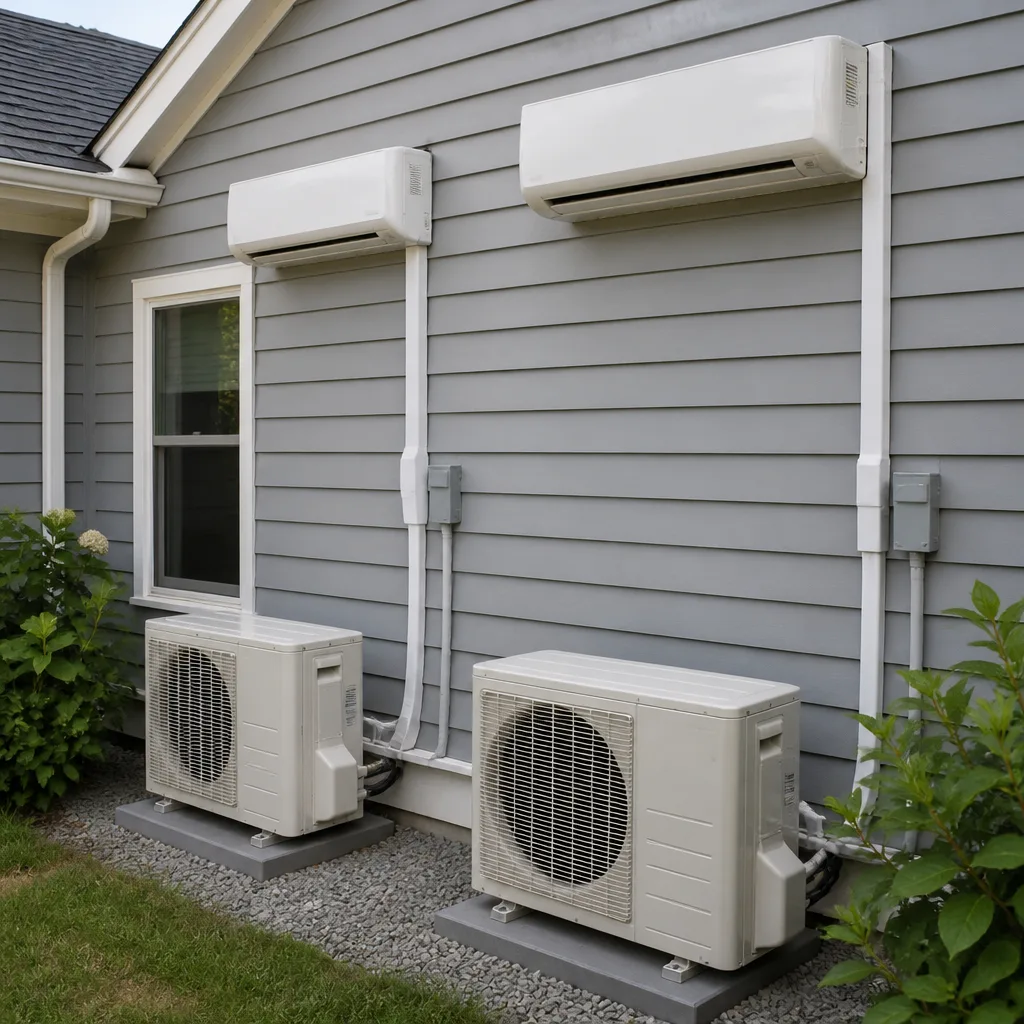 Ductless mini splits
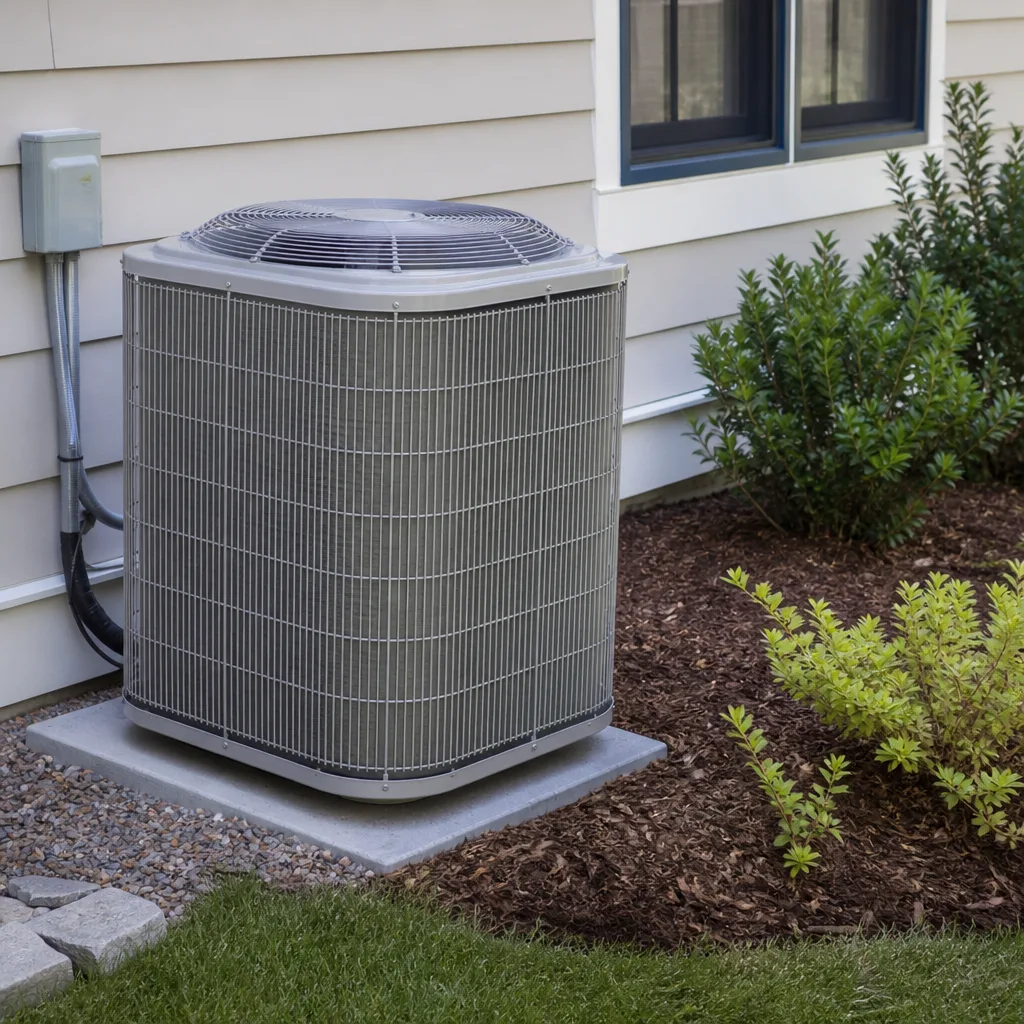 Carrier
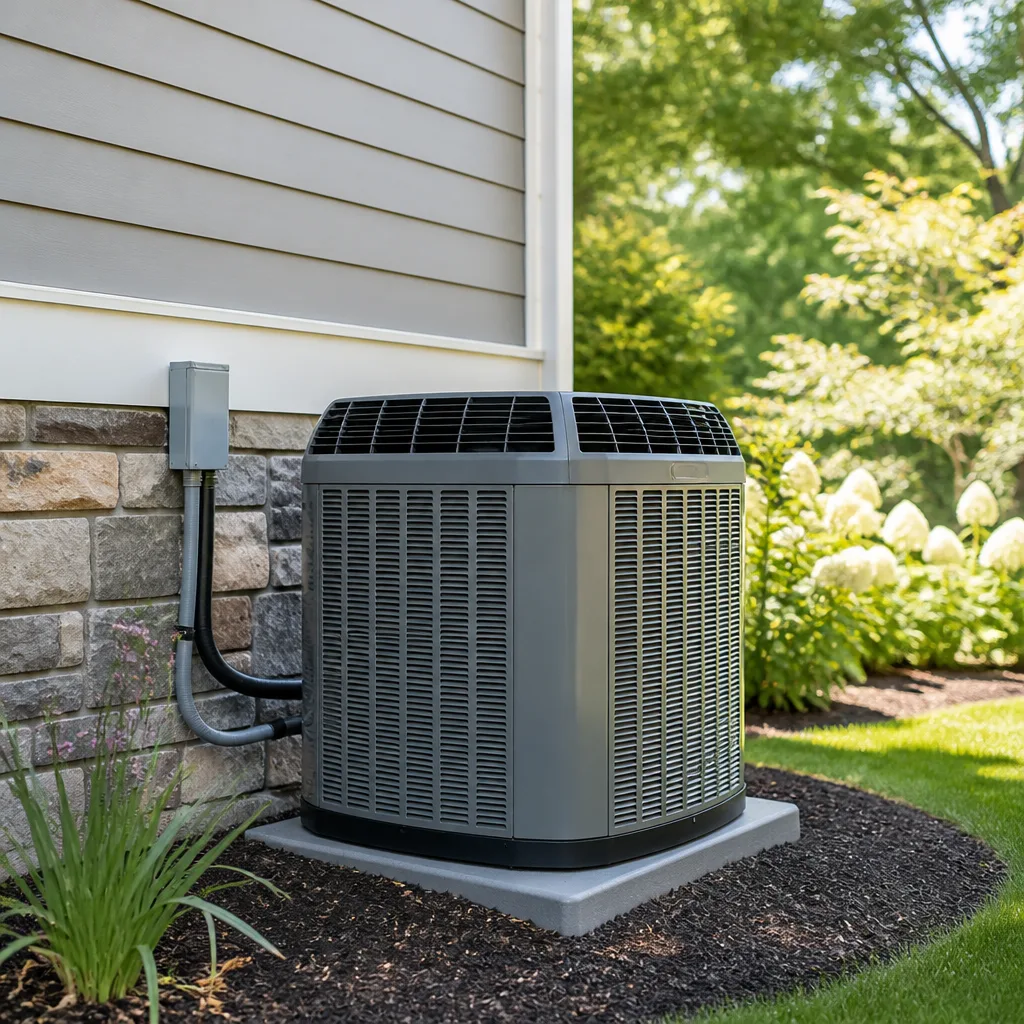 Trane
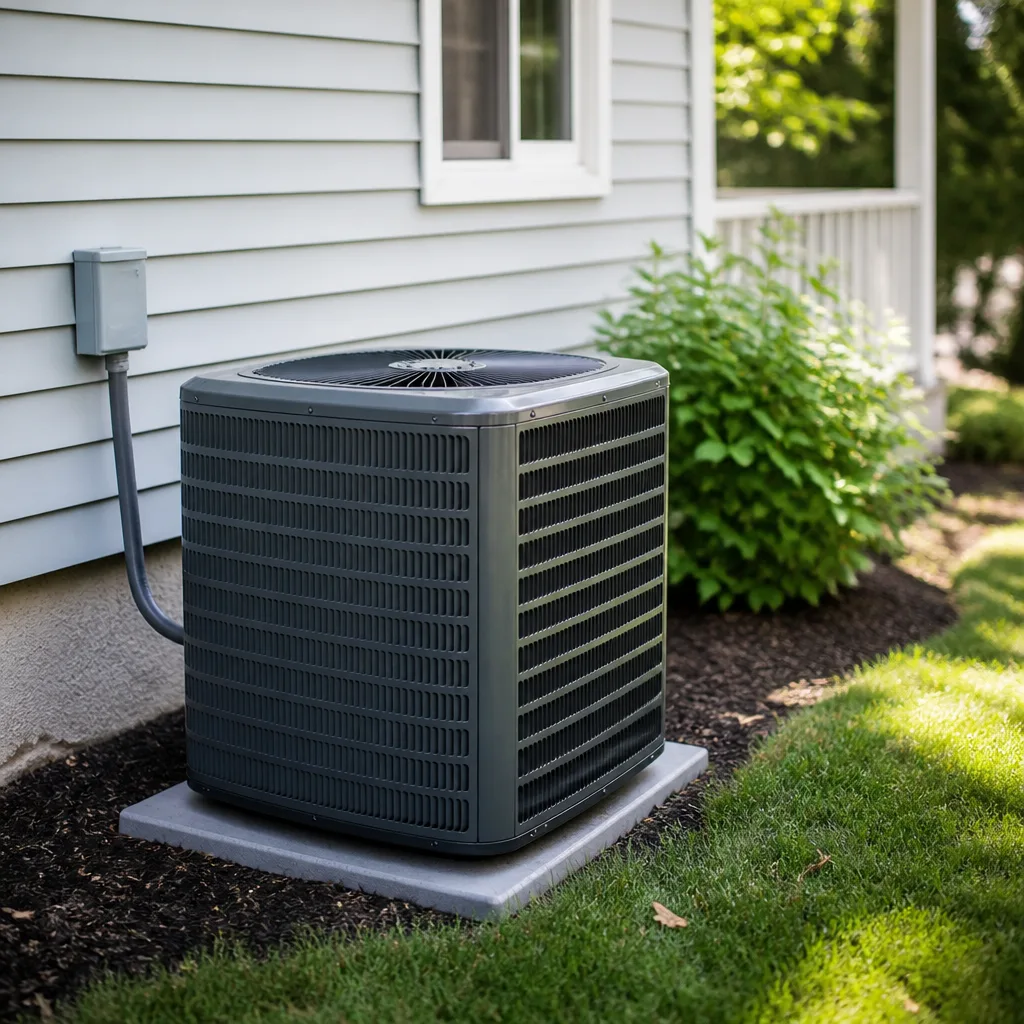 Goodman
Seasonal tune-up and full diagnostic on your Carrier, Trane, or Goodman system - readings shown to you before any repair is proposed
Diagnosis first, numbers second - you approve the repair price before a single part goes in.
Get your free estimateHow Long Does Heating & Furnace Take? Timelines and What to Expect
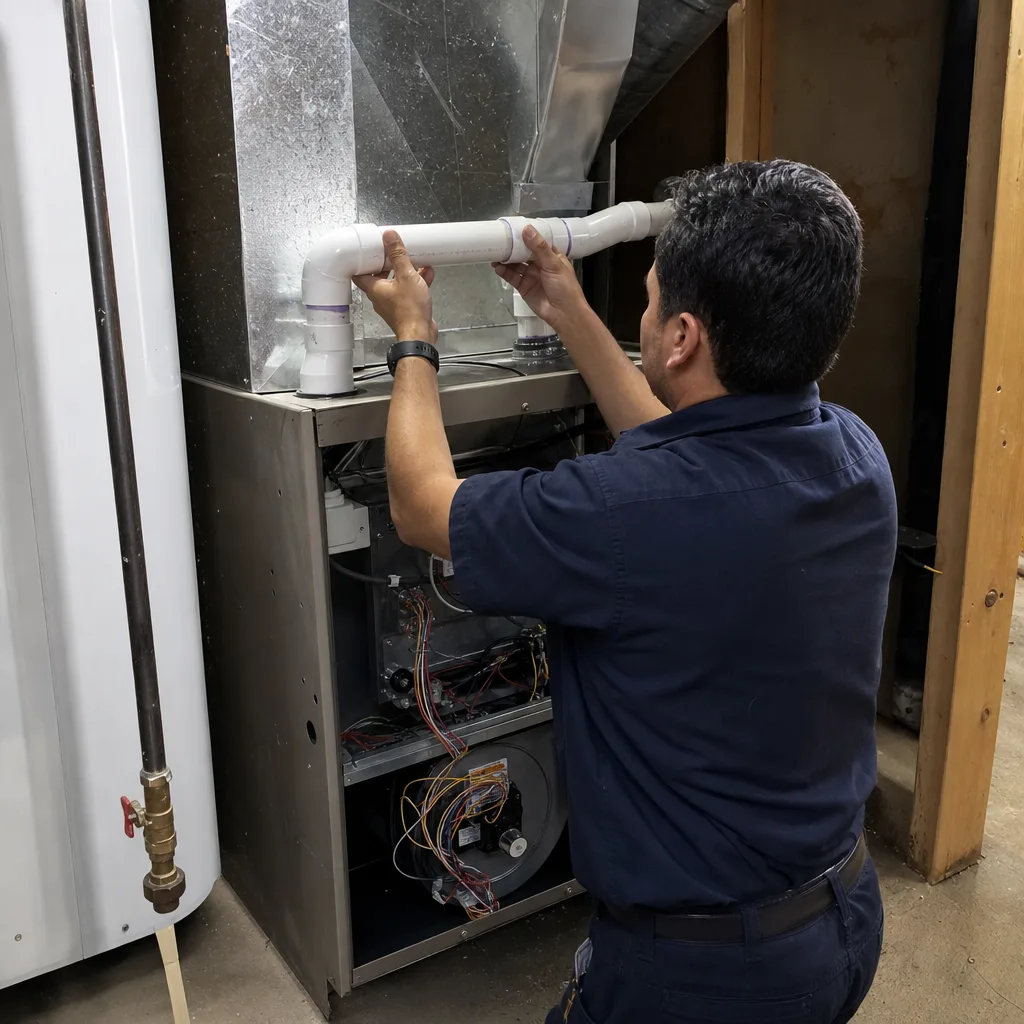
A furnace diagnostic visit takes about 45 minutes. A full furnace replacement runs 4 to 6 hours. Here’s the part nobody tells you: when a heating job drags past its window, the furnace usually isn’t the problem. It’s a part that should have been staged before the truck rolled, or an “8 to 5” arrival window that was never really a schedule to begin with. This guide breaks down honest clock-to-clock timelines for diagnostics, minor repairs, and full replacements in Enterprise, so you know exactly how much of your day to hold. No padding, no vague promises.
Quick Answer
In Enterprise, a furnace diagnostic takes roughly 45 minutes, a minor repair typically adds 30 to 90 minutes on top of that, and a full furnace replacement runs 4 to 6 hours. Jobs run long for two reasons: a real complication (a cracked heat exchanger, a permit pull, a part that has to be ordered) or a crew that showed up unprepared. Knowing which one you’re dealing with is most of the battle.
Styles & brands we work with
- AC repair
- Furnace & heating
- Heat pumps
- Ductless mini splits
- Carrier
- Trane
- Goodman
Table of Contents
- How long does a furnace diagnostic visit take?
- How long does a minor furnace repair take?
- How long does a full furnace replacement take?
- Why “we’ll be there between 8 and 5” is a business choice, not a necessity
- What actually adds time to a heating job in Enterprise
- What you can do before the tech arrives to shave 20 to 30 minutes
- A job that runs long from a complication vs. one from poor prep
- When to call a professional
How long does a furnace diagnostic visit take?
Plan on about 45 minutes. That’s the honest average for a proper diagnostic in Enterprise, and it holds whether you’ve got a gas furnace in a garage closet or a heat pump out back. The clock starts when the person at your door walks in, not when they pull into the driveway.
Here’s what actually happens in those 45 minutes:
- Getting the story (5 to 10 minutes). What’s it doing, when did it start, has anyone else touched it. This is where a good tech listens more than talks. Your system tells us what’s wrong. We just listen first.
- Power and thermostat checks (5 minutes). Breaker, disconnect, thermostat batteries, filter condition. Plenty of “dead furnace” calls are a tripped switch or a filter that hasn’t been changed since the last cold snap.
- Combustion and airflow readings (15 to 20 minutes). We pull actual numbers. Temperature rise, gas pressure, igniter draw, blower amp draw. Readings first, numbers second. You’ll see both.
- Diagnosis and pricing (5 to 10 minutes). This is where we tell you what’s wrong and what it costs, in writing, before anyone touches a wrench.
We test the capacitor before anyone says the word compressor, and we test the igniter and flame sensor before anyone suggests a new furnace. That sequencing is the difference between a $40 part and a $4,000 system.
How long does a minor furnace repair take?
Most minor furnace repairs add 30 to 90 minutes to the diagnostic visit, assuming the part is on hand. So a typical “diagnose and fix in one trip” lands around 1.5 to 2 hours total. That’s the realistic number for a flame sensor cleaning, a capacitor swap, a pressure switch replacement, or a thermostat swap.
Timeline by repair type, in Enterprise terms:
- Flame sensor clean or replace: 20 to 30 minutes. The most common fix for a furnace that short-cycles or won’t stay lit. Daikin and Bryant units from the last decade almost all use the same style sensor.
- Igniter replacement: 30 to 45 minutes. Parts are usually staged because they fail often in our dry, dusty air.
- Inducer motor or pressure switch: 45 to 90 minutes. Sometimes requires a second trip if the exact motor isn’t staged, which is the real reason these jobs stretch.
- Cracked heat exchanger: not a same-visit fix. If we find one, the furnace is unsafe to run and you’re looking at a replacement conversation, not a repair.
One thing worth saying plainly: if a company quotes you a repair over the phone before anyone has pulled readings, you’re being quoted a guess. Real numbers come from real diagnostics, and that takes about 45 minutes.
How long does a full furnace replacement take?
A straight furnace replacement takes 4 to 6 hours of on-site work in Enterprise. Plan on a full day when you factor in the permit, the final inspection scheduling, and cleanup. A heat pump or full system replacement runs longer, typically 6 to 8 hours, because you’re pulling refrigerant and recharging the lines on top of the furnace work.
What that 4 to 6 hours actually looks like:
- Protection and teardown (45 to 60 minutes). Floor covering down, old furnace disconnected from gas and electrical, flue pulled, unit out.
- Setting and fitting (60 to 90 minutes). New furnace set, plenum transitions fabricated, gas line reconnected, flue rehung to current code.
- Electrical and controls (45 to 60 minutes). Low-voltage wiring, thermostat config, safety switch verification.
- Startup and commissioning (45 to 60 minutes). Gas pressure set, temperature rise dialed in, static pressure checked, combustion tested. This is the part rushed outfits skip. It’s also the part that decides whether your new furnace lasts 15 years or 8.
- Cleanup and walkthrough (30 minutes). Old unit hauled out, floors swept, and a walkthrough where we show you what we did and why.
For a deeper look at replacement scope and staging, see our Heating & Furnace in Enterprise page.
Why “we’ll be there between 8 and 5” is a business choice, not a necessity
A nine-hour arrival window isn’t physics. It’s a routing decision. Companies that book too many calls per truck, or that dispatch on the day instead of the day before, can’t give you a real time because they genuinely don’t know. Their schedule is built to protect their efficiency, not your day off work.
A real window looks like two hours, not nine. Something like “between 1 and 3.” That window is possible when the company stages parts before the truck rolls, keeps the routing honest, and answers the phone with a live person instead of a voicemail tree that swallows your callback.
We’ll give you a window and then actually call you 20 to 30 minutes out when we’re on the way. If a job ahead of yours runs long because of a real complication, you get a call, not a silent clock ticking toward 5 p.m. If we’re running behind on a repair or emergency visit, we tell you. Heat is a health issue in an Enterprise winter, not a scheduling detail. Keeping you waiting all day without information is a thing we don’t do.
For no-heat situations, the priority is different from a routine replacement. A failed furnace in a January cold snap needs someone at the door, not a next-week appointment. We run emergency heating calls around the clock, and the owner answers his own phone at two in the morning. If you’re deciding between repair and replacement while the house is cold, our team can walk it through on the phone before anyone rolls.
What actually adds time to a heating job in Enterprise
Some delays are real and unavoidable. Knowing them ahead of time is how you plan your day honestly. Here’s what genuinely stretches a job in Enterprise:
- Permit pulls in Clark County. A furnace replacement requires a mechanical permit. The permit itself is quick, but the inspection has to be scheduled and can land on a different day. That’s not a delay in the work, it’s a second visit, and we tell you about it upfront.
- Parts availability specific to Enterprise. Daikin and York parts are common enough to stage. Less common models, or older units, sometimes need a next-day part. That’s a complication, not an excuse, and we say so before we leave.
- Attic vs. closet installs. A garage-closet furnace is a 4-hour job. An attic install with a tight pitch, near-zero clearance, and a 120-degree summer attic can add 1 to 2 hours just on access and safety. Enterprise has plenty of both.
- Duct transitions. If the old plenum doesn’t line up with the new furnace footprint, transitions have to be fabricated on site. That’s 30 to 60 minutes of sheet metal work you can’t skip.
- Code corrections on the old system. Flues hung to a code that’s since changed, gas lines without a proper sediment trap, missing safety switches. Some of these get fixed as part of the install, and they add time.
What does not add legitimate time: the crew not having the right filter, the crew not having the new thermostat, or the crew not knowing what they’re installing until they arrive. Those are prep failures, and they’re the number one reason “same-day” turns into “we’ll have to come back.”
What you can do before the tech arrives to shave 20 to 30 minutes
You can save real time with a few simple steps. None of these are dangerous, and none require you to open the furnace cabinet. Here’s the pre-arrival list we wish every homeowner ran through:
- Clear the work area. Six feet of clear space around the furnace, closet door off if it’s hinged, garage floor swept. This alone saves 10 minutes.
- Check the filter. Pull it, look at it, and have a replacement ready. A clogged filter is the single most common cause of “it’s not heating right” calls, and it makes the diagnostic harder when we can’t get clean airflow readings.
- Locate the breaker and the gas shutoff. Know where they are and that they’re labeled. If we have to hunt for the disconnect, that’s 5 minutes of standing around.
- Have the model and serial number handy. On the furnace data plate. It determines which parts we bring and whether the unit is still under manufacturer warranty.
- Write down the symptoms. When it started, what it sounds like, what the thermostat shows. A clear symptom history saves 10 to 15 minutes of back-and-forth at the door.
- Secure pets and clear a walking path. A large dog in a small hallway costs everybody time and stress.
Do those six things and you’ll realistically shave 20 to 30 minutes off the visit. On a replacement day, that’s the difference between finishing at 3 p.m. and finishing at 4 p.m.
A job that runs long from a complication vs. one from poor prep
Not all long jobs are the same. Telling the difference matters, because one is a legitimate reality of the trade and the other is how a company is run.
A complication is when the job takes longer because the system had something real going on. A heat exchanger with a hairline crack you couldn’t see until the blower came out. A flue that wasn’t hung right by whoever installed the last unit. A gas pressure issue that only shows up under load. A 40-year-old furnace in an attic with 30 inches of clearance. Those are legitimate, and a good tech tells you about them the moment they find them, not at the end of the day.
Poor prep is when the job takes longer because nobody thought ahead. No permit pulled. No new thermostat in the box. The wrong plenum size on the truck. The tech arrives without a filter and has to run to the supply house. Two techs show up for a one-person job, or one tech shows up for a two-person job. Those aren’t complications, they’re prep failures, and they’re what turns a 6-hour replacement into a 10-hour one.
The way to tell them apart before you hire anyone: ask what’s staged for the job, who’s coming, and what happens if the unit is a different spec than expected. A company that answers those straight has the prep side handled. For our approach to that, see AC Repair & Installation in Enterprise, where the same staging rules apply.
See the difference
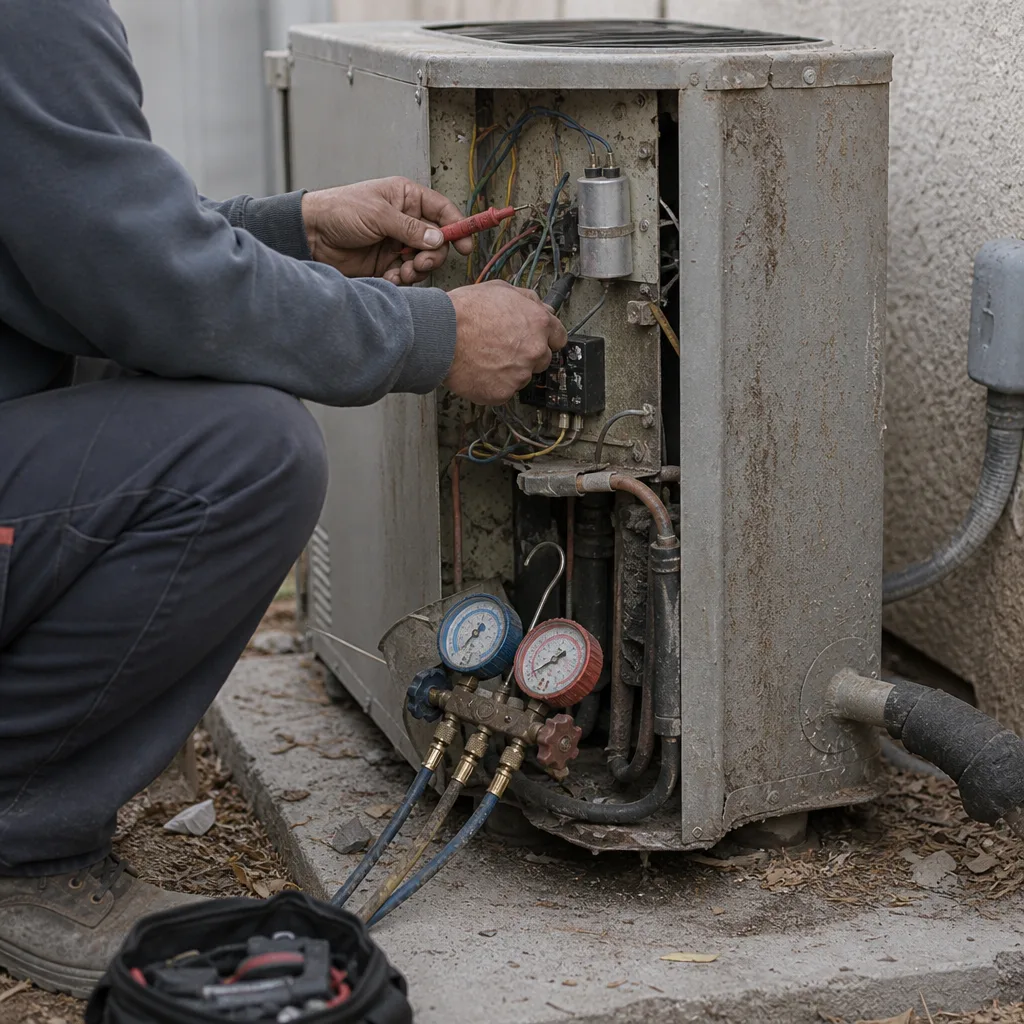 Before
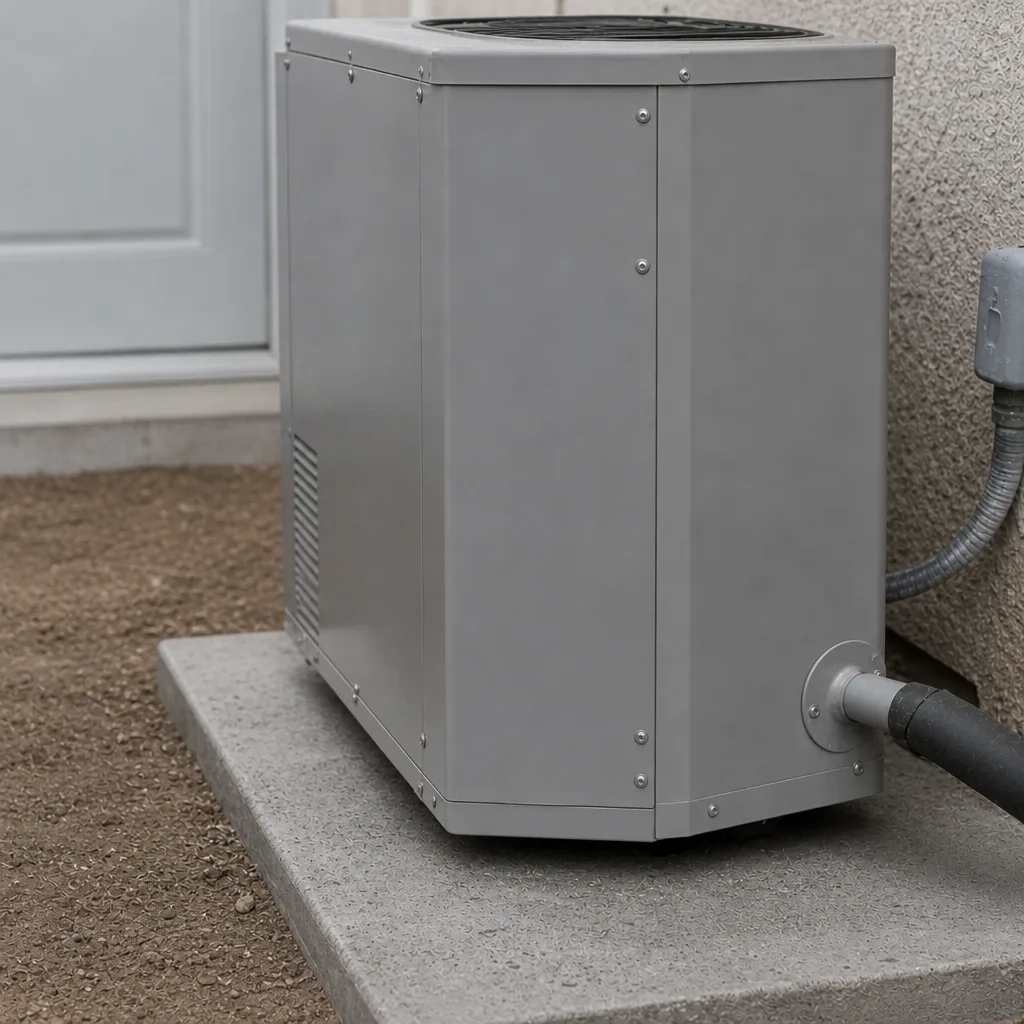 After
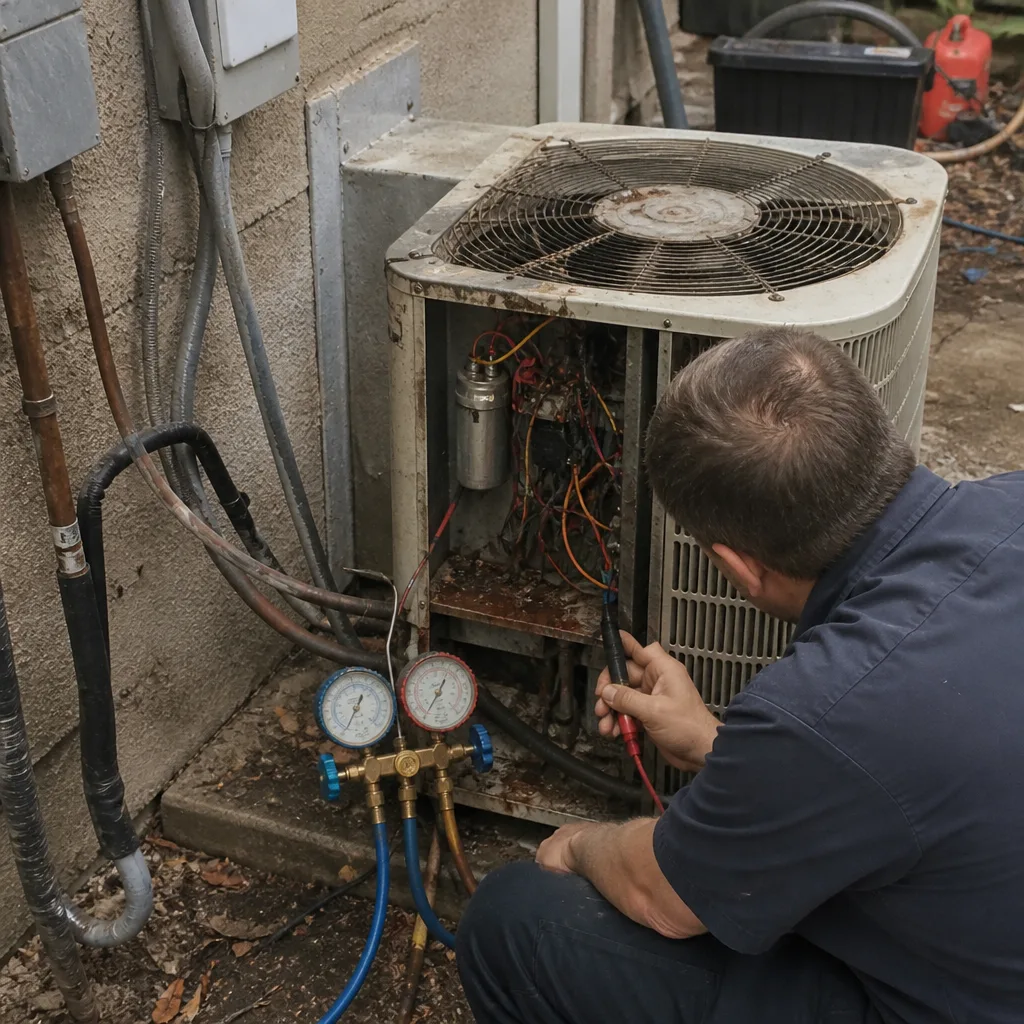 Before
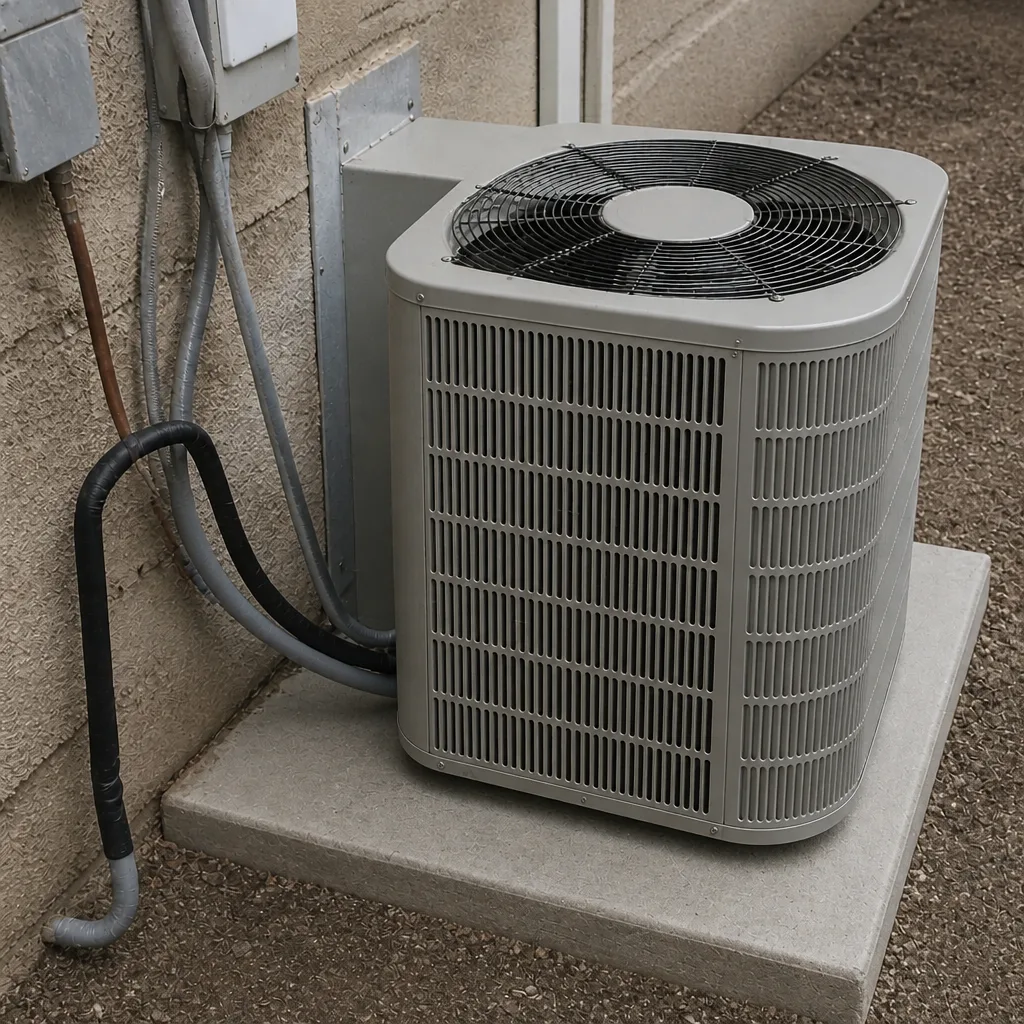 After
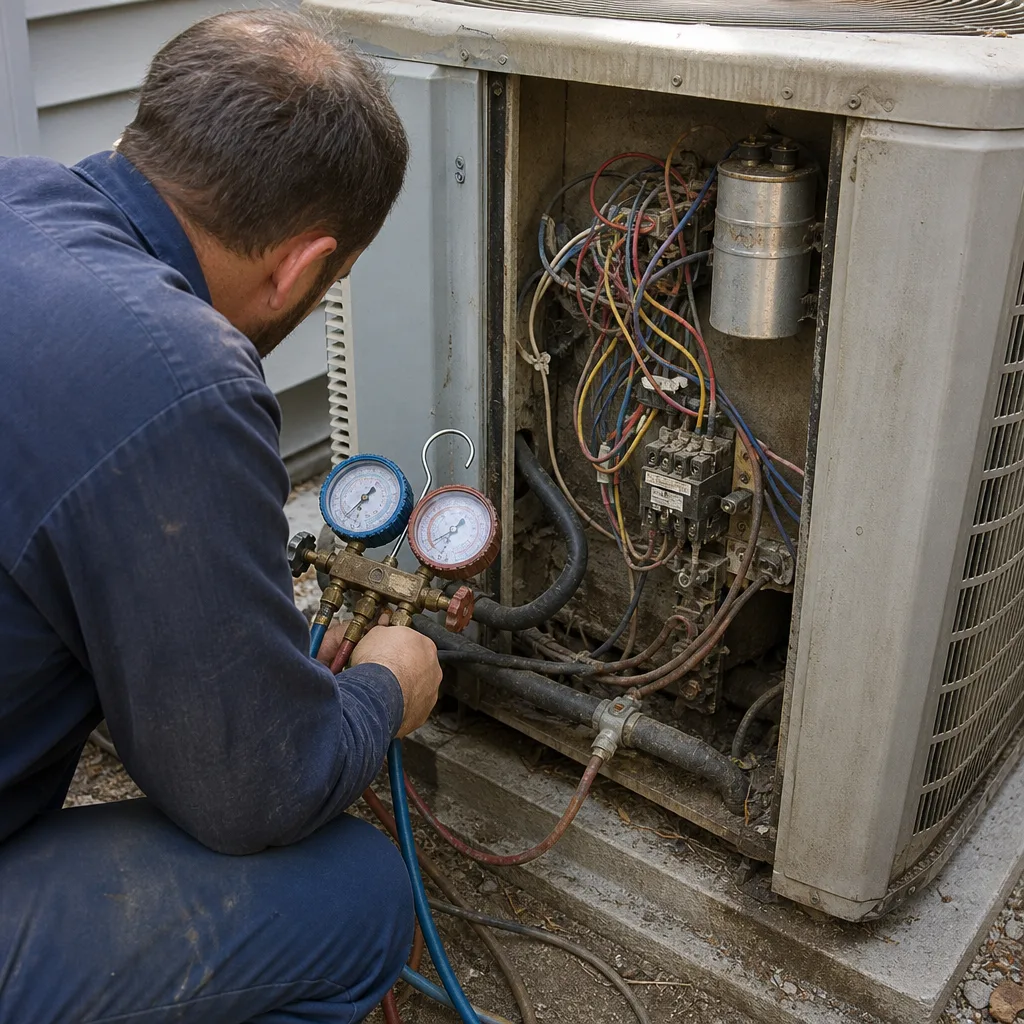 Before
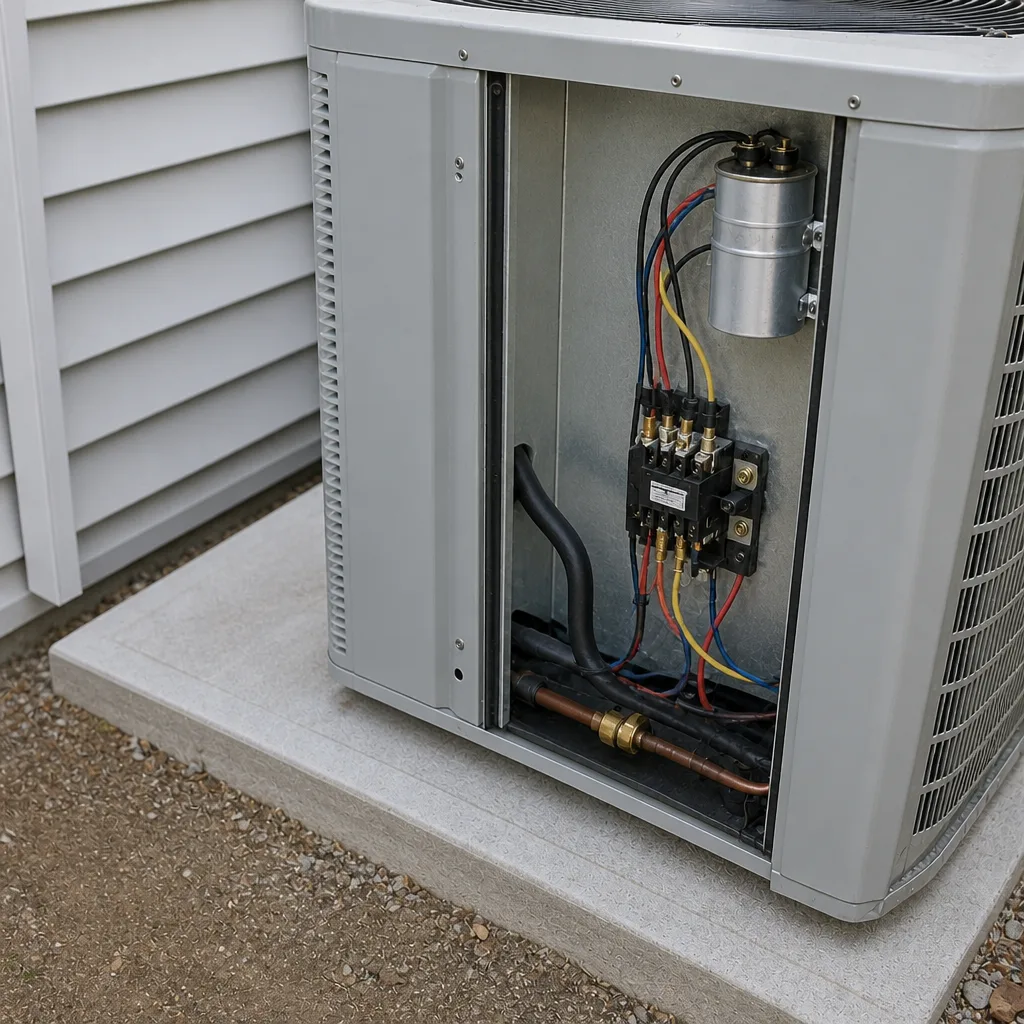 After
Common Mistakes to Avoid
- Accepting a nine-hour arrival window without asking why. A real window is two hours. Ask when you book, not the morning of. You have a right to plan your day.
- Believing a phone quote. No honest company can price a repair before readings. A number given over the phone without diagnostics is a guess, and it changes at the door. That’s the oldest trick national outfits use.
- Booking a replacement without confirming the permit. In Clark County, a mechanical permit is part of the job. If a company says “we don’t bother with that,” that’s a red flag and it can cost you at resale.
- Skipping the thermostat and filter check before calling. In Enterprise, dust is relentless. A filter that looked fine two weeks ago can be loaded solid, and homeowners pay a diagnostic fee for a filter swap they could’ve done themselves.
- Not asking about heat exchanger inspection. It adds 10 minutes and can save your life. Any crack in a heat exchanger means carbon monoxide in the living space, and it turns a repair call into a replacement call no matter what day it is.
- Forgetting to ask for a written estimate. A written estimate is your protection, and a company that won’t put it on paper won’t stand behind it either. Every written estimate from us is open to a free second opinion, and if the number is off, we want to know why.
- Scheduling a replacement in a summer attic without checking access. Ask what the tech will need to get the unit out. In tight Enterprise attics, that conversation saves a full day and a frustrated crew.
When to Call a Professional
Not every problem needs a truck, but some circumstances aren’t worth waiting on. Call for a certified technician when: your furnace runs but the house never warms up, the unit short-cycles more than twice an hour, you smell gas or combustion byproducts (leave the house first, then call), you see yellow or orange flame instead of blue, the blower runs but the burners never light, or the thermostat is calling for heat and nothing happens. Any of those could be a flame sensor, a pressure switch, or a heat exchanger, and the last one is a safety issue, not a comfort issue.
We don’t hand DIY steps to homeowners on gas combustion, electrical controls, or heat exchanger work, and no honest company should. Those are the parts that can injure you. What we can do is diagnose safely, tell you what the readings say, and give you a written number before anyone touches a wrench.
Ray’s Heating & Air Enterprise offers free estimates in Enterprise and no trip charge inside the county. Call (844) 455-2034. Phones are answered by a live person, and the same person handles your follow-up, because we’re not a rotating crew who’ve never seen your system. We’ve been owner-operated since 2002, and if we don’t get it right, one call brings us back under the 90-Day Done Right Promise. Senior and veteran households get 10% off, and any repair over $200 gets $40 off.
Frequently Asked Questions
Most minor furnace repairs take 1.5 to 2 hours total, including a roughly 45-minute diagnostic. Repairs that need a part ordered, or a heat exchanger replacement, take longer because they’re a two-trip job. If you want a real number, call (844) 455-2034 and we’ll tell you what to expect for your specific issue.
Yes, on most heating calls and emergency no-heat situations in Enterprise. We book honest arrival windows instead of a nine-hour window, so when you schedule, you get a real time. Call (844) 455-2034 and we’ll give you the next available window.
Because the job is different. A cracked heat exchanger, a permit inspection on a different day, an attic install with tight clearance, or an uncommon model needing a next-day part all add hours. What shouldn’t add hours is a crew that didn’t stage the parts or pull the permit. Ask which one you’re dealing with.
Four to six hours of on-site work for a straight furnace swap, longer if it’s a heat pump or full system replacement, typically six to eight hours. Add time for a permit inspection that may land on a separate visit. Call (844) 455-2034 for a written, fixed-price estimate before you commit.
Yes for the diagnostic, and for the first hour or so of a replacement when we walk through the plan and confirm access. Many homeowners step out during the middle of an install once the work is underway. For repair visits, being present at the start and the finish covers everything you need.
All major brands, including Carrier, Trane, Lennox, Goodman, York, Daikin, Bryant, and American Standard. We stage parts for the models we see most often in Enterprise, which is why a York or Daikin igniter is often a same-visit fix. For heat pump and mini-split timelines specifically, see Heat Pump & Mini Split in Enterprise.
The Bottom Line
Plan on 45 minutes for a diagnostic, 1.5 to 2 hours for a minor repair, and a full day for a replacement. Those are honest numbers. If you’re hearing “8 to 5” or a repair quote over the phone before readings, that’s not scheduling, that’s guessing. The real timeline you need to protect is your own day, and a company that gives you a two-hour window and tells you when it runs long is telling you the truth. For our approach to your system, visit the Ray’s Heating & Air Enterprise home. If you’re ready to schedule, call (844) 455-2034 for a free estimate. We’ll answer, we’ll tell you the window, and we’ll be there when we said.
Written by the team at Ray’s Heating & Air Enterprise.