
Last updated November 17, 2026
 AC repair
 Furnace & heating
 Heat pumps
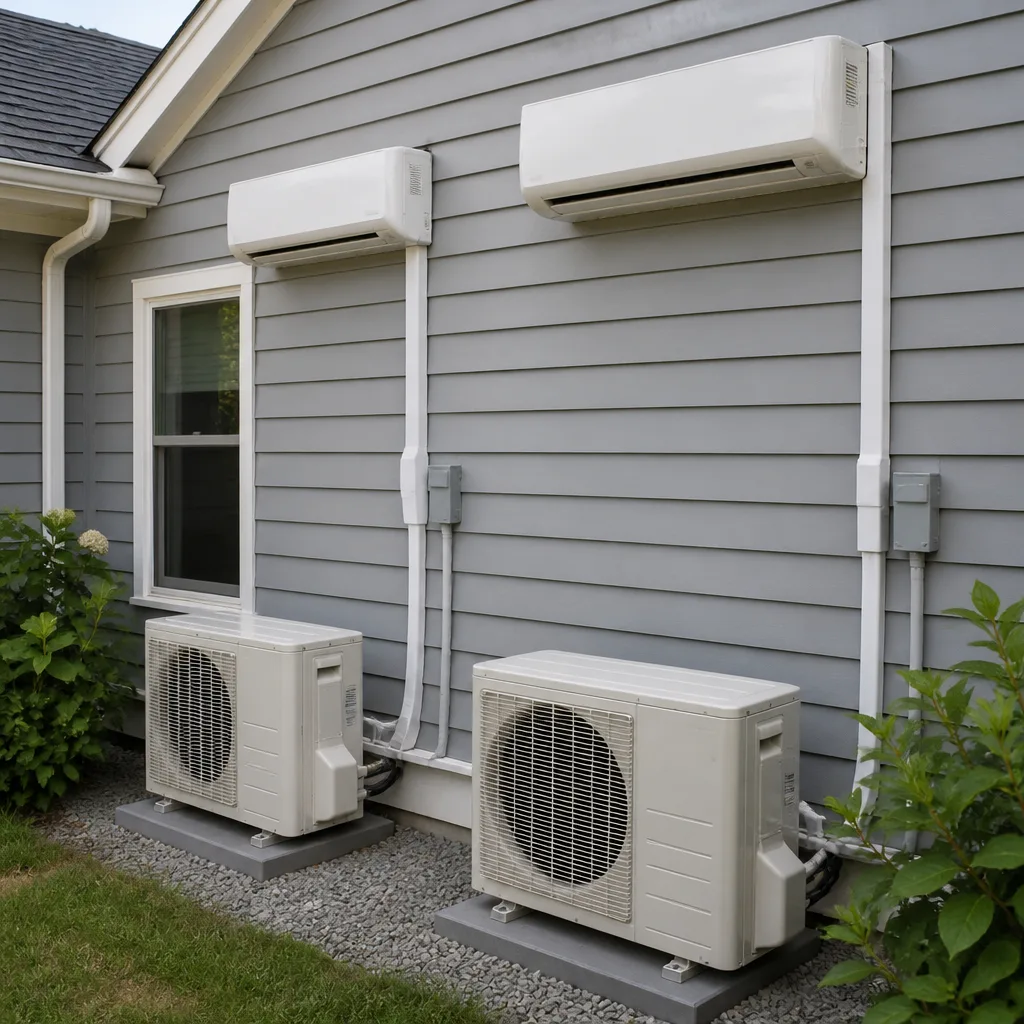 Ductless mini splits
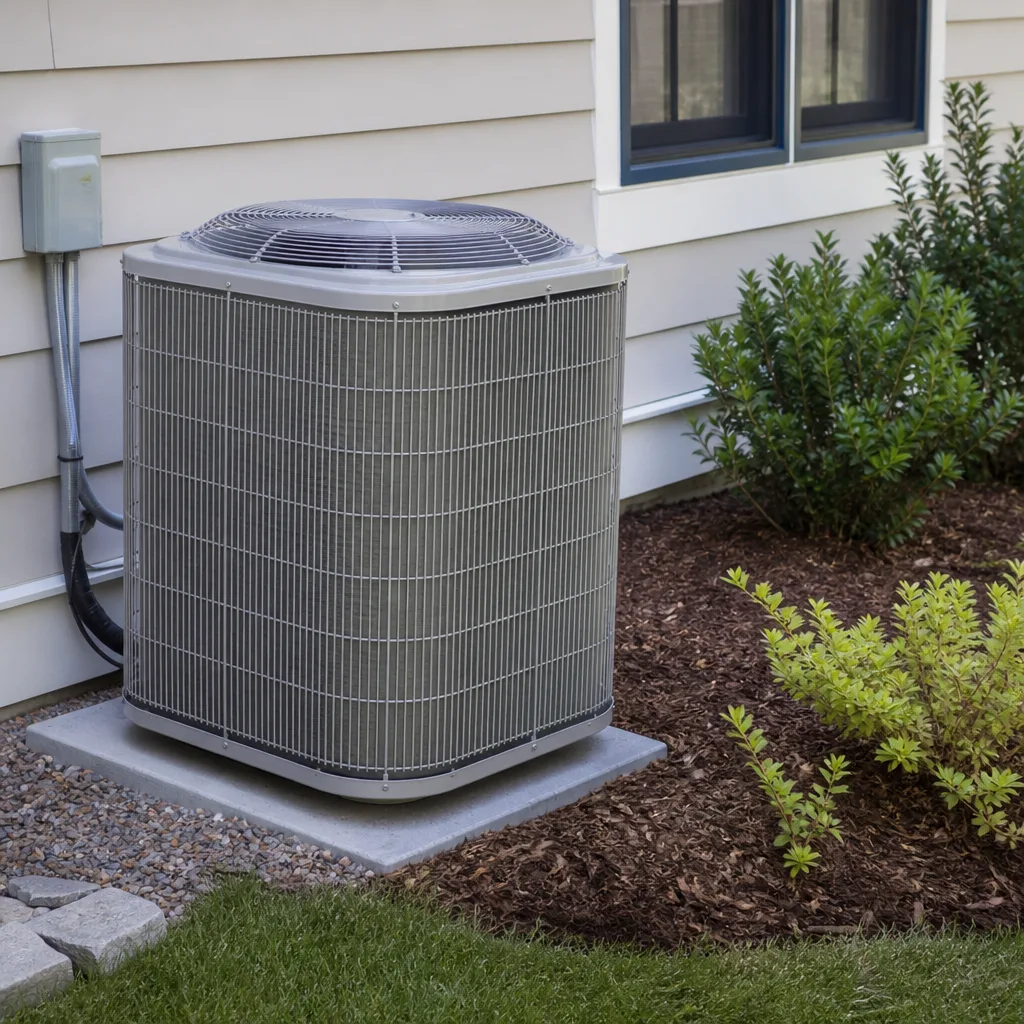 Carrier
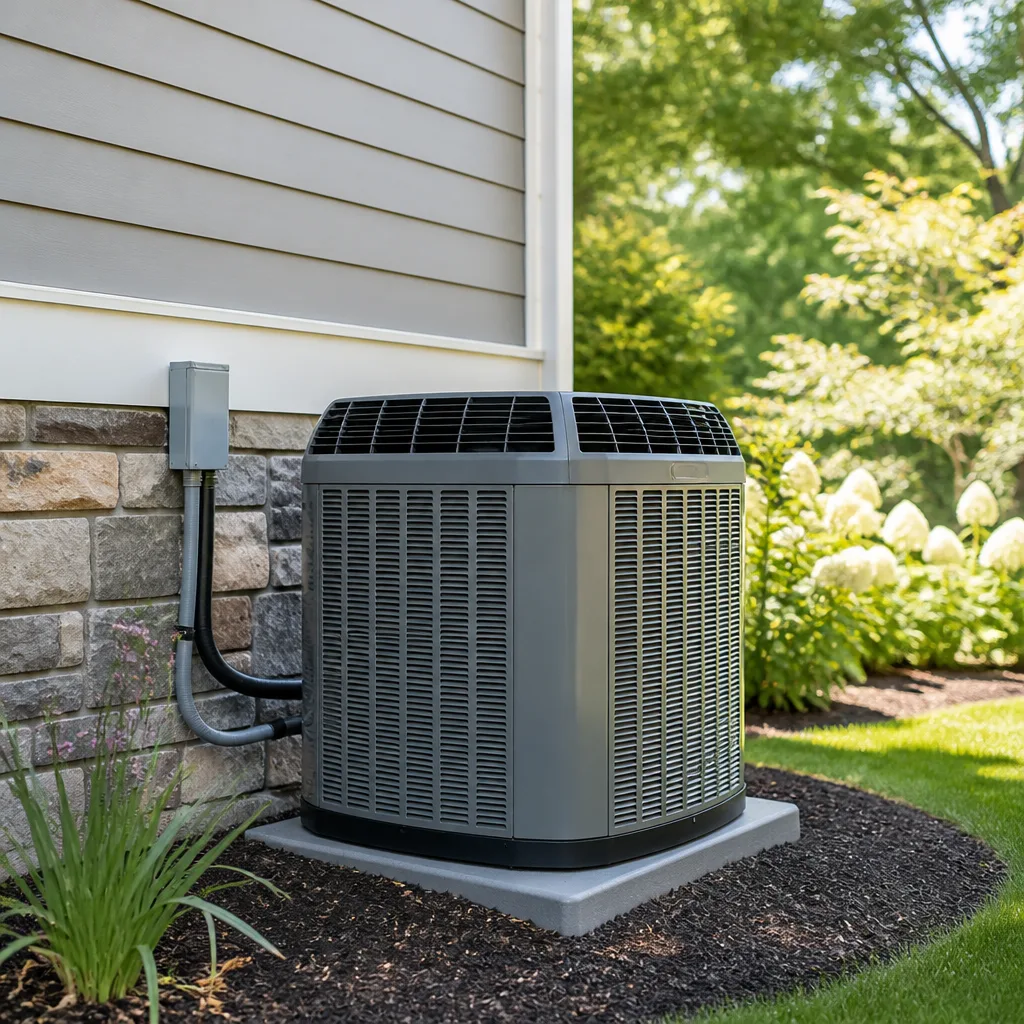 Trane
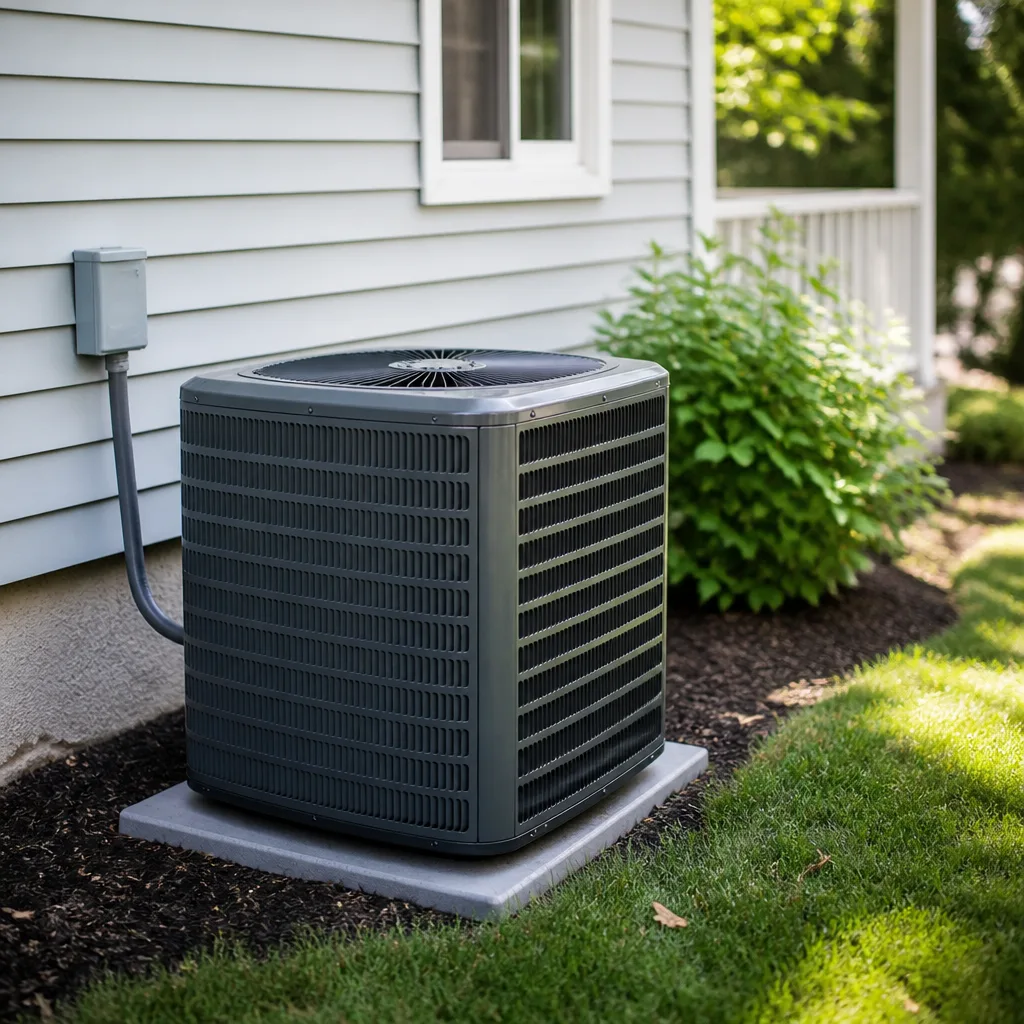 Goodman
Seasonal tune-up and full diagnostic on your Carrier, Trane, or Goodman system - readings shown to you before any repair is proposed
Diagnosis first, numbers second - you approve the repair price before a single part goes in.
Get your free estimateHVAC Cost Breakdown: The Enterprise Homeowner’s Reference for 2026
The national average for a central AC replacement is $5,000 to $10,000. That range is useless if you live in Enterprise. Clark County permit fees, Las Vegas Valley labor rates, and the refrigerant transition have pushed real 2026 numbers higher here, and the quotes you get will reflect that whether anyone explains it to you or not. Knowing the real number before you call anyone is worth real money. This guide breaks down what you’re actually paying for – equipment, labor, permits, refrigerant, disposal, and the extras that show up on the invoice but never on the phone quote – so you can compare two bids and know which one is honest.
Quick Answer
In Enterprise in 2026, a straight central AC replacement runs roughly $7,200 to $13,500 installed, and a full furnace-and-AC system replacement with duct work commonly lands between $11,000 and $18,000. Heat pumps swing higher because equipment demand pricing hit them hardest during the refrigerant transition. The single biggest driver of your final number is equipment tier, not labor.
Styles & brands we work with
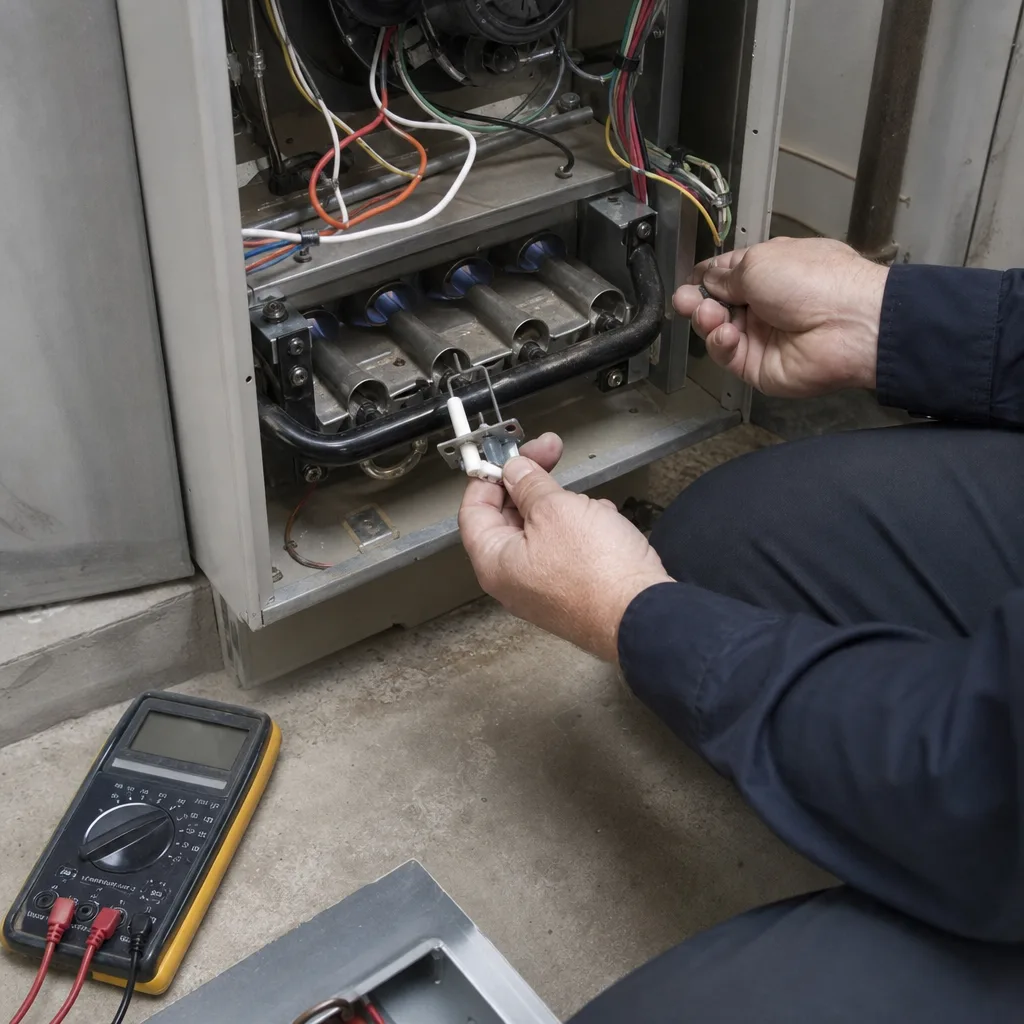
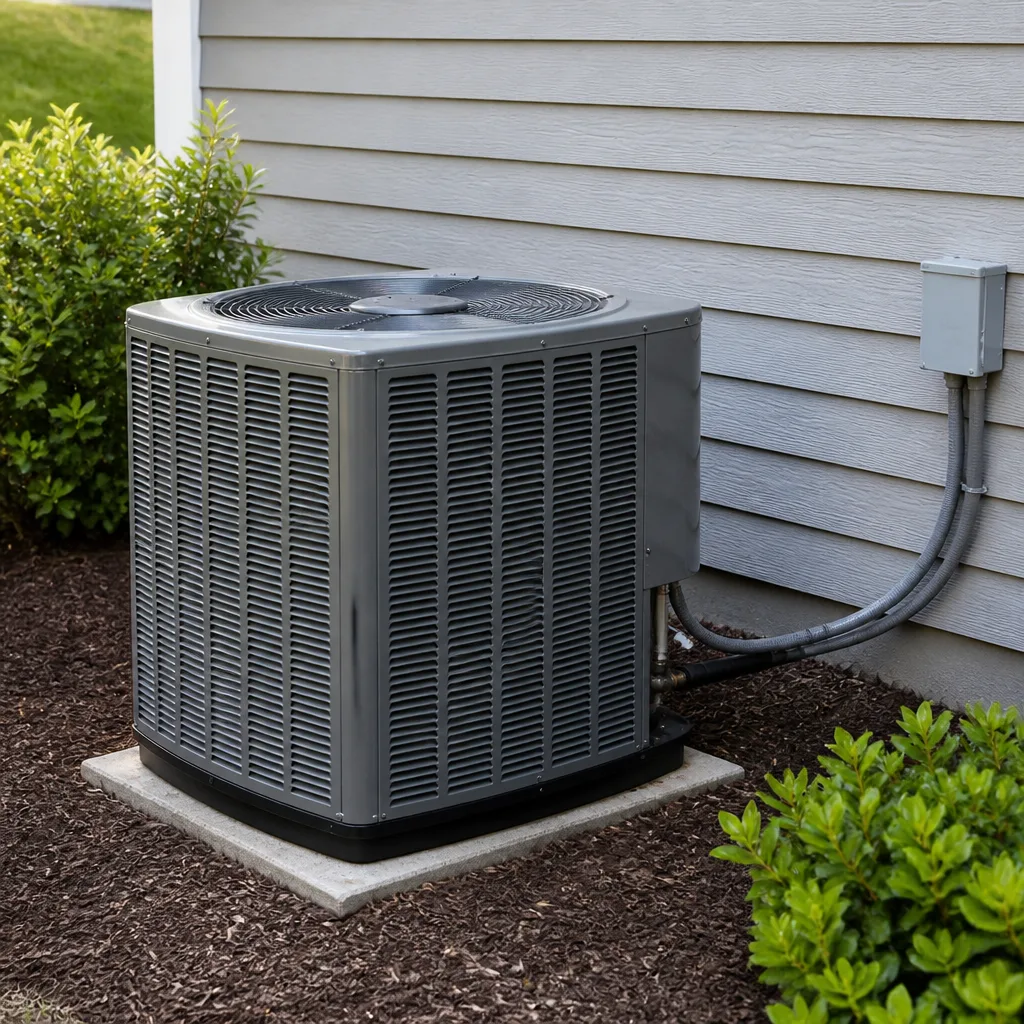
- AC repair
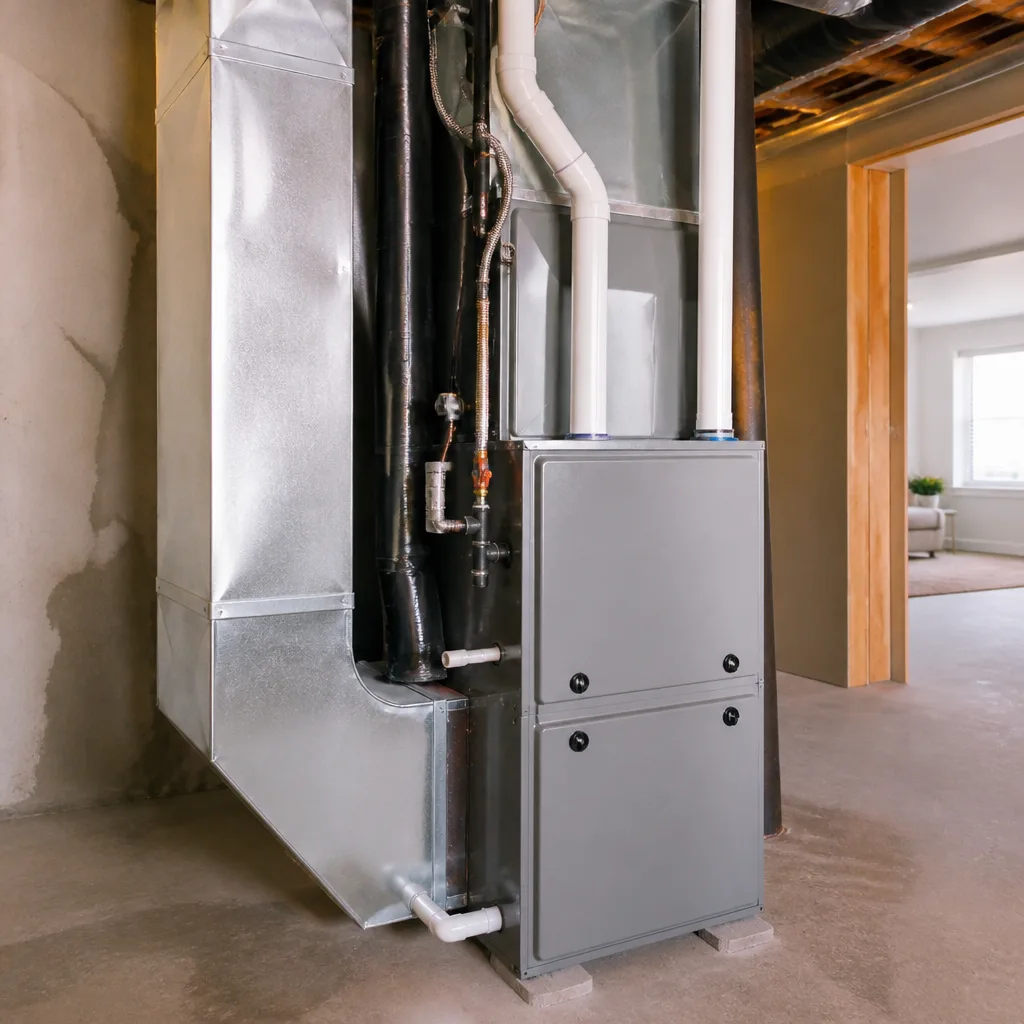
- Furnace & heating
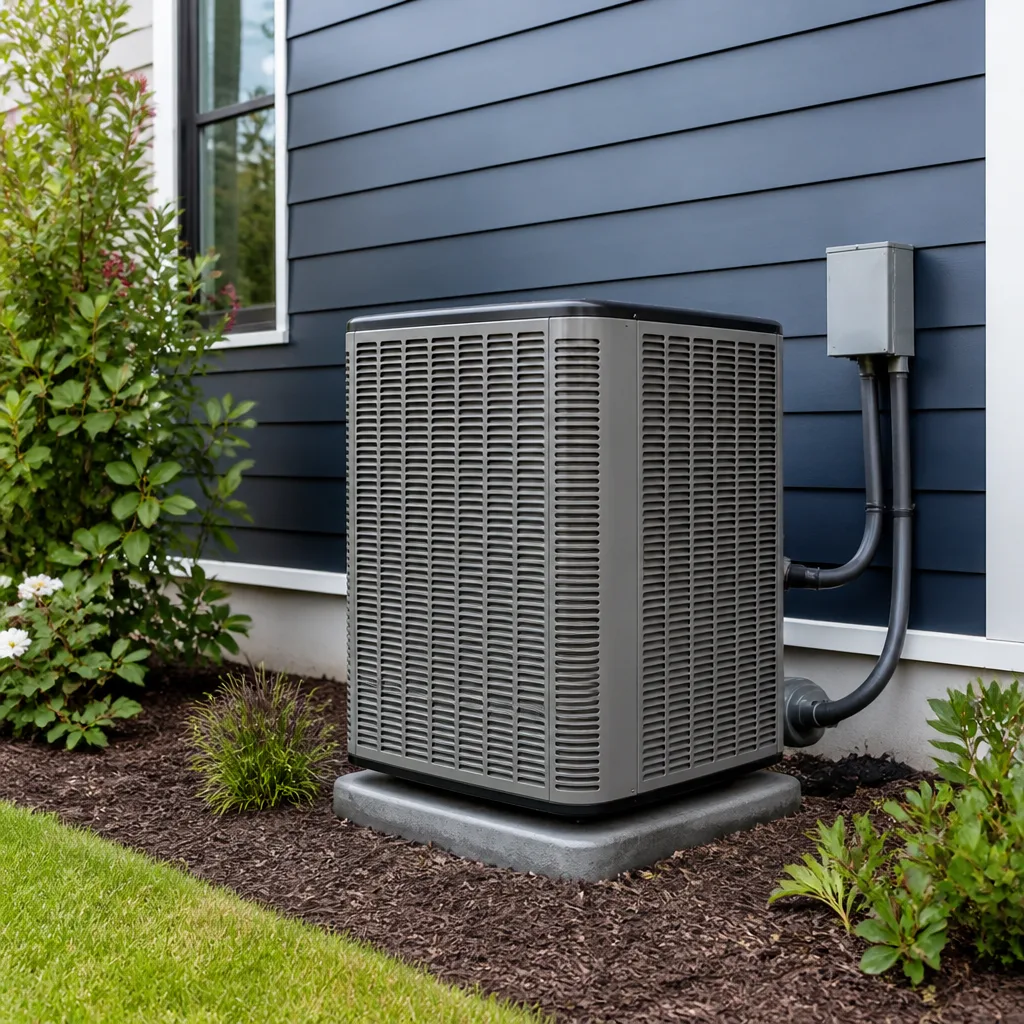
- Heat pumps
- Ductless mini splits
- Carrier
- Trane
- Goodman
Table of Contents
- What HVAC Equipment Actually Costs in Enterprise in 2026
- The Line-Item Breakdown: What’s on the Invoice
- The R-410A Phaseout and What It Means for Your Wallet
- Repair or Replace? The Honest Math
- What Financing Really Costs Over the Life of a Loan
- How to Compare Two Quotes Fairly
- Step-by-Step: What to Do Before You Call Anyone
What HVAC Equipment Actually Costs in Enterprise in 2026
Equipment pricing is the part of a quote most homeowners assume is fixed. It isn’t. The same 3-ton condenser can swing several hundred dollars depending on the week it’s ordered and the tier you pick. In Enterprise, demand pricing runs hotter than most of the country because the cooling season is longer and the replacement crunch hits earlier in the spring.
Here’s the rough spread we see on equipment alone, before labor, permits, and refrigerant:
- Builder-grade 14 SEER2 condenser: $1,900 to $2,800
- Mid-tier 15-16 SEER2 (Bryant, American Standard, Carrier, Trane): $2,600 to $4,100
- High-efficiency 18+ SEER2 variable-speed: $4,200 to $6,500
- Gas furnace, 80% AFUE: $1,600 to $2,400
- Gas furnace, 96% AFUE two-stage: $2,800 to $4,200
- Air handler or coil: $700 to $1,600
If you’re comparing systems, the AC Repair & Installation in Enterprise page lays out which tiers actually hold up in our climate. A 14 SEER2 unit will run more hours in Enterprise than it would in a cooler market, so the payback math on a higher tier changes here. That’s a real number, not a sales talking point.
The Line-Item Breakdown: What’s on the Invoice
The phone quote is never the invoice. Here’s what actually shows up, and roughly what each line runs in Enterprise right now.
- Equipment and materials: $2,000 to $6,500 depending on tier. This is the single largest line.
- Labor: $1,400 to $2,800 for a straight swap. More if duct work, a plenum rebuild, or a line-set replacement is involved. Las Vegas Valley labor rates sit above the national average because of demand during peak season.
- Clark County permit fee: $180 to $360. Permits are required for changeouts in unincorporated Clark County, and a contractor who skips the permit is either cutting a corner or passing the risk to you.
- Refrigerant charge: $300 to $900 depending on system size and refrigerant type. This went up significantly in the last 18 months.
- Disposal and haul-away: $75 to $150. Old equipment doesn’t leave for free, and the disposal cost is legitimately rising because of refrigerant recovery rules.
- Line-set, drain pan, and accessories: $200 to $700. This is where phone quotes quietly drift.
Every one of those lines should be visible on a written estimate before anyone cracks open a panel. If the estimate is one number with no breakdown, ask for the breakdown. Any contractor who won’t itemize is telling you something.
The R-410A Phaseout and What It Means for Your Wallet
R-410A is being phased out under federal rules, replaced by R-454B and R-32, which operate at a different pressure and require different components. The short version for Enterprise homeowners: equipment got more expensive, refrigerant for existing R-410A systems got harder to source, and 2026 is the year the pricing shift really lands.
If your existing system still uses R-410A, here’s what that means:
- Recharging a small leak: $180 to $400 depending on ounces needed. That number is up roughly 40% from two years ago in the Las Vegas Valley.
- Full recharge after a major leak: $500 to $1,000. At that point, you’re paying a big chunk of a replacement.
- New 2026 units on the new refrigerant: priced 8% to 15% higher than the equivalent 2024 build. That’s baked into the numbers above, not added on top.
The trap is a contractor who talks you into a “cheap recharge” every spring on a system that’s leaking steadily. In Enterprise, that usually looks like an R-410A system built in 2013 to 2017 with a coil problem that was never diagnosed properly. The Heat Pump & Mini Split in Enterprise page covers how the new refrigerant affects heat pump specs, which matters more here than in a cooler climate because the cooling load runs so much of the year.
Repair or Replace? The Honest Math
The rule most contractors use is the $5,000 rule: multiply the age of the system in years by the repair cost, and if that number exceeds $5,000, replace. It’s a rough tool. Here’s the version we actually use.
We look at three things together: the age of the system relative to expected life, the size of the repair relative to a replacement, and whether the repair is on a component that tends to cascade. A failed compressor on a 12-year-old unit in Enterprise is a different answer than the same repair on a 7-year-old unit.
- System under 10 years old, repair under $1,500: repair. Every time.
- System over 15 years old, repair over $800: the math usually favors replacement once you factor in the next two years of expected repairs.
- System over 15 years, repair over $2,000: replace.
- Compressor failure past year 12: replace. You’re throwing good money after an old system that will need a second repair within 24 months roughly half the time.
- Refrigerant leak on an R-410A system past year 10: weigh replacement seriously. The refrigerant cost keeps climbing.
Before anyone even says the word “compressor,” the capacitor gets tested. A failed capacitor is a $180 to $260 repair and it makes an AC act like the compressor is dead. Get the readings before you get a quote.
What Financing Really Costs Over the Life of a Loan
0% financing is real, but it’s usually a 12- or 18-month window, and if you miss the payoff date, the interest stacks retroactively from the date of purchase. That retroactive clause is the part nobody mentions on the phone.
Here’s what the real math looks like on a typical $12,000 system:
- Pay upfront: $12,000. No interest. Possibly a small cash discount depending on the month.
- 0% for 18 months, paid off in time: $12,000. Same total if you hit the payoff.
- 0% for 18 months, missed payoff: $12,000 plus 24% to 28% retroactive interest. On a balance of $8,000 remaining, that’s another $1,900 to $2,200 dropped onto the bill.
- 8% APR over 60 months: roughly $14,600 total. Real cost of about $2,600 in interest spread over five years.
Which one makes sense depends on cash flow, not on principle. If you have the money and no emergency fund after paying, take the loan. If you have the money and it’s sitting in savings earning 4%, the 0% deal is genuinely free money – as long as you set a calendar reminder 30 days before the payoff date and treat it like a hard deadline.
How to Compare Two Quotes Fairly
The two quotes in front of you probably aren’t the same system at two prices. They’re two different systems that both sound like “a new AC.” Here’s how to line them up.
- Match the tier. If one bid is 14 SEER2 and the other is 16 SEER2, the cheaper bid isn’t cheaper – it’s a smaller upgrade. Compare like to like.
- Check the model numbers. A brand name is marketing. The model number is the spec sheet. Write both down and look them up.
- Confirm the refrigerant type. New 2026 equipment should be on R-454B or R-32. If one bid is on R-410A and the other on the new refrigerant, the pricing gap is partly that, not markup.
- Ask about the permit. A permit line on the estimate tells you the job is legal. Its absence is a red flag, not a savings.
- Verify the warranty in writing. Equipment warranty is usually manufacturer; labor warranty is the contractor’s. Confuse the two and you’ll be surprised at year two.
- Look at the line-set and drain. Are they replacing the old line-set or reusing it? Reuse is fine on a clean install, not on a 20-year-old line.
- Read the discharge language. Where does the condensate go? In Enterprise, in July, a poorly sloped drain line backs up in weeks.
If you’re staring at two bids and can’t tell them apart, our Ray’s Heating & Air Enterprise home page has the standing offers, including a free second opinion on any written estimate. That’s the whole point of a second opinion – not to undercut the other guy, but to translate the two bids into the same language.
Step-by-Step: What to Do Before You Call Anyone
The first call is the one where most homeowners lose money. Here’s the prep work that changes the conversation.
- Find your equipment plate. It’s on the outdoor condenser and the indoor air handler. Write down the model, serial, and manufacture date. This alone tells a contractor whether the system is even worth diagnosing.
- Note what the system is doing. Not just “it’s broken.” Is it short-cycling? Running but not cooling? Ice on the line? The symptom narrows the diagnosis before anyone arrives.
- Check your last two electric bills. If summer usage climbed more than 15% year over year with no change in habits, that’s a system efficiency signal.
- Look at the filter and the outdoor unit. A clogged filter or a condenser packed with lint from a nearby dryer vent is a free fix. In Enterprise, we see this on a lot of homes with the condenser tucked into a tight side yard.
- Ask for readings first. A good contractor tests the capacitor, checks pressures, and reads the amp draw before quoting anything. If the first number you hear is a replacement price before any readings, walk.
- Get it in writing. Every number, every line item, every promised date. The verbal quote is worth what you paid for it.
If you’re also looking at the heating side, the Heating & Furnace in Enterprise page covers the furnace-specific numbers. Furnace and AC replacements share a lot of labor, so doing both in one appointment usually saves $600 to $1,200 versus two separate jobs.
Common Mistakes to Avoid
- Comparing the bottom line instead of the tier. A $700 gap between quotes is often a SEER2 gap, not a markup gap. Match the equipment before you match the price.
- Accepting a phone quote as the price. The number that shows up on the invoice is the only one that matters. Insist on written, itemized pricing before any work starts.
- Letting a contractor skip the Clark County permit. Skipping the permit technically saves $180 to $360, but it puts the liability on you at resale or insurance claim time.
- Recharging an R-410A leak every spring. Two or three recharges over five years equals a meaningful chunk of a replacement. If it’s leaking, find out why before you pay for another charge.
- Taking the 0% financing without a payoff plan. Missing the window triggers retroactive interest that can add $1,900 or more to the total. Set the payoff date as a hard deadline, not a suggestion.
- Ignoring the duct work. A high-efficiency system on leaky ducts in an Enterprise attic is a waste of money. If ducts aren’t tested, the efficiency number on the box doesn’t transfer to your bill.
- Calling the same rotating-crew outfit twice and expecting a different result. Continuity matters. The person at your door should be someone who will be at your door again in six months.
See the difference
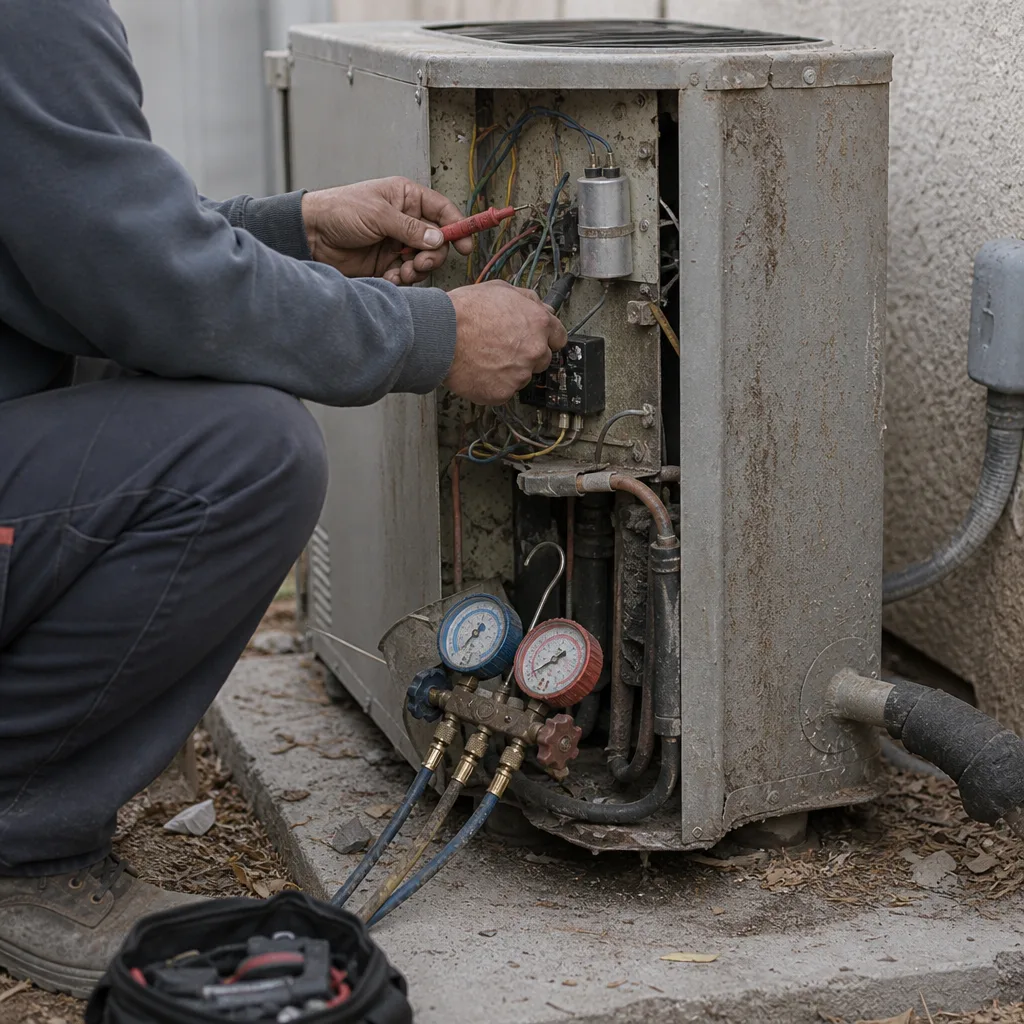 Before
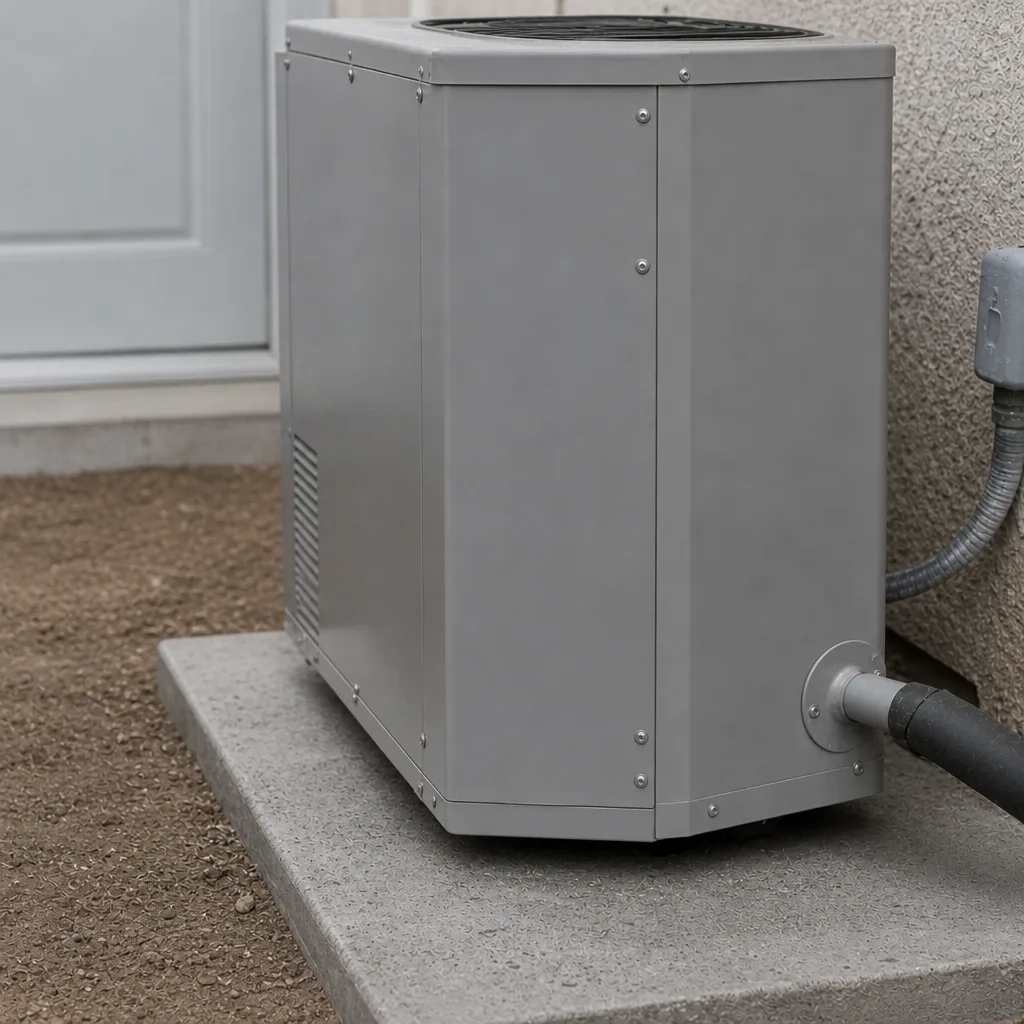 After
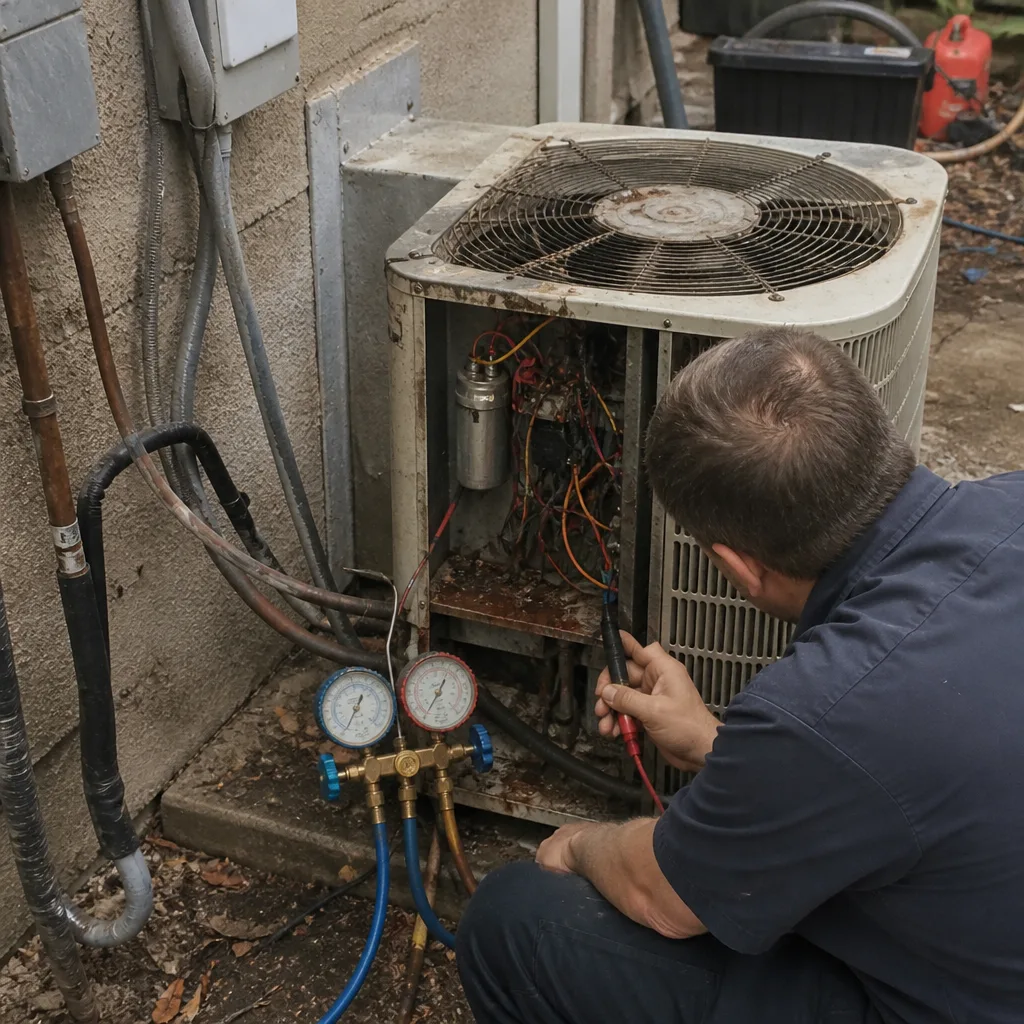 Before
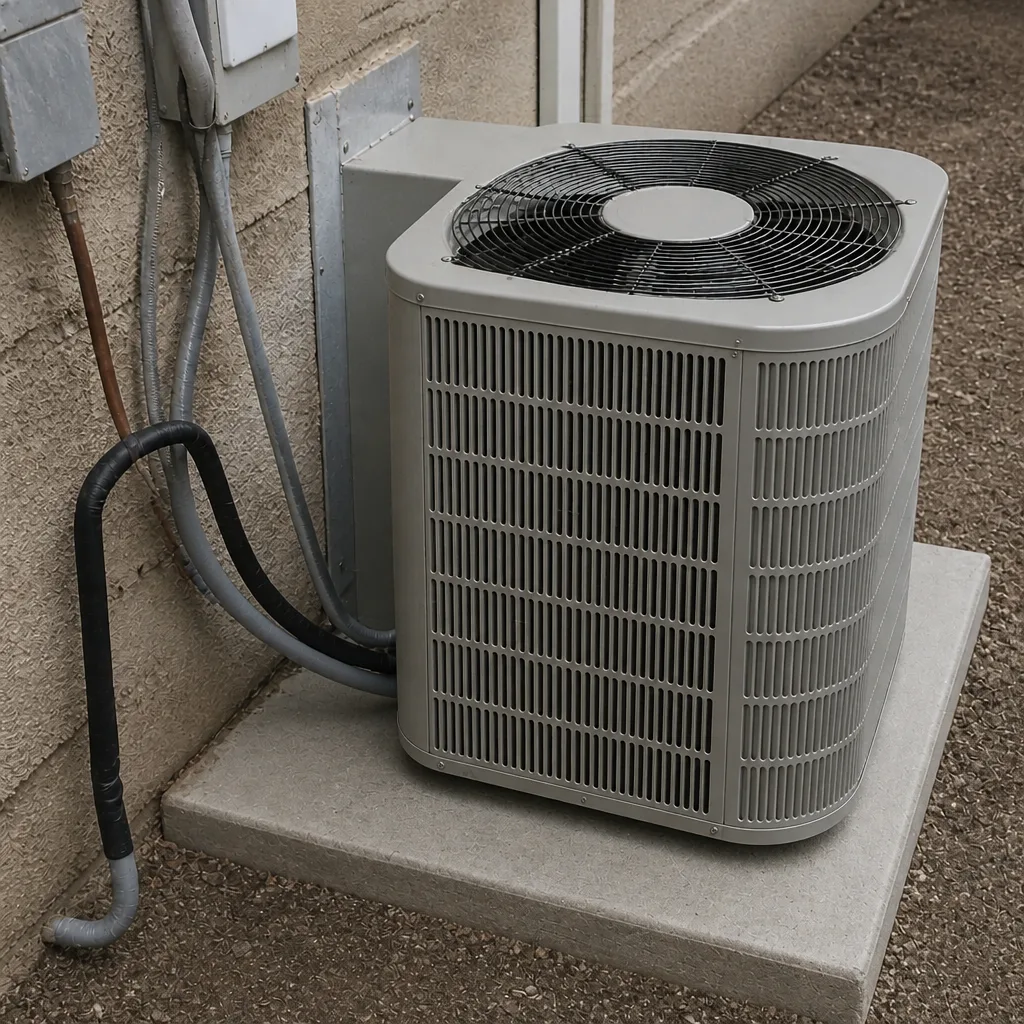 After
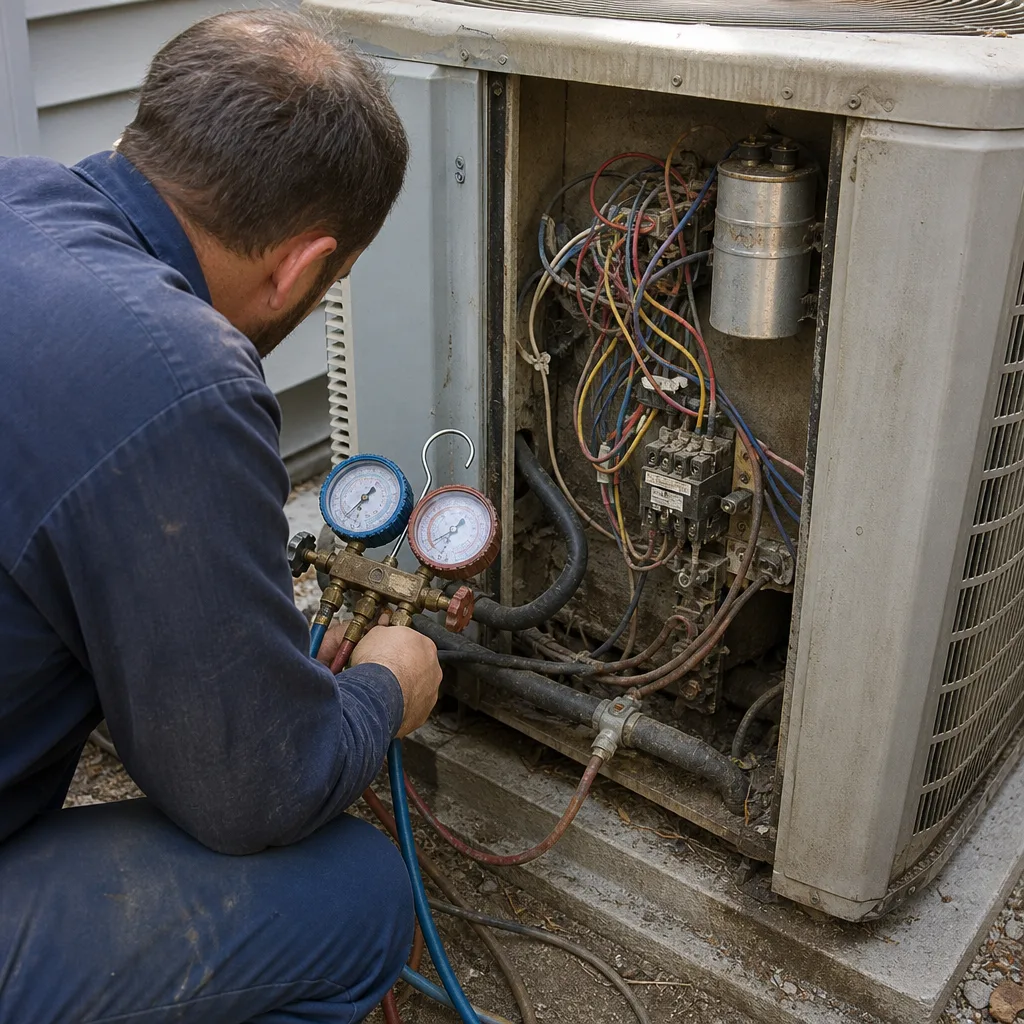 Before
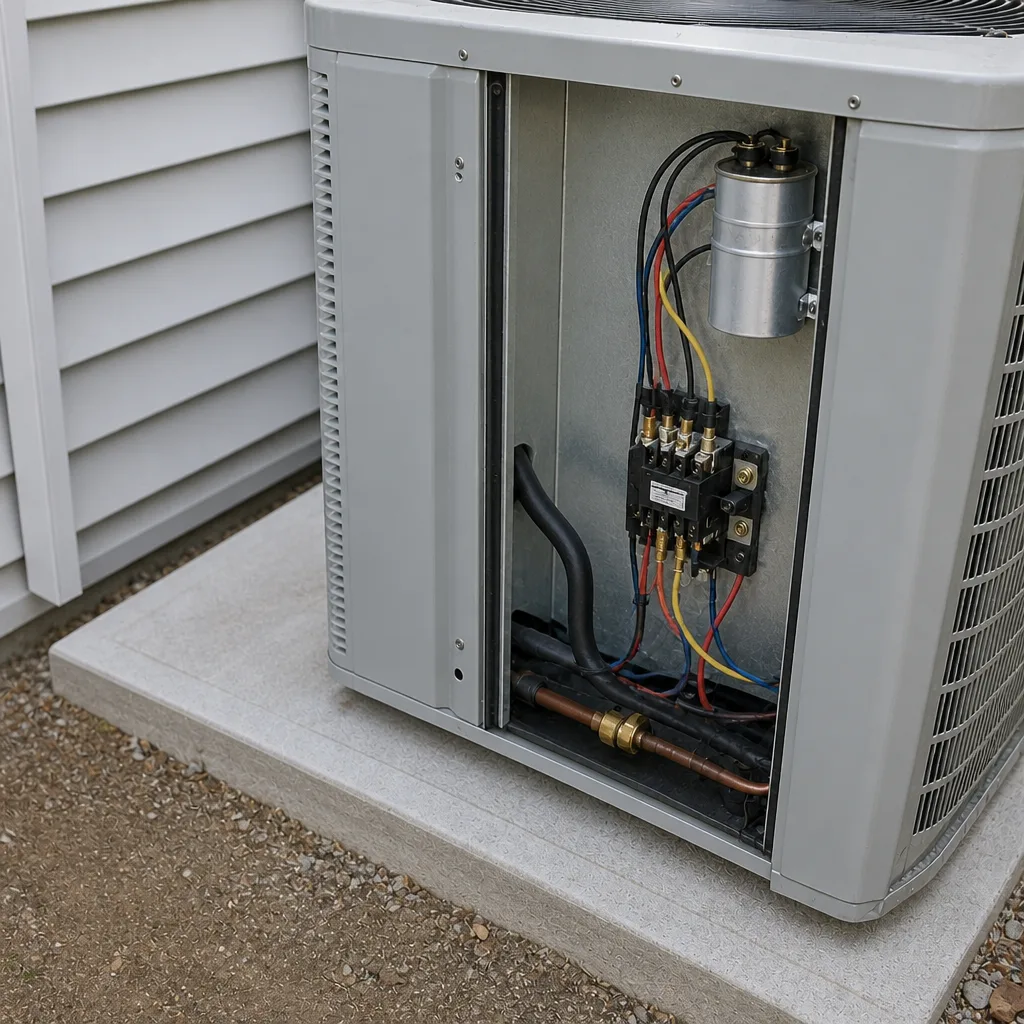 After
When to Call a Professional
Some things are worth a friendly self-check. Others aren’t. Call a pro when the outdoor unit trips the breaker repeatedly, when the compressor won’t start but the capacitor tests fine, when there’s ice on the refrigerant line in cooling mode, when the system is running but the house won’t cool below 80 in an Enterprise July, when the furnace makes a boom on startup, or when you smell gas. Don’t open the compressor, don’t dig into the refrigerant circuit, and don’t pull the panel on a gas furnace. Those are jobs for someone trained and insured to do them. Ray’s Heating & Air Enterprise offers free estimates in Enterprise – call (844) 455-2034.
Frequently Asked Questions
A straight AC replacement in Enterprise in 2026 runs roughly $7,200 to $13,500 installed, with the final number driven mostly by the equipment tier you choose and whether duct work or a line-set is included. Heat pump replacements swing a bit higher because of equipment demand pricing. Call (844) 455-2034 for an exact quote – estimates are free.
No, but it’s a year to be deliberate. New 2026 equipment on R-454B or R-32 is priced 8% to 15% higher than the equivalent 2024 build, but it comes with a refrigerant that will be serviceable for the life of the system. The worse move is sinking $600 to $1,000 into recharging an aging R-410A system you’ll replace in two years anyway.
The math usually favors replacing when the system is over 15 years old and the repair is over $800, or when the repair is over $2,000 regardless of age. Under 10 years with a repair under $1,500, repair almost always makes sense. Get readings before you get a quote – a failed capacitor often gets misdiagnosed as a failed compressor. Call (844) 455-2034 for a second opinion on any written estimate.
Rebate availability depends on the equipment tier and the current program cycle, and it changes year to year. A high-efficiency unit that qualifies today may not qualify six months from now on the same spec, so the rebate should be confirmed at the time of the quote, not the time of the install. Ask for it in writing on the estimate.
A straight AC swap is typically a single day, start to finish. A full furnace-and-AC changeout with duct work can run two to three days depending on attic access and whether new line-sets are needed. If a permit is pulled, the inspection usually happens within a week of completion – that inspection is a good thing, not a delay to work around.
Usually three things: equipment tier, refrigerant type, and whether the duct work and line-set are included. A 14 SEER2 single-stage unit and an 18 SEER2 variable-speed unit are different products, not different markups on the same product. Match the tier and the model number before you match the bottom line.
The Bottom Line
Enterprise pricing in 2026 is higher than the national averages you’ll find online, and the gap is mostly equipment, refrigerant transition, and Clark County permit costs – all of which are legitimate. The number to walk into the conversation with is $7,200 to $13,500 for a straight AC replacement and $11,000 to $18,000 for a full system with duct work. Compare tiers, not bottom lines. Get the readings before you get the quote. Watch the 0% financing deadline. And make the contractor show you the permit. Those four things separate a fair deal from an expensive surprise. For a written, itemized estimate in Enterprise, call (844) 455-2034 – a live person answers, every time.
Written by the team at Ray’s Heating & Air Enterprise.