
Last updated November 17, 2026
 Furnace & heating
 AC repair
 Heat pumps
 Ductless mini splits
 Carrier
 Trane
 Goodman
Seasonal tune-up and full diagnostic on your Carrier, Trane, or Goodman system - readings shown to you before any repair is proposed
Diagnosis first, numbers second - you approve the repair price before a single part goes in.
Get your free estimateHeating & Furnace Troubleshooting: Common Problems and How to Fix Them
Here’s a call we get a lot in January, usually around eleven at night. The furnace fires up, runs for two seconds, shuts off. Fires again, off. Three tries, then nothing but a cold house and a blinking light. It looks like a dead furnace. Nine times out of ten it isn’t one. A dirty flame sensor – a part you could hold between two fingers – is all that stands between you and a warm bed. This guide walks through the five causes behind most “no heat” calls, shows you the two you can handle yourself at midnight, and tells you straight which ones mean putting down the wrench and calling someone with a license. We do this work all over Enterprise, and we’d rather you know what you’re looking at.
Quick Answer
Most furnace “no heat” problems in Enterprise trace back to a dirty flame sensor, a clogged air filter, a tripped breaker, a thermostat in the wrong mode, or a pilot or ignition failure. A dirty flame sensor and a clogged filter are safe to check yourself. Gas smells, a yellow flame, or repeated breaker trips mean stop and call a licensed technician – today, not tomorrow.
Styles & brands we work with
- AC repair
- Furnace & heating
- Heat pumps
- Ductless mini splits
- Carrier
- Trane
- Goodman
Table of Contents
- The Startup Sequence: What Your Furnace Does Before It Heats
- Reading Your Furnace’s Error Code Blink Pattern
- The Filter-to-Failure Chain
- Thermostat, Breaker, and Gas Valve: Check These First
- The Symptoms That Mean Leave the House
- The Midnight Fix: Cleaning a Flame Sensor
- Repair or Replace? Deciding at 15 Years
- What Furnace Repair Costs in Enterprise
The Startup Sequence: What Your Furnace Does Before It Heats
A gas furnace doesn’t just turn on. It runs through a sequence of checks in about 30 seconds, and where that sequence stops tells you exactly what’s wrong. Once you understand the steps, the blinking light on the front panel becomes useful information instead of a mystery.
- Call for heat. The thermostat sends a signal to the furnace control board.
- Draft inducer fan starts. A small fan clears any leftover gas from the combustion chamber before ignition. If you hear a fan hum but nothing else, this stage is where it stopped.
- Pressure switch confirms airflow. The furnace won’t ignite gas until it knows the fan is actually moving air.
- Igniter heats up or pilot lights. Modern furnaces use a hot-surface igniter (glows orange) or spark ignition. Older ones use a standing pilot flame.
- Gas valve opens and burners light. You’ll hear a soft whoosh. Blue flame, steady, even.
- Flame sensor confirms fire. This rod-shaped sensor sits in the flame path and tells the control board “yes, we have fire.” If it doesn’t sense flame within a couple of seconds, the gas valve closes hard.
- Blower pushes warm air. The main blower kicks on after a delay to let the heat exchanger warm up.
Here’s the practical part. If the furnace runs for two seconds and shuts off repeatedly, that’s stage six failing – the flame sensor. If it makes a hum and never lights, that’s stage two or three. If it lights, runs fine for five minutes, then shuts off, suspect the filter or a limit switch. Learning where the sequence stops is the difference between guessing and knowing. In Enterprise, we see a lot of startup failures in early winter because the first cold snap hits after months of dust building up on the burners and sensor. Every fall we get a wave of calls the same week the temperature drops below 40.
Reading Your Furnace’s Error Code Blink Pattern
Most furnaces built since the 1990s have an LED on the control board that blinks a code when something’s wrong. Pop the front panel off (furnace off first) and count the blinks. Nearly every brand – Carrier, Trane, Lennox, American Standard – uses a similar system, and the code on your blower-door sticker or in the manual translates the blinks to a specific problem. Here are the patterns we see most in our part of Nevada.
- Single steady blink, long pause, repeat. Often means “everything normal, just waiting” or a low flame signal. Check the sensor first.
- Two blinks. Frequently a pressure switch or draft problem. Check for a blocked flue or a draft inducer that isn’t spinning.
- Three blinks. Often a pressure switch stuck open or a blocked intake. In Enterprise’s dusty air, intake screens clog more than you’d think.
- Four blinks. Usually a limit switch tripped – often from a restricted filter or overheating. This is the code most tied to a dirty filter.
- Continuous rapid blink or no blink at all. Bad control board, blown fuse, or no power at all. Don’t start swapping parts.
Find your specific brand’s code chart before you do anything. A Carrier code and a Goodman code don’t read the same way, even if the number of blinks is similar. And here’s the thing that saves people time: write the code down and call with it in hand. If you get a live person who knows furnaces, that code alone can shave ten minutes off the diagnosis. When we answer the phone, the first question we ask is “what’s the blink pattern,” and we can often tell you what’s likely wrong before anyone gets there.
The Filter-to-Failure Chain
A clogged filter doesn’t just make your air dirty. It starts a chain reaction that produces problems that look like five separate failures. This is the number-one thing we find on callbacks – a homeowner convinced something is broken, and it’s a filter that hasn’t been changed in a year.
The chain goes like this. A dirty filter chokes airflow. Restricted airflow makes the furnace run hotter than it should. The limit switch trips to protect the heat exchanger. That shuts the furnace off before the house gets warm. Then the blower runs and runs trying to catch up, wearing itself down. Meanwhile the heat exchanger is cycling hotter and cooler than it was designed for, which shortens its life. So a $15 filter, ignored for a year, turns into a limit switch cycling problem, a short-cycling complaint, and eventually a heat exchanger that’s failed early.
In the small towns and rural counties around Enterprise, we see this more than you’d expect because a lot of homes have a single return grille and run a cheap 1-inch fiberglass filter that loads up fast. Check your filter every 30 days during heating season. If you have pets, check every two weeks. Write the date on the edge with a Sharpie – it’s the simplest habit that prevents the most calls. The other lesson: when the furnace shuts off before the house warms up, and there’s no code, check the filter before you check anything else.
Thermostat, Breaker, and Gas Valve: Check These First
Before you assume the furnace is broken, check the three things that will make a perfectly good furnace look dead. These are free, take two minutes, and solve a surprising number of “emergency” calls.
- Thermostat mode. Is it set to HEAT, not COOL or OFF? Is the set temperature actually above the room temperature? On a battery-powered thermostat, are the batteries fresh? A dead thermostat battery looks exactly like a dead furnace.
- The breaker. Find the furnace breaker in your panel. If it’s tripped (middle position – not all the way to either side), flip it fully off, then fully on. A furnace on a dedicated breaker that trips once is fine to reset. A furnace that trips the breaker again within minutes? Stop. That’s a fault that needs a tech.
- The gas valve. Is the gas supply valve on the pipe leading to the furnace in line with the pipe? If you smell gas at all – even faintly – don’t touch anything. Get out and call from outside (more on that below). If the furnace is a newer install and just got serviced, it’s worth confirming the gas wasn’t shut off and left off.
Also check the power switch on or next to the furnace itself. A surprising number of “no heat” calls start with a service switch that got bumped during a remodel or a fall cleaning. In Enterprise we’ve walked into more than one house where the furnace was perfectly fine and someone had flipped the switch to vacuum the basement. Check the free stuff first.
The Symptoms That Mean Leave the House
Some troubleshooting is safe. Some of it isn’t. Natural gas is the line, and you don’t cross it to save a service call. If any of these apply, get everyone out of the house and call from outside.
- You smell gas. The rotten-egg smell, or a hiss you can’t place, means leave. Don’t flip light switches, don’t start the car in the attached garage, don’t try to shut anything – just get out and call your gas utility or 911 from a neighbor’s phone or cell.
- Your flame is yellow or orange, not blue. A steady blue flame is healthy. A yellow, dancing, or lazy flame can mean incomplete combustion and carbon monoxide. Shut the furnace off at the thermostat and call.
- A CO detector goes off. Treat it like a gas smell. Out, then call. Don’t wait to see if the alarm stops on its own.
- Soot or scorch marks around the furnace. A sign of a combustion problem or a blocked flue. Not a weekend project.
- A furnace that keeps tripping the breaker. An electrical fault plus gas is not a combination to improvise with.
None of this is a call an honest repair person wants you to delay. Carbon monoxide is odorless and it kills, quietly, in the houses where nobody wanted to bother anyone. If a technician tells you a gas issue can wait until Monday, find a different technician. The person at your door should be a licensed tech, backed by a background check, who can show you the readings. That’s exactly the standard we hold to, and it’s why we tell customers never to troubleshoot past the smell of gas.
The Midnight Fix: Cleaning a Flame Sensor
Of everything in this guide, cleaning a flame sensor is the one repair a calm homeowner can handle at midnight – and it solves the most common no-heat call there is. Here’s how, safely, and only if you’ve confirmed there’s no gas smell and the furnace is getting power.
- Turn the furnace off at the thermostat and the power switch, and shut off the gas valve on the pipe leading to the furnace. Whatever the manual says about waiting for the igniter to cool – do it.
- Find the flame sensor. It’s a thin metal rod, usually on the burner assembly near the igniter, mounted with a single bracket. It sticks into the path of the flame. It may look slightly dirty or oxidized.
- Remove it gently with a screwdriver. Set the screw somewhere you’ll find it again.
- Clean the rod with fine steel wool or a scouring pad, working along its length, not aggressively. Wipe with a clean rag. Don’t sand it hard; you’ll strip the coating that helps it sense flame. Don’t bend it.
- Reinstall it firmly, turn the gas and power back on, and run the furnace. If it now runs and stays lit, you just saved yourself a service call.
If it fires for two seconds and shuts off again after cleaning, the problem is likely the sensor itself (replacement, a $10-20 part), the igniter, or the control board – and at that point you’re past the midnight-fix line. A part that’s cheap is still not a part you should install on a gas appliance if you’re not sure. One good rule: cleaning is in your range; replacing electrical gas-fired components is the technician’s. When in doubt, we’re a phone call away, and the person on the other end – including Ray at two in the morning – will tell you straight whether it can wait.
While the furnace is running, do one more free check: walk the house and confirm every vent is open and not blocked by furniture. In older Enterprise homes with a single long duct run, we’ve found the “furnace isn’t heating” complaint was a closed register in a guest room throwing the whole system’s balance off. Takes a minute and costs nothing.
Repair or Replace? Deciding at 15 Years
Here’s a decision every homeowner faces eventually. The furnace is 15 years old, it’s failed once this winter, and the repair quote is real money. Repair or replace? There’s no single answer, but there’s a way to think it through.
- Age. Furnaces generally last 15 to 20 years with good maintenance. Past 15, parts get scarce and repairs get expensive relative to a new unit.
- Repair cost vs. value. A common rule: if the repair costs more than a third of what a new furnace would, and the unit is over 12 years old, seriously consider replacement.
- Frequency. One repair in five years is normal. Two repairs a year on an aging furnace is a system telling you something.
- The heat exchanger. A cracked heat exchanger is a safety issue, not a repair-and-move-on situation. In many cases it means replace.
- Efficiency and your bills. An old furnace running at 60-70% efficiency costs you every month. A modern condensing unit changes the math.
One thing we’re careful about in Enterprise: we don’t quote replacement before we’ve run the diagnostics. Readings first, numbers second. You should see the capacitor tested before anyone says the word compressor, and see the flame signal, the temperature rise, and the static pressure before anyone says “replace.” A repair you didn’t need is a bad repair. If you’ve got a written estimate from someone else, our free second opinion exists exactly for that moment.
What Furnace Repair Costs in Enterprise
Rough numbers help you budget, not nail a price. Actual cost depends on the part, the access, and the diagnosis. These ranges reflect what furnace repair typically runs in and around Enterprise, and we quote the number after we’ve seen the readings, not before.
- Diagnostic visit: varying, often credited toward the repair – call for the current number.
- Flame sensor cleaning or replacement: modest – usually a small line item.
- Blower motor or inducer motor replacement: mid-range, depending on the part.
- Igniter replacement: mid-range.
- Control board replacement: the higher of the common repairs.
- New furnace install: a project, not a repair – and it’s load-calculated and scheduled, never same-day.
Two things matter more than any price range. First, get the number in writing. Second, get it after the diagnosis, not before. A quote given over the phone without anyone looking at the furnace is a guess wearing a number. Our standing offers keep this simple: $40 off any repair over $200, no trip charge inside the county, a free second opinion on any written estimate, and a senior and veteran discount. Those are the real offers – if someone quotes you a promotion that isn’t on that list, ask questions.
Common Mistakes to Avoid
- Changing the filter only when you remember. Set a reminder for every 30 days during heating season, more with pets. In dusty Enterprise winters, a filter clogged at day 60 can trip the limit switch and shut the furnace down before the house warms.
- Resetting the breaker over and over. A tripped breaker is a message. Flip it once. If it trips again, stop – a fault you keep resetting can turn into a bigger repair, or worse.
- Trying to clean the gas valve or burners yourself. The flame sensor is your limit. Anything involving gas and electrical components goes to a licensed technician, full stop.
- Ignoring a yellow flame or a CO alarm. Treat them as emergencies. Get out and call. The houses where a CO problem became a tragedy are the ones where someone decided to “wait and see.”
- Buying the cheapest igniter online. Wrong-fit parts, no warranty, and a gas appliance you’re not licensed to diagnose. A cheap part that fails turns a small repair into a bigger one – we see back-to-back failed installs most winters.
- Trusting a phone quote without an inspection. A number given before anyone has seen your furnace is a guess. Get the readings first. Any honest shop will show them to you.
- Skipping the fall tune-up. A clean and check every fall catches the clogged filter, the weak igniter, and the dirty sensor before the first cold snap. It’s the single cheapest way to avoid a midnight call.
See the difference
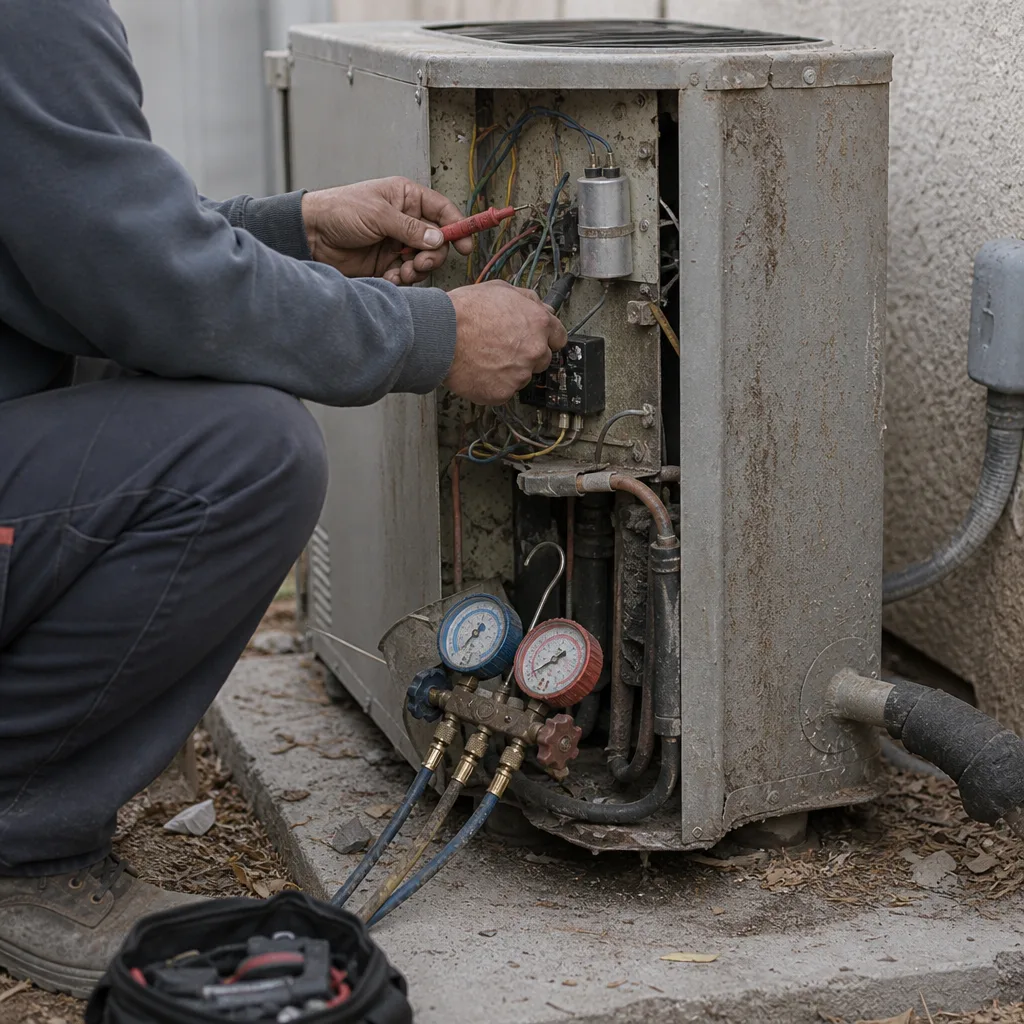 Before
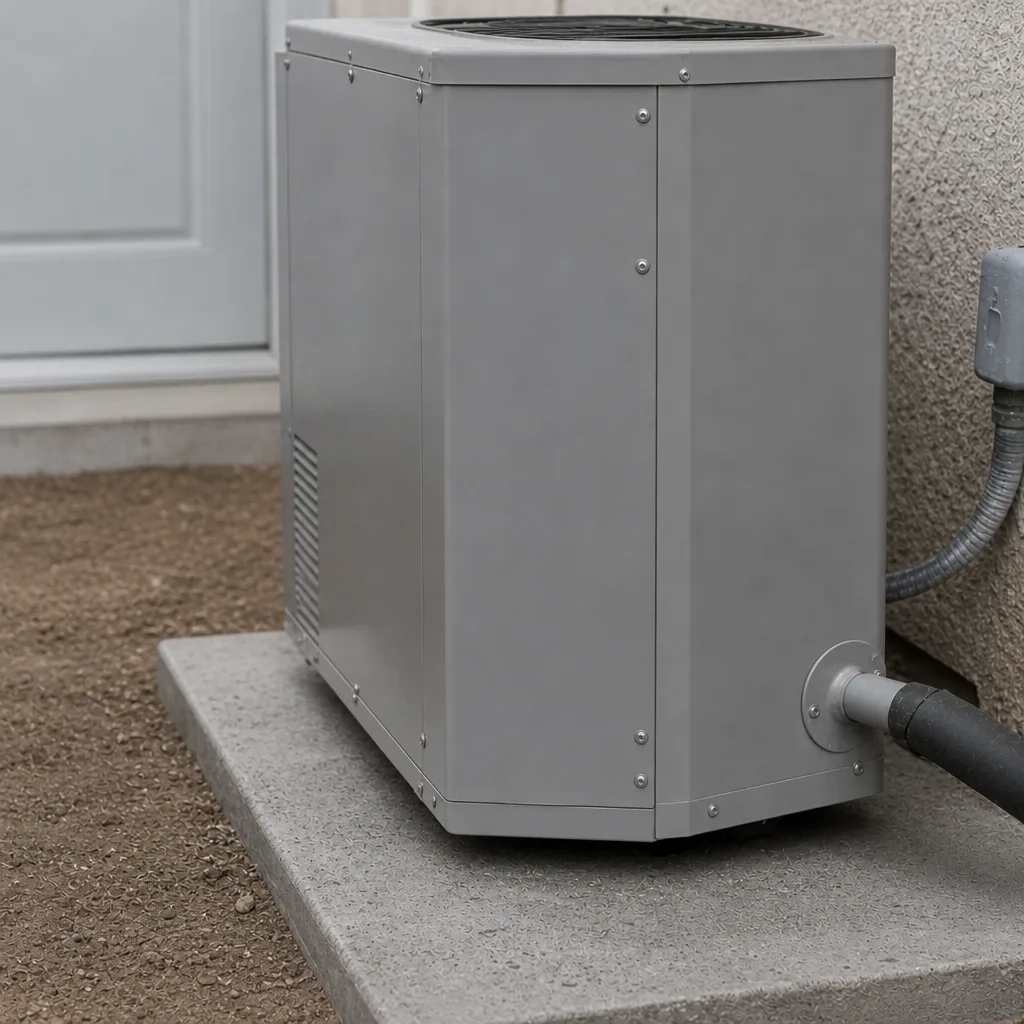 After
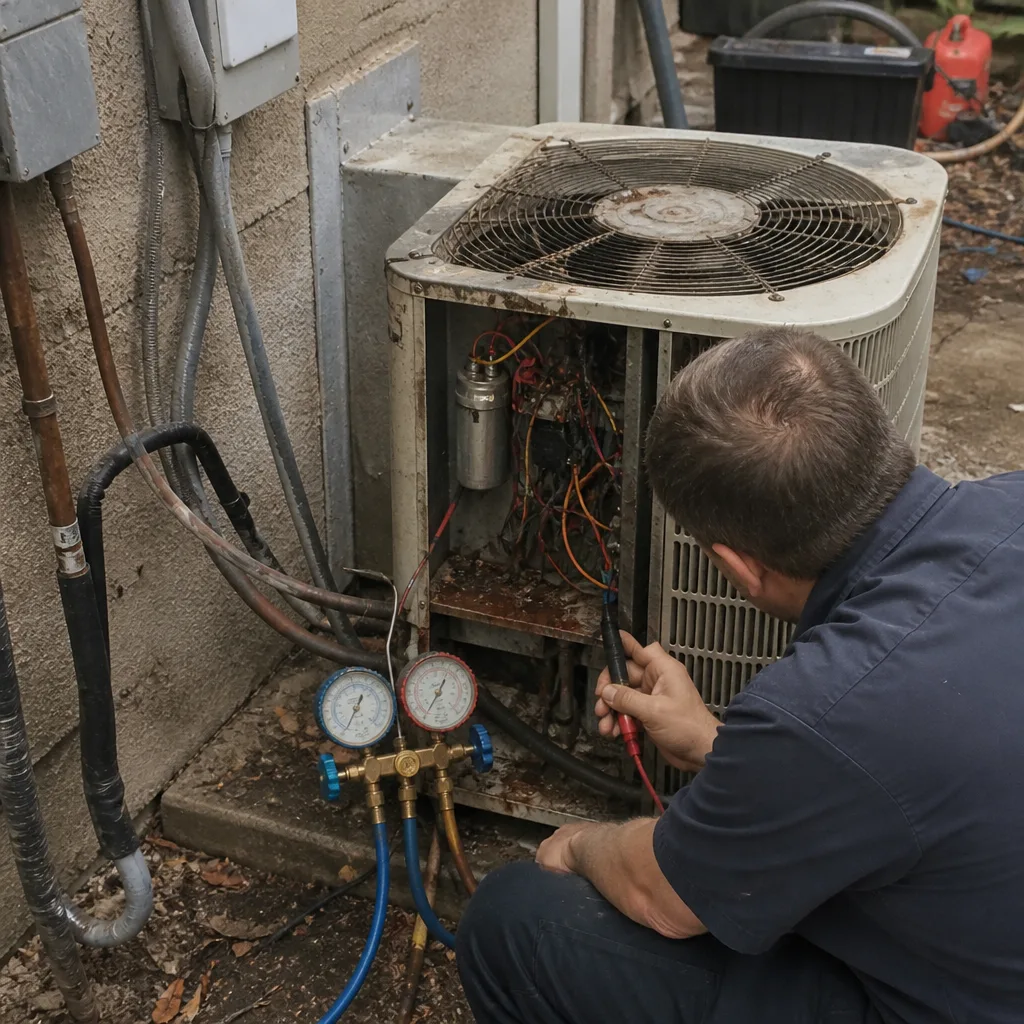 Before
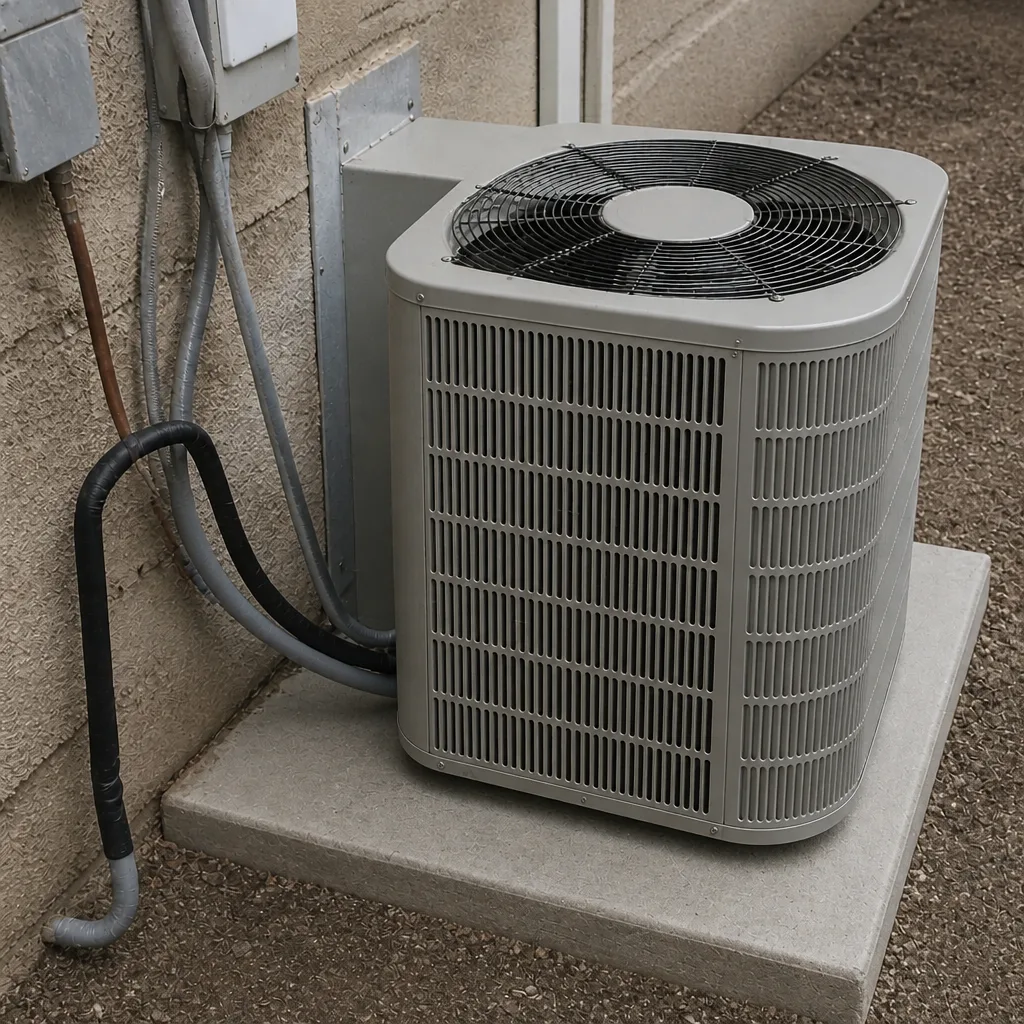 After
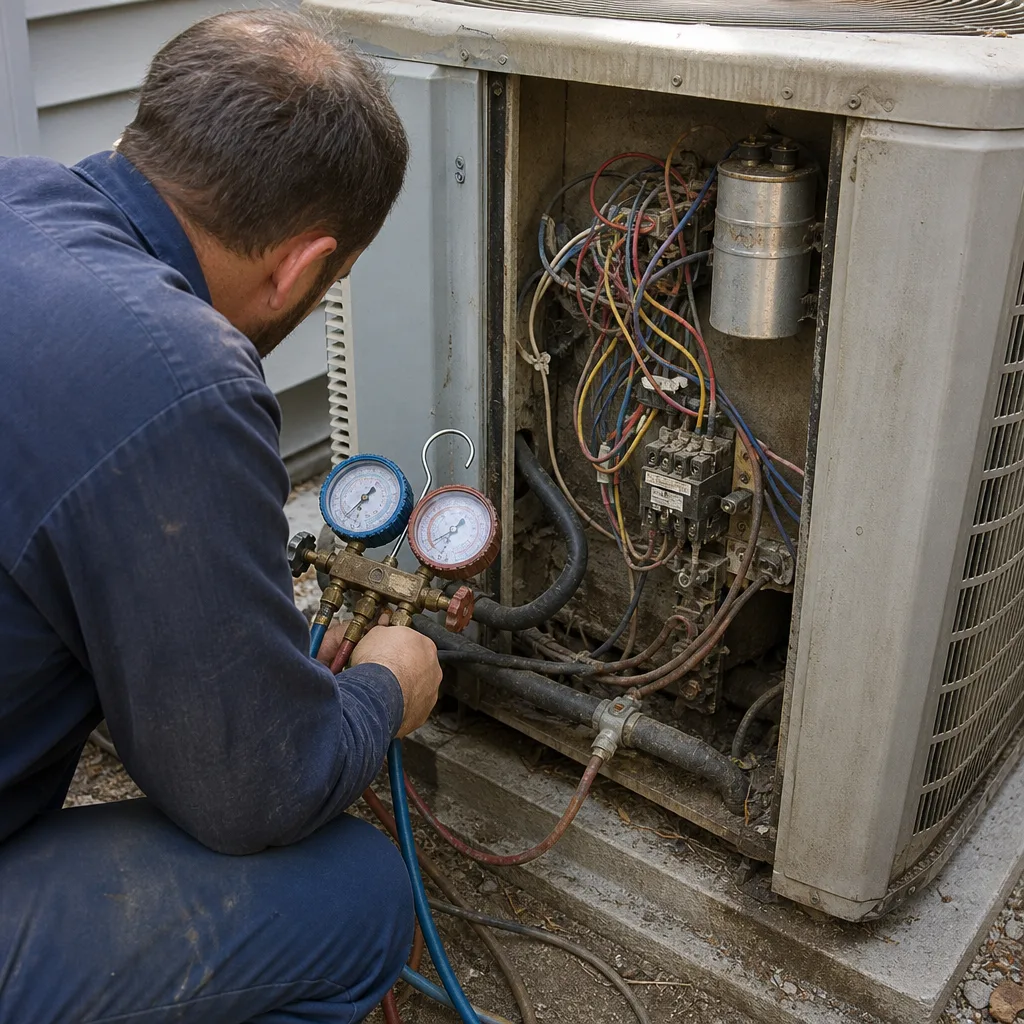 Before
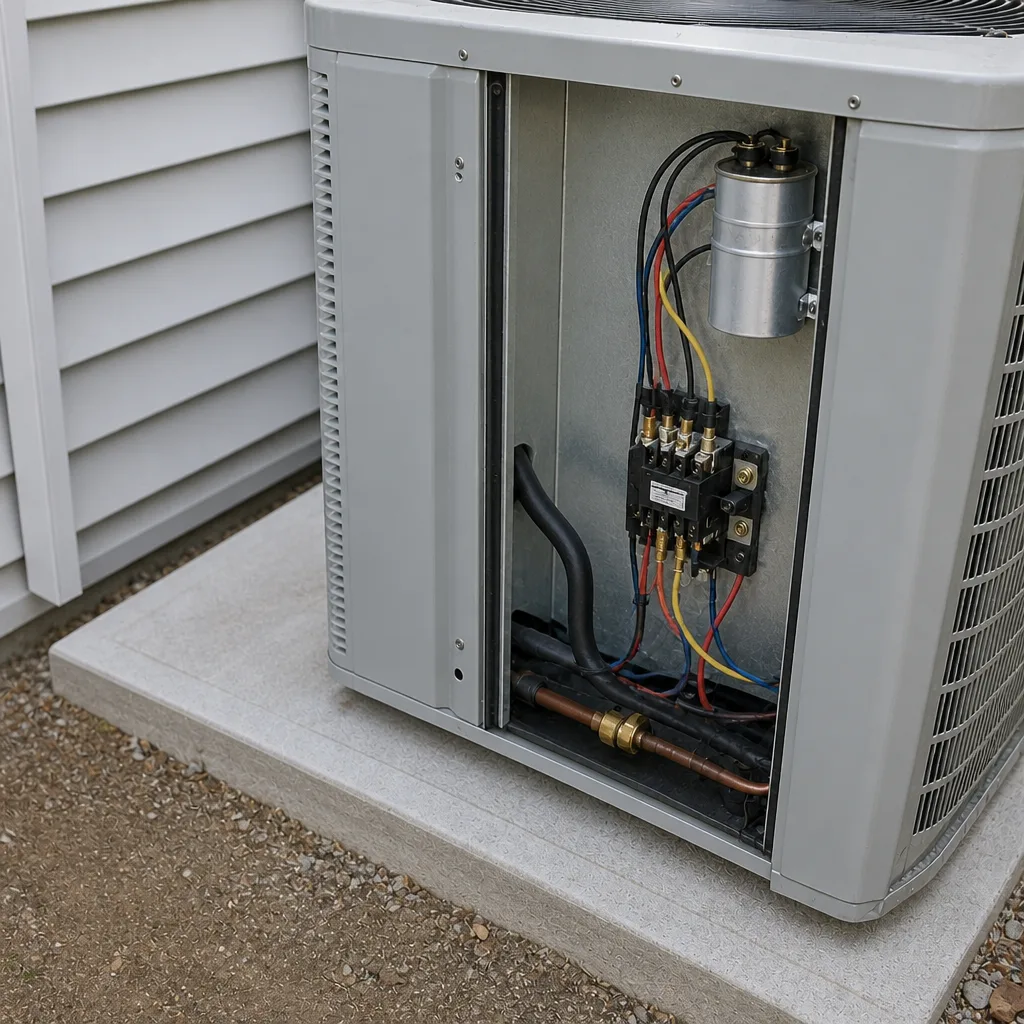 After
When to Call a Professional
Call a licensed technician if you smell gas, see a yellow flame, a CO alarm goes off, the breaker keeps tripping, or the furnace won’t light after you’ve confirmed the thermostat, breaker, and filter. Call if the flame sensor cleaning didn’t fix it, if you hear banging or grinding, or if the repair involves replacing a gas valve, igniter, control board, or heat exchanger. Call if the furnace is 15 years or older and failing – that’s a repair-or-replace conversation worth having face to face. Ray’s Heating & Air Enterprise offers free estimates in Enterprise – call (844) 455-2034. We answer with a live person around the clock, readings first and numbers second, and every heating job carries our 90-Day Done Right Promise in writing.
Frequently Asked Questions
That pattern almost always points to a dirty flame sensor. The furnace lights, the sensor fails to confirm the flame, the gas valve shuts off to stay safe, and after three failed tries the furnace locks out. Clean the sensor – steel wool, gentle – before you call anyone. If it still happens, call for a diagnosis.
The blink pattern is an error code. Count the blinks, find your brand’s code chart on the blower-door sticker or in the manual, and match the pattern. The most common ones point to a tripped limit switch (often a clogged filter) or a pressure switch problem. Write the code down; it tells a technician a lot before they arrive.
It can, indirectly. A choked filter restricts airflow, which overheats the furnace, trips the limit switch, and forces the blower to overwork. Left long enough, it shortens the life of the heat exchanger. Change the filter every 30 days in heating season, more often if you have pets.
Leave the house immediately, taking everyone with you, and call your gas utility or 911 from outside. Don’t flip switches, don’t try to shut anything off, don’t linger. A gas smell is never a “let’s take a look” situation.
Check the furnace’s power switch, the breaker (reset it once), the thermostat mode, and the filter. If all four check out and there’s still no heat, look at the blink code. Those free steps solve a big share of no-heat calls before anyone gets in a truck.
Past 15 years, it comes down to the repair cost and the system’s health. If the repair runs more than a third of a new furnace’s cost, or you’re getting two repairs a year, replacement usually makes more sense. Get the readings, get a number in writing, and compare. Call (844) 455-2034 for a free estimate – estimates are free, and we’ll show you what we found.
The Bottom Line
Most “furnace won’t heat” calls come down to five causes, and two of them – a dirty flame sensor and a clogged filter – are things you can check yourself without waiting for morning. Learn the startup sequence and the blink code, and you’ll know exactly where the problem is. But know the line: gas smell, yellow flame, a CO alarm, or a breaker that keeps tripping means stop and call a professional, today. Everything past the filter and the sensor is the technician’s job. In Enterprise, we’ve seen this from both sides – the DIY save and the avoidable emergency – and the goal is the same: a warm house, safely, without paying for a repair you didn’t need.
Related Reading
If you’re weighing a bigger decision after your troubleshooting, these pages help: our Ray’s Heating & Air Enterprise home page covers who we are and how we work; Heating & Furnace in Enterprise is the full service overview; AC Repair & Installation in Enterprise covers the cooling side; and if you’re considering a system change, Heat Pump & Mini Split in Enterprise walks through efficiency options. When you’re ready, call (844) 455-2034 for a free estimate. A live person answers, day or night.
Written by the team at Ray’s Heating & Air Enterprise.