
Last updated November 17, 2026
 AC repair
 Furnace & heating
 Heat pumps
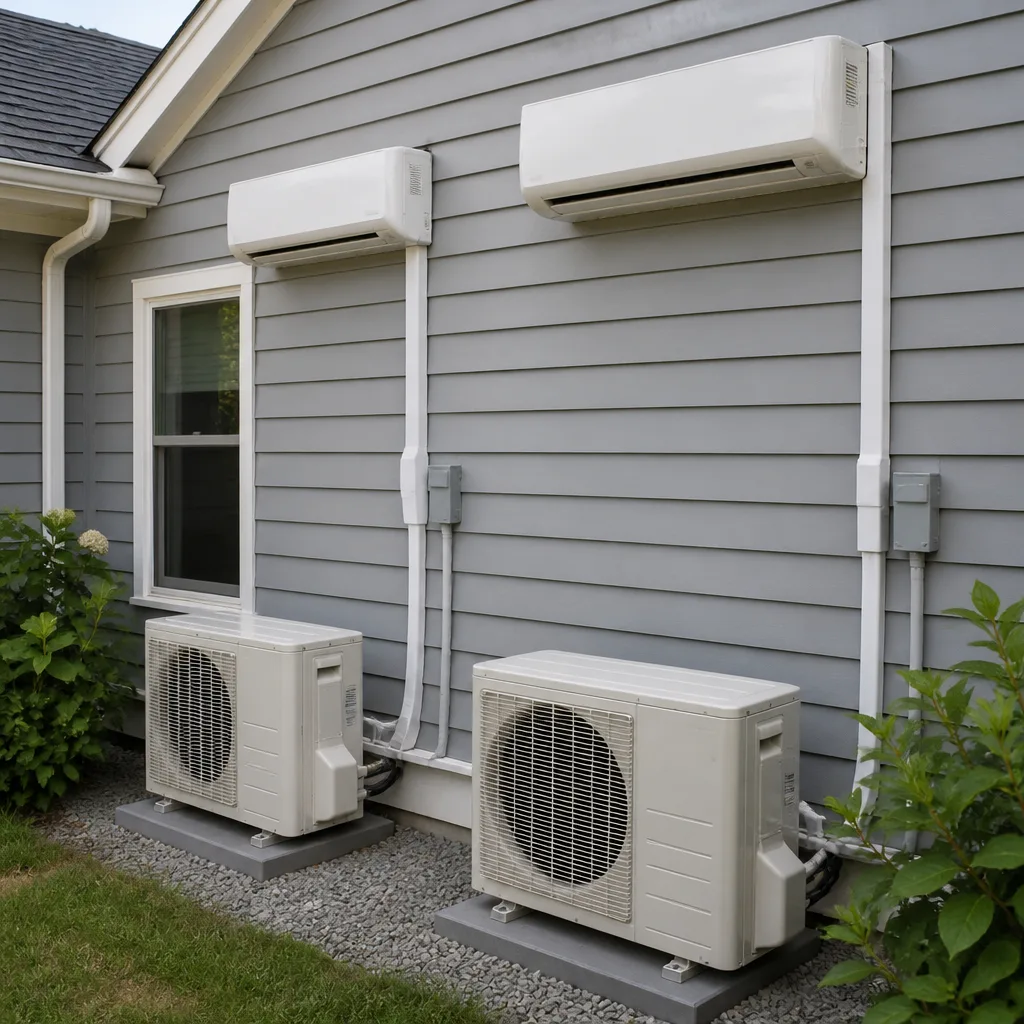 Ductless mini splits
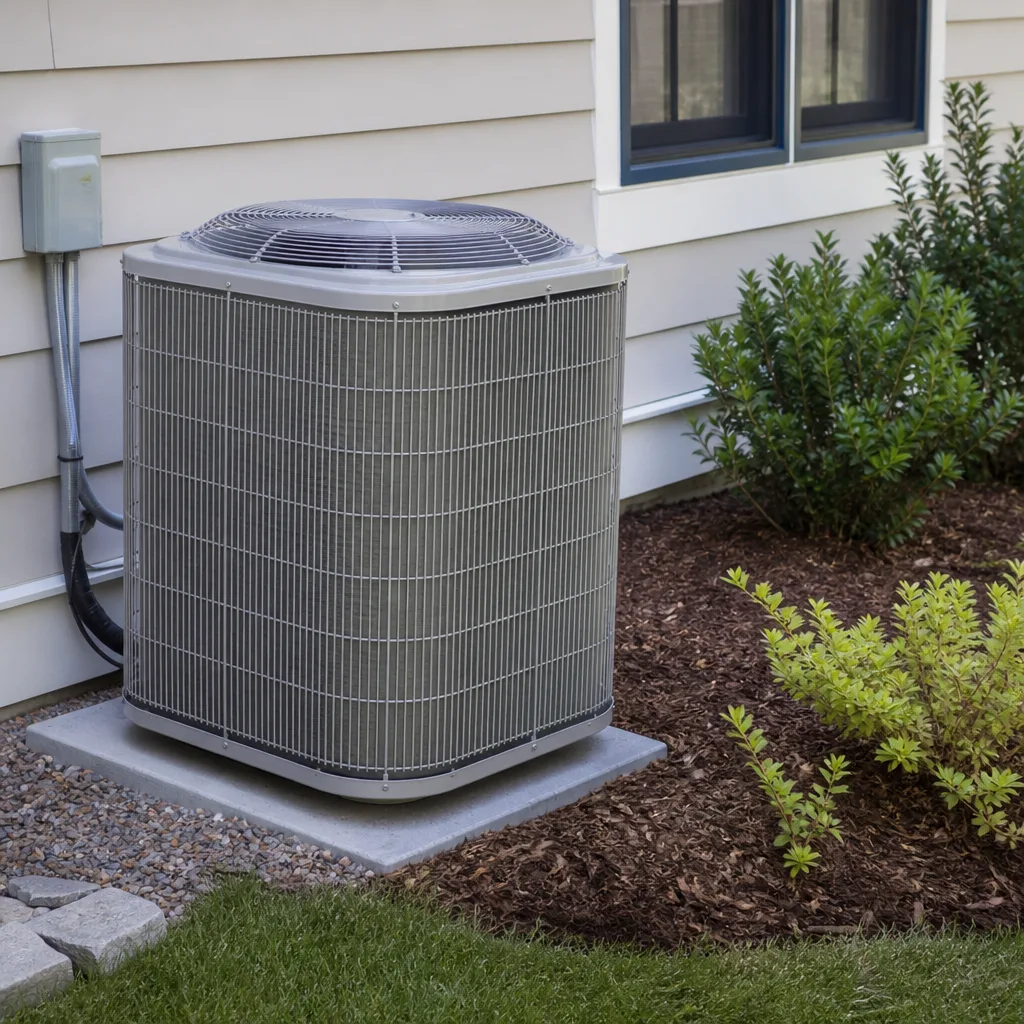 Carrier
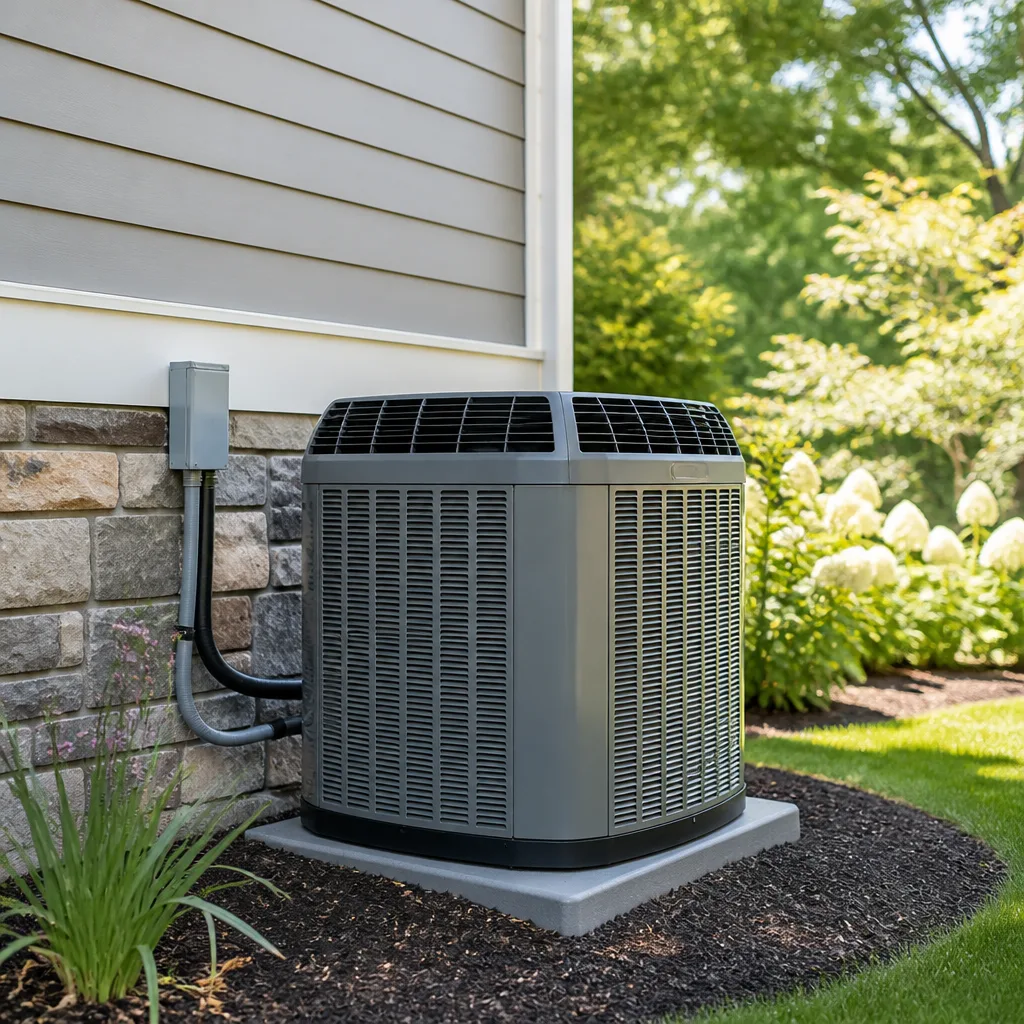 Trane
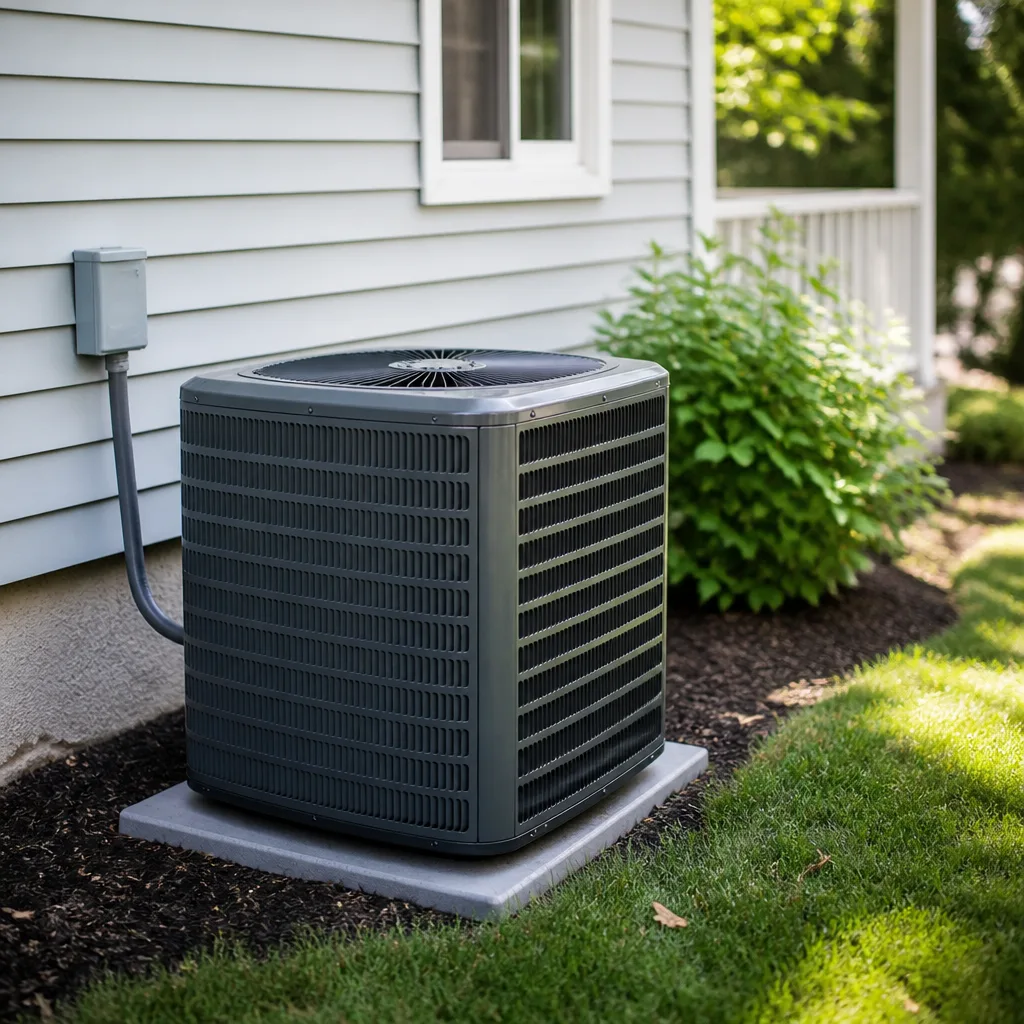 Goodman
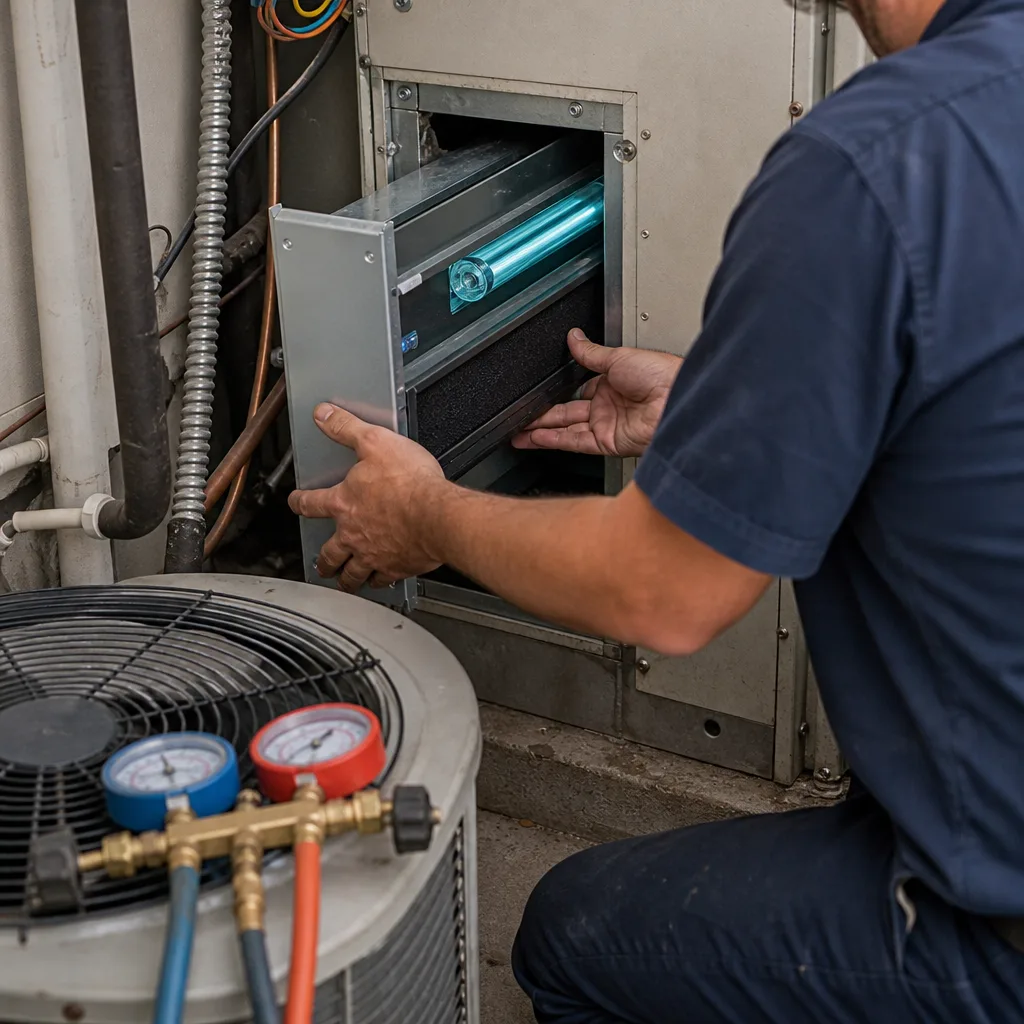
Seasonal tune-up and full diagnostic on your Carrier, Trane, or Goodman system - readings shown to you before any repair is proposed
Diagnosis first, numbers second - you approve the repair price before a single part goes in.
Get your free estimateDIY vs Professional AC Repair & Installation: What’s Safe to Do Yourself
Changing your own filter is DIY. Touching refrigerant without an EPA 608 certification is a federal fine. Most guides won’t tell you exactly where that line is. This one will. Here in Enterprise, where summer afternoons push past 105°F and a dead condenser isn’t a mild annoyance but a genuine health risk, the difference between a Saturday-morning fix and a costly mistake gets expensive fast. We’ve been the person at the door after the DIY attempt didn’t work, and we’ve seen what a wrong turn under the hood costs. In this guide you’ll learn which tasks are safe, legal, and smart to handle yourself, which ones void your warranty, and what Nevada law actually says about refrigerant. No scare tactics. Just the honest line, drawn clearly.
Quick Answer
Safe DIY tasks are limited to filter changes, clearing debris around the outdoor condenser, straightening condenser fins with a fin comb, and resetting a tripped breaker. Everything involving refrigerant, electrical components inside the unit, gas, or a sealed refrigeration circuit requires a licensed technician. Nevada law and federal EPA rules both restrict who can handle refrigerant, and most manufacturer warranties void the moment unlicensed hands open a sealed system. If you’re in Enterprise and unsure which side of the line your problem sits on, call (844) 455-2034 and we’ll tell you straight, free.
Styles & brands we work with
- AC repair
- Furnace & heating
- Heat pumps
- Ductless mini splits
- Carrier
- Trane
- Goodman
Table of Contents
- What You Can Safely Do Yourself
- What Nevada Law Says About Refrigerant
- The Warranty Clause Nobody Reads
- DIY Fixes We See Go Wrong
- How to Tell If a YouTube Video Applies to Your System
- Why Installation Isn’t a DIY Project
- A Simple Test to Decide: DIY or Call?
- Common Mistakes to Avoid
- When to Call a Professional
What You Can Safely Do Yourself
Let’s start with what’s actually on your side of the line. Homeowners in Enterprise can handle more than they think on the routine side, and we’re not going to pretend otherwise. Every one of these tasks is legal, safe, and won’t disturb your warranty.
- Change the air filter. Monthly during cooling season, or every 60 days for a pleated filter. A clogged filter is the single most common cause of a frozen coil and a strained blower in Enterprise homes. It’s a five-minute job and it protects a $6,000 system.
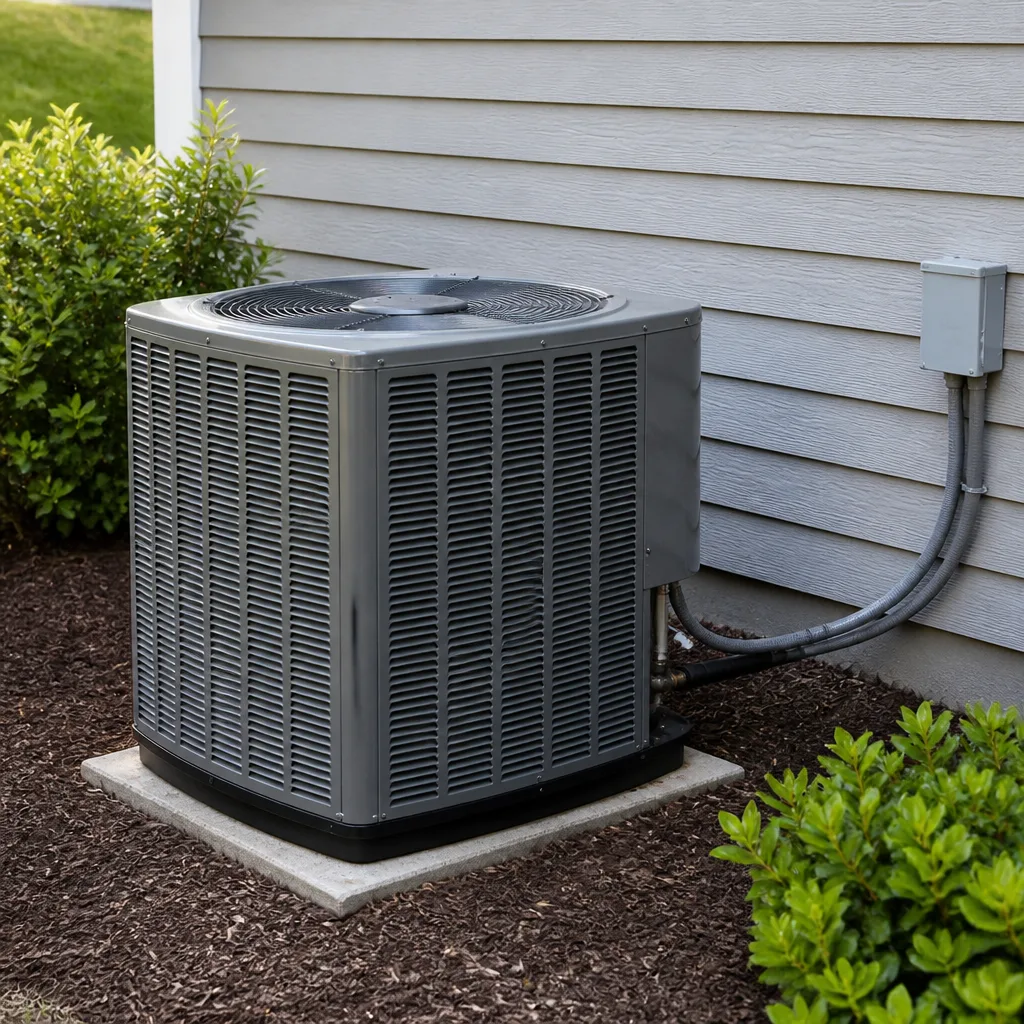
- Clear the outdoor condenser. Pull weeds, leaves, and cottonwood fluff away from at least two feet on all sides. In Enterprise, the spring cottonwood drop and the dust off the open desert both clog condenser coils fast. A garden hose on low pressure from the outside in, with the unit off at the breaker, clears surface dirt.
- Straighten bent condenser fins. A fin comb costs under $15 at any hardware store. If the fins are mashed from a weed whacker or a stray rock, combing them back restores airflow.
- Reset a tripped breaker. Once. If the breaker trips a second time, that’s a signal, not an invitation to keep flipping it. Repeated trips mean a failing compressor, a short, or a bad capacitor, and calling is cheaper than guessing.
- Check and change the thermostat batteries. A blank or flickering display on a battery-powered thermostat is often just dead batteries, not a dead system.
- Keep the condensate drain line clear. A shop vac on the outdoor drain stub, once a season, prevents the water overflow and shutdown that a clogged line causes.
That’s the list. Everything else – refrigerant, capacitors, contactors, compressors, wiring inside the cabinet – crosses into work that requires a license and, more practically, requires someone who knows what the readings mean before touching a part. The filter and the weed-whacker clearance are yours. The rest isn’t.
What Nevada Law Says About Refrigerant
Here’s where people get into real trouble. Refrigerant is not a consumer product you can buy and top off on a whim. Under Section 608 of the federal Clean Air Act, any person who maintains, services, repairs, or disposes of equipment that contains regulated refrigerant must be certified by the EPA. That’s federal law, not a recommendation, and the fines for knowingly releasing refrigerant or handling it without certification are significant. On top of that, Nevada requires HVAC contractors to hold a state contractor’s license for this kind of work, and unlicensed contracting carries its own penalties.
Why does this matter in Enterprise specifically? Because there’s no shortage of videos and forum posts telling homeowners to “just add a can of R-410A” from the hardware store. That advice is both illegal and dangerous. Refrigerant under pressure can cause frostbite and eye injury, and releasing it into the atmosphere is exactly what the EPA rules are built to prevent. It’s also a losing economic play: adding refrigerant without finding the leak is like topping off a tire with a nail in it. The charge leaks back out, the compressor works harder, and you’ve spent money on gas and a leaking system that still needs a real repair.
The honest framing isn’t “liability, liability, liability.” It’s this: the law exists because refrigerant handling has genuinely hurt people who didn’t know what they were doing. There is no legal shortcut here. If your system is low on refrigerant, a certified technician has to find the leak, fix it, and recharge to the manufacturer’s specified weight. That’s not gatekeeping. That’s the job.
The Warranty Clause Nobody Reads
Pull out the paperwork that came with your system and find the warranty section. There’s almost always a line that says the warranty is void if the equipment is serviced by anyone other than a licensed contractor, or if repairs are made with non-approved parts. Most homeowners never read it until the day they need it, and by then the damage is done.
Here’s how it plays out in real life. A homeowner in Enterprise replaces a capacitor from an online parts listing. The new capacitor has the wrong microfarad rating. It works for a few weeks, then the compressor fails from the strain. The manufacturer inspects, sees the wrong part, and denies the claim. That’s a $2,000-plus repair that a $300 service call would have prevented. We’ve seen this exact scenario, and it’s the reason we test the capacitor and read the actual specs before replacing anything.
The warranty clause matters most on new equipment. A brand-new Carrier or Trane system comes with a parts warranty and often a labor warranty. On a system that age, an unlicensed repair doesn’t just risk the part – it can void the whole warranty package. That’s a lot of coverage to gamble on a hardware-store part. For a system still under warranty, our honest advice is to call us or any licensed shop and let the paperwork stand.
DIY Fixes We See Go Wrong
We’ve responded to a lot of calls that started as a DIY project. Some are quick saves. Others have already cost double by the time we arrive. Here are the ones we see most often around Enterprise.
- Jumping the contactor to “test” the compressor. A homeowner presses a screwdriver across the contactor to force the unit on. It works for a second, then the compressor shorts and the breaker trips. That’s a dead compressor, and a replacement that runs into the thousands. The test tells you nothing useful and can kill the most expensive part in the system.
- Replacing a capacitor with the wrong rating. The capacitor is cheap and easy to swap, which makes it tempting. But the microfarad rating and voltage have to match exactly. A wrong value stresses the compressor and fan motor and can fail within weeks.
- Overcharging the system. Adding refrigerant without gauges is worse than not adding it. Too much charge and too little both damage the compressor. There’s no “close enough” with refrigerant weight.
- Spraying the condenser coils with a pressure washer. High pressure bends the fins flat and destroys the coil’s ability to shed heat. We’ve replaced coils that a pressure washer killed in ten minutes.
- Swapping a thermostat without checking compatibility. A new smart thermostat wired wrong can blow the low-voltage transformer. That’s a $150 part and a troubleshooting call that could have been avoided.
- Ignoring the second breaker trip. The homeowner keeps resetting, the compressor keeps straining, and by the time we get there the damage is done. One reset, then call.
Most of these aren’t stupid people. They’re people who watched a video that assumed a different system. We get it. We’d rather you check before you spend.
How to Tell If a YouTube Video Applies to Your System
Not all repair videos are wrong. Plenty are made by solid technicians. The problem is that a video made for a 2010 R-22 system doesn’t apply to the R-410A system in a newer Enterprise home, and a video made for a heat pump doesn’t match a straight-cool condenser. Before you follow any video, check these four things against the data plate on your outdoor unit.
- Age and model number. The data plate on the outdoor cabinet shows the model and serial. The serial often encodes the manufacturing date. A video for a system more than ten years older than yours may use different parts and a different control board.
- Refrigerant type. Look for R-22, R-410A, or R-32 on the plate. R-22 is being phased out and is now expensive and restricted. A video using R-22 procedures teaches you something you can’t legally or affordably do.
- System configuration. Is it a straight-cool AC, a heat pump, a mini-split, or a packaged unit? The parts look similar but the diagnostics differ. A video for a split system won’t help with a packaged unit.
- Brand-specific control boards. A Bryant board may not behave like a Carrier board even when they share parts. Match the brand if you can – the diagnostic error codes are often brand-specific.
If the video doesn’t match on age, refrigerant, configuration, and brand, close the tab. If it does match, the safe takeaway is usually diagnostic – how to read a fault code, not how to swap a part. Reading a code is safe. Wiring a replacement without matching the original is not.
Why Installation Isn’t a DIY Project
Installation deserves its own section because it’s where the real money lives, and it’s where the temptation to “save” is strongest. A new AC isn’t a plug-and-play appliance. It’s a system that has to be sized to your house, matched to your ductwork, and charged by weight to the manufacturer’s spec. Get any of those wrong and you’ve bought a system that runs poorly for years.
Start with load calculation. A proper install begins with a manual J calculation – a room-by-room heat load based on square footage, insulation, window orientation, and our Enterprise climate. A unit that’s oversized cools too fast, doesn’t dehumidify, and cycles on and off constantly. An undersized unit runs nonstop on a 110°F day and never catches up. You can’t guess this. The calculation matters.
Then there’s the refrigerant charge. A new system ships with a factory charge, but the line-set length determines how much has to be added or removed. The only correct way is by weight with a scale, using gauges. That’s an EPA-certified task. Then comes brazing the line-set, evacuating the system to a deep vacuum, and testing for leaks. Those steps happen before the system ever runs. Skip them and you get moisture in the circuit and premature compressor failure.
Finally, the warranty. Most new equipment warranties require installation by a licensed contractor, and a properly documented install with start-up readings is part of the claim. An unlicensed install can void the entire factory warranty on day one. That’s real money. For new system work in Enterprise, we quote a fixed price in writing and handle the rebate paperwork. It’s not a job for a weekend and a friend with gauges.
A Simple Test to Decide: DIY or Call?
When something goes wrong, use this quick test to decide which way to go. It takes thirty seconds and saves a lot of grief.
- Is it essentially cleaning or clearing? Filter, debris, drain line, fins. Do it yourself.
- Is it a single breaker reset? Try it once. If it trips again, call.
- Does it involve opening a panel, a wire, a capacitor, a contactor, or refrigerant? Call. That’s the line.
- Is there water, ice, or a strange burning smell? Turn the system off at the thermostat and breaker, then call. Ice on the line means a refrigerant or airflow problem. A burning smell means something electrical is failing.
- Is the unit more than ten years old and struggling? Call for a diagnostic before spending anything. At that age the repair-or-replace decision matters more than the part.
We’ve seen a lot of homeowners in Enterprise save themselves a service call with step one and step two. We’ve also seen them lose a compressor on step three. The test holds.
Common Mistakes to Avoid
- Adding refrigerant without finding the leak. If the system is low, the gas went somewhere. Topping it off without a leak search just means it leaks out again, and your compressor works harder in the meantime.
- Using a pressure washer on the condenser coil. The fins are thin aluminum. High pressure folds them flat and the unit can’t reject heat. A garden hose on low pressure is the safe tool.
- Replacing a capacitor with the wrong microfarad rating. The matching rating matters. The wrong value stresses the compressor and fan motor and fails within weeks. Read the original before anything gets swapped.
- Ignoring the second breaker trip. One reset is fine. Two means there’s a real fault. Repeatedly resetting a tripping breaker is how a $200 repair becomes a $2,000 replacement.
- Running the AC with a frozen coil. If you see ice on the indoor coil or the copper line, shut it off at the thermostat and turn the fan to “on” to melt it out. Keep running it and you can flood the compressor with liquid refrigerant.
- Following a video for the wrong refrigerant. An R-22 video doesn’t apply to an R-410A system. Matching the video to your data plate is the difference between learning and breaking something.
- Filing down the thermostat job. Wiring a new thermostat wrong can blow the low-voltage transformer. Check the wiring diagram and the terminal letters before you disconnect anything.
When to Call a Professional
Call us when the problem crosses the line: refrigerant, electrical, gas, a sealed system, or a new install. Also call when the system is frozen, when a breaker trips twice, when you smell something burning, or when the unit is more than ten years old and struggling. Those are the calls where waiting costs more than the service. If you’re in Enterprise and not sure which side of the line your problem is on, we’ll tell you straight on the phone, free. We’re a locally owned, owner-operated shop, and our technicians have up to 24 years of experience. Every job carries our 90-Day Done Right Promise in writing – if it’s not done right, one call brings us back. Ray’s Heating & Air Enterprise offers free estimates on new system work in Enterprise. Call (844) 455-2034 and we’ll talk it through before any work begins. You’ll see the readings and the numbers first, every time.
See the difference
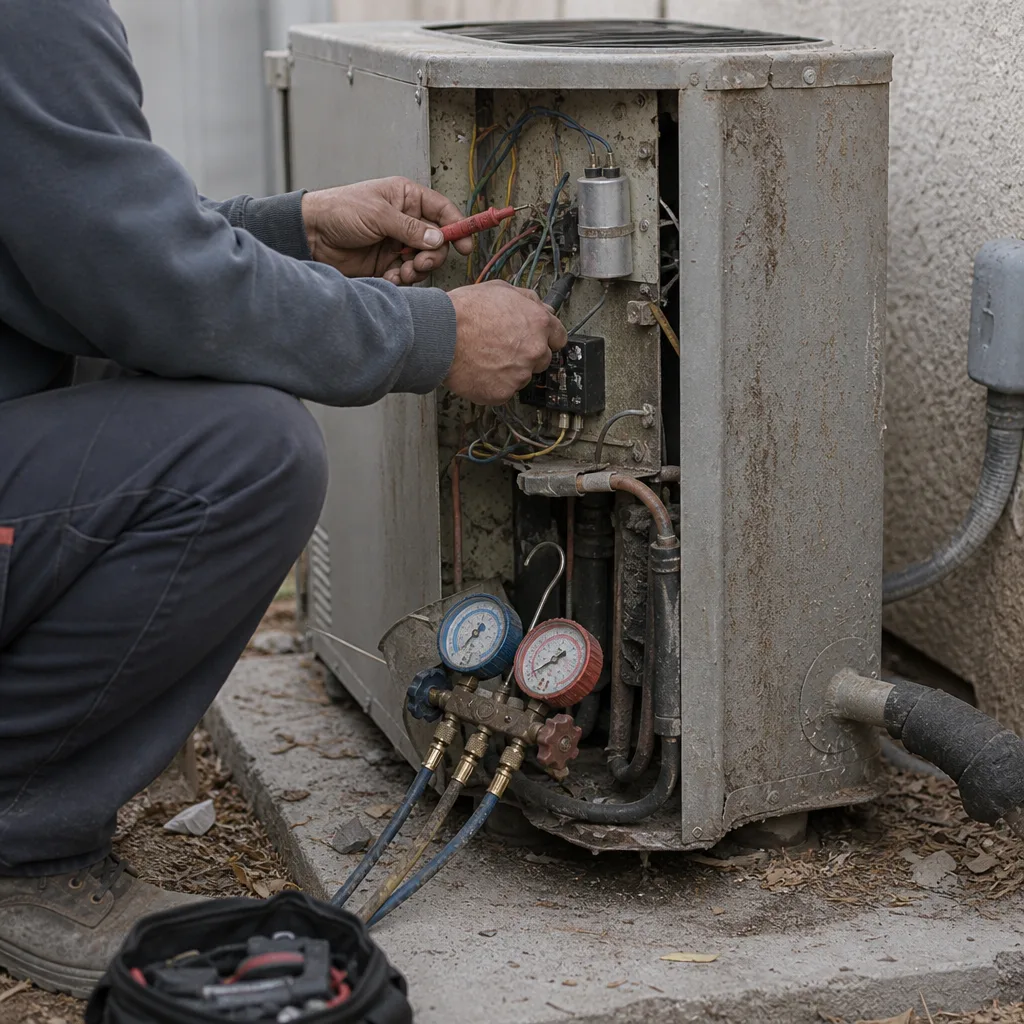 Before
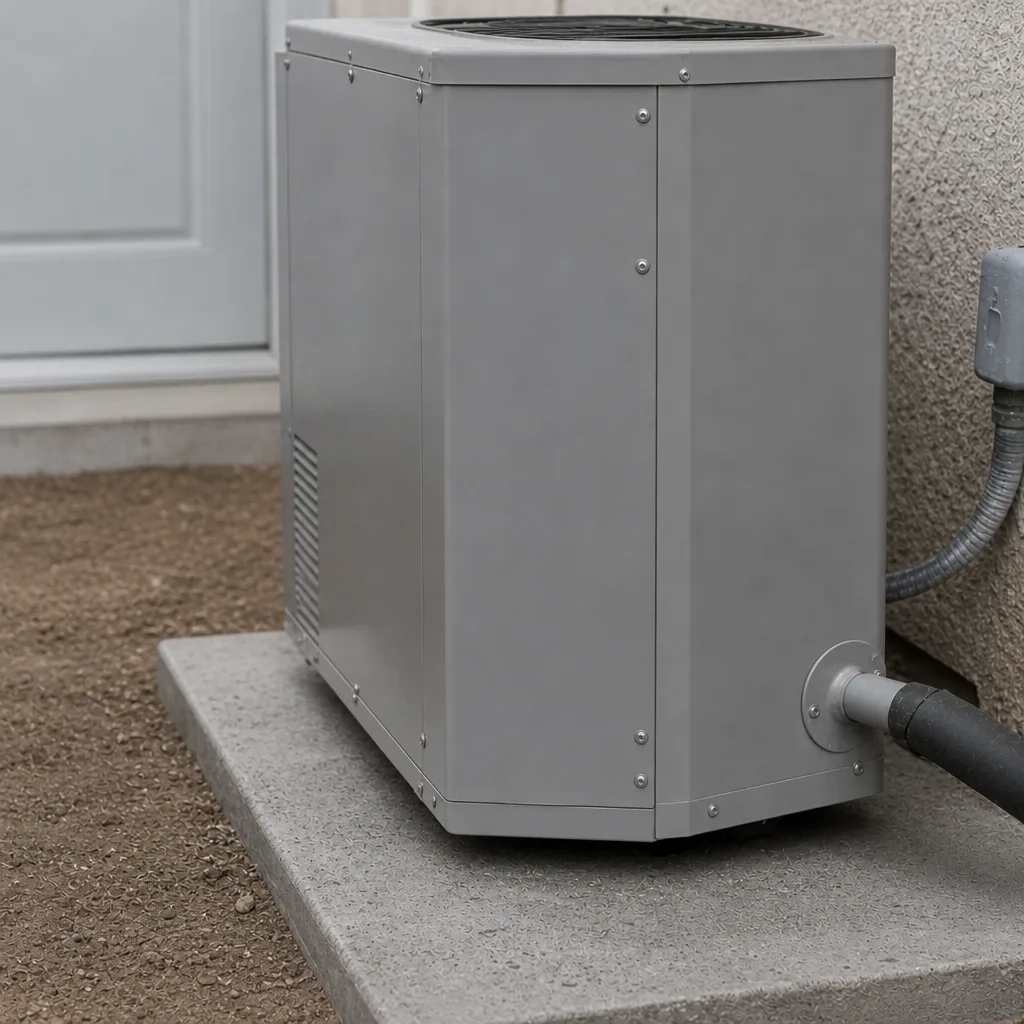 After
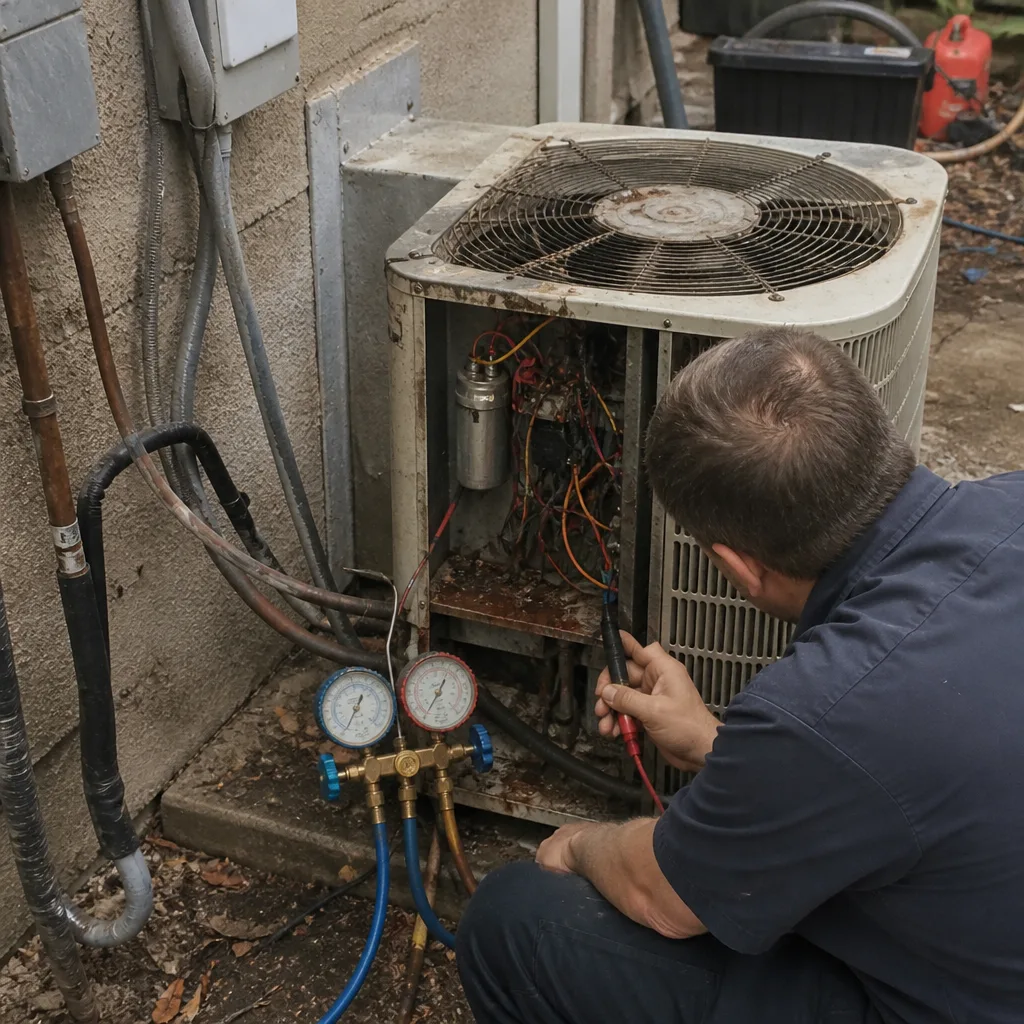 Before
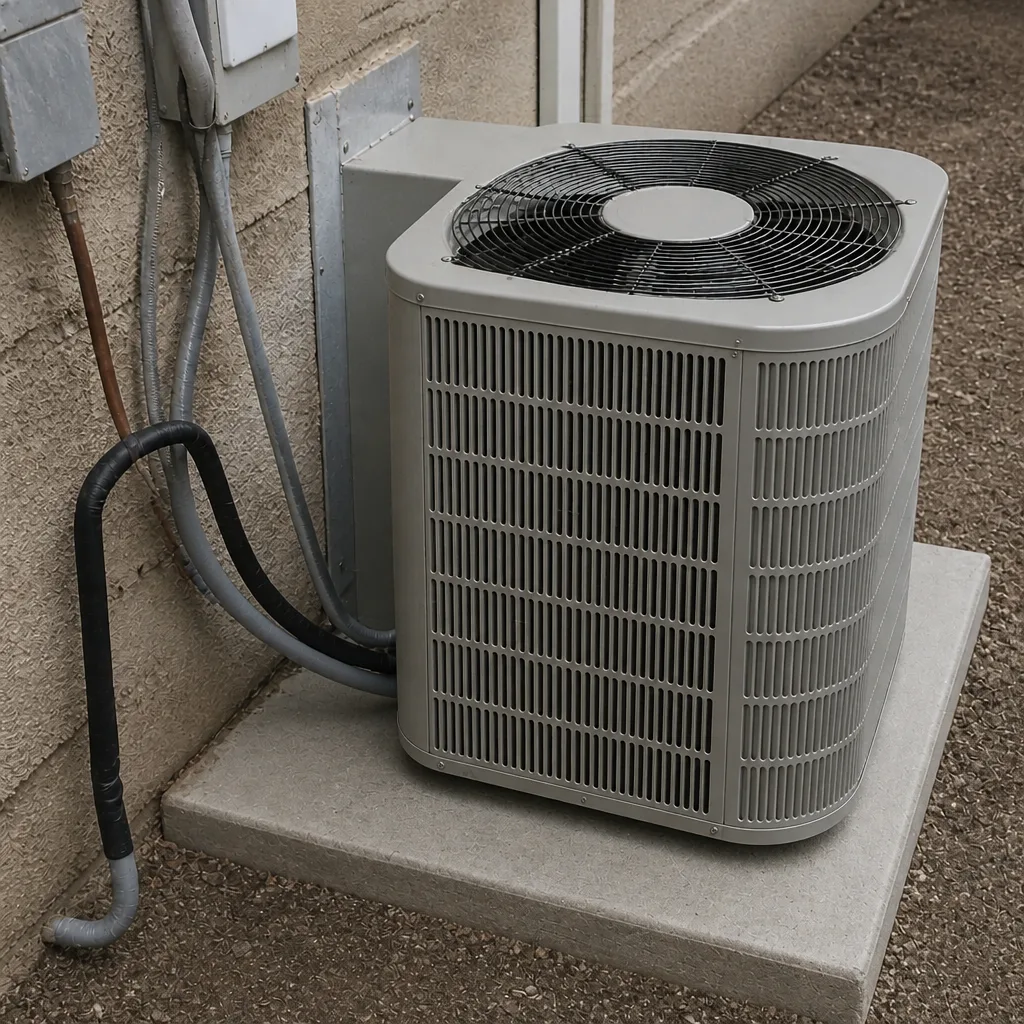 After
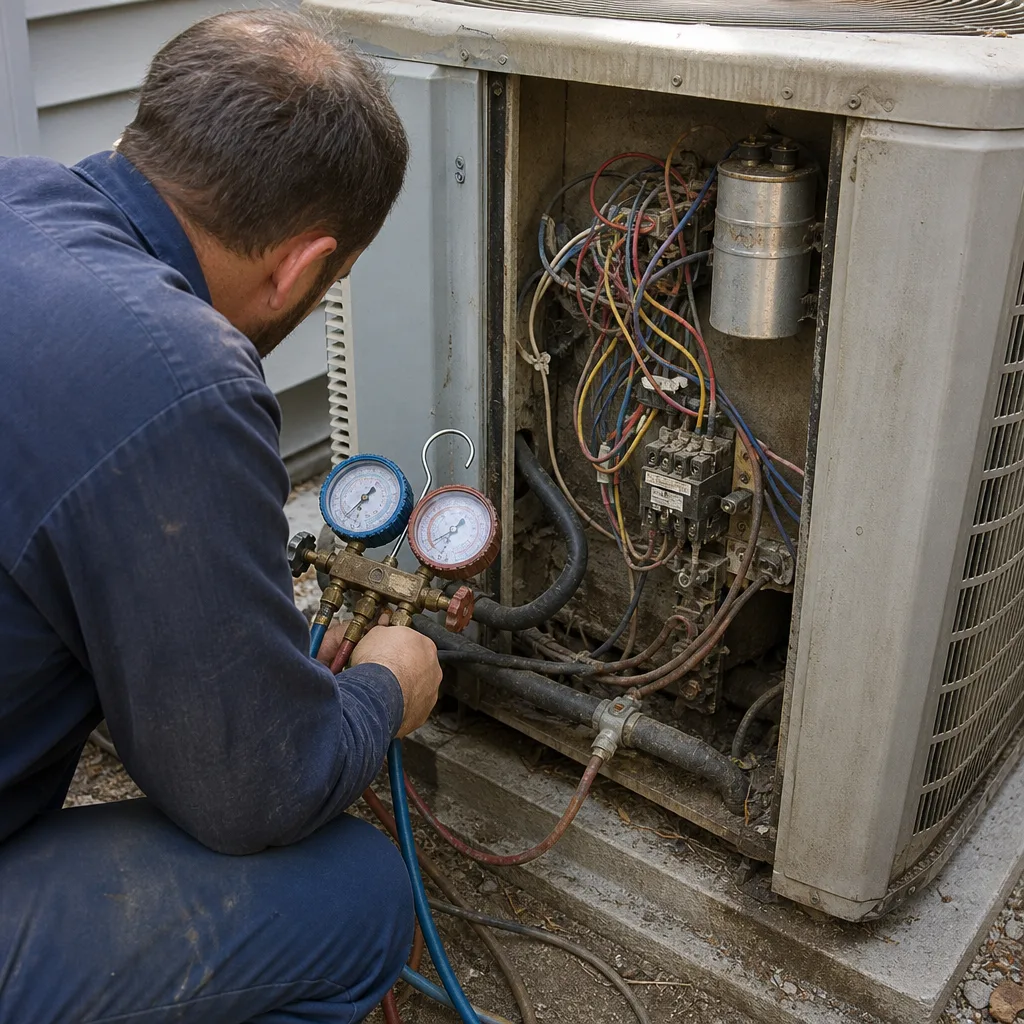 Before
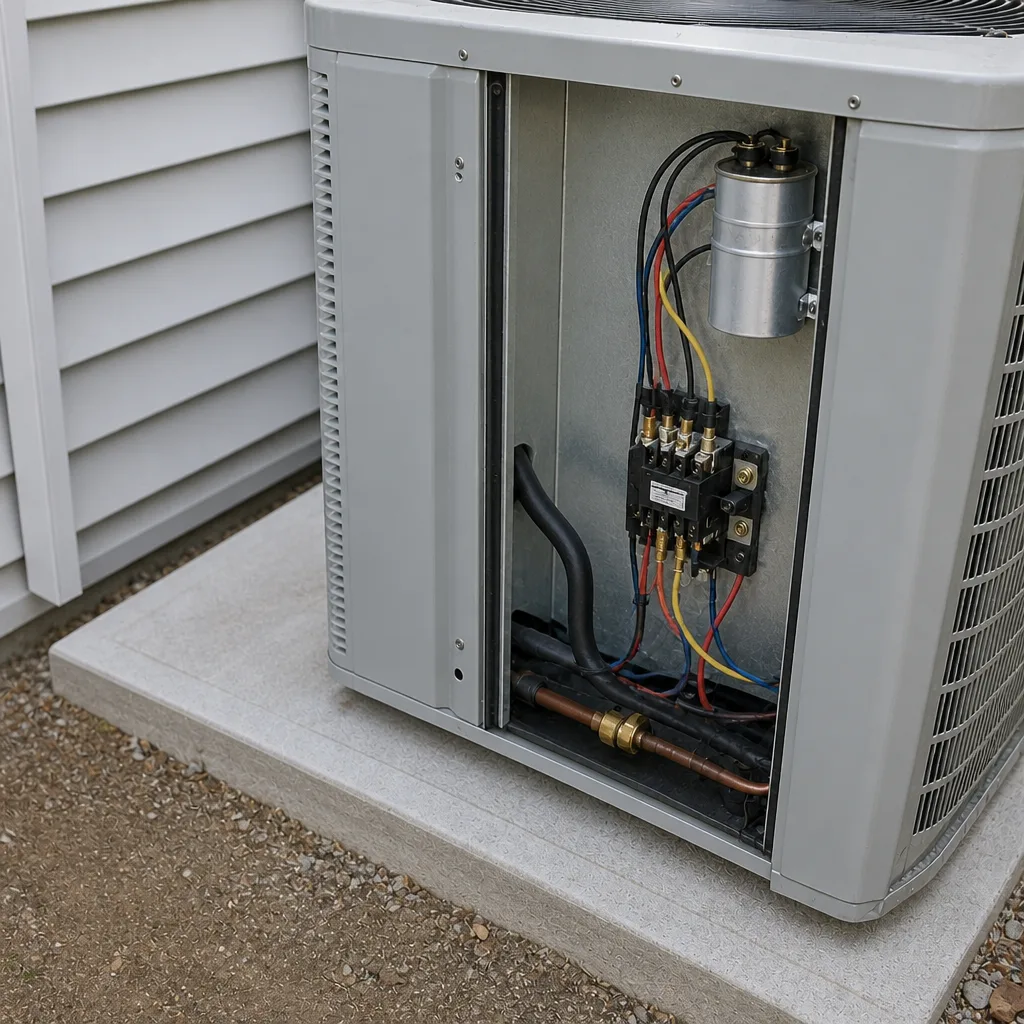 After
Frequently Asked Questions
No. Under Section 608 of the federal Clean Air Act, anyone who handles refrigerant must be EPA 608 certified, and Nevada also requires a licensed HVAC contractor for the work. Handling refrigerant without certification can bring federal fines and is genuinely dangerous. Call (844) 455-2034 for a leak search and proper recharge.
No. Filter changes are routine maintenance and don’t affect your warranty. What voids a warranty is unlicensed work on the sealed system, electrical components, or refrigerant circuit, or using non-approved parts. The filter is yours to change.
Check three things: the filter (replace if dirty), the breaker (reset once), and the thermostat (batteries and settings). Also clear debris around the outdoor unit. If the system still doesn’t cool after those, it’s time to call.
No, for two reasons. Refrigerant charging and the line-set evacuation both require EPA certification and gauges, and most manufacturer warranties require licensed installation. An unlicensed install can void the factory warranty on day one. We quote new system work in writing with a fixed price.
Most common repairs – a capacitor, a contactor, a blower motor – fall in the $150 to $600 range depending on the part and the diagnostic. A diagnostic visit is upfront, and you see the readings and the numbers before any work begins. Call (844) 455-2034 for an exact quote.
A tripping breaker is a signal, not a problem to reset away. It usually means a failing compressor, a shorted wire, or a bad capacitor drawing more current than the circuit allows. Repeated resets can turn a small repair into a full system replacement. Call us for a diagnostic.
The Bottom Line
The line is clear, and it’s not arbitrary. Cleaning the filter, clearing the condenser, combing the fins, and one breaker reset are yours. Refrigerant, electrical components inside the cabinet, the sealed circuit, and new installation belong to a licensed technician – not because of gatekeeping, but because the law, the warranty, and the physical risk all point the same direction. In our experience, the DIY fixes that hurt most are the ones that felt safe, like swapping a capacitor with the wrong rating or adding refrigerant to a leak. When in doubt, call. A diagnostic is cheaper than a compressor, and the honest answer costs nothing. If you’re in Enterprise and want a straight answer before you spend, we’re here.
For repair, maintenance, or a free second opinion on any written estimate, call Ray’s Heating & Air Enterprise at (844) 455-2034. We serve Enterprise and the surrounding communities with AC repair and installation, plus heating, furnace, heat pump, and mini-split work. Our phones are answered by a live person around the clock – including the owner himself. Ask anyone on your street. Explore our AC Repair & Installation in Enterprise service, our Heating & Furnace in Enterprise work, and our Heat Pump & Mini Split in Enterprise services, or visit the Ray’s Heating & Air Enterprise home page. We’re locally owned and owner-operated – here’s my cell for the after-hours calls.
Written by the team at Ray’s Heating & Air Enterprise.