
Last updated November 17, 2026
 AC repair
 Furnace & heating
 Heat pumps
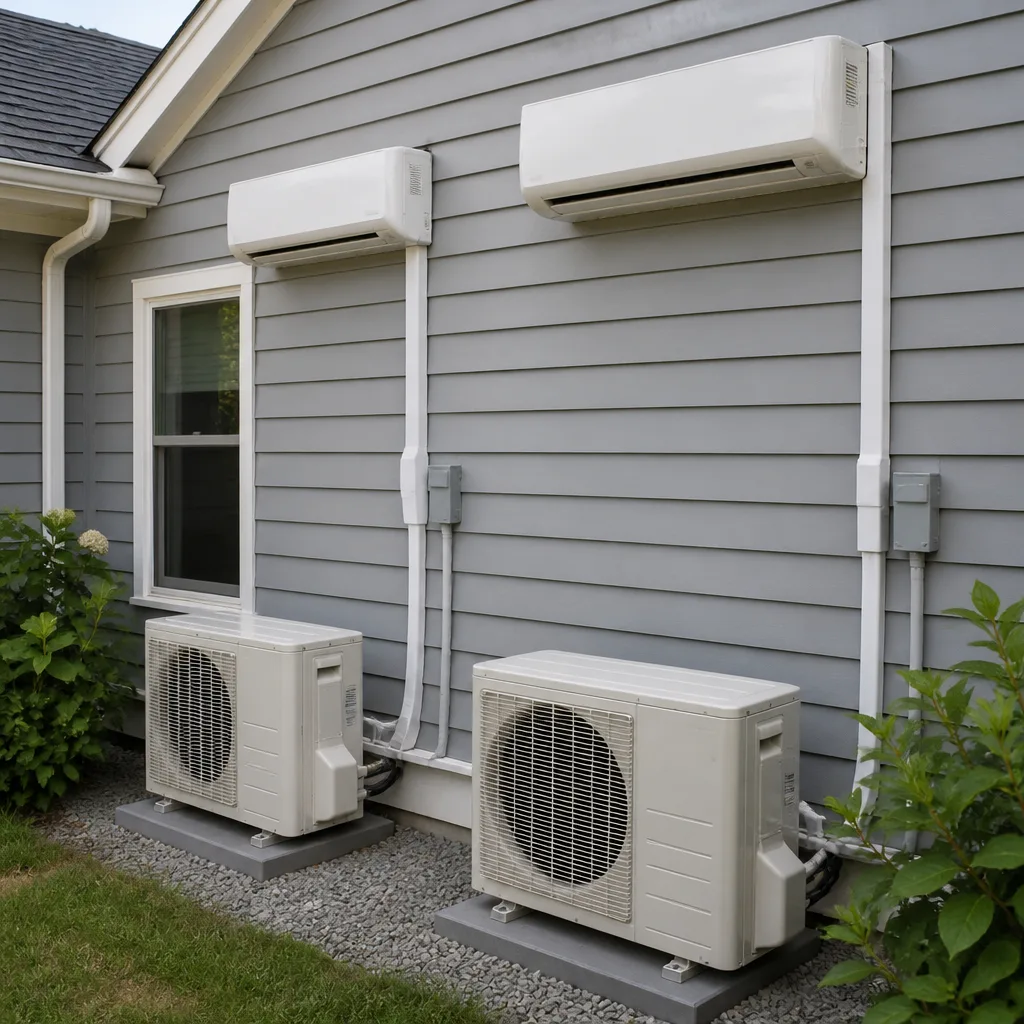 Ductless mini splits
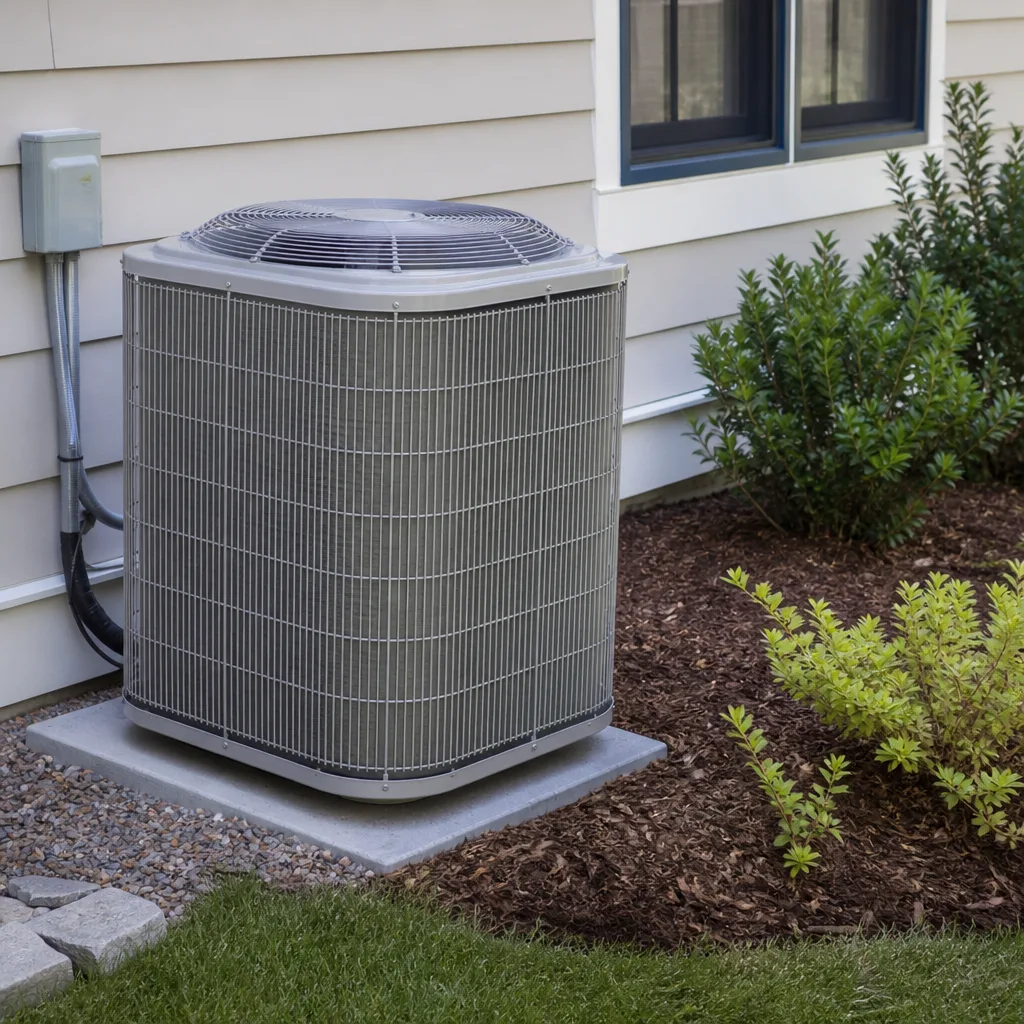 Carrier
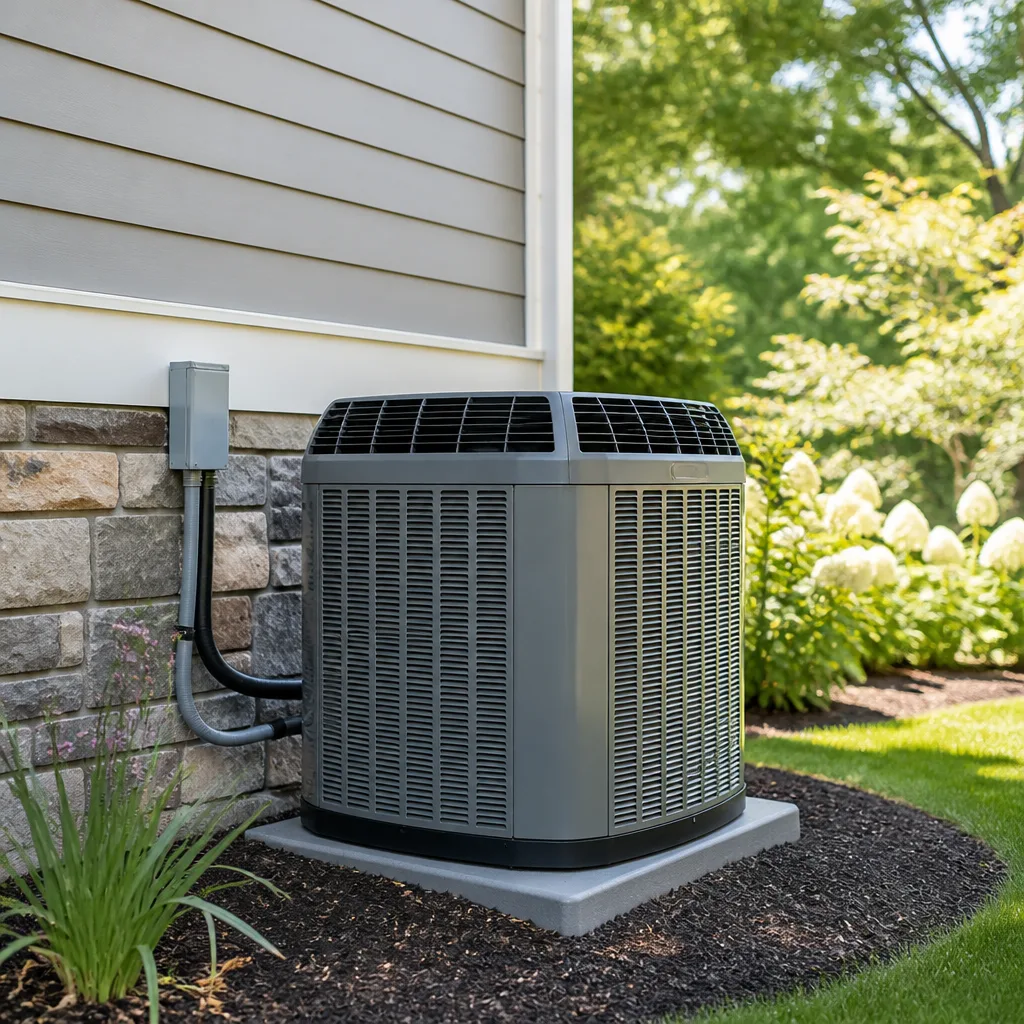 Trane
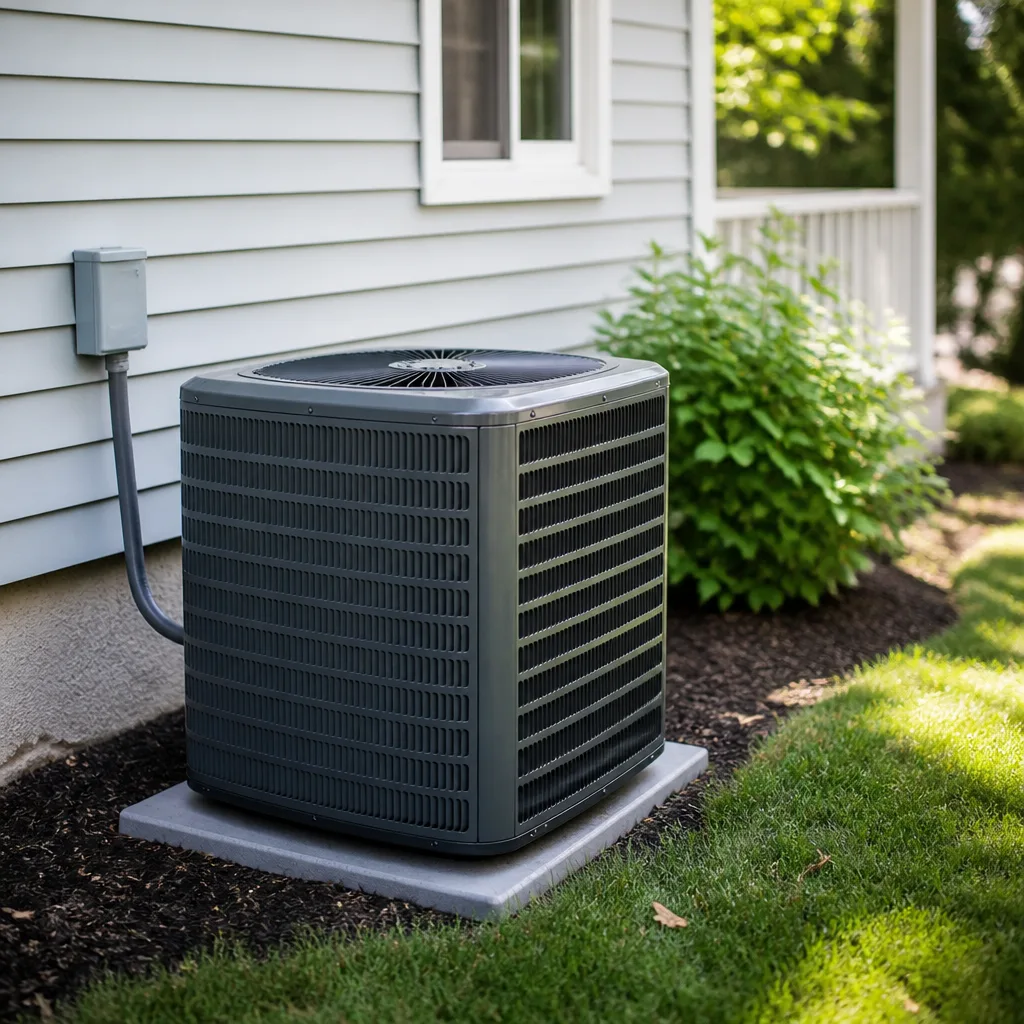 Goodman
Seasonal tune-up and full diagnostic on your Carrier, Trane, or Goodman system - readings shown to you before any repair is proposed
Diagnosis first, numbers second - you approve the repair price before a single part goes in.
Get your free estimateThe Complete AC Repair & Installation Guide for Enterprise Homeowners
Most AC guides are written for somewhere that hits 85 degrees in July. Enterprise hits 115. That’s not the same machine, and it’s not the same advice. If you live in a 2003-built tract house off Blue Diamond or Silverado Ranch, your system faces a climate and a soil the generic guides never account for. Caliche under the slab traps heat. Hard water eats condenser coils. And far too many of these homes got undersized units when they went up fast in the 2000s. This guide walks through what actually goes wrong in Enterprise, how to tell a repair worth making from one that isn’t, what Nevada licensing really requires, and which brands hold up when it’s 115 for three weeks straight.
Quick Answer
In Enterprise, AC problems usually come from undersized units in 2000s-era tract housing, caliche and hard water shortening condenser coil life, and capacitors that fail before compressors ever do. A real diagnosis starts with readings, not guesswork. Most repairs run $180 to $650, a full system replacement runs $5,800 to $14,000, and the right call depends on your unit’s actual capacity and condition, not on a phone quote.
Styles & brands we work with
- AC repair
- Furnace & heating
- Heat pumps
- Ductless mini splits
- Carrier
- Trane
- Goodman
Table of Contents
- Why Are So Many Enterprise Units Undersized?
- How Caliche and Hard Water Shorten Your Condenser’s Life
- A Repair That Buys Two Summers vs. One That Makes Sense
- What Nevada Contractor Licensing Actually Requires
- Which Brands Hold Up in Enterprise Desert Heat
- What AC Work Costs in Enterprise
- How an AC Installation Should Actually Run
- Keeping a Desert System Alive Between Calls
Why Are So Many Enterprise Units Undersized?
Because the homes went up fast. Enterprise grew from empty desert to filled subdivisions in about a decade, and in tract housing built during that run, the unit size often got picked by square footage alone. No manual J load calculation, no accounting for west-facing walls with no shade, no adjustment for a slab that bakes at 150 degrees by mid-afternoon. The result is a system rated for a milder climate, installed in one of the hottest zip codes in the country.
You can spot an undersized unit without instruments. Watch for these:
- It runs nonstop from June through September and still can’t hold 78 degrees by 4 p.m.
- The house cools fine at night but loses ground every afternoon like clockwork.
- Your electric bill spikes in July far beyond what neighbors report.
- The air coming out of the vents feels cool but weak, because the unit is moving too little refrigerant for the load.
- You’ve had the same “it’s just working hard” explanation three seasons running.
In our experience, undersized systems fail early because they never rest. A properly sized unit cycles and recovers. An undersized one wears itself out. If yours checks several of those boxes, the honest answer may not be another repair. It may be a right-sized replacement, and that starts with a real load calculation rather than a guess. You can read more about how we size and install in our AC Repair & Installation in Enterprise page.
How Caliche and Hard Water Shorten Your Condenser’s Life
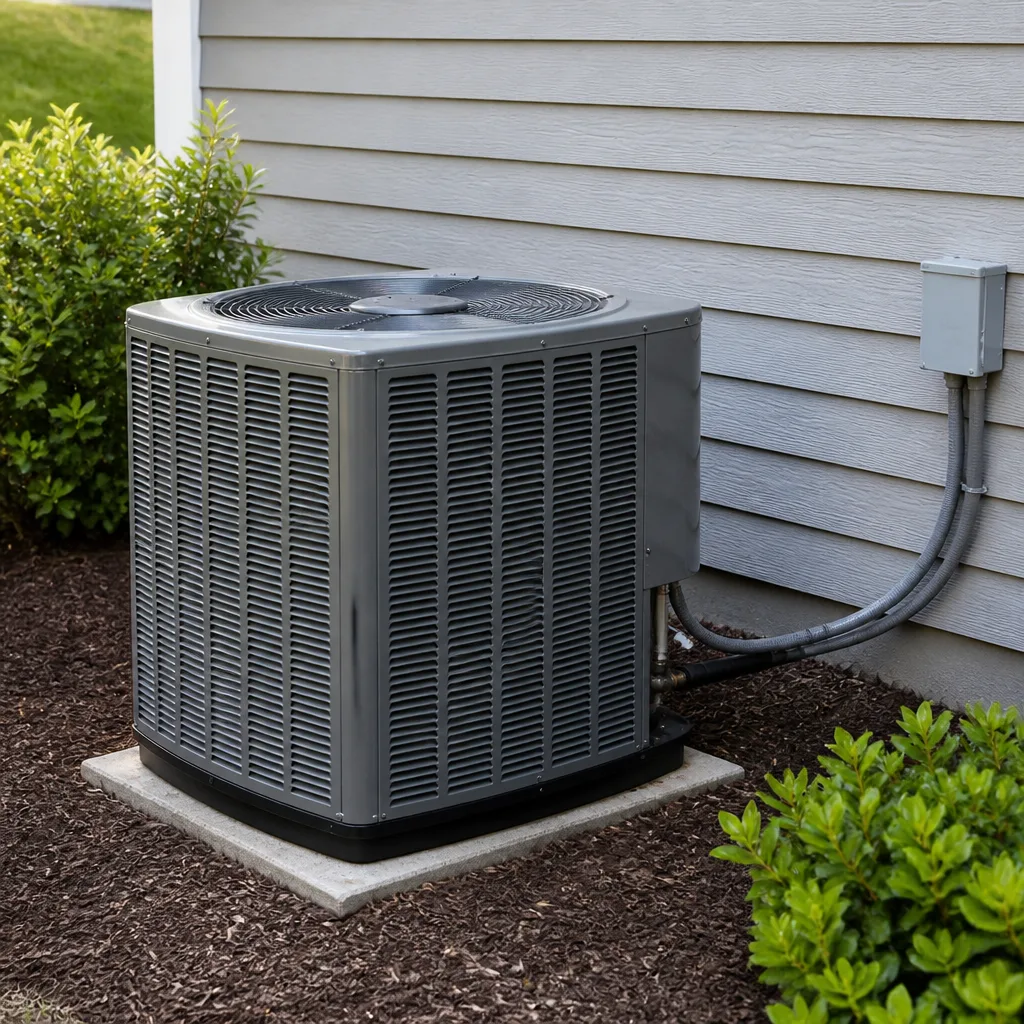
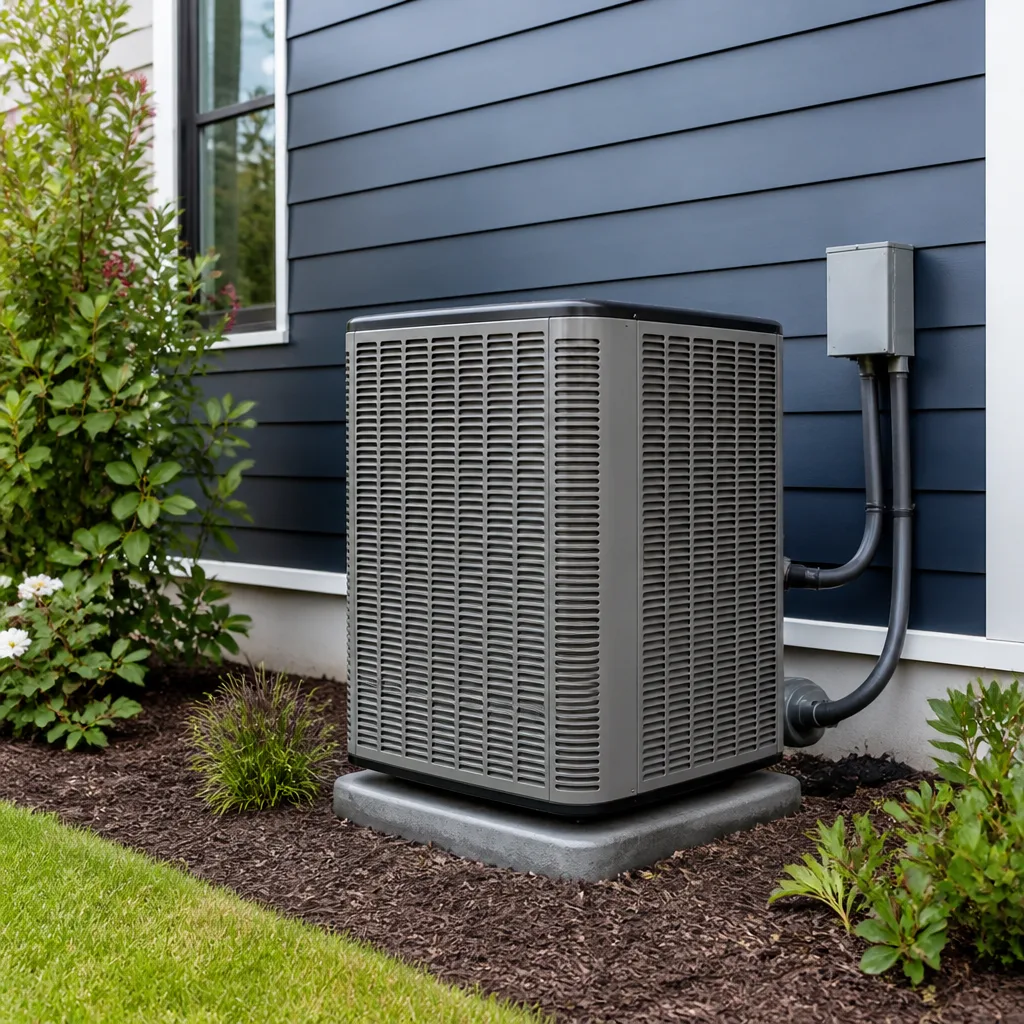
Caliche is the cemented calcium layer under most of the Las Vegas Valley, and it does two things to an AC system. It traps heat and it holds water where you don’t want it. Condensers sit on pads over that soil, and in Enterprise the ground radiates stored heat back up into the coil all evening. A unit that should shed heat fast has to work against the ground itself. That’s part of why coils here run hotter than the same model would in a milder market.
Hard water is the second problem. Enterprise water carries heavy mineral content, and every time the system’s condensate or coil cleaning involves that water, minerals deposit on the fins. Over a few seasons, scale builds up and the coil stops rejecting heat efficiently. The compressor then runs longer and hotter, and that’s where the real money goes.
What actually protects a condenser in Enterprise:
- Coil cleaning on a real schedule, not once every five years.
- Rinsing with filtered or softened water where minerals are heavy.
- Checking pad drainage so water doesn’t pool against the caliche.
- Keeping two feet of clearance and shade-tolerant landscaping off the unit.
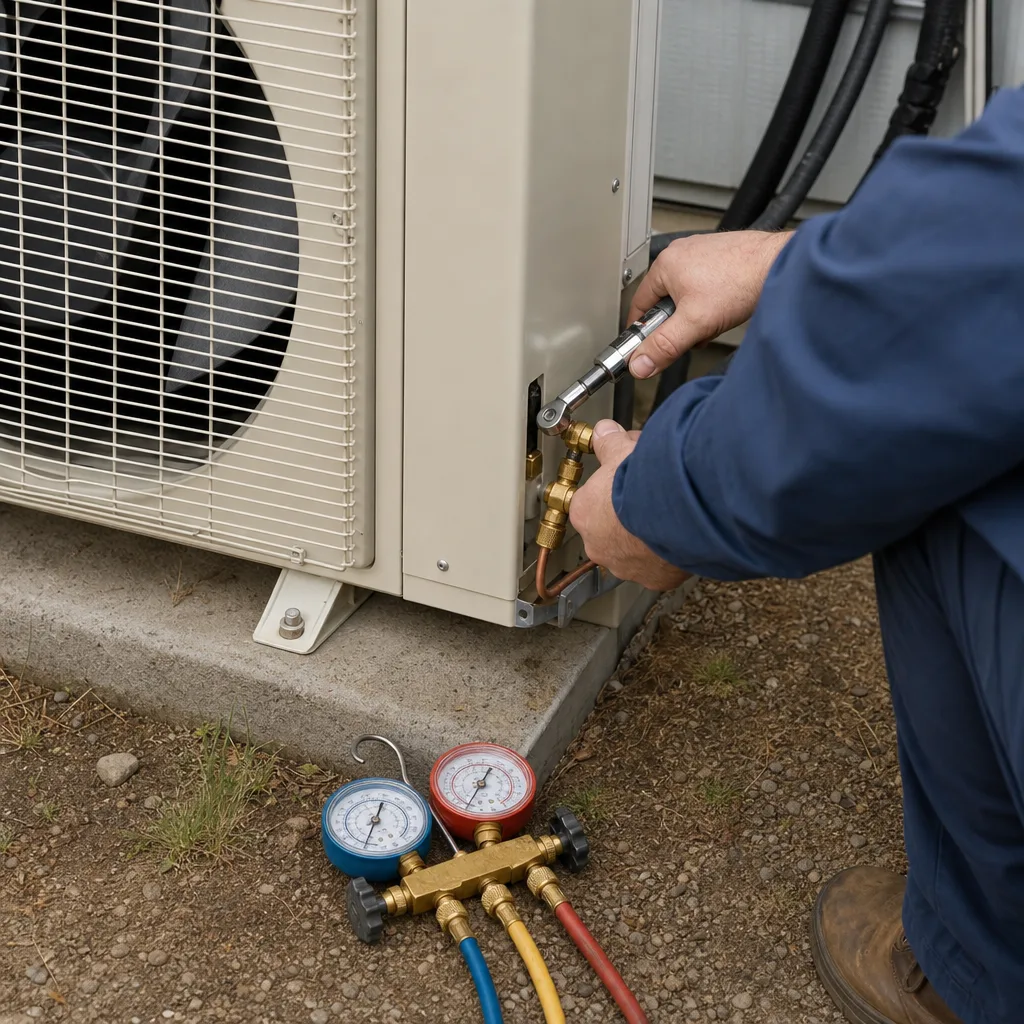
When a coil is scaled and the compressor is already stressed, we test the capacitor before anyone says the word compressor. That single test saves customers thousands because a $180 capacitor is not a $2,400 compressor. Readings first, numbers second. You see both before any work begins.
A Repair That Buys Two Summers vs. One That Makes Sense
Here’s the distinction most homeowners never get told clearly. Some repairs buy you a couple more summers. Others just push the failure down the road a few months while you keep paying. The difference is whether you’re fixing a component or propping up a system that’s already at the end of its useful life.
A repair that buys real time usually looks like this:
- The unit is under 12 years old.
- It’s properly sized for the house (or close).
- The failed part is a capacitor, contactor, blower motor, or a refrigerant line issue.
- The compressor and coil are healthy on a gauge reading.
A repair that doesn’t make sense looks different. The unit is 15-plus years old, the compressor is drawing high amps, the coil is scaled past cleaning, and this is the third failure in 18 months. At that point, another $600 repair is really a down payment on a replacement you’ll make anyway.
We’ve watched homeowners in Enterprise pay for the same fix three times because nobody showed them the readings. Ask for the numbers. If a company can’t or won’t show you gauge readings and amp draw, that tells you something. Our Heating & Furnace in Enterprise page covers the same logic on the heating side, since a furnace at the end of its life follows the same rule.
What Nevada Contractor Licensing Actually Requires
Nevada requires a state contractor’s license for HVAC work, and the license has classifications that matter. The Nevada State Contractors Board issues licenses by classification, and air conditioning and heating work falls under the appropriate classification for that trade. Anyone doing this work on your home should hold a valid, active license with the board, and you can verify it yourself in minutes.
How to check before anyone touches your system:
- Go to the Nevada State Contractors Board website.
- Search by the contractor’s license number or business name.
- Confirm the license is active, not suspended or expired.
- Confirm the classification covers the work being quoted.
- Ask for the license number in writing on the estimate.
Ray publishes his name, address, and license number so anyone can verify them. That’s not a marketing line. It’s the difference between a company you can hold accountable and a rotating crew you’ll never see twice. When you’re comparing written estimates, this is exactly where a Free Second Opinion pays off. Bring us the other company’s written estimate and we’ll read it with you. If the numbers are fair, we’ll say so.
Which Brands Hold Up in Enterprise Desert Heat
After more than two decades of callbacks and, more tellingly, the lack of callbacks, some patterns are clear. Carrier and Trane both hold up well in desert conditions when they’re sized and installed correctly. Lennox is solid too, and American Standard has a good track record in this market. The honest truth is that installation quality and sizing matter more than the badge on the unit. A well-sized Carrier that was commissioned properly will outlast a premium unit crammed into an undersized slot.
What we look at across brands in this climate:
- Coil construction and how it handles mineral scaling.
- Compressor protection and how the unit behaves under long runtimes.
- Parts availability locally, since a part that takes a week to arrive in July is its own problem.
- Whether the model has a history of early capacitor or fan motor failure in heat.
We service all major brands, and we won’t steer you to a brand because of a spiff. If your existing unit is a Goodman that’s been running fine for 14 years, replacing it with the same when it finally goes makes sense. The brand question comes second to the sizing question. Always has.
What AC Work Costs in Enterprise
Prices here reflect desert conditions and real diagnostics. These are typical ranges we see in Enterprise, and they’re the numbers you should expect to hear before any work starts.
- Capacitor replacement: $180 to $320
- Contactor or relay: $200 to $380
- Blower motor: $450 to $850
- Refrigerant recharge and leak repair: $350 to $1,200
- Condenser coil cleaning: $150 to $350
- Compressor replacement: $1,600 to $2,900
- Full system replacement: $5,800 to $14,000 depending on size, brand, and duct work
Two of our standing offers cut those numbers. We take $40 off any repair over $200, and there’s no trip charge inside the county. Senior and veteran customers get an additional 10% discount. Those are the four standing promotions we run, and we don’t invent others. Call (844) 455-2034 for an exact quote, and estimates are free.
On a full replacement, we won’t promise you a same-day install. That work is load-calculated, equipment has to be ordered, and the install gets scheduled. What we do promise is a written fixed price and a set install date.
How an AC Installation Should Actually Run
A correct installation in Enterprise starts with a load calculation on your actual house. Not a neighbor’s identical floor plan, not a square-footage chart. Yours, with its orientation, window count, insulation, and shade. Here’s the sequence we follow:
- Load calculation on the existing home, using real measurements.
- Equipment selection sized to that load, not to the old unit’s label.
- Duct inspection, because a right-sized unit on leaky ducts still underperforms.
- Line set and electrical check before the new unit goes in.
- Commissioning and a documented set of readings at startup.
- A walkthrough where you see the numbers and get them in writing.
Every job carries the 90-Day Done Right Promise. If it’s not done right, we make it right, and one call brings us back. That’s stamped on every heating and cooling job in writing. If a company quotes you an install without a load calculation, ask why. In a climate where an undersized unit can’t keep up even when it’s brand new, the load calculation is the whole ballgame. Our Heat Pump & Mini Split in Enterprise page covers how that sizing logic shifts for heat pumps and ductless systems.
Keeping a Desert System Alive Between Calls
Desert heat is hard on a system, and the small habits stretch its life. Change the filter monthly in cooling season, because dust here loads filters fast. Keep the outdoor unit clear of debris and shaded where you can. Watch for ice on the refrigerant lines, which means low charge, not a cold unit. And get a real tune-up before June, not after the first breakdown.
When something does fail in July, phones get answered by a live person, day or night. You won’t get a voicemail maze. Call (844) 455-2034 and you’ll reach someone who can help. Start from our Ray’s Heating & Air Enterprise home page if you want the full picture of what we cover.
Common Mistakes to Avoid
- Accepting a phone quote as final. A price given before anyone sees your system is a guess. In Enterprise, where undersizing is common, that guess is often wrong in both directions.
- Letting a scaled condenser coil go unaddressed. Hard water and caliche make coil cleaning a maintenance item here, not a luxury. Skip it and the compressor pays the price.
- Replacing a capacitor with the cheapest part available. In this heat, the cheap capacitor is the one that fails next August. Ask what’s going in.
- Hiring without checking the Nevada license. It takes two minutes on the state board site. Do it before the truck pulls up.
- Oversizing to “be safe.” A too-big unit short-cycles, doesn’t pull humidity, and wears out early. Right-sized beats oversized every time.
- Paying for the same repair twice. If a fix doesn’t hold and nobody comes back, that’s not bad luck. That’s a company that won’t stand behind the work.
- Ignoring duct leaks because the unit is new. A new unit on old leaky ducts in a 2003 tract home still loses cold air into the attic.
See the difference
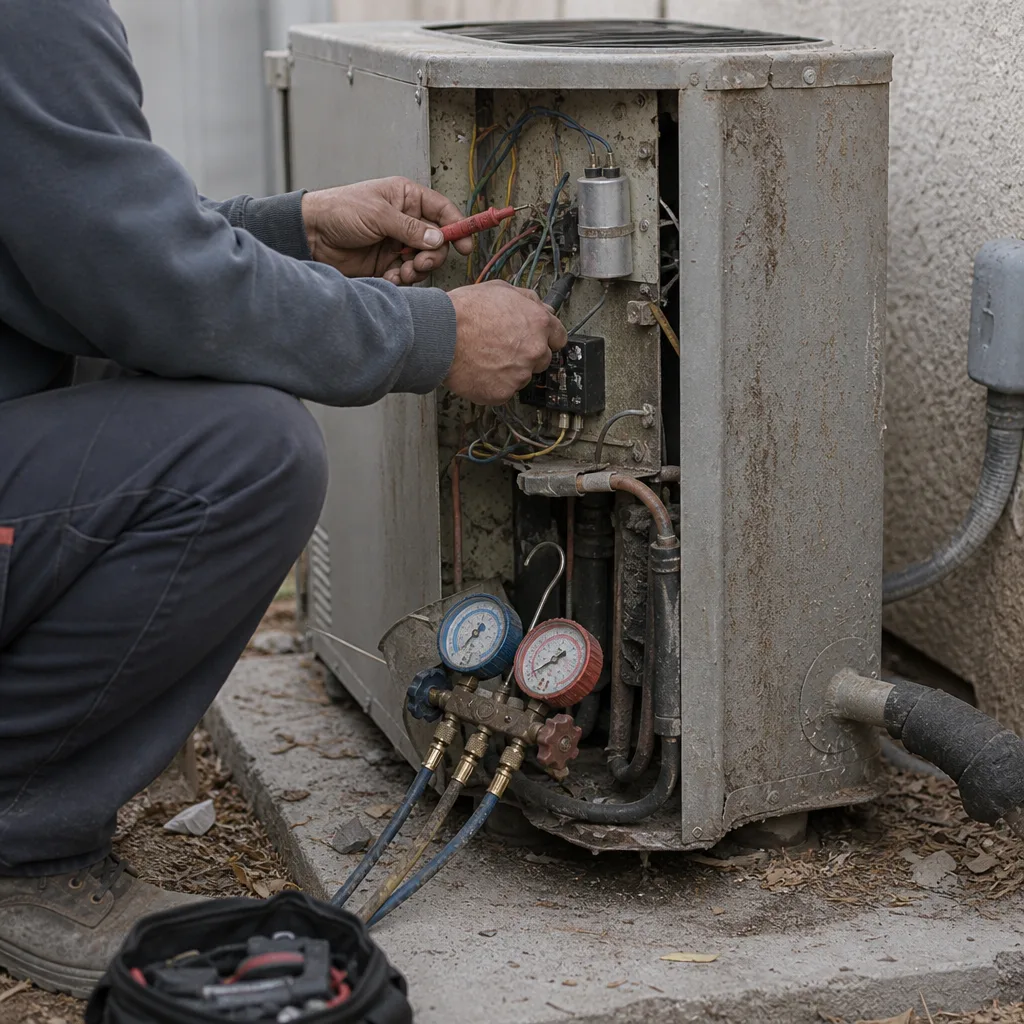 Before
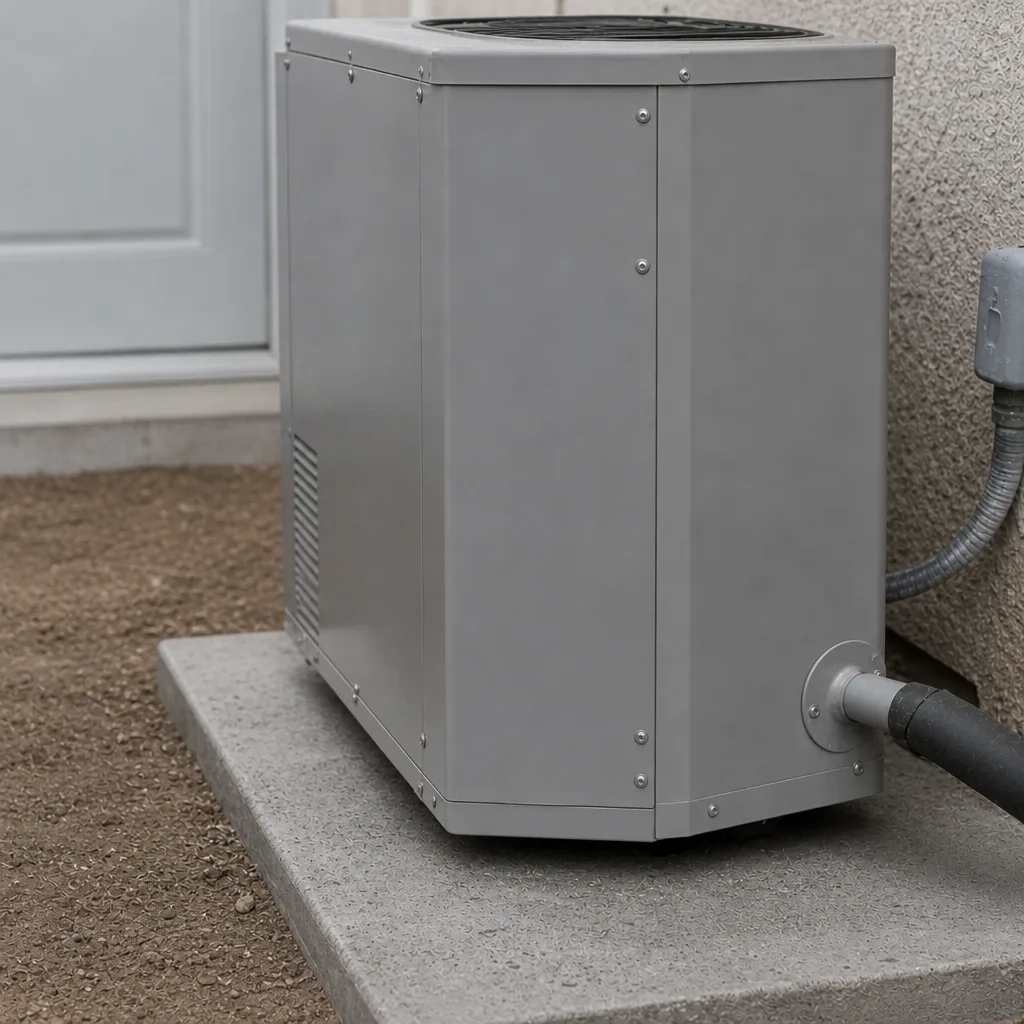 After
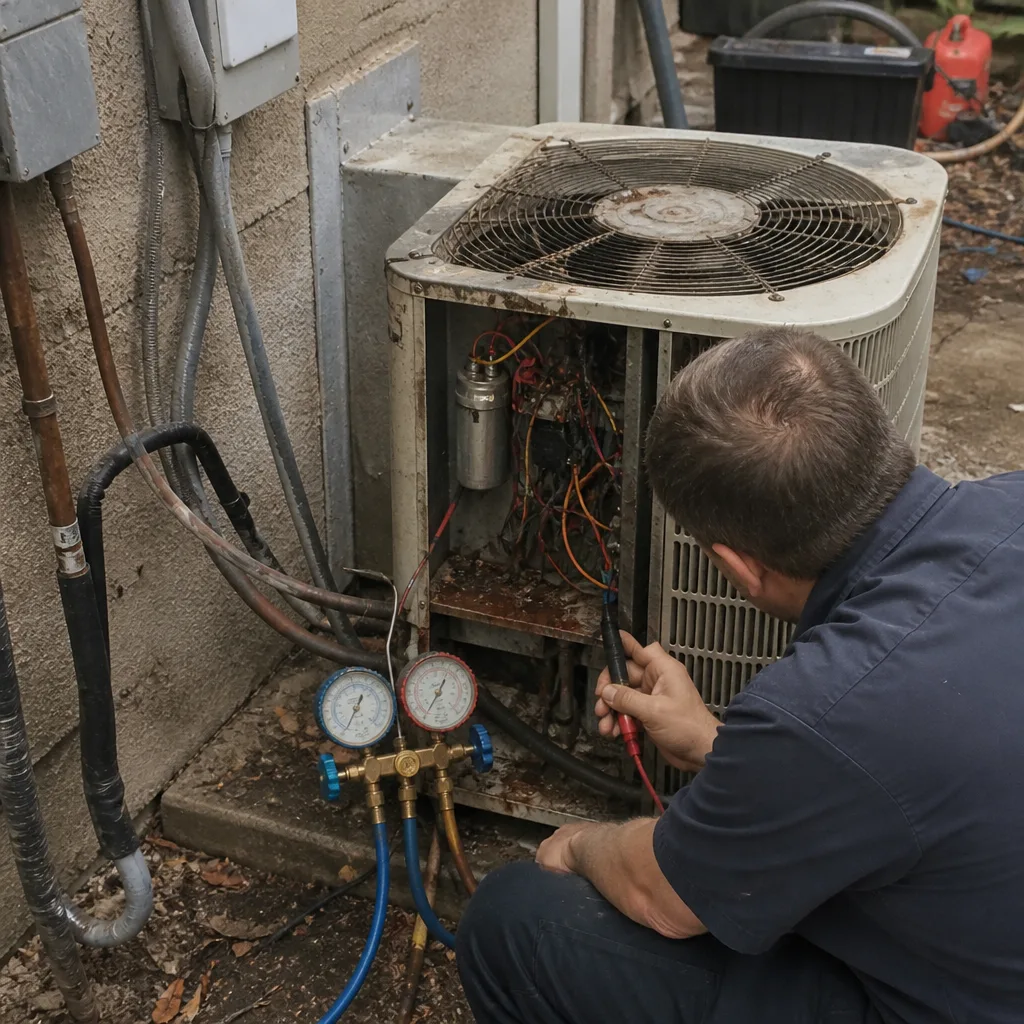 Before
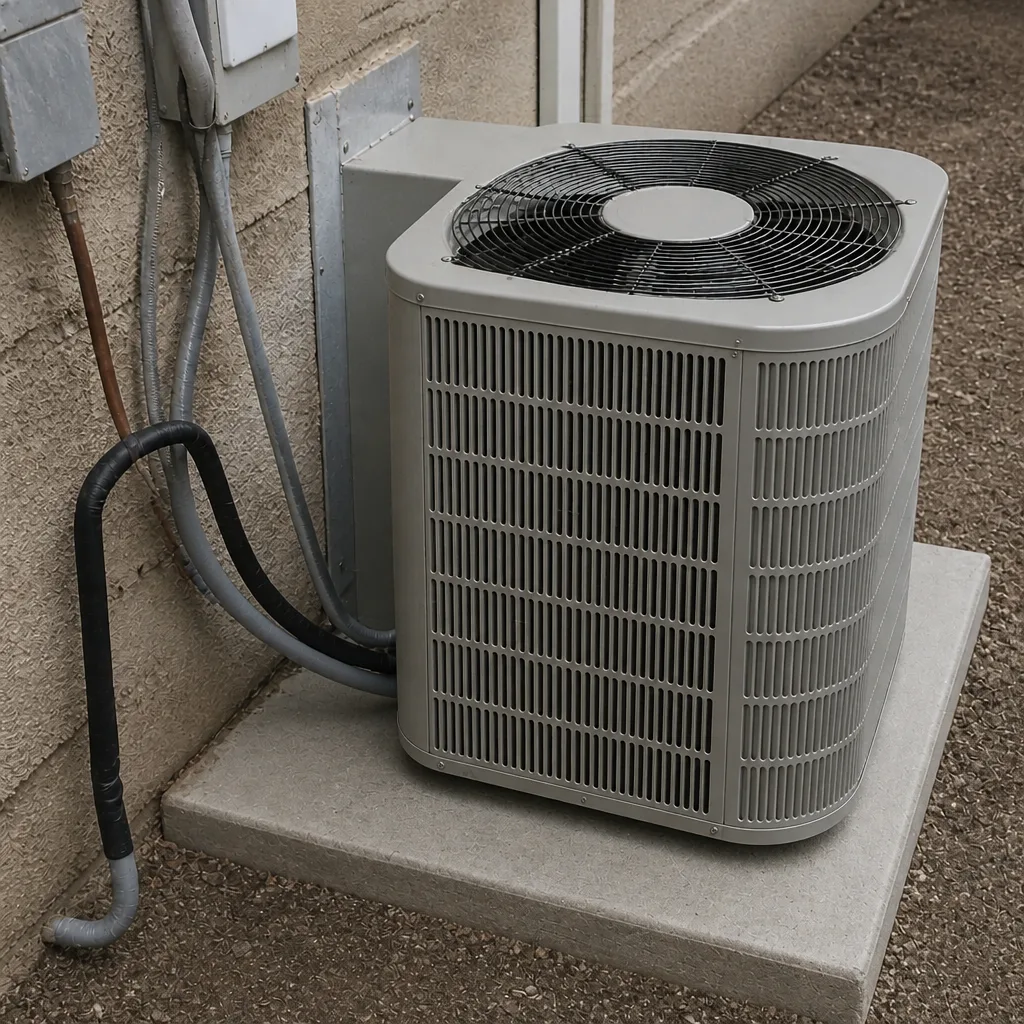 After
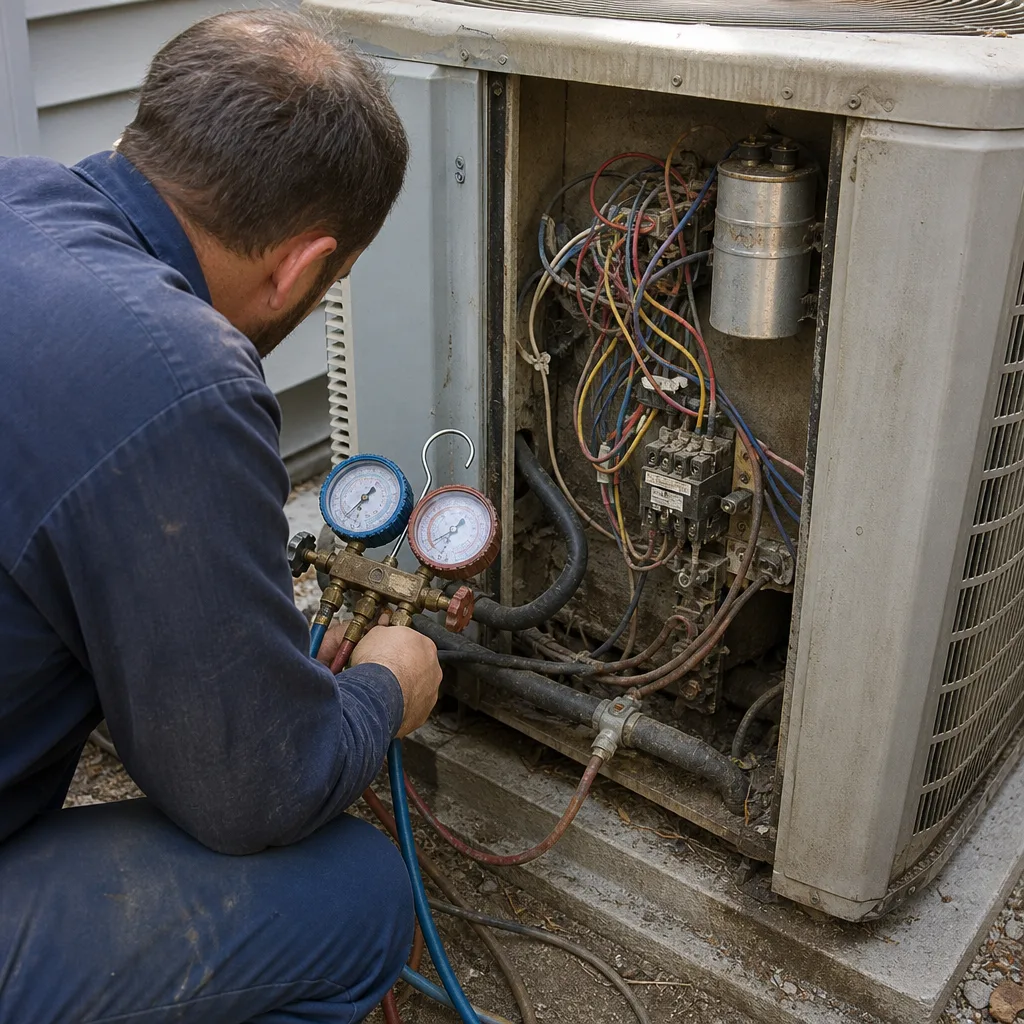 Before
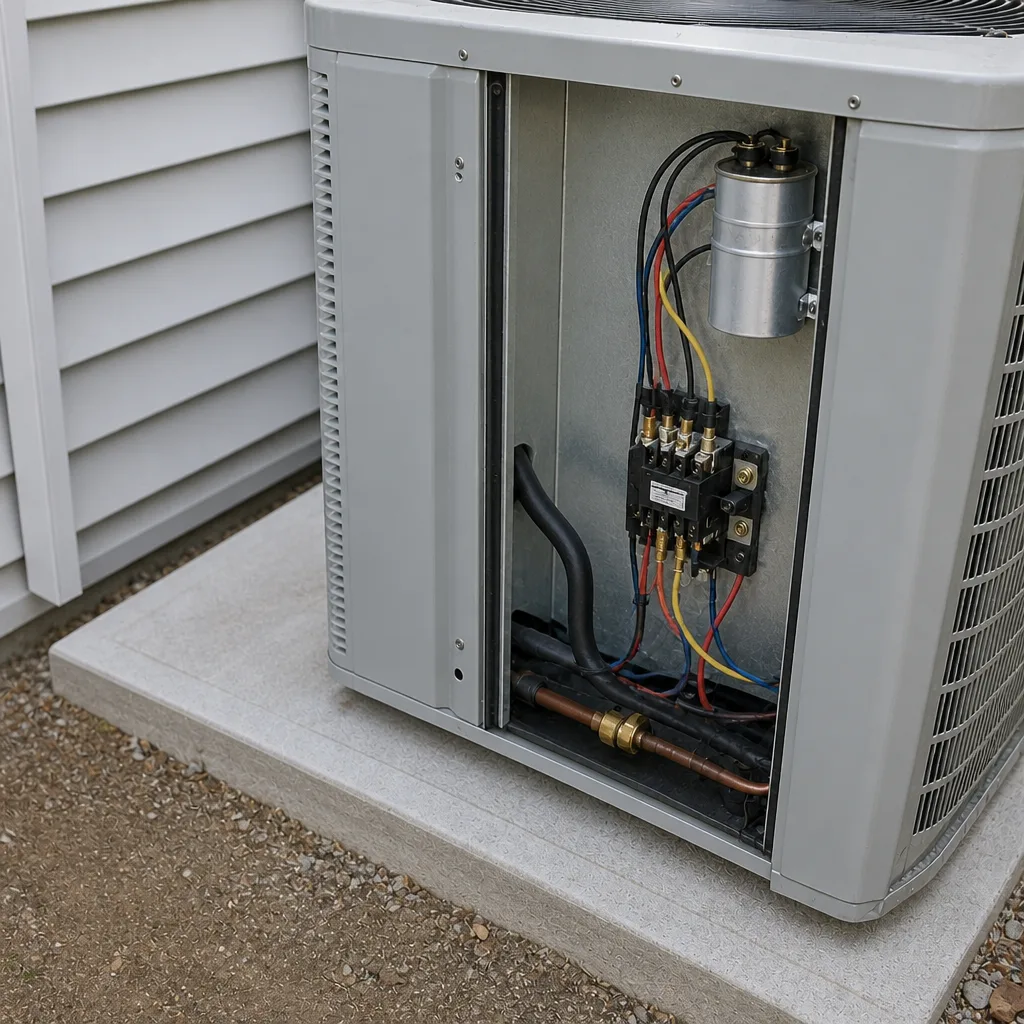 After
When to Call a Professional
Call when the unit runs but the house won’t cool below 80 on a hot afternoon, when you smell burning at the breaker, when the outdoor fan stops but the compressor keeps running, or when ice forms on the refrigerant lines. Call when the same part fails twice in a season. Call when you’re staring at a quote you don’t understand and want a second set of eyes on it, and call before a full replacement so you get a load calculation instead of a guess. Refrigerant work and compressor diagnostics require gauges, licensing, and training, and those aren’t homeowner jobs. Ray’s Heating & Air Enterprise offers free estimates in Enterprise and a Free Second Opinion on any written estimate. Call (844) 455-2034. Phones are answered by a live person around the clock.
Frequently Asked Questions
Most AC repairs in Enterprise run $180 to $650, with common fixes like capacitors landing near the low end and refrigerant or blower work higher. Full system replacement runs $5,800 to $14,000 depending on size and brand. Call (844) 455-2034 for an exact quote, and estimates are free.
In Enterprise, an AC that runs all day and can’t hold temperature is often undersized for the load, especially in homes built fast in the 2000s. It can also be a low refrigerant charge or a scaled condenser coil. A real diagnosis with gauge readings tells you which. Call (844) 455-2034 and we’ll check it.
You look them up on the Nevada State Contractors Board website by license number or business name and confirm the license is active with the right classification. Ask for the number in writing on the estimate. Call (844) 455-2034 if you want help reading a written estimate you’ve already got.
Repair makes sense if the unit is under about 12 years old, properly sized, and the failing part is a capacitor, contactor, or blower. Replace when the unit is 15-plus, the compressor is stressed, and it’s failed repeatedly. Call (844) 455-2034 for a free estimate.
Condenser coils in Enterprise should be cleaned at least once a year, and more often near dusty lots or where hard water scaling builds fast. Caliche soil and mineral-heavy water make coil maintenance a yearly item here, not a five-year one. Call (844) 455-2034 to schedule a cleaning.
Yes, we handle same-day AC repair in Enterprise when the schedule allows, and phones are answered by a live person around the clock. Full system replacement is scheduled after a load calculation, not same-day. Call (844) 455-2034 to check availability.
The Bottom Line
Enterprise is its own climate with its own problems: undersized units in 2000s tract housing, caliche that traps heat, hard water that scales coils, and 115-degree afternoons that don’t forgive a wrong-sized system. A repair that makes sense starts with readings, not a phone quote. A replacement that makes sense starts with a load calculation, not a guess. Check the Nevada license, ask for the numbers in writing, and work with someone who shows up again if it isn’t right. That’s the whole standard. If you want that conversation, we’re one call away.
We service all major brands, from Carrier and Trane to Lennox and American Standard, and our technicians have up to 24 years of experience. Our technicians are background-checked and uniformed, and you’ll see the same faces, not a rotating cast. Call (844) 455-2034 for a free estimate in Enterprise.
Written by the team at Ray’s Heating & Air Enterprise.