
Last updated November 17, 2026
 AC repair
 Furnace & heating
 Heat pumps
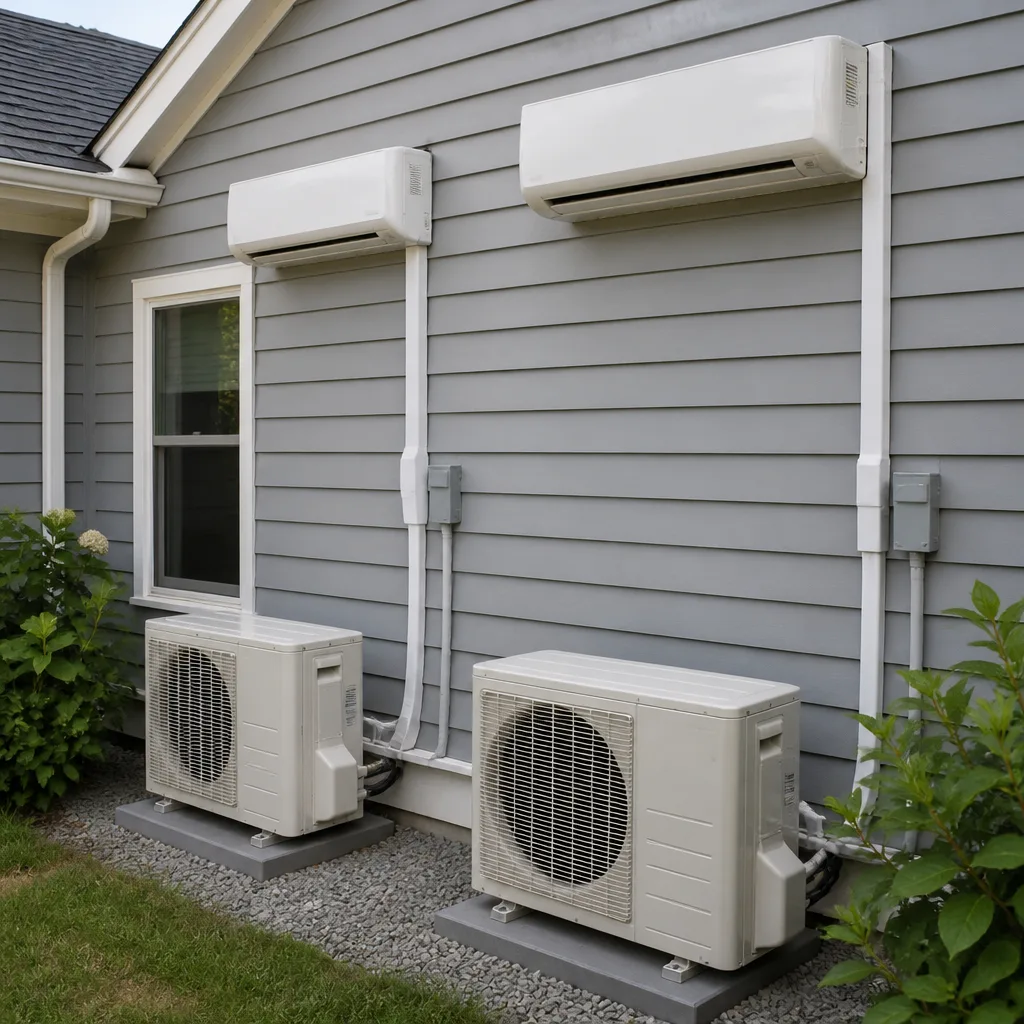 Ductless mini splits
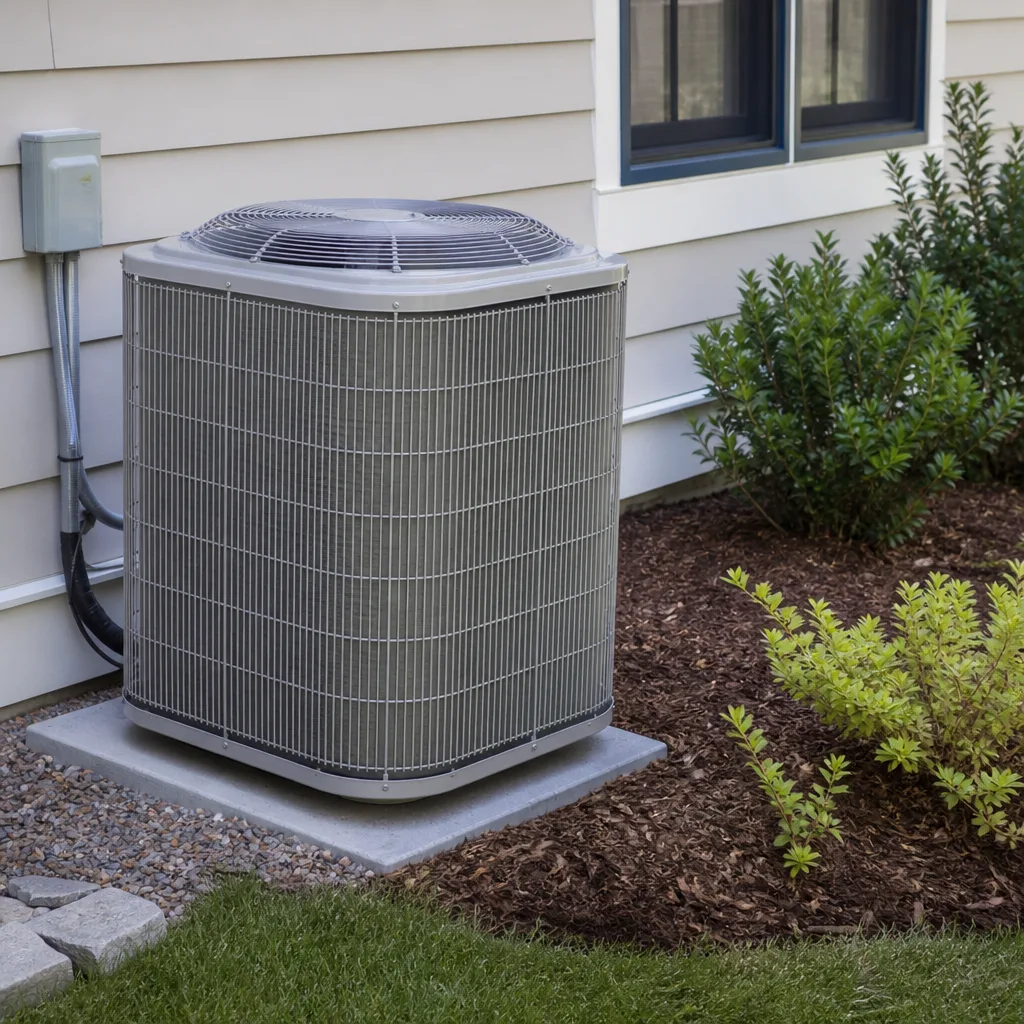 Carrier
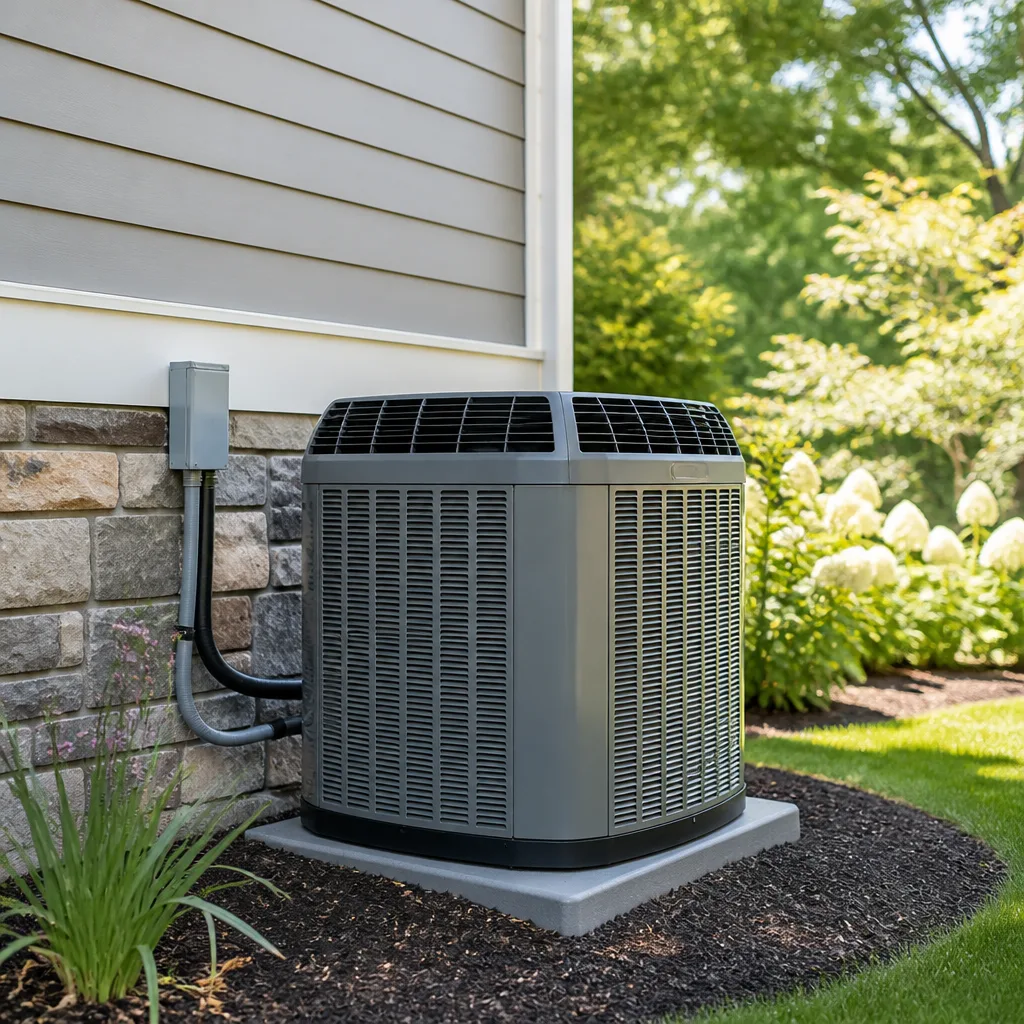 Trane
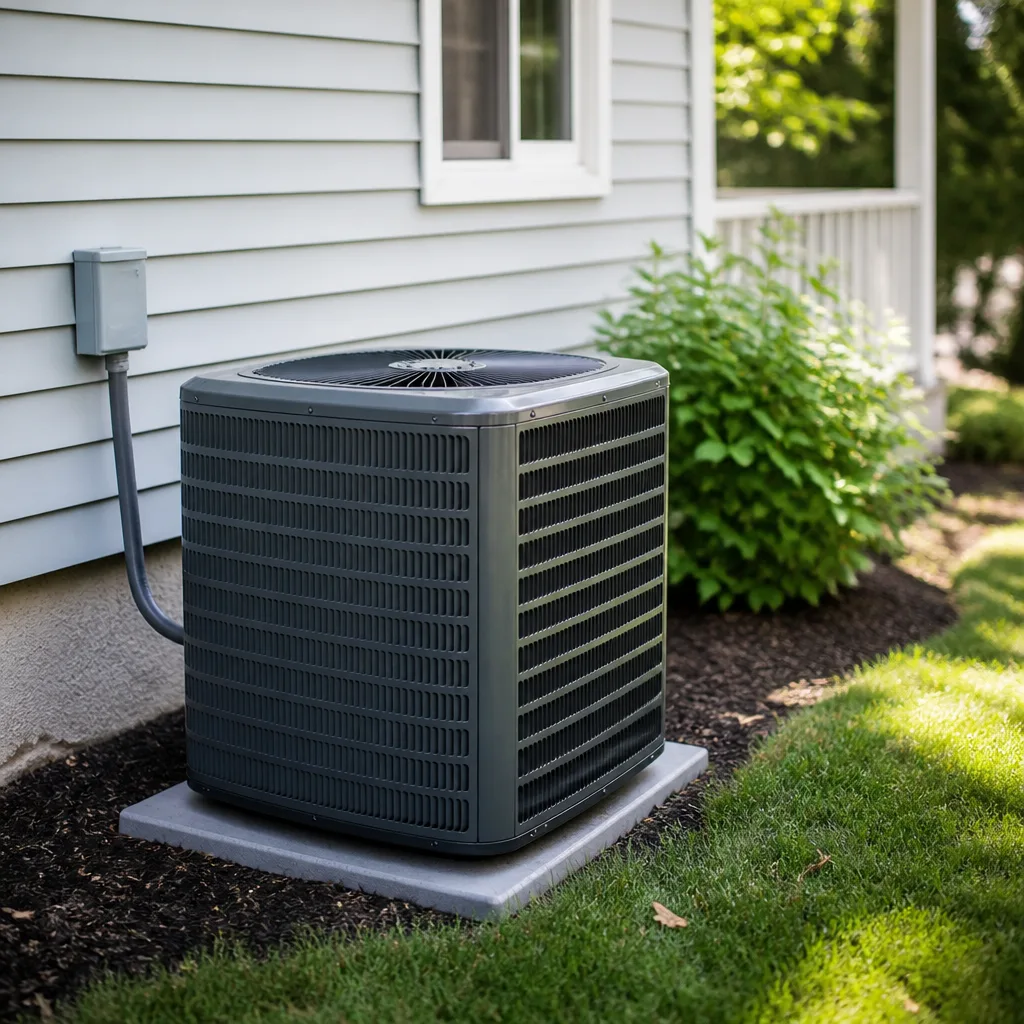 Goodman
Seasonal tune-up and full diagnostic on your Carrier, Trane, or Goodman system - readings shown to you before any repair is proposed
Diagnosis first, numbers second - you approve the repair price before a single part goes in.
Get your free estimateChoosing the Right HVAC Brand: A Buyer’s Guide for Enterprise
Here’s a number that surprises most homeowners: a 19 SEER2 unit from a brand your local tech rarely touches, with parts shipped from a regional warehouse three days out, will often cost you more over ten years than a 16 SEER2 unit from a brand that contractor has worked on a hundred times. The box on the wall is half the story. The parts counter, the distributor, and the person who shows up when it quits in July are the other half. In this guide, we’ll walk through how to judge a brand recommendation in Enterprise by asking the right questions, where the tier-one names actually differ, what SEER2 means on your summer power bill, and how to tell a legit contractor preference from a pushed product. By the end, you’ll know how to spot a brand that fits your house and your zip code – not just a brochure.
Quick Answer
The best HVAC brand for your Enterprise home is the one your local contractor knows well and can get parts for fast – usually within 48 hours in Clark County. Spec-sheet differences between tier-one brands matter far less than the service and parts network behind the box. Pick the brand your installing contractor can service confidently, then choose the efficiency tier that fits your usage and budget.
Styles & brands we work with
- AC repair
- Furnace & heating
- Heat pumps
- Ductless mini splits
- Carrier
- Trane
- Goodman
Table of Contents
- Why the Parts Ecosystem Beats the Spec Sheet
- Tier-One Brands: Where They Actually Differ in Enterprise
- What SEER2 Really Means on an Enterprise Summer Bill
- Contractor-Preferred Brands: Kickback or Legit?
- The Warranty Questions Nobody Asks (But Should)
- How to Evaluate Any Brand Recommendation
- The Install Matters More Than the Badge
- Climate Fit for Enterprise: Heat, Dust, and Hard Water
Why the Parts Ecosystem Beats the Spec Sheet
You can read every spec sheet on the market and still pick the wrong system for your Enterprise home. Here’s the reason. When a condenser fan motor fails in August, what matters isn’t whether your brand scored 0.2 SEER2 higher – it’s whether the local distributor has that motor on the shelf or a truck rolling from a regional warehouse three days out. Three days of 108-degree Enterprise heat without AC is not a paperwork problem; it’s a health problem.
We’ve seen this play out many times over the years. A homeowner picks a brand based on a contractor’s recommendation, the unit goes in clean, and six years later the compressor relay fails. The brand with strong Clark County parts distribution gets the fix inside 24 to 48 hours. The brand with a thin local footprint costs the homeowner three days of hotel bills and one very expensive emergency call from whoever is willing to try. The system is the same on paper. The experience is not.
So how do you evaluate a brand’s parts ecosystem without being an insider?
- Ask where the nearest distributor is. For Enterprise, that’s typically a Las Vegas or Henderson counter. If the contractor hesitates, that’s your answer.
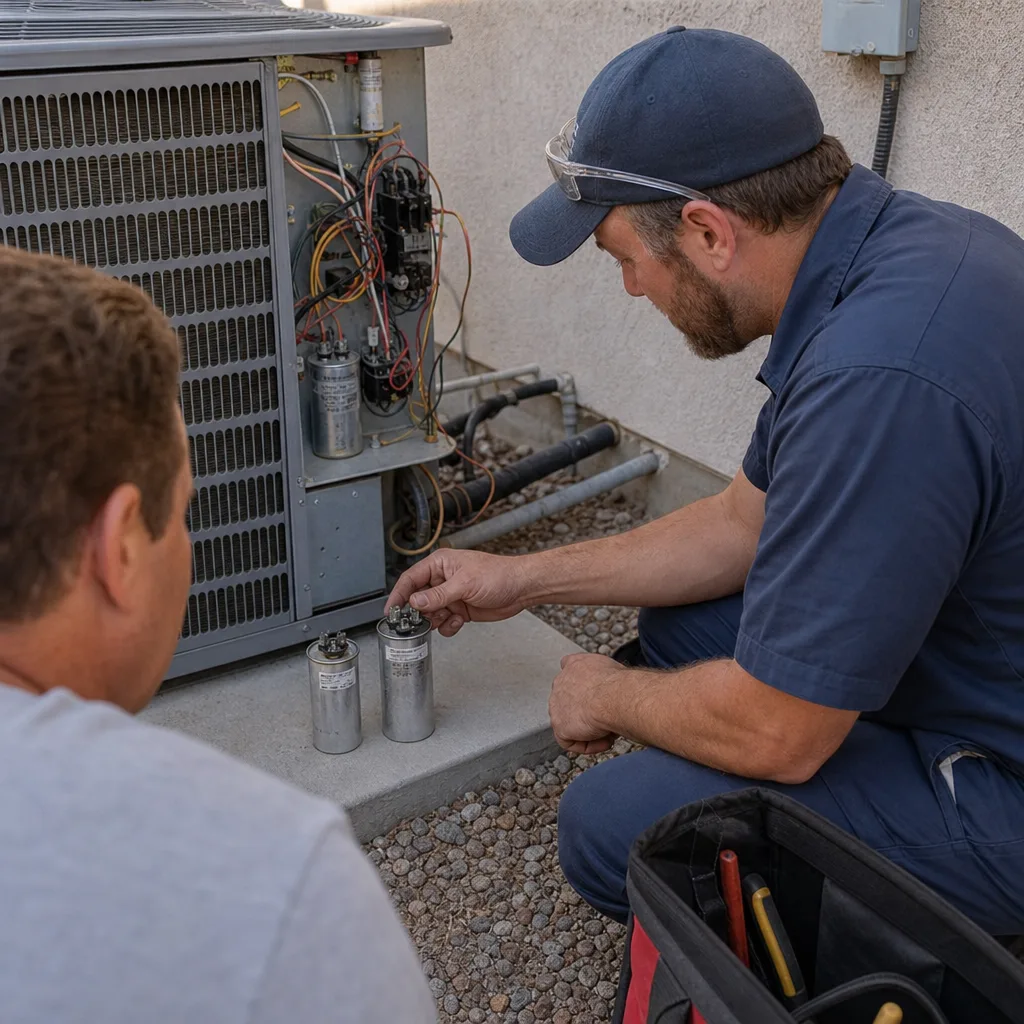
- Ask about common failure parts. Capacitors, contactors, blower motors, and ignitors. If those are stocked locally, you’re in good shape for the everyday stuff.
- Ask about special-order lead times. Compressors and coils are the long-lead items. Anything past a week in summer is a red flag.
- Ask who does warranty work in Clark County. A brand with no factory-authorized service network nearby means you’re relying on the installing contractor’s goodwill alone.
None of this is glamorous. All of it is what actually determines whether you’re comfortable next July. For a sense of how we handle repairs when the box has already been picked, see our AC Repair & Installation in Enterprise page.
Tier-One Brands: Where They Actually Differ in Enterprise
Carrier, Trane, Lennox, Bryant, American Standard, York, Daikin, Goodman, and Rheem all make a serviceable residential system. Any contractor telling you one of those will destroy your house is selling something. That said, the differences in Enterprise’s specific use profile are worth knowing.
Enterprise summers are brutal – long stretches over 105, overnight lows in the 80s, and a dust load that coats condenser coils faster than almost anywhere we work. That reality changes which brand traits actually matter.
- Carrier and Bryant share much of their engineering DNA. In our experience, they hold up well to heavy cooling-season load and have solid parts availability through the Las Vegas distributor networks. Bryant often lands a touch cheaper for essentially the same hardware family.
- Trane and American Standard build a rugged cabinet and a strong compressor reputation. They’re usually the priciest of the tier-one group, and whether that premium pays off over 15 years depends more on the install than the brand name. American Standard gives you a lot of Trane’s core engineering at a lower ticket.
- Lennox pushes efficiency hard – its higher-SEER2 lines are genuinely among the quietest and most efficient on the market. The trade-off is more proprietary parts and a price premium that’s harder to justify in a house where the windows leak anyway.
- Daikin and Goodman sit at the value end of the tier-one spectrum. Daikin has invested heavily in North American distribution, and Goodman’s parts are everywhere, so a fix in Enterprise rarely waits. If budget is tight and comfort matters, this is a solid lane.
- York and Rheem split the difference – reliable, mid-priced, and reasonably serviced locally. Rheem in particular has a good track record in our dry desert air.
What’s marketing versus what’s real? The marketing is the “exclusive” comfort algorithm, the trademarked fan blade shape, the badge on the door. What’s real is compressor reliability, coil metallurgy against dust and heat cycling, cabinet rust resistance, and whether the parts counter two hours away stocks what fails.
What SEER2 Really Means on an Enterprise Summer Bill
SEER2 is the 2023-updated efficiency rating. The number on the box is measured under a newer, tougher test protocol – so a 15 SEER2 system today roughly matches a 16 SEER of the old standard. That matters when you’re comparing quotes from contractors using different labels.
The practical translation at Enterprise summer rates looks roughly like this for a typical 3-ton single-family home running the AC hard from May through September:
- 14.3 SEER2 (baseline): what most builders install. Expect the highest monthly electric bill of the three tiers.
- 15.2 to 16 SEER2 (mid): the sweet spot for most Enterprise homes. You’re typically saving 10 to 20 percent on cooling cost versus baseline, without paying the top-tier premium.
- 18 to 20 SEER2+ (high): real savings if you run the AC constantly, the house is well-insulated, and you plan to stay 10-plus years. Otherwise, the payback stretches past the equipment’s normal service life.
Here’s the honest part many quotes skip: SEER2 savings evaporate if the ducts are leaky, the attic insulation is thin, and the door gaskets are shot. In a 1990s Enterprise tract home, duct sealing and attic work often return more comfort per dollar than jumping from 15 to 19 SEER2. We’ve been on plenty of jobs where the homeowner paid for high SEER2 and the actual energy bill barely moved – because the labor was spent on the box, not the house.
The other thing to know: SEER2 isn’t the only rating. EER2 reflects hot-climate performance more accurately, and for Enterprise’s design temperatures, EER2 matters. Ask your contractor for both numbers, not just the one in the ad. Heat pump details live on our Heat Pump & Mini Split in Enterprise page if you’re weighing that path.
Contractor-Preferred Brands: Kickback or Legit?
When a contractor recommends Carrier, Trane, Daikin, or any other brand, the homeowner is right to wonder. Are they getting a spiff? Is there a hidden reason? The honest answer is: sometimes yes, sometimes no. Here’s how to tell the difference.
A contractor who knows one brand deeply can install it cleanly, service it quickly, and knows its failure points by heart. That alignment is real value – and it’s the entire reason “contractor-preferred” is worth taking seriously. A crew that has installed 400 of the same system has a rhythm, a checklist pattern, and a mental list of “this is where the last one went wrong” that no first-time installer has. That rhythm shows up in brazing quality, charge accuracy, and whether the system is quietly running a bit undercharged from day one.
What separates a legitimate alignment from a pushed product:
- The contractor names more than one brand they can confidently service. Any shop worth hiring can quote and support several of the major names.
- They can explain the trade-offs clearly. Why Carrier over Lennox for your house. Why the mid-tier Daikin is a good fit and the top-tier isn’t. Specific reasons, not brochures.
- They’ll quote a different brand if you ask. Not with a hassle, not with a “we really don’t recommend that,” just a straight alternative quote.
- They talk about the parts counter. A brand-loyal contractor knows the local distributor’s phone number by heart and can tell you the realistic lead time on a compressor.
- The price between brands makes sense. If brand A is quoted at 30 percent more than brand B for nearly identical spec, ask why. It’s usually a rebate, a promotion, or a specific parts benefit – not a mystery.
What looks like a kickback often isn’t. What looks like an honest recommendation sometimes is. Ask the questions.
The Warranty Questions Nobody Asks (But Should)
Almost every manufacturer offers a 10-year parts warranty on the compressor and similar coverage on other components. That sounds great until you actually need it. The parts warranty rarely covers labor, refrigerant, or diagnostic time, and it only works if you registered the unit within the required window after installation. Miss that window and the “10-year” coverage quietly becomes a 5-year.
So the questions that actually matter:
- Who does the warranty work? Is it the installing contractor, the local factory-authorized service center, or a third party? In Enterprise and Clark County, factory-authorized networks vary widely by brand. Ask specifically.
- Who pays the labor? Almost always the homeowner, unless you bought an extended labor warranty. Ask the exact dollar range on a typical compressor replacement under warranty.
- How long does it take to get parts in Clark County? For a common failure, the answer should be days, not weeks. For a compressor, ask for a realistic timeline.
- Is the labor warranty from the manufacturer or the contractor? A contractor-backed labor warranty is only as good as the contractor.
- What voids coverage? Missed maintenance is the big one. So are improper installs and using unapproved refrigerant types. Get this in writing.
The other thing to know: warranty work depends on documentation. Save the install paperwork, the registration confirmation, and every service invoice. We’ve watched homeowners lose valid claims because they couldn’t prove a service call was done. The 90-Day Done Right Promise is in writing for a reason – paper beats memory, every time.
How to Evaluate Any Brand Recommendation
Here’s a step-by-step that works regardless of which brand you’re considering. Print it, or pull it up on your phone during the sales visit.
- Ask for two brand quotes side by side. Not one. Two. If the contractor won’t, that’s information.
- Ask where the nearest distributor counter is. For Enterprise that’s typically Clark County or the Las Vegas valley. If they can’t name it, they don’t use it often.
- Ask about common failure parts. Capacitor, contactor, blower motor, inducer assembly (for heating), and ignitor. If any of those are stocked locally, that’s a good sign.
- Ask what a compressor replacement usually takes, start to finish. The answer tells you how deep their parts relationship runs.
- Ask for the invoice from the last three of that brand they installed. Not the quote – the invoice. A confident contractor will share a redacted one.
- Ask which brands they personally service in their own homes. Their answer is usually the most honest data point in the visit.
- Verify the contractor’s license and address. A published name, address, and license number is the difference between a business and a phone number. Any contractor you hire in Nevada should be verifiable through the state licensing board.
If a contractor can’t answer 1 through 4 without flinching, walk. The brand doesn’t matter if the person behind it is guessing.
The Install Matters More Than the Badge
We’ve seen Carrier jobs that failed in five years and Goodman jobs running clean at 15. The difference wasn’t the brand. It was the install.
What separates a good install from a bad one:
- Manual J load calculation. A properly sized system runs longer, quieter, and drier. Oversized systems short-cycle, sweat, and fail early. If the quote doesn’t include a load calc, ask for one.
- Line set and brazing. Poor brazing leaks refrigerant slowly. You might not notice for a year, and by then the compressor has been working dry.
- Charge accuracy. The system needs to be charged to spec for the specific line length, not “close enough.”
- Duct sealing. A high-SEER2 system on leaky ducts is like a race car on flat tires.
- Commissioning and readings. A good contractor hands you a written record of the superheat, subcool, static pressure, and temperature split. If you didn’t get that paper, you didn’t get the full job.
The brand you pick should be the one your installer will do this level of work on, and will still be reachable when it’s service time. For more on how we approach the install and service side, see our Ray’s Heating & Air Enterprise home page and our Heating & Furnace in Enterprise page for the winter counterpart.
Climate Fit for Enterprise: Heat, Dust, and Hard Water
Enterprise isn’t Phoenix and it isn’t Reno. It sits in a specific pocket of the Mojave where design temperatures push past 108, dust storms roll through several times a year, and the water is hard enough to scale a humidifier pad inside a season.
That profile stresses HVAC equipment differently than most of the country. Coils foul faster. Contactors pit faster from dust-cycling. Capacitors in units mounted on sun-side walls die younger. Condensate lines clog with mineral deposits and dust paste. So when you compare brands, weight the traits that matter here:
- Coil metallurgy and fin coating. Brands with better corrosion protection survive dust and monsoon-season humidity swings longer.
- Cabinet sealing. Wind-blown dust is a slow killer. A tight cabinet extends blower motor life significantly.
- Filter design. Easy-access filters get changed. Filters behind three screws don’t. That alone changes system life.
- Parts availability through the summer. June through September is a stress test for the service network.
We’ve seen units installed on the west wall of a Henderson-area home fail years earlier than the same brand on the east wall. Placement, shading, and sun exposure matter as much as the badge. If your contractor is only talking about the brand and not the placement, the spec sheet is doing all the talking.
Common Mistakes to Avoid
- Buying on SEER2 alone. A high-SEER2 system on leaky ducts in a poorly insulated Enterprise attic won’t deliver the savings the box promises. Fix the envelope first or size the efficiency upgrade to what the house can actually use.
- Accepting a single-brand quote without asking why. Legit alignment exists. So does a pushed product. Two quotes make the difference visible.
- Ignoring the parts counter question. A brand with no local distributor support means every failure becomes a multi-day event in July. Ask before you sign.
- Skipping the warranty registration. Every manufacturer has a window – usually within 60 days of install. Miss it, lose years of coverage. Get written confirmation from the contractor that it was filed.
- Believing the “lifetime” warranty language. Read the fine print. Parts versus labor, residential versus commercial, transferability on resale. Ask how warranty work actually gets scheduled in Clark County.
- Letting the contractor skip the Manual J. “We’ve been doing this 20 years, we know what size” is not a load calculation. Oversized systems fail early, undersized systems never keep up. Insist on the number.
- Forgetting that replacement is seasonal. In Enterprise, install slots fill up fast in April, May, and early June. A brand decision in July usually means the highest price of the year, with limited selection.
See the difference
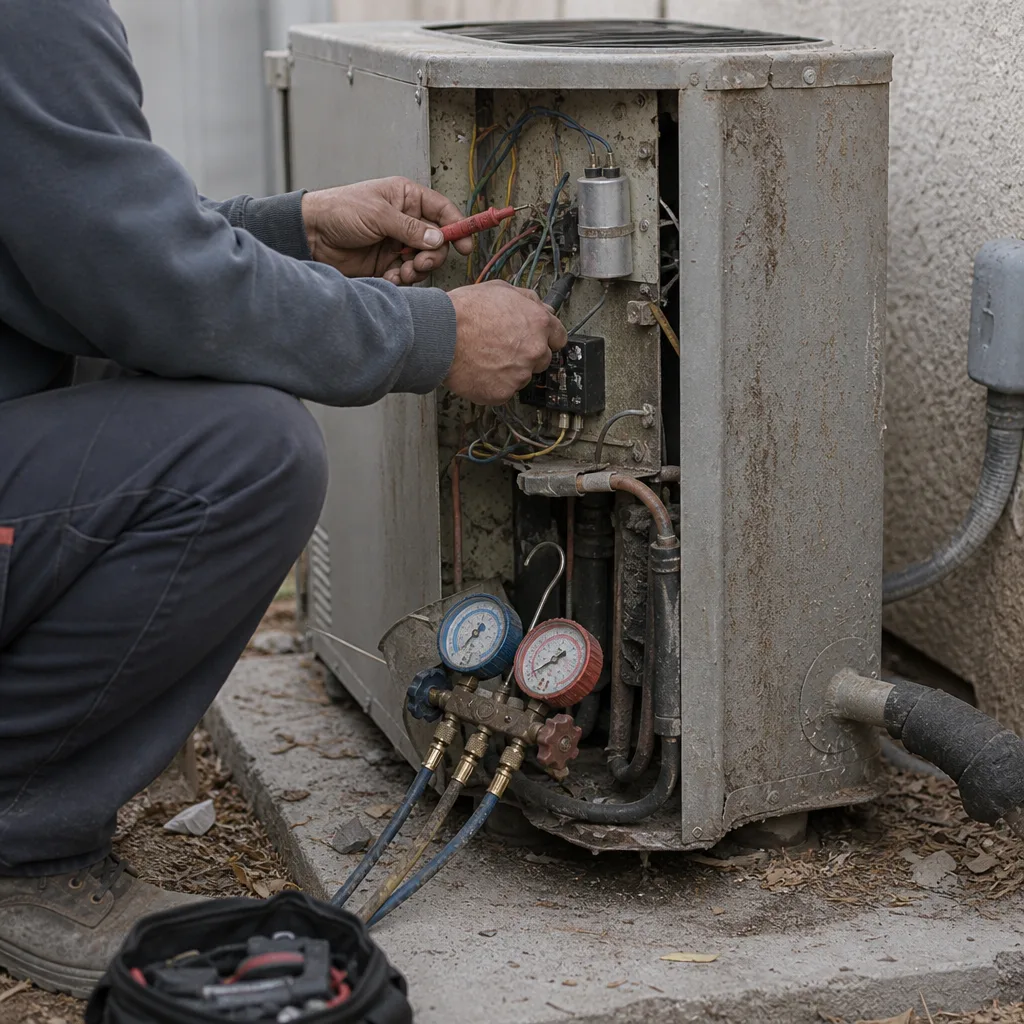 Before
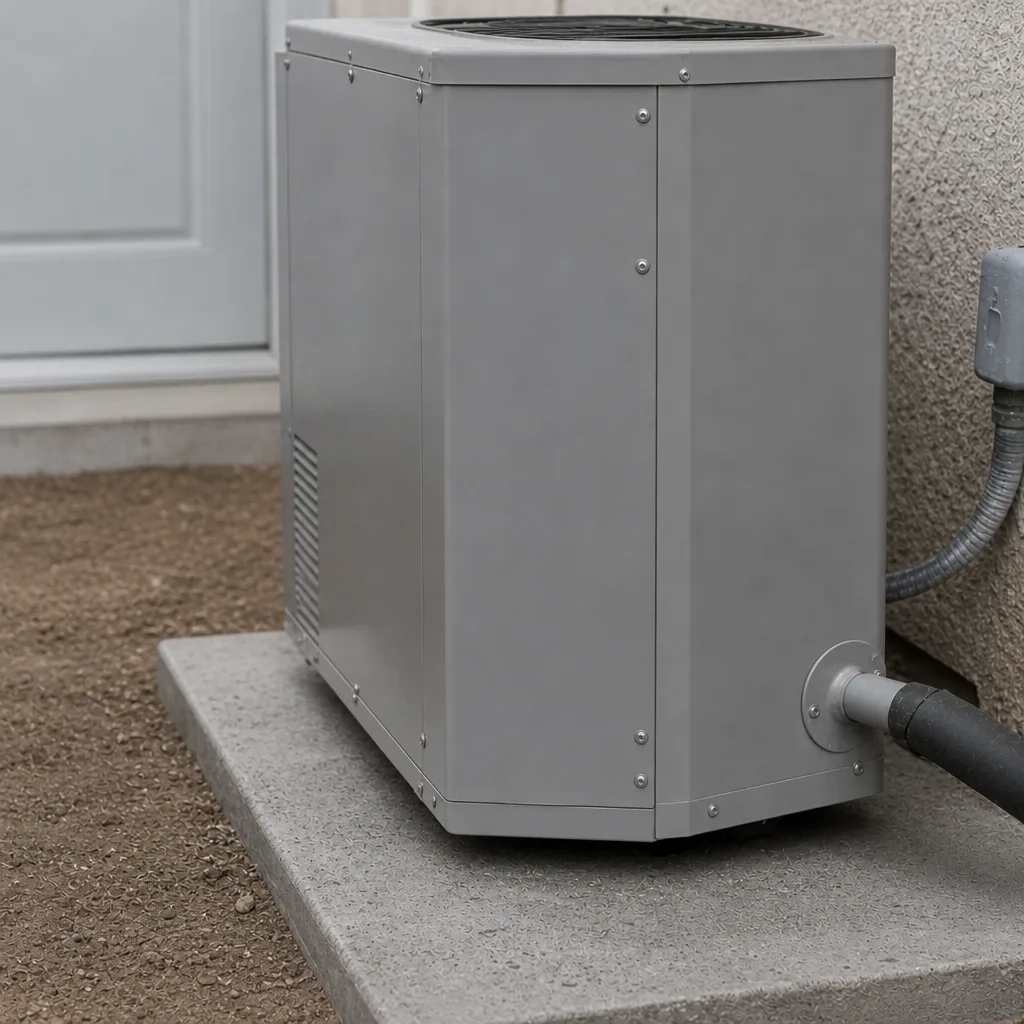 After
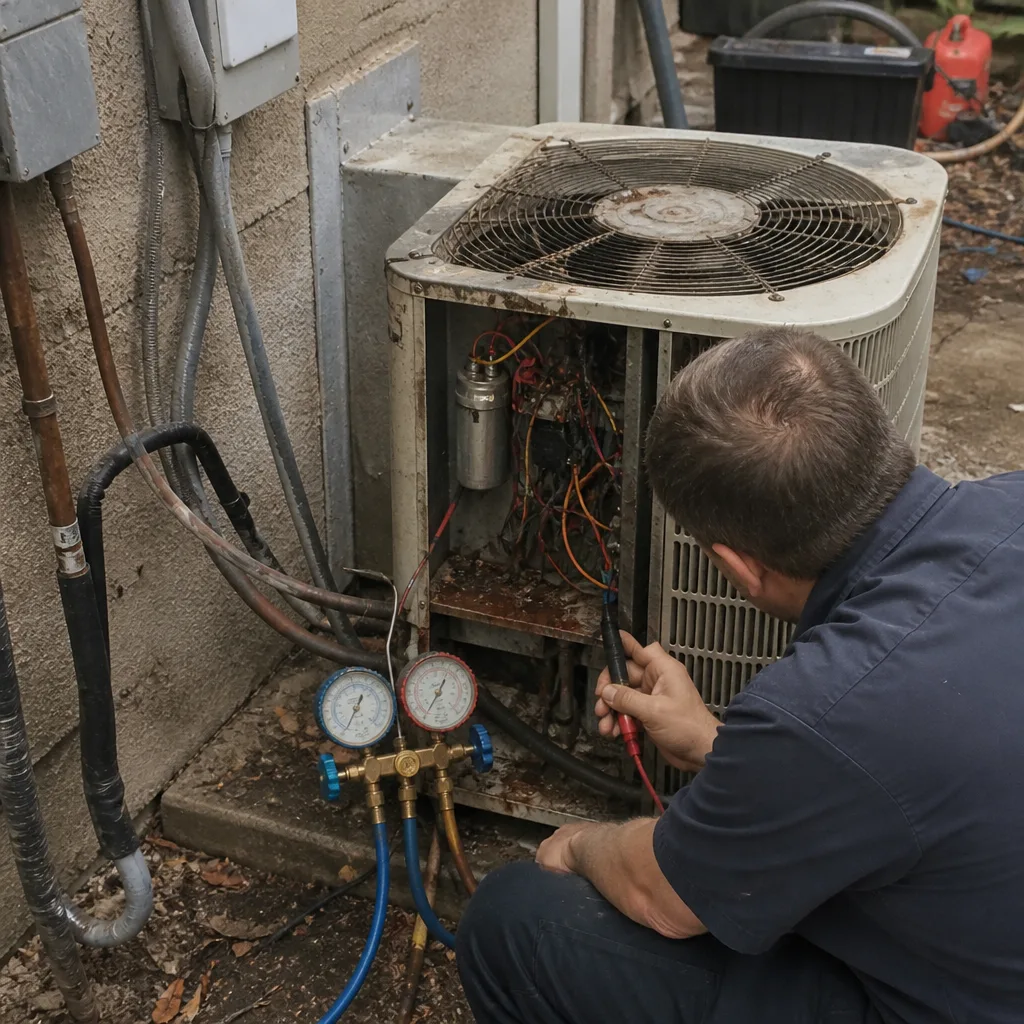 Before
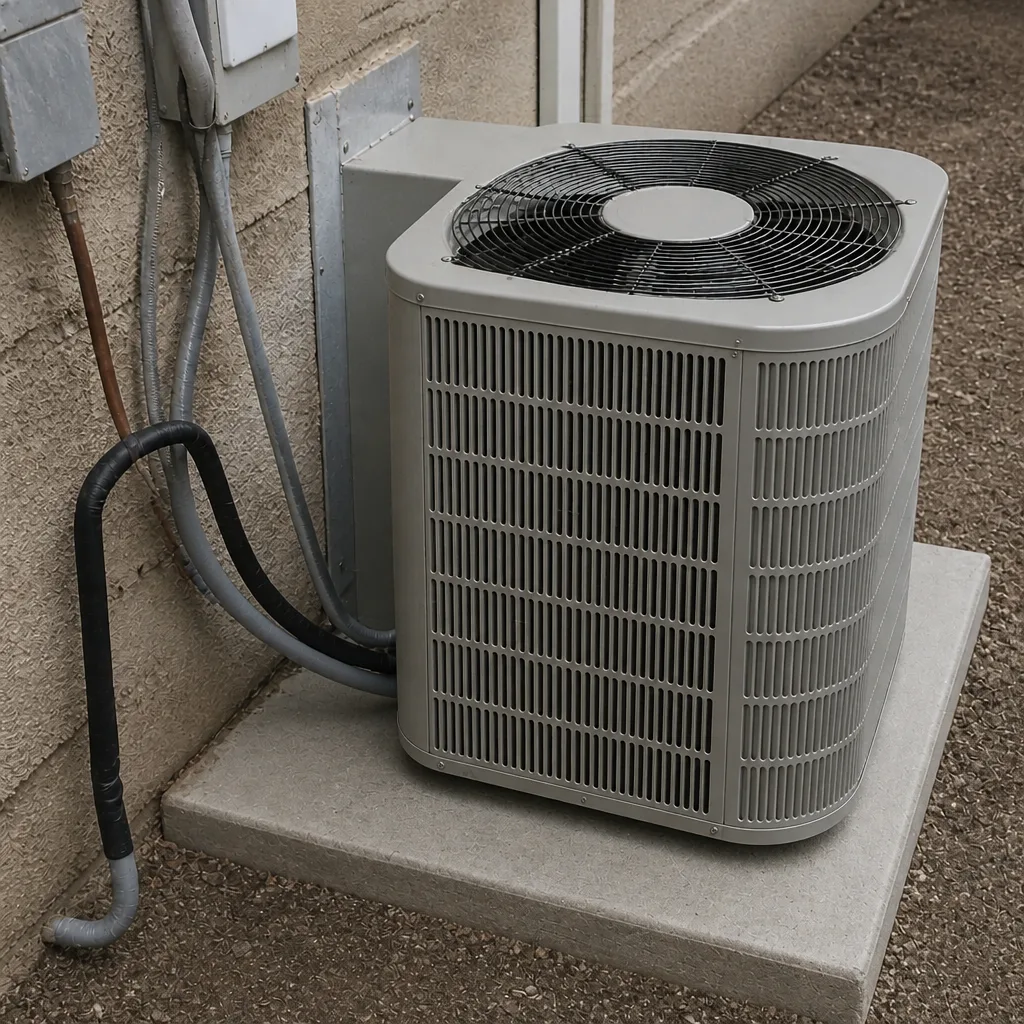 After
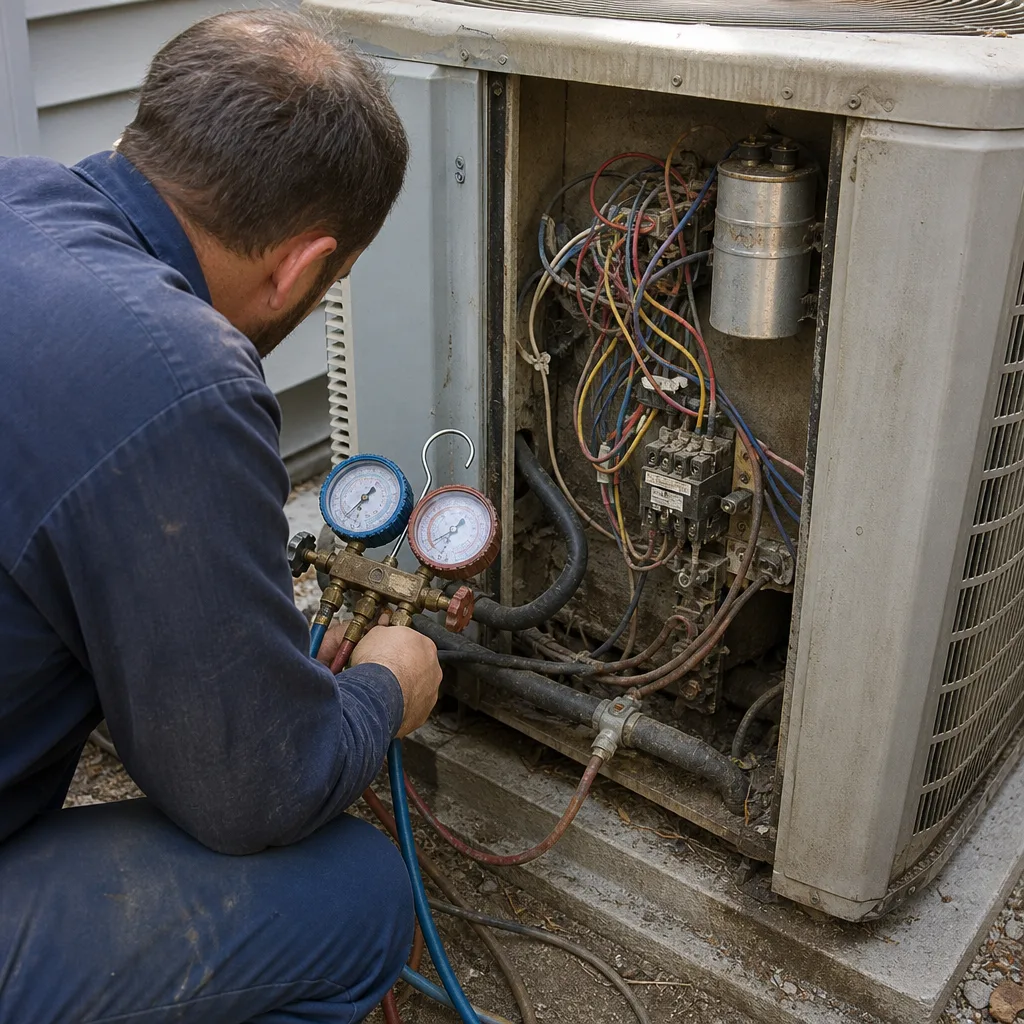 Before
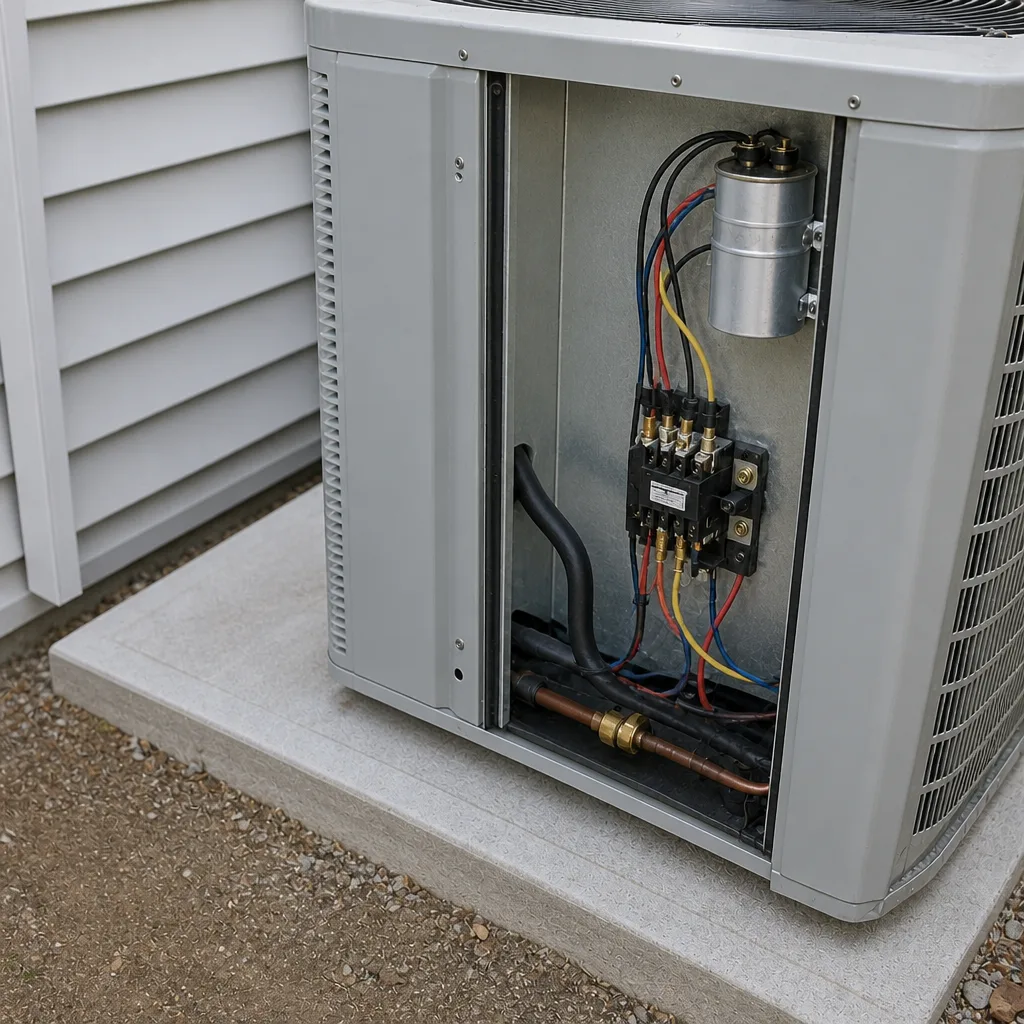 After
When to Call a Professional
Some HVAC decisions need a real body in the house. If your existing system is 12-plus years old and starting to need refrigerant top-offs, the brand decision is now – and it’s worth getting two quotes before the summer rush hits Enterprise. If a contractor is recommending a brand and you want a second opinion on the recommendation, that’s exactly what our standing promotion is for. If your current system’s history is “three repairs in two years,” the math has already moved past another fix. Ray’s Heating & Air Enterprise offers free estimates in Enterprise and a Free Second Opinion on any written estimate – call (844) 455-2034. We’ll come out, look at what you have, look at what you’re being quoted, and give you a straight read. Readings first, numbers second – you’ll see both.
Frequently Asked Questions
There is no single “best” brand – the best fit is the brand your installing contractor knows deeply and can get parts for within 48 hours in Clark County. Carrier, Trane, Lennox, Bryant, American Standard, Daikin, York, Goodman, and Rheem all build solid equipment. The service network behind the box is what determines your actual experience over the next decade. Call (844) 455-2034 for a free estimate and a straight answer on what fits your house.
Both handle 108-degree Enterprise summers well; the difference usually comes down to price and the local parts relationship rather than equipment toughness. Carrier and its sibling brand Bryant tend to have strong distributor availability in the Las Vegas valley, and Trane and American Standard build a rugged cabinet worth the premium if the install is done right. Ask each contractor about their last three of each brand and what service was like.
No – SEER2 savings only materialize if ducts are sealed, insulation is adequate, and the system is properly sized and charged. We’ve seen Enterprise homeowners pay for 19 SEER2 and save less than neighbors who went with 15 SEER2 plus duct sealing. Ask for EER2 as well; it reflects hot-climate performance more accurately than SEER2 alone. Call (844) 455-2034 to talk through your actual house before choosing a tier.
Sometimes it’s genuine expertise – a crew that has installed and serviced one brand hundreds of times does better work on it, and knows its failure points. Sometimes it’s a factory incentive or a distributor relationship. The question to ask is whether the contractor will quote you a second major brand on request. If yes, the recommendation is worth taking seriously. If no, get another quote.
The manufacturer’s parts warranty almost never covers labor – that’s on the homeowner unless you bought an extended labor warranty, either from the contractor or the manufacturer. Ask on any quote: what’s the typical labor cost on a compressor replacement under warranty, and who performs that work in Clark County. Get it in writing. Call (844) 455-2034 if you want help reading the fine print on a quote you already have.
Yes – and you should. Our standing Free Second Opinion on any written estimate is exactly for this. Bring us the quote, brand, model numbers, and pricing, and we’ll give you a straight read on whether it makes sense for your house and your part of Enterprise. No Trip Charge inside the county, and no pressure to take our recommendation. Call (844) 455-2034 to schedule.
The Bottom Line
The best HVAC brand for your Enterprise home is the one your contractor can install correctly, service confidently, and get parts for in Clark County within 48 hours. Spec-sheet marketing matters less than the distributor relationship, the warranty service process, and the quality of the install. Weigh SEER2 honestly against your actual envelope and usage – a 15 SEER2 system on tight ducts and good insulation beats a 19 SEER2 system on a leaky house most of the time. Ask the parts-counter questions, ask the warranty labor questions, and ask for a second brand quote. Do those three things and the box on the wall becomes the easy part.
Ray’s Heating & Air Enterprise offers free estimates and a Free Second Opinion on any written estimate – call (844) 455-2034 to get a straight read on the brand and system that actually fits your house.
Written by the team at Ray’s Heating & Air Enterprise.