
Last updated November 17, 2026
 AC repair
 Furnace & heating
 Heat pumps
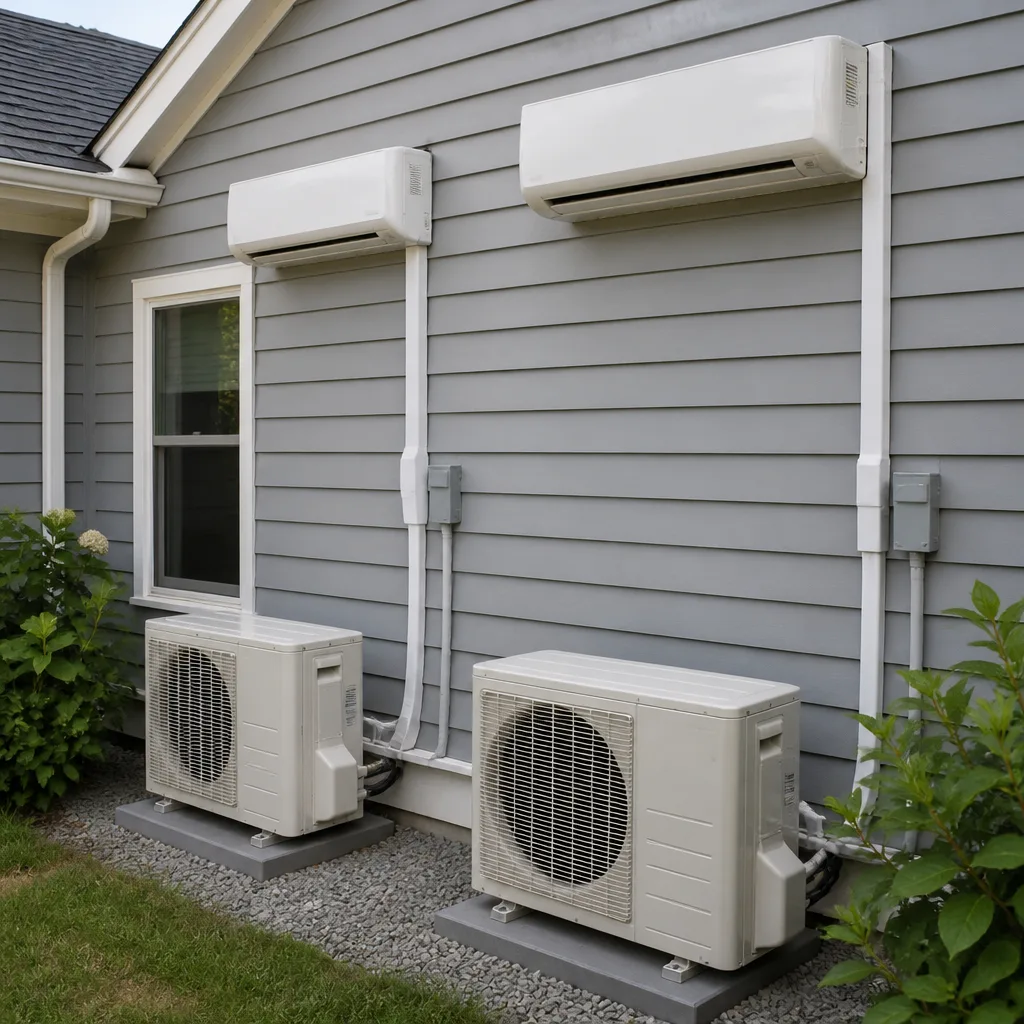 Ductless mini splits
 Carrier
 Trane
 Goodman
Seasonal tune-up and full diagnostic on your Carrier, Trane, or Goodman system - readings shown to you before any repair is proposed
Diagnosis first, numbers second - you approve the repair price before a single part goes in.
Get your free estimateEmergency & Commercial HVAC Maintenance Schedule: What to Do and When
Here’s the part nobody tells a strip mall tenant in Enterprise: when the rooftop unit dies in mid-July, you can be the one on the hook for the repair even while your lease says the landlord has to keep the space habitable. Those two clauses fight each other, and the tenant usually loses the fight because they never kept records. Commercial maintenance schedules floating around online are written for property management companies with a facilities guy and a software subscription. This guide takes the same technical requirements and turns them into a calendar a working business owner in Enterprise can actually keep: which tasks are yours, which are the landlord’s, when to do each one, and what paperwork saves you when something breaks. No hiring a compliance person to track it.
Quick Answer
For most small businesses in Enterprise, commercial HVAC maintenance works on three layers: monthly filter checks and visual inspections you or a manager can do in ten minutes, quarterly professional service (coil cleaning, refrigerant and electrical readings, drain clearing), and annual work (economizer testing, roof inspection, heat-side tune-up before winter). The single biggest failure we see isn’t skipped repairs – it’s skipped records, which turns a $200 fix into a $2,000 argument with a landlord.
Styles & brands we work with
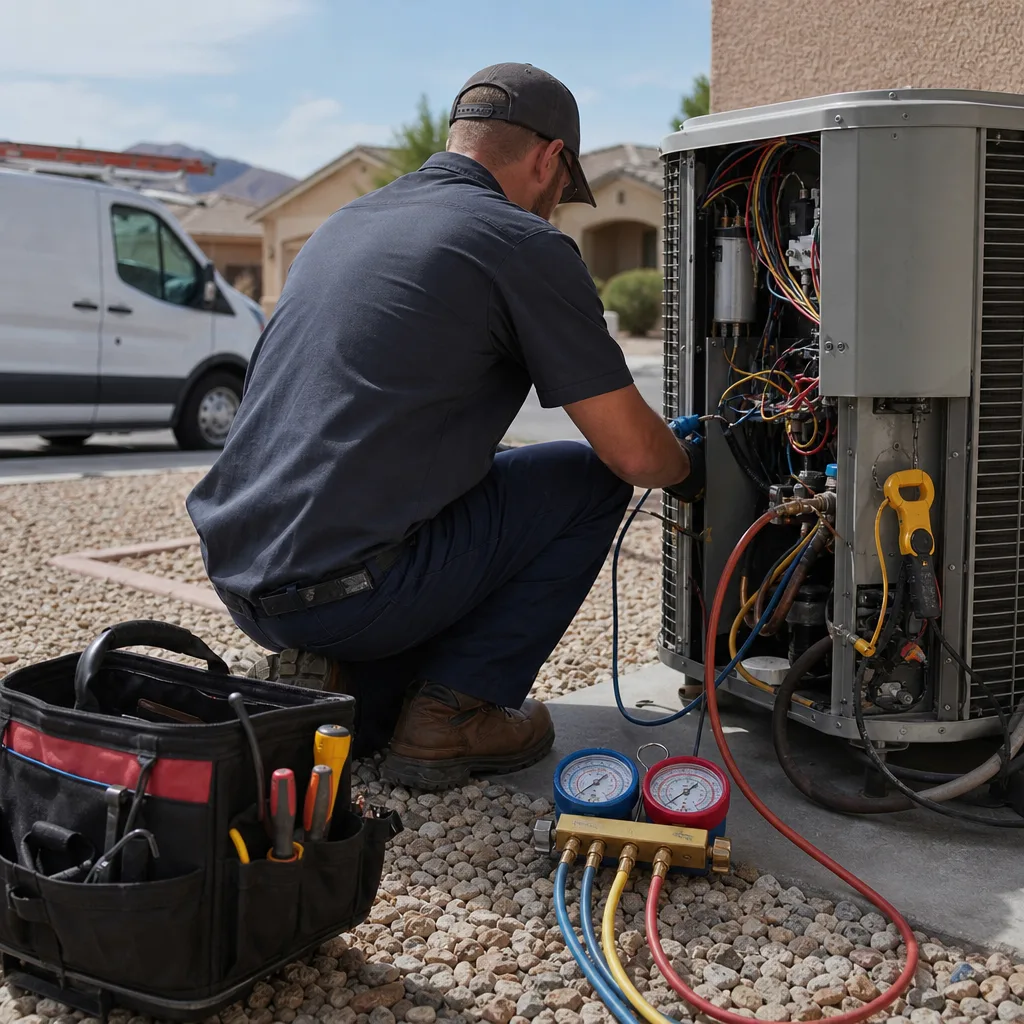
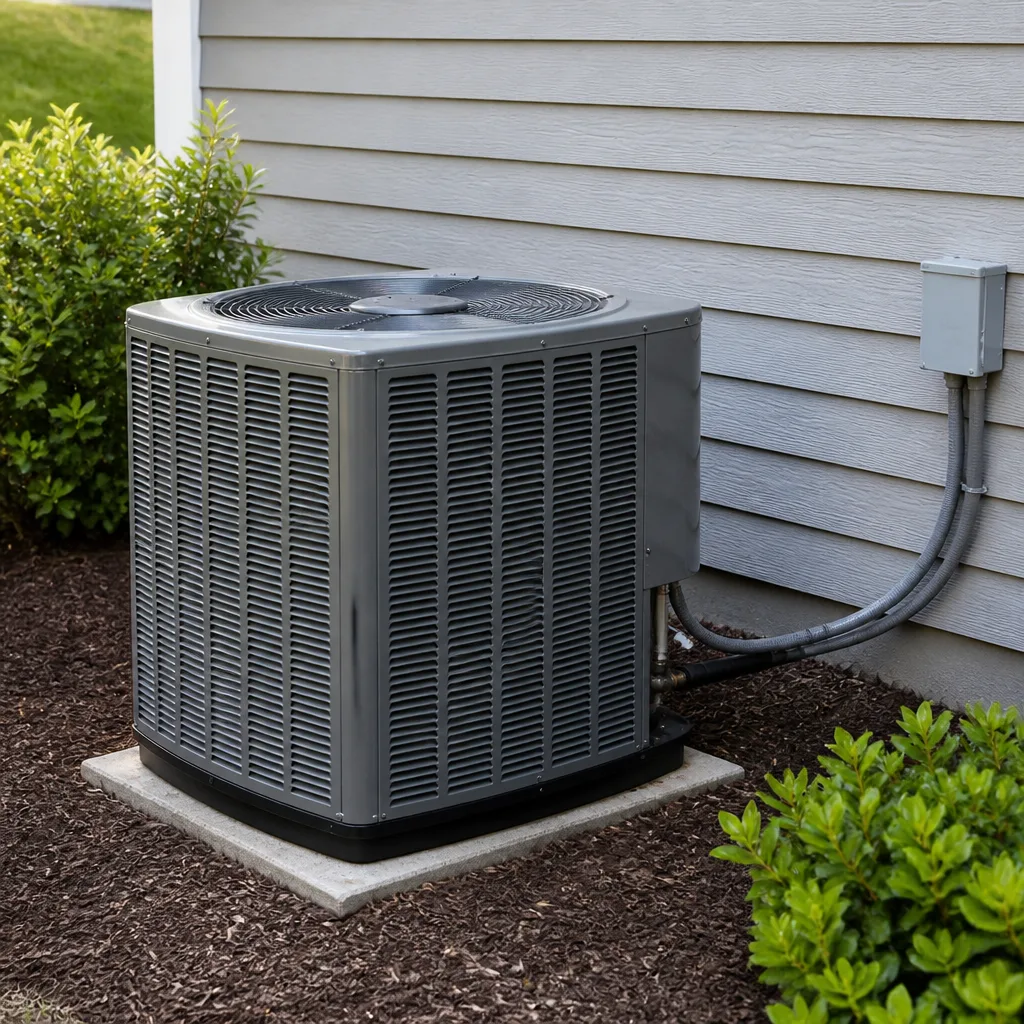
- AC repair
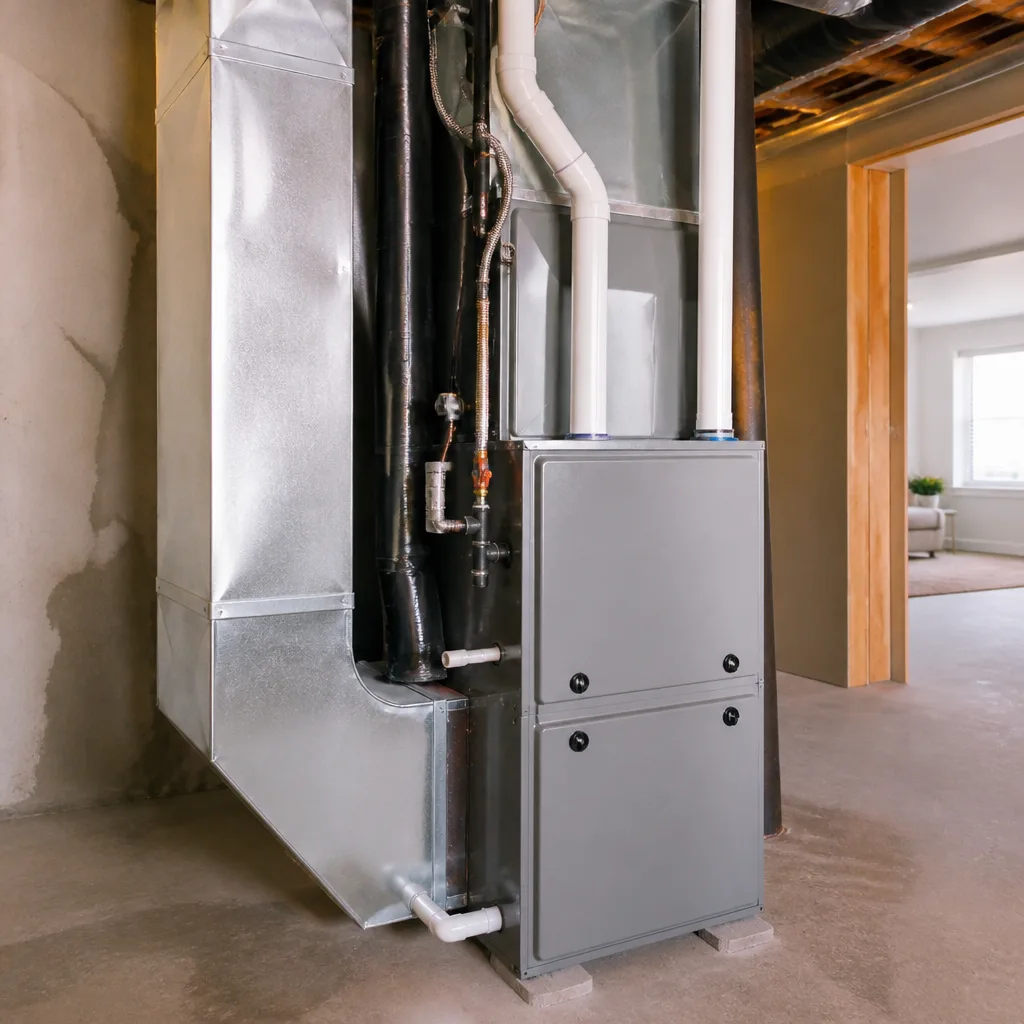
- Furnace & heating
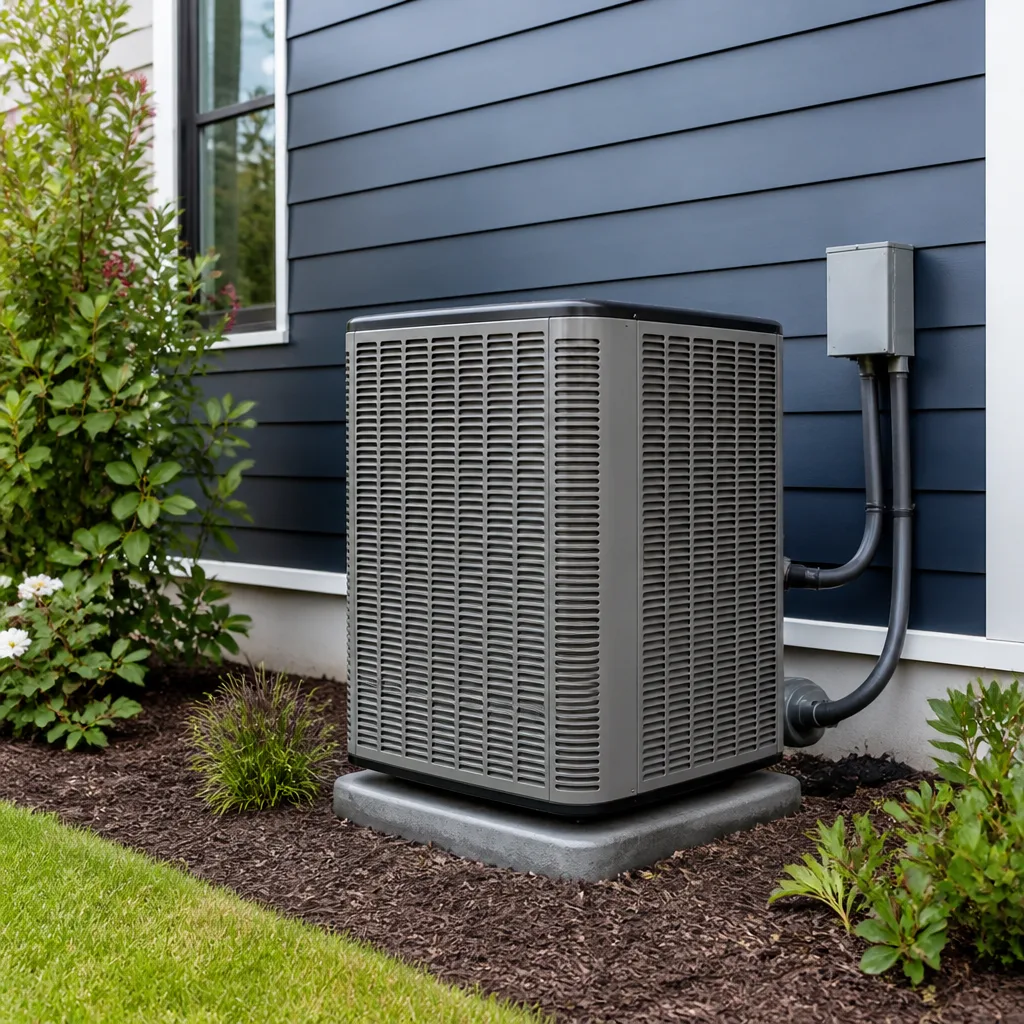
- Heat pumps
- Ductless mini splits
- Carrier
- Trane
- Goodman
Table of Contents
- Who Actually Owns Which HVAC Tasks in a Nevada Commercial Lease
- The Monthly Ten Minutes: What You Check Yourself
- Quarterly Professional Service: What’s on the List and Why
- Annual Tasks: Economizers, Roofs, and the Winter Switchover
- What’s Genuinely Different in Clark County’s Desert Air
- Fitting HVAC Into Your Business Without It Getting Skipped
- The Paper Trail That Protects You
- Emergency Preparation: Before the Unit Quits in July
Who Actually Owns Which HVAC Tasks in a Nevada Commercial Lease
This is where Enterprise business owners lose the most money, and it has nothing to do with HVAC skill. A typical commercial triple-net lease pushes maintenance onto the tenant. A gross lease pulls it back to the landlord. Most leases are neither pure form – they’re a mix, and the split is usually written in language borrowed from residential law that doesn’t fit a rooftop package unit at all.
Read your lease for these four things and highlight them:
- “Maintain in good working order” – usually means you’re responsible for the unit, including the parts that wear out.
- “Structural and roof” – usually the landlord’s, which matters because rooftop curbs and penetrations sit on the boundary. That line is where arguments start.
- “Repairs over $X” – some leases split cost by dollar threshold. If yours does, that number is your single most important line item.
- “Habitable conditions” or “legally required services” – this is the clause that lets a tenant argue the landlord must act. In a commercial setting in Enterprise, it’s often narrower than tenants think, and it rarely covers comfort. It covers things like fire/life safety.
The practical move: get a copy of your lease’s maintenance clause in hand before you ever need a repair. When the unit fails at 2 a.m. in July, you’ll know within five minutes whose problem it is – yours or the landlord’s – and you’ll have the paperwork to prove it. If you don’t have a copy, your property manager does. Ask now, not later.
The Monthly Ten Minutes: What You Check Yourself
You don’t need a tool bag for this part. You need a calendar reminder and a flashlight. These are the tasks that keep a system from failing quietly, and they’re the ones most likely to get skipped during a busy season – which in Enterprise is roughly June through September.
- Change or clean filters. In a restaurant or any space with dust, grease, or pets, monthly is not a marketing line – it’s the minimum. A clogged filter raises static pressure, and a system running high static pressure burns through compressors. Filter changes are the cheapest insurance you’ll ever buy.
- Look at the condensate drain. A slow drain clogs, then a float switch trips, then the whole unit shuts off in the middle of a 105-degree afternoon. Wipe the drain pan. If there’s standing water, call someone.
- Listen at startup. Ten seconds of listening tells you a lot. Clicking or humming without the fan turning means a capacitor or contactor. Grinding means bearings. Write down what you hear and the date.
- Walk the thermostat schedule. If you’ve got a programmable or smart thermostat, confirm the schedule is still right. Daylight saving, a seasonal menu change, or a new manager is enough to knock it off.
- Scan the ceiling and the roof access. Water stains near a rooftop unit often show up inside before the leak is obvious outside. In Enterprise, a monsoon-season roof leak and an HVAC problem look identical until you trace it.
Log each of these in the same place every month. A spiral notebook in a drawer qualifies. A note on the office manager’s phone also qualifies. What doesn’t work is “we’ll remember.”
Quarterly Professional Service: What’s on the List and Why
Quarterly professional service is where the technical value lives. Ask any commercial HVAC tech what they actually do on a quarterly visit and you’ll get a list that looks roughly like this. This is the same list whether you’re in Enterprise or anywhere else in the valley – the difference is how often each item needs attention here.
- Condenser coil cleaning. Dust and cottonwood load these up fast. A dirty coil raises head pressure and pushes the compressor toward early failure.
- Evaporator coil check. Less frequent, but if a filter gets neglected, this is the next thing to foul.
- Refrigerant readings. Superheat and subcooling, not just pressures. A tech who only looks at pressures is guessing.
- Electrical inspection. Capacitor check, contactor pitting, torque on the lugs, amp draw on the compressor and fan motors.
- Belt and bearing inspection on belt-drive units. Cracked belts and dry bearings are cheap to replace and expensive to ignore.
- Drain pan and line clearing. Blow out the line, check the float switch, confirm the pan isn’t rusting through.
- Filter check and record. Even if you change filters yourself, the professional visit should confirm and document it.
In Enterprise, we tell business owners to schedule the spring quarterly visit in April or early May, before the first heat wave. The summer quarterly visit lands in July or August. The fall visit (September/October) is your heat-side prep. Skipping the fall visit is the most common mistake we see – everybody thinks about AC in July and forgets the gas heat until a cold snap in December.
Annual Tasks: Economizers, Roofs, and the Winter Switchover
Annual maintenance covers the items that cost more and matter more, but aren’t urgent enough to remember on your own. These are the tasks that show up in a warranty claim and get denied because they weren’t done.
- Economizer test and calibration. This is the big one. An economizer that’s stuck open in July is pulling 110-degree desert air into your space and running the compressor flat out to compensate. An economizer that’s stuck closed in spring is throwing away free cooling. Both cost real money every day, and neither announces itself. The annual test verifies damper travel, actuator function, and changeover setpoints.
- Roof curb and penetration inspection. Rooftop units sit on a curb, and the curb sits on the roof membrane. In Clark County, thermal cycling – 45-degree winter mornings to 110-degree summer afternoons – works that seal loose over time. Inspect annually, reseal as needed, and photograph the condition.
- Heat exchanger inspection on gas units. Visual and, where the manufacturer supports it, combustion analysis. A cracked heat exchanger is a carbon monoxide problem, not a comfort problem. Do not skip this on any gas-fired rooftop unit.
- Ductwork and insulation inspection. Exposed duct on a roof cooks in the summer sun. Damaged insulation on the supply run is a slow efficiency leak that doesn’t show up anywhere except the bill.
- Full electrical torque check. Loose lugs work themselves loose faster in a building that hits 150 degrees on the roof. Torque to spec, record the readings.
- Gas line and combustion check. On gas heat, verify the manifold pressure and look for signs of incomplete combustion. This is where a careful tech saves a life.
Schedule the annual visit for the shoulder season: late March or early April for the cooling side, October for the heating side. That’s when a scheduler can actually get you on the calendar. In Enterprise, calling in July and asking for a same-week annual inspection is a coin flip, and the tech is working in 110-degree heat – nobody’s best work happens on a rooftop in that weather.
What’s Genuinely Different in Clark County’s Desert Air
Commercial HVAC in Enterprise is not the same job it is in a humid climate, and the schedule should reflect that. Three things stand out.
Coil cleaning frequency goes up, hard. The combination of construction dust, caliche dust, and cottonwood from nearby landscaping loads condenser coils faster here than in most of the country. Any commercial unit in a strip mall or industrial park in Enterprise needs condenser coil cleaning at every quarterly visit, not once a year. We’ve seen coils so matted that the unit was running 40 degrees hotter than it needed to, purely from dust.
Economizer function is critical, not decorative. In a mild climate, an economizer is a nice extra. Here, it’s a genuine savings device and a genuine failure risk. Desert air is dry and cool on spring and fall mornings – the economizer is supposed to grab that cool air and shut the compressor down. When the actuator fails, it does the opposite. Annual economizer testing isn’t optional in Clark County; it’s the difference between a reasonable power bill and a brutal one.
Roof penetration timing follows the monsoon, not the calendar. Most of the country inspects roofs before winter. Here, do it before monsoon season, which means late May or early June. A roof that’s fine in dry April can leak in the first big July storm, and if the leak finds its way to a rooftop unit’s electrical compartment, you’re looking at a much bigger repair than a resealed curb.
Fitting HVAC Into Your Business Without It Getting Skipped
The reason maintenance schedules fail at small businesses isn’t laziness. It’s that the person who should be checking the filter is also the person closing out the register on Saturday night. The fix is making the HVAC task part of a routine that already happens, not creating a new one.
Three moves that work:
- Attach the filter check to something that already happens monthly – a fire extinguisher inspection, a safety walk, a first-of-month bank deposit. Whatever you already do on the first Monday, add the filter check to it.
- Put one name on it. Not a committee, not “whoever’s on shift.” One person, written into the opening or closing checklist. If that person leaves, the task moves to the new hire in writing.
- Block the professional visits on the annual calendar as soon as you get them. April, July, October, with a backup date. A quarterly visit that isn’t on the calendar is a quarterly visit that gets moved and then forgotten.
The seasonal trap in Enterprise is May through September. That’s when a business is busiest, when the HVAC is under the most load, and when it’s easiest to push “the maintenance guy” off the calendar. We’ve watched owners push a July visit to September three years running, only to lose the compressor in August. Book the July visit in April and don’t let it slide.
The Paper Trail That Protects You
Documentation is what turns an HVAC problem from a disagreement into a record. It also has a quiet side benefit: it makes warranty claims go through on the first try instead of the third.
Keep these on file, in one folder, paper or digital:
- Every professional service invoice, with what was actually tested and the readings. “Serviced unit” is worthless. “Superheat 12, subcooling 10, amp draw 14.2, capacitor microfarads 42 out of 45 rated, economizer tested and functioning” is a record.
- Filter change log with dates and who did it. Health inspectors ask for this, landlords ask for this, and warranty departments ask for this.
- Photographs of the roof curb and coils at each annual visit. Dated photos settle arguments about whether a leak was pre-existing.
- A copy of the lease maintenance clause. Highlighted, in the same folder. When a repair comes up, the clause tells you whose job it is before anyone argues.
- Written estimates from any contractor who quoted work. Useful for a second opinion and useful if you need to show a landlord the work was actually recommended.
Three years is a reasonable retention period for service records and warranty paperwork. Longer for anything involving a lease dispute or a health inspection. If your commercial kitchen is inspected, ask your health inspector specifically what HVAC-related documentation they want to see – filter maintenance is on that list more often than most operators realize.
Emergency Preparation: Before the Unit Quits in July
Every commercial property manager in Enterprise knows the call. July, 100-plus degrees outside, three units down, and nobody remembers which contractor the property uses. That call goes badly for everybody, but it goes worst for the tenant who doesn’t have a plan.
A working emergency plan has four pieces:
- A pre-arranged contact. One contractor, one phone number, on a sticker on every unit. Live person answers, 24/7. Not a voicemail that promises a callback within one business day.
- System information on file. Brand, model, serial, tonnage, install date for every unit. York, Daikin, Bryant, American Standard – whatever’s on the roof, you should know. This cuts diagnostic time in half during a failure.
- A threshold decision. At what repair cost do you call the landlord, and at what cost do you just fix it and document? Decide this before the failure.
- A temporary-workaround plan. If you’re a restaurant, do you have fans? Can you close a section? A plan written in April goes much better in July than a plan improvised at 2 a.m.
If you’re a business owner in Enterprise, it’s worth knowing which contractors actually show up at two in the morning and which ones route you to a call center. Ask around. Ask the business owner two doors down. The answer to that question is worth more than any maintenance schedule you’ll ever print.
Common Mistakes to Avoid
- Never getting a copy of the lease maintenance clause. Two sentences in a nineteen-page lease decide whether you or the landlord pays for a $4,000 compressor. Get the copy now.
- Changing filters “when they look dirty.” In Enterprise, with the dust we get, a filter can look okay and be half loaded. Monthly means monthly, not whenever somebody has a minute.
- Skipping the fall service because the AC still works. Fall is when you inspect the gas side – the heat exchanger, the burners, the venting. A cracked heat exchanger doesn’t announce itself in July.
- Letting the economizer go untested for years. A failed economizer quietly doubles your electric bill and nobody notices until the utility statement is on the desk. Annual test, every year.
- Not photographing the roof. When the owner says the leak was pre-existing, dated photos from your last annual visit end the conversation.
- Using a contractor who doesn’t put readings on the invoice. If the paperwork doesn’t include numbers, you don’t know what was actually checked. Push for it.
- Booking maintenance during the busy season. Book the summer visit in April, or it doesn’t happen.
See the difference
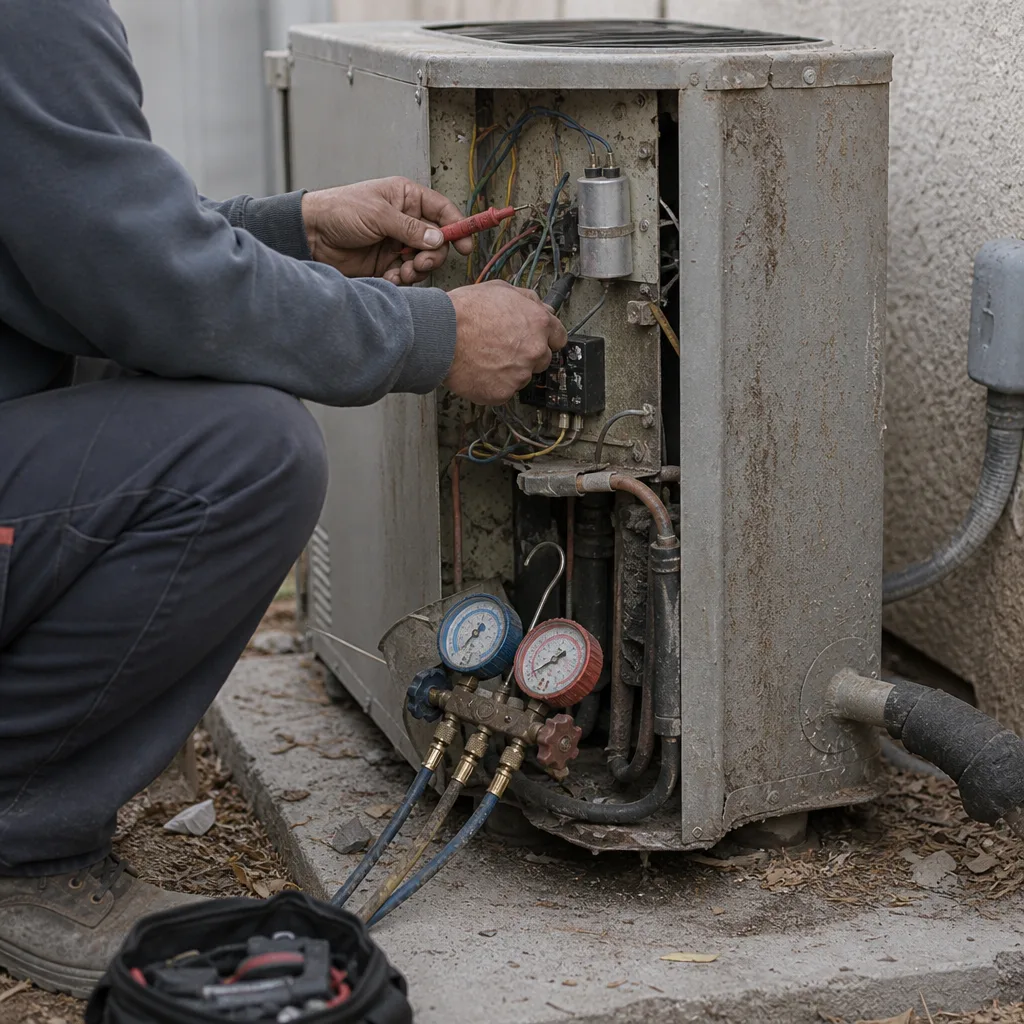 Before
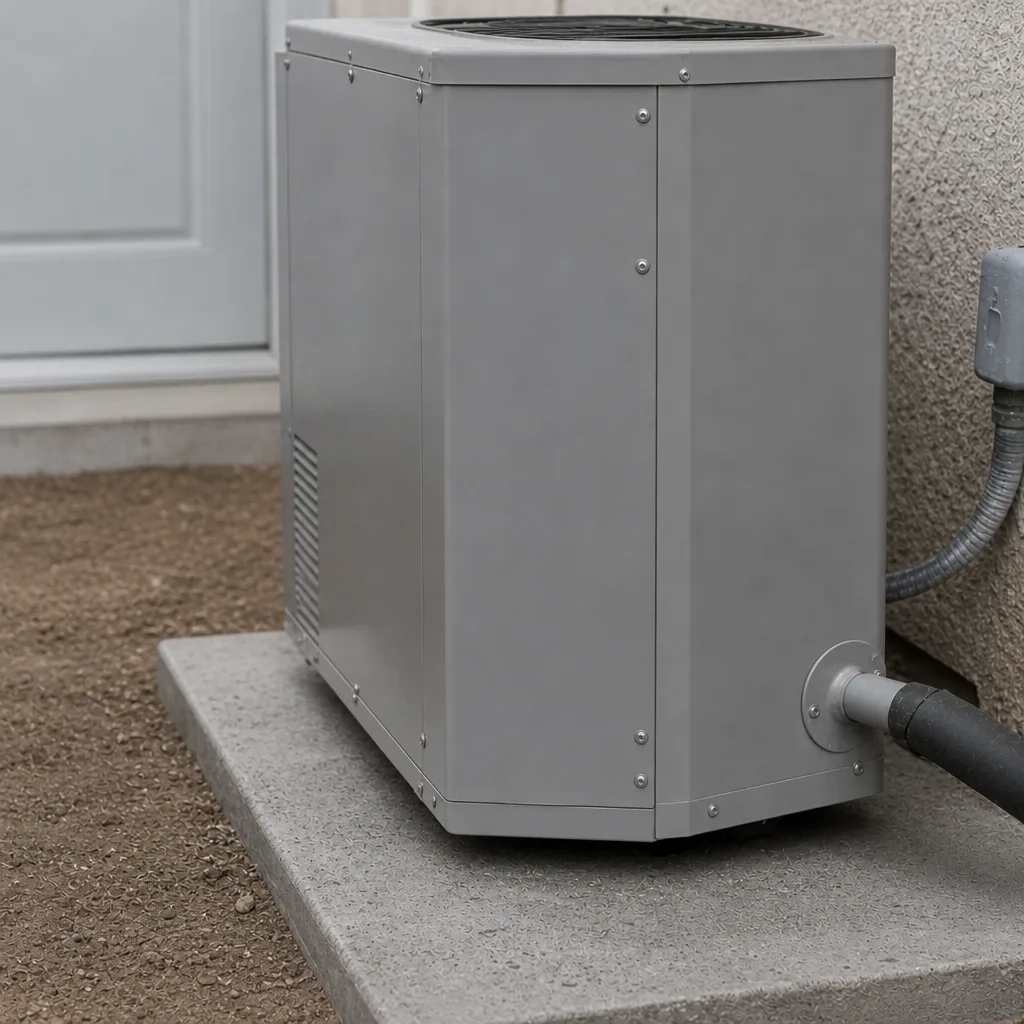 After
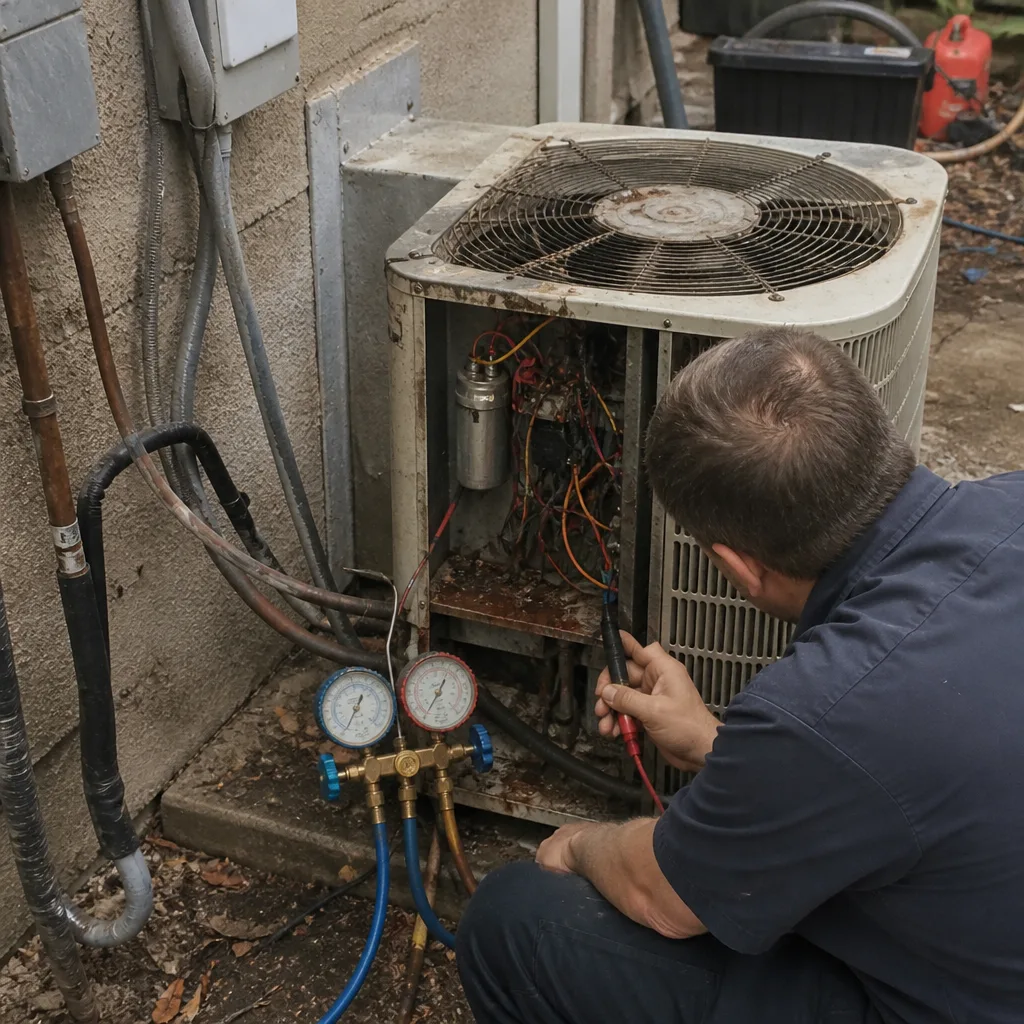 Before
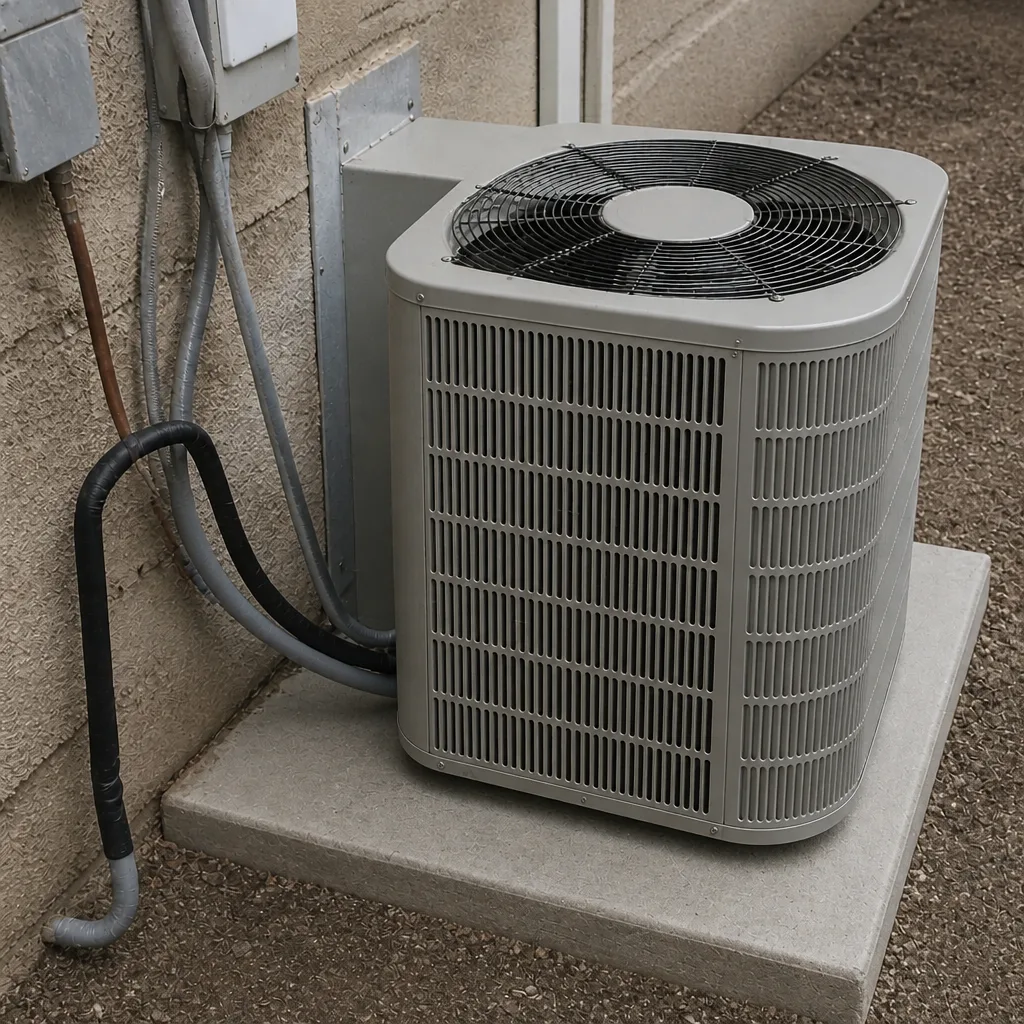 After
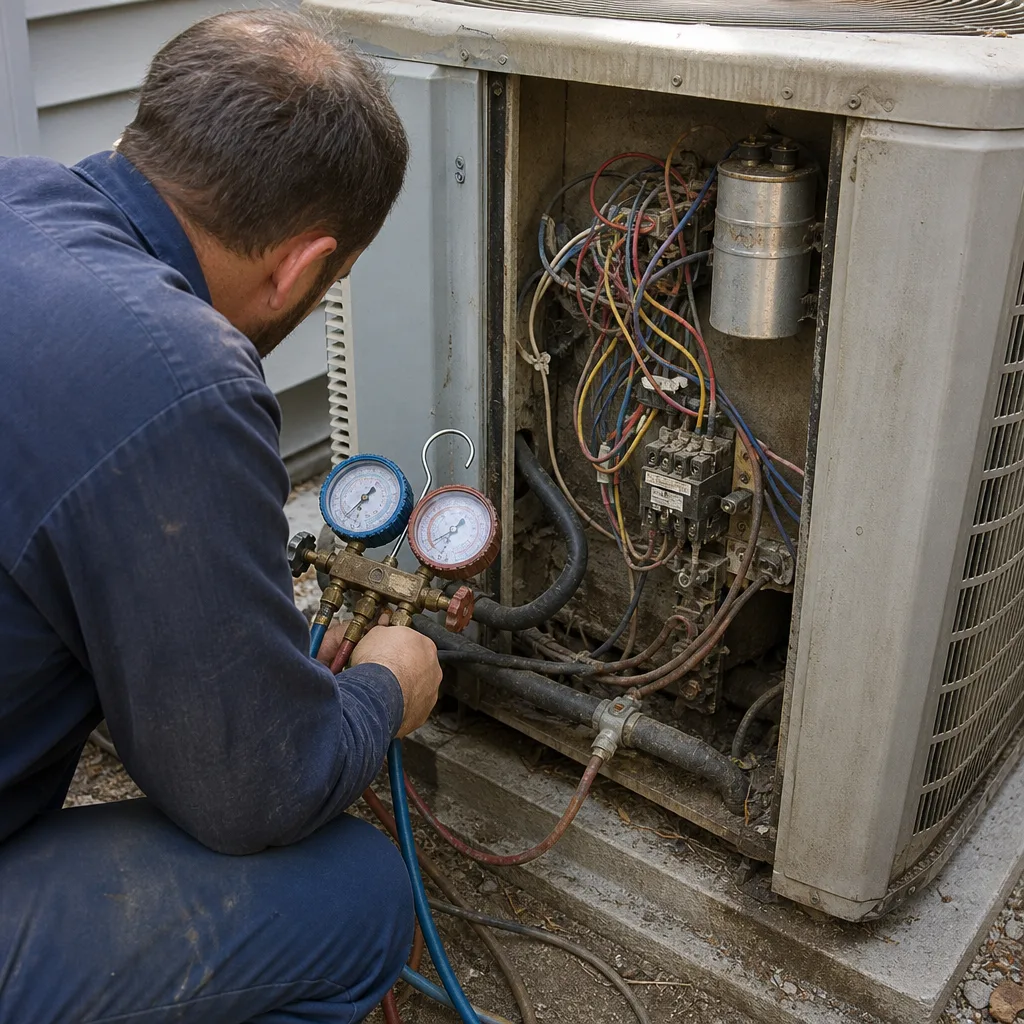 Before
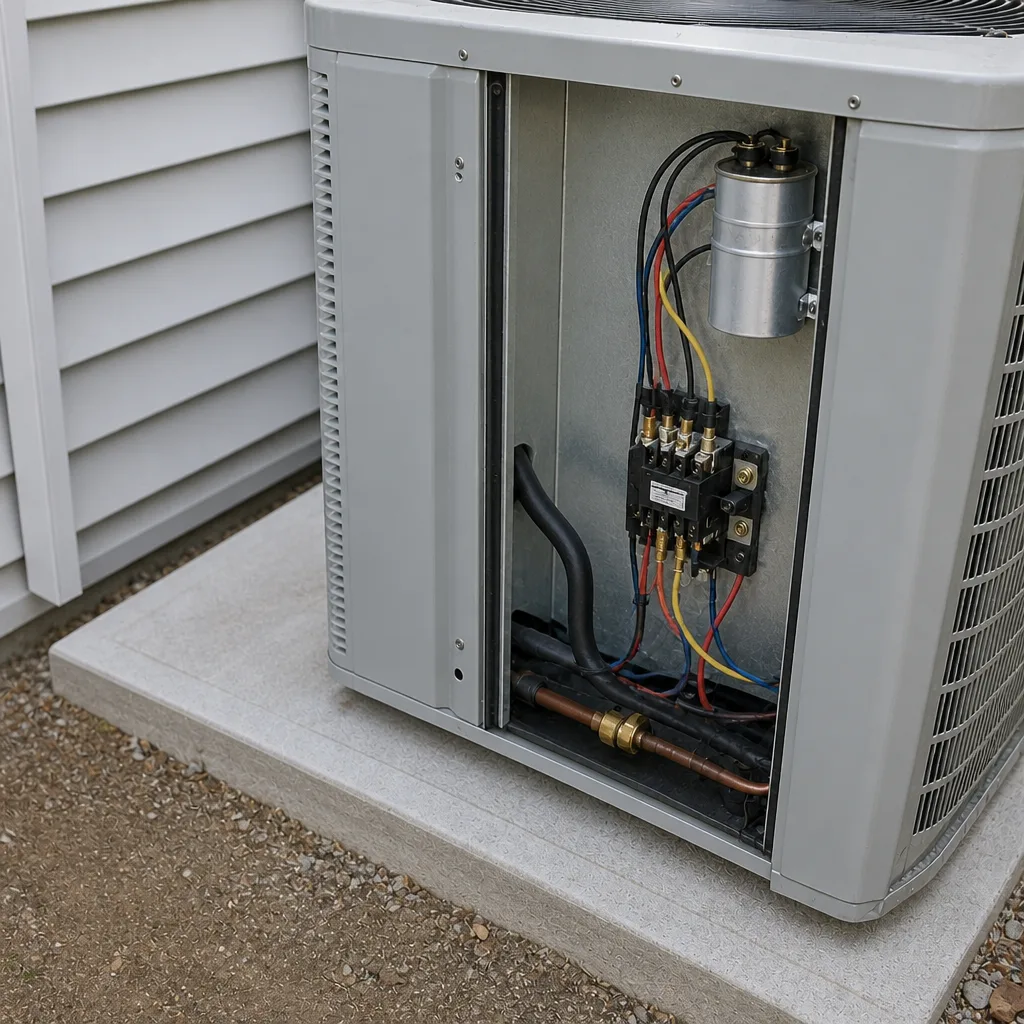 After
When to Call a Professional
Call a professional immediately if you hear a compressor making a loud clunking or buzzing sound and shutting off repeatedly. Call if a rooftop unit trips the breaker more than once. Call if water is standing in the drain pan or dripping through a ceiling. Call if you smell gas at any gas-fired unit. Call if the heat exchanger shows any sign of cracking or sooting – that’s a carbon monoxide problem and it is not a “get to it later” issue. Call if a unit is running but the space won’t stay cool, which usually means refrigerant, airflow, or a failed economizer actuator. These are not DIY items. Commercial rooftop work involves 240-volt power, gas, and heights, and a mistake in any of those three is a serious injury or a fire. Ray’s Heating & Air Enterprise offers free estimates in Enterprise – call (844) 455-2034 for a straight read on what your system actually needs.
Frequently Asked Questions
Quarterly professional service plus a monthly filter and visual check you do yourself is the right baseline for most small commercial spaces in Enterprise. The quarterly visits cover coil cleaning, refrigerant readings, electrical inspection, and condensate clearing; the monthly check is filter and drain. Annual items – economizer testing, roof curb inspection, heat exchanger inspection on gas units – ride on top of that schedule.
It depends entirely on the lease language, and most leases push maintaining the system onto the tenant. Triple-net leases almost always make the tenant responsible for repairs, while gross leases often keep the landlord on the hook for major items. “Structurally sound” and “in good working order” are two different standards, and a rooftop unit sitting on a curb usually falls under the second one. Get the clause out and read it before you call anyone.
Commercial service usually covers different equipment types – rooftop package units, split systems with economizers, gas heat sections – and it includes economizer testing and often documentation suited for warranty, landlord, and health-inspection purposes. Residential service covers a single home system and doesn’t usually need the paper trail. If you’re paying for commercial service, ask what documentation you’ll get with each visit.
At every quarterly service visit during cooling season is the safe answer for most commercial spaces in Enterprise. Desert dust from construction, roads, and landscaping loads coils faster here than in most of the country, and a matted coil raises head pressure and shortens compressor life. If you’re in a strip mall or an industrial park with nearby landscaping, treat coil cleaning as quarterly without question.
Get a roof curb and penetration inspection done in late May or early June, before the July storms. The inspection should confirm the seals around the unit and any penetrations are intact, and it should include photographs. If a roof leak finds its way into the electrical compartment of a rooftop unit, a $300 reseal turns into a several-thousand-dollar repair.
Often yes for common failures – a bad capacitor, contactor, or blower motor is usually a same-visit repair. Compressor failures and refrigerant leaks can take longer because parts have to be ordered and, for compressor replacement, refrigerant recovery adds time. What matters is having a contractor who answers the phone at 2 a.m. and carries common parts. Ray’s Heating & Air Enterprise answers live, 24/7 – call (844) 455-2034 for a free estimate and a real answer on timing.
The Bottom Line
The maintenance schedule that works is the one you’ll actually keep. Monthly filter changes and drain checks done by one named person, quarterly professional service in April, July, and October, and annual economizer, roof, and heat exchanger work. Add documentation – readings on the invoice, dated photos, filter logs – and you’ve got a system that holds up under warranty claims, landlord disputes, and health inspections. In Enterprise’s climate, coil cleaning is quarterly, economizer testing is annual, and roof inspections happen before the monsoon, not after it. If you want a second opinion on what your current vendor is telling you, call Ray’s Heating & Air Enterprise at (844) 455-2034 for a free estimate. We’ll read the system before we quote the job.
If you’re comparing guides or looking for related work, our Ray’s Heating & Air Enterprise home page is the starting point, and the deeper breakdowns for AC repair and installation in Enterprise, heating and furnace service in Enterprise, and heat pump and mini split work in Enterprise are worth a read before you sign anything.
Written by the team at Ray’s Heating & Air Enterprise.