
Last updated November 17, 2026
 AC repair
 Furnace & heating
 Heat pumps
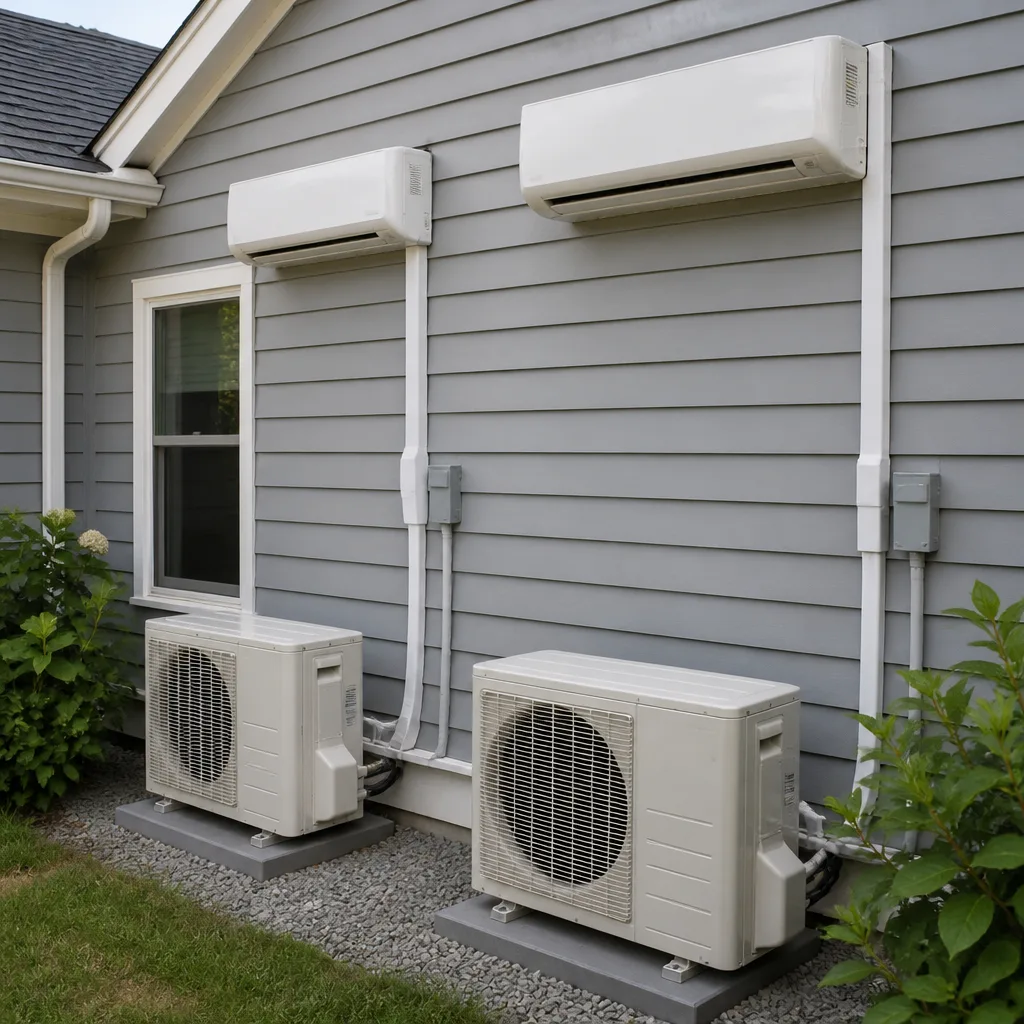 Ductless mini splits
 Carrier
 Trane
 Goodman
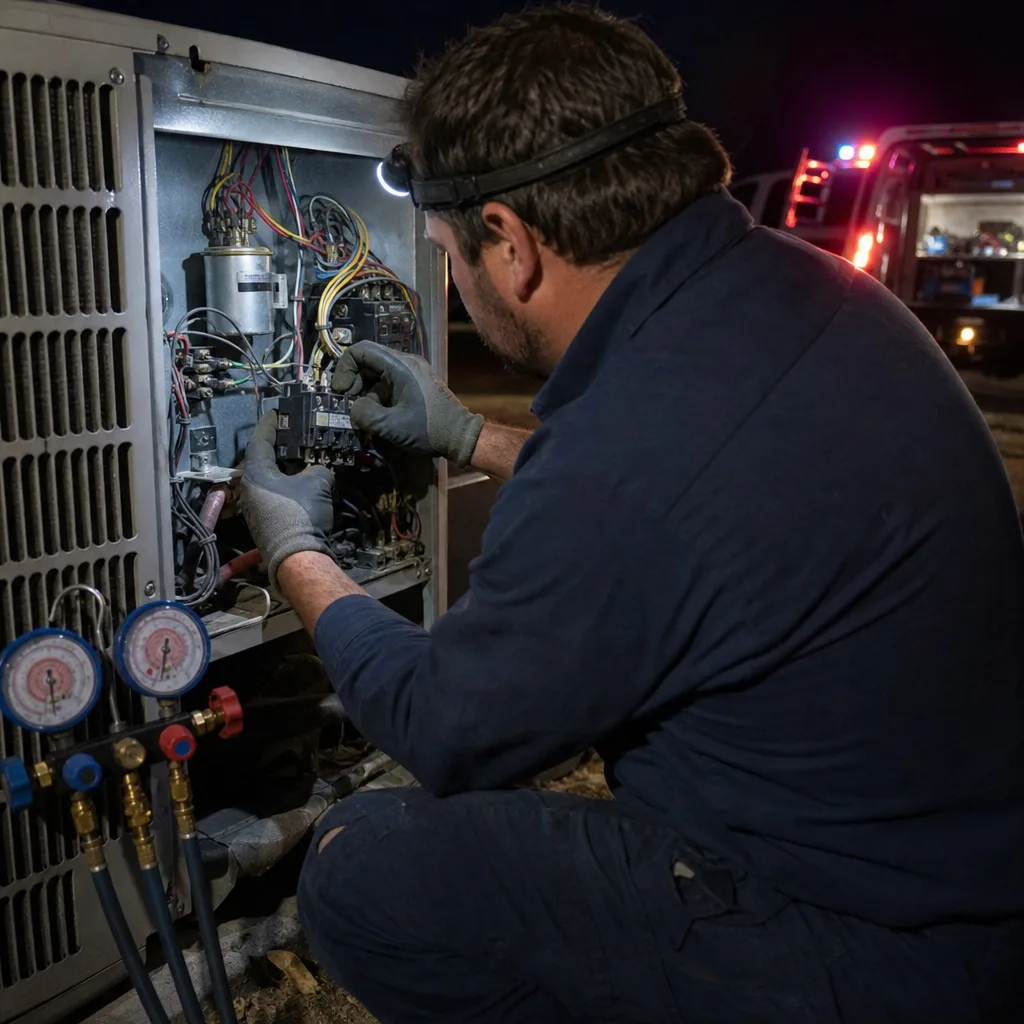
Seasonal tune-up and full diagnostic on your Carrier, Trane, or Goodman system - readings shown to you before any repair is proposed
Diagnosis first, numbers second - you approve the repair price before a single part goes in.
Get your free estimateAir Quality & Ventilation Troubleshooting: Common Problems and How to Fix Them
If your house gets dusty again within 48 hours of cleaning, your return air filter isn’t the problem. Your duct system has a leak, and you’re pulling attic air – 120°F in summer and full of insulation particles – straight into the living space every time the system runs. That’s the part nobody tells you. In our experience across Enterprise, most “allergy” complaints people bring to a doctor are actually a mechanical problem in the ducts or the venting, and it’s findable. This guide walks through the four symptoms we hear most – dust, humidity swings, headaches, and that one room that always smells off – and connects each to the actual ventilation cause behind it.
Quick Answer
Most indoor air complaints in Enterprise trace back to three mechanical causes: duct leakage pulling attic or wall cavity air into the living space, poor fresh air exchange trapping CO2 and humidity inside a tight house, and combustion appliance venting problems that put exhaust where it shouldn’t go. You can check the first one yourself with a flashlight and a piece of tissue paper. The other two need a CO detector and a trained eye on the venting. Fix the source and the symptoms usually go away without any air purifier.
Styles & brands we work with
- AC repair
- Furnace & heating
- Heat pumps
- Ductless mini splits
- Carrier
- Trane
- Goodman
Table of Contents
- Why Your House Gets Dusty Again in 48 Hours
- Condensation on Windows and Static Shock Season
- Headaches, Fatigue, and the Mechanical Checklist
- How to Do a Basic Duct Leak Check Yourself
- Why One Room Always Smells Different
- Filtration: What Actually Works in an Enterprise House
- Common Mistakes to Avoid
- When to Call a Professional
Why Your House Gets Dusty Again in 48 Hours
Two days after you dust, the furniture is coated again. A normal house takes a week or two to build up visible dust. Forty-eight hours means dust is being actively delivered into the room, not settling slowly out of the air. That’s a leak.
Here’s what happens. Your return duct runs through the attic or a wall cavity to pull air back to the air handler. If that duct has a seam that’s come loose, a joint that was never taped, or a boot that’s disconnected behind a register, the return doesn’t pull from the house. It pulls from wherever the leak is closest – usually the attic. Attic air in Enterprise in July runs 130°F to 150°F and carries fiberglass insulation particles, construction dust that’s been sitting there since the house was built, and whatever the wind blew in through the roof vents. Every time the blower kicks on, that air comes into your living room.
The telltale signs of a return-side leak:
- Dust returns within 48 to 72 hours of cleaning, every time
- Dust is heaviest near the return grille or the register closest to the air handler
- Rooms feel stuffy even when the system is running
- Higher electric bills in summer – the system is cooling hot attic air, not house air
- Fiberglass particles visible on a dark surface near a supply register
We’ve seen this in Enterprise homes built in the 1990s when duct tape was the standard sealant. That tape dries out, cracks, and falls off after 15 to 20 years. The leak was always there; it just got worse. An AC repair and installation in Enterprise visit with a duct leakage test catches it in under an hour.
Condensation on Windows and Static Shock Season
Indoor humidity that swings from swampy to desert-dry is a ventilation problem, not a “your house is just like that” problem. Two symptoms get confused with each other constantly, and they point to opposite causes.
Condensation on windows in the morning
If you’re wiping fog off the inside of your windows in the morning, your house has too much moisture and not enough fresh air exchange. In a tightly built Enterprise house, cooking, showers, and breathing put moisture into the air, and if the fresh air intake is blocked, undersized, or nonexistent, that moisture has nowhere to go. It condenses on the coldest surface in the room – the glass. Left alone, it feeds mold on the window frames and eventually in the wall cavity.
Static shock every time you touch a doorknob
The opposite symptom. Dry air in winter is normal, but if you’re getting shocked every time you touch a light switch from November through February, your house is too tight and the furnace is drying out already-dry air. An Enterprise winter runs bone-dry, and a house that doesn’t exchange air with the outside compounds it. The fix is usually a small fresh air intake or an HRV, not a whole-house humidifier that adds moisture to a house that already has a ventilation problem.
Both of these come back to the same principle: a house needs to breathe at a controlled rate. Too little and you trap moisture and CO2. Too much and you’re heating and cooling the outdoors. A heat pump and mini split in Enterprise setup, done right, includes a ventilation plan so you’re not fighting the same problem from both directions.
Headaches, Fatigue, and the Mechanical Checklist
If you or someone in the house gets a headache most evenings, or feels more tired than the day should account for, don’t start with an air purifier. Start with the mechanical checklist. Three things can cause this, and two of them are serious.
- Carbon monoxide from a combustion appliance. This is the one that matters most. A furnace with a cracked heat exchanger, a water heater with a blocked flue, or a gas range with poor draft can put CO into the house. CO is colorless and odorless. A $25 CO detector near the bedrooms is the cheapest safety step you’ll ever take. If it alarms, get out and call from outside. If you don’t have one, get one today. This isn’t a replace-your-filter-later thing.
- Combustion venting problems short of full CO release. A water heater flue that backdrafts under certain conditions – usually when the clothes dryer or bathroom fan is running – pushes exhaust gases into the house without tripping a standard CO alarm. You feel crummy but nothing alarms. A trained eye checks the draft with a smoke pencil or a combustion analyzer. That’s not a homeowner check.
- CO2 buildup from poor fresh air exchange. A tightly-built house with the windows closed and no fresh air intake will build up CO2 from breathing, and above about 1,000 ppm people report headaches and afternoon fatigue. It’s a stale-air problem, not poisoning, and the fix is opening the fresh air path.
Any heating and furnace work around combustion venting is not a do-it-yourself job. A qualified professional should inspect the heat exchanger, test the draft, and confirm the flue is clear. For homeowners in Enterprise, our heating and furnace in Enterprise visit includes a combustion safety check on every call, not just when something smells off.
How to Do a Basic Duct Leak Check Yourself
You can find the worst leaks in fifteen minutes with a flashlight, a step stool, and a piece of tissue paper. This is the check we recommend every homeowner do before picking up the phone. It’s safe, it doesn’t touch the equipment, and it will tell you a lot about what’s going on.
- Turn the system off at the thermostat. Fan switch to “off.” You don’t want the blower running while you’re up in the attic or crawling under the house.
- Pull the return air grille. The big filter grille in the hallway or ceiling. Look inside with the flashlight. You’re looking for gaps where the metal duct meets the drywall, torn flex duct, or a duct boot that’s pulled away from the register box.
- Turn the fan back on to “on” – not “auto.” This runs the blower without heating or cooling.
- Hold the tissue paper near every seam you can reach. A seam that’s sucking the tissue toward it is a return-side leak, pulling attic or cavity air into the system. A seam blowing it away is a supply-side leak, wasting conditioned air into the attic.
- Feel for hot air around the air handler. In an Enterprise summer, the attic can be 140°F. If you feel hot attic air moving around the base of the unit, the cabinet or plenum joint is leaking.
- Look at the filter after you’re done. A filter that’s gray and evenly loaded is doing its job. A filter with one corner loaded and the rest clean means the filter isn’t seated right. A filter with fiberglass fibers stuck to it means the return is pulling from the attic.
What to do with what you find: loose seams can be sealed with mastic or foil tape (not cloth duct tape, which fails again in a couple of years). A disconnected boot or a torn flex duct needs to be reconnected and sealed properly – that’s a job worth doing right the first time.
Why One Room Always Smells Different
There’s always one room – the spare bedroom, the far bathroom, the bonus room over the garage – that smells different from the rest of the house. Not necessarily bad, just different. Two causes account for nearly every case we see in Enterprise, and both are mechanical.
Cause 1: A disconnected duct boot
The duct boot is the metal fitting that connects the ductwork to the register in the room. It’s often held to the subfloor or the ceiling with a couple of screws and some tape. Over 10 to 20 years, the vibration and thermal cycling of the system can work it loose. Once it’s loose, the supply duct is blowing conditioned air into the wall cavity or under the floor instead of into the room. The room gets poor air circulation, and the cavity air – which has its own smell – gets pulled in. The room isn’t getting “different air,” it’s getting cavity air. That’s the smell.
Cause 2: A backdrafting water heater
If the room is near the water heater closet, this is the one to check. A water heater flue relies on warm exhaust gas rising up and out. When it’s cold outside and the house is under negative pressure – usually because a bathroom fan or kitchen vent is running, or the return duct is leaking badly – the flue can reverse and pull exhaust gases down into the room instead of pushing them up and out. That’s the smell. It’s also a real health concern, because exhaust contains CO.
A simple test: with a match or a smoke pencil held near the draft hood on top of the water heater, the smoke should go up the flue. If it goes out into the room or holds still, the flue is backdrafting. Turn the water heater off at the gas valve and call a professional. That’s not something to fix with a little patience. Our Ray’s Heating & Air Enterprise home team handles the duct and venting side of this on the same visit.
Filtration: What Actually Works in an Enterprise House
Once the ducts are tight and the ventilation is sorted, filtration does its job. Before that, better filters don’t help much – a high-MERV filter on a leaky duct system just loads up faster from the attic dust it’s pulling in.
What we see work in Enterprise homes:
- MERV 8 to MERV 11 filters are the sweet spot for most residential systems. They catch the fine dust, pollen, and pet dander without choking the airflow. MERV 13 and up is often too restrictive for a standard 1-inch filter slot and can strain the blower.
- 4-inch media cabinets are worth the upgrade. A 4-inch filter has more surface area, lasts 6 to 12 months instead of 1 to 3, and moves the same air without the pressure drop of a high-MERV 1-inch filter. We route these on the return plenum.
- Whole-house media filters beat room air purifiers every time. A portable unit cleans one room. A properly sized filter in the return cleans the whole house every time the fan runs.
- UV and ionizers have their place, but they’re not a substitute for a tight duct system. We’ve seen cases where a UV lamp was installed to fix a “mold” complaint that was really a supply leak blowing cold air onto a wall and condensing. The lamp doesn’t fix the leak.
Change the filter on a schedule, not on a calendar. In Enterprise, the dusty season runs late spring through early summer. A filter that was clean in March is loaded up by mid-June. We tell homeowners to check monthly during that stretch and swap when the filter looks gray.
Common Mistakes to Avoid
- Buying a high-MERV filter to fix a dust problem. It feeds the symptom, not the cause. The dust is coming from a leak behind the register. Seal the leak first.
- Taping over the fresh air intake to save energy. In an Enterprise house, that traps moisture and CO2 and makes the house smell stale. It’s a net loss.
- Ignoring a disconnected duct boot for years. That room never gets the airflow the system was sized to deliver, the thermostat reads the wrong temperature, and the rest of the house gets the short end of the balance.
- Running the bathroom fan for two minutes after a shower. Twenty to thirty minutes is the standard. Ten minutes leaves moisture behind, especially in winter.
- Assuming a CO detector near the furnace covers the whole house. Put one near the bedrooms, one on each floor. CO rises and disperses, and a unit in the basement might not catch a problem in a bedroom.
- Hiring a company that quotes over the phone without seeing the system. On a ventilation problem especially, the fix depends on what’s actually going on. Anyone giving you a number over the phone is guessing.
- Letting a “tune-up” special stand in for a real inspection. A proper visit includes a combustion check, a duct check, a filter check, and readings before any recommendation. Ask what the visit actually covers before anyone shows up.
See the difference
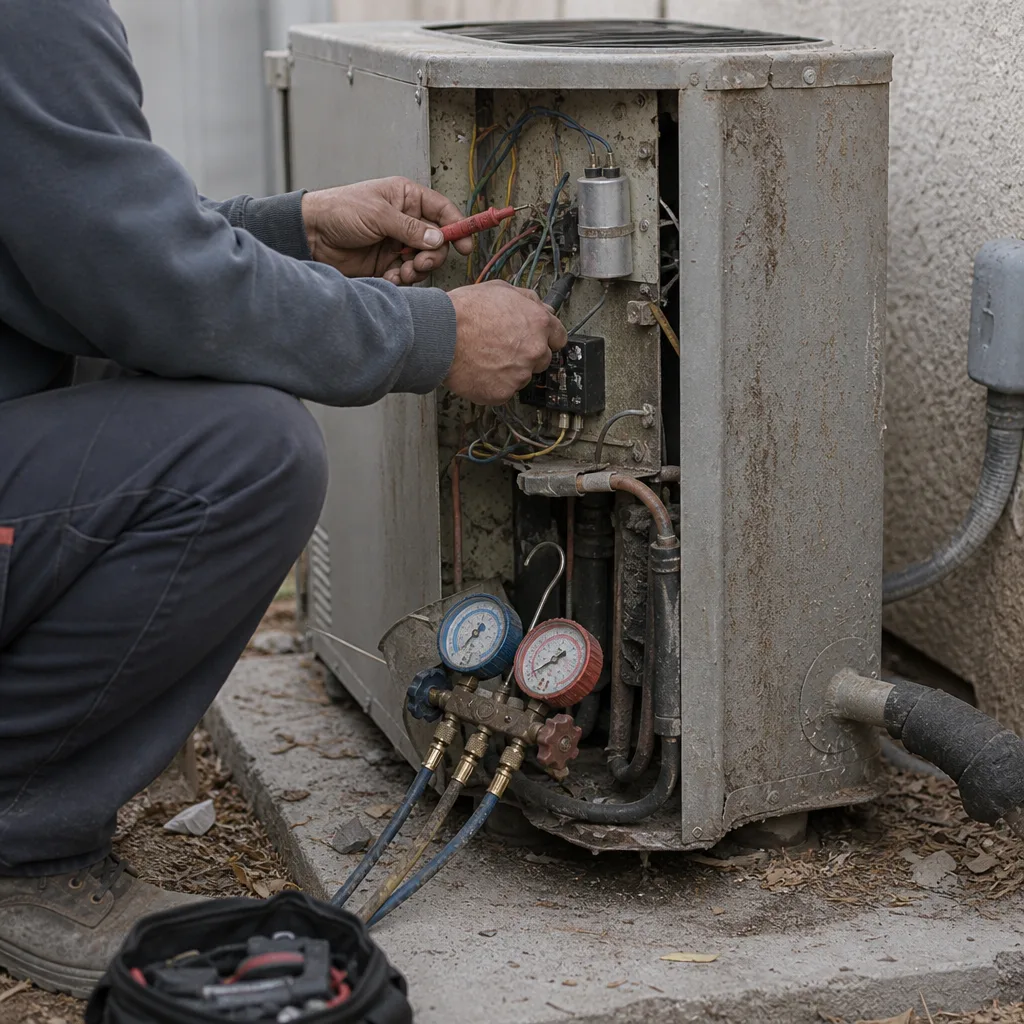 Before
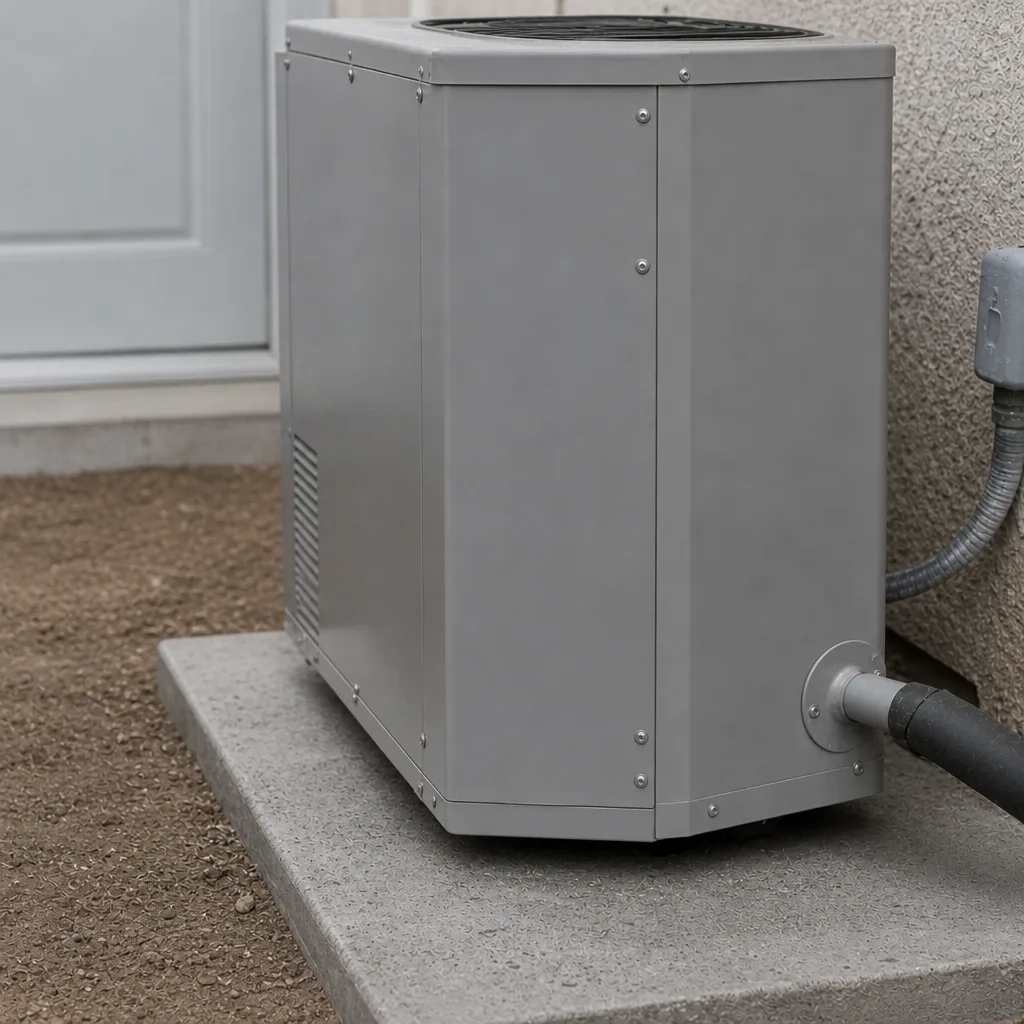 After
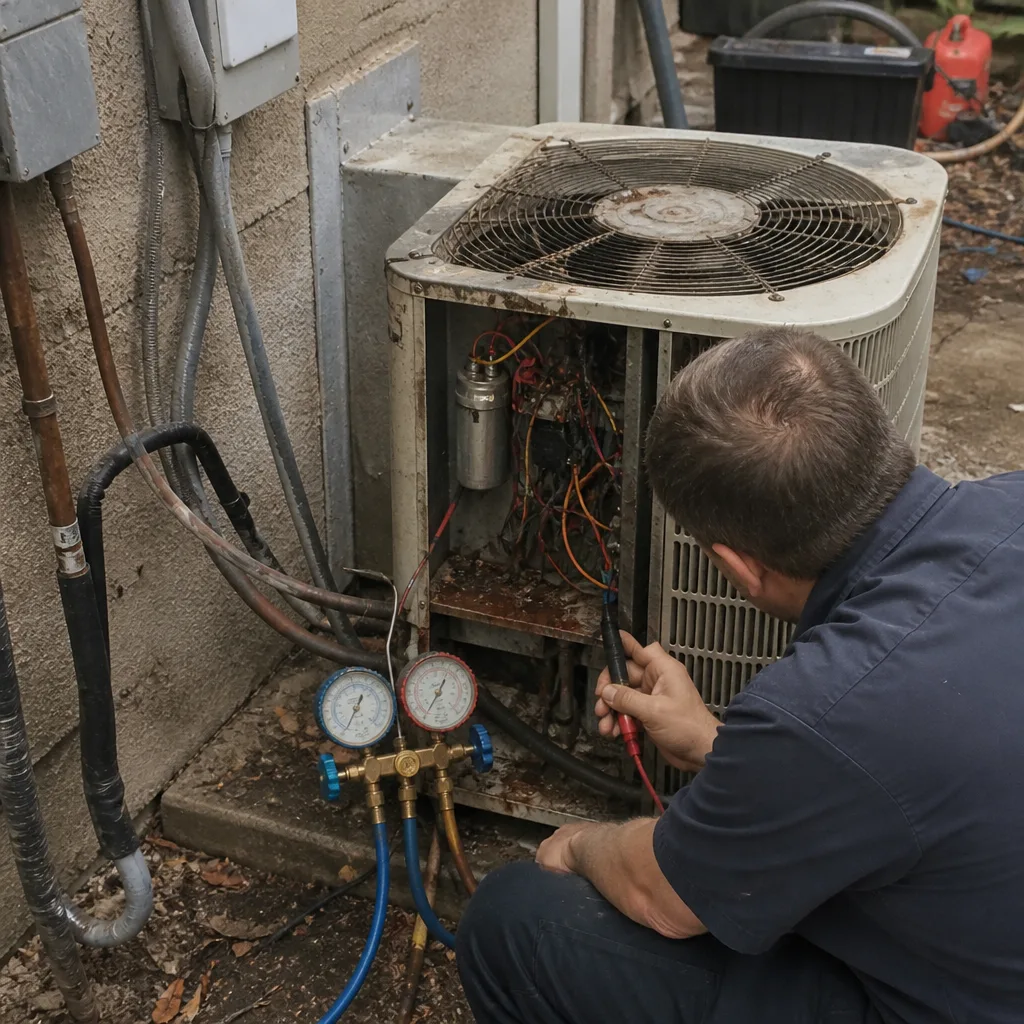 Before
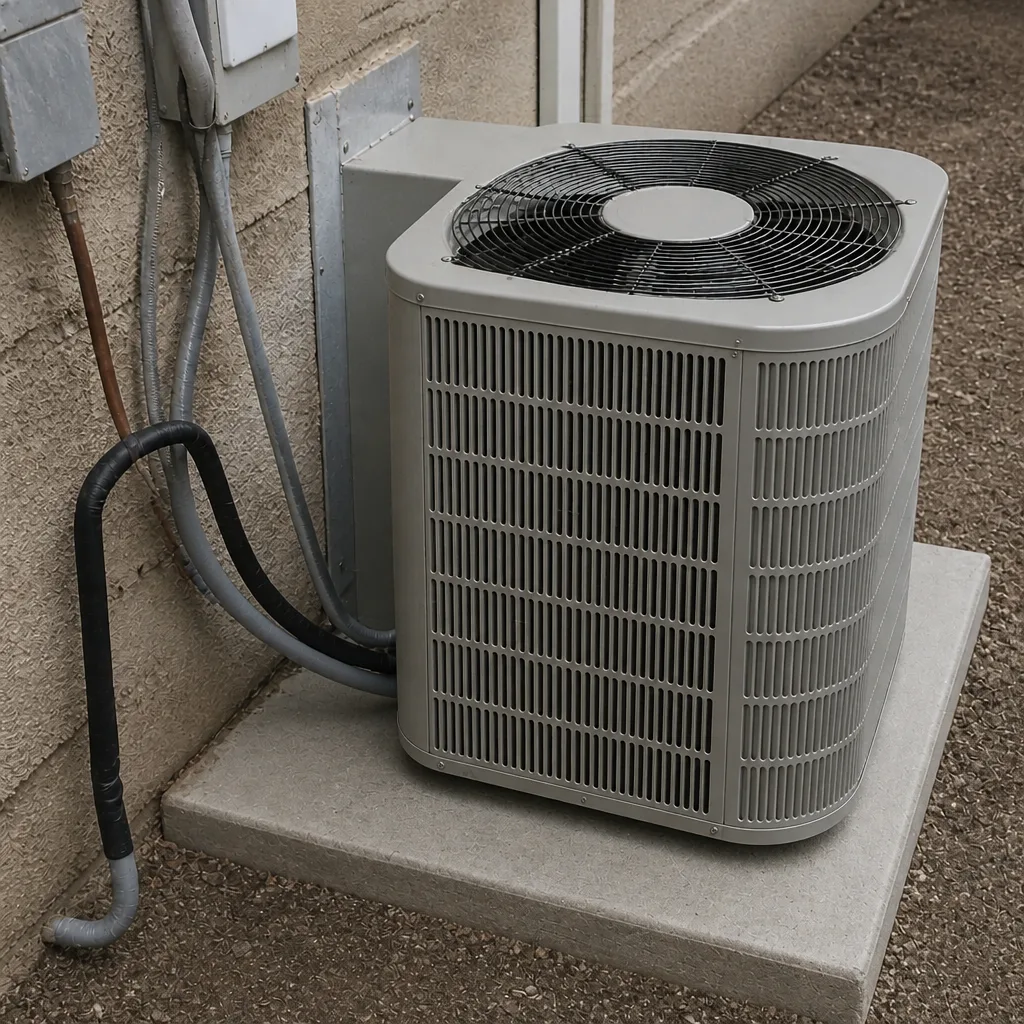 After
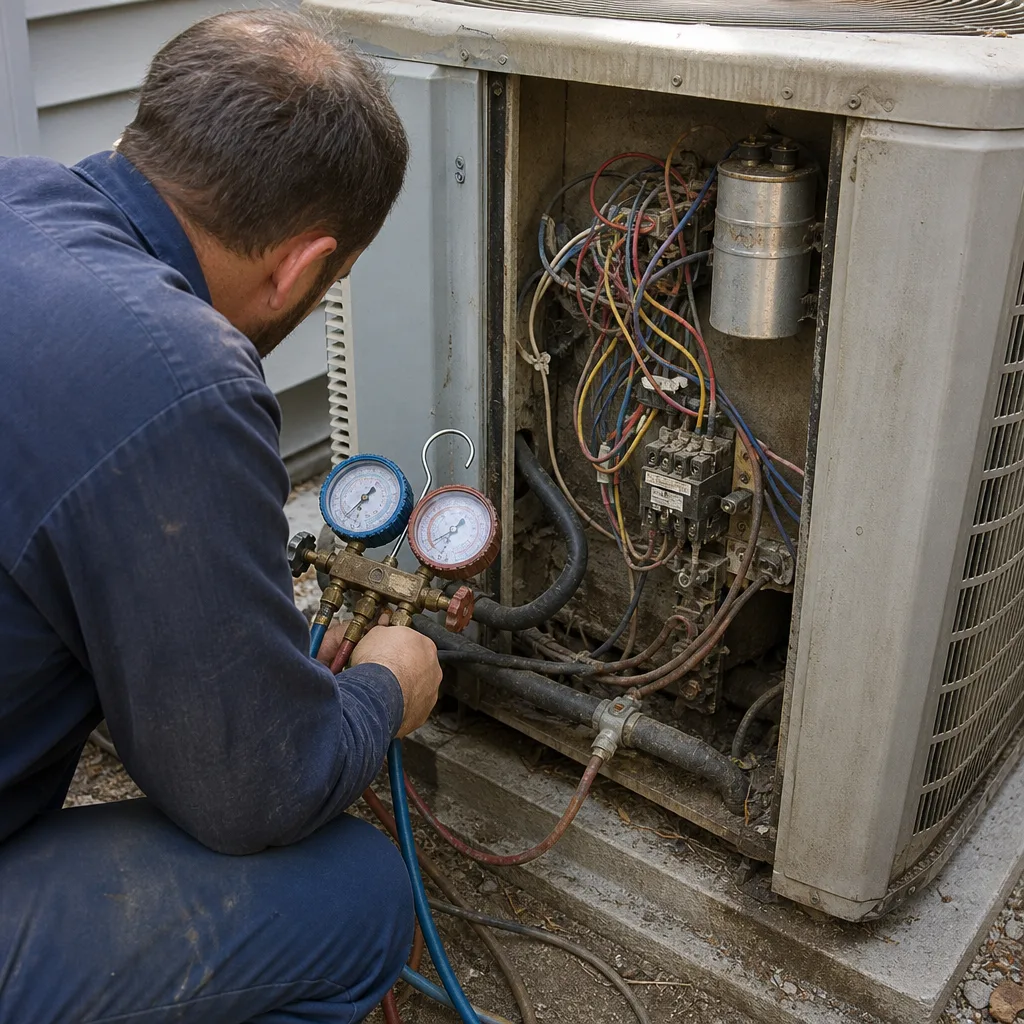 Before
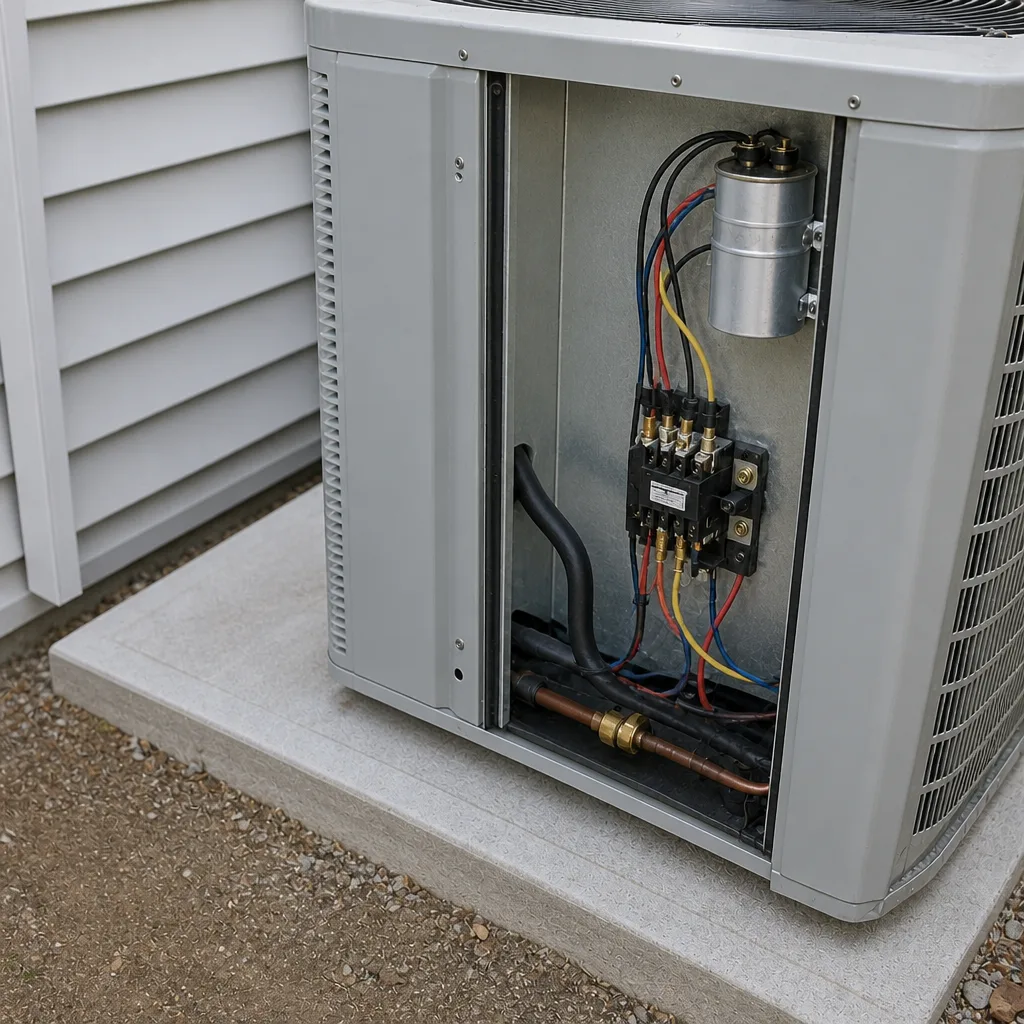 After
When to Call a Professional
Call a professional immediately if your CO detector alarms, if you smell exhaust in a room, if the water heater draft hood backdrafts when the dryer runs, or if you can’t find a duct leak with the flashlight check but the symptoms persist. Those are safety calls, not maintenance calls.
Call us for a diagnostic if the dust, humidity, or headache symptoms have been ongoing for more than a couple of weeks and the simple checks haven’t changed anything. We’ll bring the tools to test duct leakage, check combustion venting, measure CO2 and humidity, and put a number on what’s actually happening before we recommend anything. Readings first, numbers second – you see both.
If you’ve had another company out and you’re not sure the diagnosis is right, ask for a second opinion in writing. We’ll give you one on any written estimate at no charge. Enterprise homeowners can reach Ray’s Heating & Air Enterprise for a free estimate at (844) 455-2034. The phone is answered by a live person, around the clock. If it’s 2 a.m. and something smells like exhaust, call.
Frequently Asked Questions
Because dust is being actively blown into the living space, not settling slowly. The most common cause is a return duct leak pulling attic or wall-cavity air into the system – in Enterprise that means hot, fiberglass-laden attic air delivered to every room every time the blower runs. A flashlight check at the return grille and the air handler cabinet finds it in about fifteen minutes. Call (844) 455-2034 if you’d rather have us test it.
They can be. Three mechanical causes matter here: a CO leak from a cracked heat exchanger or blocked flue, a water heater that backdrafts under certain conditions, and CO2 buildup in a house that doesn’t exchange air. Start with a CO detector near the bedrooms, then have the venting checked by a trained professional. Don’t try to diagnose a combustion problem yourself. Call us for a combustion safety check if you’re unsure.
Thirty to fifty percent relative humidity is the target year-round. If you’re wiping condensation off windows in the morning, you’re over 50 percent and the fresh air intake is the likely culprit. If you’re getting static shocks every time you touch a doorknob in winter, you’re under 30 percent and the house is too tight. A small gauge that reads humidity costs about $15 at any hardware store and tells you which direction you’re off.
Loose return seams reachable from the grille can be sealed with mastic or foil tape. A disconnected boot, torn flex duct, or anything in the attic under the insulation is worth having done properly – a bad seal fails again in a year. Call (844) 455-2034 for a duct check before you climb into a 140°F attic in July.
Only after the ducts are sealed and the ventilation is working. On a leaky system, a purifier is cleaning air that’s about to leak out while the system pulls fresh attic dust in behind it. Seal first, then filter. A 4-inch media cabinet on the return plenum is the highest-value upgrade for most Enterprise houses.
Two causes cover nearly every case: a disconnected duct boot letting cavity air into the room, or a backdrafting water heater nearby putting exhaust into the room. The boot is a comfort and air quality problem. The backdrafting water heater is a safety problem. If the room is near the water heater, test the draft with a smoke pencil – if the smoke doesn’t go up the flue, shut the water heater off and call. Our team can look at both on one visit.
The Bottom Line
Indoor air problems almost never come from the air itself. They come from a mechanical cause – a leak, a backdraft, a house that’s too tight or not tight enough – and fixing the source makes the symptoms go away without a purifier or a humidifier bolted to the wall. Start with the 48-hour dust test and the flashlight check. Add a CO detector near the bedrooms. If the symptoms don’t change after those steps, get a professional on site to test the ducts and the venting. Get the readings before you get the recommendation. That’s how we work.
If you’re in Enterprise and ready to sort out the dust, the humidity, or the room that smells wrong, call Ray’s Heating & Air Enterprise at (844) 455-2034 for a free estimate. Live person answers every call, day or night. Upfront pricing, and the readings before the numbers.
Written by the team at Ray’s Heating & Air Enterprise.