
Last updated November 17, 2026
 AC repair
 Furnace & heating
 Heat pumps
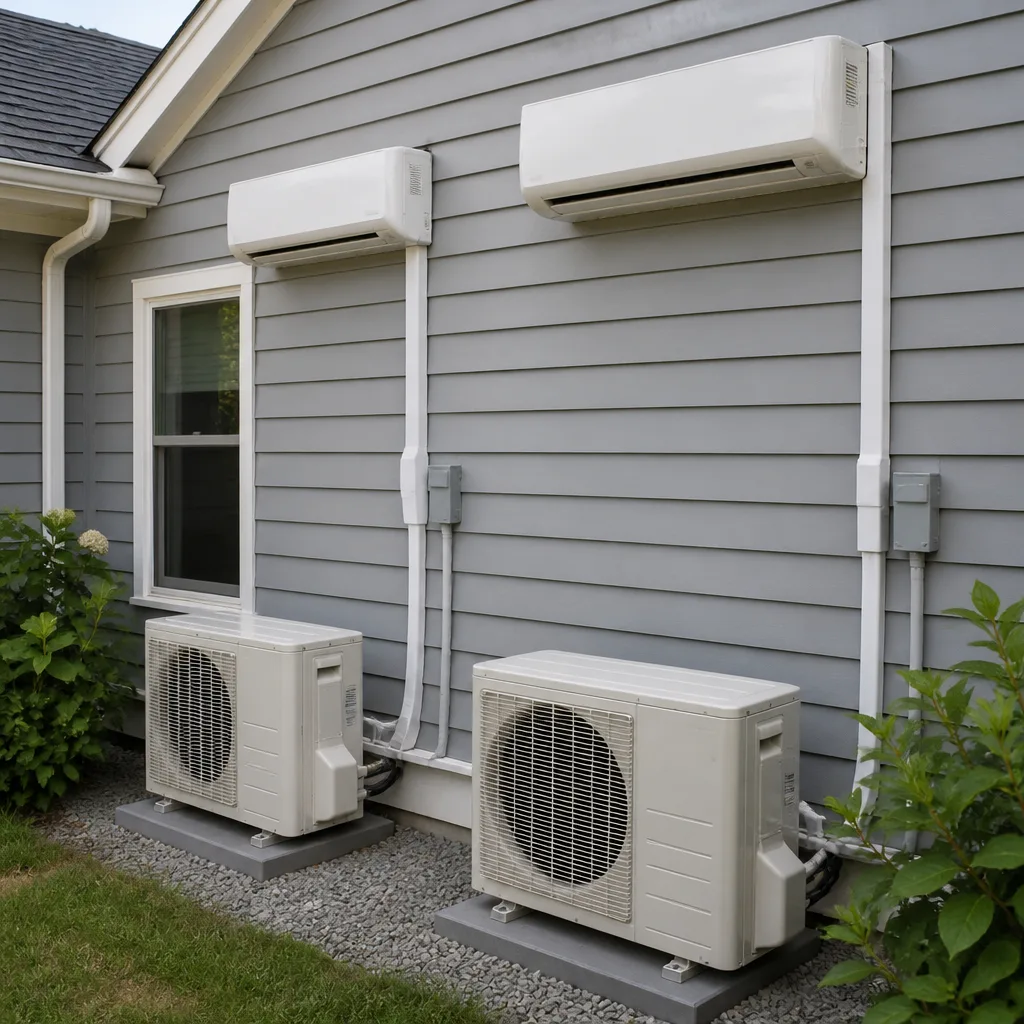 Ductless mini splits
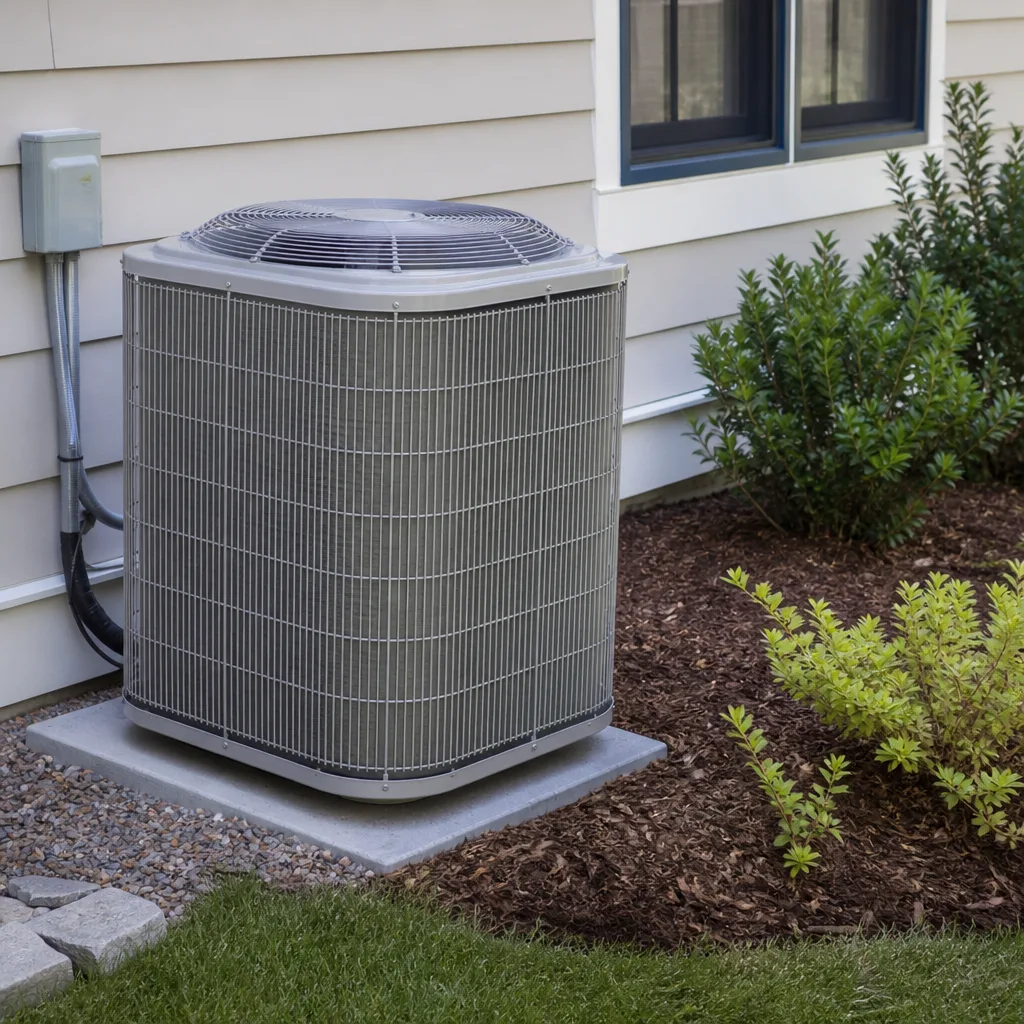 Carrier
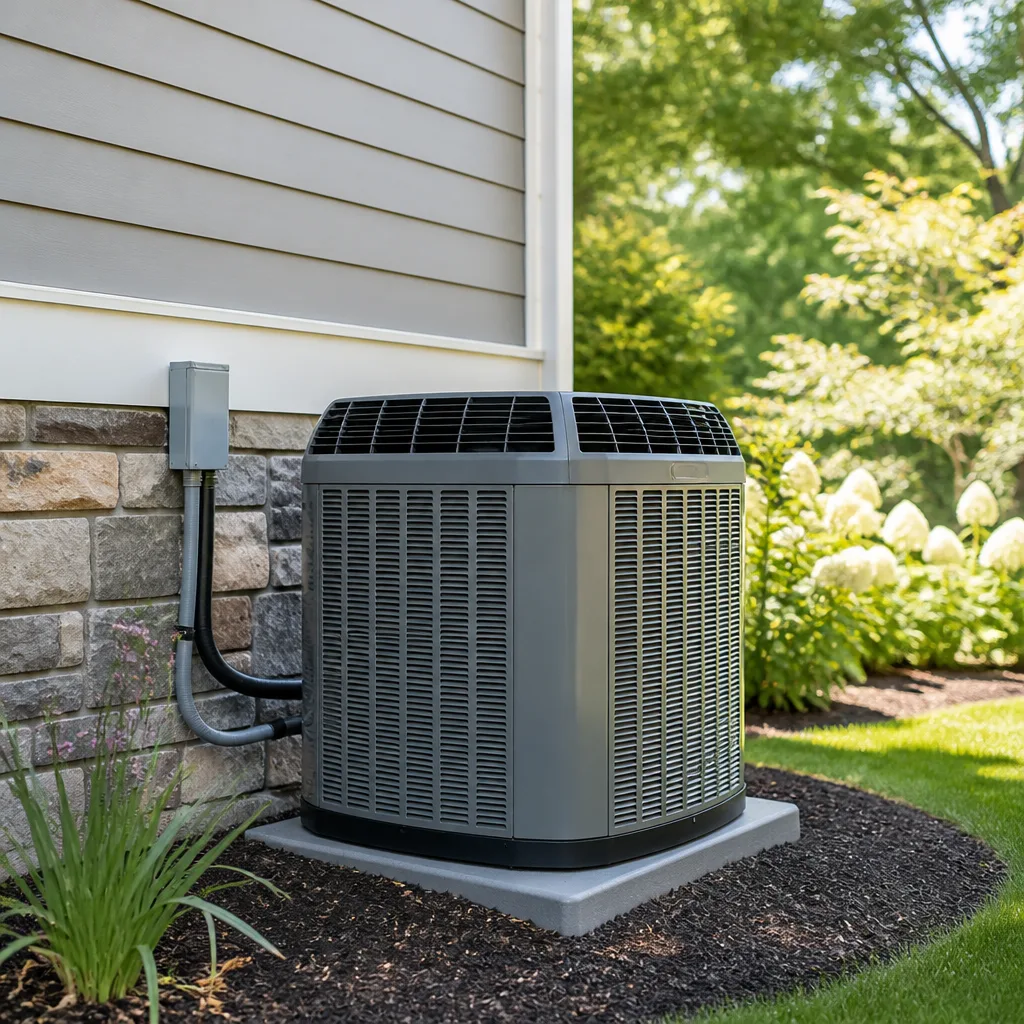 Trane
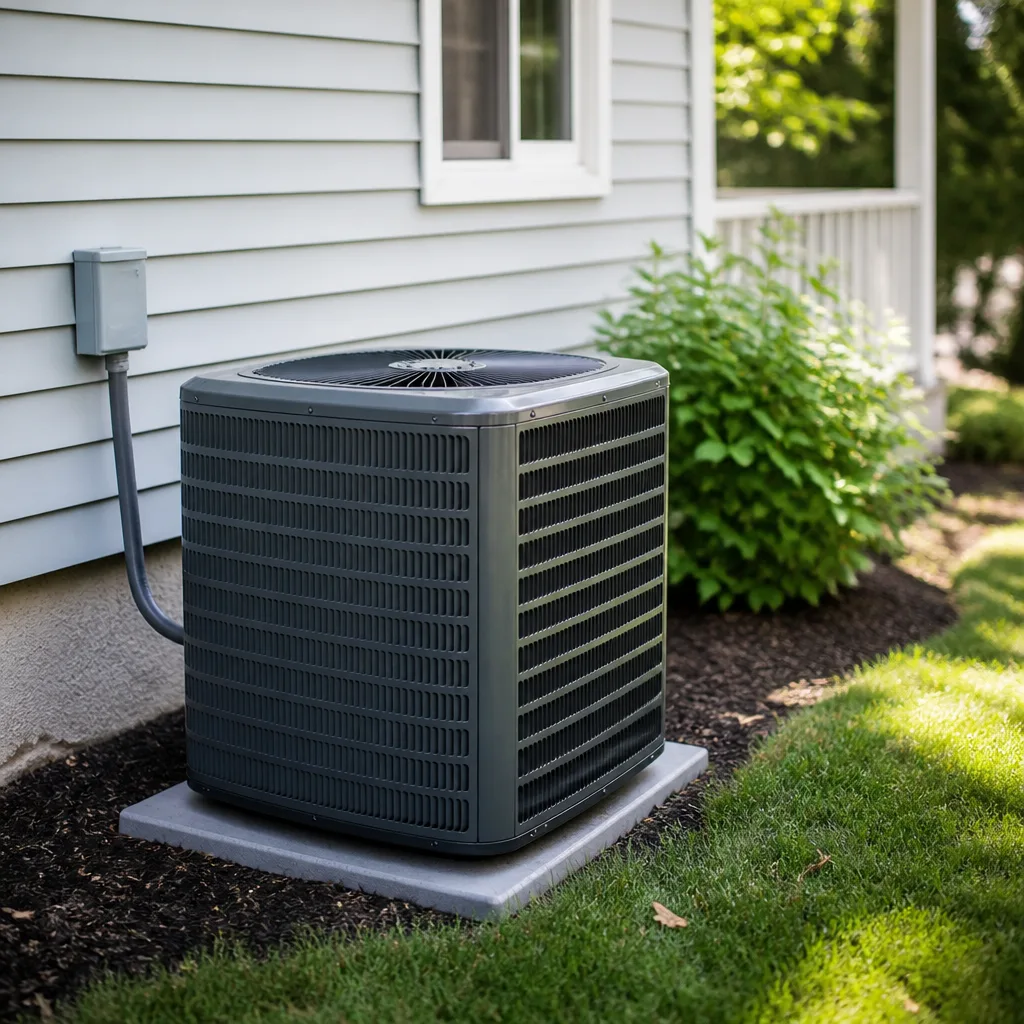 Goodman
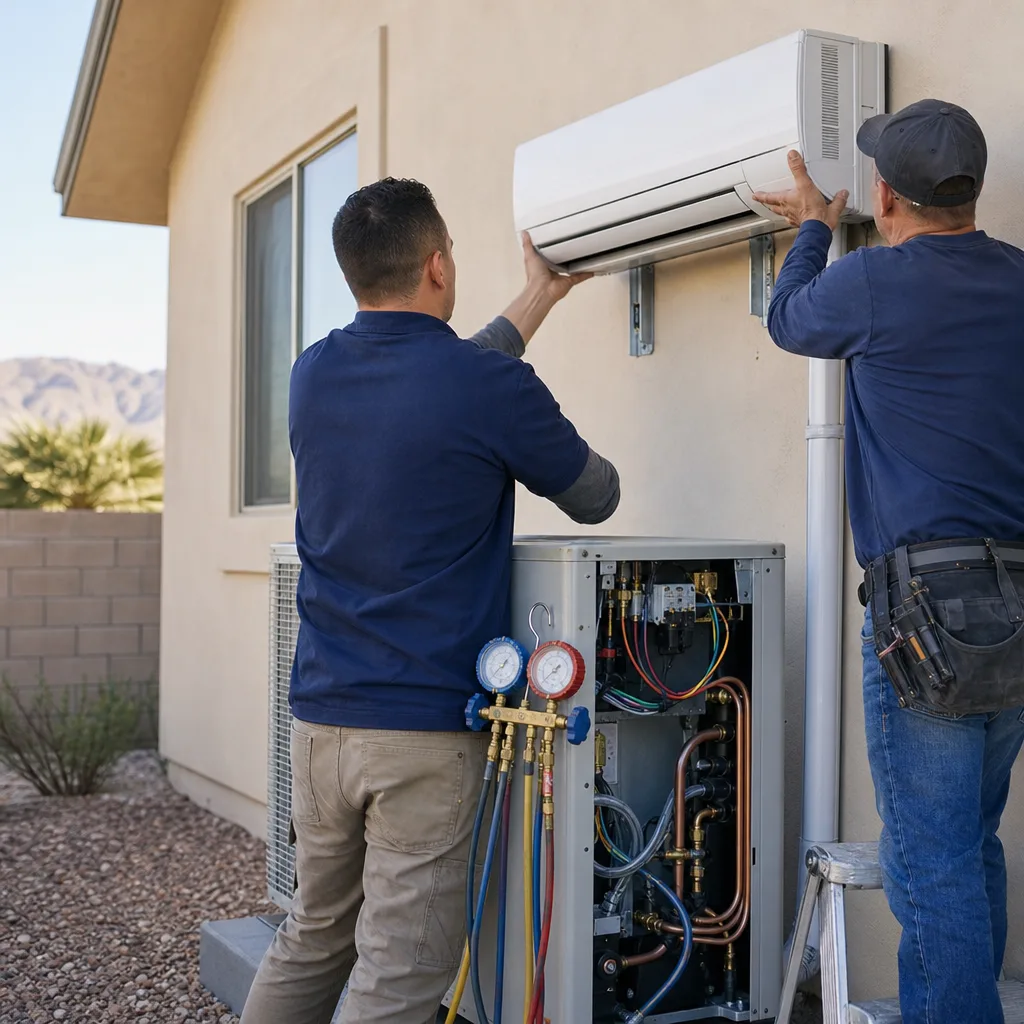
Seasonal tune-up and full diagnostic on your Carrier, Trane, or Goodman system - readings shown to you before any repair is proposed
Diagnosis first, numbers second - you approve the repair price before a single part goes in.
Get your free estimateThe Complete Air Quality & Ventilation Guide for Enterprise Homeowners
Here’s something we’ve seen again and again in Enterprise: a homeowner hires a contractor to spray-foam the attic and seal up all the leaks, watches the NV Energy bill drop, and then six months later can’t figure out why everybody in the house is congested all winter. The tighter a house gets, the less fresh air it has. That’s the tradeoff, and it’s a real one in a desert climate where you can’t leave windows open most of the year. We’ve been working on homes here since 2002, and this guide lays out what’s actually happening in a tightly built Enterprise house. You’ll learn the three pollutant categories that matter most here, how ERV and HRV ventilation differ and which one belongs in a hot-dry climate, what MERV ratings actually mean for your family, and when opening a window helps versus when it makes things worse.
Quick Answer
Most air quality problems in Enterprise homes come from sealed-up houses with no controlled ventilation and a filter that’s either too restrictive or too cheap. Adding mechanical ventilation (an ERV in a hot-dry climate), keeping your ductwork tight, and choosing the right MERV filter for your family’s situation fixes the majority of complaints: stale air, dust, and that stuffy winter feeling.
Styles & brands we work with
- AC repair
- Furnace & heating
- Heat pumps
- Ductless mini splits
- Carrier
- Trane
- Goodman
Table of Contents
- The Building Tightness Tradeoff Nobody Warned You About
- Three Pollutant Categories That Matter Most in Enterprise
- ERV vs. HRV: Which Fits Enterprise’s Desert Climate?
- What MERV Ratings Actually Mean for Your Family
- Why “Just Open a Window” Doesn’t Work Here
- Bath Fans, Range Hoods, and the Ventilation You Already Have
- Ductwork: The Hidden Air Quality Lever
- A Step-by-Step Plan for Better Air in Your Enterprise Home
The Building Tightness Tradeoff Nobody Warned You About
A home built in Enterprise after 2005 is likely 40% more airtight than one built in 1995. That’s not a guess. It comes from the energy code changes Nevada adopted in the 2000s, which pushed builders toward tighter envelopes, better windows, and reduced natural infiltration. The goal was efficiency, and it worked. Those homes cost less to cool in July.
The problem is that a house with fewer leaks also has fewer paths for fresh air to get in. In an older Enterprise home, you got some natural ventilation whether you wanted it or not, just from gaps around windows and doors. A newer home doesn’t leak that way. It holds stale air in for hours at a time, which means CO2 climbs while you sleep, VOCs from carpet, paint, and cabinets hang around longer, and the indoor air gets a kind of stale, close feeling that’s hard to name but easy to notice.
Here’s the part that surprises people. The energy code doesn’t require home ventilation to be installed in most cases. So a builder can construct an extremely tight house, pass inspection, and hand you the keys without a single system to bring fresh air in. That’s the gap. If you own a newer Enterprise home, it’s worth knowing whether that gap exists in your house, and it usually does.
What to watch for:
- Condensation on interior windows in winter that older homes in the same neighborhood don’t show
- A persistent “closed in” smell that doesn’t clear even after cleaning
- Family members who get stuffy the moment your house is buttoned up for winter
- Cooking odors that linger for hours after the pan is washed
- Dust settling noticeably faster on the furniture than it used to
If those ring a bell, your house is doing exactly what it was built to do. It’s just missing the other half of the equation.
Three Pollutant Categories That Matter Most in Enterprise
Every guide to indoor air quality says “reduce pollutants,” but what’s actually in the air of an Enterprise home is more specific than that. Three categories matter most, and they come from very different sources.
1. Desert Particulate
This is the dust and fine particulate that blows in on windy days, especially during spring when winds pick up before the monsoon season. It settles into everything, but the real issue is what gets pulled into your return air. Fine particulate under 2.5 microns is small enough to make it past your nasal passages and into your lungs. Most of what you see on the furniture is bigger than that, but the invisible stuff is the part that matters for anyone with asthma or COPD.
2. Off-Gassing from Newer Construction
Every new house in Enterprise carries residues from the finishes that went in when it was built: carpet adhesive, cabinets, engineered flooring, sealants, paints. Those materials give off VOCs for months and often years. In a leaky house, they float out and never build up. In a tight house, they accumulate. Same for the chemicals in new furniture, upholstery, and the plug-in air fresheners some of us grew up with. If you’ve ever walked into an Enterprise house less than three years old and noticed a chemical smell, that’s the reason.
3. Combustion Byproducts from Gas Appliances
A lot of Enterprise homes run a gas water heater, a gas fireplace, or a gas range. If the burners are clean and vented properly, they run close to safely. But in a tight house without makeup air, a gas appliance can pull its own exhaust back into the room because it has nowhere else to get combustion air. That’s a real safety issue, not an inconvenience. Any home with a gas appliance in an airtight envelope needs a professional to check venting, spillage, and carbon monoxide readings. Don’t rely on a $20 plug-in monitor to catch everything.
ERV vs. HRV: Which Fits Enterprise’s Desert Climate?
If you’re going to add mechanical ventilation to an Enterprise home, you’ll choose between two systems. They look alike from the outside, and most guides written for humid climates steer you toward an HRV. That’s generally the wrong call here.
What an HRV Does
A heat recovery ventilator pulls fresh outdoor air in and exhausts stale indoor air out, using a core that transfers heat between the two streams. In winter, the incoming cold air gets warmed by the outgoing warm air. In summer, the incoming hot air gets cooled by the outgoing cool air. It works very well and it’s efficient.
What an ERV Does
An energy recovery ventilator does the same job but also transfers moisture between the air streams. That matters in Enterprise because our outdoor air is bone dry most of the year. An ERV passes humidity from the exhaust air to the incoming fresh air, which keeps your home from getting desert-dry in winter when you’re running the heat. That’s the deciding factor here.
The Rule of Thumb We Use
- Hot-dry climate (Enterprise, Las Vegas, Henderson): ERV. You want to keep the indoor humidity that heating and cooking generate, and you don’t want to swing the air too dry.
- Cold climate with heavy winter humidity: HRV. You want to get moisture out.
- Mixed climate: ERV is usually the safer bet for mild Southern Nevada.
One practical note: an ERV or HRV has to be installed with dedicated ductwork and a proper commissioning setup, and that’s not a weekend job. It’s a plan-and-install piece of work, not a same-day repair. That means load calculation, paperwork, and a scheduled install date. It’s also the kind of thing you want to talk through with someone who has installed both systems across Southern Nevada, not just read about on a manufacturer’s website.
If your existing heating system is getting old, this is worth doing alongside the upgrade. We cover the connection between the two in our guide to heating and furnace work in Enterprise.
What MERV Ratings Actually Mean for Your Family
MERV is a filter rating from 1 to 16, and higher isn’t automatically better. Here’s what the three numbers most Enterprise homeowners ask about actually mean.
MERV 8
Catches most pollen, dust mites, mold spores, and larger dust. It’s easy on your blower, doesn’t restrict airflow, and it’s a reasonable baseline for a home without allergy sufferers. If your family is generally healthy and nobody’s sneezing, MERV 8 is fine.
MERV 11
Adds fine dust, some bacteria, and small particles from cooking and pets. It’s the right middle ground for a house with a dog, a cat, or anyone with mild seasonal allergies. Your blower handles a MERV 11 as long as the filter is changed on schedule.
MERV 13
Catches the smaller stuff: fine smoke particles, most allergens under 2.5 microns, some viruses. It’s the choice when you’ve got a kid with allergic asthma or a family member with COPD. The tradeoff is real: MERV 13 restricts airflow more than 8 or 11, and it’s the wrong filter for a system with undersized ducts or an aging blower. A unit that can’t pull enough air will run longer, cool less, and wear down faster. If you’re considering MERV 13 in an Enterprise home, have somebody check static pressure first. It takes five minutes and prevents an expensive surprise.
What Nobody Tells You
The filter change schedule matters as much as the rating. A MERV 13 left in for a year is worse for your air than a MERV 8 changed every 60 days. In dusty Enterprise, especially during spring wind events, we recommend people check their filter monthly from March through June.
Why “Just Open a Window” Doesn’t Work Here
We hear this all the time: “Why do I need to spend money on ventilation when I could just open a window?” It’s a fair question, and the honest answer is that sometimes it works, but the window is only open for part of the year in Enterprise.
When Opening Windows Helps
- January through March mornings, when the outside air is crisp and particulate levels are low
- Cool spring evenings after a wind event has cleared
- Late October and November, before the nights really dig in
- Right after a rain event (rare here, but useful)
- Any time you’re cooking something smoky or running a hobby project that creates fumes
When the Outside Air Is Worse Than the Inside
- June through September, when outside temps routinely exceed 100°F and you’d be throwing your AC bill away
- Spring dust events, when particulate counts spike and the air carries fine desert dust
- High-wind days, which stir up more than you want to breathe
- During regional wildfire smoke, which has become an intermittent summer risk in Southern Nevada
- Summer ozone hours, typically mid-afternoon
So a window works about four or five months of the year at best, and never during peak cooling season. That’s why a mechanical system earns its keep. It does the job the other seven months.
If your cooling system is also struggling during those summer months, that’s a separate problem. Our page on AC repair and installation in Enterprise covers it.
Bath Fans, Range Hoods, and the Ventilation You Already Have
Most Enterprise homes already have the beginnings of a ventilation system. The trick is that half of it isn’t working as well as the homeowner thinks.
Bathroom Fans
A bath fan is meant to clear moisture and odors from the room, and it’s supposed to run for about 20 minutes after a shower. Two things go wrong. First, many homes have a fan that’s undersized for the square footage, so it never really clears the room. Second, the duct behind it is often a flexible plastic hose that sags or is kinked in the attic, which cuts airflow dramatically. If your mirror stays fogged for 10 minutes after you turn the fan off, the fan isn’t getting the job done.
Range Hoods
This is where the tightness problem shows itself most clearly. A range hood that vents outside pulls cooking fumes, smoke, and combustion byproducts from a gas range out of the house. But in a tight home, that same hood needs makeup air to replace what it’s pushing out. If it can’t get it, three things can happen: the hood doesn’t pull properly, the house depressurizes and pulls outside air in through the water heater flue (a real safety concern), or both. A properly sized makeup air system solves it.
Dryer Vents and Other Exhaust
Same principle. Anything that pushes air out of the house needs a path for air to come back in. In a leaky house that path is the cracks. In a tight house it has to be planned.
This is the kind of thing that shows up during a full system assessment. If you want to understand what a proper walkthrough looks like, our piece on heat pumps and mini splits in Enterprise walks through the diagnostic side of system setup.
Ductwork: The Hidden Air Quality Lever
You can buy the best filter on the market, add an ERV, and still have poor air if your ducts are leaking or dirty. Ductwork is the distribution system for everything your HVAC does, and in Enterprise homes we find two issues over and over.
Duct Leakage
A typical home loses 20% or more of its conditioned air through duct leaks. In an attic, that means pulling in superheated air in summer and cold air in winter, plus dust and whatever else is floating around up there. Sealing ducts is one of the highest-return air quality jobs you can do, and it helps your energy bill at the same time.
Duct Contamination
Dust buildup, construction debris from when the house was built, even mold growth in a poorly sealed system. If you’ve ever pulled a vent cover and seen a thick layer of grey dust inside, that’s what your family has been breathing. Cleaning is worth it when the contamination is significant, but the better long-term fix is to keep the system sealed and filter correctly.
A duct check is a foundational step before you invest in ventilation equipment. Otherwise you’re improving the air just to leak it away.
A Step-by-Step Plan for Better Air in Your Enterprise Home
If you want to actually improve indoor air quality without a five-figure contractor project, here’s the order we recommend. It moves from cheapest and most certain to larger investments.
- Change your filter on the right schedule. Check monthly during dusty months, change at 60 to 90 days the rest of the year. A MERV 8 or 11 is fine for most homes; MERV 13 only if your system can handle the airflow.
- Check that your bath fans and range hood actually move air. A tissue held up to the fan grille should flutter and stick. If it droops, the fan or duct needs attention.
- Get a duct inspection. Have someone crawl the attic and look at the ductwork. Sealing obvious leaks is a modest job and pays for itself in energy savings.
- Test for combustion safety if you have gas. A CO reading and a spillage test at the water heater and furnace flue. Any gas-burning appliance in a tight house deserves this check.
- Consider a dedicated ventilation system. An ERV sized to your home gives you controlled fresh air all year, even in July when the windows stay shut. This one is a real project, so plan it with someone who has installed them in the local climate.
- Address the source of the VOCs. Air out new furniture for a week, store paints and solvents in the garage rather than the utility closet, and skip the plug-in air fresheners. Simple, free, and effective.
- Re-check every six months. Filters, fans, ducts. A fifteen-minute seasonal walkthrough catches most problems while they’re small.
Common Mistakes to Avoid
- Buying the highest-MERV filter on the shelf. A MERV 16 in a system with undersized ducts will choke your airflow. Your blower works harder, cools worse, and your indoor air doesn’t improve. Match the filter to the system, not to the marketing.
- Sealing the house without adding ventilation. Weatherization is a good thing on its own. It becomes a problem when it’s the only thing. Any tightening work on an Enterprise home should be paired with a plan for fresh air.
- Ignoring the bath fans. The quiet undersized fan in a 2008-era Enterprise bathroom is often moving 50 CFM when the room needs 80 or more. It’s a cheap upgrade that makes a real difference in moisture and mold risk.
- Running the range hood without makeup air in a tight house. This can backdraft the water heater or furnace flue. If you have a big hood and a sealed home, this is worth a professional check.
- Trusting a plug-in CO alarm alone. The hardware store units are a good backstop, but they’re a backstop, not a diagnosis. Combustion safety needs a proper reading at the appliance.
- Skipping the duct inspection. Homeowners sink money into filters and air purifiers while 20% of their conditioned air leaks through attic duct seams. Fix the distribution first.
- Assuming the desert air is clean. Spring dust events, wildfire smoke, and ozone spikes mean outdoor air has its own seasonal problems in Enterprise. The window strategy has real limits.
See the difference
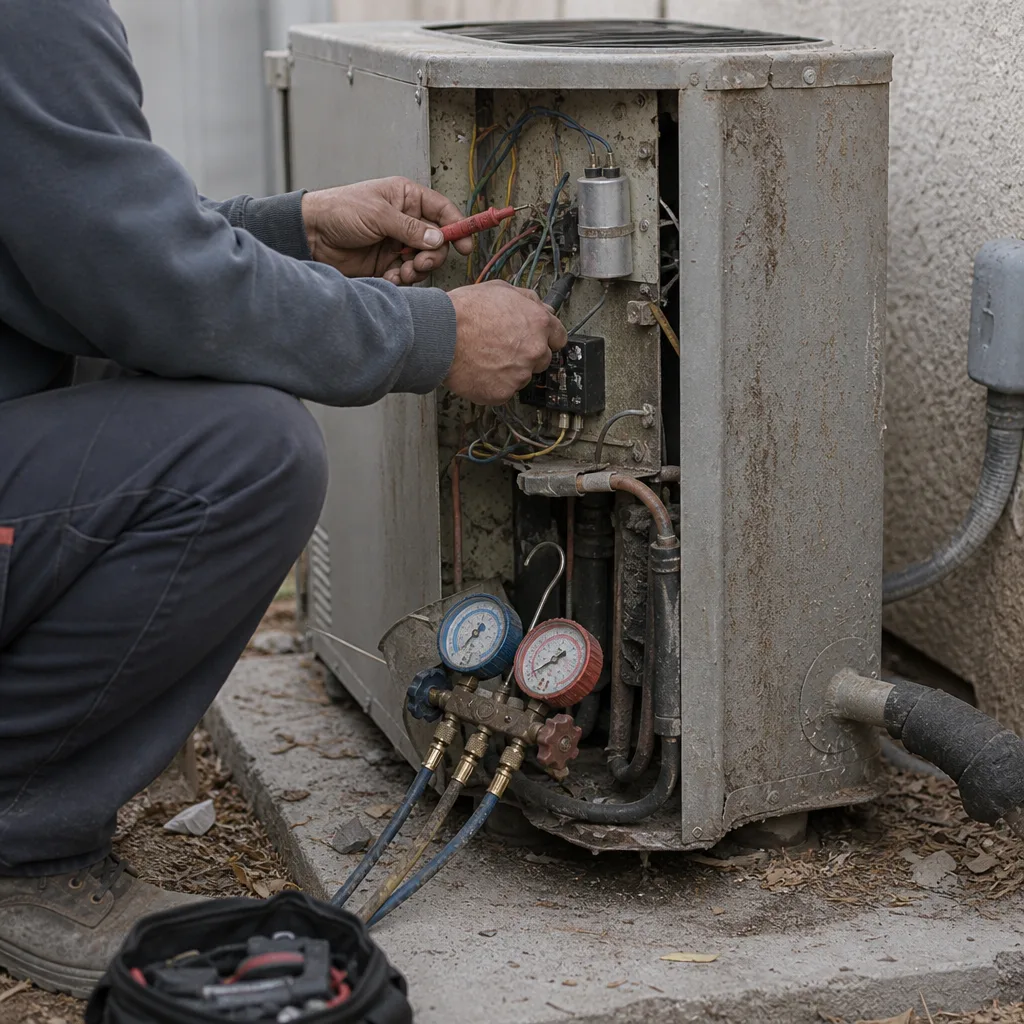 Before
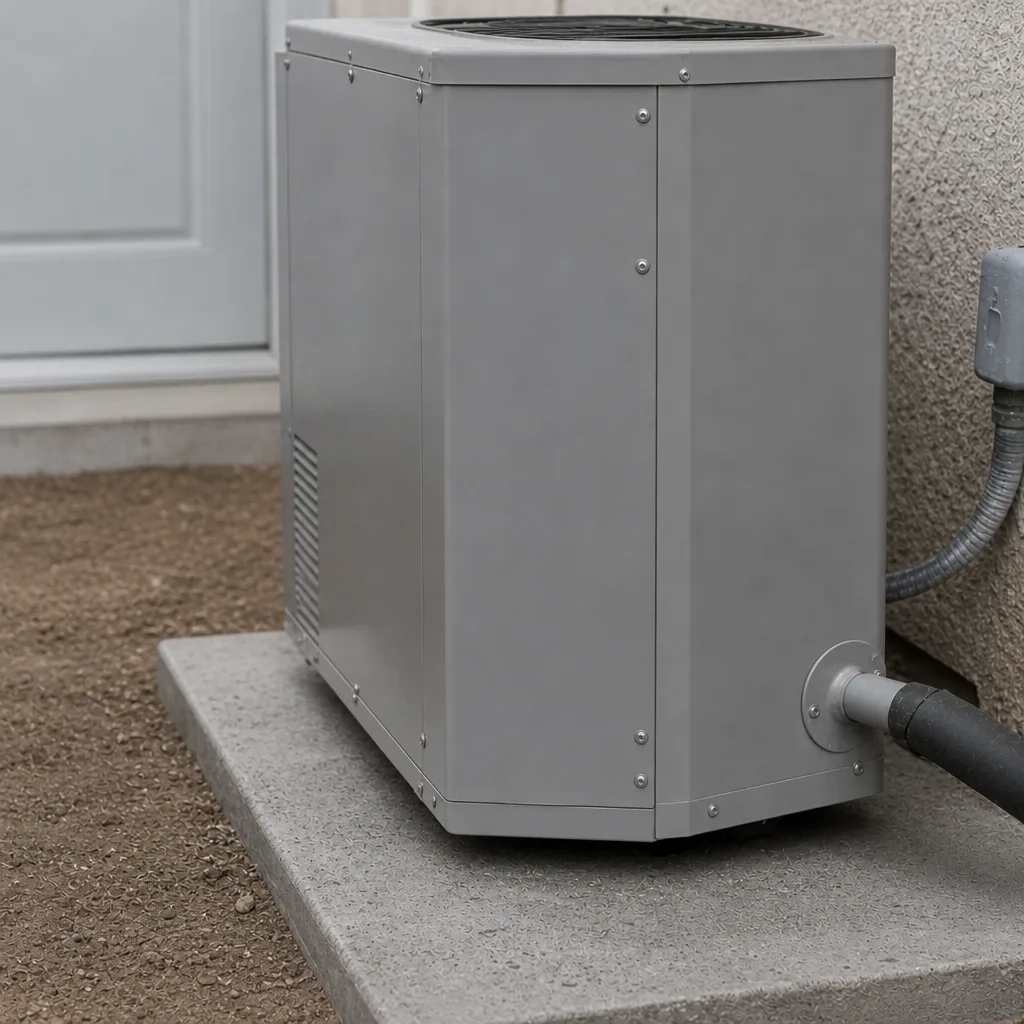 After
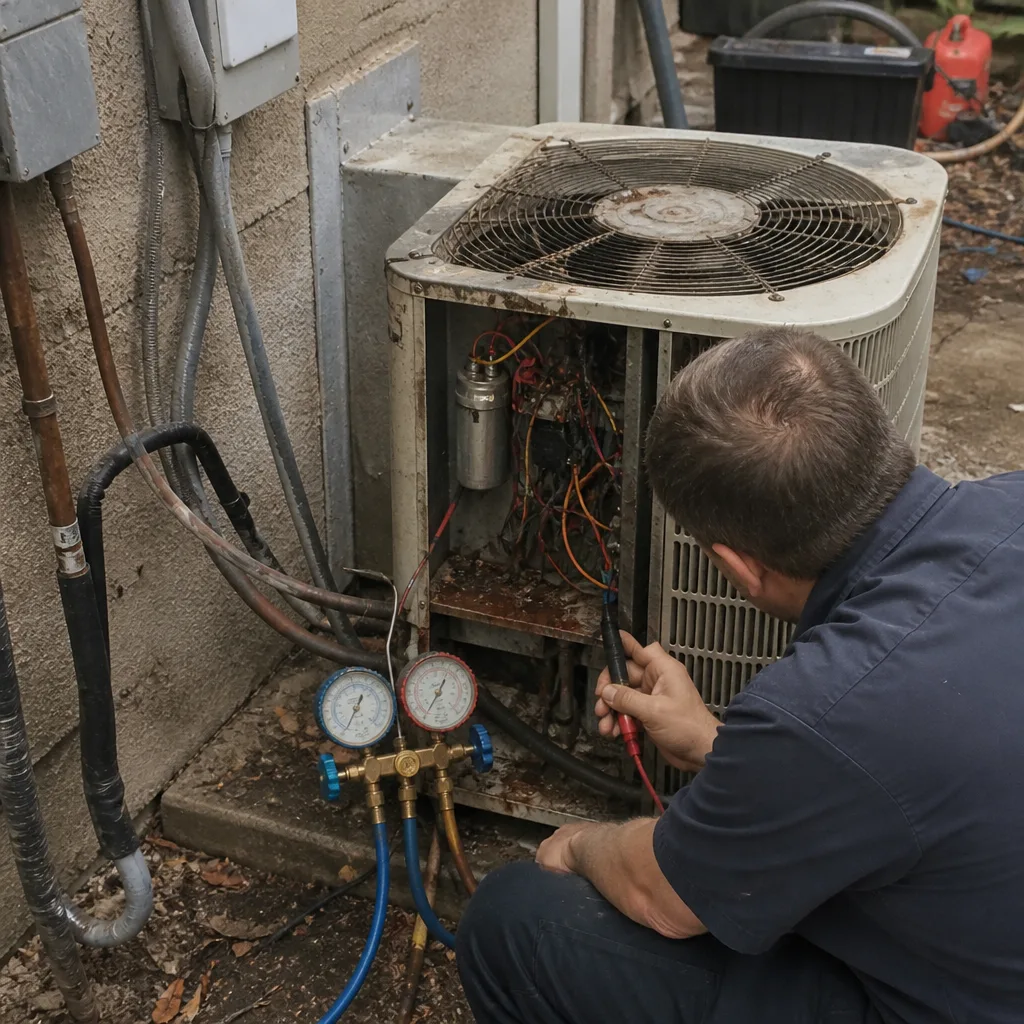 Before
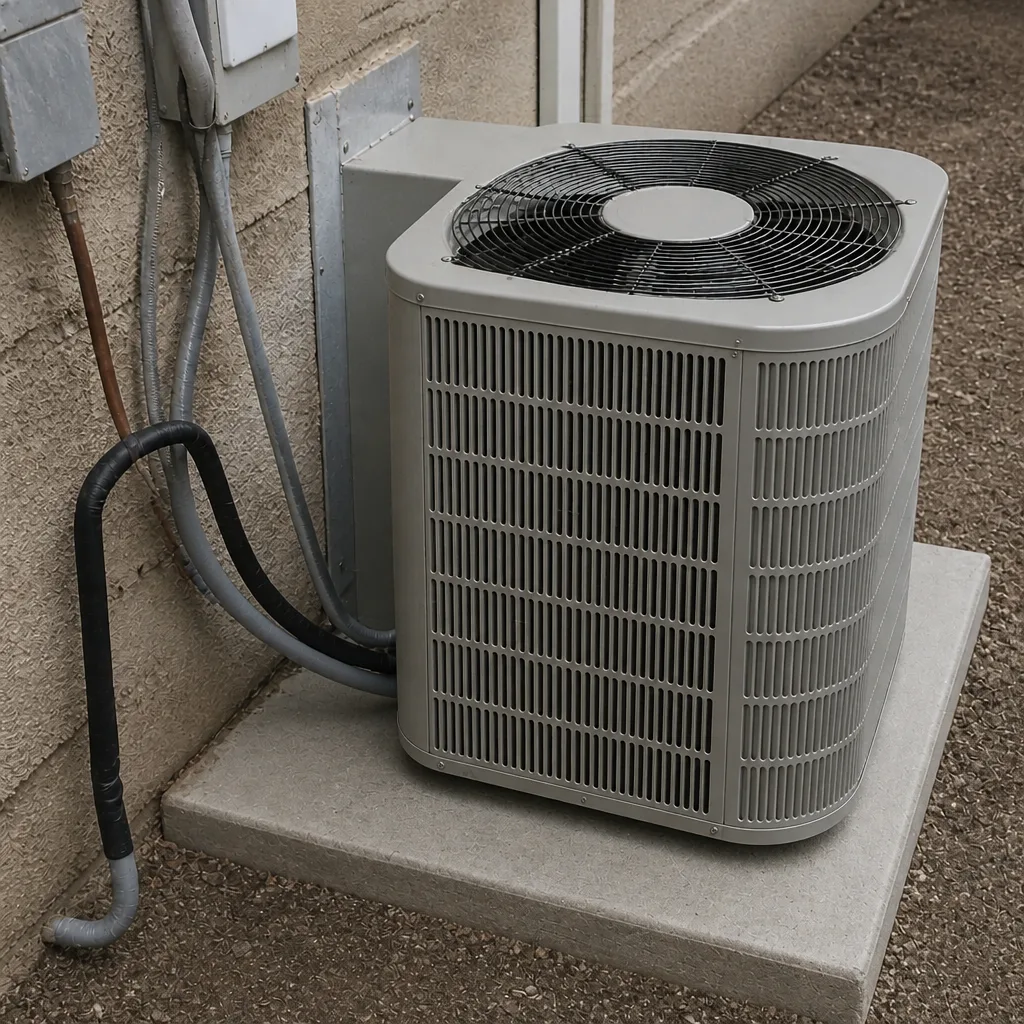 After
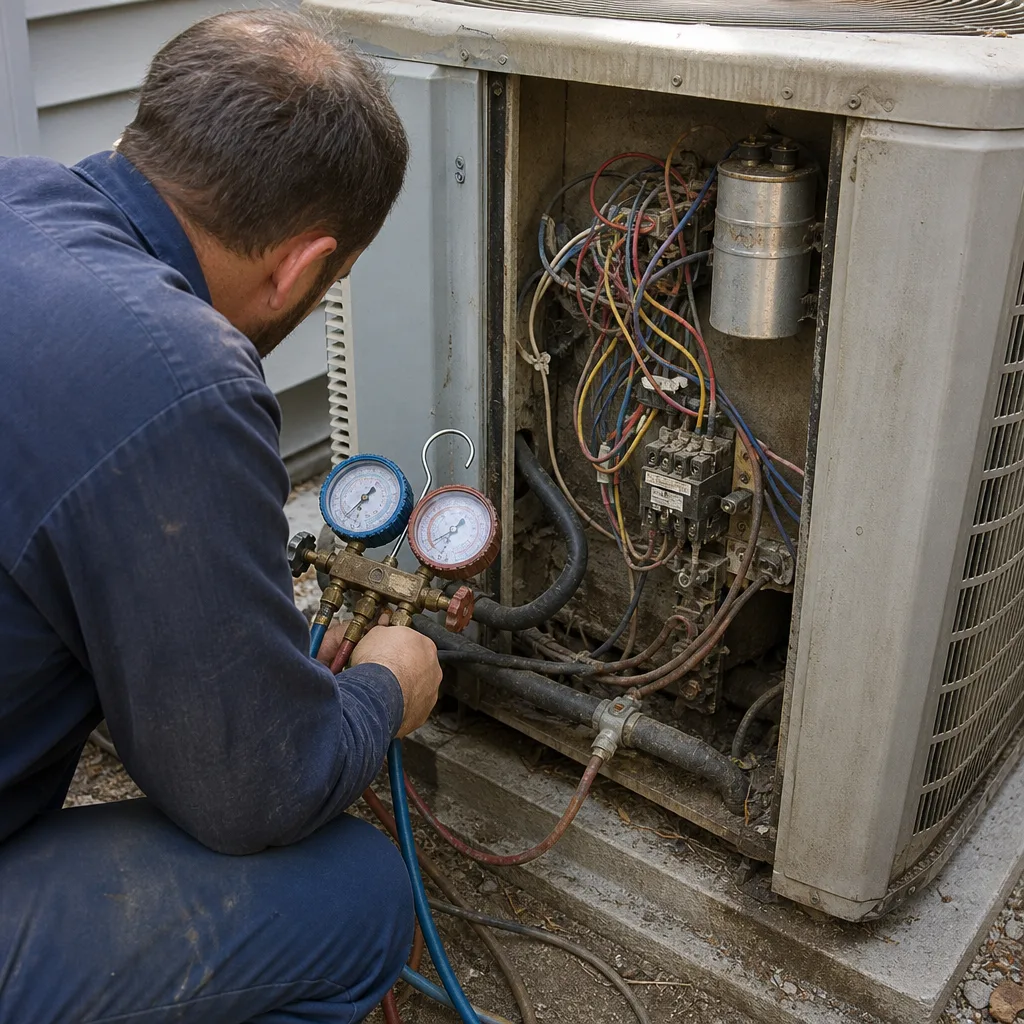 Before
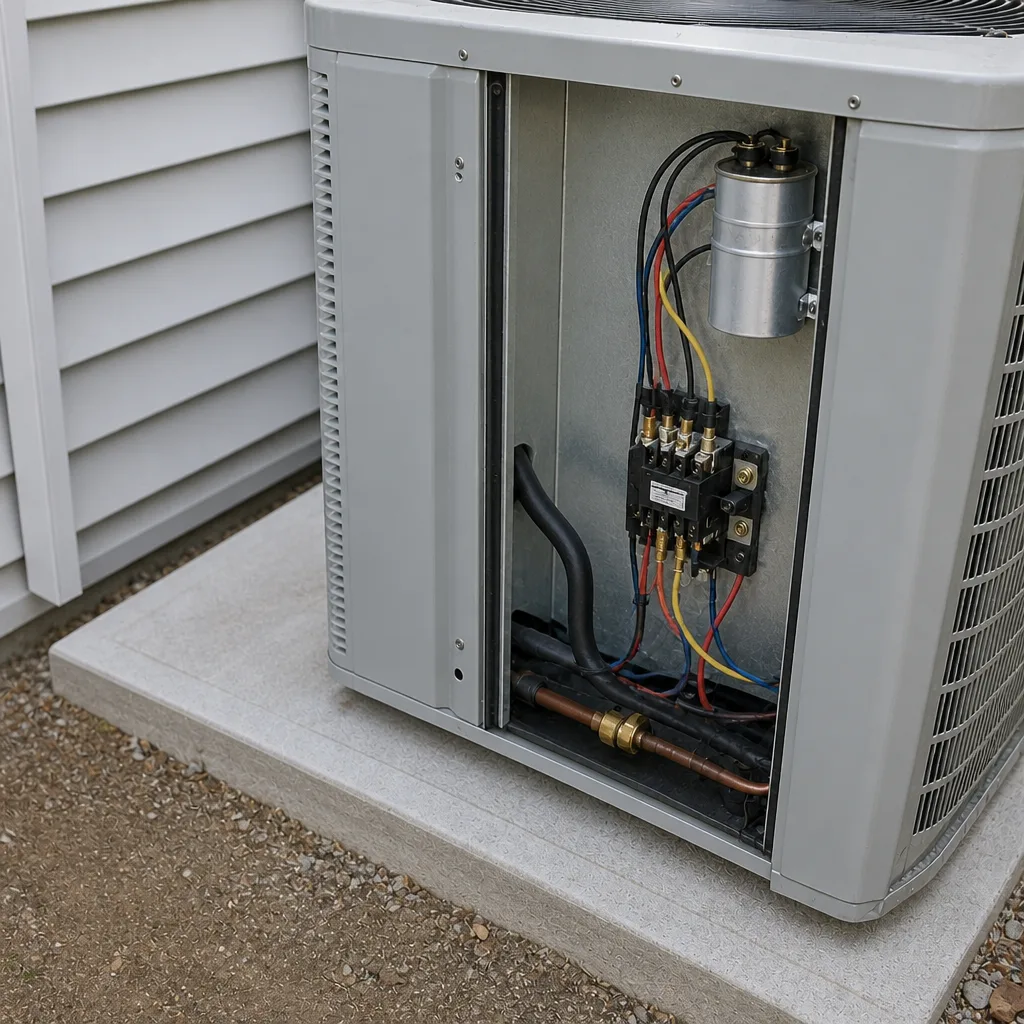 After
When to Call a Professional
Some of this you can handle yourself, and we’d rather you did, because changing your own filter is free. Others aren’t a weekend job. Call a professional when:
- You have a gas appliance in a tight home and nobody has checked combustion air in years
- You want an ERV or HRV installed, which requires load sizing, dedicated ductwork, and commissioning
- Your ducts run through an attic you can’t safely crawl through, or you see obvious tearing or disconnection
- You’ve got an allergic family member and want to know whether your system can actually handle a MERV 13 filter
- You’re planning a major remodel or weatherization project and want the ventilation plan designed up front
Any of those is a real conversation to have with somebody who will show up, listen first, and give you numbers based on readings rather than a phone quote. Ray’s Heating & Air Enterprise offers free estimates in Enterprise, and the person at your door will test and read before recommending anything. Call (844) 455-2034. We also cover the broader picture on our Ray’s Heating & Air Enterprise home page.
Frequently Asked Questions
During most of the year, yes, indoor air in a tightly sealed Enterprise home carries higher concentrations of CO2, VOCs, and dust than the outdoor air on a calm, mild day. On windy spring days or during a summer dust event, outdoor air can be worse. The point is that you need a way to control which air you’re breathing, not just hope the outdoor air is better.
A better filter is a good start but it doesn’t add fresh air; it only cleans the air you already have. If your Enterprise home is tight and you’re noticing the stale-air symptoms, an ERV is the right ventilation choice for our hot-dry climate. It brings in fresh air and holds onto your indoor humidity, which matters in winter. An HRV is better suited to cold, humid climates.
A MERV 11 is a safe starting point for most homes with a dog and mild allergies. If the child’s allergies are more serious, a MERV 13 may help, but only if your system’s airflow can handle it. Have someone check static pressure before upgrading. A filter that’s too restrictive doesn’t clean the air better; it just makes the blower work harder and cools worse.
Likely yes, if it was built to the modern tight-envelope standards and no mechanical ventilation was installed. That’s common. Nevada’s energy codes require tighter construction, but they don’t automatically require a fresh-air system. If your home feels stuffy in winter and you notice condensation on interior windows, that’s worth a conversation.
Sometimes, but only about four months out of the year in Enterprise. January through March and late fall, opening a window works well. From May through September, outdoor temps above 100°F make it impossible, spring wind events fill the house with dust, and summer wildfire smoke days require the windows shut. A mechanical system handles the days the window can’t.
Yes. Every heating and cooling job we do, including ductwork, ventilation installs, and filter housing upgrades, carries the 90-Day Done Right Promise in writing. If it’s not done right, one call brings Ray back to fix it, no hassle. No rotating crew. No phone tree. You call, a live person answers, and it gets handled.
The Bottom Line
If you own a home in Enterprise built after 2005, you own a house that’s better sealed than the one your parents grew up in, and it’s costing you in ways your energy bill won’t show. Desert particulate, off-gassing from newer construction, and combustion byproducts from gas appliances are the three pollutant sources to keep in mind. The fix isn’t one piece of equipment; it’s a plan. Right-size your filter to your system, get your ducts checked, make sure the fans that already exist actually pull, and plan for an ERV to bring controlled fresh air in year-round. That’s the order. The window strategy is part of the answer, not the whole answer. If you want a walkthrough of your specific home, give us a call. Ray will answer, or the person at your door will, and the numbers come from readings and diagnostics, not a phone quote. Our heating and furnace and AC repair and installation pages cover the other half of the system.
Ready to breathe easier in Enterprise? Call (844) 455-2034 for a free estimate. Live person on the line, upfront pricing based on real diagnostics, and a 90-Day Done Right Promise in writing on every job. Free second opinion on any written estimate, no trip charge inside the county, and a 10% discount for seniors and veterans.
Written by the team at Ray’s Heating & Air Enterprise.