
Last updated November 17, 2026
 Furnace & heating
 AC repair
 Heat pumps
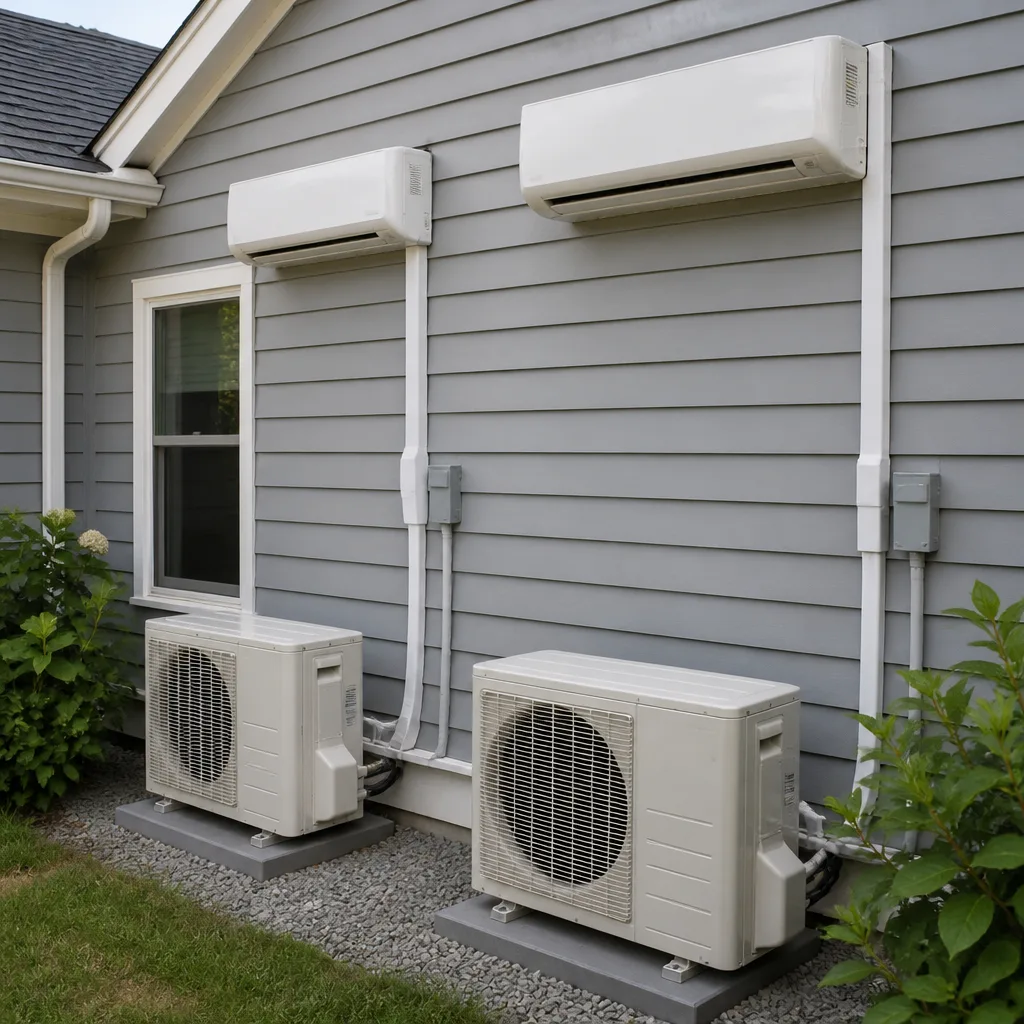 Ductless mini splits
 Carrier
 Trane
 Goodman
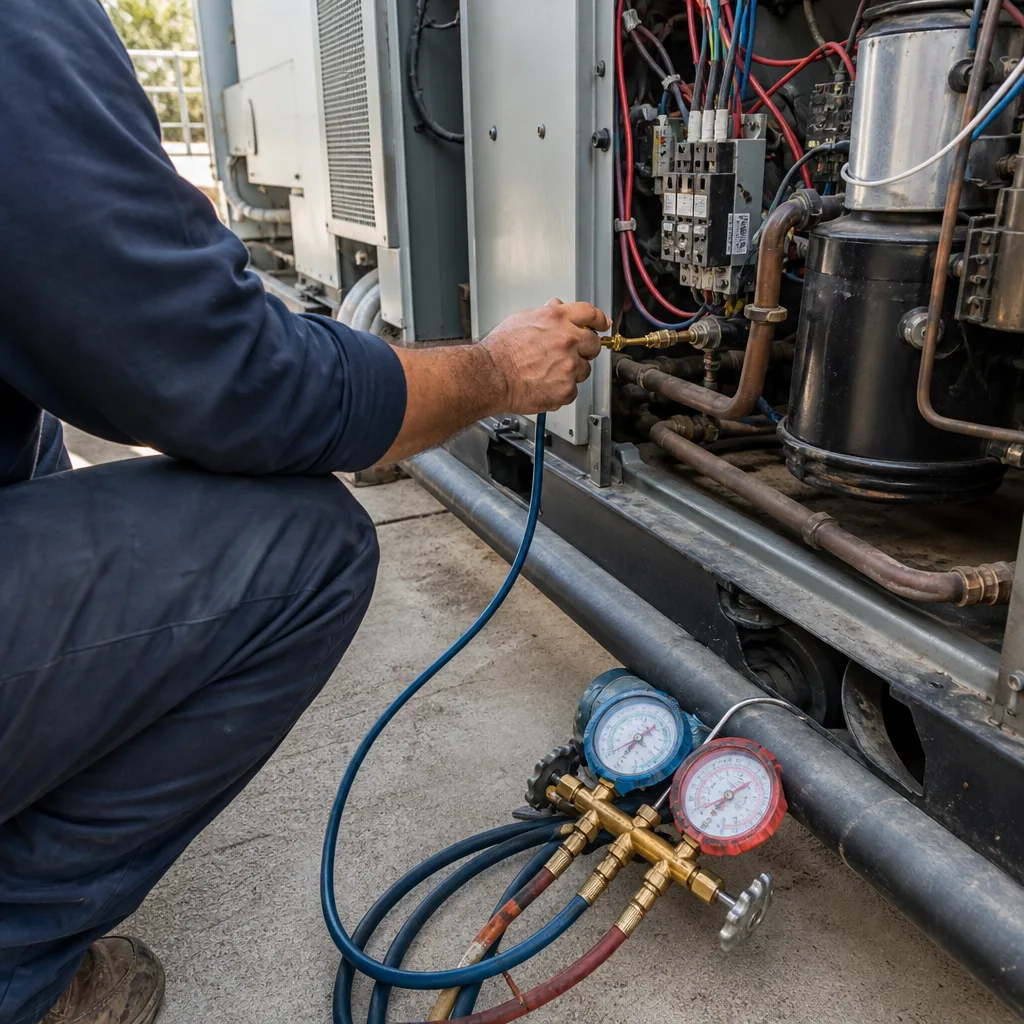
Seasonal tune-up and full diagnostic on your Carrier, Trane, or Goodman system - readings shown to you before any repair is proposed
Diagnosis first, numbers second - you approve the repair price before a single part goes in.
Get your free estimateHeating & Furnace Warning Signs Every Homeowner Should Know
A furnace that short-cycles – kicks on, runs two minutes, shuts off, repeats – is not “doing its job faster.” That’s a system in distress, and ignoring it for a month is usually the difference between a $180 fix and a $1,400 heat exchanger. Here’s the part that stays with us: nine out of ten furnace failures we see in Enterprise had a warning sign the homeowner noticed weeks earlier but couldn’t attach a name to. A noise they meant to look up. A flame that looked a little orange. A bill that crept up twenty bucks and got shrugged off. This guide names those signs in plain language so you can call before you’re cold instead of after.
Quick Answer
The warning signs your furnace is going out are short-cycling, a yellow or flickering pilot flame instead of blue, banging or screeching noises, gas bills climbing more than about 15% year over year, soot or a “rotten egg” smell, and any burner flame that keeps lifting off or rolling. Short-cycling is the one most homeowners misread – it signals a failing limit switch, a clogged filter, or a heat exchanger that’s overheating, and it’s the cheapest thing to catch early. A yellow flame or a gas smell means open a window and call right now.
Styles & brands we work with
- AC repair
- Furnace & heating
- Heat pumps
- Ductless mini splits
- Carrier
- Trane
- Goodman
Table of Contents
- Short-Cycling: The Sign Everyone Misses
- What Each Furnace Sound Is Telling You
- Yellow Flame vs. Blue Flame and Carbon Monoxide Risk
- Rising Gas Bills: When a Percentage Means Trouble
- Soot, Smells, and When to Open a Window
- Call This Week vs. Call Right Now
- Why Enterprise Furnaces Age Differently
- What a Real Furnace Inspection Checks
Short-Cycling: The Sign Everyone Misses
A furnace that turns on, runs two minutes, shuts off, and repeats is the single most misread warning sign we see in Enterprise. Most guides skip it, or they bury it under “efficiency issues.” That’s a mistake. Short-cycling is the furnace telling you it’s hitting its high-temperature limit switch and shutting itself down on purpose to avoid damage. It is not a faster warm-up. It’s a protection mechanism firing over and over, and the wear adds up fast.
Here’s what it usually means, in order of how often we find it:
- A clogged or wrong-size filter. The cheapest fix and the most common cause. A furnace starved of airflow overheats in minutes.
- A failing limit switch. The switch that shuts the furnace down when it gets too hot trips early and won’t reset properly. Replacing one runs about $120-$220.
- A dirty or failing flame sensor. The furnace lights, can’t confirm flame, and shuts off. Many homeowners hear this described as a “computer problem.” It’s almost never the control board.
- A cracked heat exchanger. The expensive one. A cracked exchanger lets combustion gases into your ductwork, and that’s a carbon monoxide problem, not an efficiency problem.
- An oversized furnace. In some Enterprise homes, especially older installs, the furnace was sized wrong from day one and has short-cycled since it was new.
We’ve seen a Maplewood-area homeowner let short-cycling run a full month because “it was still heating the house.” By the time they called, the overheated cycle had warped a heat exchanger section, and a $180 sensor-and-filter job turned into a heat exchanger replacement. If you notice the pattern, catch it now. A quick heating and furnace service in Enterprise visit tells you in twenty minutes which of those five you’re dealing with.
What Each Furnace Sound Is Telling You
Furnace noise isn’t one problem, it’s a set of problems, and each sound points at a different part. Most “my furnace is loud” calls we get in Enterprise are one of three things. Listen for which one matches yours.
Banging at Startup
A single dull bang when the furnace first fires is usually a gas pressure issue or delayed ignition – gas builds up for a second before it lights, and the ignition slams it. Left alone, repeated delayed ignition cracks heat exchangers and can eventually cause a small explosion in the burner compartment. This one is worth a same-week call.
Rattling Mid-Cycle
Rattling while the furnace is running usually means a loose panel, a dirty blower wheel with debris stuck to it, or a failing inducer motor. In dusty, dry Southern Nevada homes, blower wheels collect a fine grit that throws them off balance. A loose panel is harmless. An unbalanced blower wheel grinds the motor bearing down over a season. A good service call checks both.
Screeching or Squealing at the Blower
High-pitched squealing is almost always the blower motor bearing running dry or the belt (on older units) slipping. This is a “call this week” sound, not an emergency. But it gets louder and the repair gets bigger the longer it runs. We’ve replaced blower motors that could’ve been oiled-and-belted for a fraction of the cost.
Yellow Flame vs. Blue Flame and Carbon Monoxide Risk
A steady blue flame is normal combustion. A yellow, orange, or dancing flame is not – and this is where most guides tell you it’s an “efficiency issue.” That’s the wrong way to frame it. A yellow pilot light or yellow burner flame usually means incomplete combustion, which pumps carbon monoxide into your home. CO is colorless and odorless, so the flame color is often your only early warning.
A few flame behaviors worth knowing:
- Steady yellow flame: incomplete combustion. Possible causes are a dirty burner, a blocked vent, or a cracked heat exchanger. Open a window, get the furnace off, and call now.
- Flame lifting off the burner (rolling or floating): gas pressure or venting issue. This needs immediate attention – it can mean exhaust isn’t being carried out the flue.
- Flickering between blue and orange: often a dirty burner, but check it early before assuming.
- No flame at all but the furnace is calling for heat: the igniter or flame sensor is failing. Not dangerous, but you’ll be cold until it’s fixed.
- Visible soot around the burner or on the flue pipe: soot doesn’t come from clean combustion. Treat this as a carbon monoxide red flag.
Carbon monoxide is the reason we carry a CO meter on every heating call. If your flame is yellow and you don’t have a working CO alarm, buy one today. Every home with a gas furnace should have at least one on each level and outside each sleeping area. This is not a “maybe later” item. It’s the most important safety device in your home during heating season.
Rising Gas Bills: When a Percentage Means Trouble
Nevada’s climate hands homeowners a rough comparison baseline. Your winter gas bill in Enterprise is measured against last winter – same house, same habits, similar weather. That comparison matters, because in the desert, our heating season swings wide. A 60-degree January one year and a 40-degree January the next can account for a big jump all by itself. So the number to watch isn’t the dollar amount. It’s the percentage, and only if the weather was similar.
Here’s the rough threshold we use: if your January or February bill runs more than about 15% higher than the same month the prior year, with similar outdoor temperatures, something has changed in your system. Under 15% and it’s usually weather, a rate change, or a drafty window. Over 15% on similar weather is the system telling you it’s working harder than it should.
What drives that jump, in our experience in Enterprise:
- A dirty flame sensor causing repeated relights (gas wasted each cycle).
- A dirty burner assembly reducing combustion efficiency.
- Failing ductwork leaking heated air into a crawlspace or attic. In some of the older homes off the main drag, we find duct leakage of 20-30%.
- A heat exchanger running hot and triggering the limit switch more often, which means longer recovery runs each cycle.
- A thermostat that’s drifted or is short-cycling the furnace.
A gas bill rising along with a short-cycling furnace is a compound warning sign, not two separate ones. That combination is our strongest call. If it’s neither short-cycling nor over 15% higher on similar weather, it’s often just the season. Check the flame and the furnace filter first before assuming the worst.
Soot, Smells, and When to Open a Window
Two smells are emergencies, and one is a nuisance. Knowing the difference could save a life, so let’s be specific.
“Rotten egg” smell (added mercaptan): that’s a gas leak. Open windows, get everyone out, don’t flip light switches, and don’t call from inside the house. Call your gas utility from outside, then call us. This is the “open a window and call right now” scenario, and no guide should tell you to “check it later.”
Sharp, acrid, or metallic smell while running: usually the blower motor or wiring overheating. Get the furnace off and call. Don’t wait for it to “settle down.”
Dusty “first-run” smell each season: the harmless one. Dust on the heat exchanger burns off in the first heat cycle of the year. If it doesn’t clear after a few minutes, that’s a different story, and someone should look at it.
Carbon Monoxide Symptoms to Watch For
The CDC lists these as the classic cluster: headache, dizziness, weakness, nausea, chest pain, and confusion. In our area, the tragic part is that CO symptoms are easy to shrug off as flu or altitude. If several people in the house have the same symptoms and they ease when you’re away from home, that’s a CO pattern. Get out and call. The heat pump and mini split work in Enterprise we do is a good option for homeowners who want to eliminate combustion gases entirely – a heat pump has no flame at all.
Call This Week vs. Call Right Now
We get asked this every winter, and it’s the most useful thing to internalize. Here’s our working rule, drawn from the calls we take:
- Call right now (and open a window): any gas smell; a yellow or orange flame; visible soot; a CO alarm sounding; a smell of burning wiring; a flame that lifts off the burner.
- Call this week: short-cycling; screeching or squealing blower; banging at startup; a bill over 15% higher on similar weather; a furnace that’s failed to light twice in a week.
- Call this month (before it gets cold): an annual tune-up is overdue; a rattling panel; a thermostat that seems off; a filter that hasn’t been changed in a season.
The difference between “this week” and “right now” is safety. If there’s any flame, soot, or smell involved, treat it as “right now.” A few weeks won’t kill a motor bearing. A few days with a yellow flame can.
Why Enterprise Furnaces Age Differently
Enterprise has its own climate signature, and it changes how furnaces fail here. Most of the country lives with a mild cooling season and a steady heating season. We get 100-plus summer days and short, sharp winter heating stretches. A furnace in Enterprise can sit completely idle from April to November, then get called into full duty in a week.
That idle stretch is where some of our most common failures come from:
- Dust loads up sitting idle. The same dry desert air that makes your car dusty fills a blower wheel with grit when the furnace doesn’t run for months. That grit causes the rattling and imbalance we covered above.
- Spiders and pack rats in the flue or burner compartment. This is a real, common call – a nest in an exhaust flue can block exhaust and push carbon monoxide back into the house. Annual inspections catch this.
- Gas valve and igniter dry-out. Sitting unused for months lets certain seals and gaskets dry and crack, and the first firing of the season is when they fail.
- Big winter swing in the load. When we do get a cold snap, furnaces that were sized for a typical January get pushed hard, and hidden problems surface all at once.
What that means practically: in Enterprise, we tell homeowners to do their furnace check in October, before the first cold snap. The furnace has been asleep for six months and it needs a clean start. If you’ve got a heat pump instead of a flame-fired furnace, the idle failure pattern is different, and our AC repair and installation service in Enterprise team handles those year-round since a heat pump is doing both jobs.
What a Real Furnace Inspection Checks
An inspection isn’t “listening to it and saying it sounds fine.” A real one checks a list, and you should be able to see it. Here’s the checklist we use, and the one worth asking any company to walk you through:
- Combustion analysis. A CO and CO₂ reading at the flue tells us how well gas is burning, not just whether it lights. Readings first, numbers second – you should see both.
- Heat exchanger visual inspection. Look for cracks, rust, and soot with a mirror and light. Every section. Not just the easy one.
- Flame sensor and igniter test. Clean or replace as needed, and read the microamps on the flame sensor to confirm it’s holding a signal.
- Blower wheel and motor check. Amperage reading on the blower motor tells us bearing wear before it screams.
- Limit switch and pressure switch function. Confirm the switches trip and reset correctly. This is the short-cycling catch.
- Flue and vent inspection. Check for nests, blockages, and proper draft. A blocked flue is a carbon monoxide risk.
- Gas pressure reading. Confirm manifold pressure is within manufacturer spec – Carrier, Trane, Lennox, and Goodman all publish different numbers, and they’re not interchangeable.
- Filter and thermostat check. Confirm the thermostat isn’t short-cycling the furnace and the filter is the right size.
A good inspection gives you a written report of what was actually found, in plain language. Not a sales pitch. If the only thing you get after a tune-up is a bill, you got the wrong kind of tune-up. For a deeper look at what honest upkeep looks like, our Ray’s Heating & Air Enterprise home page lists the standing offers we run (a $40 off any repair over $200, a free second opinion on any written estimate, no trip charge inside the county, and a 10% senior and veteran discount).
Common Mistakes to Avoid
- Mistaking short-cycling for efficiency. A furnace that “keeps up” by running two minutes at a time isn’t heating faster. It’s overheating and protecting itself. If you take one thing from this guide, this is it.
- Ignoring a yellow flame because “it still lights.” A yellow flame is a combustion problem, not a lighting problem. It often means carbon monoxide. Get it off and get it looked at.
- Replacing a blower motor when the real problem is a clogged filter. In dusty Enterprise homes, a filter clogged with desert grit will overheat the furnace, trip the limit switch, and mimic a motor failure. Check the filter first.
- Treating a 20% gas bill jump as “just inflation.” On similar weather, that jump on a furnace that also short-cycles is a compound warning. On a furnace that’s running fine, it’s often weather. Know which situation you’re in.
- Skipping the flue check because “it’s desert, nothing lives in there.” Pack rats and birds nest in flues here all the time. It’s one of the more common blockage calls we run in Enterprise.
- Calling a phone bank instead of a person. A phone-tree dispatcher who’s never seen your furnace will guess. The person at your door should be able to read a manifold pressure and a CO reading and tell you what they mean.
- Running a gas furnace with a cracked heat exchanger “until next year.” That’s the exact scenario that puts carbon monoxide into bedrooms. There is no safe way to wait this one out.
See the difference
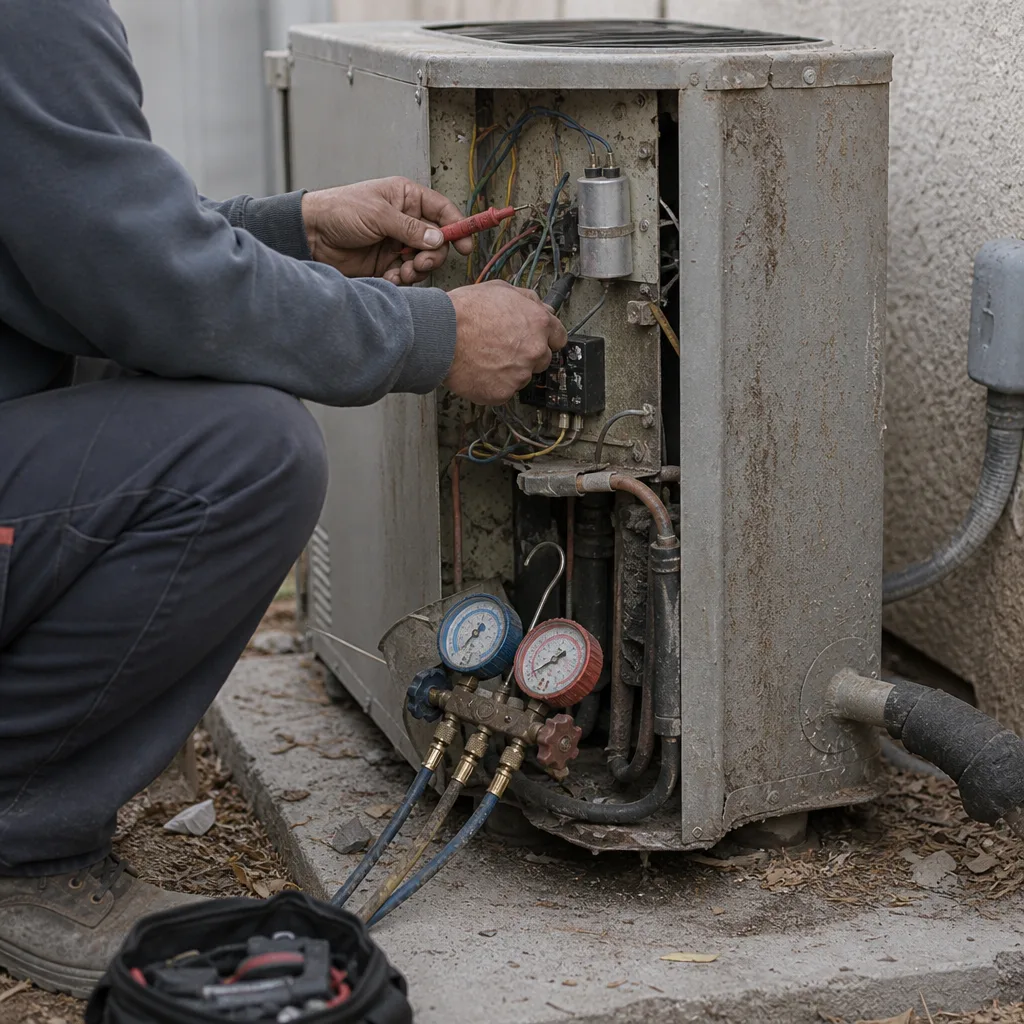 Before
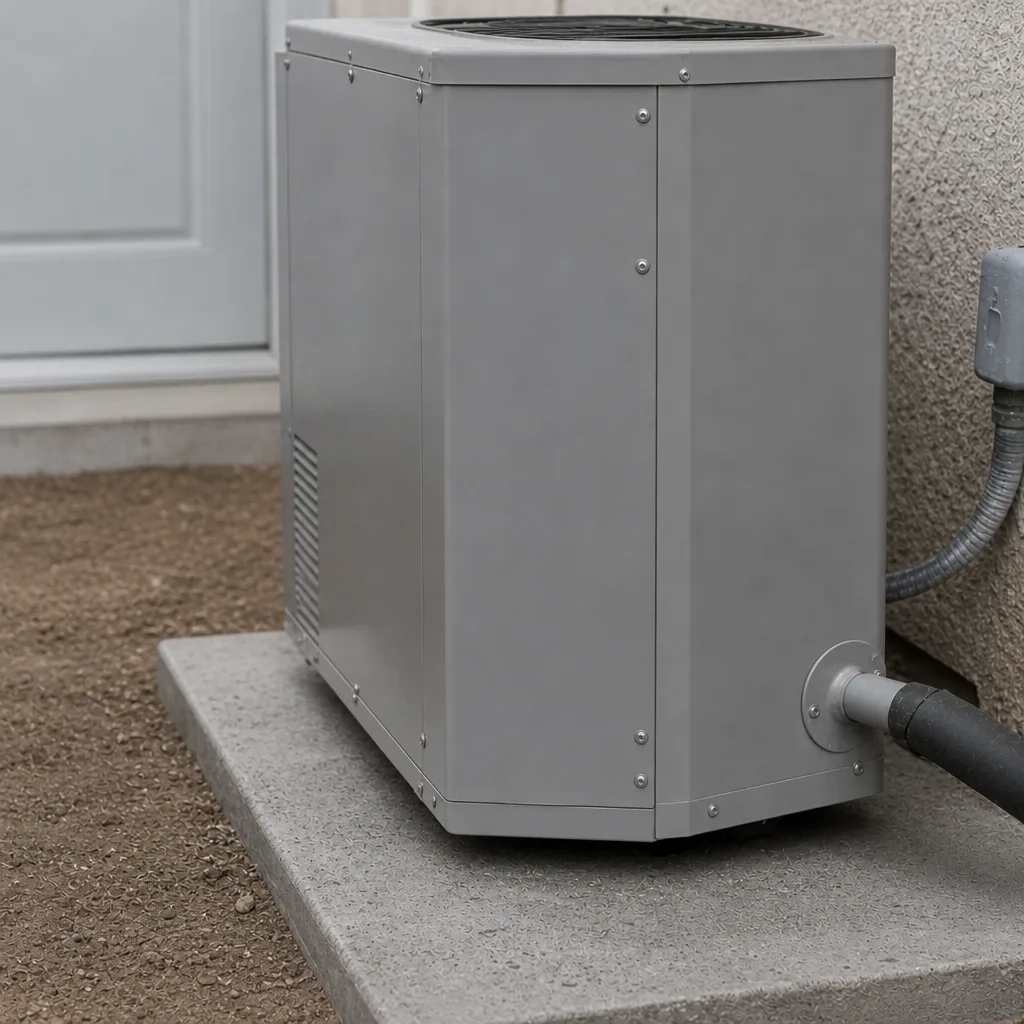 After
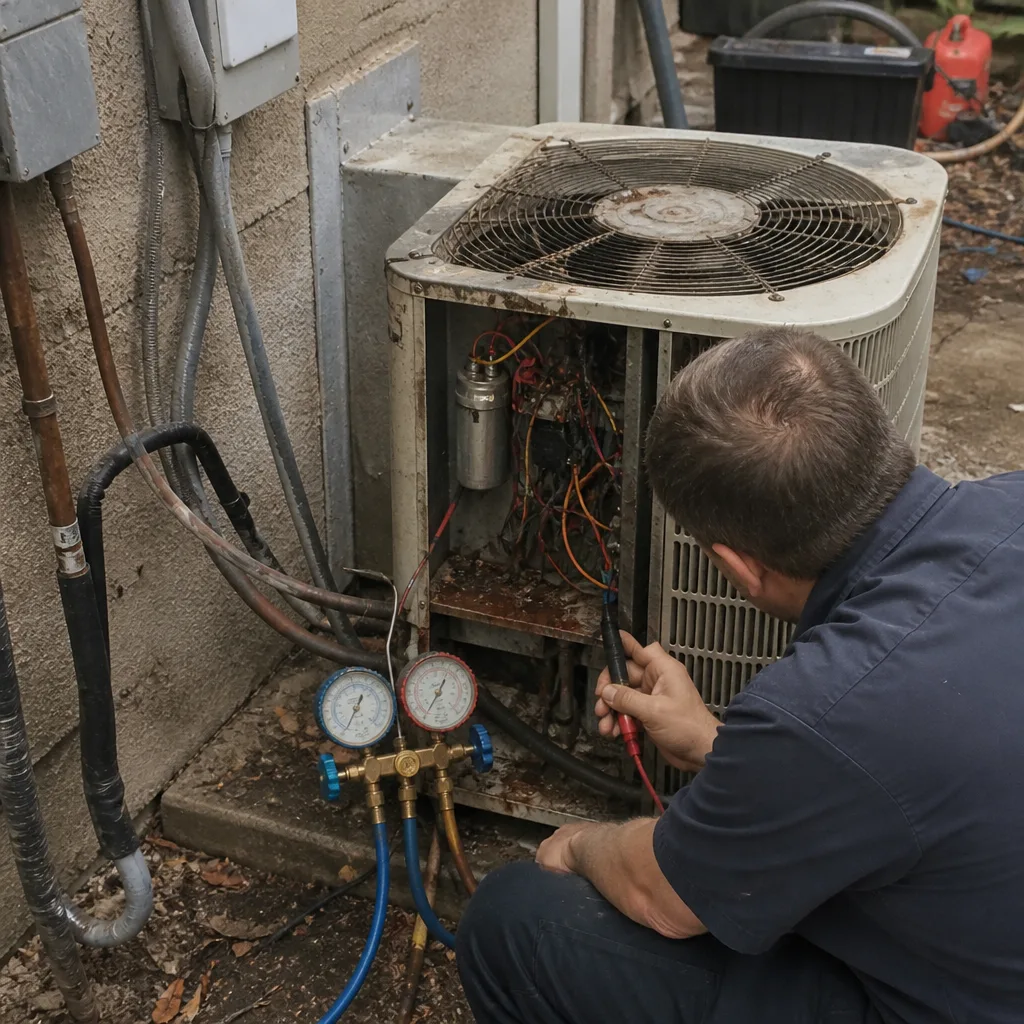 Before
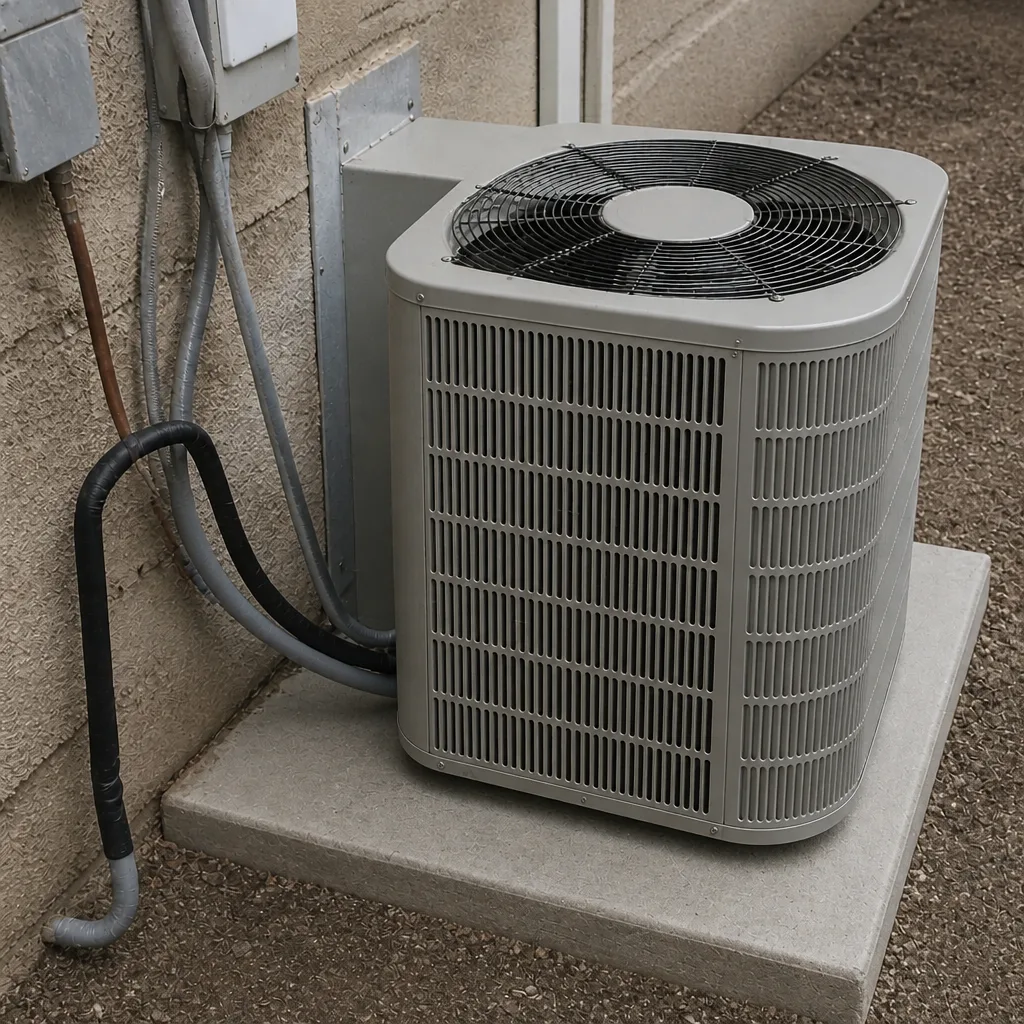 After
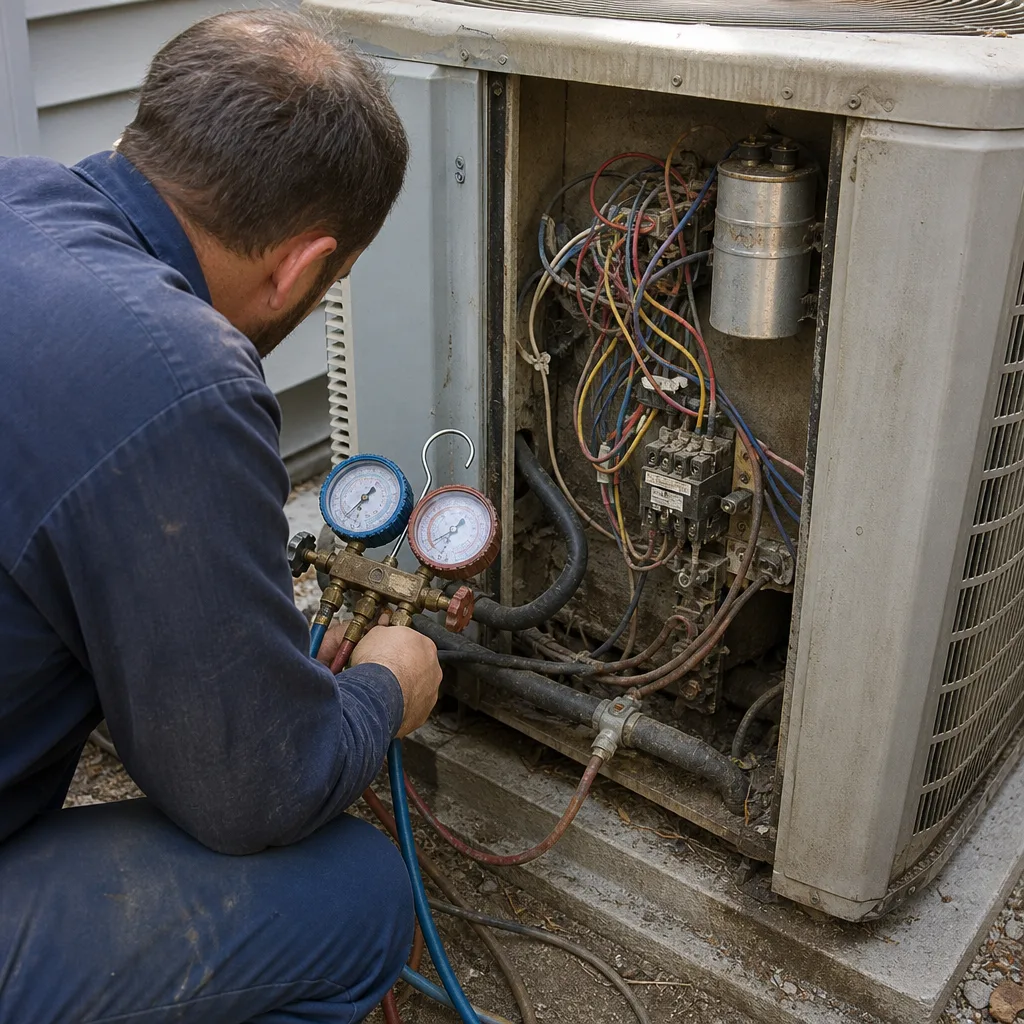 Before
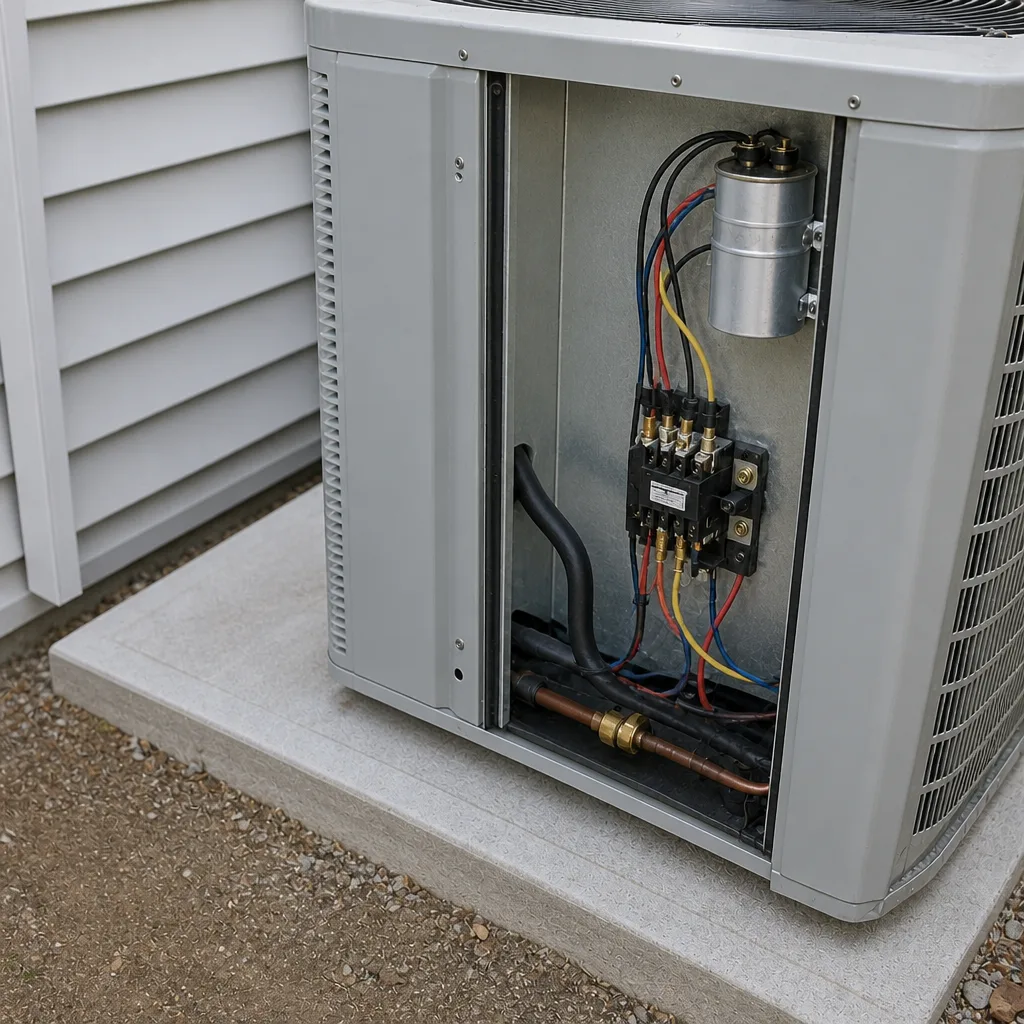 After
When to Call a Professional
Call us if any of these apply: a yellow or orange flame; any gas smell; a CO alarm sounding; short-cycling that’s lasted more than a week; screeching, squealing, or banging that wasn’t there last season; a gas bill up more than 15% on similar weather; or a furnace that won’t light at all. Don’t try to inspect your own heat exchanger or your own gas valve – those are safety items, and a mistake is dangerous, not just expensive. On the “call right now” list, get out and call us from outside; on the “call this week” list, book it before the next cold snap. Ray’s Heating & Air Enterprise offers free estimates in Enterprise – call (844) 455-2034. A live person answers every call, and on the bad nights, Ray picks up himself.
Frequently Asked Questions
Short-cycling – the furnace turning on, running two minutes, shutting off, and repeating. It’s the most common early warning we see in Enterprise, and often the cheapest to fix if you catch it before it damages the heat exchanger. A yellow pilot flame is the first sign on the safety side, and it’s a call-right-now item.
Yes, a steady yellow flame usually means incomplete combustion and carbon monoxide risk. A normal flame is steady blue. Yellow, orange, flickering, or lifting flames need immediate attention – get the furnace off, open windows, and call (844) 455-2034.
Typical furnace repairs in Enterprise run $150 to $450 for common fixes like a flame sensor, igniter, or limit switch. Blower motor replacements run $350 to $700. Heat exchanger replacement runs $1,200 to $2,400. We give readings first, numbers second – you’ll see the diagnostic before you hear a price. Call (844) 455-2034 for an exact quote on your system.
No, and this is the one we’d push back on hardest. Short-cycling is a protection shutdown, and running it for weeks overheats the heat exchanger and can crack it. The $180 diagnostic-and-filter fix becomes a $1,400 heat exchanger if you wait. Call this week.
Compare to the same month last year, adjusted for how cold it actually was. On similar weather, anything over about 15% higher means the furnace is working harder than it should. Under 15% is usually weather or rate changes. If the bill is also climbing while the furnace short-cycles, treat it as a warning and call.
No, a heat pump has no pilot flame, no heat exchanger, and no carbon monoxide risk from combustion, so the safety red flags above don’t apply. They short-cycle for different reasons (refrigerant charge, reversing valve, sensor), and a heat pump that’s running ice-cold or blowing lukewarm air in heat mode is a “call now” sign instead. For homeowners who want to eliminate combustion risk entirely, we also do heat pump and mini split work in Enterprise.
The Bottom Line
A furnace in distress almost always tells you first, in plain English, before it fails. Short-cycling means it’s protecting itself, not improving. A yellow flame means carbon monoxide, not efficiency. Banging means delayed ignition, screeching means a bearing, and a gas bill over 15% higher on similar weather means something in the system has changed. In Enterprise, our short heating season and dusty off-season make October inspections the best money you’ll spend. Know which signs mean “call this week” and which mean “call right now and open a window.” If you’re not sure which list you’re on, call (844) 455-2034 and we’ll tell you straight – that’s what we’re here for. Ask anyone on your street.
Written by the team at Ray’s Heating & Air Enterprise.