
Last updated November 17, 2026
 AC repair
 Furnace & heating
 Heat pumps
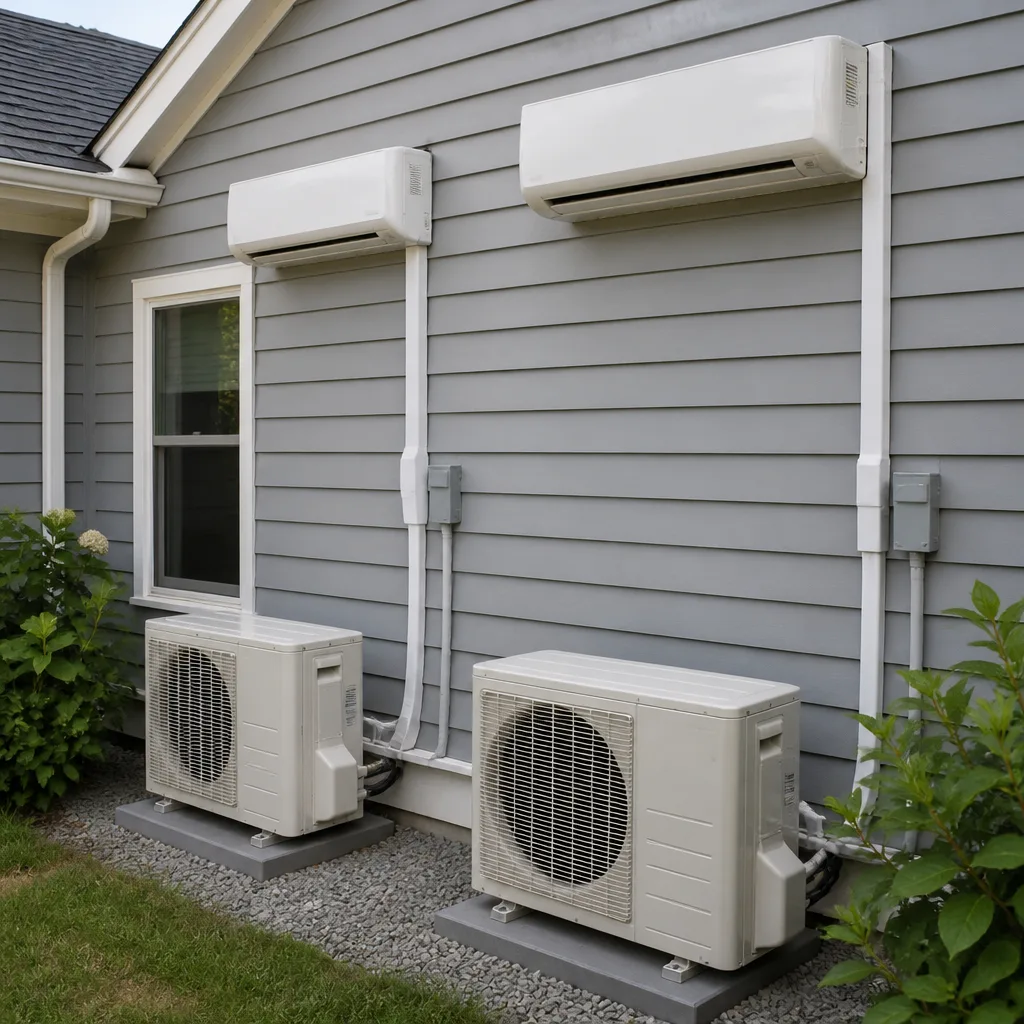 Ductless mini splits
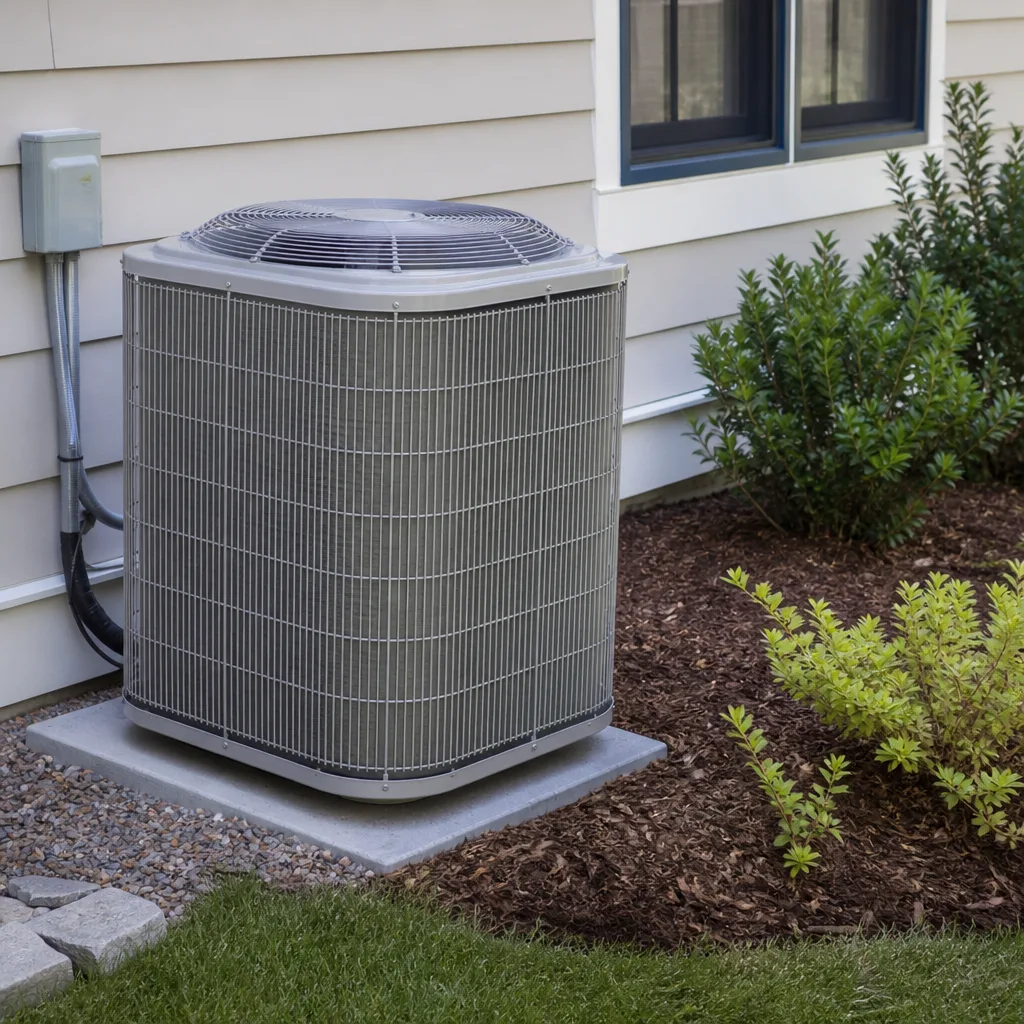 Carrier
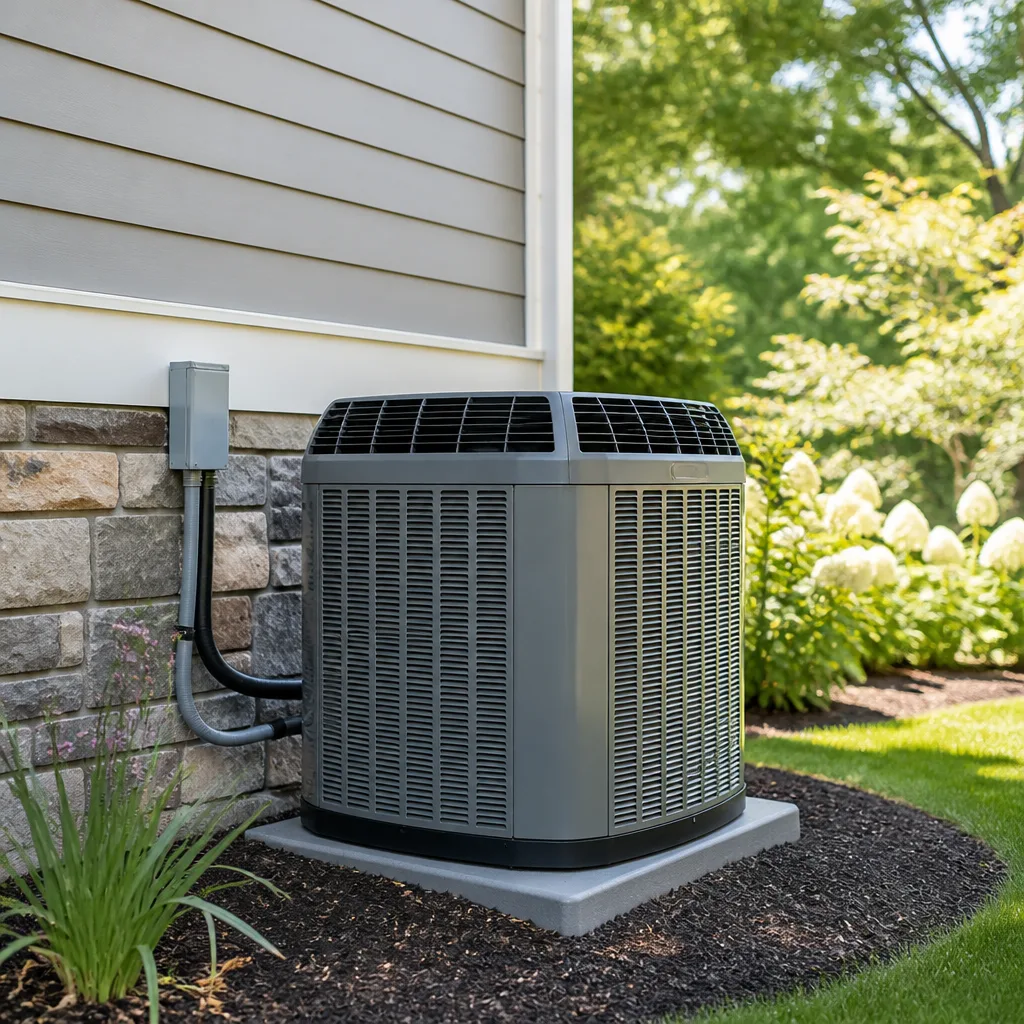 Trane
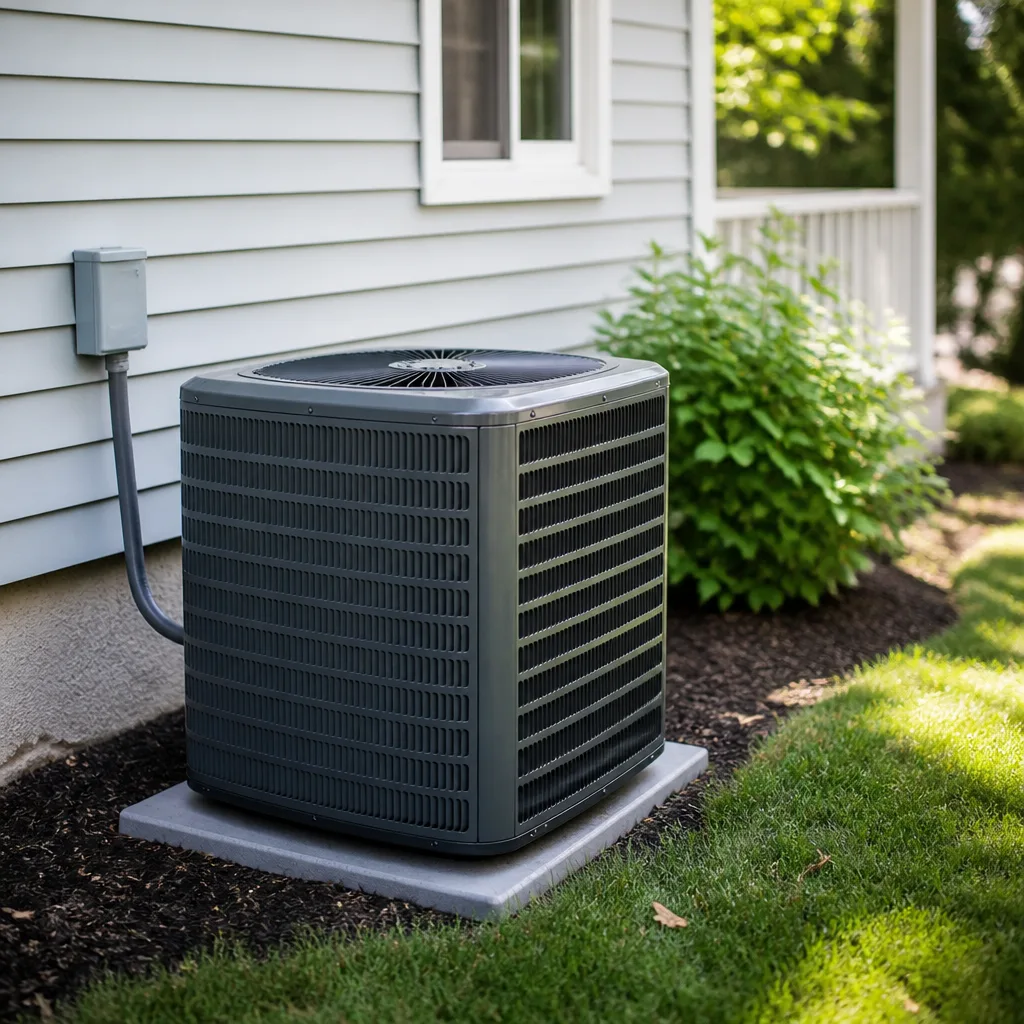 Goodman
Seasonal tune-up and full diagnostic on your Carrier, Trane, or Goodman system - readings shown to you before any repair is proposed
Diagnosis first, numbers second - you approve the repair price before a single part goes in.
Get your free estimateHVAC Permits, Codes & Inspections in NV: What You Need to Know
Nevada requires a permit for almost every HVAC replacement, not just new installs. Yet roughly one in five residential systems in Clark County gets swapped out without one, based on county inspection data, because a contractor offers to “skip the paperwork to save you time” and the homeowner doesn’t know to say no. We’ve watched that shortcut cost people far more than the permit ever would. This guide covers exactly which jobs need a permit in Clark County, what an inspector actually looks for, how an unpermitted system can wreck an insurance claim or a resale, and how to fix retroactively permitted work. If you own a home in Enterprise or anywhere nearby, this is the page to keep.
Quick Answer
In Clark County, replacing or installing HVAC equipment requires a mechanical permit and inspection, including like-for-like swap-outs of condensers, furnaces, and air handlers. Only minor repairs like a capacitor, thermostat, or filter change are exempt. An unpermitted replacement can void a manufacturer warranty, complicate an insurance claim, and surface in a buyer’s inspection at resale, so pull the permit every time.
Styles & brands we work with
- AC repair
- Furnace & heating
- Heat pumps
- Ductless mini splits
- Carrier
- Trane
- Goodman
Table of Contents
- Which HVAC jobs need a permit in Clark County (and which truly don’t)
- What the inspection actually checks
- How an unpermitted system affects your homeowner’s insurance
- The Nevada resale disclosure and what buyers see
- How to retroactively permit work that was done without one
- Why Enterprise’s desert climate raises the stakes on codes
- What to ask a contractor before they touch your system
- Common mistakes to avoid
Which HVAC jobs need a permit in Clark County (and which truly don’t)
Here is the plain version. If equipment gets added, replaced, or moved, Clark County wants a permit and an inspection. If you’re repairing a component on existing equipment without changing it out, you’re generally fine without one. There’s very little gray area here despite what some salespeople imply.
Permit required:
- Replacing a condenser, heat pump, or package unit
- Replacing a furnace, air handler, or evaporator coil as part of a system change
- New installs, including mini-splits and ductless heads
- Adding or reconfiguring supply and return ductwork
- Running new refrigerant or gas lines to a unit
- Any electrical circuit work associated with the equipment
No permit needed:
- Capacitor, contactor, or relay replacement
- Thermostat swaps (including smart thermostats)
- Filter changes and coil cleanings
- Refrigerant recharge on an existing system (though it should follow EPA rules)
- Minor blower motor replacement in many cases, though verify with the county if it involves wiring changes
We’ve had homeowners tell us a contractor promised the job was “too small to permit.” If the equipment is changing, that’s not true in Clark County. A permit on a residential replacement typically runs a few hundred dollars in fees and adds a short inspection cycle. Compared to what an unpermitted job can cost you later, it’s the cheapest part of the project. When we quote a system replacement here in Enterprise, the permit and inspection are part of the written number. You never see a surprise line item after the fact.
For the deeper conversation on what a replacement actually involves, see our AC Repair & Installation in Enterprise page, where we walk through the full sequence from load calculation to final walk-through.
What the inspection actually checks
An inspector is not doing a full system tune-up. Their job is safety and code compliance on the installation itself. But here’s the part that surprises people: inspectors routinely catch things a fast crew missed, and those catches can save your system’s life. In our experience, the most common flags on Clark County inspections are small, avoidable details.
What a mechanical inspector looks at, in the order we typically see them check:
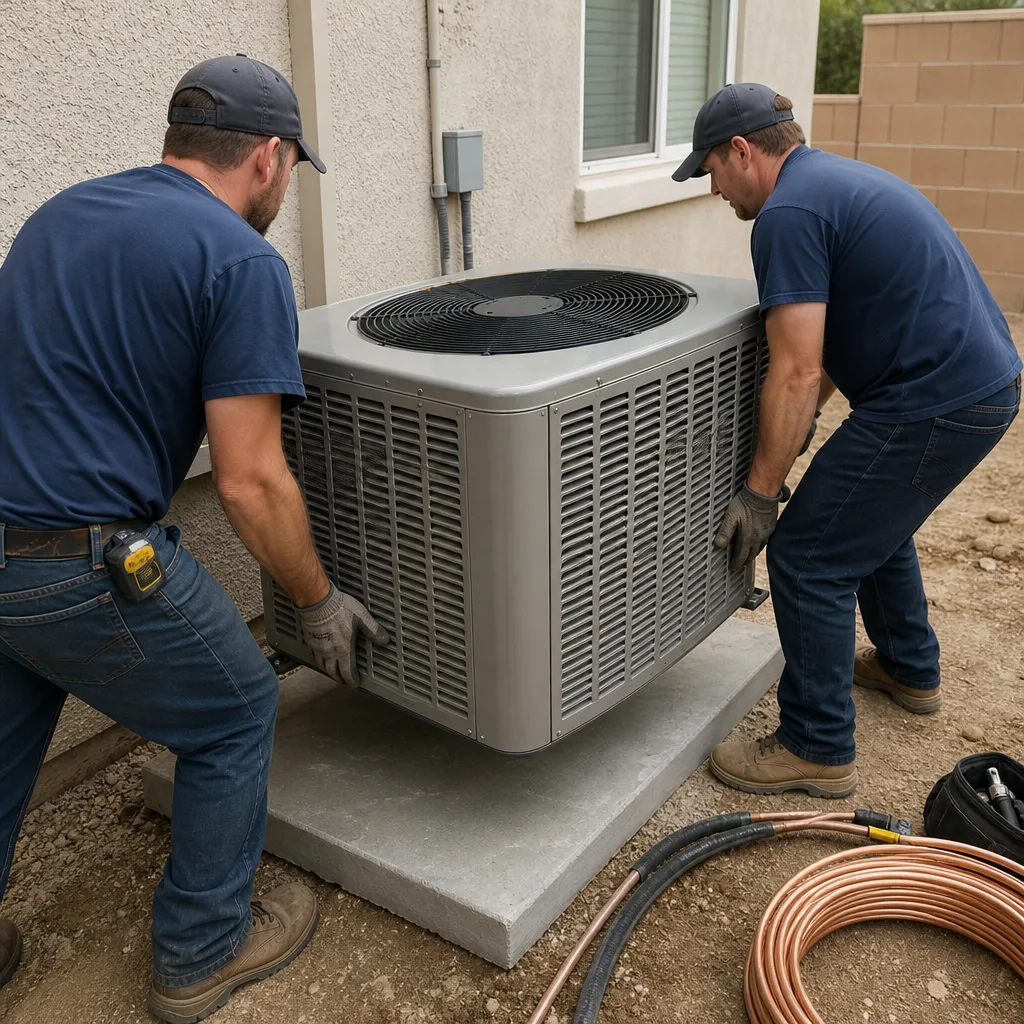
- Clearances. The unit has to sit the required distance from the house, property line, and any combustible surfaces. In tight Enterprise side yards, this gets violated constantly.
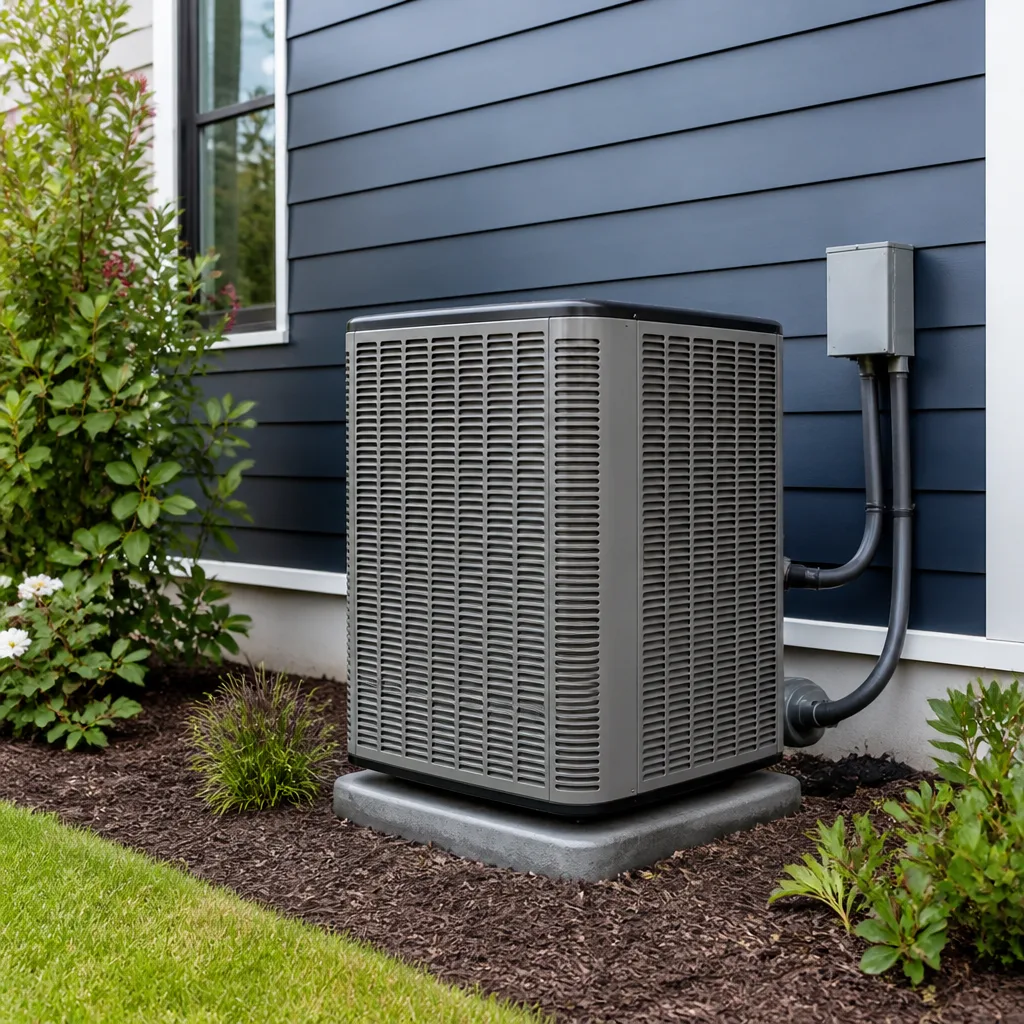
- Electrical connections and disconnects. A properly sized breaker, a labeled disconnect within sight of the equipment, and conduit that meets code.
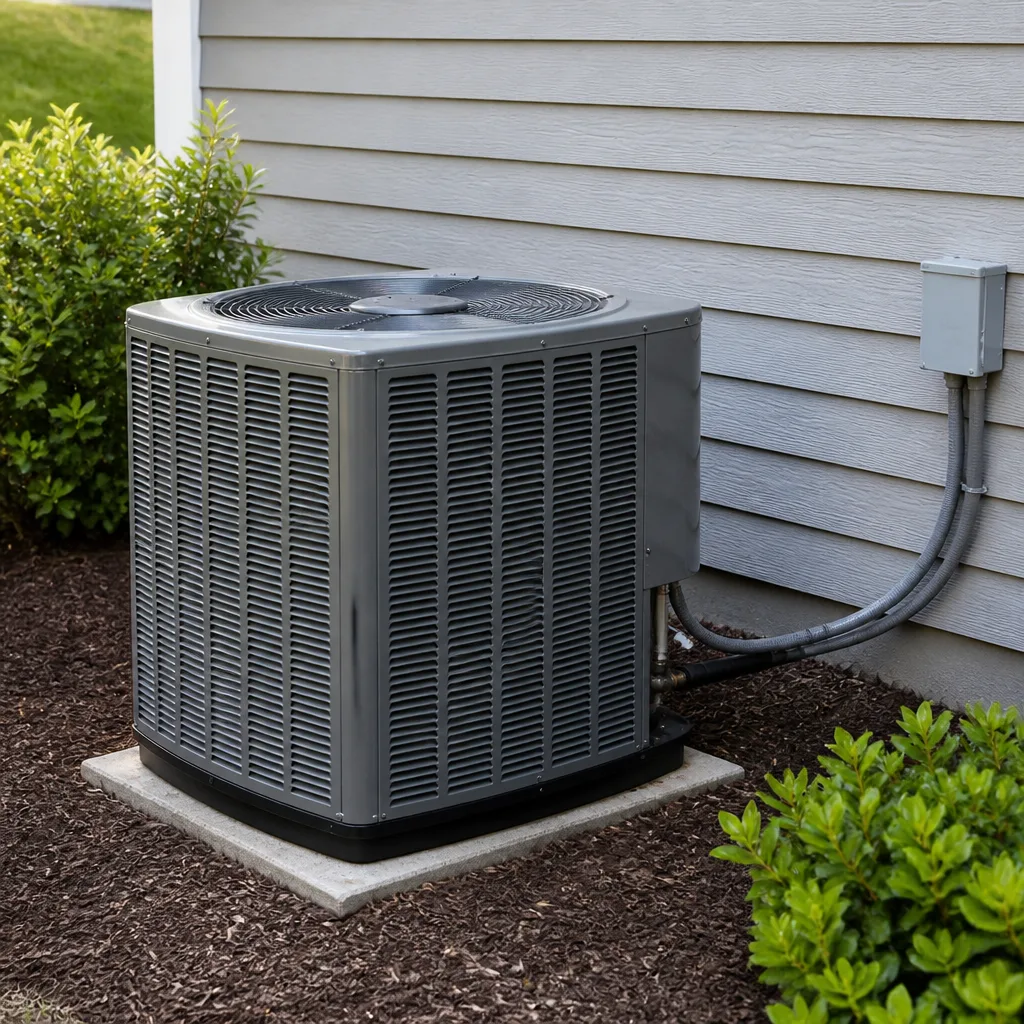
- Refrigerant line routing and insulation. Lineset protected from sun and physical damage, and properly supported. Desert UV eats cheap insulation fast.
- Condensate drainage. The drain has to terminate correctly with a proper trap. A sloppy drain line is a ceiling stain waiting to happen.
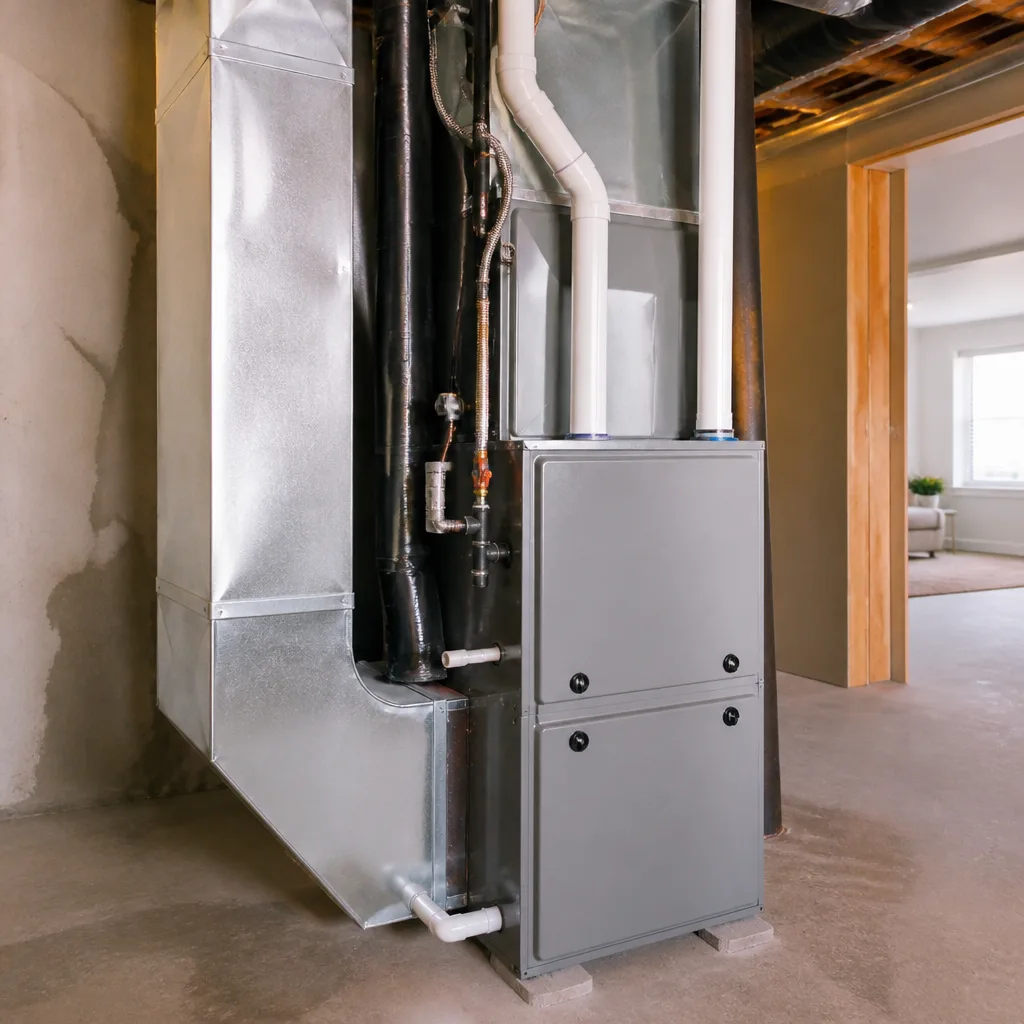
- Combustion venting on gas furnaces. Flue pipe slope, material, and termination. This is a real safety item.
- Duct connections at the equipment. Sealed, supported, and mechanically fastened.
- Equipment labeling and data plate access. The inspector needs to see model and serial numbers.
- Permit and plans match the installed equipment. If the paperwork says a 3-ton and a 2.5-ton shows up, that’s a flag.
Here’s the honest truth: a good installer doesn’t fail inspections, because they build to the checklist before the inspector ever arrives. When a job fails, it’s usually a shortcut on clearances or a drain line run in a hurry. We lost count years ago of the slabs in Enterprise where the condenser was set six inches from a block wall. The system runs, but it runs hot, and it dies young.
How an unpermitted system affects your homeowner’s insurance
This is the part most homeowners don’t think through. Your policy covers sudden and accidental damage. But when the adjuster looks at a claim involving the HVAC system, and there’s no record of the install being permitted or inspected, the claim doesn’t automatically get denied. It gets complicated, and complicated costs you.
Picture this: a condensate line from an unpermitted air handler clogs and soaks your ceiling and floor. The water damage claim gets filed, the adjuster inspects, and asks who installed the unit and where the permit is. If the installation doesn’t meet code and the failure traces back to how it was installed, the insurer may dispute or reduce the portion of the claim tied to the faulty install. At minimum, you’re now proving your way through a claim instead of just having one handled.
There’s a second layer. Manufacturers require proper installation per local code as a condition of warranty. Trane, Carrier, Bryant, and American Standard all carve out installation defects, and an unpermitted install gives them an easy out. That’s why we always pull the permit. The 90-Day Done Right Promise we put in writing covers our work no matter what, but the manufacturer’s warranty is a separate protection you don’t want to gamble.
The Nevada resale disclosure and what buyers see
Nevada’s seller disclosure form asks directly about improvements and permits. When you sell, you’re attesting to what’s been done to the property. An unpermitted HVAC replacement creates two problems at once: you have to disclose it, or risk a misrepresentation claim, and even if you disclose it, the buyer’s inspector will flag it in writing.
Here’s what happens in practice. A buyer’s home inspector runs the system, sees a shiny new condenser, and finds no record with the county. The inspection report notes “no permit record available for HVAC equipment.” Now the buyer has leverage. In a hot Enterprise market, that leverage shows up as a repair concession, a price reduction, or a deal that falls apart at the eleventh hour.
We’ve walked into homes in Enterprise where the seller had a brand-new system installed two summers ago and the buyer’s inspector found it unpermitted. The seller ended up paying twice: once to the original installer, and again to get the work brought into compliance before closing. If you want to read more on the maintenance side and what a system needs over its life, our rundown of Ray’s Heating & Air Enterprise home covers how we approach service calls from the front door forward.
How to retroactively permit work that was done without one
Yes, it’s fixable. No, it’s not free and it’s not fast. But it’s far better than leaving a sleeping problem in your wall. The retroactive permit process in Clark County generally follows this sequence, and it’s something we help Enterprise homeowners sort out.
- Pull the existing records. The county will want to know what’s installed and when. Model and serial numbers off the data plate give you a start.
- Apply for a permit as an owner-builder or through a licensed contractor. A licensed contractor pulling it is faster and usually smoother.
- Bring the installation up to code before inspection. This is where it can hurt. Clearances, disconnects, drain lines, and venting may need correction.
- Pay the permit fee plus any penalty fee. Clark County charges more for work done without a permit.
- Pass the inspection. The inspector reviews the corrected install against current code.
- Get the final sign-off and keep the record. This is the document that protects you at resale and with your insurer.
Cost varies with what needs correcting. A clean install that only needs a permit and an inspection might run a few hundred dollars in fees. One that needs a lineset rerouted or a drain rebuilt costs more. Either way, it’s less than the alternative we’ve seen sellers eat at closing. If you’re reading this and you’re about to list your home in Enterprise, get the records checked before an inspector does it for you.
Why Enterprise’s desert climate raises the stakes on codes
Codes aren’t the same everywhere for good reason. Enterprise sits in the Mojave, and our summers push systems to their limit. A code-compliant install here means the unit has clearance to breathe in 115-degree ambient air, the lineset isn’t baking in direct sun, and the drain is ready for a monsoon season that shows up without much warning. Skip those details, and a system that would last twelve years in a milder climate dies at seven.
We’ve seen spring failures all over Enterprise that trace straight back to installation shortcuts: a condenser boxed in against a stucco wall, refrigerant lines run bare across a west-facing roof, and ducts sagging in an attic that hits 150 degrees by August. Every one of those was a permit inspection that never happened. If your system is installed properly to code with an inspection record, you’ve got a system built for our climate. If it was installed in a hurry without one, those shortcuts are today’s heat load, tomorrow’s repair bill.
For homeowners considering a heat pump or ductless head, our Heat Pump & Mini Split in Enterprise page covers how the right equipment choice for our desert climate goes hand in hand with a proper permitted install. And if you’re facing a failing furnace before winter, our Heating & Furnace in Enterprise page covers the gas-side code considerations, including combustion venting, that inspectors look at closely.
What to ask a contractor before they touch your system
Whether it’s Ray or anyone else, these questions tell you a lot in thirty seconds.
- “Will you pull the permit and schedule the inspection?” If the answer is anything but yes, walk away.
- “Is the permit fee in your written estimate?” It should be, as a line item.
- “Can I see the license number and proof of insurance before work starts?” Ours is published and verifiable, and any contractor worth the name will hand it over without blinking.
- “Will the same person who diagnoses my system be the one who installs it?” At Ray’s, the person at your door is the person committed to the work, and it’s often Ray himself; you’re not getting a rotating cast who never met your system.
- “What’s your written guarantee?” Ours is the 90-Day Done Right Promise, and it’s stamped on every heating and cooling job.
- “Can I get a second opinion on this written estimate?” We’ll give you one for free if you bring in another quote. No trip charge inside our county.
Common Mistakes to Avoid
- Letting a contractor talk you out of the permit. “We’ll handle the paperwork later” usually means never. Once the installers have your check and their truck is gone, the excuse is gone with them.
- Assuming like-for-like is exempt. A same-size swap-out of an air handler still gets a permit in Clark County. Size doesn’t make it exempt.
- Not checking the permit got final sign-off. A permit that was opened but never finalized is almost as bad as no permit at all. Ask for the final inspection record and keep it.
- Reading the estimate’s fine print. Some quotes bury the permit line as “optional.” It isn’t optional. If a contractor offers it as a way to save you money, you’ve learned what kind of contractor you’re dealing with.
- Ignoring the inspection report on the buyer’s side. If you’re buying a home in Enterprise and the HVAC isn’t permitted, negotiate before closing, not after.
- Assuming your homeowner’s insurance will just cover it. Unpermitted installations can complicate a claim. It’s not a guaranteed denial, but it costs you time and negotiation you don’t want.
- Thinking a warranty card alone protects you. Manufacturer warranties assume a code-compliant install. Without the permit, you’re relying solely on the installer’s word.
See the difference
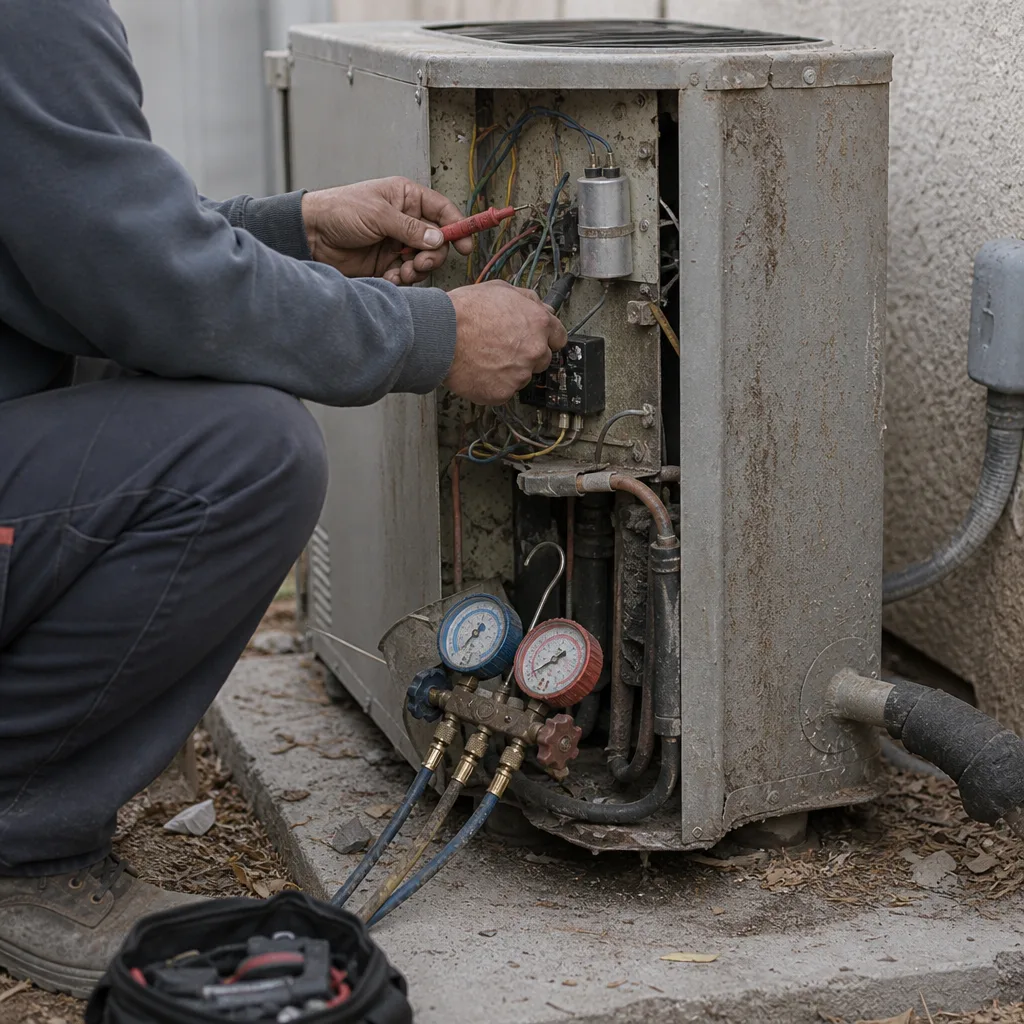 Before
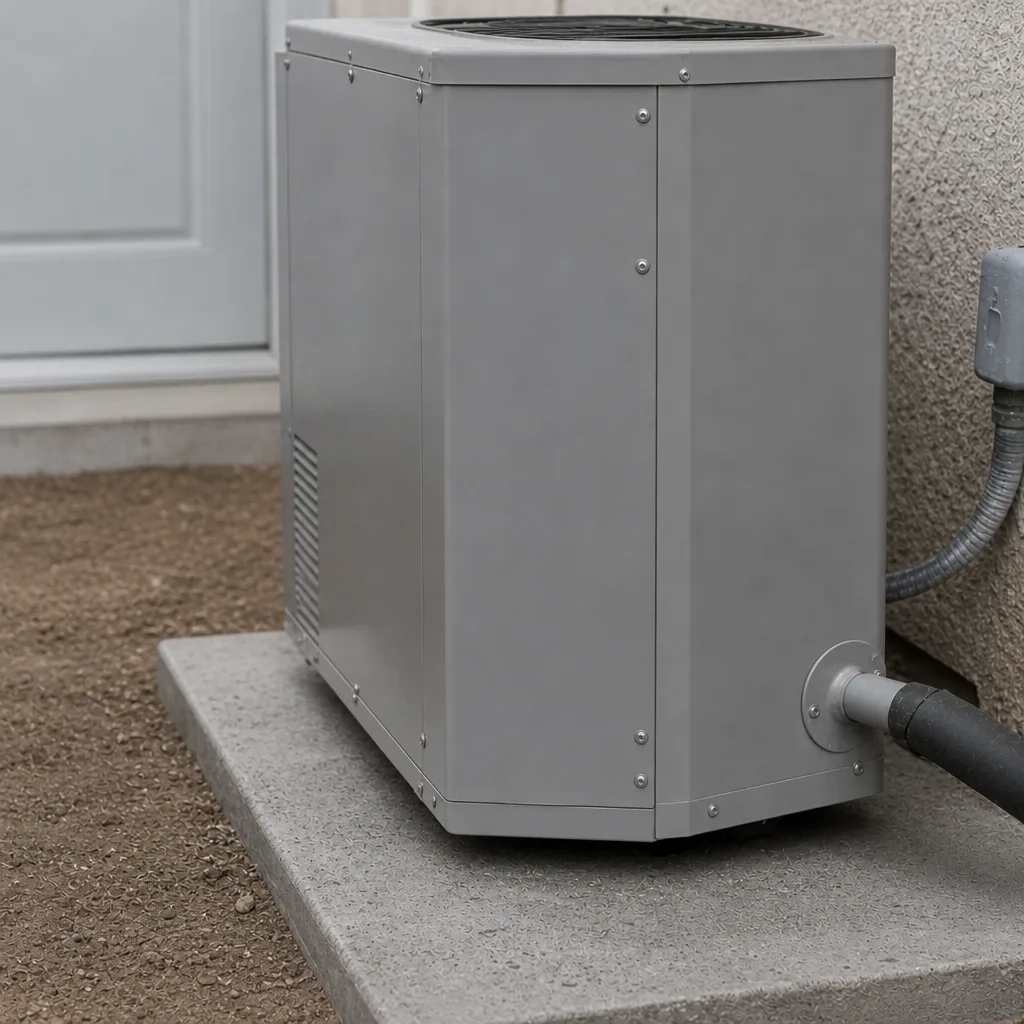 After
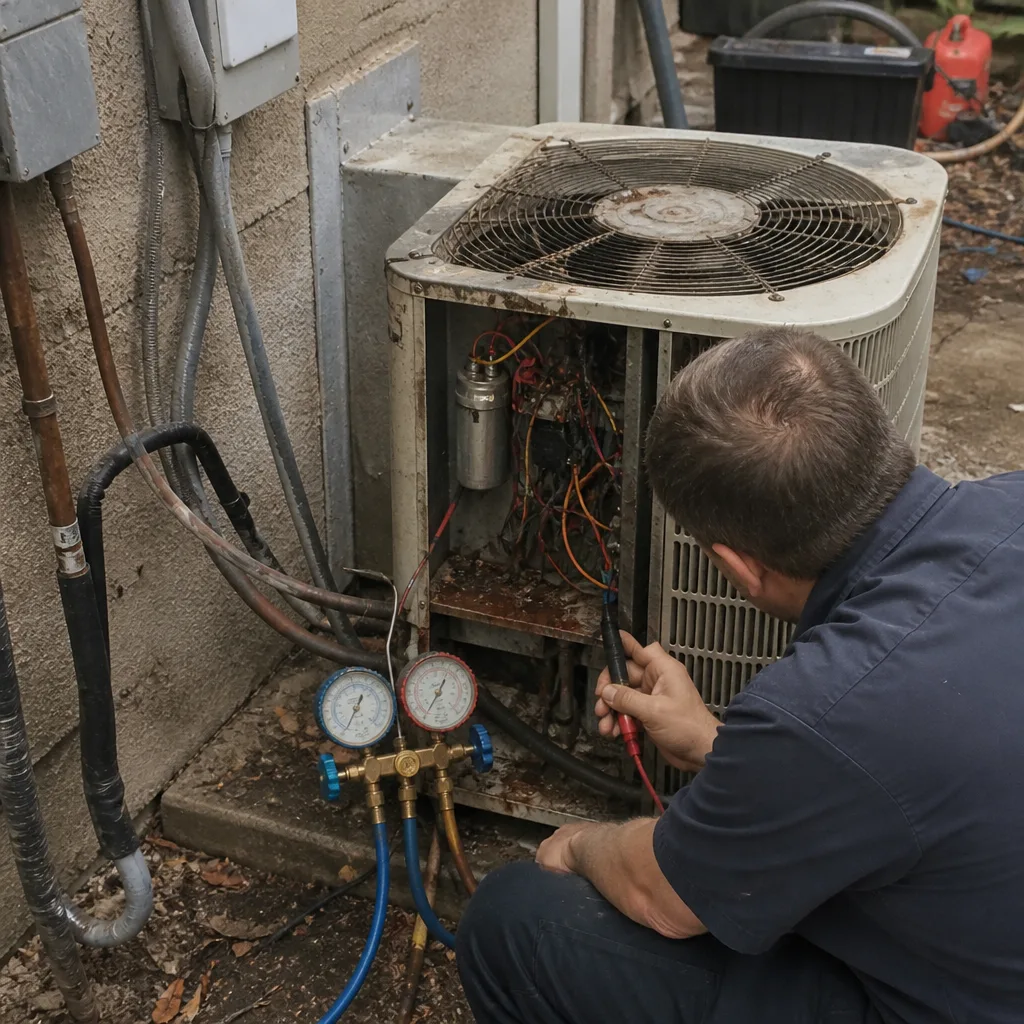 Before
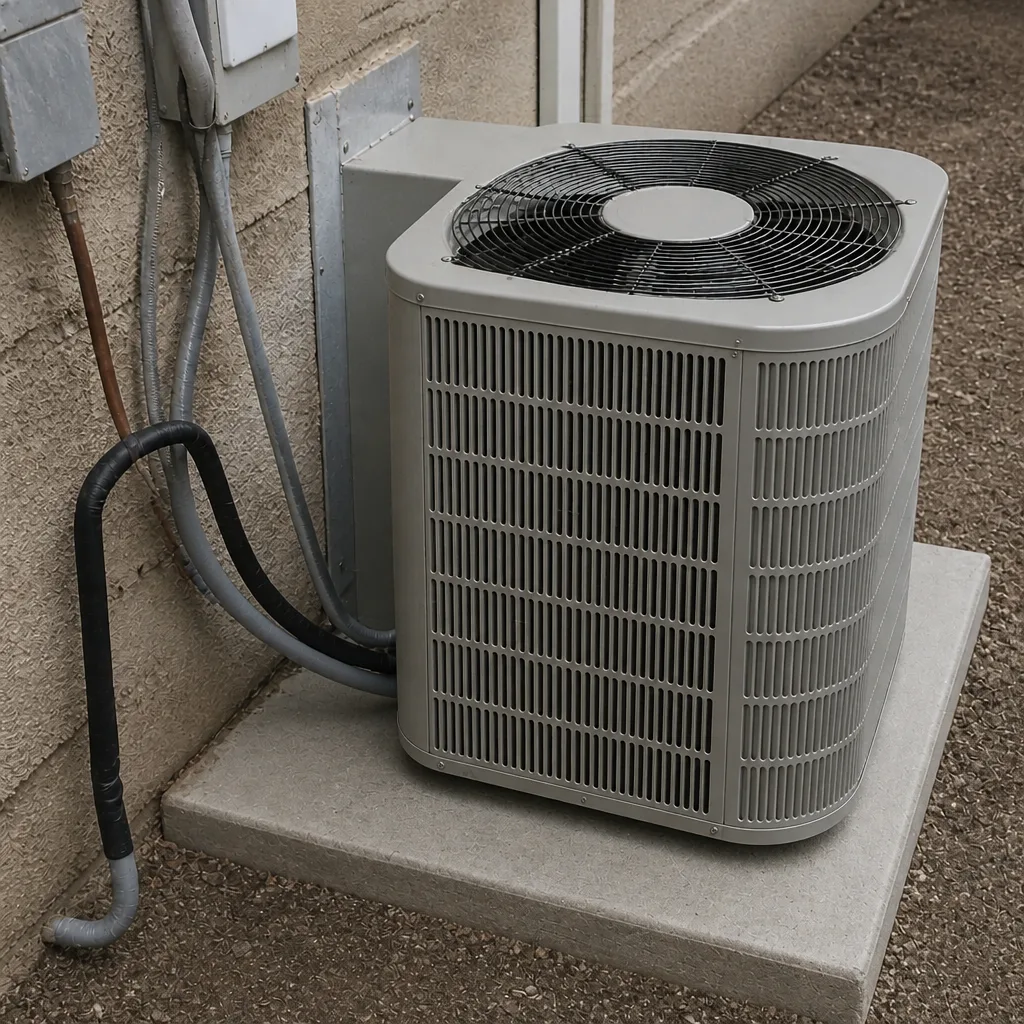 After
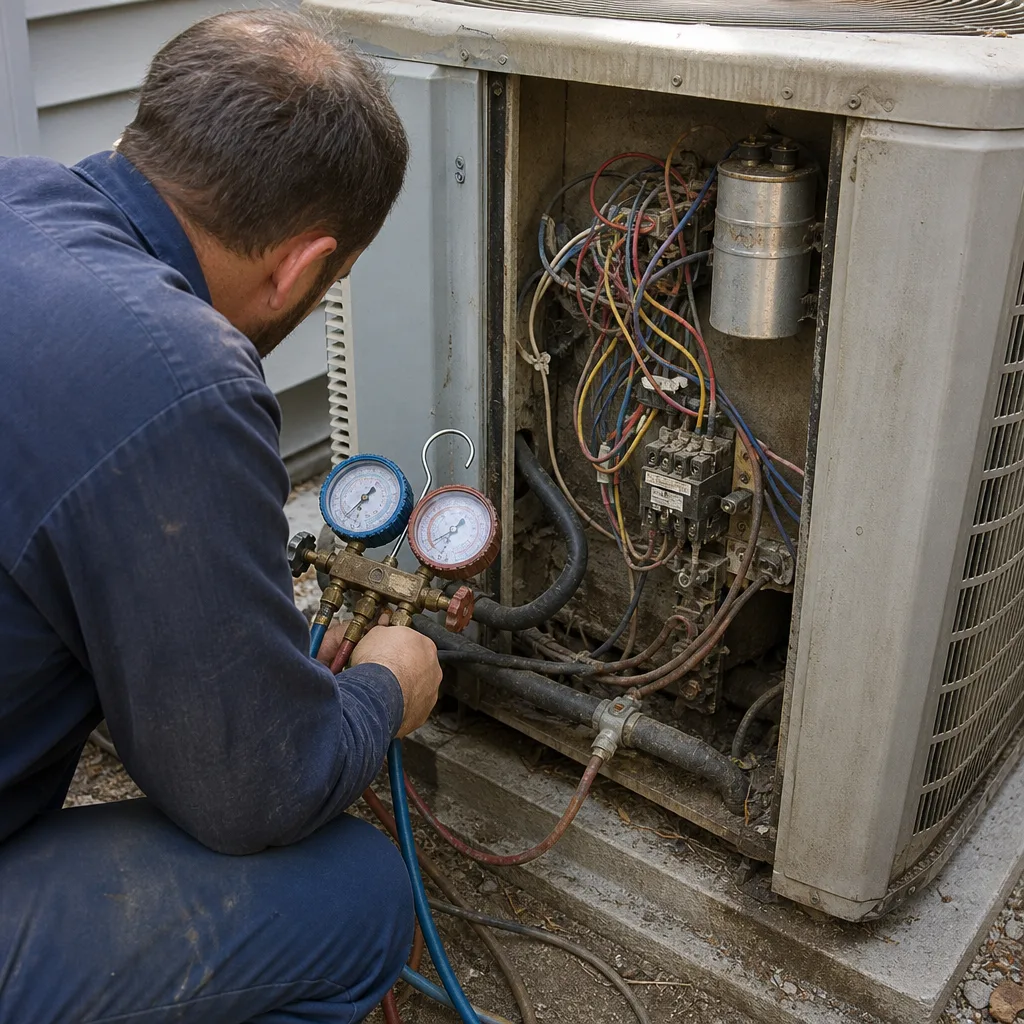 Before
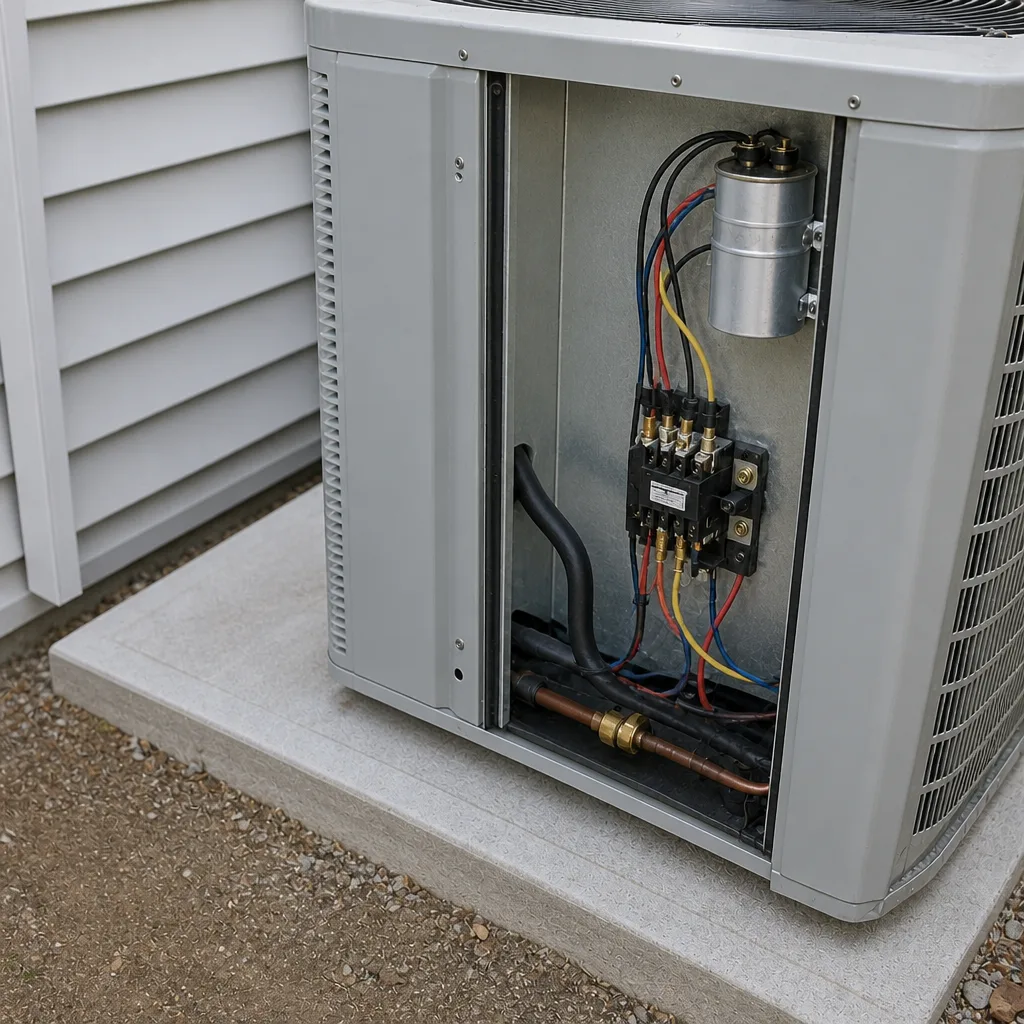 After
When to Call a Professional
Call a professional when the job involves replacing or installing equipment, even a swap-out. Call when a system is short-cycling, icing up, or blowing warm air and you want readings before anyone quotes you parts. Call when you’re about to sell or buy a home in Enterprise and the HVAC records are unclear. Call when your insurer asks a question about the install and you don’t have an inspection record to answer it. And call when someone offers to skip the permit. We’ll give you a straight answer and, if you’re comparing estimates, a free second opinion on any written estimate. Ray’s Heating & Air Enterprise offers free estimates in Enterprise – call (844) 455-2034.
Frequently Asked Questions
Yes. Replacing a condenser, heat pump, or air handler in Clark County requires a mechanical permit and inspection, even for a like-for-like swap-out of the same size. There is no size threshold that exempts residential replacements.
A residential mechanical permit in Clark County typically runs a few hundred dollars in fees, and a permit pulled retroactively for work already done costs more due to penalties. In our quotes here in Enterprise, the permit fee appears as its own line so you see exactly what you’re paying. Call (844) 455-2034 for an exact quote – estimates are free.
Not if they want to keep their license. Offering to skip a required permit is a red flag, and the savings are an illusion. Unpermitted work can void manufacturer warranties, complicate an insurance claim, and turn up at resale – costing you more than the permit ever would.
It can. If a system installed without a permit causes water or fire damage, the insurer may dispute or reduce the portion of the claim tied to the installation’s code compliance. It’s not an automatic denial, but it turns a routine claim into a negotiation.
You apply for a retroactive permit, correct any installation issues to bring it up to code, pay the fees plus penalties, and pass an inspection. A licensed contractor can pull the permit for you and handle the corrections. It’s fixable, and worth doing before a sale or a claim forces the issue.
An inspector checks clearances, electrical connections and disconnects, refrigerant line routing, condensate drainage, combustion venting on gas furnaces, duct connections, and that the installed equipment matches the permit. Safety and code compliance, not a full system tune-up.
The Bottom Line
The permit is the cheap part of the project. It’s the difference between a system with a paper trail and a system with a question mark attached to it, and the question mark shows up at the worst times: in an insurance claim, at resale, and at the manufacturer’s warranty desk. If the equipment is changing, pull the permit, insist on the inspection, and keep the final sign-off in your file. If you’ve got unpermitted work already in the house, get it sorted out now rather than at closing. In Enterprise, that discipline pays off summer after summer.
Ray’s Heating & Air Enterprise offers free estimates and a free second opinion on any written estimate. When it’s time to replace or install, call Ray’s Heating & Air Enterprise home – live person every time, (844) 455-2034.
Written by the team at Ray’s Heating & Air Enterprise.