
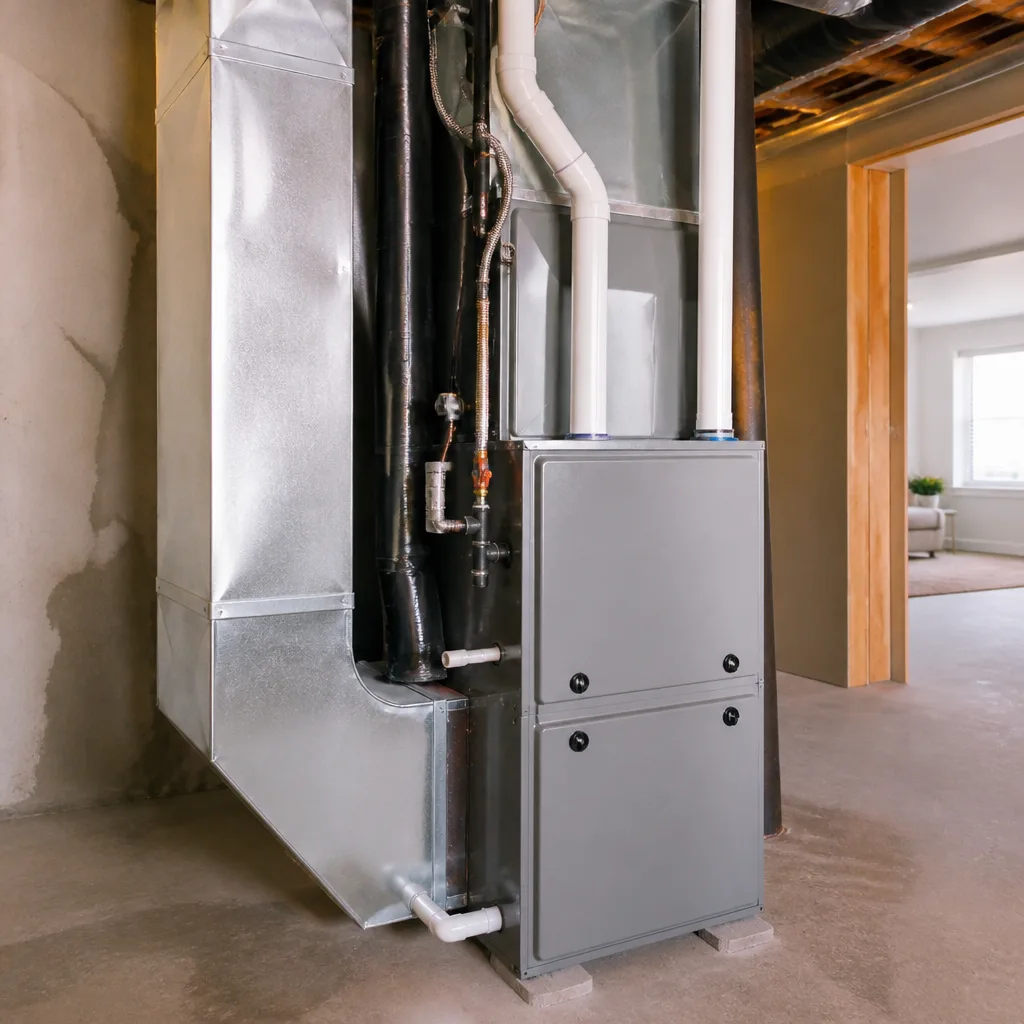
 Furnace & heating
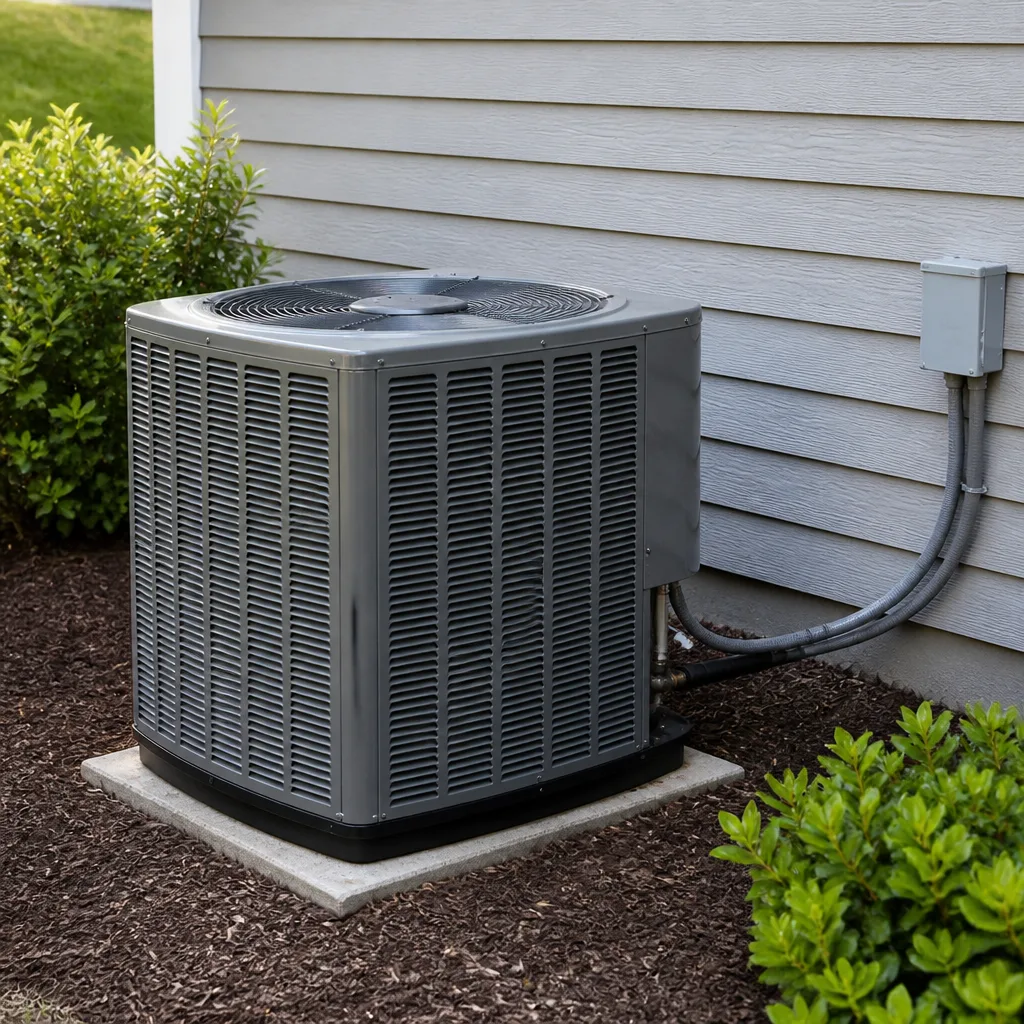 AC repair
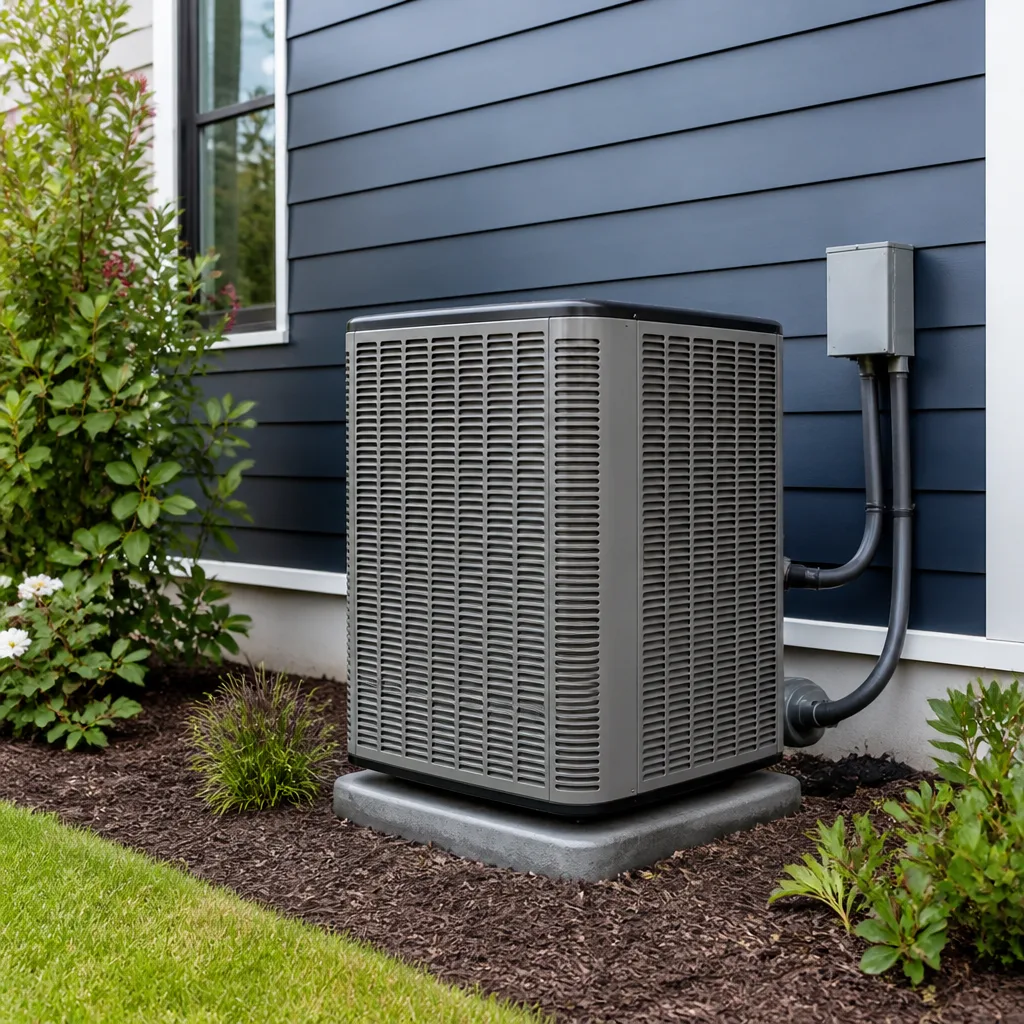 Heat pumps
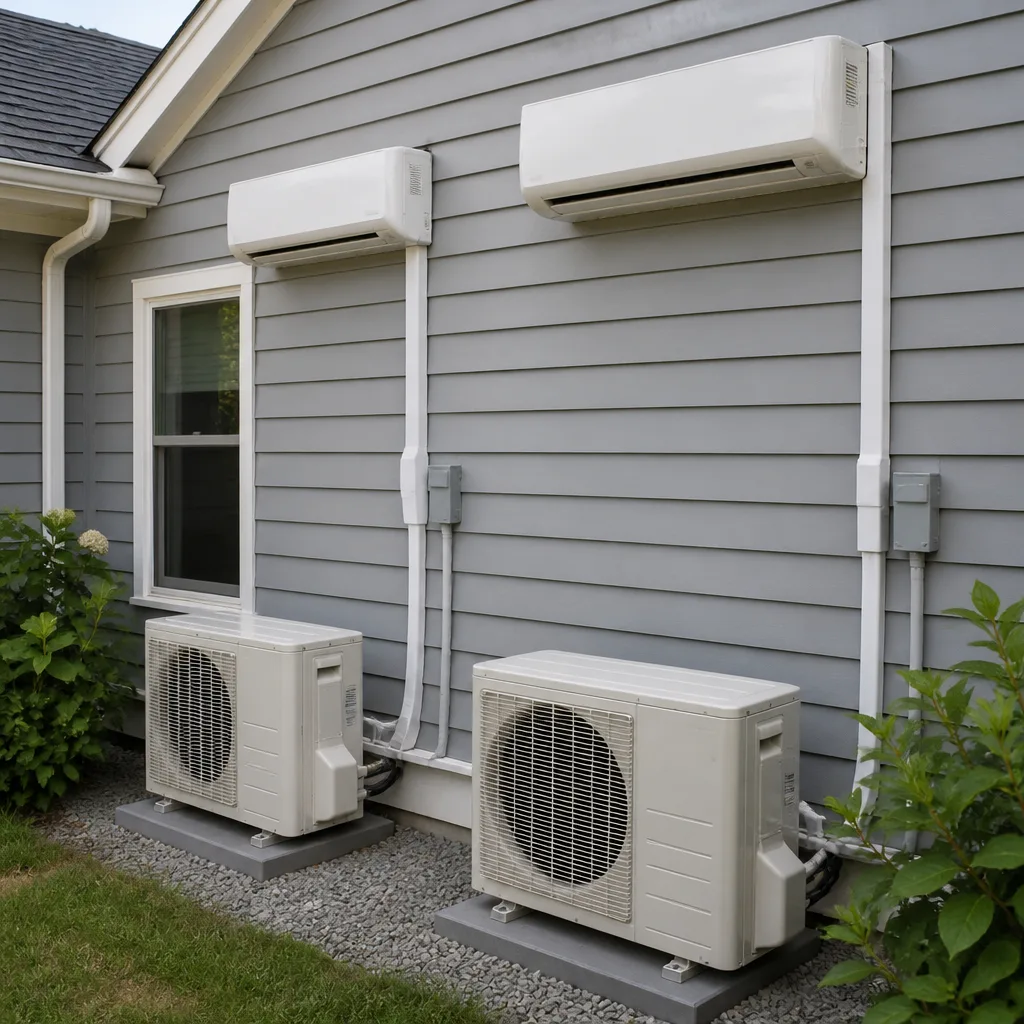 Ductless mini splits
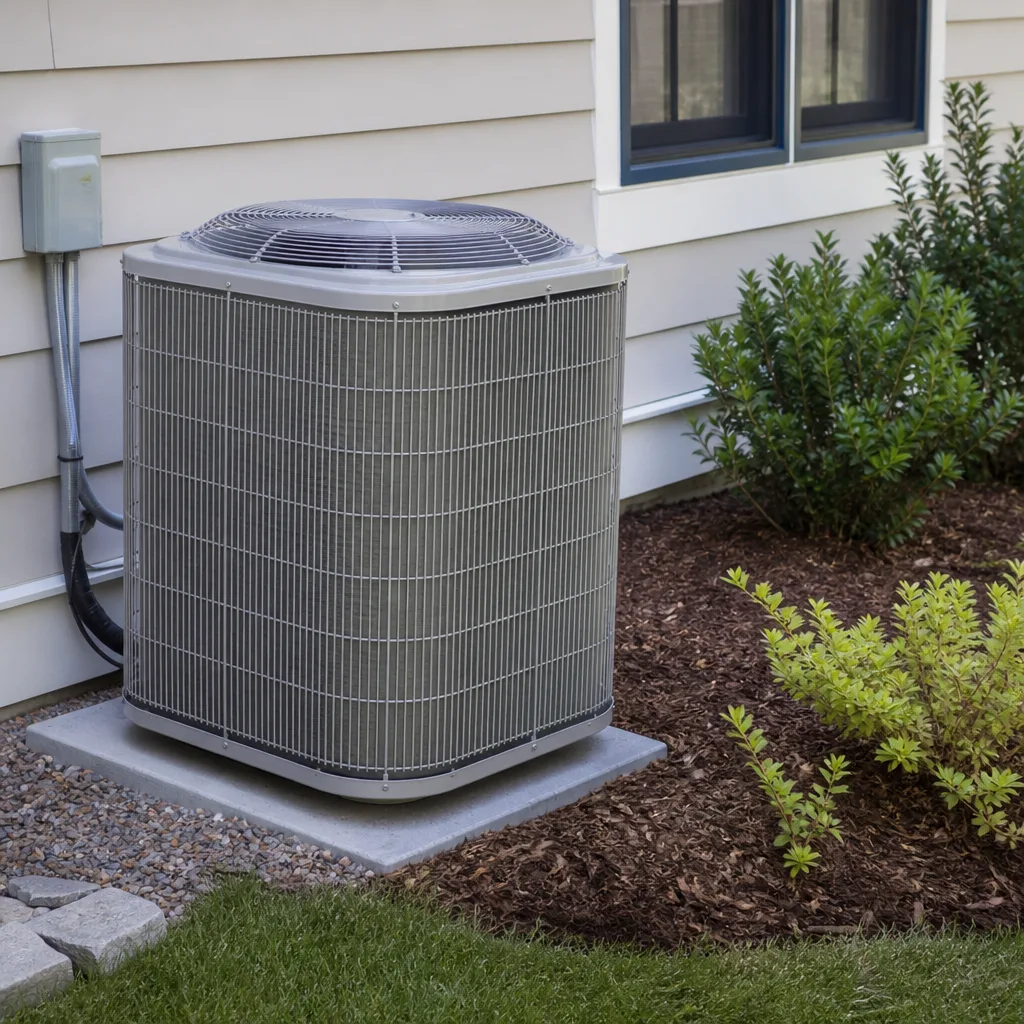 Carrier
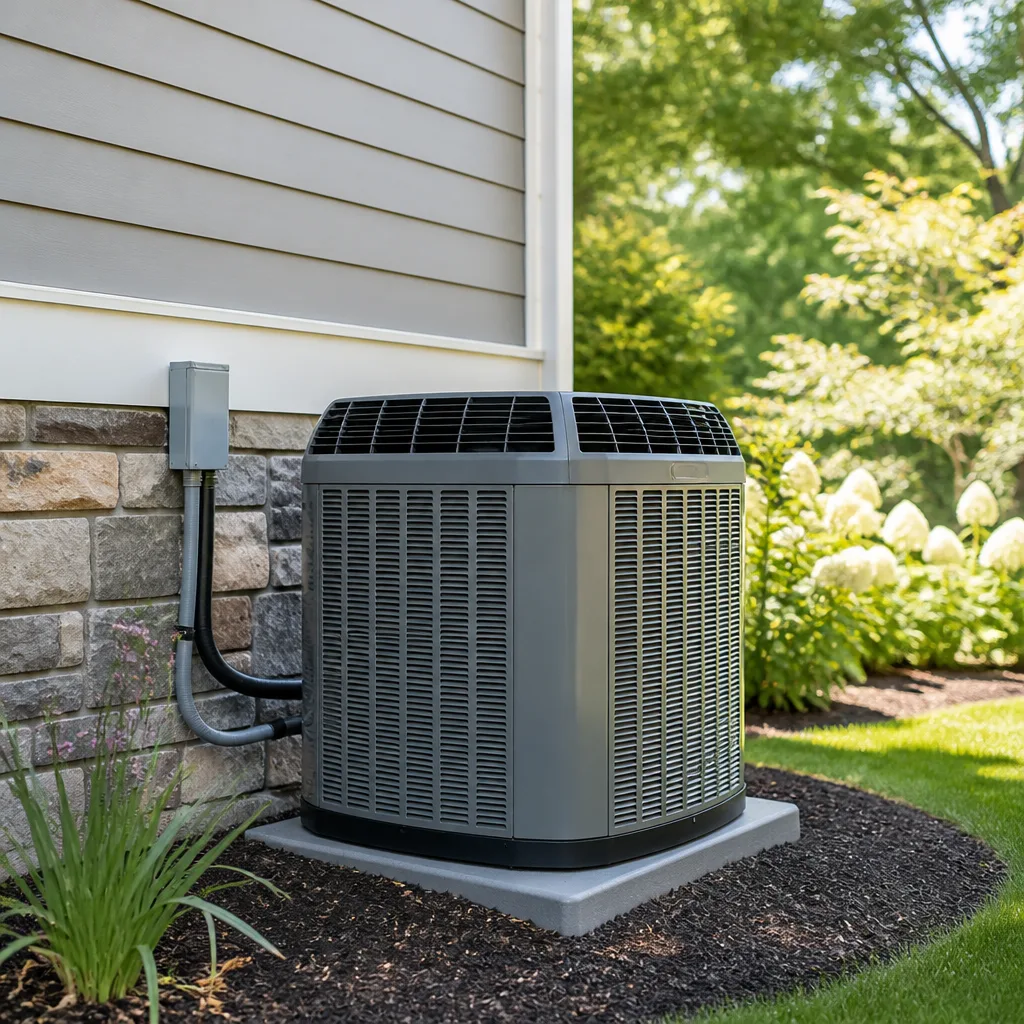 Trane
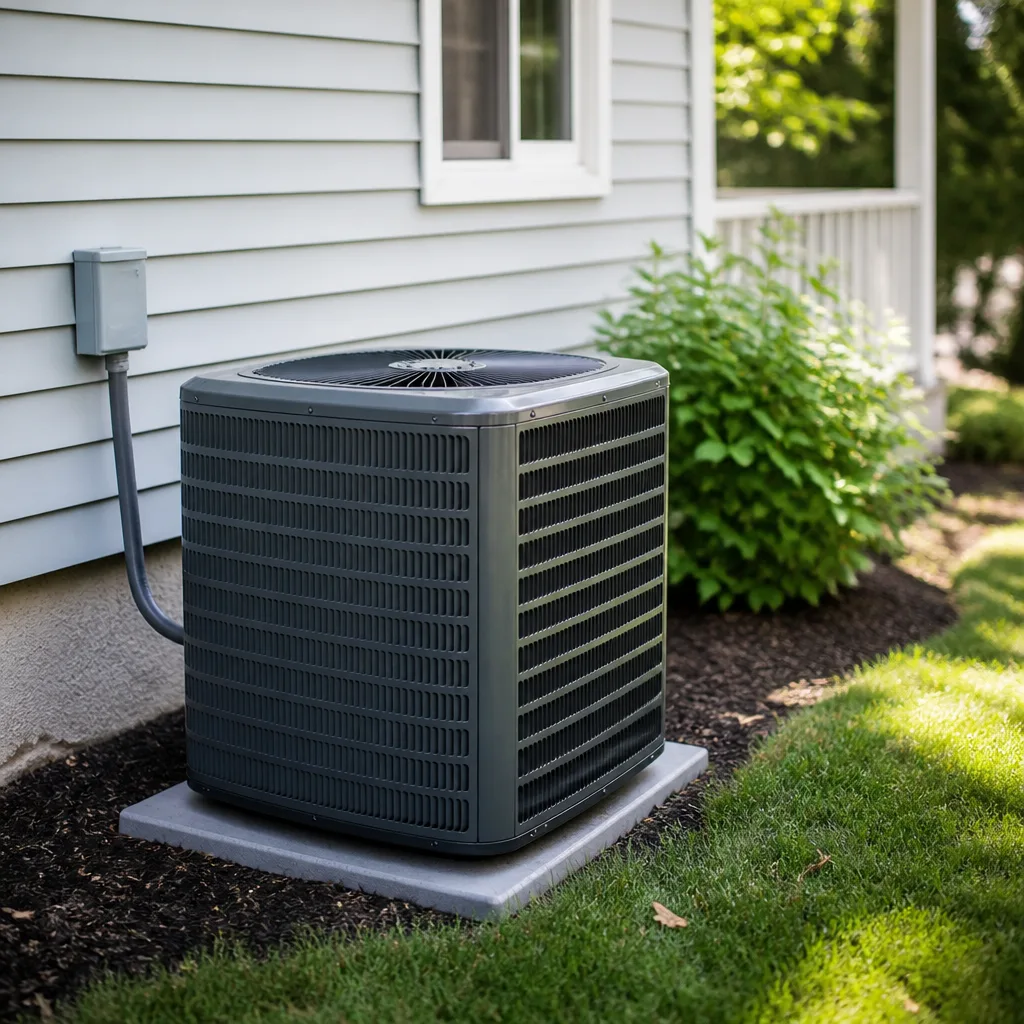 Goodman
Seasonal tune-up and full diagnostic on your Carrier, Trane, or Goodman system - readings shown to you before any repair is proposed
Diagnosis first, numbers second - you approve the repair price before a single part goes in.
Get your free estimateStyles & brands we work with
- AC repair
- Furnace & heating
- Heat pumps
- Ductless mini splits
- Carrier
- Trane
- Goodman
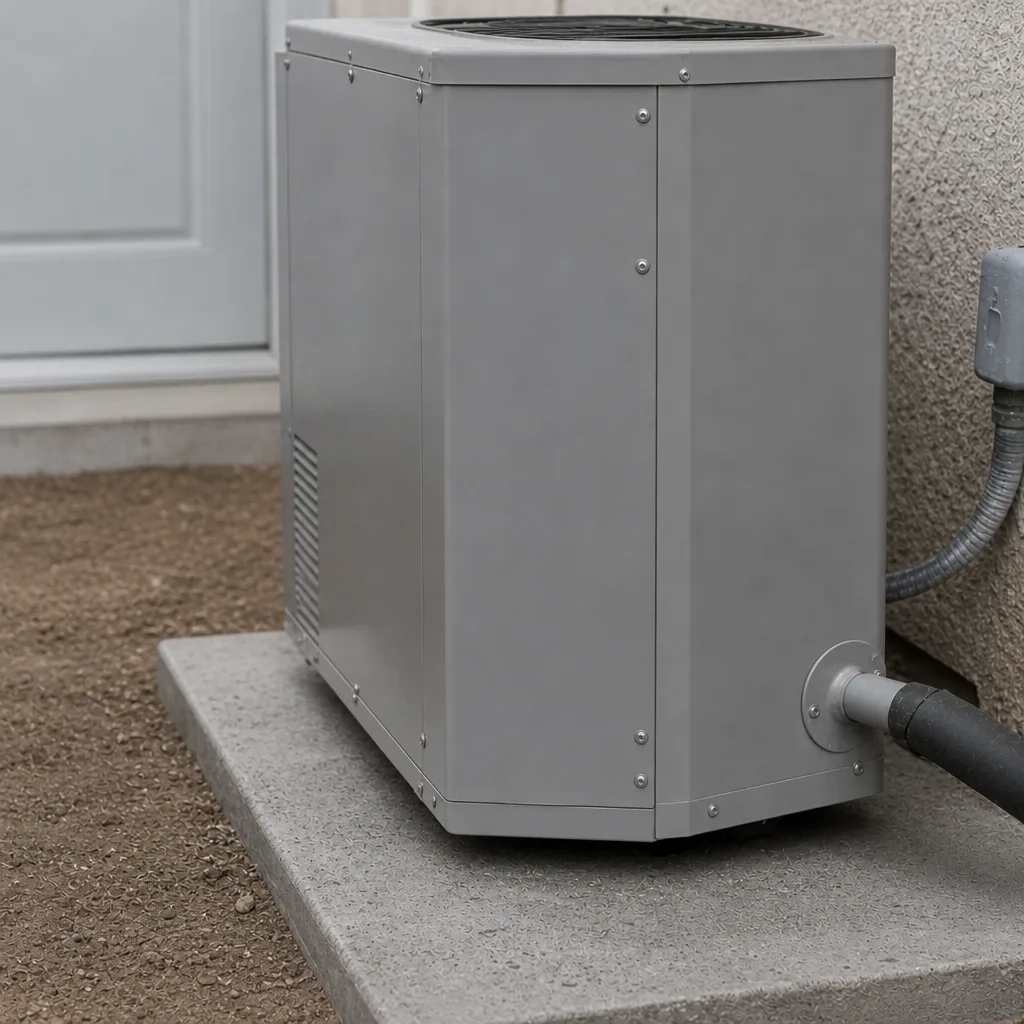
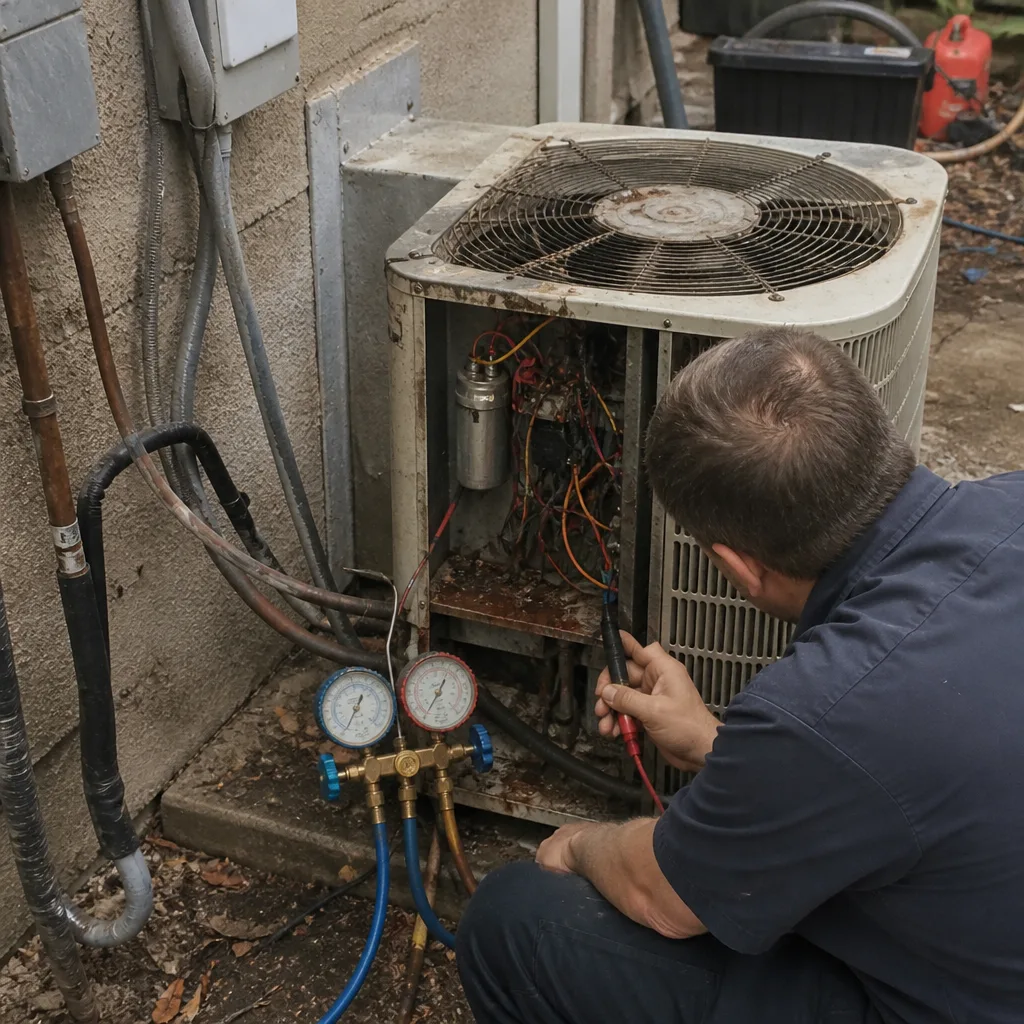
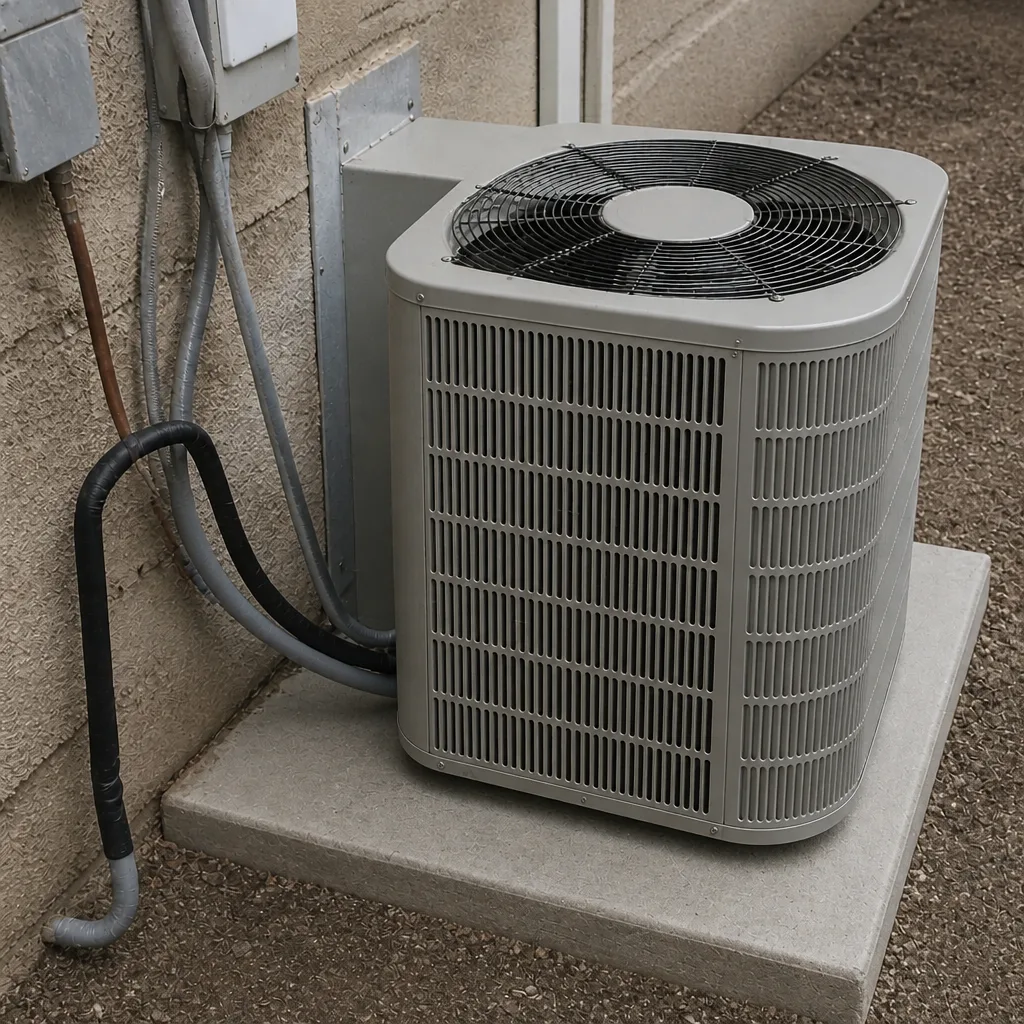
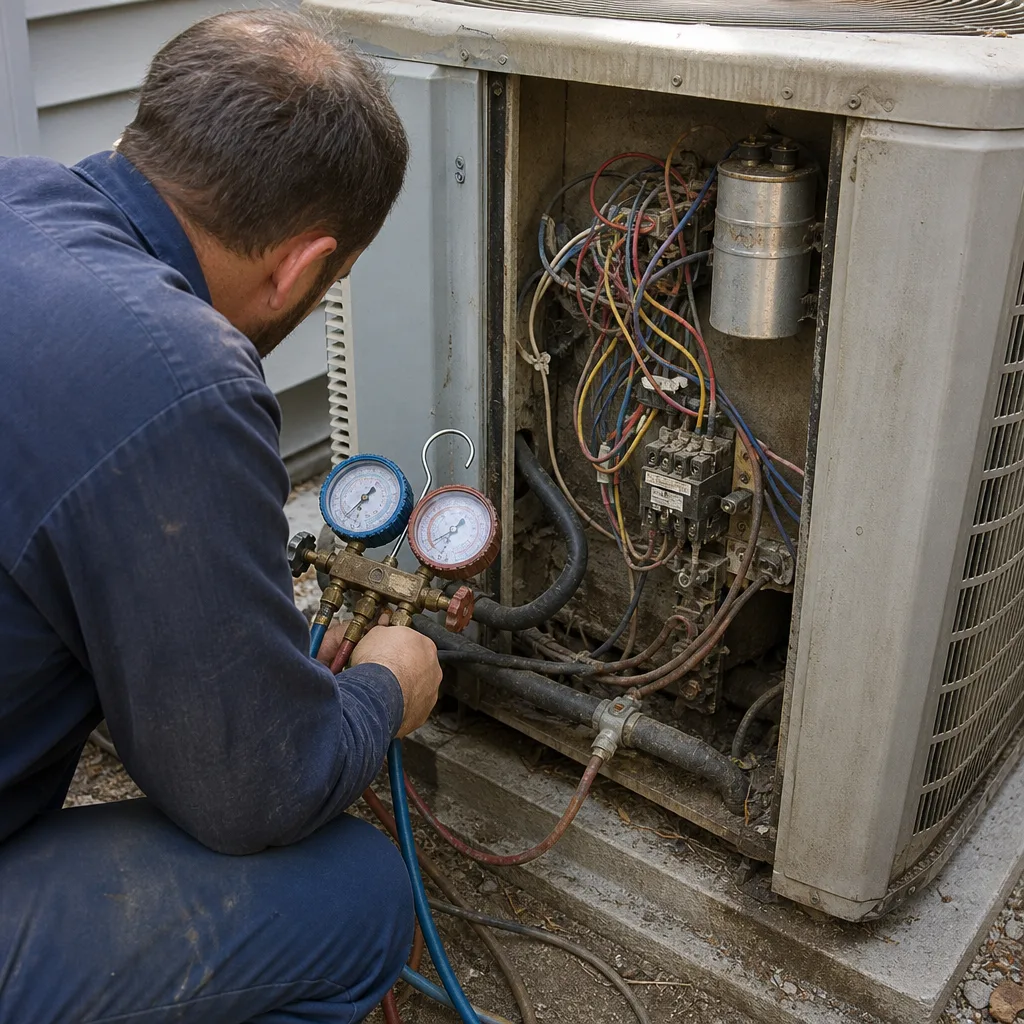
See the difference
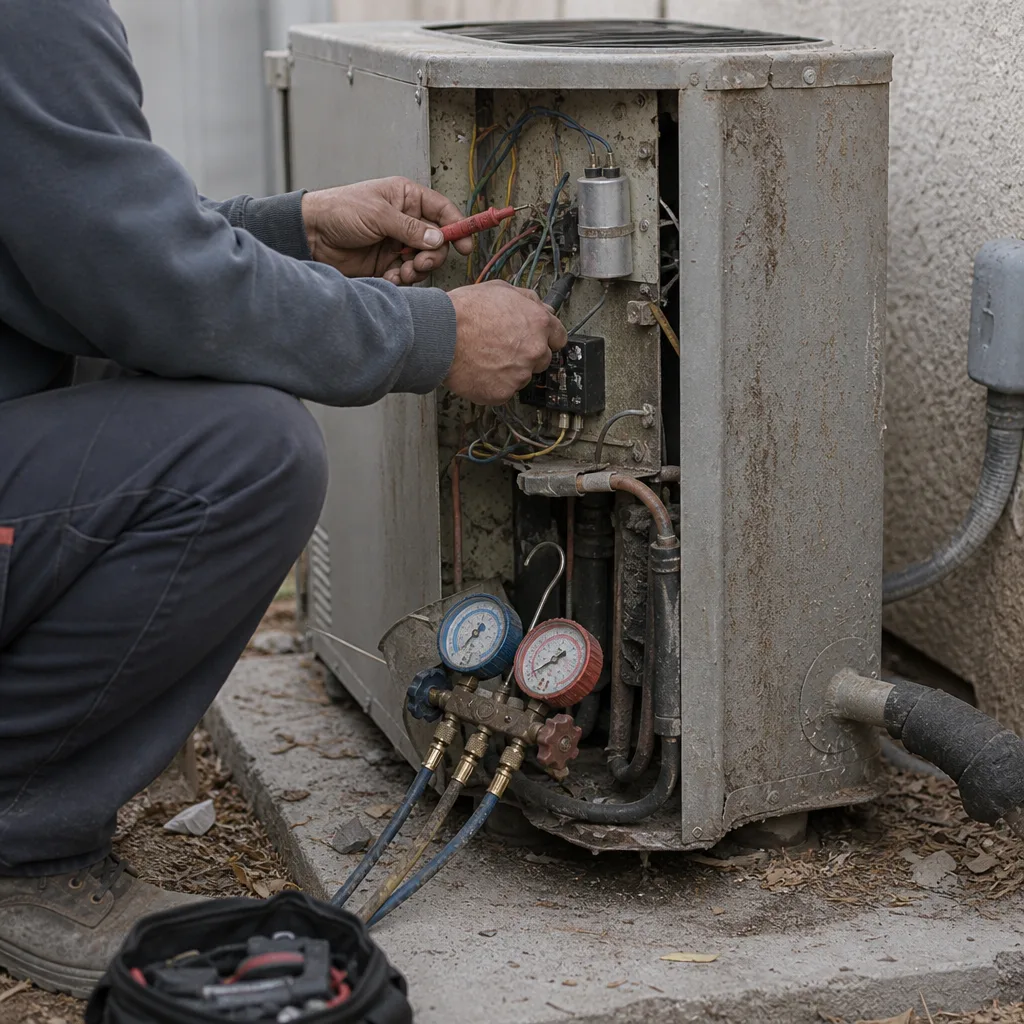 Before
 After
 Before
 After
 Before
 After
How to Improve Indoor Air Quality in Enterprise, NV (Start in the Attic, Not the Filter Aisle)
The single biggest cause of poor indoor air quality in Enterprise homes is attic duct leakage, not a cheap filter. When duct joints crack or separate in a 140°F+ attic, superheated, dust-laden air gets pulled straight into your living space, which defeats every filter and purifier downstream. Fix the duct system first, then look at filtration. If you’ve already tried a HEPA filter and an air purifier and your house in Southern Highlands or Mountain’s Edge still smells like dust five minutes after a filter change, call (844) 455-2034 and we’ll find the real leak.
Enterprise sits in the far south Las Vegas Valley, where summers crest 110°F and the water is about as hard as it gets. That combination makes our homes different from the ones the air quality guides were written for. Here’s how we actually think about indoor air in this part of the valley.
Why the Air in Enterprise Homes Feels Dirty Even With a New Filter
The housing stock tells most of the story. Southern Highlands, Mountain’s Edge, and the surrounding subdivisions went up almost all at once during the 2000s, on tile roofs and stucco-over-frame walls with split systems and ductwork running through the hot attic. That attic-mounted air handler bakes at 140°F or more in July. When a duct joint separates (and after 20 summers, many have), the return side pulls from that superheated, dusty space instead of pulling clean air. Every filter and purifier downstream is now fighting a losing battle.
Because those homes were built on nearly identical builder-grade duct layouts, we’ve seen the same separation points on hundreds of these houses. That’s the first-hand part most guides skip: we know where to look without a two-hour exploratory visit. Readings first, numbers second – you’ll see the static pressure and duct-leakage results before anyone recommends a product.
What to Look For Before You Buy Another Air Purifier
If you’re deciding where to spend on indoor air, the order matters more than the gadget. Here’s the “what to look for” order we walk customers through in Enterprise, cheapest fix to most expensive:
- Duct seals at the attic joints – a $40 mastic seal on a disconnected trunk line fixes the majority of the complaint. Start here.
- Static pressure readings – if the system is fighting high static, it’s pulling air from somewhere it shouldn’t. This is a free read during an assessment.
- The evaporator coil and drain pan – Enterprise’s extremely hard water scales the condensate pan and coil, creating a standing-water environment that grows mold spores and that musty smell. Coil cleaning isn’t just maintenance; it’s an air quality fix.
- Return-air path – spring wind events drive desert dust and pollen through the condenser coil and into the return. A condenser coil rinse in March is worth more than a HEPA upgrade if the upstream path is still open.
- Filtration, then humidification – a proper filter upgrade comes after the leaks are sealed. Low-humidity comfort debates come last, and often a heat pump sizing conversation, not a standalone gadget.
Once the leaks and the contamination path are sealed, a real filtration upgrade finally earns its keep. That’s when we look at filter racks and ventilation alongside your existing Lennox, Goodman, or Rheem equipment. You can read more about the whole scope on our Air Quality & Ventilation page.
The Duct-First Sequence We Use on Every Enterprise House
Here’s the order we actually work in. It’s not a menu – it’s a sequence, and skipping steps just means paying twice.
- Static pressure check. We read the system before touching anything, so the numbers drive the recommendation instead of a sales sheet.
- Duct-leakage assessment. We inspect the attic runs where these builder layouts fail, and confirm with a pressure reading whether the return is pulling attic air.
- Seal the separation. Mastic on the disconnected joints, resecured insulation, and resealed plenum connections. This is the step that fixes 80 percent of the complaint.
- Clean the coil and clear the drain. Scale removal on the evaporator and the condensate trap kills the musty smell source that hard water creates.
- Rinse the condenser in spring. A March coil rinse before wind season, not after, keeps the whole intake side cleaner.
- Then, and only then, the filter upgrade. If the sealed system still needs more filtration to hit your goals, we recommend it. We don’t upsell an air scrubber over a $40 mastic fix.
None of that requires a rotating crew who’s never seen your system. It’s the same face on the same house, backed by our 90-Day Done Right Promise in writing. If it’s not done right, one call brings us back.
What Indoor Air Quality Work Costs in Enterprise
Indoor air quality work is less about a single price and more about matching the fix to the finding. Here are the honest ranges our Enterprise customers see, so you can plan:
| Job | Typical Range |
|---|---|
| AC repair (coil, drain, or fan issues found during an IAQ visit) | $150-$650 |
| Tune-up (includes coil clean and static pressure check) | $80-$200 |
| Furnace repair (winter IAQ path, sealed combustion) | $150-$700 |
| AC installation (when the whole system is the problem) | $3,500-$7,500 |
Duct sealing and coil cleaning typically land inside the tune-up or repair range above depending on what we find. You’ll see the readings and the numbers before any work begins, and there’s no trip charge inside our own county. We also offer a free second opinion on any written estimate from another shop – a lot of the “you need a new system” quotes we look at in Enterprise are actually a $40 seal and a coil clean.
FAQs: Indoor Air Quality in Enterprise
Air purifiers help only after your duct system is sealed. If the return is still pulling superheated, dusty attic air, a purifier cleans air that’s being immediately replaced by more dust from above. We check static pressure and duct leakage first, then recommend filtration if the sealed system genuinely needs it.
In Enterprise, that musty smell is almost always the evaporator coil and condensate pan, not the filter. The extremely hard local water leaves mineral scale that holds standing water inside the air handler, and that’s a mold-spore breeding ground. Cleaning the coil and clearing the drain trap kills the source. That’s a real indoor air fix, not just a tune-up line item.
Duct sealing usually runs within our repair range – $150 to $650 – depending on how many joints have separated. A single disconnected trunk line sealed with mastic can be on the low end. You’ll see the readings first; call (844) 455-2034 for an exact, no-pressure number – estimates are free.
Fixing the duct system and cleaning the coil is almost always cheaper than replacement, and it’s where we start. On the 2000s-era Southern Highlands and Mountain’s Edge homes, whole subdivisions hit replacement age at the same time, so the question comes up. A free second opinion on any written estimate tells you which one you actually need before you spend.
When to Call Us Instead of Diy-ing It
Attic ductwork and air handlers run at high static pressure, and crawling a 140°F attic to reseat a plenum is a job for someone who does it every week. If you’ve ruled out the filter and the smell or dust persists, it’s worth a look rather than a guess. We’ll show you the readings first and the numbers second, so you’re not paying for someone’s opinion.
Call Ray’s Heating & Air Enterprise at (844) 455-2034 for a free estimate on indoor air work, and we’ll tell you straight whether you need a seal, a coil clean, or just a filter. Same-day availability where the schedule allows, and a live person answers the phone around the clock, every day.
Written by the team at Ray’s Heating & Air Enterprise, serving Enterprise, NV.