
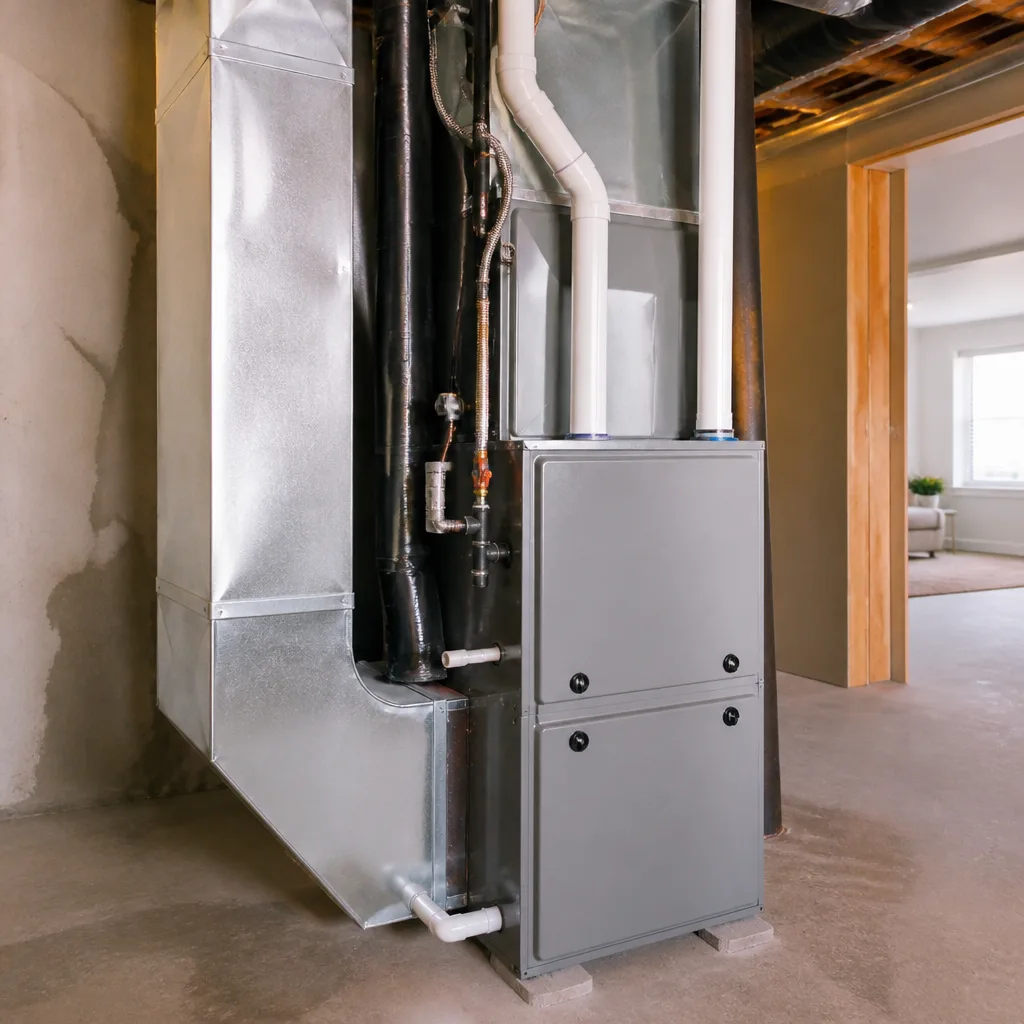
 Furnace & heating
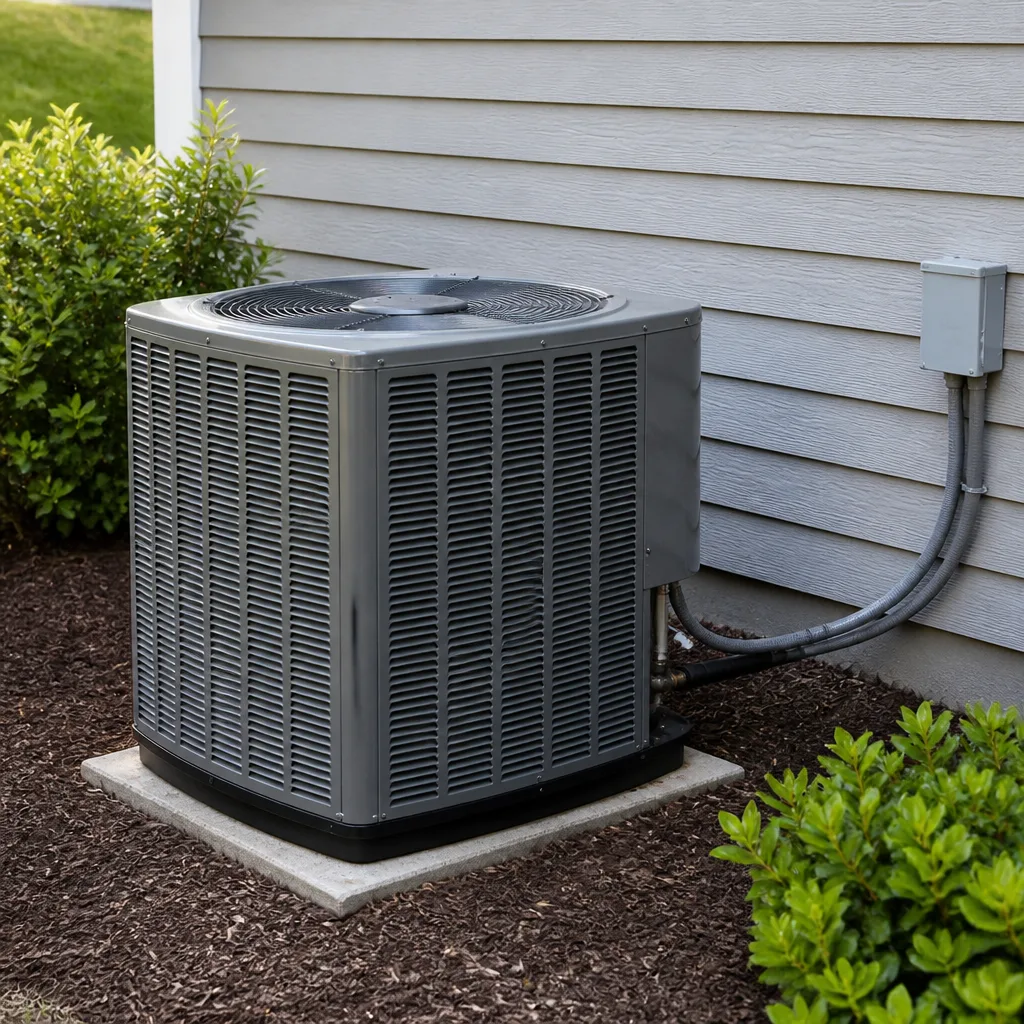 AC repair
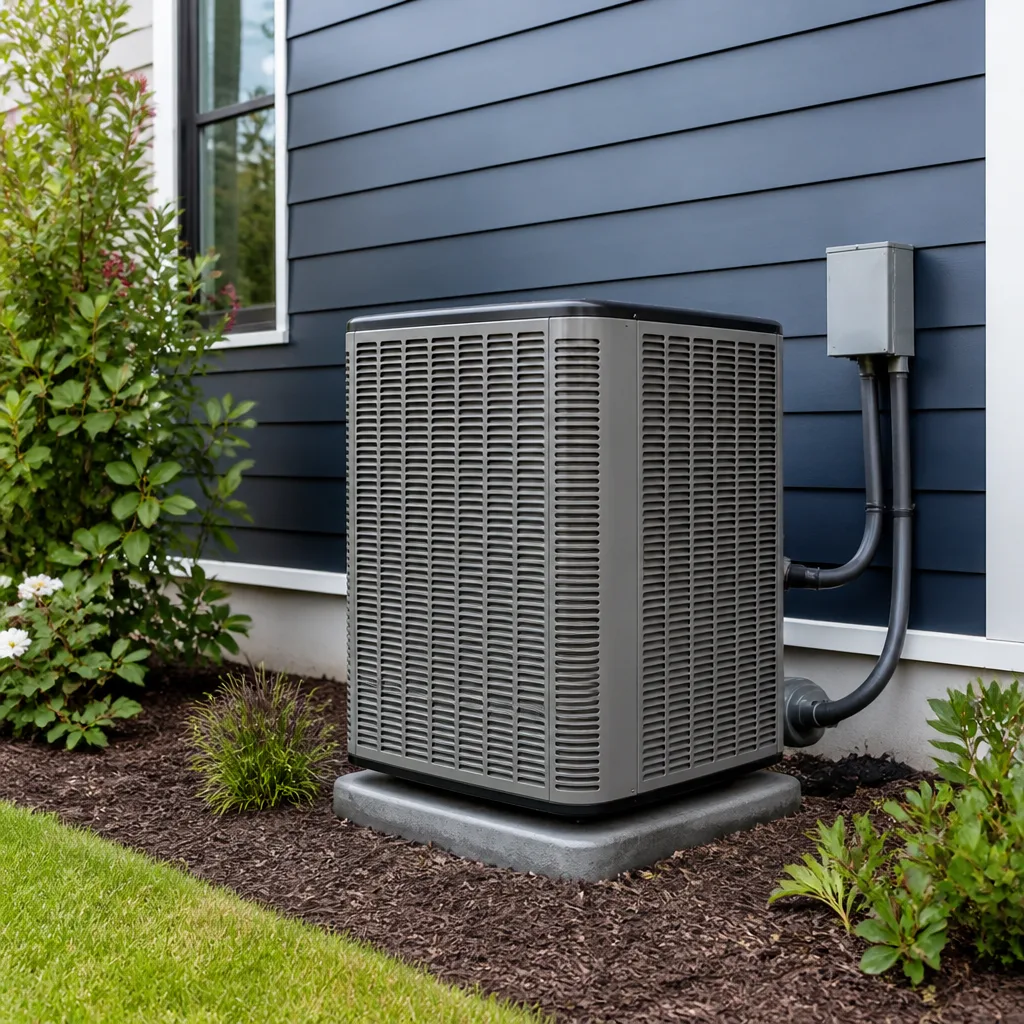 Heat pumps
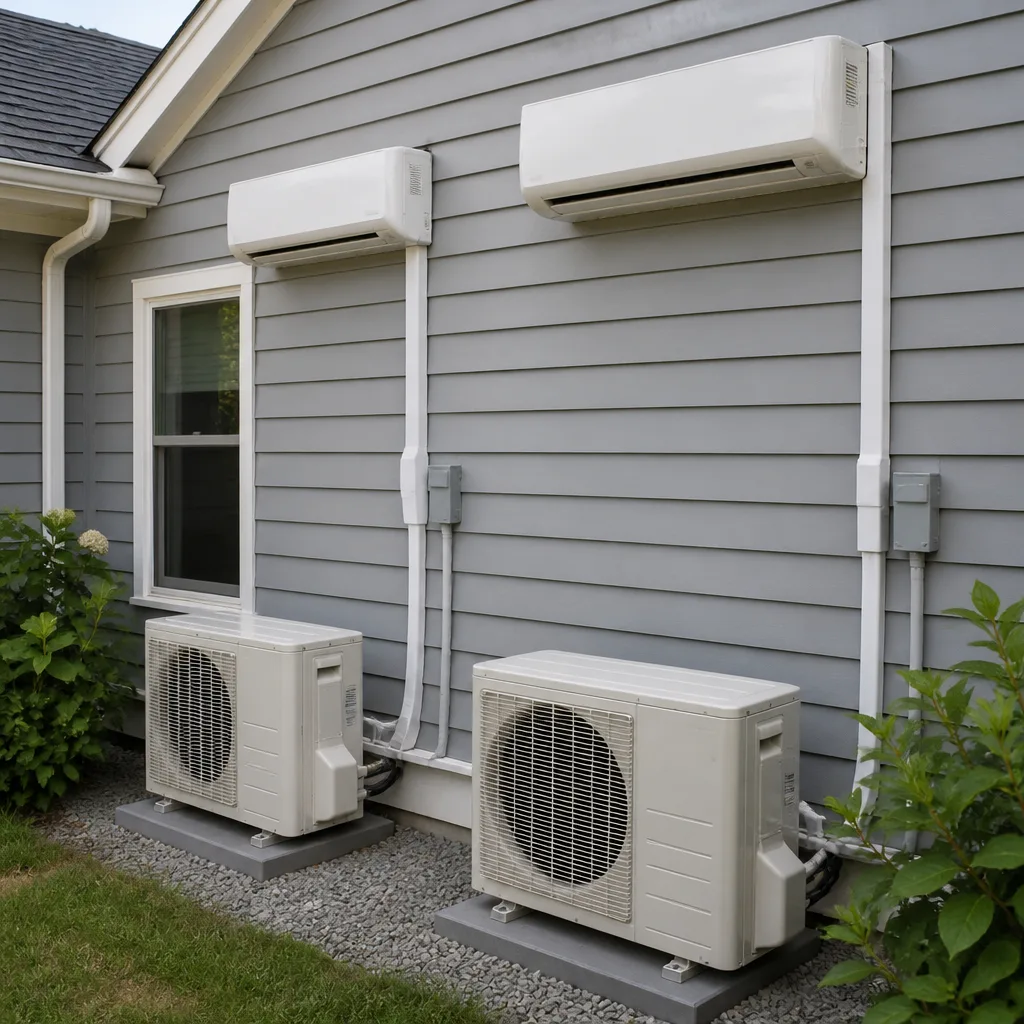 Ductless mini splits
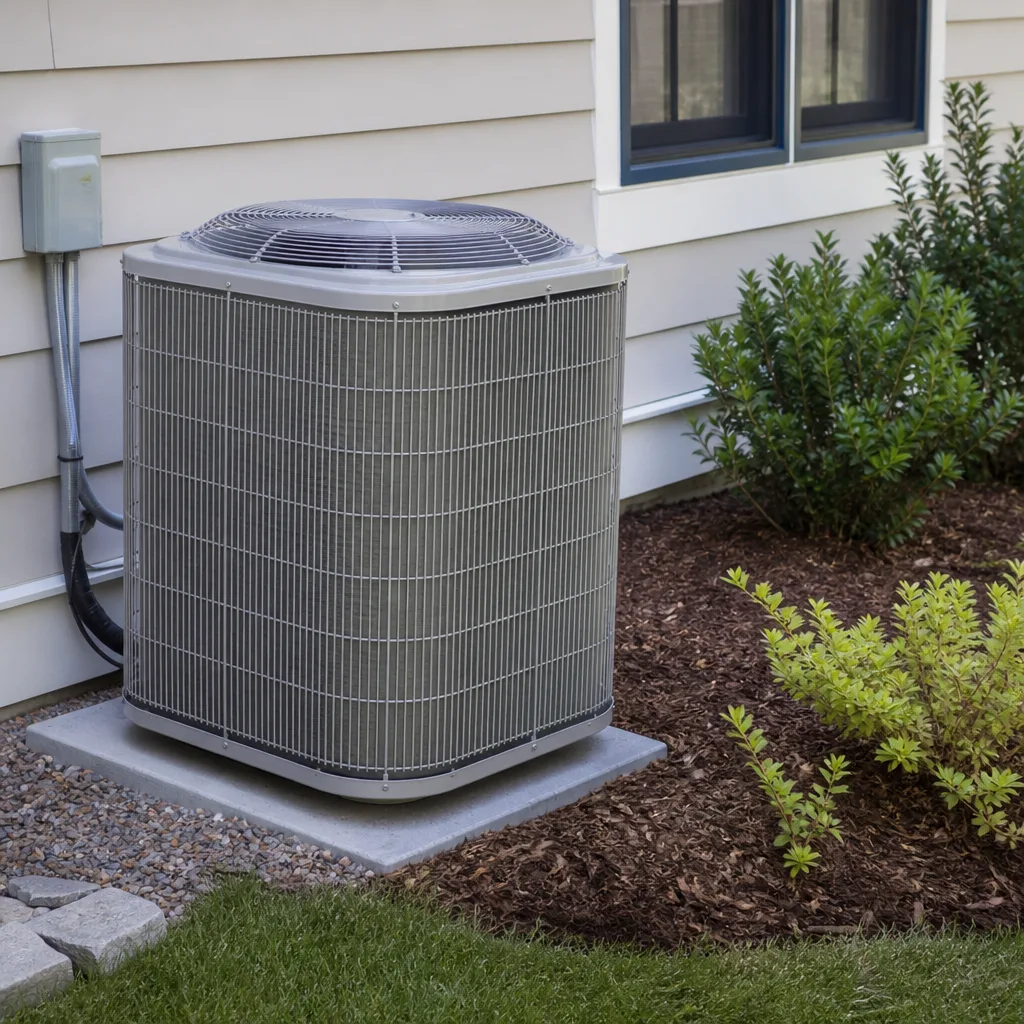 Carrier
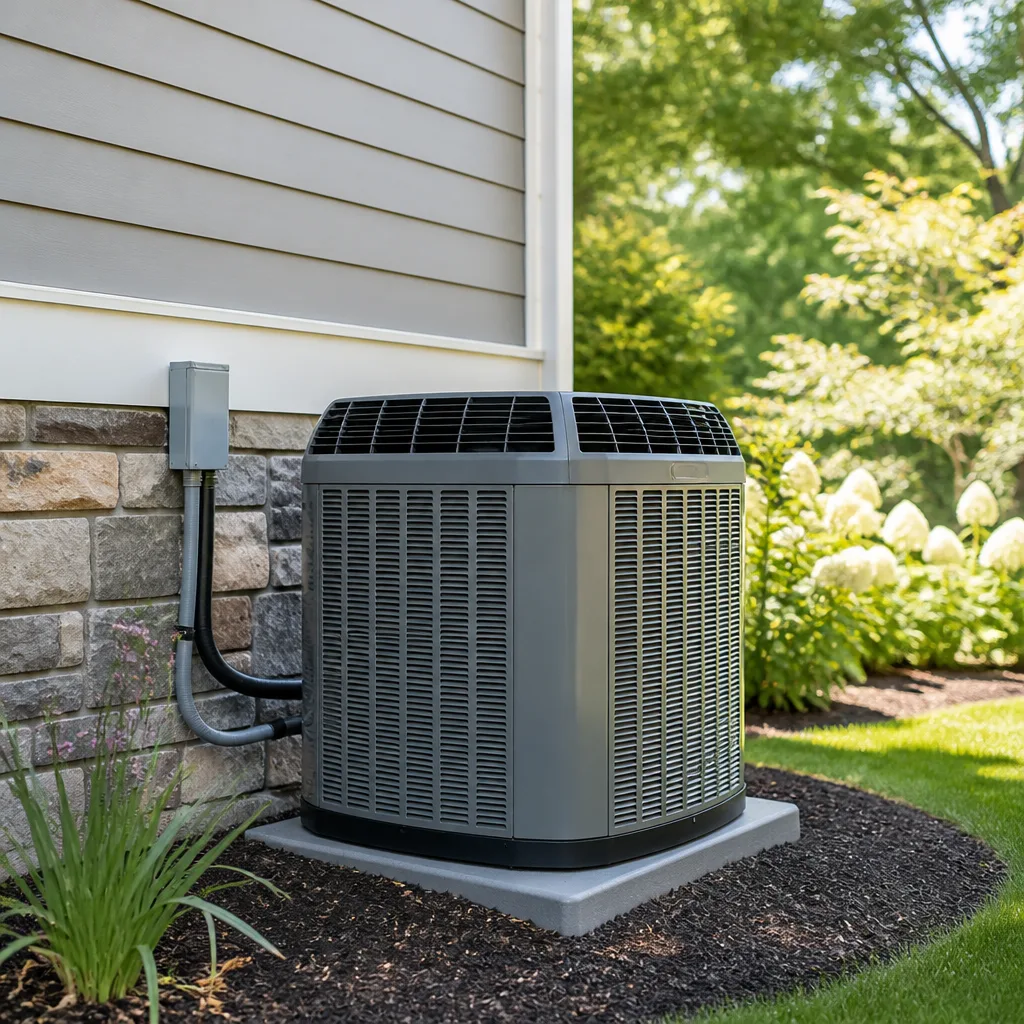 Trane
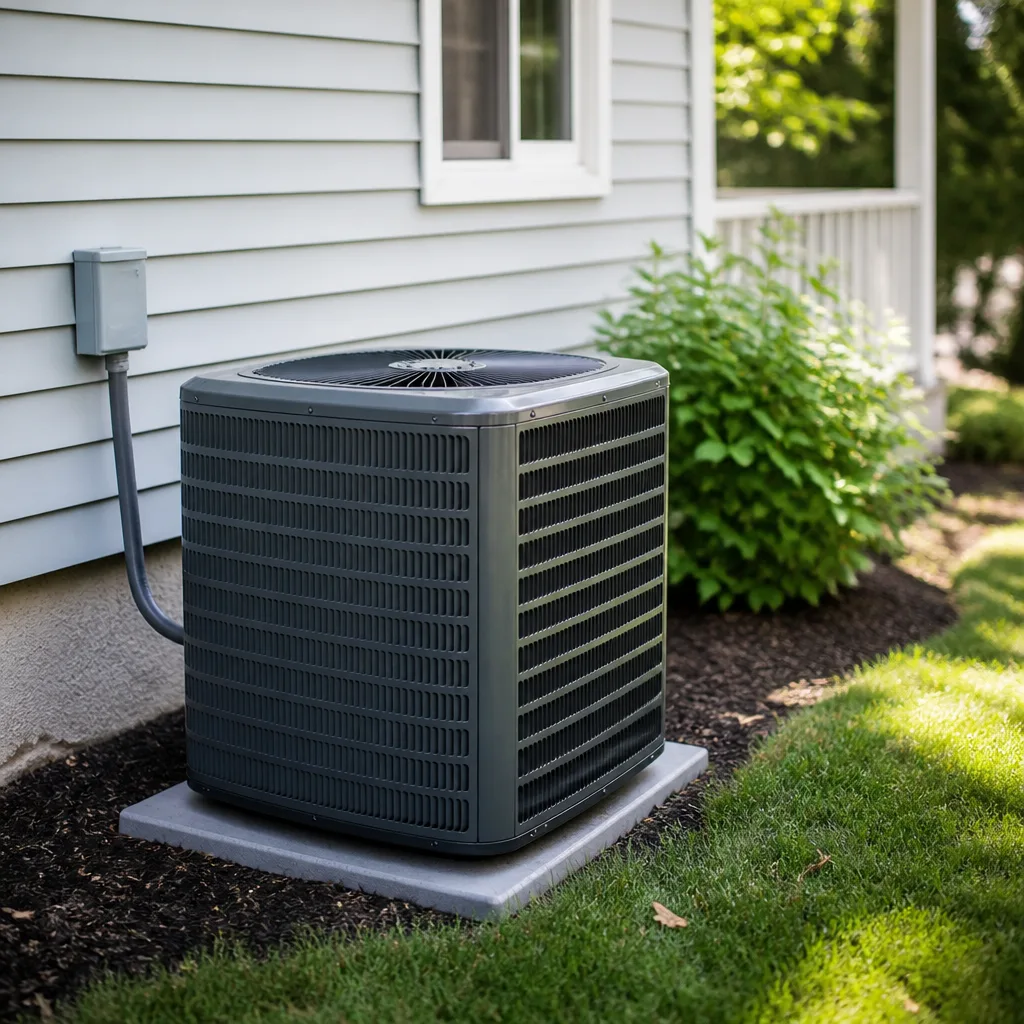 Goodman
Seasonal tune-up and full diagnostic on your Carrier, Trane, or Goodman system - readings shown to you before any repair is proposed
Diagnosis first, numbers second - you approve the repair price before a single part goes in.
Get your free estimateStyles & brands we work with
- AC repair
- Furnace & heating
- Heat pumps
- Ductless mini splits
- Carrier
- Trane
- Goodman
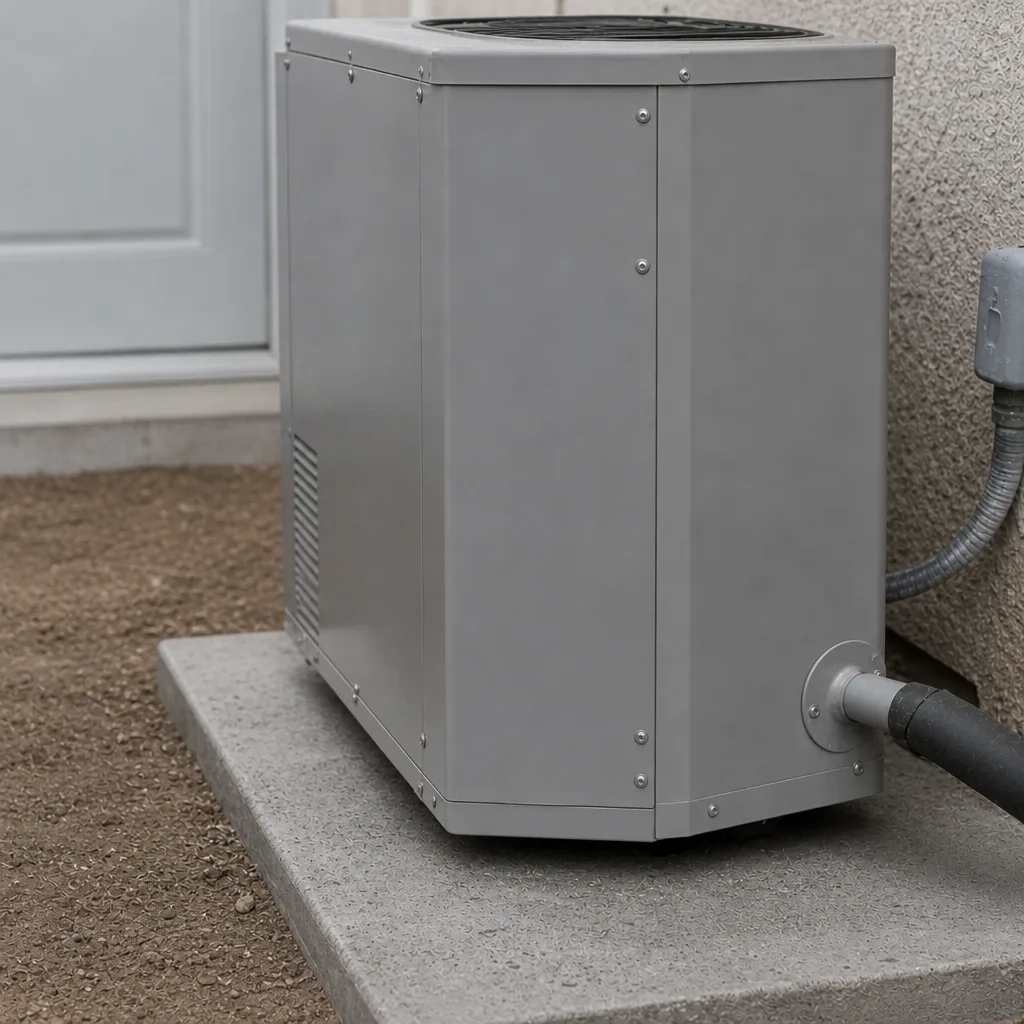
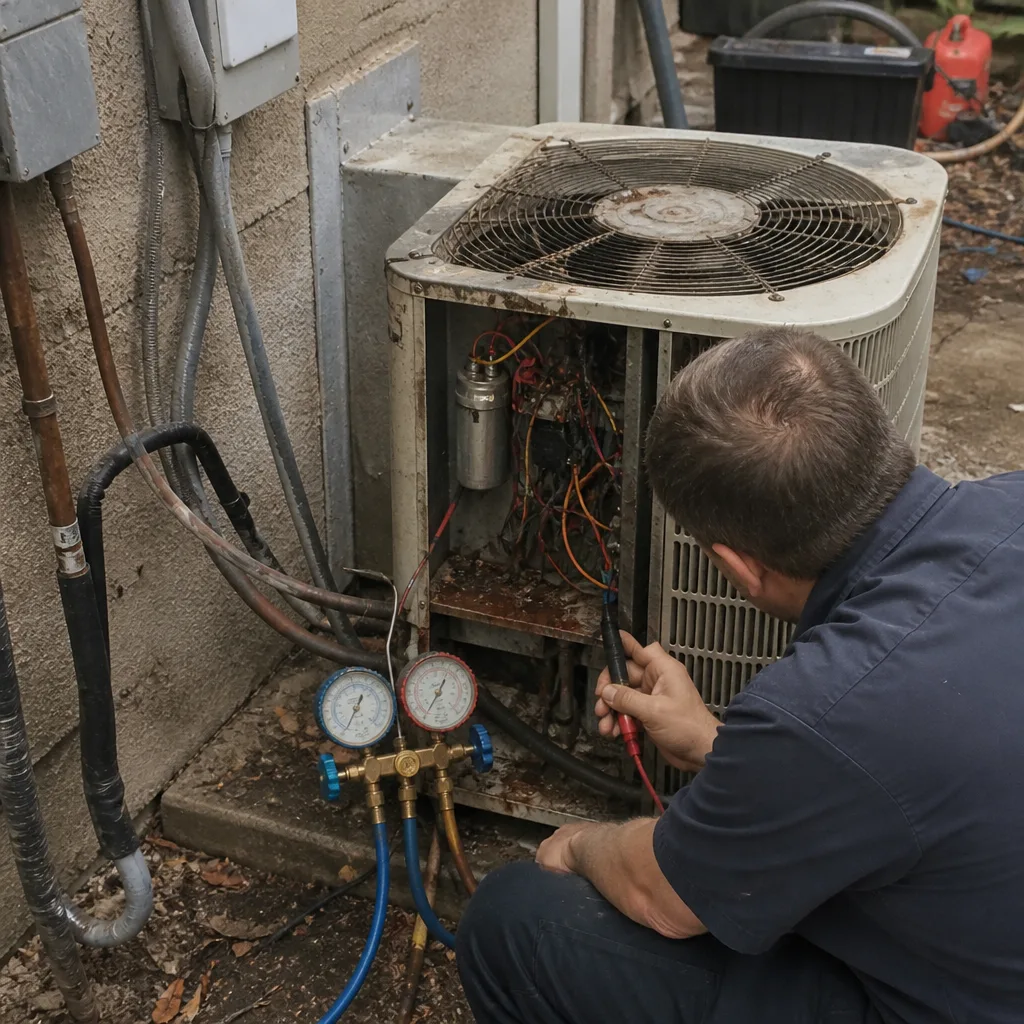
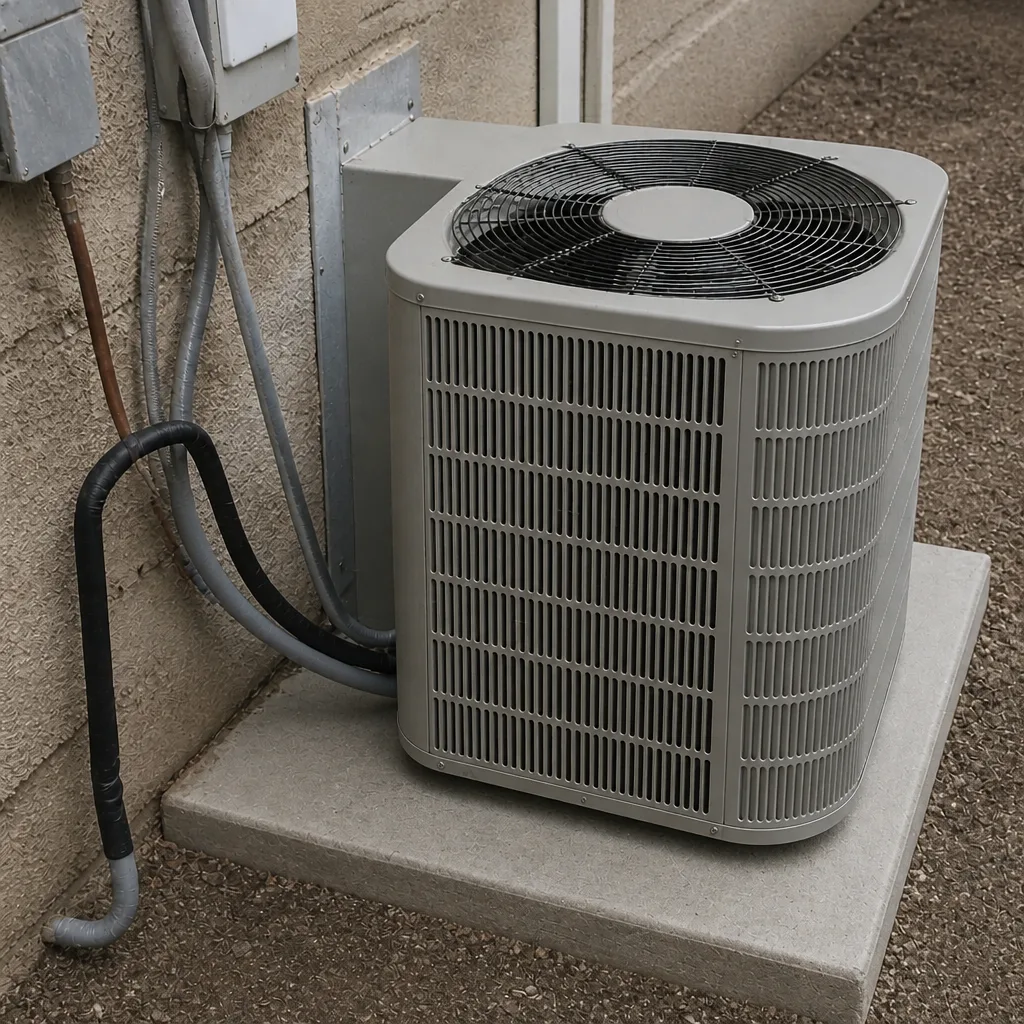
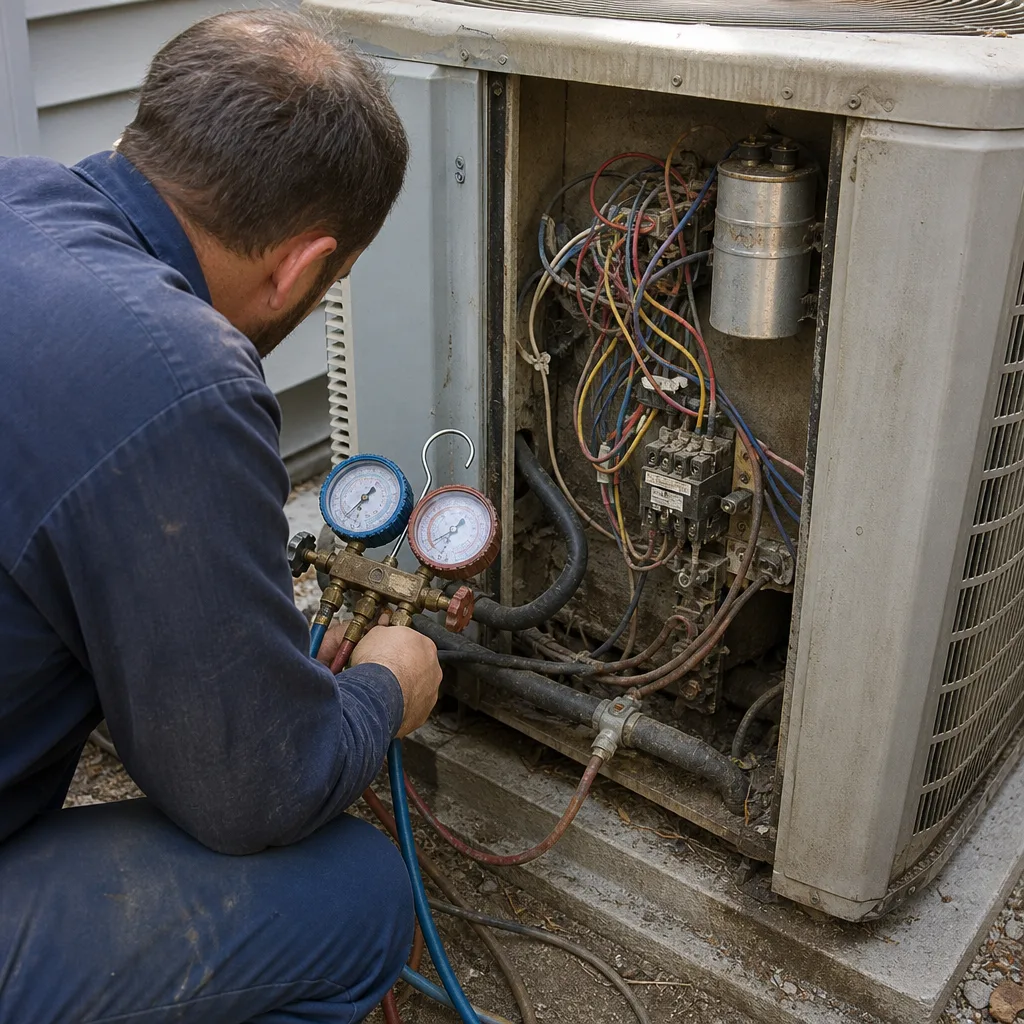
See the difference
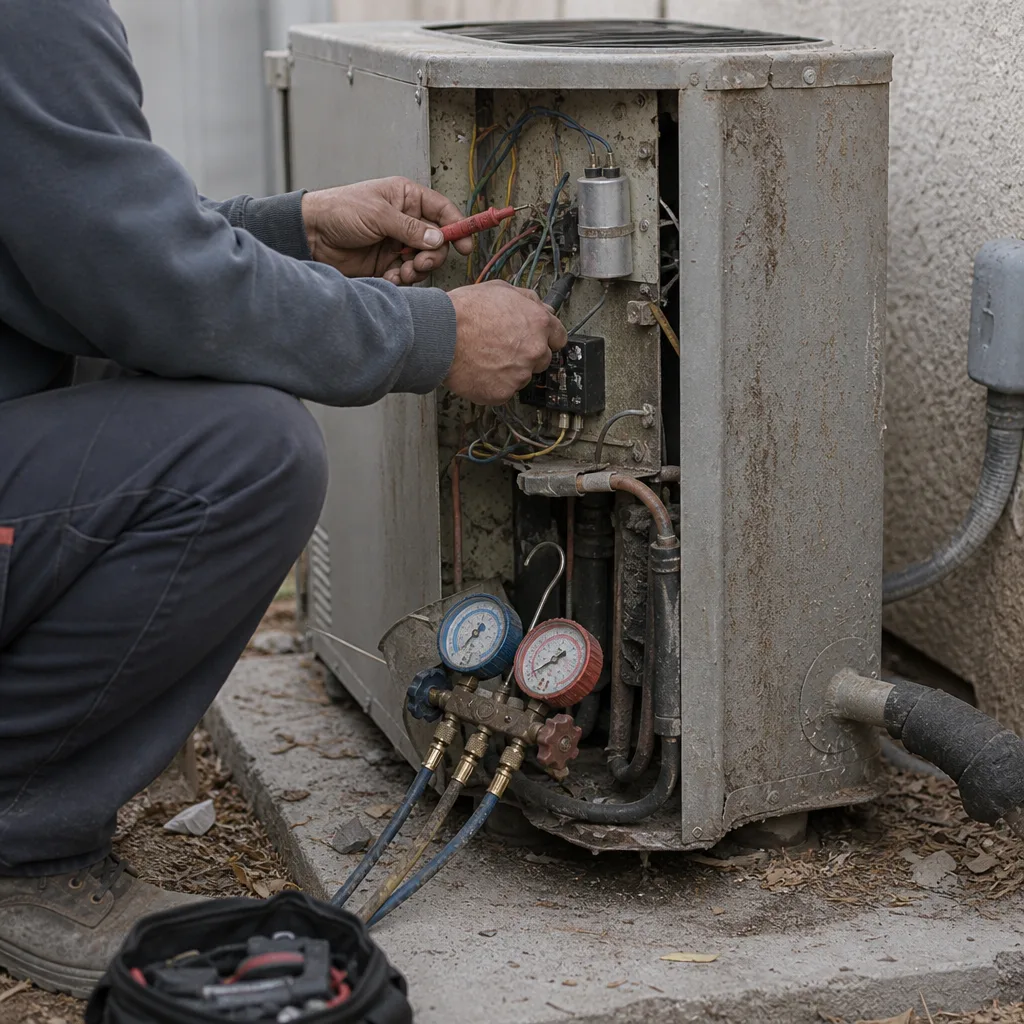 Before
 After
 Before
 After
 Before
 After
How Often to Replace an HVAC Air Filter in Enterprise, NV
The short answer for Enterprise: most 1-inch filters here need checking every month from April through September and replacing every 3 to 4 weeks during peak dust season, not every 90 days like the box says. In Mountain’s Edge and Southern Highlands, where the air handler sits in a 140°F attic running 16 hours a day while caliche dust blows through the return, a filter hits full restriction in about a month. That’s the schedule we give homeowners across Enterprise, NV, and it’s the one that keeps capacitors and compressors alive through July. Call (844) 455-2034 if you want a straight read on your system.
Why the 90-Day Rule Breaks in Enterprise
Filter packaging is written for average climates and average homes. Enterprise is neither. You’re sitting at roughly 2,700 feet in the far south Las Vegas Valley, where summer highs routinely crest 110°F and spring sends wind-driven dust across every subdivision. A filter that would last three months in a milder climate is finished in a fraction of that here.
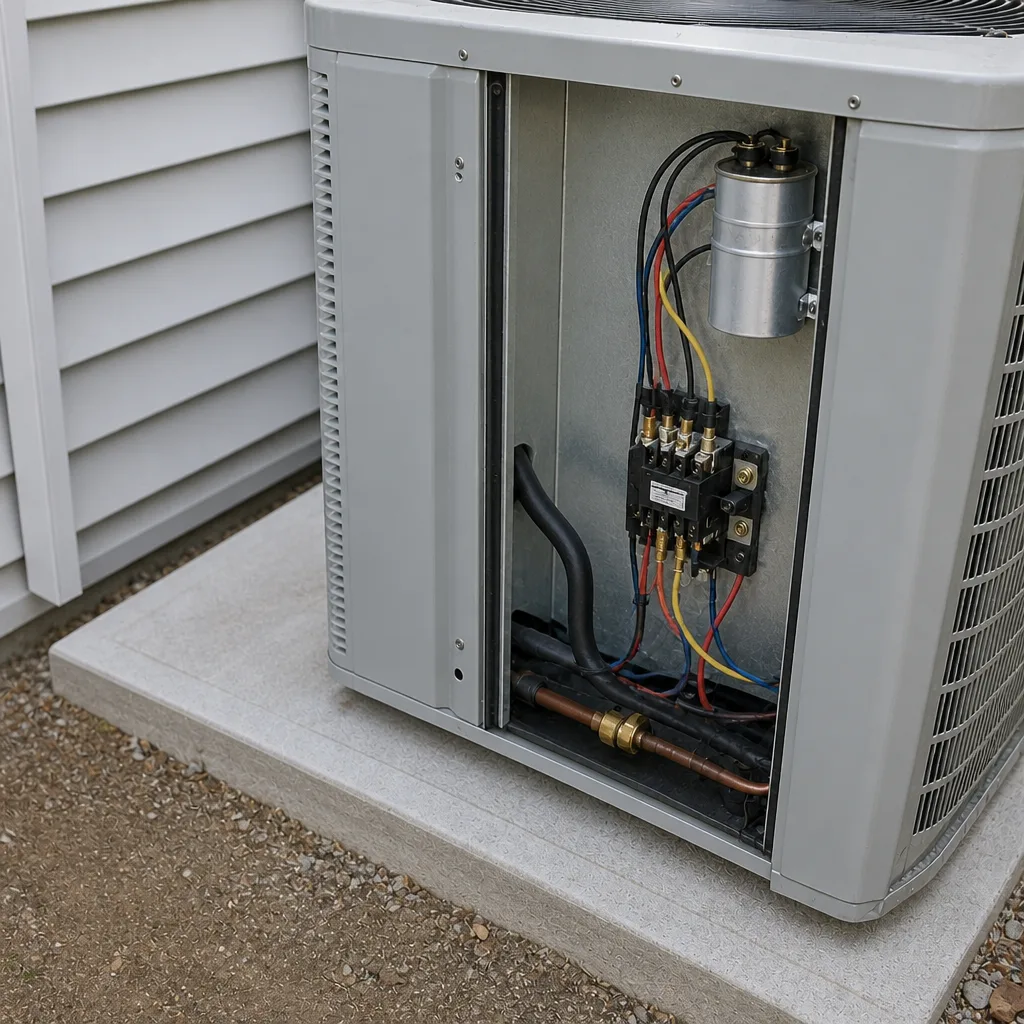
The physics matter more than the marketing on the box. When a filter loads up, static pressure rises and airflow drops. On the attic-mounted air handlers that dominate stucco tract homes in Mountain’s Edge and Southern Highlands, that means the air handler runs hotter than it should. The high-limit switch trips. The compressor short-cycles. Parts fail early because they’re working against a choked return instead of free-flowing air. We’ve swapped capacitors all summer long on systems where the only real problem was a filter nobody checked since April.
The Enterprise Filter Schedule We Actually Recommend
Here’s how we think about it, month by month, for the typical 1-inch filter in a home running cooling hard from May through September:
- April through September: Check the filter monthly. Replace it whenever you see visible grey buildup across the face. In the worst of spring dust season and peak summer, that’s often every 3 to 4 weeks.
- October through March: Check every 1 to 2 months. Winter is mild here, but heating season still pulls air through the same filter, and dust doesn’t stop just because the cooling cycle does.
- Any home near a wash or open desert edge: Treat the short side of that schedule as your baseline. Dust infiltration through an imperfect return seal multiplies the load fast.
Thicker media filters (the 4-5 inch kind) catch more dust per pleat, so they can stretch the interval somewhat. But they come with a catch, and it’s a big one for older homes.
Bigger Filter Isn’t Automatically Better in Enterprise
A high-MERV thick filter has higher initial restriction even when it’s brand new. On a 15- to 20-year-old builder-grade system with marginal blower capacity, dropping in a premium filter can restrict airflow on day one. Enterprise went up almost entirely within a roughly 15-year window of 2000s-era construction, so whole blocks of homes are running the same tired blowers. That’s why we check static pressure before recommending a filter upgrade instead of just selling you the fanciest box on the shelf.
One more variable people forget: tile floors and hard surfaces (typical in Enterprise tract homes) cut down on dust from foot traffic and pets. But outdoor dust getting past a leaky return in the attic is the bigger factor by far. A poorly sealed return pulls caliche straight into the blower. If that’s your setup, no filter upgrade will fully fix it. That’s a sealing job, and it’s part of the work we do under Air Quality & Ventilation.
If you’ve been on a lazy 90-day schedule and the system’s been running hot, ask for the coil to be checked. A restricted filter doesn’t just cut airflow, it lets dust build an insulating layer on the evaporator coil that quietly steals capacity long after you’ve swapped in a fresh filter. You can’t see it from the return.
How to Check Your Filter the Right Way
- Kill the power at the thermostat or breaker before you touch the air handler. Attic units get hot, and moving parts don’t care about your fingers.
- Find the return - either at the air handler or a wall grille. Note the filter size printed on the frame.
- Hold it up to a light. If you can’t see light through the pleats, it’s done, regardless of what the calendar says.
- Look at the color. Uniform grey across the face means replace. One dusty edge and clean pleats means it’s still got life.
- Watch the direction arrow. It points toward the air handler. Installed backward, even a good filter underperforms.
That’s the safe part of the job. Testing static pressure, checking the coil, or tracing a return leak in a 140°F attic is where a trained pro earns the call. Don’t chase an airflow problem into the equipment yourself.
When a Filter Change Won’t Fix It
If you’ve been changing the filter on schedule and the house still runs warm, the filter isn’t the culprit. Hard Las Vegas Valley water means condensate drain lines and evaporator coils scale and clog fast here, and a full drain trap can back up into the attic before you notice. Those are the calls where Ray checks the drain and the attic duct insulation before anyone even says the word compressor. If your system needs real repair, AC work runs $150-$650 and furnace repair runs $150-$700 in Enterprise, and you’ll see the readings before you see the number.
For the broader picture on keeping Enterprise air clean and your system breathing, our Air Quality & Ventilation in Enterprise page covers filtration, sealing, and ventilation in more depth.
Key Takeaways
- 1-inch filters in Enterprise homes running hard need checking monthly April through September, and often get replaced every 3-4 weeks at peak.
- A clogged filter raises static pressure and heats up the attic air handler, which is what kills capacitors and compressors.
- Thick high-MERV filters can over-restrict older builder-grade blowers even when new. Check static pressure first.
- Leaky attic returns pull desert dust straight into the system. Sealing matters as much as filter choice.
- Ray’s Heating & Air Enterprise services Carrier, Trane, Bryant, and other major brands, with upfront pricing.
FAQs
Check a 1-inch filter monthly from April through September and replace it whenever you see visible grey buildup, which in Enterprise’s dust is often every 3 to 4 weeks at peak. Outside summer, every 1 to 2 months is usually enough. Call (844) 455-2034 if you want us to look at your setup and give you a schedule that fits it.
Yes. A dirty filter chokes airflow, raises static pressure, and pushes the air handler’s internal temperature up, which trips the high-limit and short-cycles the compressor. It also breeds early part failures. Call us for an honest check before a $40 filter turns into a $600 repair.
Only if your system has the blower capacity to handle the extra restriction, which many older builder-grade systems here don’t. We test static pressure before recommending a filter upgrade. Call (844) 455-2034 and we’ll tell you what your system can actually take.
It can contribute to it. Restricted airflow overheats the system and forces the compressor to work harder and cycle abnormally, and over a season that shortens its life. If you’ve been on a 90-day schedule during a hard summer, ask us to check the coil. Estimates are free.
Get a Straight Answer on Your Filter Schedule
If you’d rather have it looked at than guess, Ray’s Heating & Air Enterprise offers a no-pressure assessment in Enterprise. You see the readings first, then the numbers, and every job carries the 90-Day Done Right Promise. Call (844) 455-2034 for a free estimate and a filter schedule built for your home.
Written by the team at Ray’s Heating & Air Enterprise.