
Last updated November 17, 2026
 AC repair
 Furnace & heating
 Heat pumps
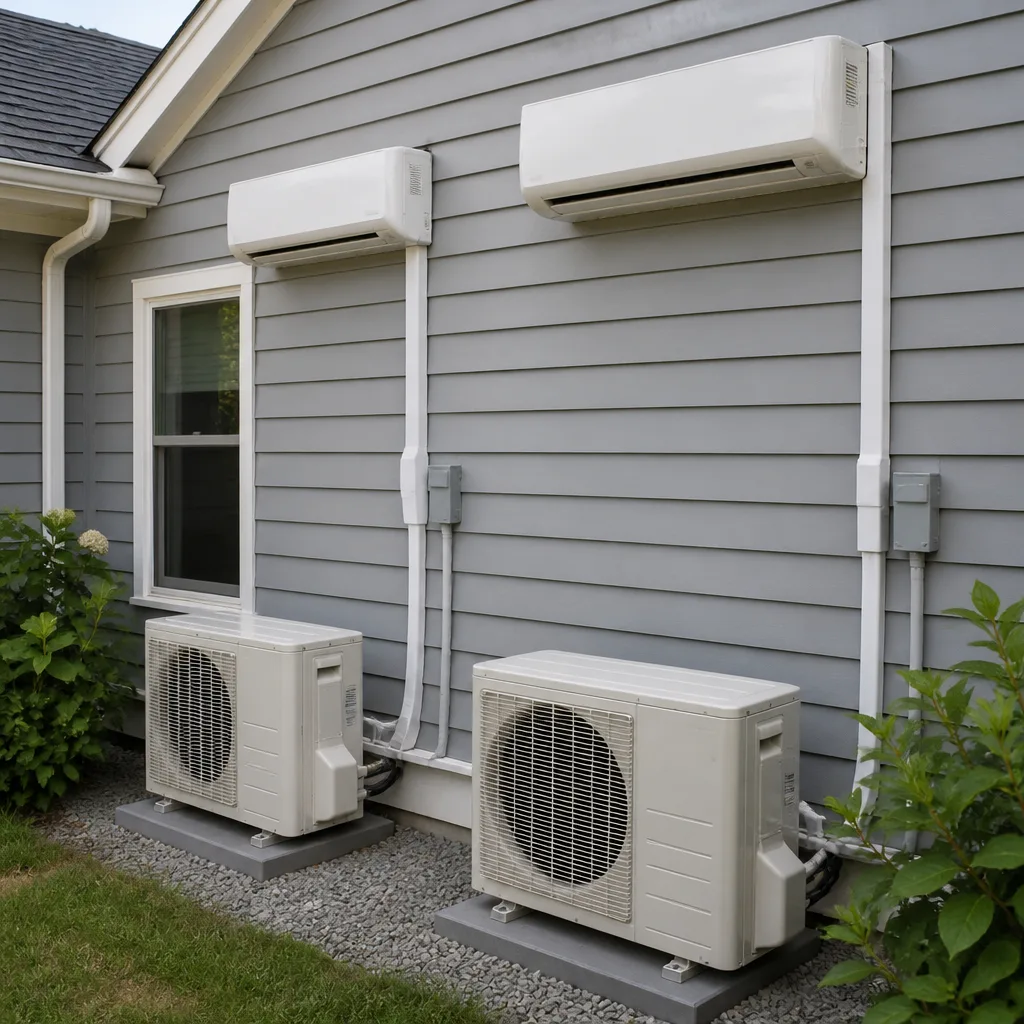 Ductless mini splits
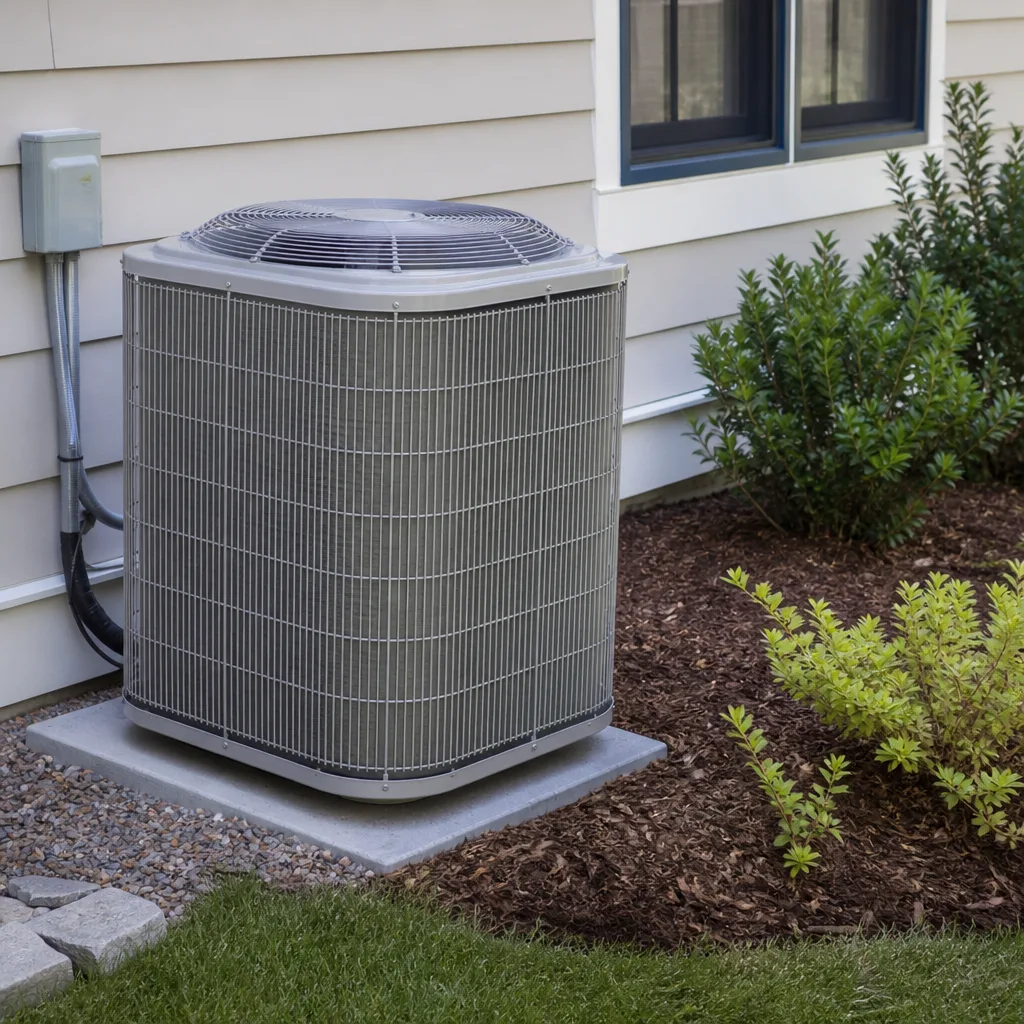 Carrier
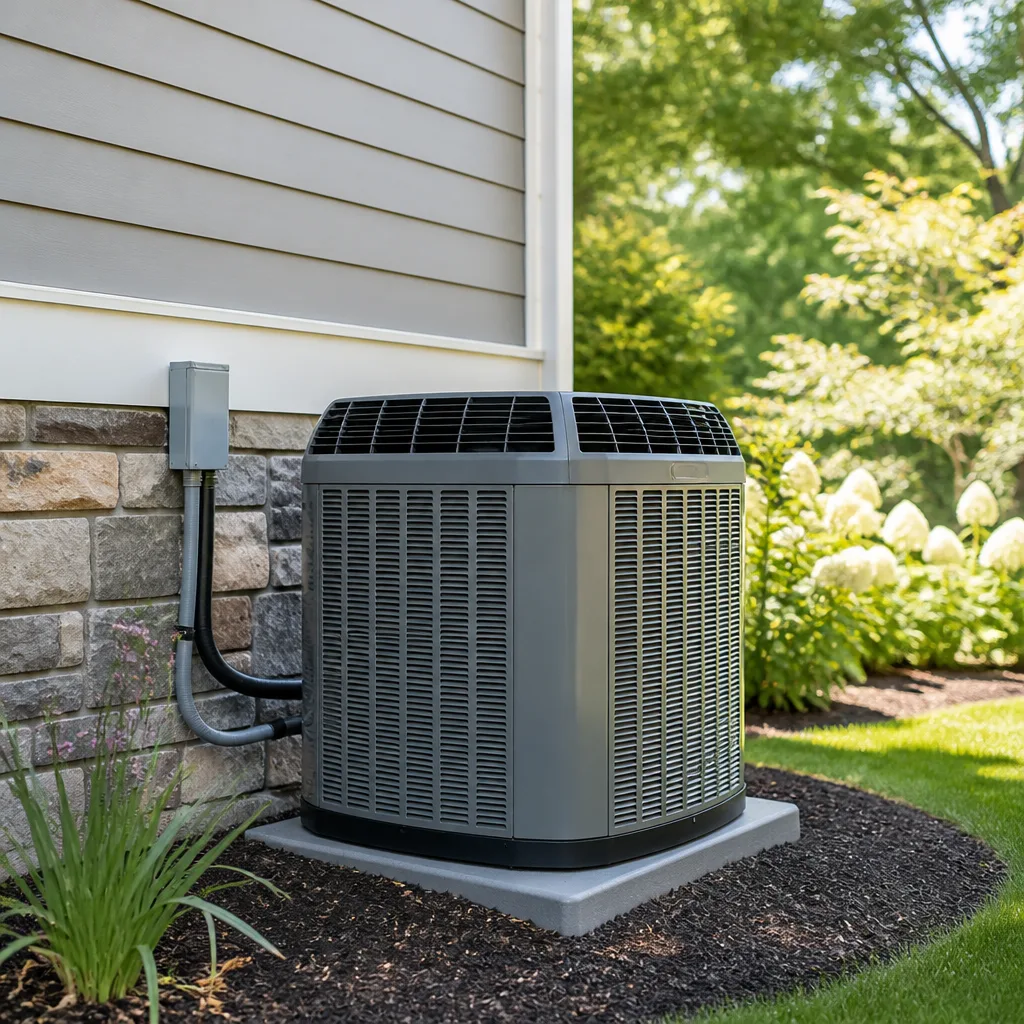 Trane
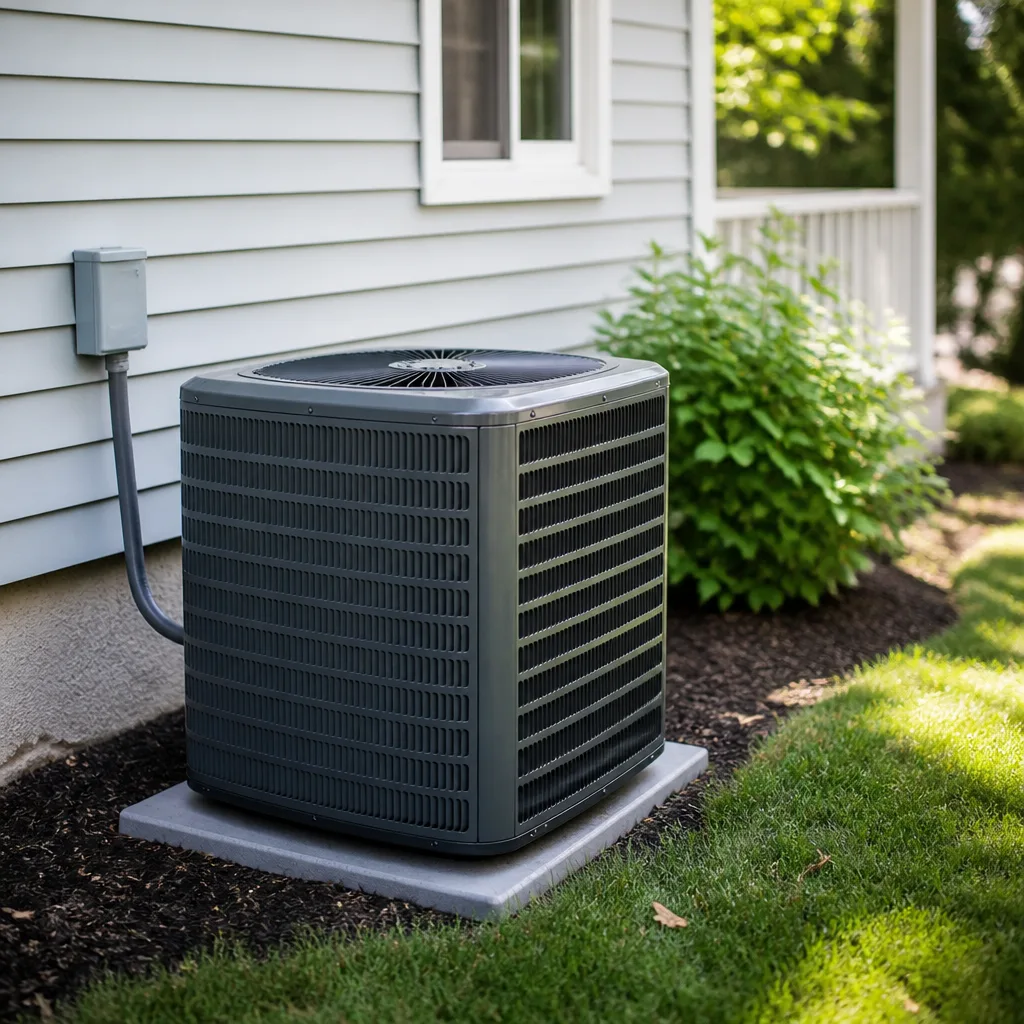 Goodman
Seasonal tune-up and full diagnostic on your Carrier, Trane, or Goodman system - readings shown to you before any repair is proposed
Diagnosis first, numbers second - you approve the repair price before a single part goes in.
Get your free estimateAir Quality & Ventilation Maintenance Schedule: What to Do and When
Nevada’s average particulate levels run higher than most of the country, yet most pre-printed HVAC maintenance reminders were clearly written for a place that gets snow. Enterprise doesn’t get snow. It gets dust, months of triple-digit heat, and a shoulder season that lasts about three weeks. So the calendar you actually need looks nothing like the generic “change your filter in spring and fall” card taped to your return grille. This guide builds a real schedule around what degrades air quality in the high desert, tells you which tasks compound when you skip them and which ones you can let slide, and shows you how to log it all so the next person at your door knows the true history of your house. We’ve been doing this work in Enterprise long enough to know the difference.
Quick Answer
In Enterprise, NV, the working schedule is: check your filter monthly and replace it every 30 to 60 days through dust season and summer, get a professional coil-and-duct inspection once a year timed to late spring before the heat load hits, and clean the return-air path and vents every six months. Whole-house ventilation and fresh-air equipment should be checked twice a year, once in April and once in October. That’s the short version. The rest of this guide explains why each interval matters here and what happens when you ignore it.
Styles & brands we work with
- AC repair
- Furnace & heating
- Heat pumps
- Ductless mini splits
- Carrier
- Trane
- Goodman
Table of Contents
- Why a Four-Season Schedule Fails in Enterprise
- The Dust Season Calendar: When Filters Actually Matter
- “Check” vs. “Clean”: Why the Difference Changes Everything
- Tasks That Compound in a Dry Climate (and Ones That Don’t)
- Red-Flag Intervals: How Long Between Professional Duct Inspections
- How to Log What You Did and When
- Ventilation Equipment: The Twice-a-Year Rhythm
- Your Month-by-Month Enterprise Calendar
Why a Four-Season Schedule Fails in Enterprise
Most maintenance calendars assume a freeze-and-thaw cycle that does the cleanup work for you. Cold winters kill mold growth, and spring rain washes particulates out of the air. Enterprise doesn’t get that reset. We get a short cool stretch, then heat that runs deep into the fall, and wind that moves desert dust into every crack the stucco doesn’t seal. Your return air sits up in the ceiling, which means that dust does not settle where you can see it. It settles in the duct run and on the coil.
A schedule built for Minnesota tells you to do your big filter change in spring and your duct cleaning in fall. In Enterprise, that timing is backwards in practice. The heaviest dust loading happens in late spring and through the summer wind events, right when your system is running hardest and pulling the most air. If your filter is half-loaded going into June, it’s fully loaded by July, and the system pays for it in restricted airflow.
- Two seasons, not four. Hot and less hot. Your filter intervals should track the heat, not the calendar on a card.
- Dust is a year-round load. Wind events push particulates into returns even in the cooler months.
- No winter kill-off. Without a freeze, biological growth in a damp coil or drain pan doesn’t get reset. It just keeps going.
- Summer run-hours are long. A system that runs eight months at high load cycles far more air than one that runs four. Filter life is measured in hours of operation, not weeks on a wall.
That’s the whole point of this guide. Not a prettier version of the same template. A calendar matched to how air and equipment actually behave in the high desert, and to the stucco tract homes that make up so much of Enterprise.
The Dust Season Calendar: When Filters Actually Matter
In our experience, the single biggest air quality failure in Enterprise homes is a filter that was changed on a fixed date instead of on actual loading. A filter’s job is to catch particulate, and the desert delivers particulate whether or not it’s a convenient month to change it. So build the schedule around dust and heat load, not around holidays.
- March through May (dust ramp-up): Check the filter every two weeks. Replace at 30 days if you can see a visible gray mat, sooner after a wind event. This is when the load starts climbing and a clogged filter begins choking airflow.
- June through September (peak heat load): Replace every 30 days, full stop. The system runs the most hours here, so the filter loads fastest. A 1-inch pleated filter in a hard-running system is done in four weeks, not three months.
- October through November (shoulder): Replace at 45 to 60 days. Load drops, but don’t stop checking.
- December through February (cool stretch): Replace every 60 days or check monthly. This is your lowest-load window, but dust doesn’t take the winter off.
One detail that gets missed: filter bypass. Even a clean filter does nothing if air slips around the edges instead of through the media. In a dry climate, filter frames and gaskets shrink and warp slightly, and that gap grows. When you change the filter, seat it fully and check that the frame holds it snug. If you can see daylight around the edges, air is going around the filter, and you’re breathing what it should have caught.
“Check” vs. “Clean”: Why the Difference Changes Everything
This is where most homeowners lose the schedule without realizing it. A “check” is a look. A “clean” is actual work. If you glance at the filter, see it’s not black, and move on, you’ve done a check and skipped the clean. The two are not the same thing, and confusing them is how a system runs three seasons on a filter that quit doing its job two months in.
- Filter check: pull it, hold it to light, look for a uniform gray load. Takes 30 seconds. Tells you the rate of loading so you can predict the next change.
- Filter clean/replace: new media installed, seated snug, frame checked for bypass. This is the task that actually protects the coil.
- Coil check: visual inspection for dust mat on the fins. Doesn’t clean anything, just tells you whether cleaning is due.
- Coil clean: fin cleaning and rinse. This restores heat transfer. A glance never does this.
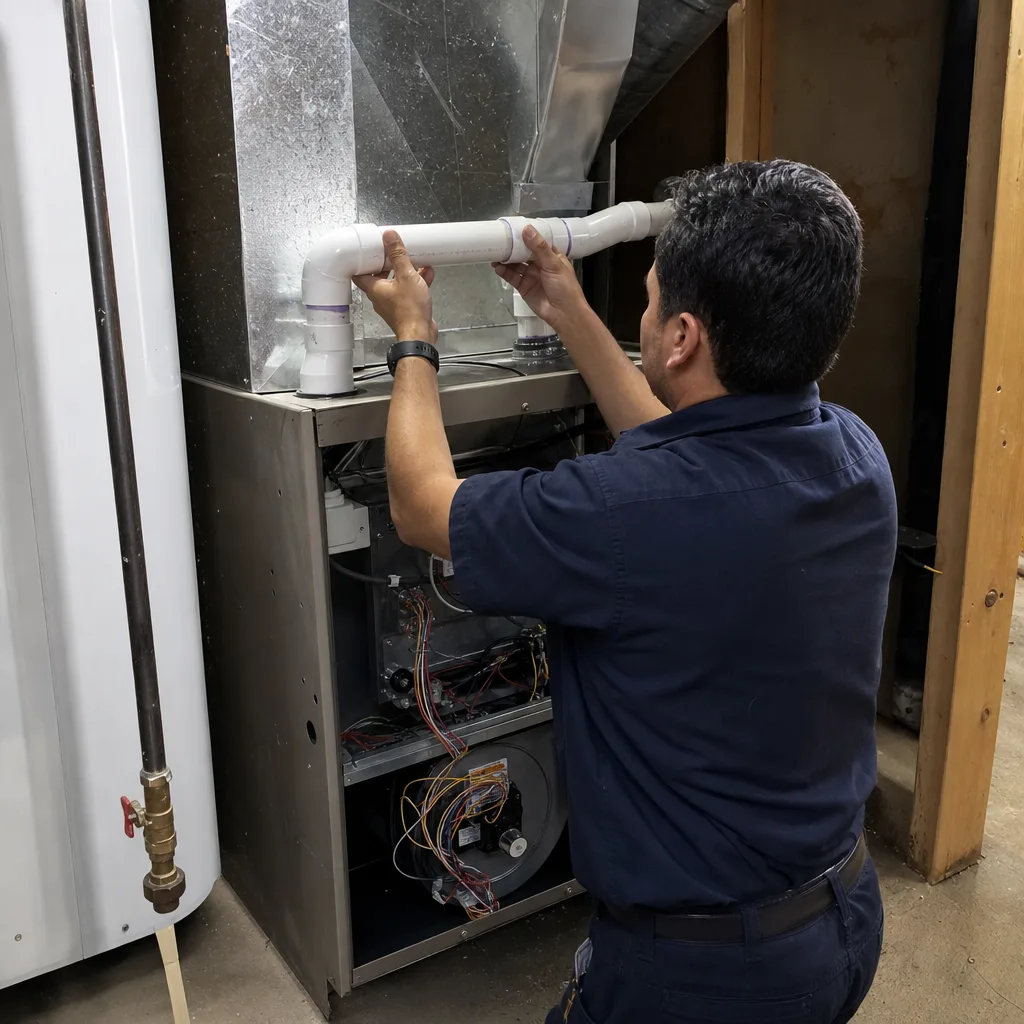
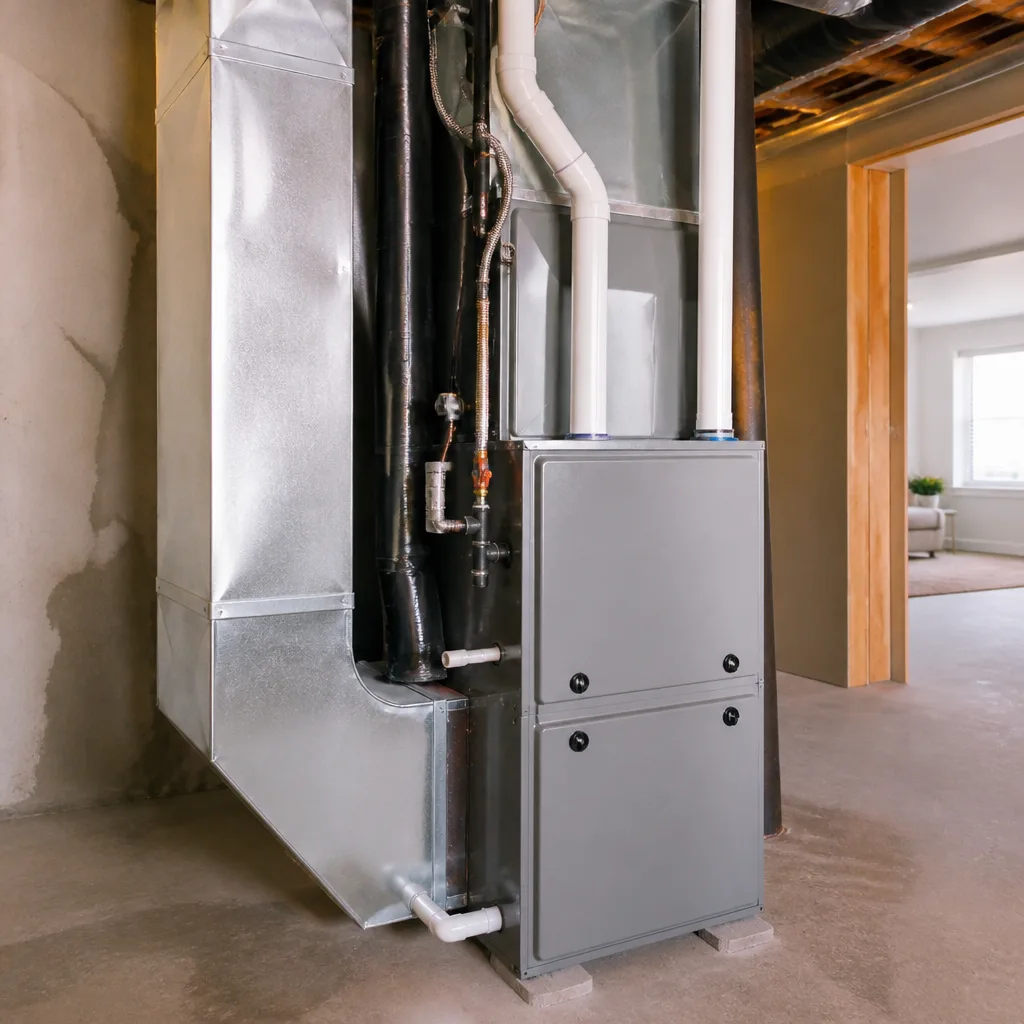
- Duct check: inspect for disconnected runs, crushed flex, and dust accumulation at the register boots.
- Duct clean: actual removal of accumulated debris from the return path and runs. This is the one that changes what’s floating in your air.
The rule we give homeowners: keep a list with two columns, “checked” and “cleaned,” and only count a task as done when the second column gets a date. A check that isn’t followed by a clean on schedule is just a reminder that you’re behind. If your coil is dusted over and the filter is bypassing, the numbers will show it in the readings, and that’s where the honest conversation starts: AC repair and installation in Enterprise work begins with readings, and we test the capacitor before anyone says the word compressor.
Tasks That Compound in a Dry Climate (and Ones That Don’t)
Not every task on a national checklist earns its place here. Some get worse faster in dry desert air because the dryness itself is the problem. Others are genuinely lower priority in Enterprise than the template suggests. Sorting them honestly saves you money and puts your effort where the real risk is.
Tasks that compound when skipped in a dry climate
- Filter bypass and frame gaps. Dry air shrinks foam and plastic filter frames. A small gap becomes a big one, and every cubic foot of air that slips past the filter dumps dust straight onto the coil. Skip it and the coil load compounds month over month.
- Static buildup in ducts. Low humidity lets static charge build on duct surfaces and flexible duct liners, and charged surfaces grab and hold fine dust instead of letting it move to the filter. Over time the return path acts like a dust magnet. This is a real, measurable reason desert ducts load faster than humid-climate ducts.
- Drain pan and condensate path in a dry summer. A pan that stays damp in a hot, dry house is a growth site that never gets a cold reset. Check it, keep it clear, don’t let standing water sit.
- Coil dust mat. Every skipped filter change feeds this. It reduces airflow and cooling efficiency at the same time, and it’s the most expensive thing on the list to fix late.
Lower priority here than the national template says
- Winterized fresh-air intakes. The freeze-protection steps that matter in snow country do little for an Enterprise home. Your intake freeze risk is minimal; your dust-ingest risk is not.
- Humidifier scale cleaning. If you don’t run a whole-house humidifier, this task drops off entirely. If you do, it still matters, but the desert schedule doesn’t demand it the way a cold-climate template implies.
- Frost and ice-dam inspections. No snow load, no ice dams. Skip it and spend that time on filter checks during dust season.
Sorting tasks this way is part of what keeps a schedule honest. You put your hours into the things that actually degrade in Enterprise air, and you don’t pay a technician to inspect for problems this climate doesn’t create.
Red-Flag Intervals: How Long Between Professional Duct Inspections
Here’s the practical answer most guides won’t give: in a stucco tract home with return air running through the ceiling cavity, plan on a professional duct inspection every 24 to 36 months, and shorten that to 18 to 24 months if you have pets, if you’re near a wind-exposed lot, or if your filter box shows bypass. The ceiling return is the deciding factor. In a house with a sealed, conditioned return, dust mostly loads the filter. In a ceiling return in stucco construction, that run is exposed to attic heat and dust, and it collects both.
- Year 1: Baseline inspection. Photograph the return path and register boots, note any disconnected or crushed flex runs. This becomes your reference.
- Year 2 to 3: Re-inspect on the 24- to 36-month interval. Compare photos. Look for new dust accumulation at the boots and any sign the return is pulling from the attic cavity.
- Red flag: If you see visible dust trails at the registers or a musty smell when the fan starts, cut to an 18-month inspection or sooner.
We’ve seen ceiling returns in Enterprise that hadn’t been opened in a decade and had a finger-thick dust mat at the boot, and we’ve seen ones from five years back that were still clean because the filter box was sealed and the homeowner stayed on top of changes. The interval is a starting point, not a rule carved in stone. Your filter discipline and your construction decide where you land.
How to Log What You Did and When
This is the task nobody puts on a calendar, and it’s the one that pays off the most. Every technician who walks into your house, whether it’s the person at your door from Ray’s Heating & Air or anyone else, starts from whatever history exists. If the only history is a memory and a filter card scribbled with one date, they’re guessing. A simple log turns that into real data.
- Start a single sheet or a notes app entry titled with your system’s install date and model numbers. Get the model and serial off the air handler label. This is the anchor.
- Log every filter change: date, filter size, filter type (MERV rating if listed), and the condition out (light, medium, heavy). The condition tells the next person the loading rate.
- Log every check that turned into a clean: date, what was cleaned, and what it looked like before and after.
- Log every service visit: date, what was read, what was measured, what was replaced. Keep the readings, not just the invoice. Readings first, numbers second, and you’ll see both.
- Photograph the duct return and register boots at each inspection. A photo from three years ago answers a question no invoice can.
- Keep the log where the next person will find it: taped inside the air-handler closet door is not glamorous, but it works.
That log is also why we answer our own phones, live, around the clock. If you call at two in the morning because the system is down, the person who answers wants the history, not a guess. A written record makes the next diagnosis faster and cheaper, and it means the Ray’s Heating & Air Enterprise home team can see the actual pattern of your house rather than starting cold.
Ventilation Equipment: The Twice-a-Year Rhythm
Air quality isn’t only about what the filter catches. Fresh-air intake, whole-house fans, and any dedicated ventilation gear move outdoor air in, and in Enterprise that outdoor air carries dust. The intake and its filtration need a check twice a year, and the timing should land before dust season and after it. April and October are the practical bookends.
- April check: clean the intake screen and filter before the heavy dust ramp-up. Confirm dampers open and close fully. Look for insect or debris blocking the intake.
- October check: clean again after the worst of dust season, inspect for dust loading on the intake filter, and confirm the system still moves air as it should.
- Every check: note the condition and log it. A heavily loaded April intake tells you the filter needs a shorter interval next year.
For homes with a heat pump or mini-split handling ventilation duty, the same rhythm applies, but the coil and drain need a look on each visit. If your ventilation is tied to a heat pump, the schedule overlaps with the one in our heat pump and mini split in Enterprise guide, and it’s worth keeping the two calendars on the same page. For furnace-side ventilation, the filter intervals and combustion checks in the heating and furnace in Enterprise guide are the ones that matter, and they follow the same twice-a-year rhythm.
Your Month-by-Month Enterprise Calendar
Here’s the whole schedule in one place. Print it, tape it inside the air-handler door, and mark it as you go.
- January: Filter check. Log the condition. Confirm the log is up to date.
- February: Filter change if loaded. Coil visual check. Log.
- March: Filter check every two weeks as dust ramps up. Clean any intake screens.
- April: Ventilation intake clean and damper check. Filter change. Professional coil-and-duct inspection before the heat load. Log all of it.
- May: Filter change. Check filter frame for bypass gap. Look for dust trails at register boots.
- June through August: Filter change every 30 days. Drain pan check. Watch for musty smell at fan start.
- September: Filter change. Log condition. Begin planning the fall ventilation check.
- October: Ventilation intake clean and damper check. Filter change. Log.
- November: Filter check. Compare duct photos if inspection is due.
- December: Filter check or change at 60 days. Review the year’s log for patterns.
Notice what’s missing: no spring freeze-protection, no fall frost inspection. Those live on someone else’s checklist. What’s here is what actually moves in Enterprise air and Enterprise dust, timed to the heat load that runs your system hardest.
Common Mistakes to Avoid
- Changing the filter on a fixed date, not on loading. A June filter in Enterprise is done in four weeks, not three months. Change it when it’s loaded, not when the calendar says so.
- Confusing a glance with a clean. Looking at the filter isn’t protecting the coil. Only a new, seated filter does that. Log the clean, not the look.
- Ignoring filter bypass. Dry air shrinks the frame and opens a gap that dumps dust straight onto the coil. Seat the filter snug every time and check for daylight around the edges.
- Skipping the ceiling return. Stucco tract homes with return air in the ceiling collect dust the filter never sees. Plan the professional duct inspection every 24 to 36 months instead of waiting for a smell.
- Treating the ventilation intake like a filter you can forget. In this dust, the intake screen can load in a season. Clean it in April and October, or it’s pulling desert air straight into the house.
- Never logging anything. Every new technician starts from guesswork when there’s no record. A single sheet with dates and readings saves time and money.
- Running the system on a loaded filter through a wind event and writing it off as “just dust.” That’s the exact stretch that dusts the coil, and the coil is the expensive fix. It’s never just dust on a hard-running system.
See the difference
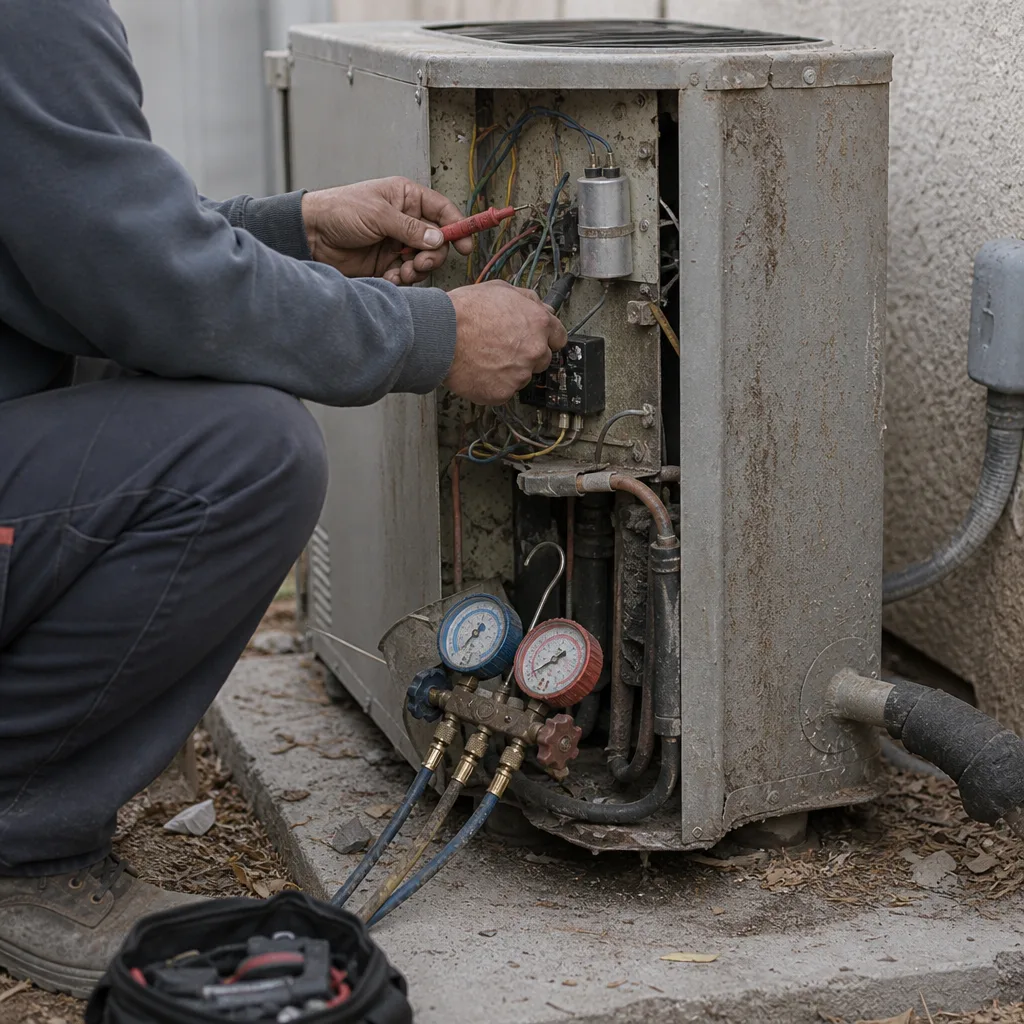 Before
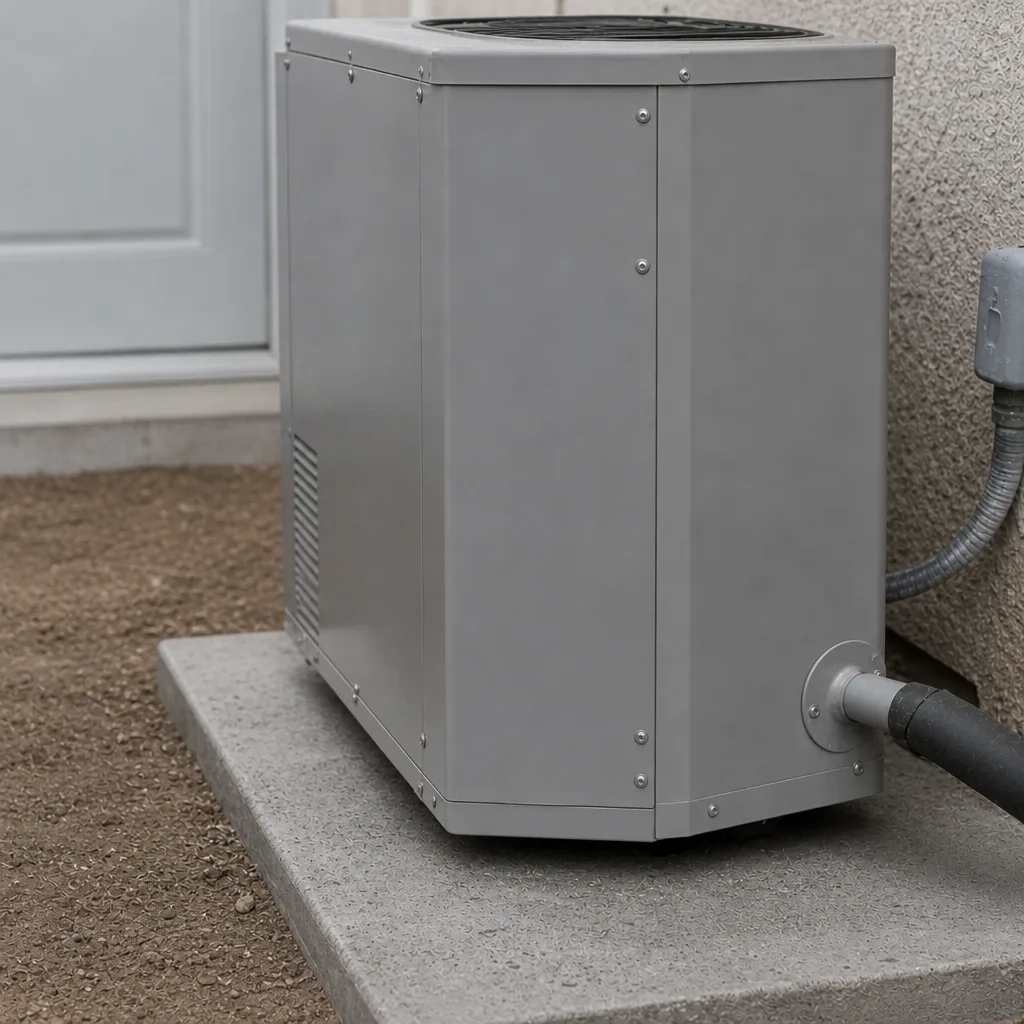 After
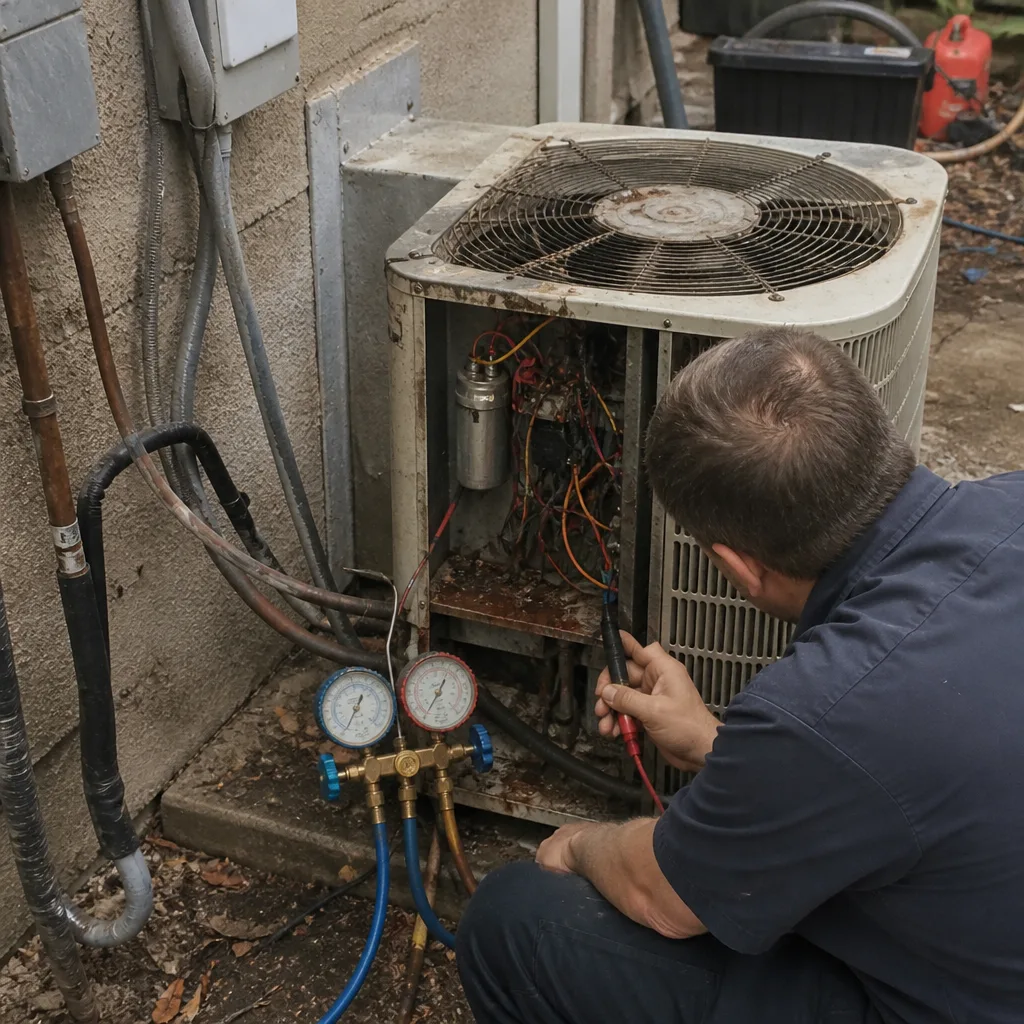 Before
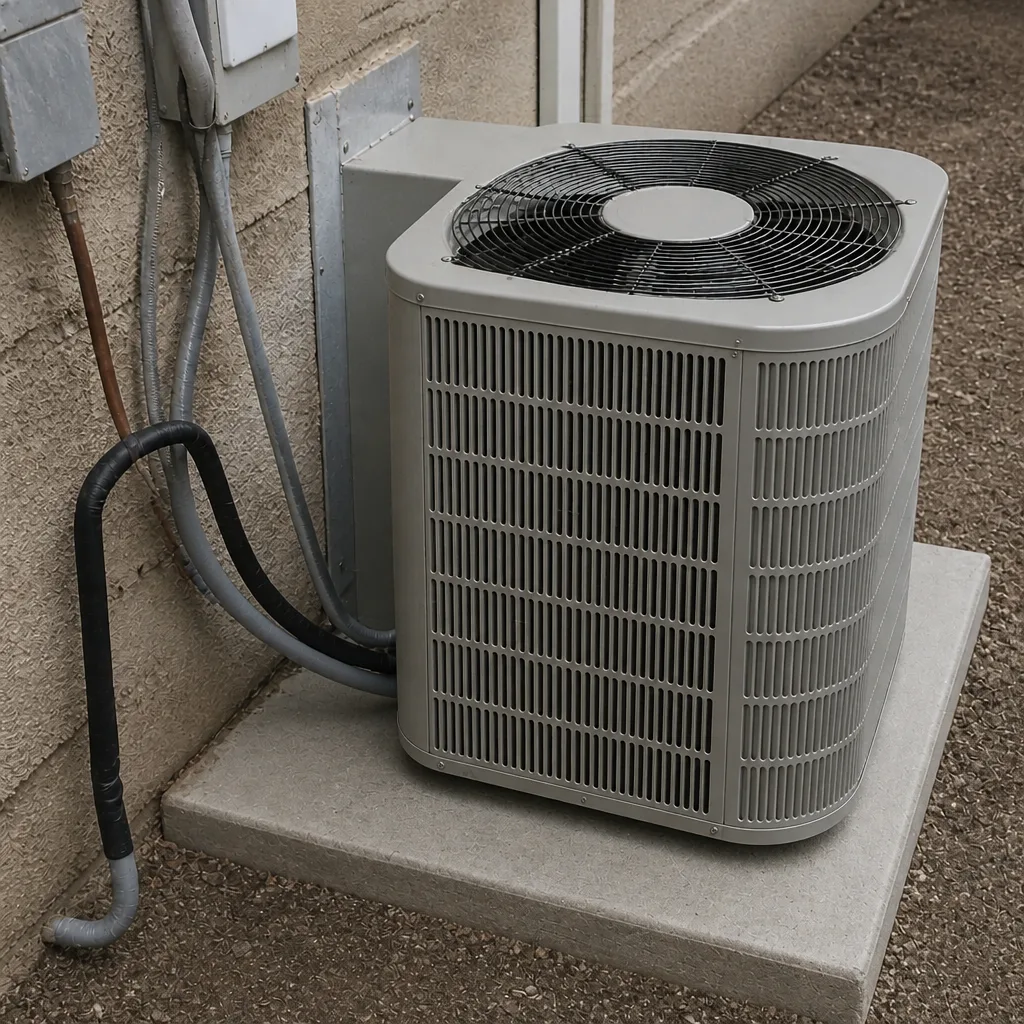 After
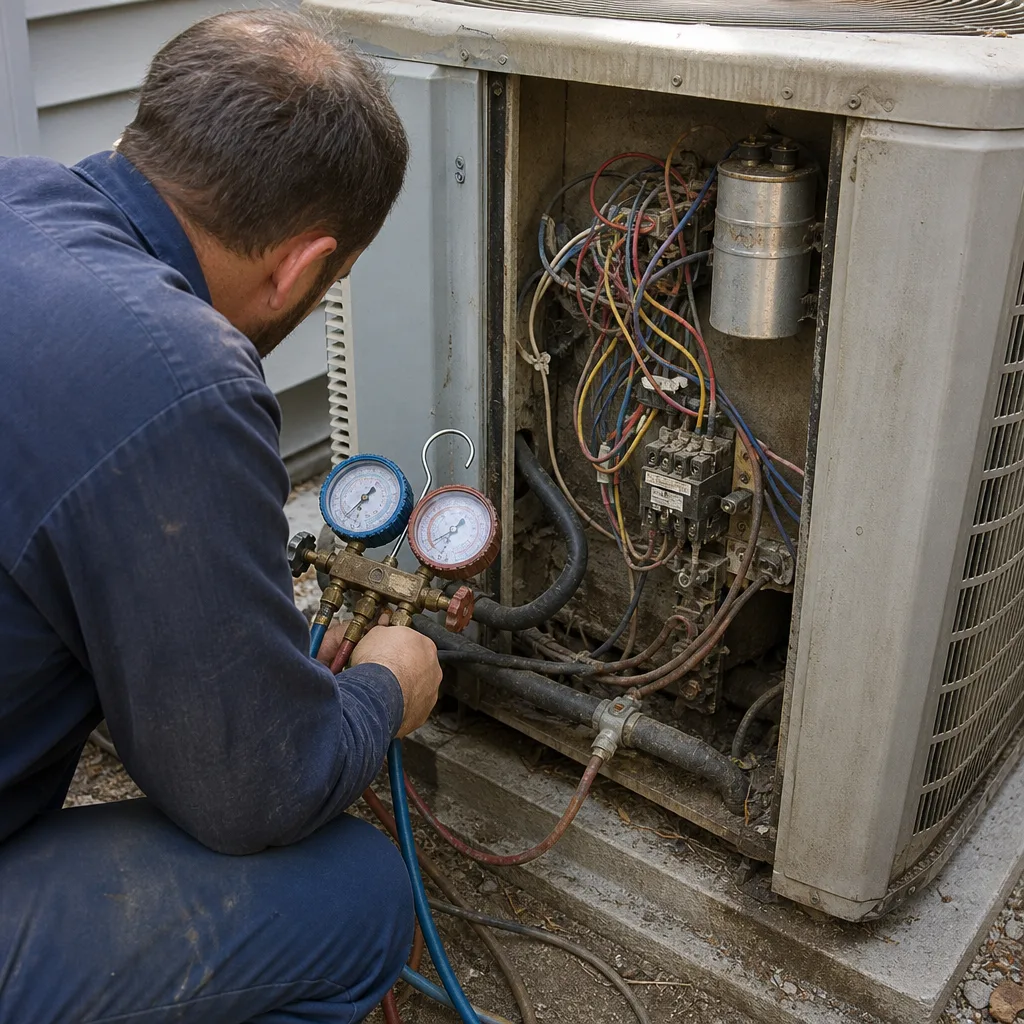 Before
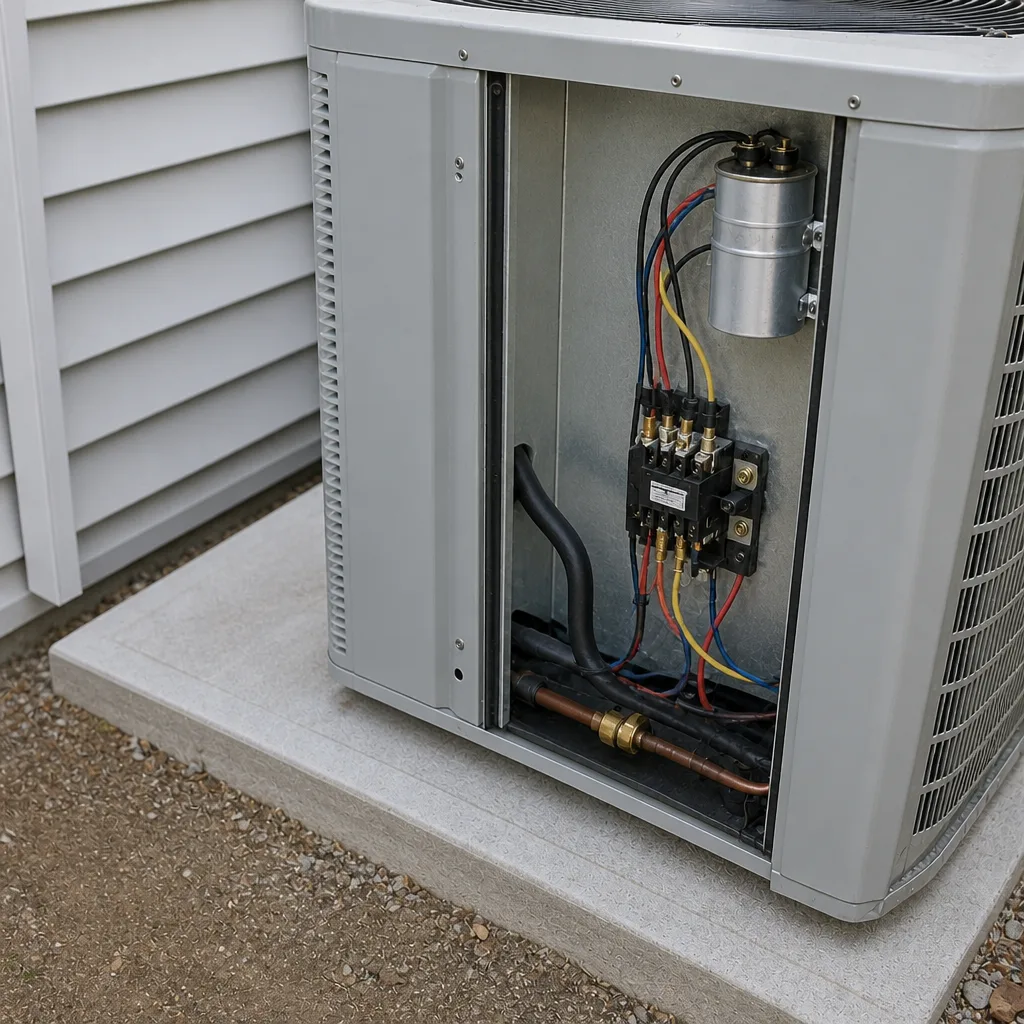 After
When to Call a Professional
Some of this schedule is yours to run: filters, checks, the log, the intake screen. The rest belongs to someone with gauges and a camera. Call a professional when the filter is clean but airflow is still weak, when you see dust trails at the register boots, when you smell musty air at fan start, when the drain pan isn’t clearing, or when your duct inspection date comes up and the return path needs a real look. Spring failures we see in Enterprise homes often trace back to a coil that dusted over during the summer wind season, and that shows in the readings before it shows in your comfort. Ray’s Heating & Air offers free estimates in Enterprise, and a live person answers every call, including the owner himself at two in the morning. Call (844) 455-2034. The Free Second Opinion on any written estimate and No Trip Charge inside the county still stand.
Frequently Asked Questions
Every 30 days from June through September, and every 30 to 60 days through the rest of the year, with a check every two weeks in March through May as dust ramps up. In Enterprise, filter life tracks run-hours and dust load, not the calendar. A filter that looks fine on a fixed date may be fully loaded if the system has been running hard. Call (844) 455-2034 if you’re not sure what your system is doing.
In a stucco tract home with the return air in the ceiling, yes, every 24 to 36 months is the working interval, and 18 to 24 months if you have pets or a wind-exposed lot. Good filter discipline protects the coil, but it doesn’t clean the ceiling return path that the filter never touches. Cut the interval shorter if you see dust trails at the boots or smell must when the fan starts.
A check is a look; a clean is new, seated media with the frame gap verified. They’re not the same task, and the clean is the one that protects the coil. Count a task as done only when there’s a date in the clean column. Call (844) 455-2034 for an exact quote if your coil has been running on checks alone.
Yes. Low humidity lets static charge build on duct surfaces and flexible liners, which makes them hold fine dust instead of passing it to the filter. Dry air also shrinks filter frames and opens bypass gaps. That combination means desert ducts load faster than humid-climate ducts, which is why the inspection interval is shorter here than the national template suggests.
Yes. Clean the intake screen and filter in April before the heavy dust ramp-up and again in October after it, and confirm the dampers open and close fully on both visits. If the intake loads heavily, shorten the filter interval next year. Call (844) 455-2034 if you want the intake checked as part of a free estimate.
Call when the filter is clean but airflow is still weak, when dust trails appear at the register boots, when there’s musty air at fan start, or when your duct inspection date arrives. Filters and intake screens are yours to manage; coil and return-path work needs gauges and a camera. Ray’s Heating & Air offers free estimates in Enterprise, a Free Second Opinion on any written estimate, and No Trip Charge inside the county. Call (844) 455-2034.
The Bottom Line
A maintenance schedule only works if it matches the place. Enterprise gets dust and heat, not snow and freeze, so the calendar should track run-hours and particulate load, not a four-season template. Filter changes every 30 days through summer and every 30 to 60 the rest of the year, a professional duct inspection every 24 to 36 months in a stucco ceiling-return home, ventilation intake cleaned in April and October, and a log that records what was checked versus what was actually cleaned. That’s the whole thing. It isn’t glamorous, and nobody will congratulate you for it, but it protects the coil and keeps the schedule honest. If you’d rather have the person at your door start from real history, call us.
Give Ray’s Heating & Air a call at (844) 455-2034 for a free estimate. We serve Enterprise and the surrounding communities, we service all major brands including Carrier, Trane, Lennox, and Goodman, and every heating and cooling job carries the 90-Day Done Right Promise in writing. A background-checked technician with continuity walks in, reads the system first, shows you the numbers, and gives you the price before any work begins. If it’s not done right, one call brings us back.
Written by the team at Ray’s Heating & Air Enterprise.