
Last updated November 17, 2026
 AC repair
 Furnace & heating
 Heat pumps
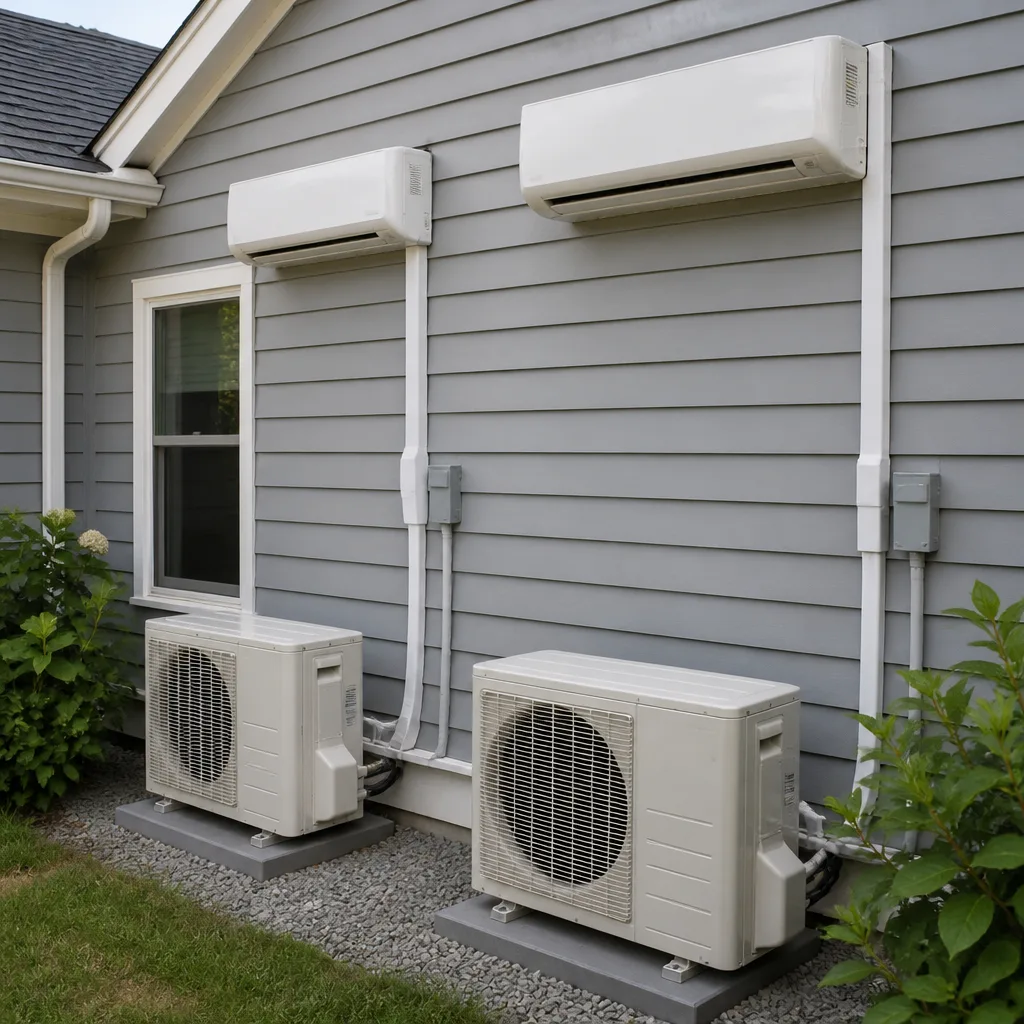 Ductless mini splits
 Carrier
 Trane
 Goodman
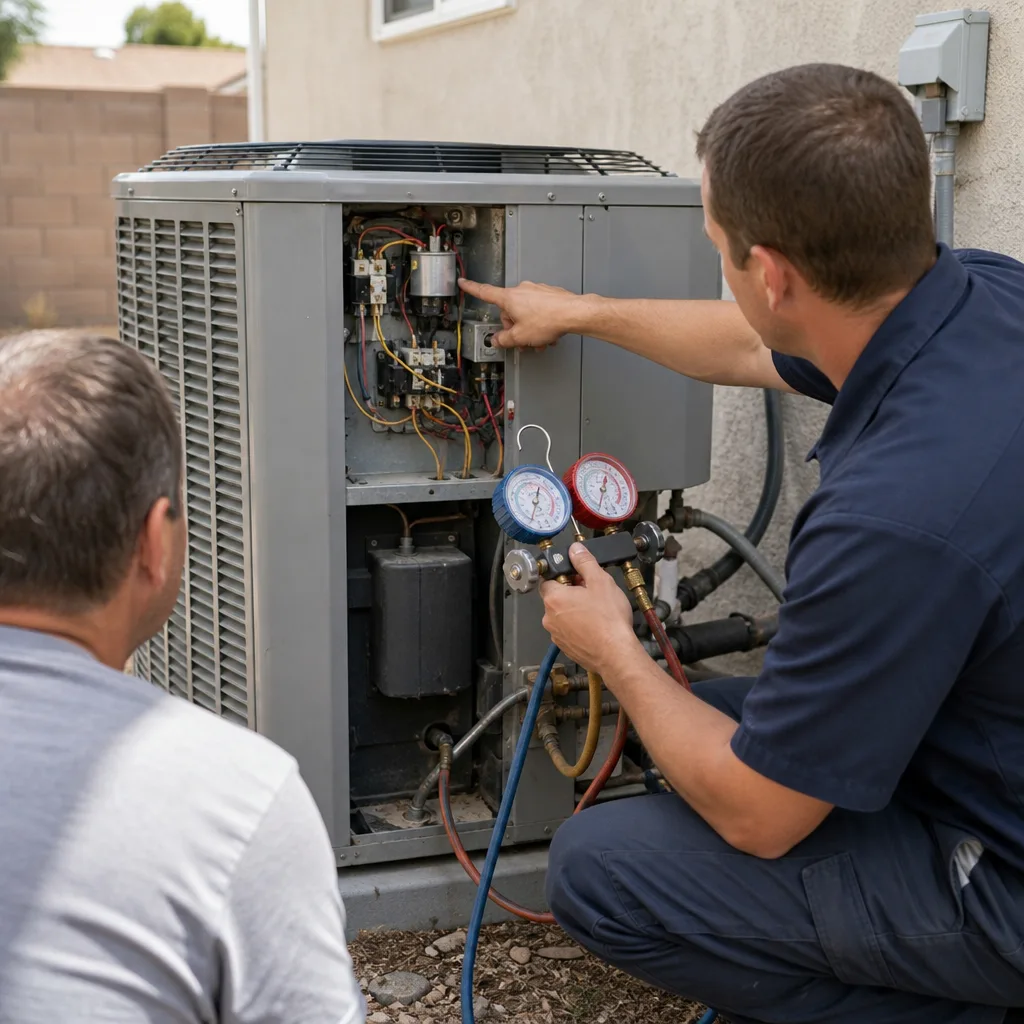
Seasonal tune-up and full diagnostic on your Carrier, Trane, or Goodman system - readings shown to you before any repair is proposed
Diagnosis first, numbers second - you approve the repair price before a single part goes in.
Get your free estimateHVAC Emergency Preparedness Guide for Enterprise Homes
Enterprise hit 117°F in June 2021. A house without AC in that kind of heat turns dangerous in under four hours for elderly adults, children under five, and anyone on certain medications. That is not a comfort problem. It is a planning problem. Most homeowners around here have a plan for a power outage or a flat tire, but no plan at all for the twelve to forty-eight hours between the moment the compressor quits and the moment someone shows up to fix it. This guide is about closing that gap. We’ll cover who to call and in what order, the medical thresholds that mean “leave now,” how to slow heat gain with things already in your garage, and what to tell a dispatcher so you move up the queue instead of sitting at “next available.”
Quick Answer
An HVAC emergency plan for an Enterprise home needs four things written down before summer: a primary and backup number for a local contractor who knows your address, a thermometer-based trigger for when to leave the house, a short list of heat-blocking moves that buy you six to twelve hours, and the specific system details (age, brand, model) that let a dispatcher slot you correctly. Build the plan in May, not on the afternoon the house hits 95°F inside. Enterprise summers do not forgive a scramble.
Styles & brands we work with
- AC repair
- Furnace & heating
- Heat pumps
- Ductless mini splits
- Carrier
- Trane
- Goodman
Table of Contents
- Building a Written Household HVAC Emergency Plan
- When Heat Becomes a Medical Emergency
- How to Slow Heat Gain for Six to Twelve Hours
- What to Tell the Dispatcher to Get Same-Day Service
- Why One Local Relationship Beats a Phone Tree
- Enterprise Climate Realities Most Guides Ignore
- The Pre-Summer Checklist
- Common Mistakes to Avoid
Building a Written Household HVAC Emergency Plan
The single biggest failure we see in Enterprise is not a broken system. It is a homeowner who has never thought through the sequence of a breakdown, so the first hour gets wasted on searching and the second on hold music. A written plan fixes that. Tape it inside a kitchen cabinet where anyone in the house can find it.
Here is the sequence we recommend. Write it down and fill in real numbers.
- The primary call. One local contractor you have used before, with a cell number or a line that a live person actually answers. Not a national 800 line that routes to a call center three states away.
- The backup call. A second local name. Contingency matters because even the best shop gets slammed in a July heat wave.
- The “leave the house” trigger. A specific indoor temperature and a specific time window. More on this below, but decide the number now, not when you are sweating.
- Cooling destinations. Two or three places within a fifteen-minute drive that have AC and are open during the day: a senior center, a library, a relative’s house, a mall. Write the addresses down.
- Medical notes. A one-page list of any prescription medications in the house that affect heat tolerance. Some blood pressure drugs, diuretics, and antidepressants change how a body handles heat.
- System details. Brand, model number, approximate age, and where the disconnect switch and filter are. This is the sheet a dispatcher actually wants.
That is the whole plan. It fits on one page. In our experience the homes that get through a July breakdown with the least disruption are the ones with this page taped inside a cabinet. The homes that suffer are the ones where nobody had written anything down.
When Heat Becomes a Medical Emergency
This is the section most HVAC guides skip, and it is the most important one. An indoor temperature climbing past 95°F in an Enterprise home is not just uncomfortable. For certain people it crosses into a genuine health risk, and the decision to wait for a morning appointment becomes the wrong decision. Know the thresholds before you need them.
Leave the house now if anyone in the home shows these signs:
- Confusion, slurred speech, or unusual irritability
- Hot, dry skin with no sweating, or the opposite: heavy sweating with cool, clammy skin
- Rapid pulse and quick, shallow breathing
- Nausea, vomiting, or a throbbing headache that will not quit
- Fainting or near-fainting
- Body temperature that feels alarmingly hot to the touch
Those are signs of heat exhaustion tipping into heat stroke, which is a 911 call, not an HVAC call. Get the person to a cool place and get medical help. Do not wait for the technician.
Certain people cross the line sooner than others. Adults over 65 do not regulate temperature as efficiently, and many are on medications that blunt the body’s cooling response. Children under five heat up faster because their surface area-to-body-weight ratio is higher. Anyone with heart disease, diabetes, or a respiratory condition is at elevated risk. In Enterprise, where a June afternoon can push past 110°F, a house with no working AC can become unsafe for these people in four hours or less. That is the number that should drive your plan.
How to Slow Heat Gain for Six to Twelve Hours
You may not get same-day service. Sometimes the queue is long, and sometimes the failure is a part that has to be ordered. Either way, the goal is to keep the house from cooking while you wait, and most homes in Enterprise already have what you need. These moves buy time without buying equipment.
- Close every window and draw every blind on the sun-facing side. The sun hitting a west-facing window in a Enterprise July afternoon pours heat straight into the room. Heavy curtains, blankets, even cardboard in a window all help. Block the heat before it enters.
- Run box fans and ceiling fans, but only in occupied rooms. Fans do not cool air. They cool people by moving air across skin. Point a box fan out an open window at dusk to push hot air out and pull cooler night air in.
- Cook nothing indoors during the outage. No oven, no stove, no dishwasher. The microwave heats food without heating the room much. Better yet, eat cold.
- Close off rooms you are not using. Shut doors to spare bedrooms, laundry rooms, and any space that does not need cooling. Concentrate everyone and every fan in one or two rooms.
- Wet a towel and drape it around your neck or over a fan. Evaporative cooling works. It is the same principle a swamp cooler uses, and in dry Enterprise air it is surprisingly effective.
- Take a cool shower or soak your feet. Cooling the body directly beats cooling the house. A ten-minute cool shower drops core temperature quickly.
Do these things and you can hold a house in the low 90s for most of a day instead of watching it climb past 100°F. That window is what lets you wait for a real repair instead of panicking into a bad decision.
What to Tell the Dispatcher to Get Same-Day Service
Here is something most homeowners never learn: what you say to the dispatcher in the first thirty seconds changes where you land in the queue. A caller who says “my AC is broke, when can you come” gets slotted as a routine job. A caller who gives the right details gets flagged as urgent. The difference is not your tone. It is the information.
Have these ready before you dial:
- The age and brand of the system. “It’s a Rheem, about eleven years old” tells the dispatcher this is a system that may need a part, versus a newer Goodman that might have a simple electrical fault. It also tells them whether to send a tech with a specific part.
- What the system is doing. Is the outdoor unit running but blowing warm air? Is it completely silent? Is the indoor fan running? Is there ice on the lines? Is it tripping the breaker? Each of these points to a different failure and a different priority.
- Whether the home has vulnerable occupants. “My mother is 82 and on heart medication” moves you up. Dispatchers triage. That is not favoritism. It is how they keep people safe.
- What you have already checked. Thermostat set to cool and calling for cooling? Filter clean? Breaker not tripped? Saying you have done the basics saves the tech ten minutes and shows you are a serious caller.
- Your address and a cell number. Sounds obvious, but half of the calls that get delayed are the ones where the callback number is wrong.
The other thing that changes your slot: whether the dispatcher recognizes your name. A contractor who has been to your house before knows your system, knows your address, and knows you pay your bills. When you call at 9 p.m. and the person answering the phone is the owner himself, that relationship moves your call from “next available” to “I will fit you in.” That is not a sales pitch. It is how a small shop operates.
Why One Local Relationship Beats a Phone Tree
The national outfits do a lot of things well. They also have a rotating crew, a call center that routes to whoever is next, and a pricing model that can shift between the phone quote and the invoice. For a homeowner in Enterprise who has been burned by that, the fix is not a better phone tree. It is one relationship with one local contractor before the emergency hits.
Here is what changes when they already know your address:
- You get the real emergency rate. A shop that has serviced your system for a few years has a reason to get you back up fast and a reason not to price-gouge you at midnight. Emergency rates get negotiated, not dictated, when the person on the other end knows you.
- They know your system’s history. What was replaced last summer, what the readings were last spring, whether the capacitor is a known weak point on your model. That history cuts diagnostic time.
- You get a face you will see again. Not a rotating cast who have never seen your unit. The person at your door should be the person who was at your door last year.
- You get a written backup. A good local shop puts its promise in writing. Our 90-Day Done Right Promise is stamped on every heating and cooling job. If it is not done right, one call brings us back.
In our experience, the homes that handle a July breakdown best are not the ones with the newest equipment. They are the ones with a relationship already in place. That is the whole case for making the call before you need the call. If you have not set that up, start now. Our Ray’s Heating & Air Enterprise home page is a good place to see what that looks like.
Enterprise Climate Realities Most Guides Ignore
Generic HVAC prep advice is written for a mild four-season climate. Enterprise is not that. We sit in the Mojave, which means a specific set of conditions that change how you should plan.
The overnight low does not save you. In most of the country, opening the windows at night gets the house back to a livable temperature. In Enterprise in July, the overnight low can stay in the mid-80s. That means an overnight outage is not a minor inconvenience. It is a full 24 hours of climbing indoor heat with no relief window. Plan for that, not for a mild summer night.
Peak afternoon is the risk window. A compressor failure at 2 p.m. in mid-July is a different event than the same failure at 8 a.m. in April. The house has already absorbed heat all morning. If a failure happens mid-afternoon, assume the timeline is compressed and act sooner.
Dust and dry air wear equipment differently. Desert dust loads filters faster than a humid climate does, and a clogged filter is one of the leading causes of summer compressor failure. Change filters more often here than the package recommends. If it says every three months, check it every month in June, July, and August.
The dry heat is deceptive. Because Enterprise has low humidity, the heat does not feel as oppressive as the same temperature would in a humid climate. That can delay the decision to leave the house. Do not let comfort fool you. The thermometer and the symptoms matter, not how it feels.
The Pre-Summer Checklist
Do these in May, before the first real heat. By the time June arrives, the queue is long and the parts are moving slow. A little work in spring saves a lot of trouble in July.
- Test the system on a warm day in April or May. Run the AC before you need it. A problem found in May is a cheap fix. The same problem found at 117°F is an emergency.
- Change the filter. Then write the date on it in marker so you know when it was changed.
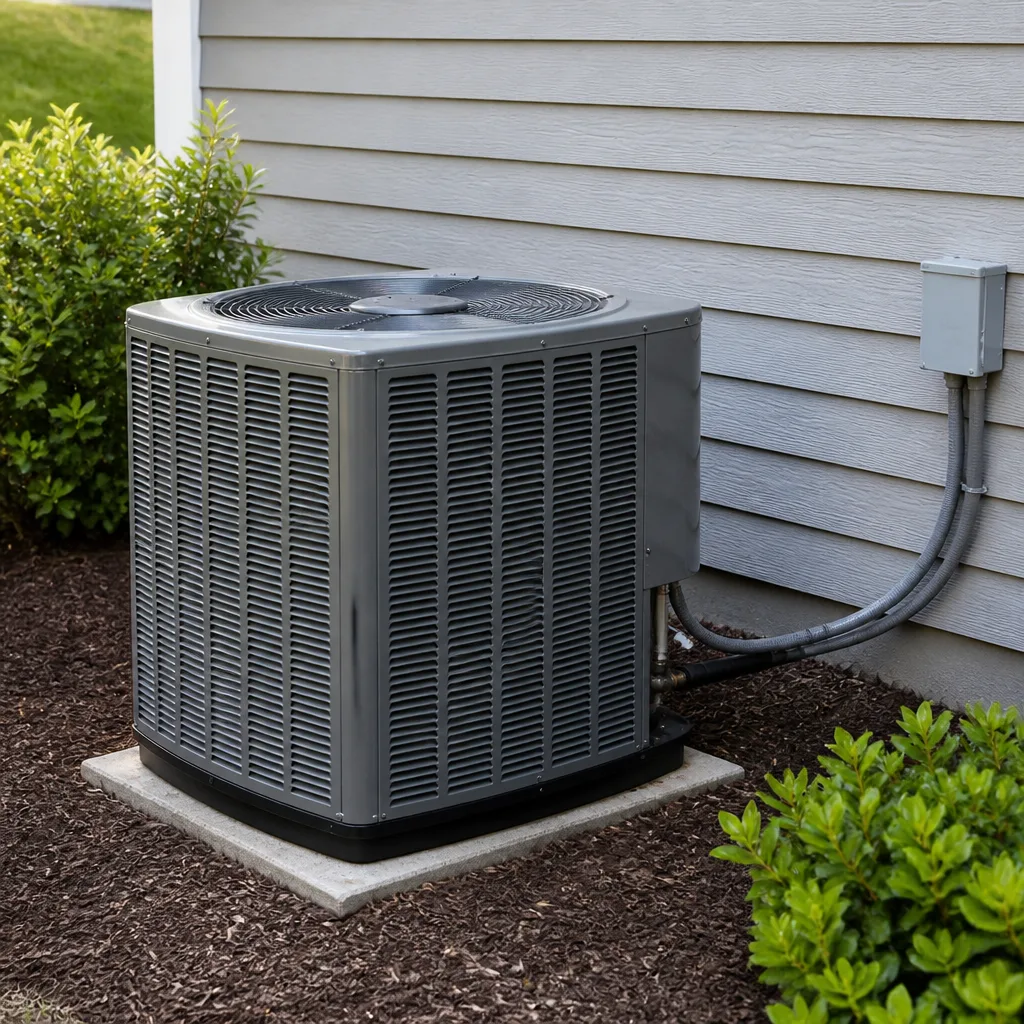
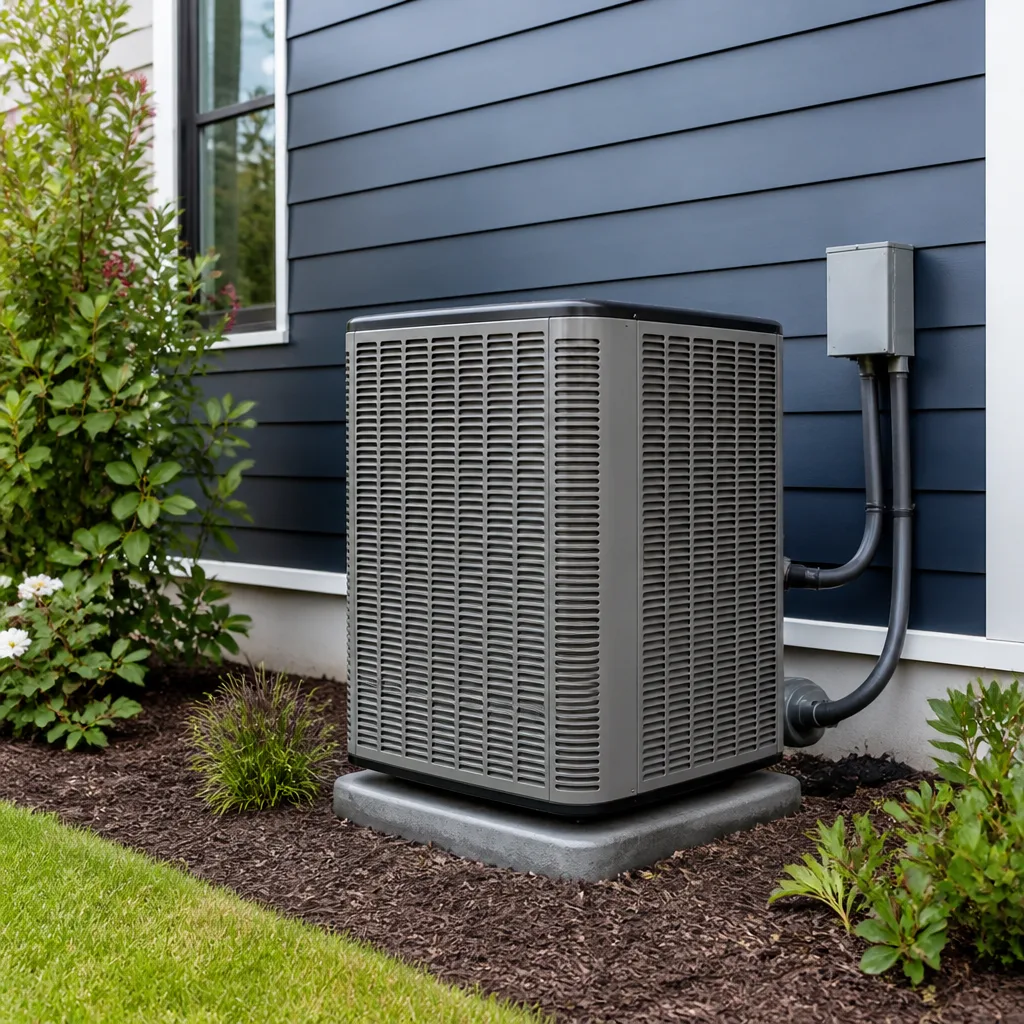
- Clear the outdoor unit. Two feet of clearance around the condenser, no weeds, no stored items. The coil has to breathe, and a blocked coil works harder and fails sooner.
- Hose off the outdoor coil. A gentle spray from the inside out clears the desert dust that packs into the fins.
- Get a spring tune-up. A technician who checks refrigerant readings, tests the capacitor, and measures amp draw will find the weak part before it dies. Our AC Repair & Installation in Enterprise page covers what a real tune-up should include, and our Heating & Furnace in Enterprise page covers the cold-season counterpart.
- Write the emergency plan. Fill in the numbers, the trigger temperature, and the cooling destinations. Tape it inside the cabinet.
- Confirm who answers the phone at 2 a.m. Test it. Call your contractor on a Tuesday afternoon and ask what happens if you call at midnight. The answer tells you whether they belong on your plan.
If your home has a heat pump or a ductless mini-split, the prep is a little different. Our Heat Pump & Mini Split in Enterprise page covers the specific checks that matter for those systems.
Common Mistakes to Avoid
- Waiting for a morning appointment when the house is already past 95°F inside. If the indoor temperature is climbing and anyone in the house is vulnerable, waiting is the wrong call. Leave the house and get medical advice before you wait for service.
- Calling a national 800 line first. You will spend twenty minutes in a call tree and get a callback window that means nothing. Call a local contractor with a real number first, then use the national line as a backup.
- Assuming the compressor is dead before anyone tests the capacitor. In our experience, a startling number of “the compressor is gone” diagnoses turn out to be a bad capacitor, which is a cheap part. Anyone who says “compressor” before showing you a capacitance reading is guessing. Ask for the reading.
- Skipping the spring tune-up because “it’s working fine.” A system that runs fine in May can still have a capacitor on its last legs and a coil that has never been cleaned. The failure mode is not gradual. It is a sudden July afternoon.
- Not knowing the age and model of your system. That information turns a vague dispatcher call into a priority slot. Write it down once and keep it with the emergency plan.
- Forgetting the medications. A prescription list matters for a heat event the same way a medication list matters for an ER visit. Some common drugs change how the body handles heat, and the people on them need to be treated as vulnerable.
- Opening the windows at night and expecting relief. In Enterprise the overnight low can stay in the 80s. Nighttime is not the free pass it is in a milder climate. Plan for a full 24 hours, not a comfortable night.
See the difference
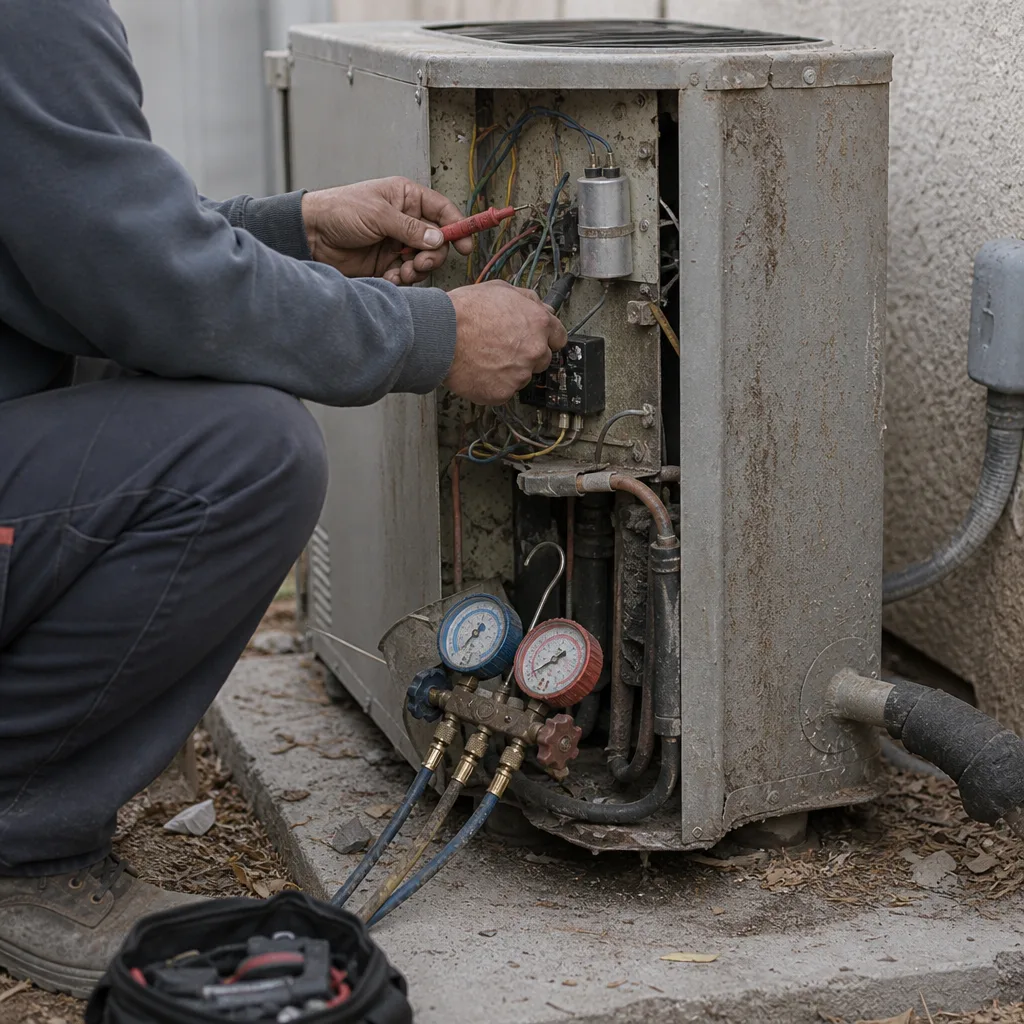 Before
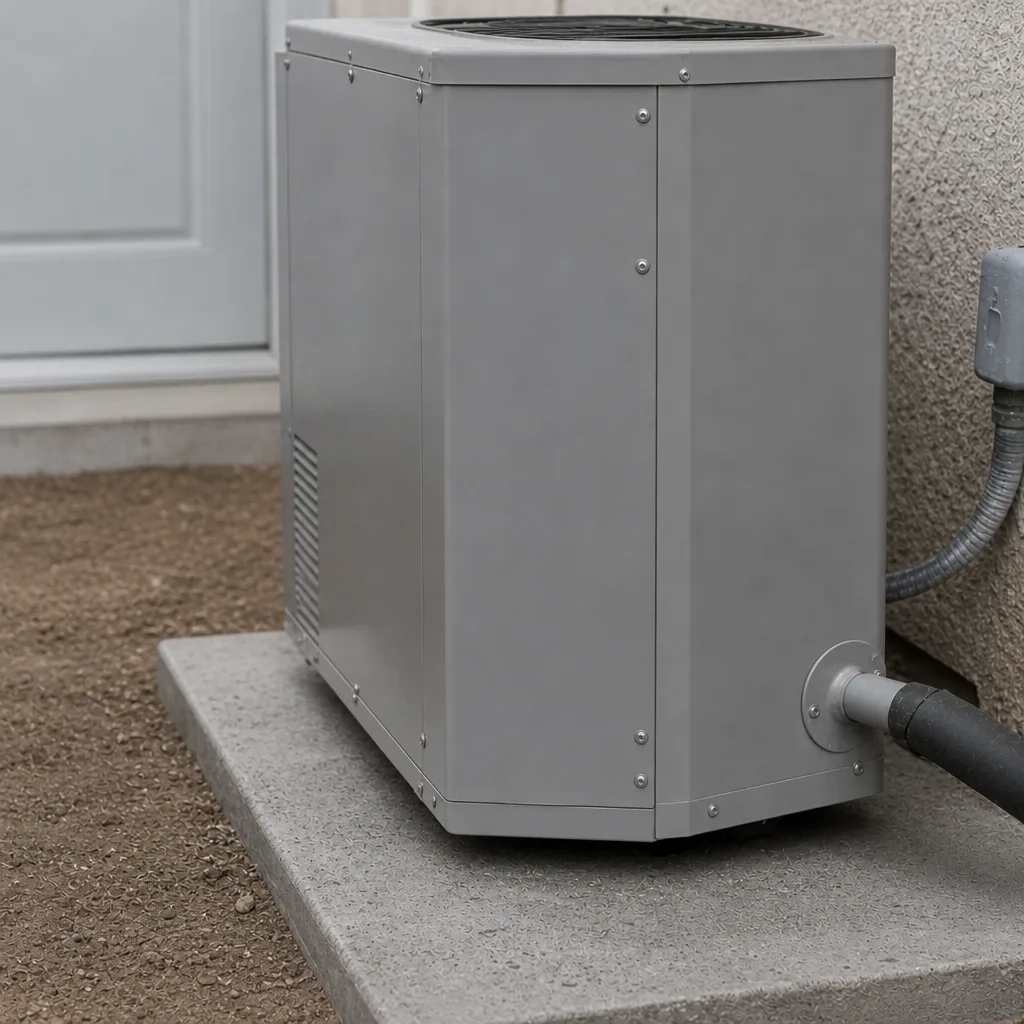 After
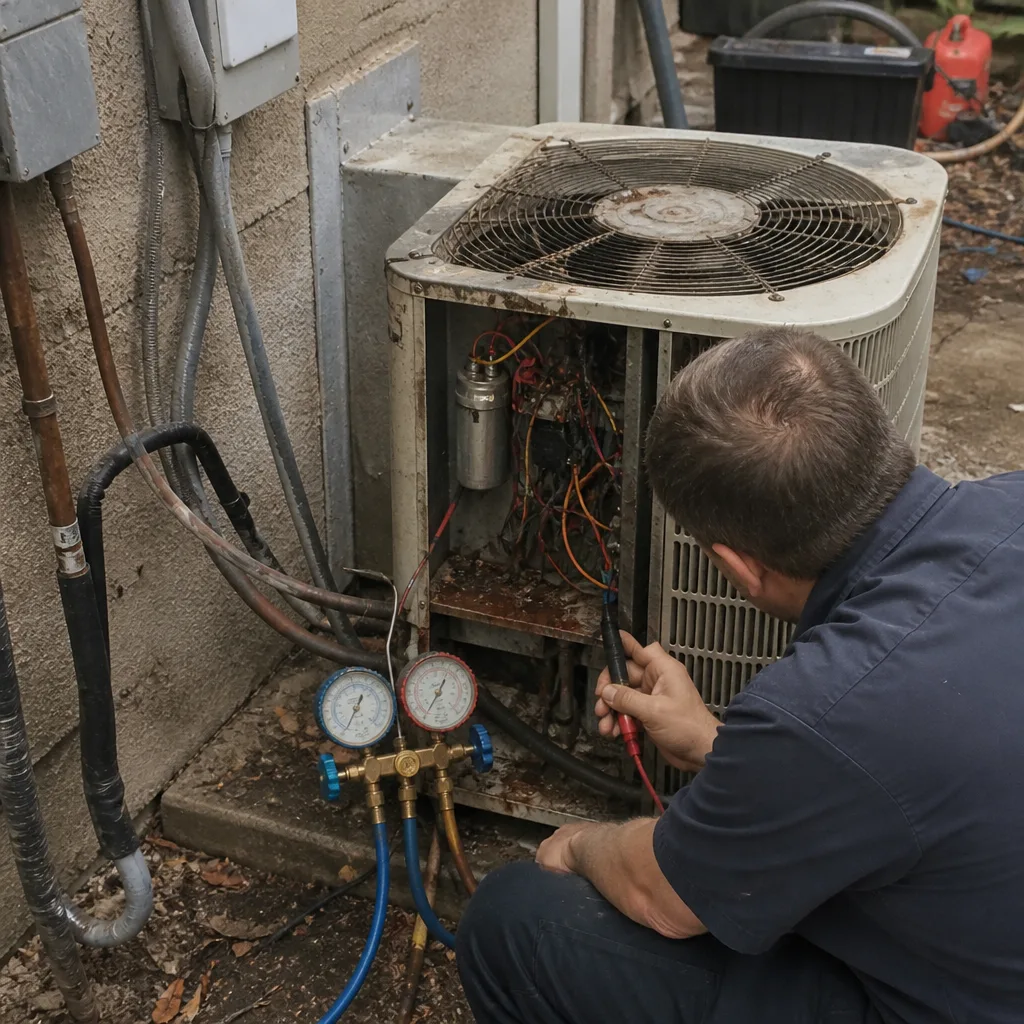 Before
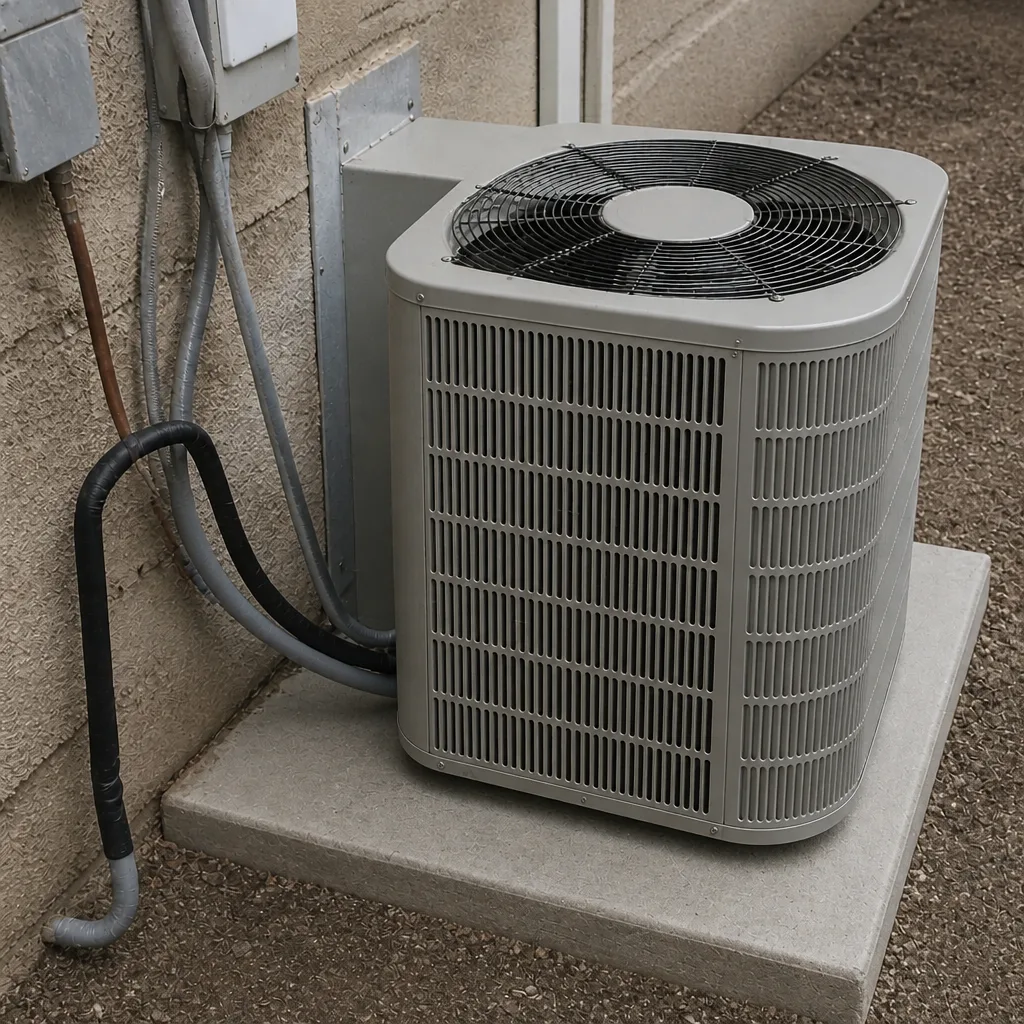 After
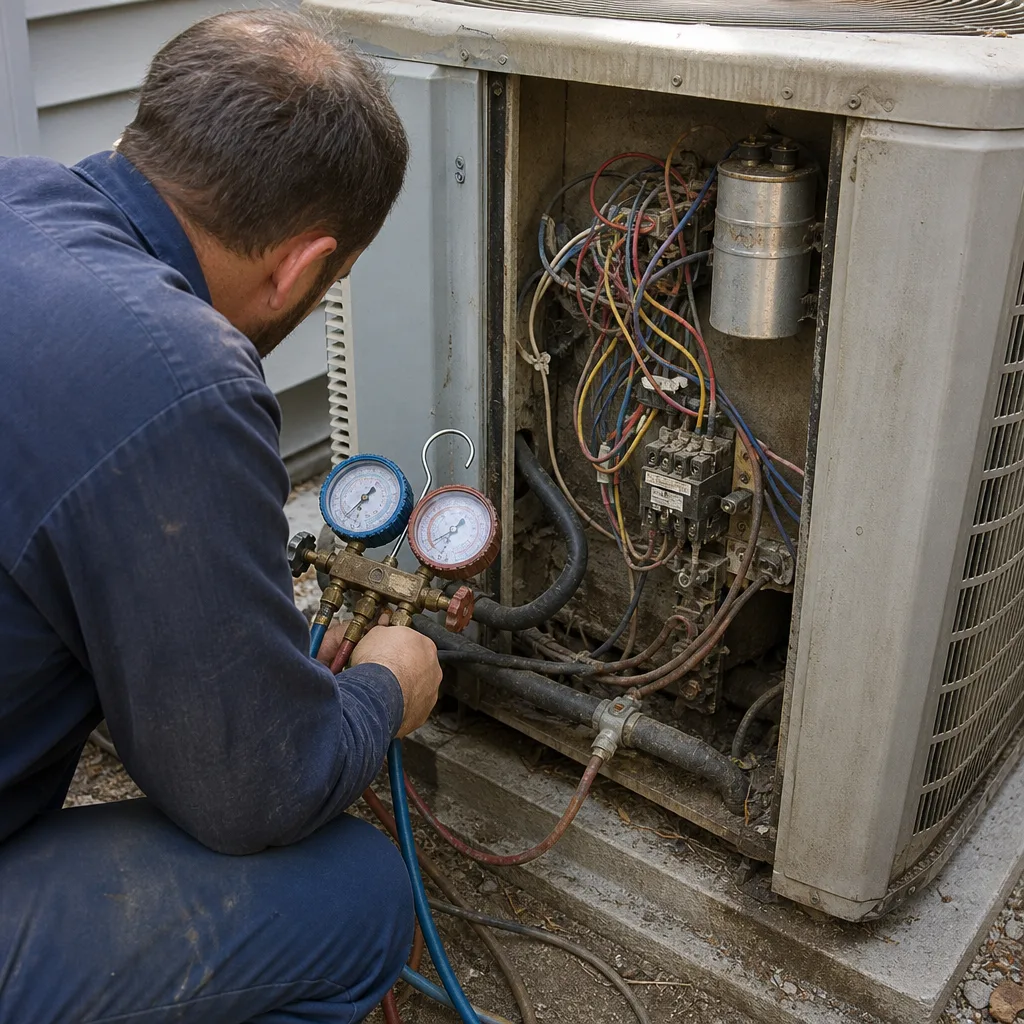 Before
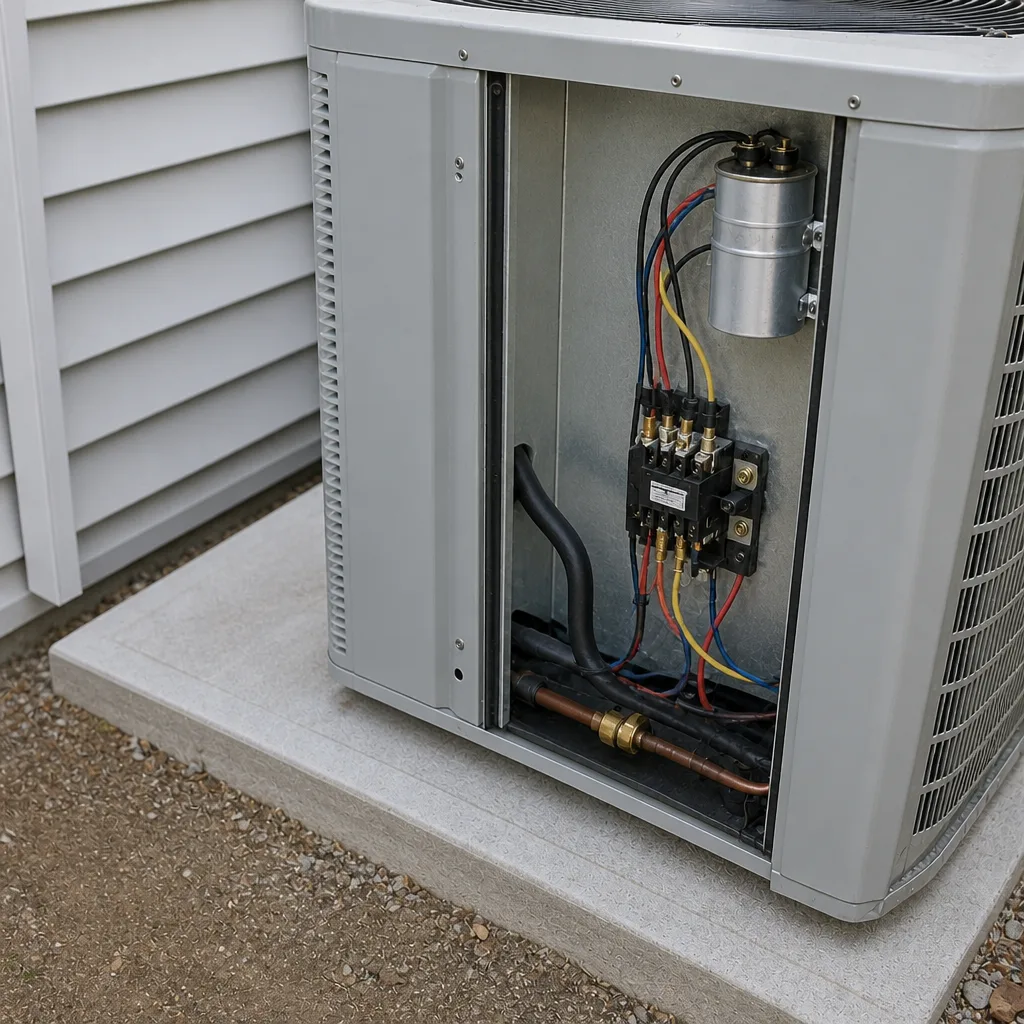 After
When to Call a Professional
Call a professional the moment you cannot keep the house below the daytime high, or the moment anyone in the home shows heat-illness symptoms. Do not wait for the house to become unsafe. If the outdoor unit trips the breaker repeatedly, blows warm air with the fan running, ices over, or sits completely silent while the thermostat calls for cooling, that is a professional call. If you smell burning or hear metal-on-metal from the outdoor unit, shut it off at the breaker and call. High-voltage components and refrigerant lines are not a homeowner fix. Do not open the electrical panel. A trained technician handles that safely.
For a same-day service call, a written estimate, or a free second opinion on a quote you already have, Ray’s Heating & Air Enterprise offers free estimates in Enterprise. Call (844) 455-2034. A live person answers, including evenings and weekends.
Frequently Asked Questions
Check the filter, the thermostat setting, and the breaker first, then call a local contractor with your system’s age, brand, and symptoms ready. Most “dead” systems turn out to be a dirty filter, a tripped breaker, or a failed capacitor, and giving the dispatcher that information up front moves you up the queue. If the indoor temperature is already past 95°F and anyone in the home is elderly, young, or on heat-sensitive medications, get everyone to a cool place while the repair is arranged.
An indoor temperature above 90°F becomes risky for vulnerable people, and above 95°F it can become genuinely dangerous within hours for adults over 65, children under five, and anyone on certain medications. The exact danger point depends on the person, the humidity, and how long they have been exposed. Watch for confusion, hot dry skin, rapid pulse, or fainting. Any of those signs is a 911 call, not an HVAC call.
Often yes, but same-day slots fill fast in June, July, and August. The callers who get in are the ones who called a local contractor with a real phone line and gave the dispatcher the system’s brand, age, symptoms, and household details in one call. Call (844) 455-2034 and have that information ready. Estimates are free.
Probably not. A warm-air symptom can come from a failed capacitor, low refrigerant, a dirty condenser coil, a tripped breaker, or a bad contactor, and a capacitor is far more common than a dead compressor. Ask anyone who diagnoses it to show you the capacitor test reading before they say the word compressor. A good technician will test that first without being asked.
The decision usually comes down to age, refrigerant type, and how many repairs the system has needed in recent years. A system past twelve to fifteen years old that needs a major repair around the start of summer is often a replace case, because the next failure is more likely in July than in October. Get a written estimate both ways and a second opinion before you decide. Our free second-opinion offer applies to any written quote you already have.
Have the system’s brand, model, and approximate age, a description of what it is doing, any symptoms from the home’s occupants, what you have already checked, and your address and a working callback number. If you have any written estimate from another contractor, have that nearby too. That one sheet of information is the difference between a routine slot and a same-day visit, and it lets the repair go faster once someone is at your door.
The Bottom Line
An HVAC emergency in an Enterprise summer is a health event, not a comfort problem. The house can become unsafe in under four hours for the people most at risk. The fix is not better equipment. It is a written plan: one local contractor you trust, a specific temperature trigger that means leave now, a short list of heat-blocking moves that buy you time, and the system details ready before you dial. Build the plan in May. Test the number. Get the tune-up. The summer will come either way, and the homes that handle it are the ones that decided not to scramble.
Ready to put a name on your plan? Ray’s Heating & Air Enterprise answers the phone around the clock, and a live person will pick up. Free estimates, upfront pricing, and a written second opinion on any quote you already have. Call (844) 455-2034 before the next heat wave, not during it.
Written by the team at Ray’s Heating & Air Enterprise.