
Last updated November 17, 2026
 AC repair
 Furnace & heating
 Heat pumps
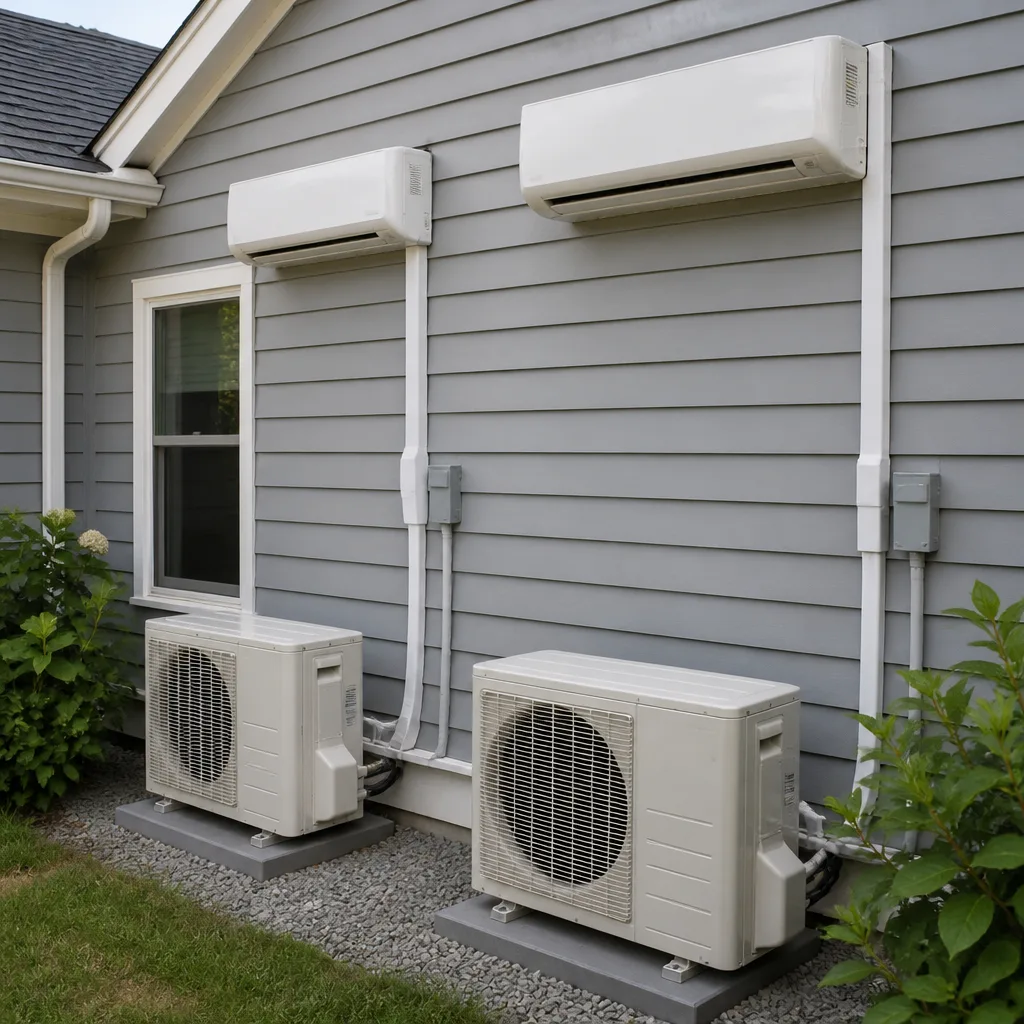 Ductless mini splits
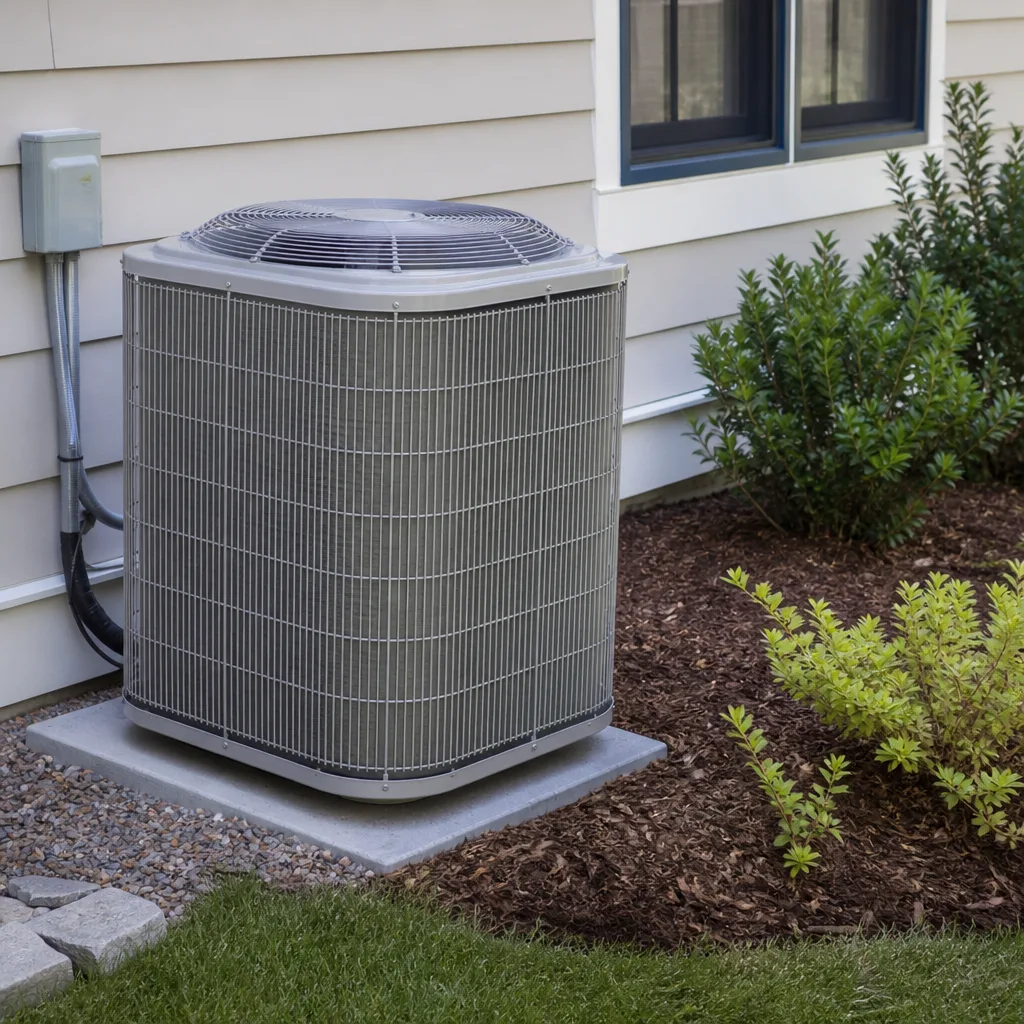 Carrier
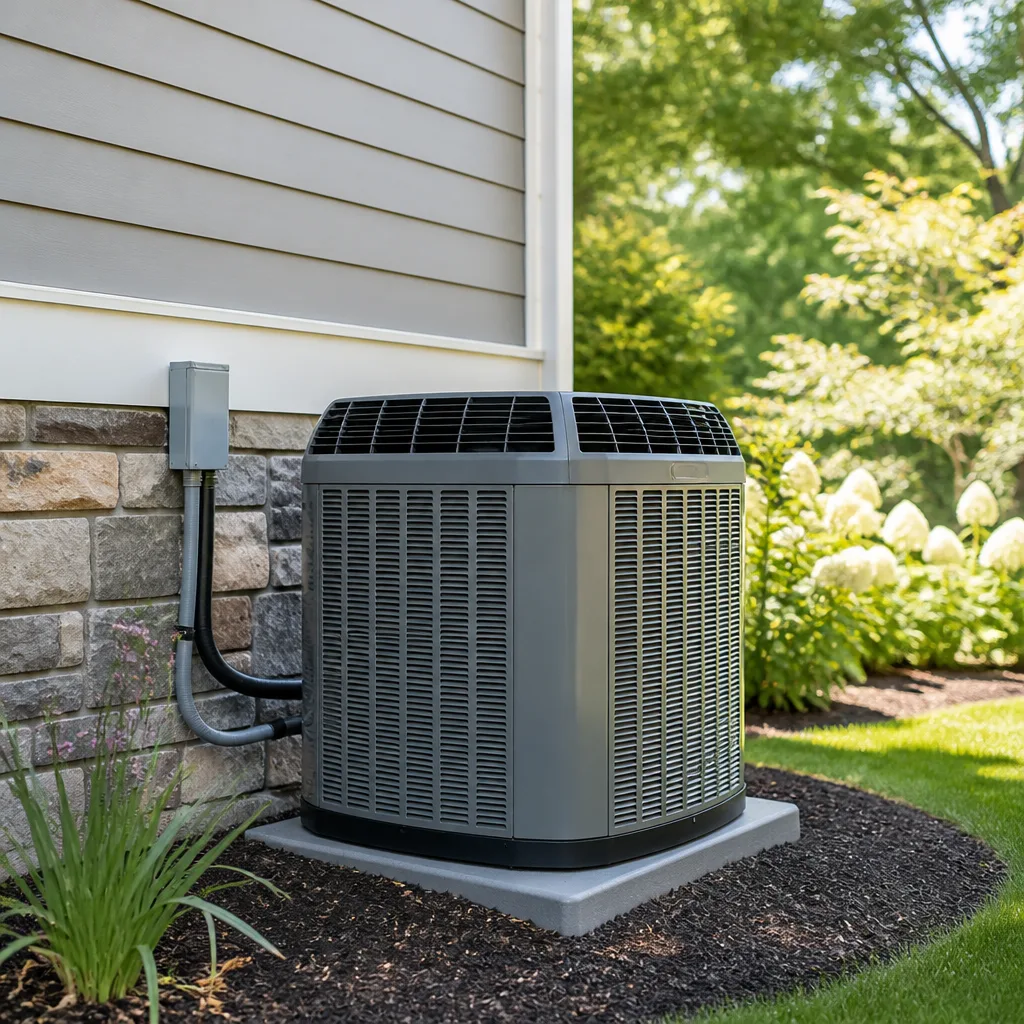 Trane
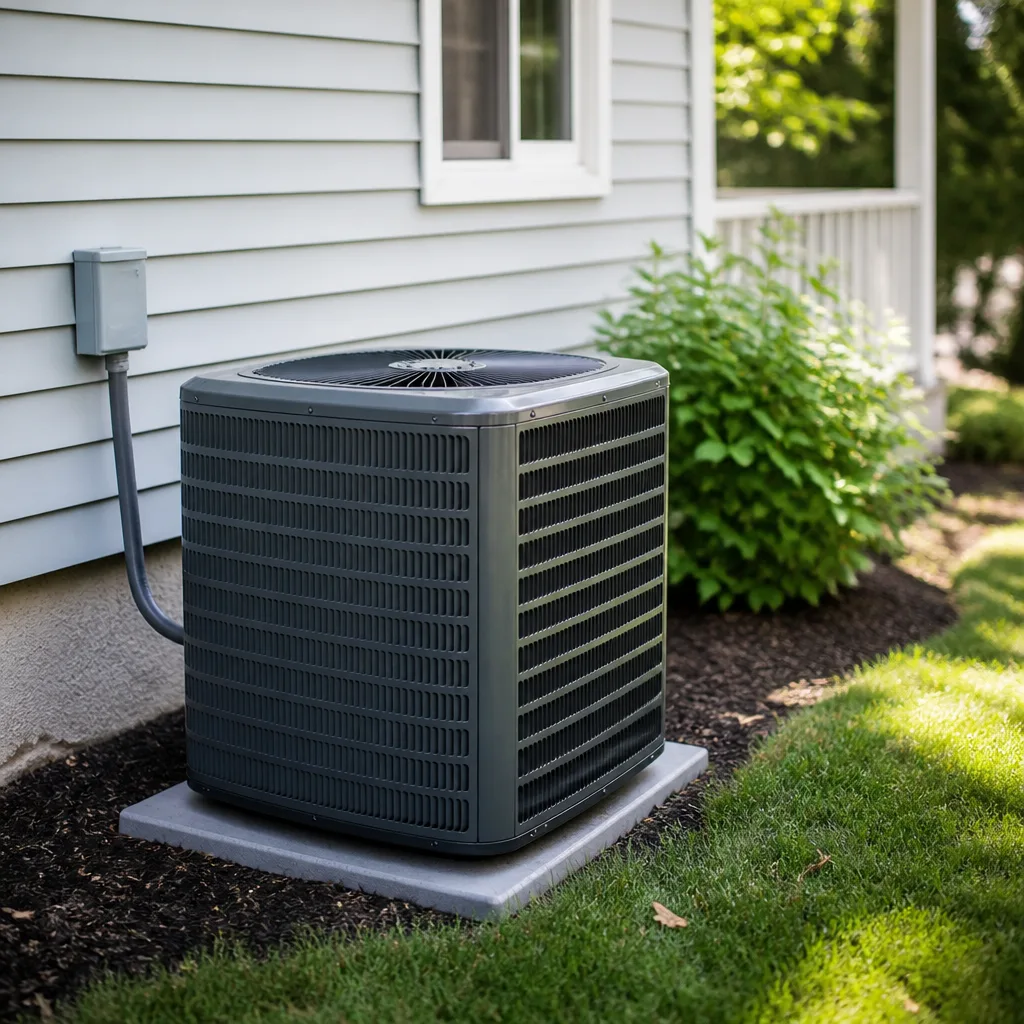 Goodman
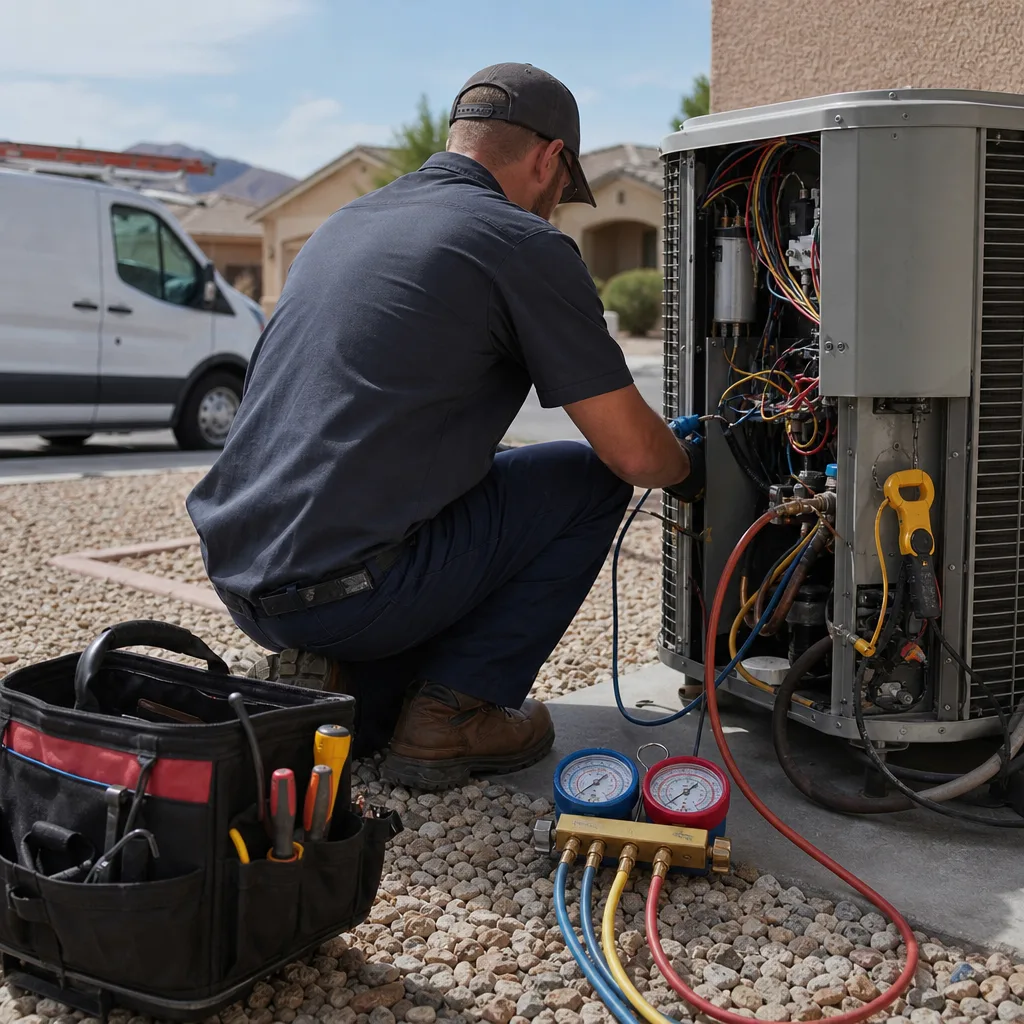
Seasonal tune-up and full diagnostic on your Carrier, Trane, or Goodman system - readings shown to you before any repair is proposed
Diagnosis first, numbers second - you approve the repair price before a single part goes in.
Get your free estimateDIY vs Professional HVAC: The Enterprise Homeowner’s Decision Guide
Changing your air filter is DIY. Recharging refrigerant is a federal crime without an EPA 608 certification. Almost every other HVAC task falls somewhere in between, and here is the part most guides skip: the line between “go ahead” and “put the wrench down” has nothing to do with how handy you are. It has to do with law, warranty, and whether a mistake can hurt you. In Enterprise, where summer highs sit in the triple digits for weeks and the desert dust finds every seam in your house, that line matters more than it does in milder climates. This guide sorts HVAC tasks into three honest buckets, tells you how manufacturers really check your DIY work, and shows you where a cheap delay turns into an expensive repair.
Quick Answer
Most HVAC maintenance is legal for a homeowner to do, but anything involving refrigerant, gas lines, or electrical panel work is restricted to licensed technicians, and some legal DIY tasks will still void your manufacturer warranty. The safe rule: filters, coils, drain lines, and thermostat batteries are yours; refrigerant, gas, capacitors, and compressors belong to a licensed pro. In Enterprise, that split protects both your safety and your warranty on systems from Carrier, Trane, Lennox, and American Standard.
Styles & brands we work with
- AC repair
- Furnace & heating
- Heat pumps
- Ductless mini splits
- Carrier
- Trane
- Goodman
Table of Contents
- The Three Buckets: Legal, Warranty-Voiding, and Off-Limits
- How Manufacturers Actually Catch DIY Work
- The Gray-Area Risk Math
- Tools Worth Buying to Extend System Life
- Why Enterprise Heat Changes the Calculation
- When Calling Early Saves More Than the Video
- Common Mistakes to Avoid
- Frequently Asked Questions
The Three Buckets: Legal, Warranty-Voiding, and Off-Limits
Every HVAC task on your property fits into one of three buckets. Getting the bucket right is the whole game. Blending them together is how homeowners end up with a voided warranty on a system they thought they were maintaining.
Bucket 1 – Legal and safe for a homeowner:
- Replacing air filters (monthly in dusty Enterprise summers, not quarterly)
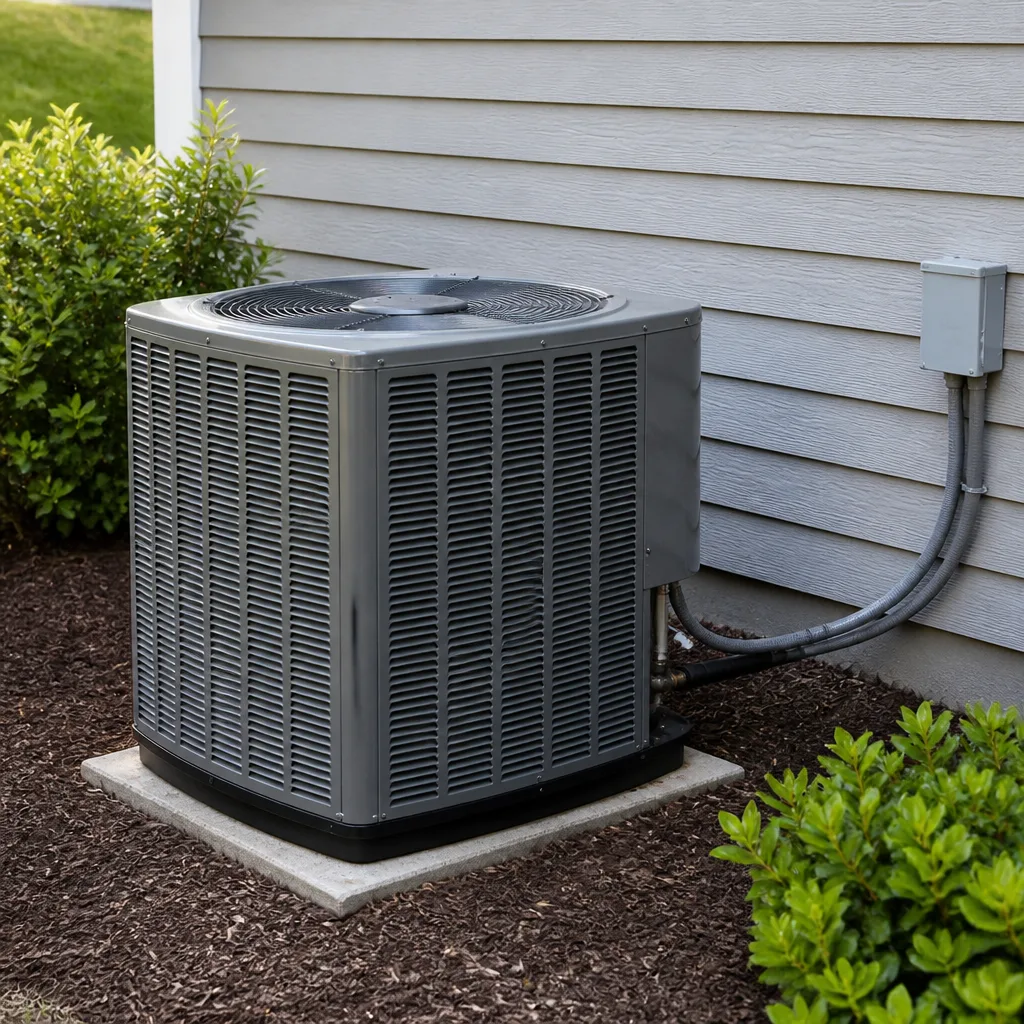
- Cleaning the outdoor condenser coil with a garden hose
- Straightening bent fins on the condenser with a fin comb
- Flushing the condensate drain line with vinegar
- Replacing thermostat batteries and updating settings
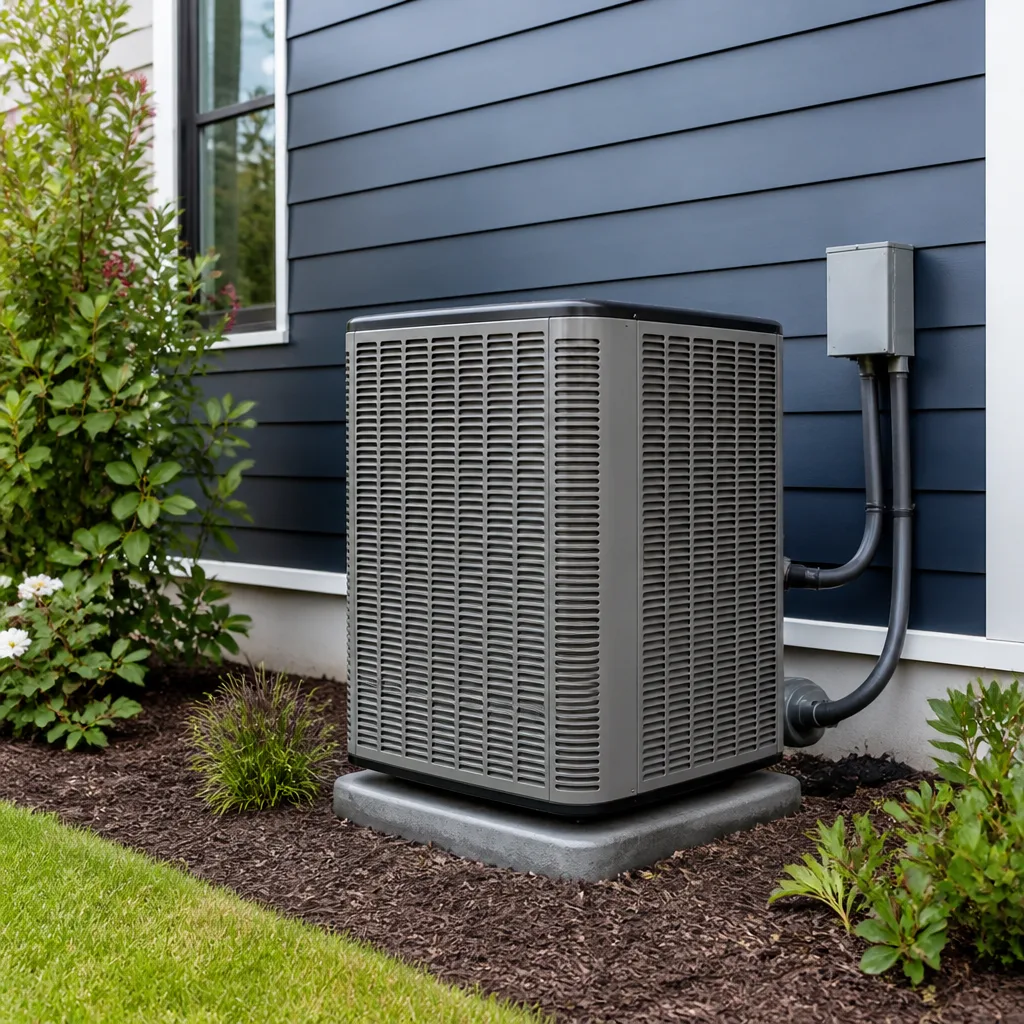
- Clearing debris and landscaping away from the outdoor unit (two feet minimum clearance)
- Vacuuming supply and return grilles
Bucket 2 – Legal but likely to void your manufacturer warranty:
- Adding refrigerant yourself (also bucket 3 – see below)
- Replacing a capacitor, contactor, or blower motor
- Opening the electrical panel on the air handler
- Adjusting refrigerant charge or superheat/subcool readings
- Sealing ductwork with mastic in ways that alter the tested system configuration
Bucket 3 – Legally restricted to licensed technicians:
- Handling, recovering, or recharging refrigerant (Clean Air Act, Section 608)
- Any work on gas lines or gas-fired furnace components
- Electrical work requiring a permit in most Nevada jurisdictions
- Removing or installing a compressor or condenser
- Refrigerant line brazing and evacuation
If a task lands anywhere in buckets 2 or 3, be honest with yourself. This is why we tell every Enterprise homeowner the same thing: your system tells us what’s wrong, we just listen first. That listening happens through gauges and meters you should not be holding without the license and the insurance behind them.
How Manufacturers Actually Catch DIY Work
Homeowners assume warranty claims only get denied when a manufacturer can prove misuse. The reality is quieter and more common than that. Manufacturers do not need a smoking gun. They need evidence, and DIY work leaves evidence in four places.
- The serial-and-tamper record. Panels ship with tamper stickers and screws. A torn sticker or mismatched screw on the electrical panel of a Carrier or American Standard air handler is an easy note in the file.
- Refrigerant port seals. Factory crimp seals on service ports are one-time-use on many systems. Cracked seals where a homeowner hooked up a gauge read as tampering.
- The service history gap. Warranty departments pull the registered installer’s service records. If a system has zero documented maintenance for six years and then a compressor claim, that absence works against you. Annual documented maintenance is often a written condition of the warranty itself.
- The parts mismatch. Putting a generic capacitor or motor into a Trane or Lennox system can void coverage on the component and anything it touches downstream. Manufacturers track approved part numbers.
Here is the thing Enterprise homeowners rarely hear: manufacturer warranties on labor are almost never held by the manufacturer. The installing contractor holds them. When Ray installs a system, the labor warranty is backed locally, by a name and a license number you can verify. That matters when a part fails on a 118-degree afternoon in July and you need someone to show up.
The Gray-Area Risk Math
The gray-area tasks are where honest cost math beats bravado. Here is the real trade-off for the two homeowners ask about most.
Replacing a capacitor yourself. A capacitor costs $15 to $30 retail. A pro replacement runs $150 to $280 installed, because what you are paying for is the diagnosis, the correct microfarad match, the meter readings, and the safety steps around a component that holds a lethal charge even after power-down. When a capacitor fails, the compressor tries to start and cannot. If it runs that way for a day, the compressor can burn out. A compressor replacement on an Enterprise home runs $1,500 to $2,800. Spending $30 to save $250 means risking a $2,000 repair if you mismatch the microfarad rating or fail to discharge the capacitor safely. Worth it? Only if you own a multimeter, know how to use it, and can discharge a capacitor without touching the terminals. Most homeowners who try it end up calling anyway, and the compressor took the hit.
Sealing ductwork yourself. A roll of mastic and a brush is $25. Sealing accessible duct runs in an attic is legal, genuinely useful, and can improve efficiency in a leaky Enterprise home by a real margin. That one is worth doing.
Topping off refrigerant. Skipping this one entirely. It is illegal without EPA 608 certification, the equipment costs $500+, and a system that needs refrigerant is leaking somewhere. Topping it off without finding the leak is throwing money into the sky, and it is why so many Enterprise systems fail early at year eight or nine instead of year fifteen.
Readings first, numbers second. We make a habit of testing a capacitor before anyone says the word “compressor” on a service call, because half the time the compressor diagnosis was wrong. That discipline is exactly what you cannot replicate without gauges, meters, and the training to interpret them.
Tools Worth Buying to Extend System Life
There is a set of tools a homeowner can legitimately buy and use – no license required, no warranty risk – that will genuinely add years to a system. Here is the short list.
- A good air filter subscription. In Enterprise, the desert dust and spring pollen push filter changes to every 30 to 45 days from May through September. Buy MERV 8 or MERV 11 filters in a case and change them on a calendar reminder.
- A fin comb ($8 to $15). Straightens bent condenser fins so the coil can breathe. Harmless, useful, done in fifteen minutes.
- A garden hose with a spray nozzle. Rinse the outdoor coil twice per summer. Do not use a pressure washer – it bends fins and can drive water into the electrical compartment.
- A condensate drain brush and white vinegar. Flush the drain line monthly in the cooling season. In Enterprise, dust combines with condensate to form a sludge that clogs drains and floods attic pans. That flood runs $400 to $1,200 in water damage when it happens.
- A cheap infrared thermometer ($25). Measure the supply-air temperature at a register and the return-air temperature at a grille. A split of 15 to 22 degrees (return minus supply) means the system is behaving. A split outside that range means call someone.
- A digital multimeter. Yours to own for thermostat batteries and outlet checks. Do not put it on a capacitor without training.
None of those tools require you to open the electrical panel, touch refrigerant, or interfere with gas. They will genuinely reduce service calls, and they will make the annual tune-up shorter and cheaper.
Why Enterprise Heat Changes the Calculation
Enterprise sits at the south end of the Las Vegas Valley, next to Henderson, with a specific combination of conditions that makes HVAC upkeep less forgiving than in most of the country. That stretches the timeline on everything else.
The dust. Spring winds out of the Mojave push fine particulate across Enterprise and the surrounding neighborhoods. Condenser coils load up, filters clog three to four times faster than manufacturer literature suggests, and drain lines clog with dust-and-condensate sludge. The “change your filter every three months” advice was written for a Midwest climate. Here, that advice is a warranty claim waiting to happen.
The heat swing. A 112-degree afternoon and a 78-degree overnight low is a daily 34-degree swing on the compressor. Every extra cycle is wear. When you delay a $200 repair into a $2,000 compressor replacement because you were going to “get to it next weekend,” the heat did the work for you.
The permit reality. Clark County and the City of Henderson require permits for heating and cooling replacement work and for most electrical work tied to HVAC. Unpermitted work surfaces on the inspection when you sell. We see it constantly in Enterprise, and it costs sellers real money at closing. If a “handyman” offers to swap your system for cash and skip the permit, walk away.
The air quality. With smoke season from regional fires layered on top of dust, filtration and outdoor-air management matter more than most homeowners realize. That is why we lean on the heat pump and mini split work we do in Enterprise for homeowners who want zone-by-zone control and cleaner air in specific rooms.
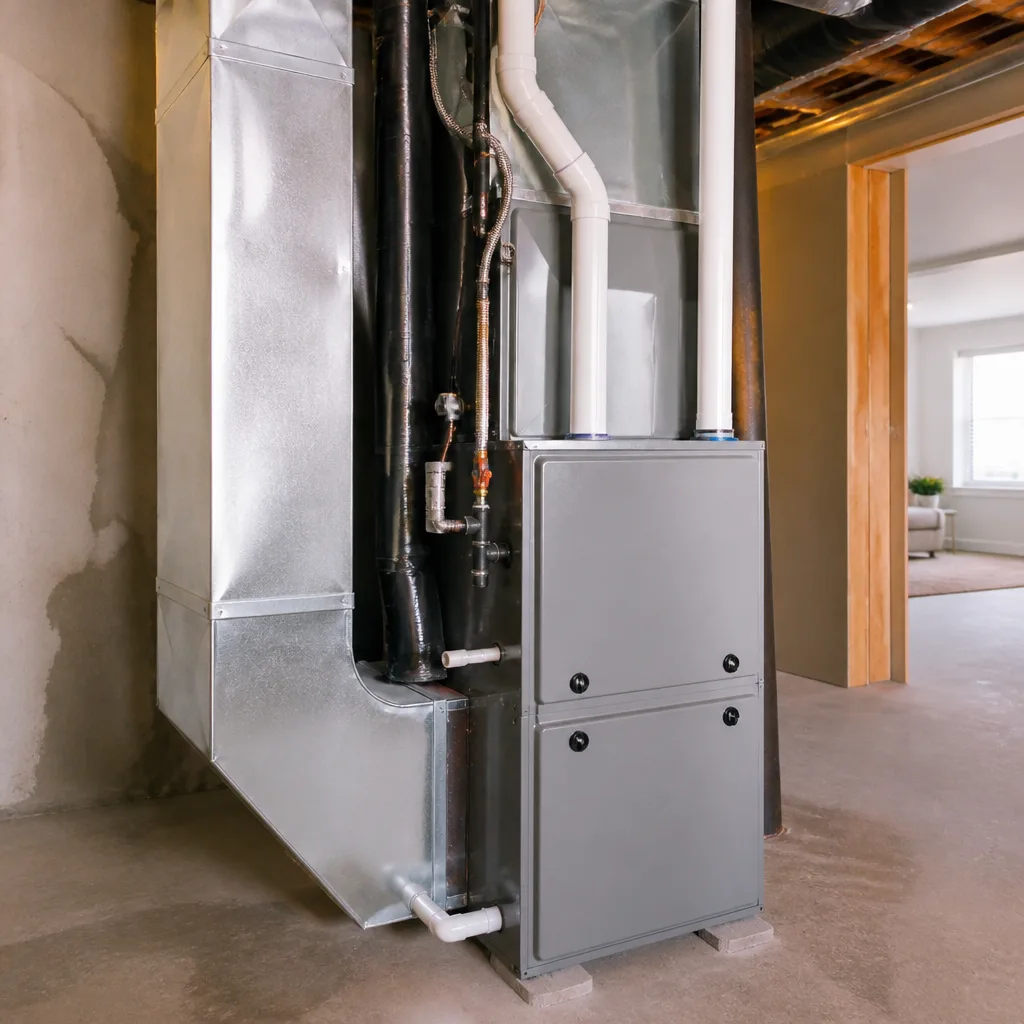
If you are looking at a repair-versus-replace decision in Enterprise, the AC repair and installation page for Enterprise is a better starting point than a YouTube comment thread. And when heating season arrives – it gets cold enough here at 3,000 feet that furnaces matter – the heating and furnace service in Enterprise team covers that side too.
When Calling Early Saves More Than the Video
Some DIY delays are cheap. Others cost multiples of the original repair. Here are the cases where calling early is the money-saving move.
- Strange noises from the outdoor unit. A grinding or buzzing compressor is a $150 capacitor replacement today or a $2,500 compressor replacement in two weeks. The window between them is short.
- Ice on the refrigerant lines. That is a low-charge sign. Every day it runs that way is compressor wear. This one is not DIY territory legally or practically.
- Warm air from the vents in July. A frozen evaporator coil from a clogged filter is a common Enterprise cause, but so is a failed capacitor or a refrigerant leak. Ten minutes of diagnosis separates a $40 filter change from a $400 repair you should not have put off for a week.
- Smells from the vents. Dust and mold in the ductwork and evaporator coil, common after an Enterprise monsoon season, get worse when ignored.
- Any gas smell or furnace ignition failure. Do not touch it. Call. That is what the live 24/7 phone line is for.
- A system over eight years old with a first major failure. This is the point where the repair-versus-replace math actually starts to favor replacement, and a good tech can walk you through it honestly.
Every job we do carries the 90-Day Done Right Promise – if it is not done right, one call brings Ray back. That is the reason a homeowner sometimes pays a little more to have us out early, versus saving a few dollars on a part and paying for a compressor in August.
Common Mistakes to Avoid
- Treating filter changes as a quarterly chore. In Enterprise dust, quarterly means three months too late. Change every 30 to 45 days in the cooling season.
- Shutting the vents in unused rooms. This raises static pressure and can ice the coil. It has cost Enterprise homeowners hundreds in unnecessary repairs.
- Hosing out the outdoor coil with a pressure washer. It bends fins and drives water into the electrical compartment.
- Topping off refrigerant on a friend’s recommendation. Illegal without EPA 608 certification and a leak is always the reason.
- Skipping the permit on a replacement. Clark County and Henderson require permits, and unpermitted work surfaces at closing. Ask who pulls the permit before hire, and get it in writing.
- Signing a written estimate without a second opinion. On any written estimate, you are entitled to a second set of eyes. We offer a Free Second Opinion on any written estimate you bring us.
- Ignoring the water stains under the air handler. A clogged condensate drain line is a $100 fix today and a $1,200 water-damage repair after it overflows.
See the difference
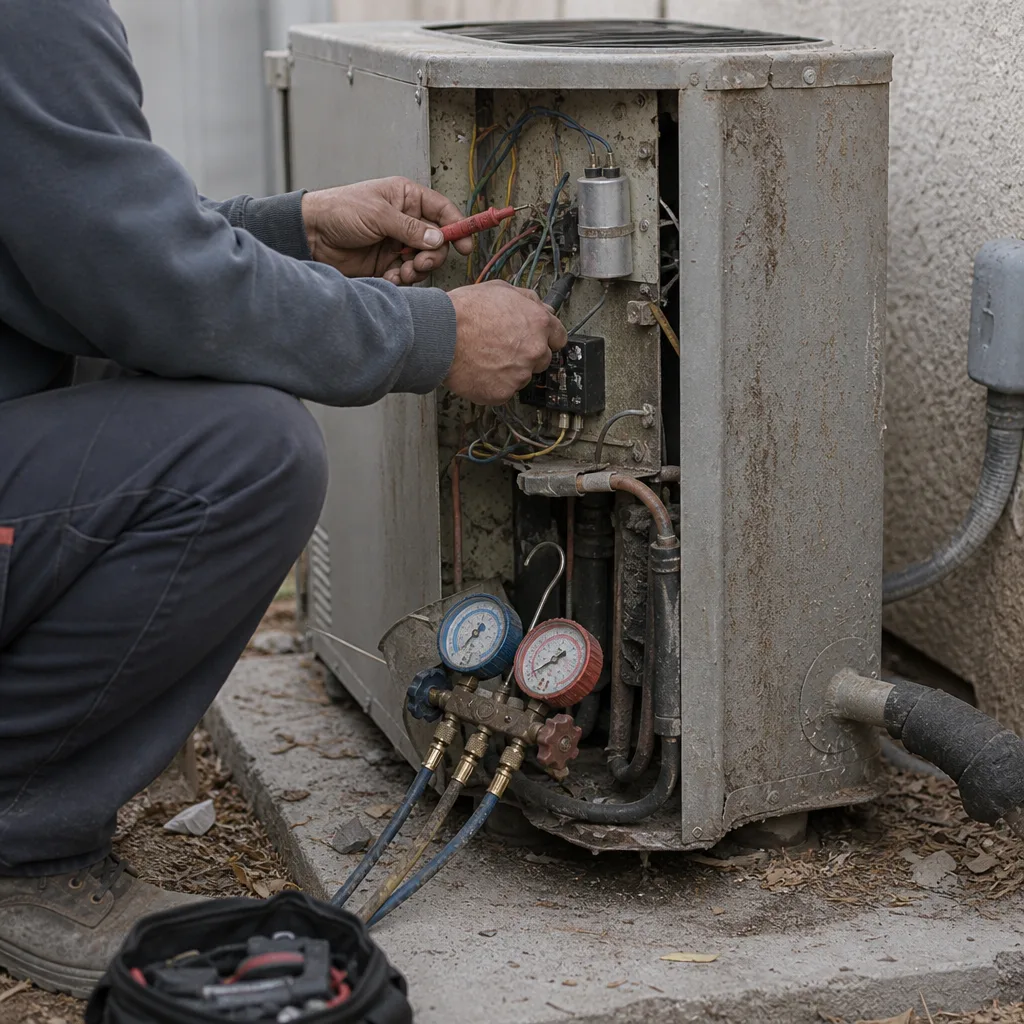 Before
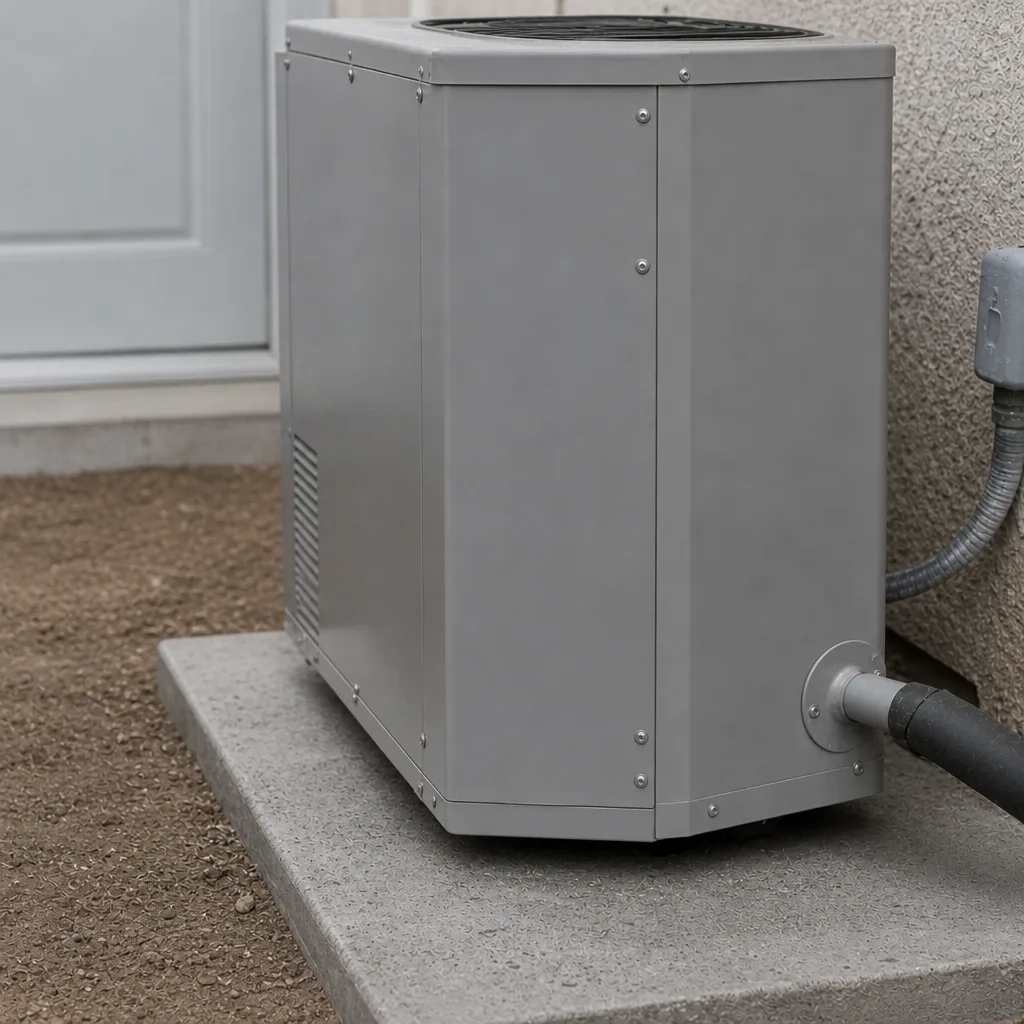 After
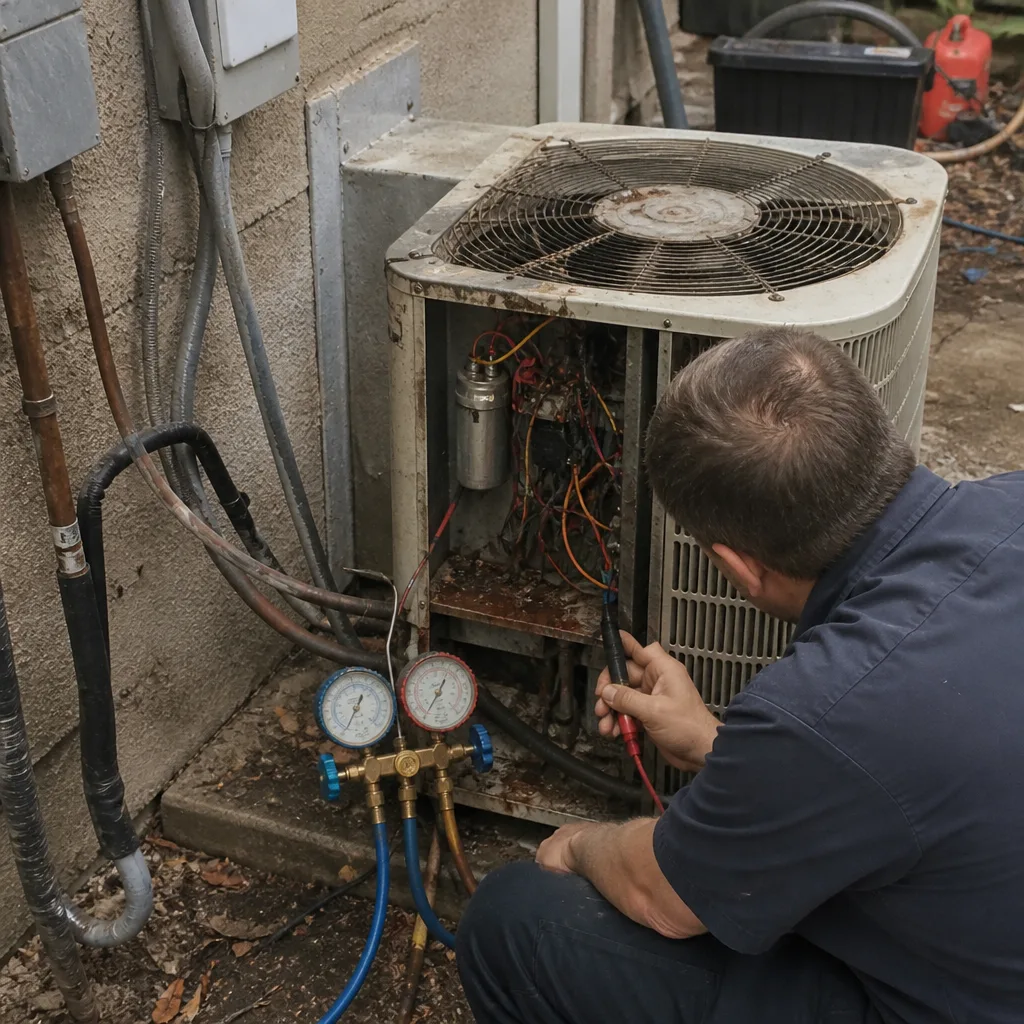 Before
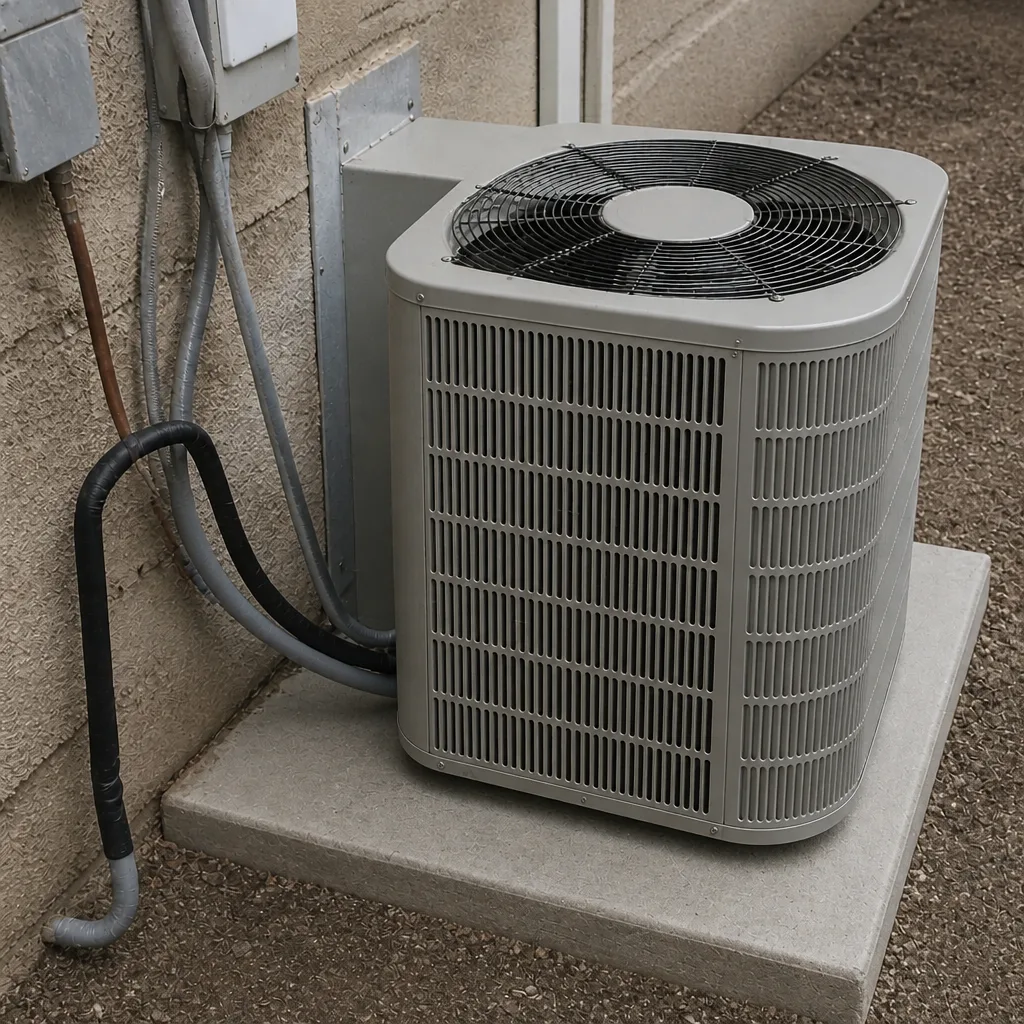 After
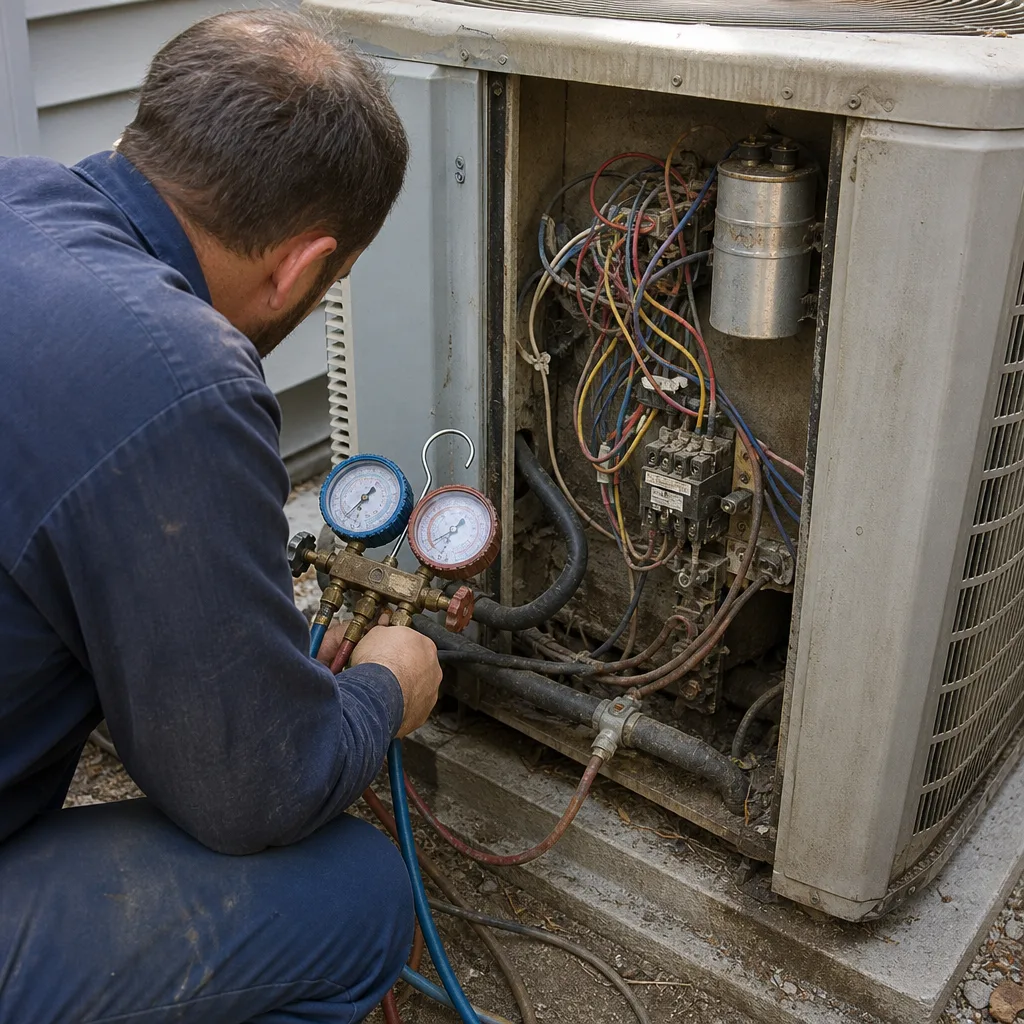 Before
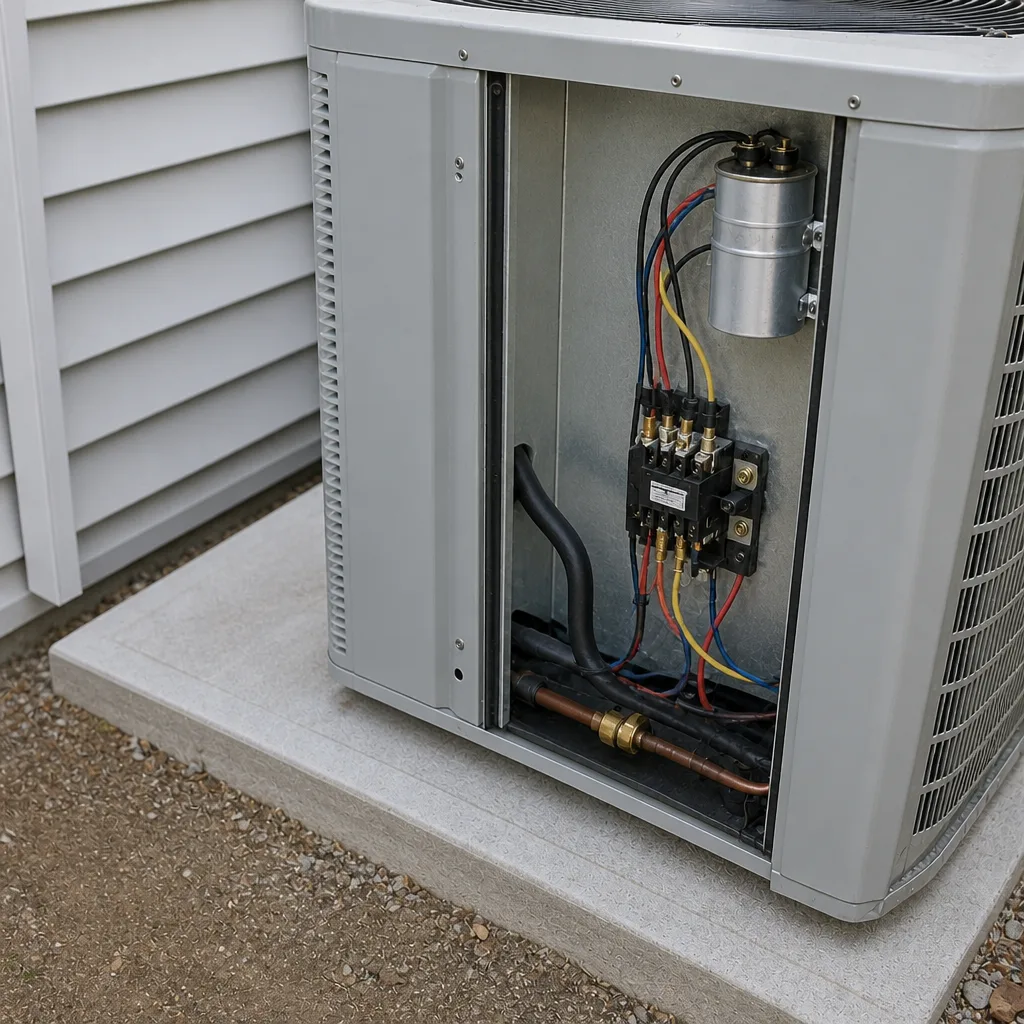 After
When to Call a Professional
Call a professional when any of the following is true: the task involves refrigerant or gas in any amount, the system will not turn on in extreme heat or cold, you smell gas or burnt wiring, ice is forming on the refrigerant lines, the outdoor unit is making grinding or buzzing noises, water is pooling near the air handler, or the system is over eight years old and the repair quote is climbing. Also call before a big DIY job if you are unsure which bucket it lands in, because a five-minute conversation prevents most of the expensive mistakes. Ray’s Heating & Air Enterprise offers free estimates in Enterprise – call (844) 455-2034 and a live person will pick up, day or night.
Frequently Asked Questions
No. Refrigerant handling and recharging require EPA Section 608 certification under the federal Clean Air Act, and that applies in Nevada. It also requires recovery and charging equipment that costs more than most repairs. Call a licensed technician for any refrigerant work.
No. Filter changes are expected maintenance and never void a warranty – but skipping them can, because clogged filters lead to frozen coils and compressor strain that a warranty department can trace. Change filters every 30 to 45 days in Enterprise during cooling season.
Legally yes in most cases, but the manufacturer warranty usually considers it a modification and may exclude the component and anything downstream. The capacitor also holds a dangerous stored charge, so unless you can safely discharge it with a meter, leave it to a licensed tech.
Diagnostic visits in Enterprise typically run $80 to $150 and are often credited toward the repair. Good diagnostic work means readings first, numbers second – you see the meter readings before anyone quotes a part. Call (844) 455-2034 for exact pricing on your system.
Sealing accessible duct runs in an attic or crawlspace with mastic is legal and safe for most homeowners. Anything inside a furnace cabinet, at a gas appliance connection, or requiring you to disconnect and reattach flex duct near the air handler should be left to a licensed technician.
Carrier, Trane, Lennox, Goodman, Rheem, York, Daikin, Bryant, and American Standard, among others. Our technicians have up to 24 years of experience, and every job is backed by the 90-Day Done Right Promise. Call (844) 455-2034 for a free estimate.
The Bottom Line
The DIY-versus-pro question is not about skill. It is about which tasks have legal, warranty, and safety boundaries that make them off-limits regardless of how handy you are. Change your filters on a desert schedule. Rinse the coil. Flush the drain. Straighten the fins. Own a thermometer and read your temperature split. Then leave refrigerant, gas, capacitors, and compressors to a licensed tech, and call early when something starts to sound wrong. In Enterprise, the heat makes delay expensive, and the math almost always favors an honest diagnosis over a YouTube weekend. When you want a straight answer from a live person, we are here.
Ready to have someone who actually knows your system take a look? Call Ray’s Heating & Air Enterprise at (844) 455-2034 for a free estimate. A live person answers around the clock, and you will see the readings before you see the numbers.
For a full look at everything we do across the valley, start at Ray’s Heating & Air Enterprise home.
Written by the team at Ray’s Heating & Air Enterprise.