
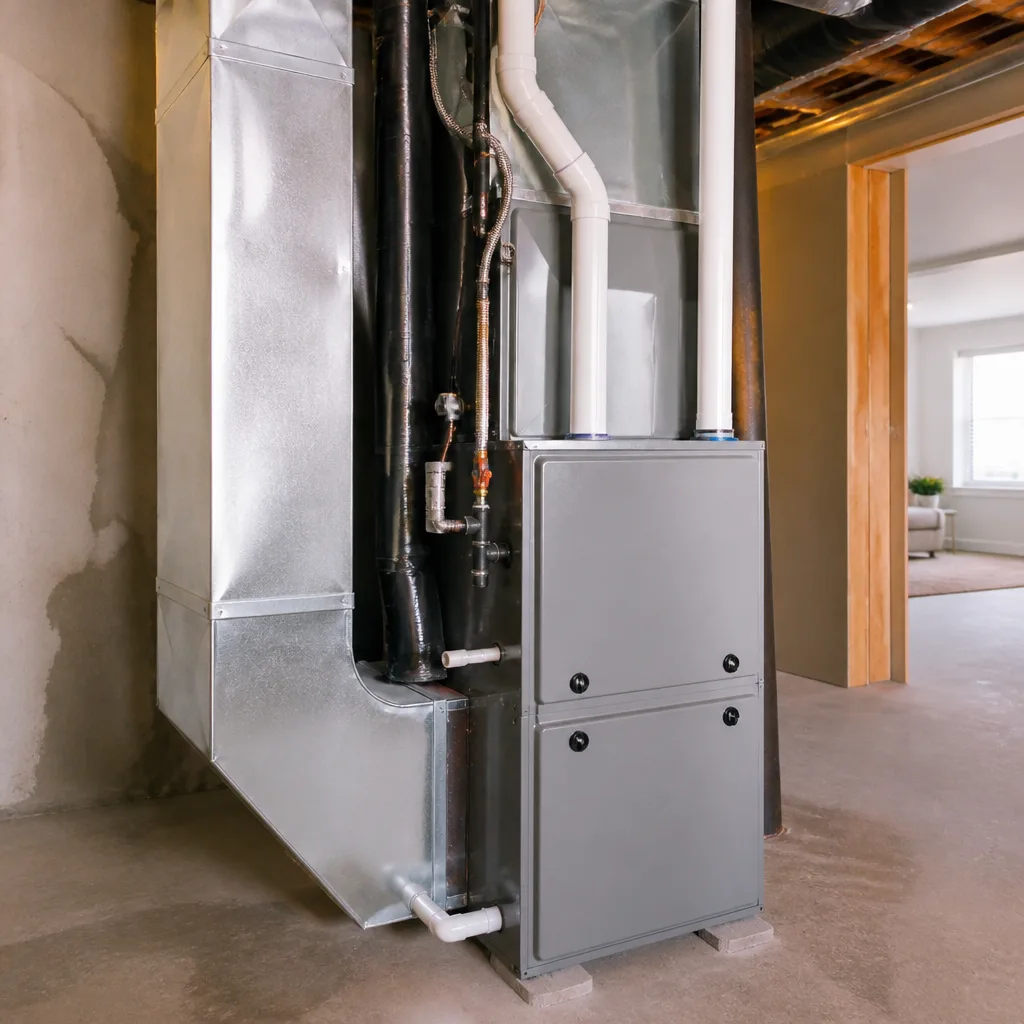
 Furnace & heating
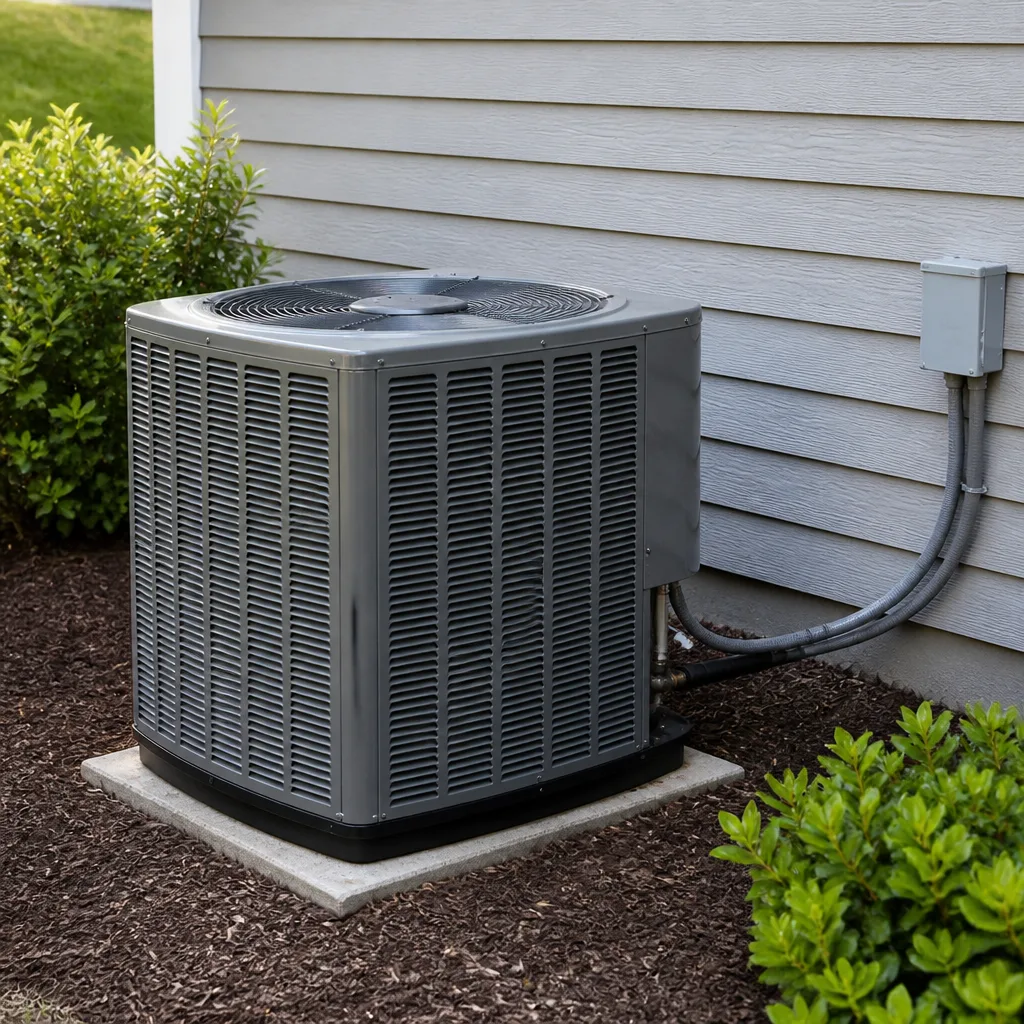 AC repair
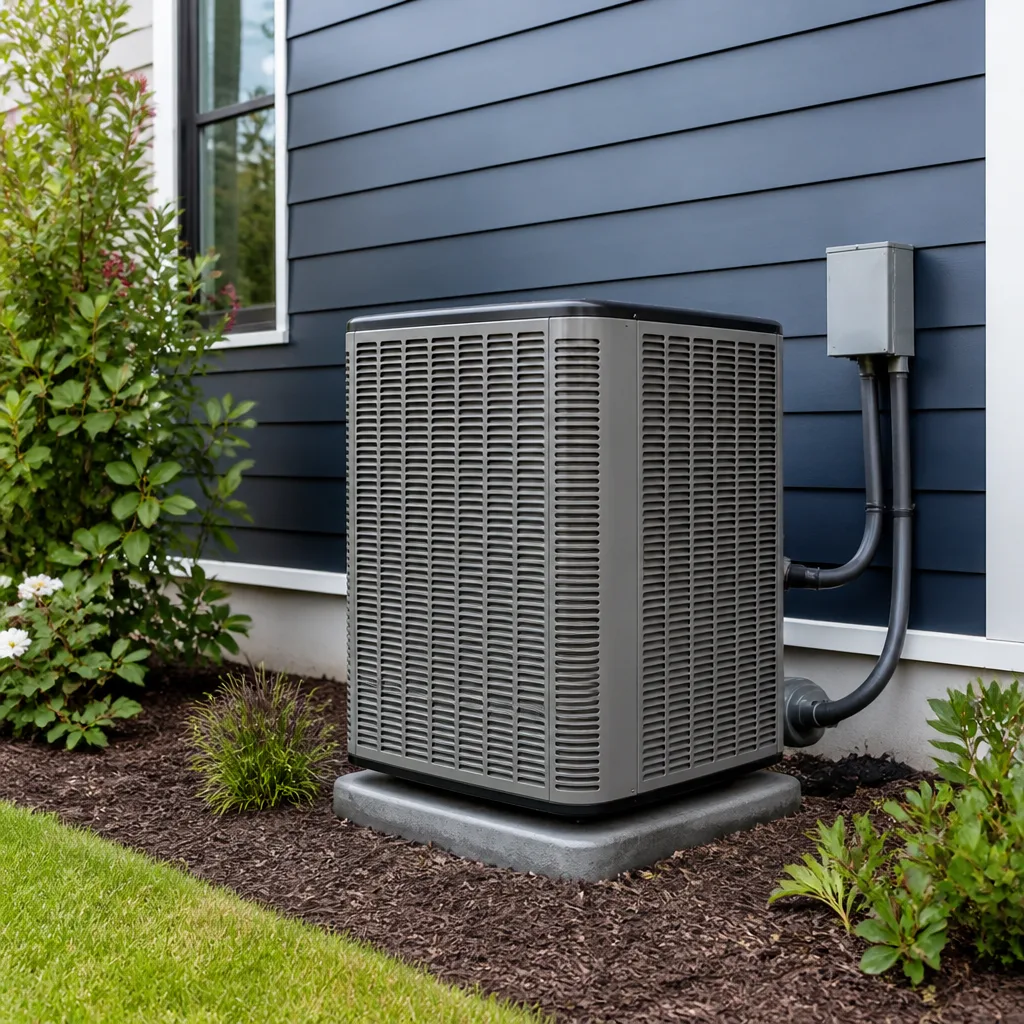 Heat pumps
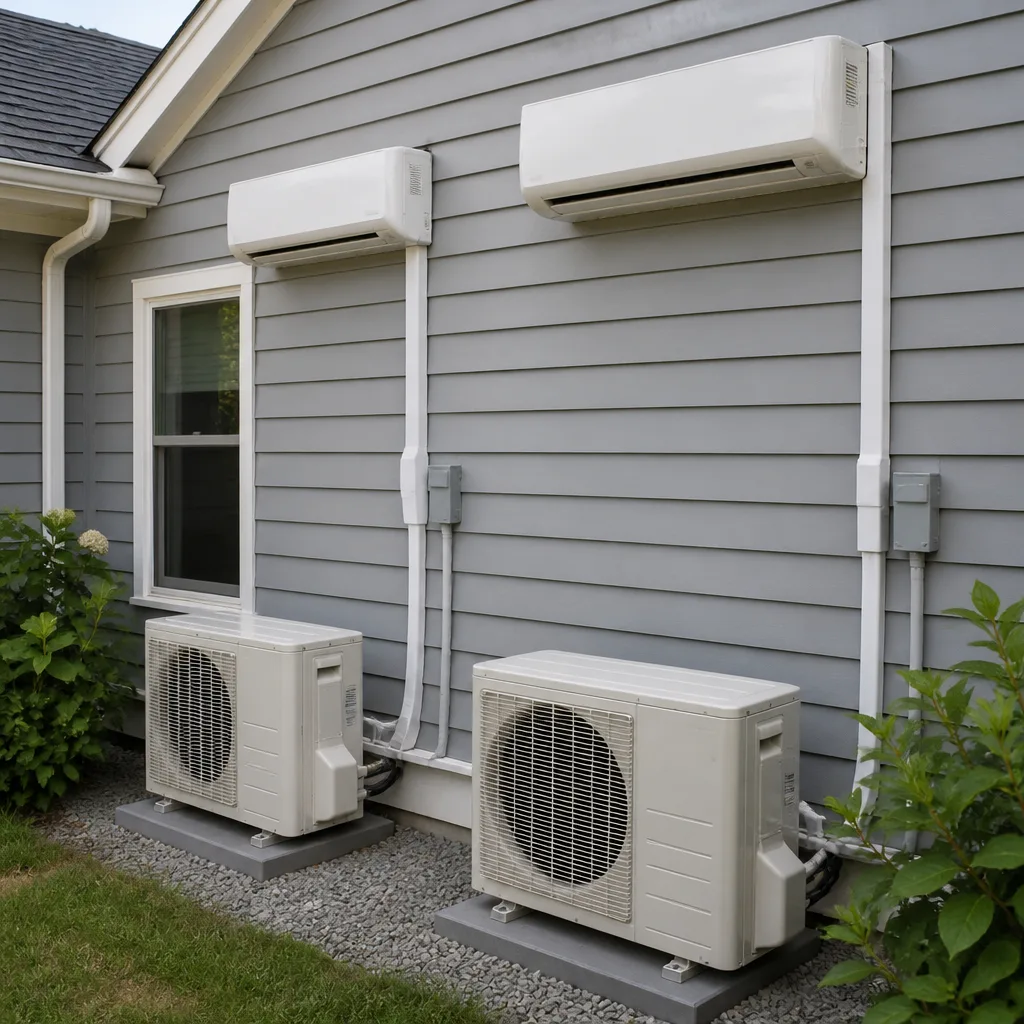 Ductless mini splits
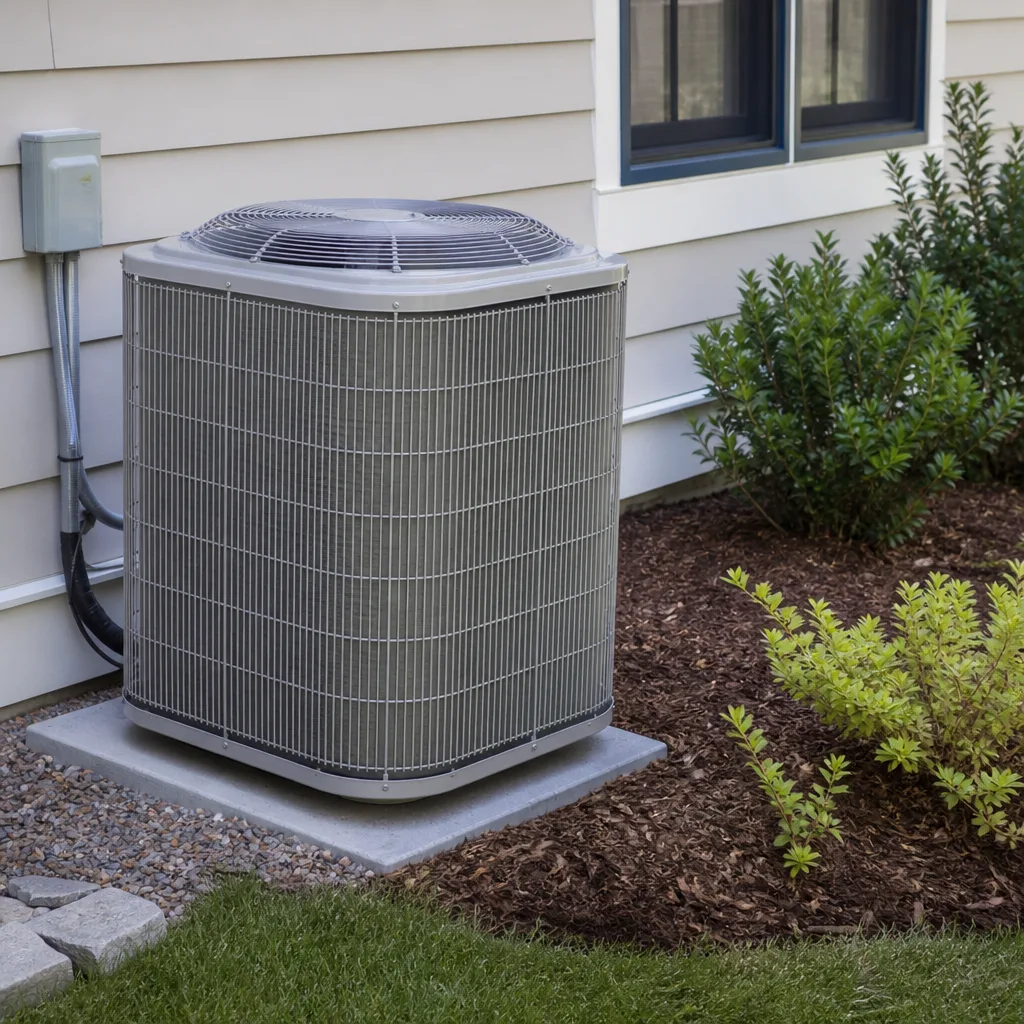 Carrier
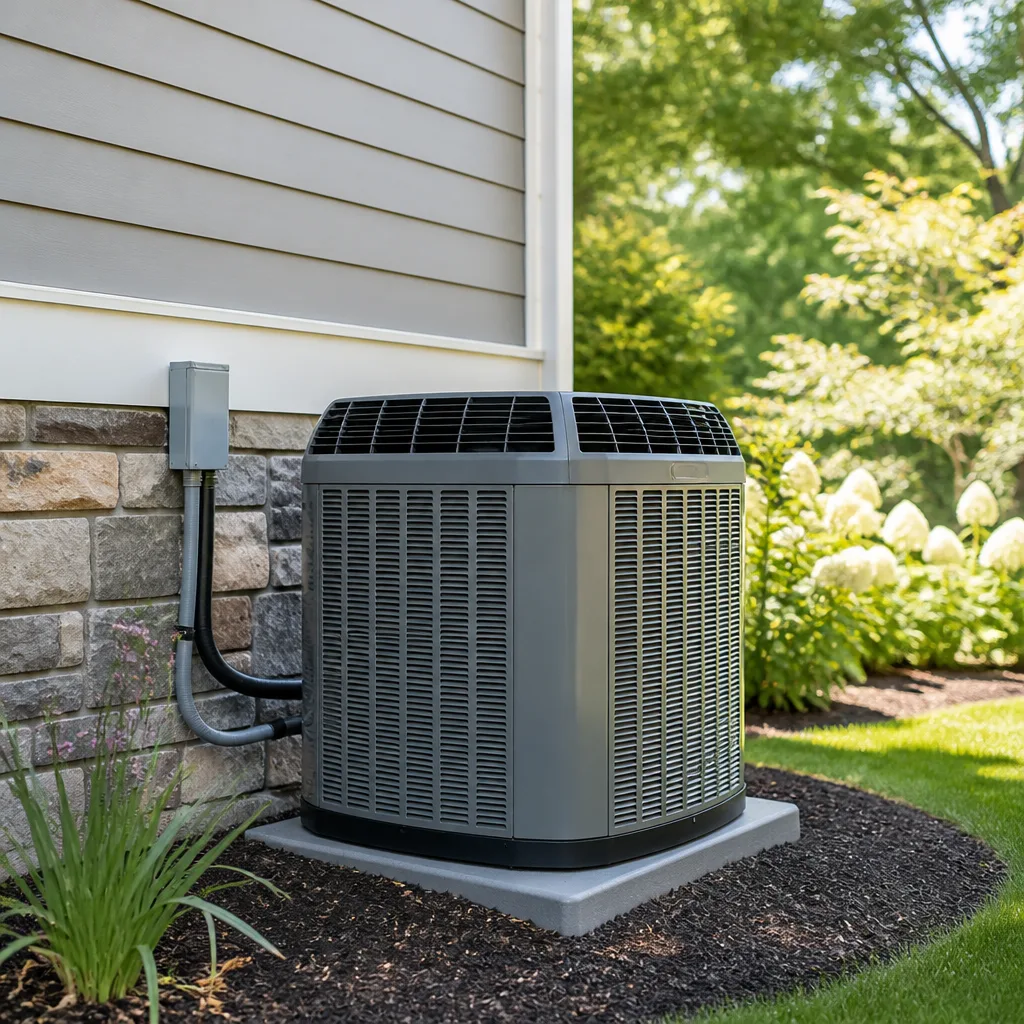 Trane
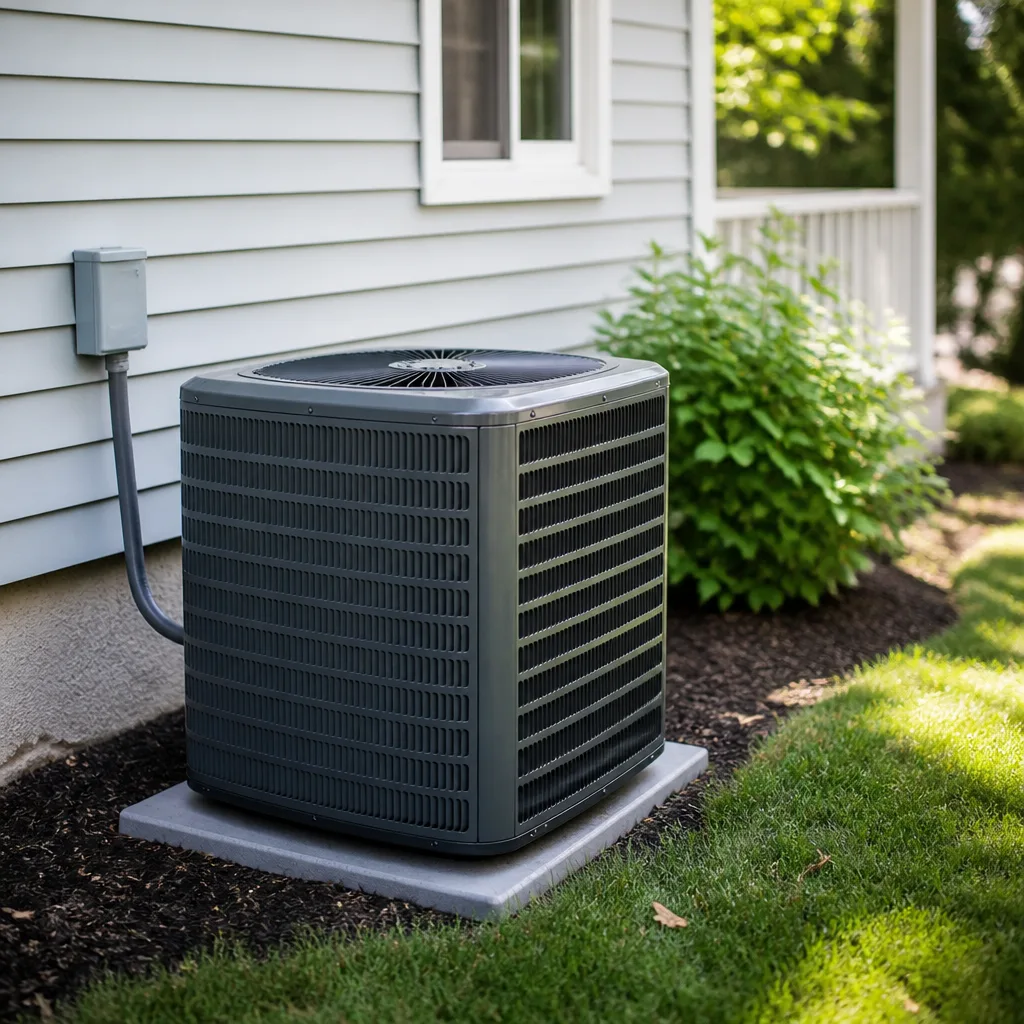 Goodman
Seasonal tune-up and full diagnostic on your Carrier, Trane, or Goodman system - readings shown to you before any repair is proposed
Diagnosis first, numbers second - you approve the repair price before a single part goes in.
Get your free estimateStyles & brands we work with
- AC repair
- Furnace & heating
- Heat pumps
- Ductless mini splits
- Carrier
- Trane
- Goodman
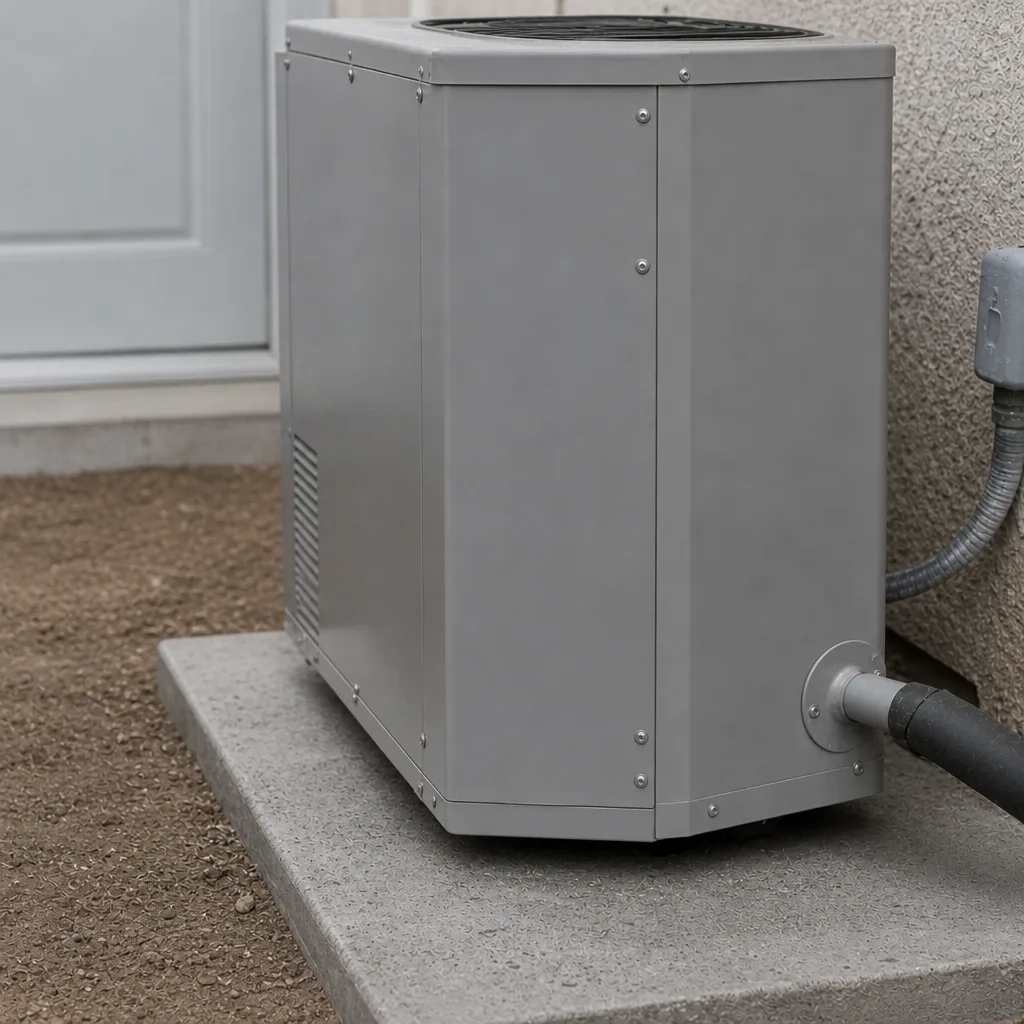
See the difference
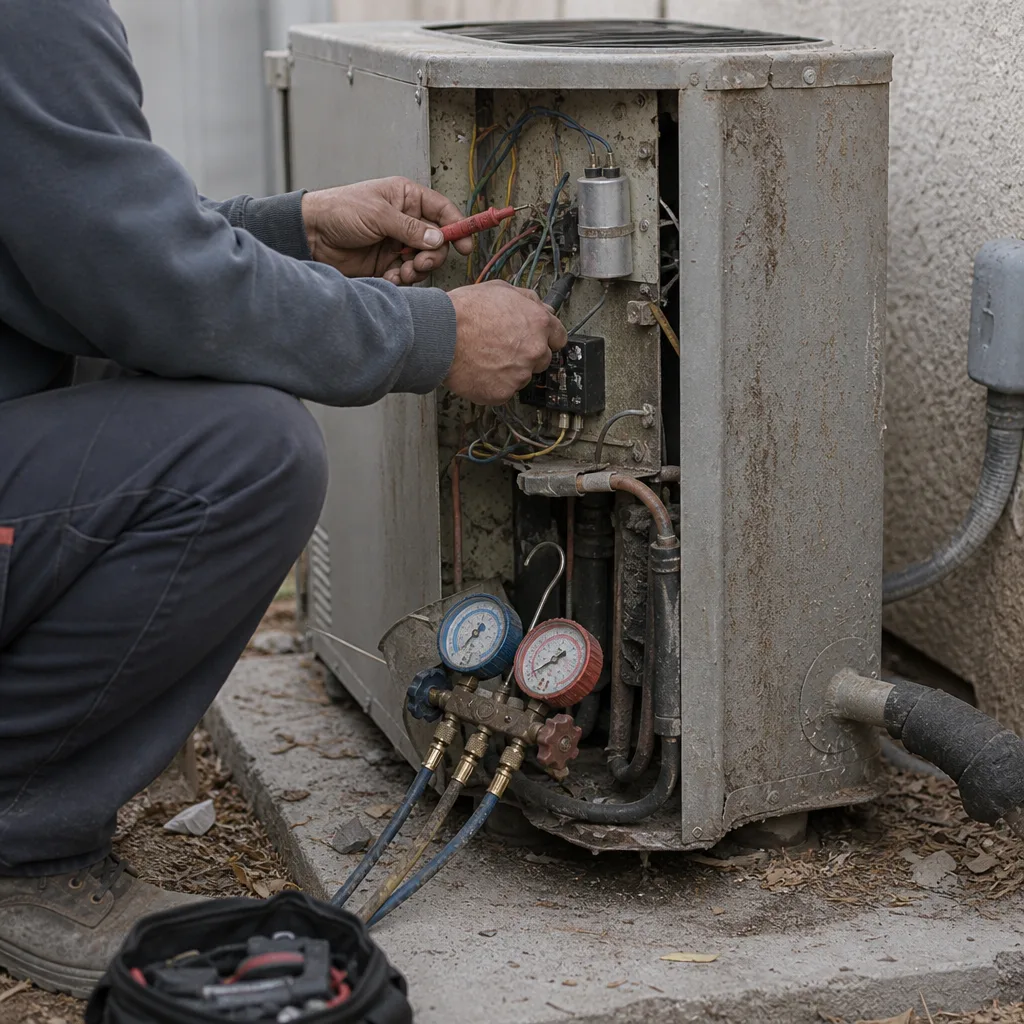 Before
 After
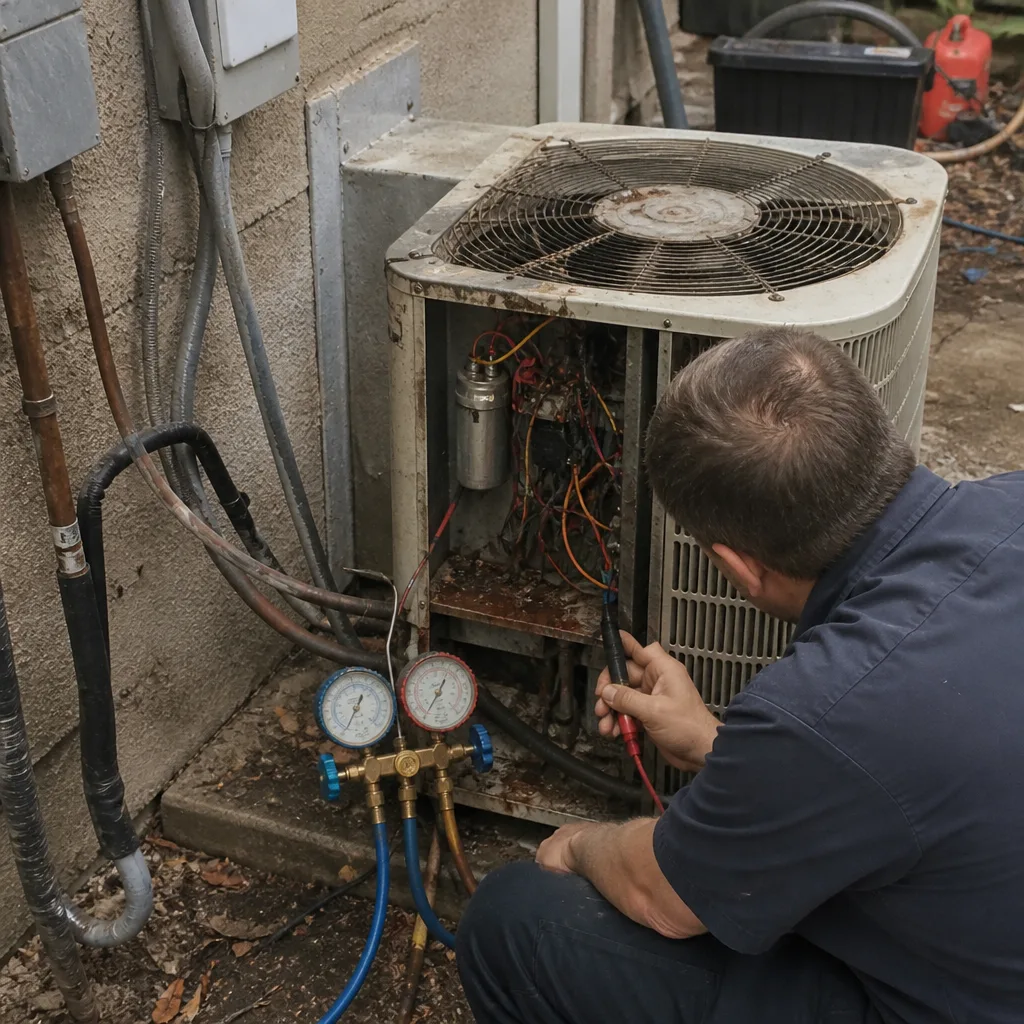 Before
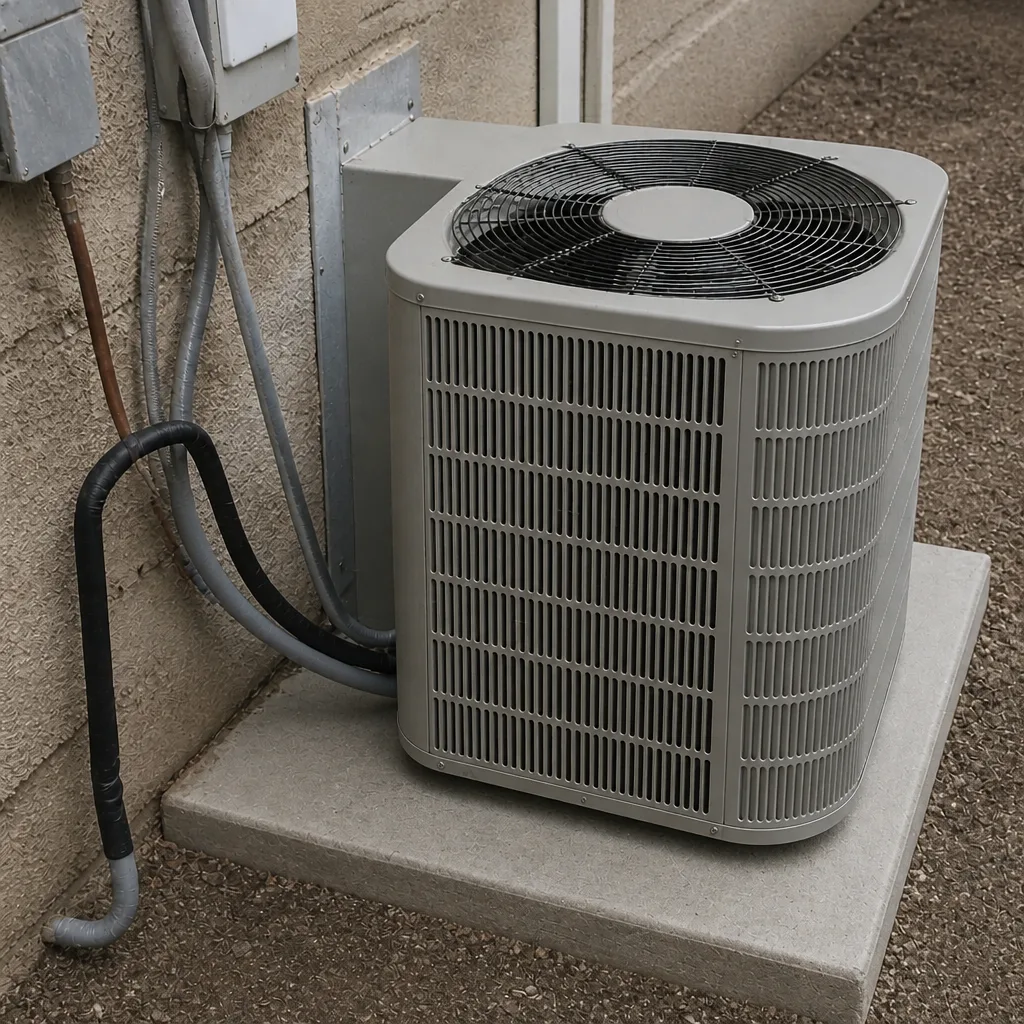 After
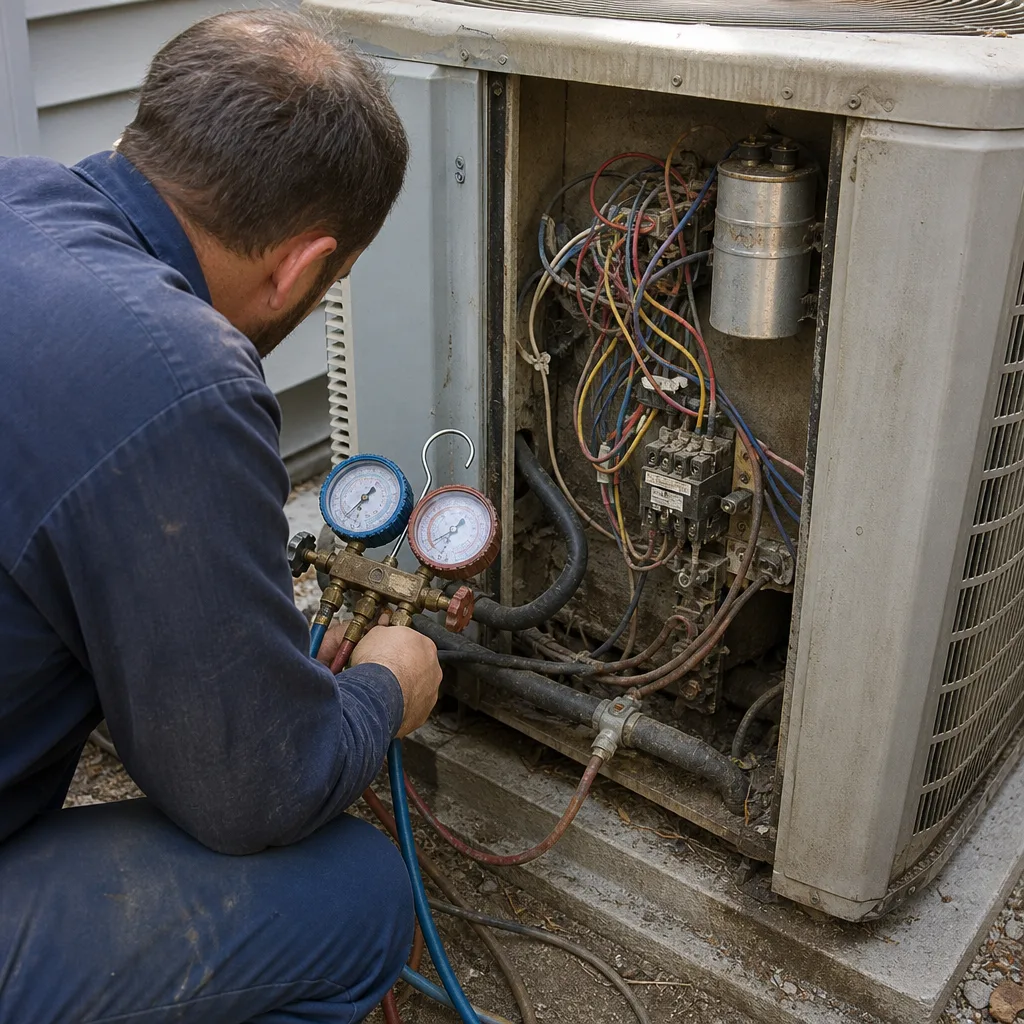 Before
 After
Why Is My AC Blowing Warm Air in Enterprise, NV?
Your AC is blowing warm air because the compressor is almost certainly off while the indoor fan keeps running – and in Enterprise the most common reason is a clogged condensate drain line that tripped the safety float switch, not a dead compressor. Know the order of causes before you spend money: blocked drain trap first, then a failed capacitor on the outdoor unit, then refrigerant, then a fouled condenser coil. Warm air coming out of a running system is a shutdown symptom, not a cooling problem.
If you’d rather have it looked at than troubleshoot it yourself, call (844) 455-2034 and a live person picks up any hour of the day. Here’s what we actually find in Enterprise homes when the air comes out warm.
The Enterprise drain trap problem nobody warns you about
Enterprise sits at roughly 2,700 feet in the far south valley, and most of the housing stock went up during the 2000s master-planned build-out – Mountain’s Edge, Southern Highlands and the surrounding subdivisions – as stucco-over-frame tract homes with the air handler in the attic. That attic hits 140°F or better in July. The air handler sits up there condensing a gallon or two of water a day, and the Las Vegas Valley’s hard water leaves mineral scale in the condensate drain trap at a rate that surprises people used to softer water.
When that trap plugs, water backs into the pan and trips the float safety switch. The switch kills the compressor to protect you from a flooded ceiling. The fan keeps blowing. So you get a system that sounds perfectly on and moves plenty of air – just none of it cool.
We’ve pulled drain traps out of Mountain’s Edge closets that had enough scale in them to restrict flow like a coffee stirrer in a garden hose. National maintenance schedules call for a drain flush once a season. In Enterprise homes that fight this water, once a season isn’t always enough.
The tell: the outdoor unit is running but the compressor section is quiet or humming without that deep thrum, and there’s water in the pan or a stained ceiling near the air handler. If that’s what you’re seeing, you’re likely looking at a drain clearing and not a major repair.
The capacitor trap: running fan, silent compressor
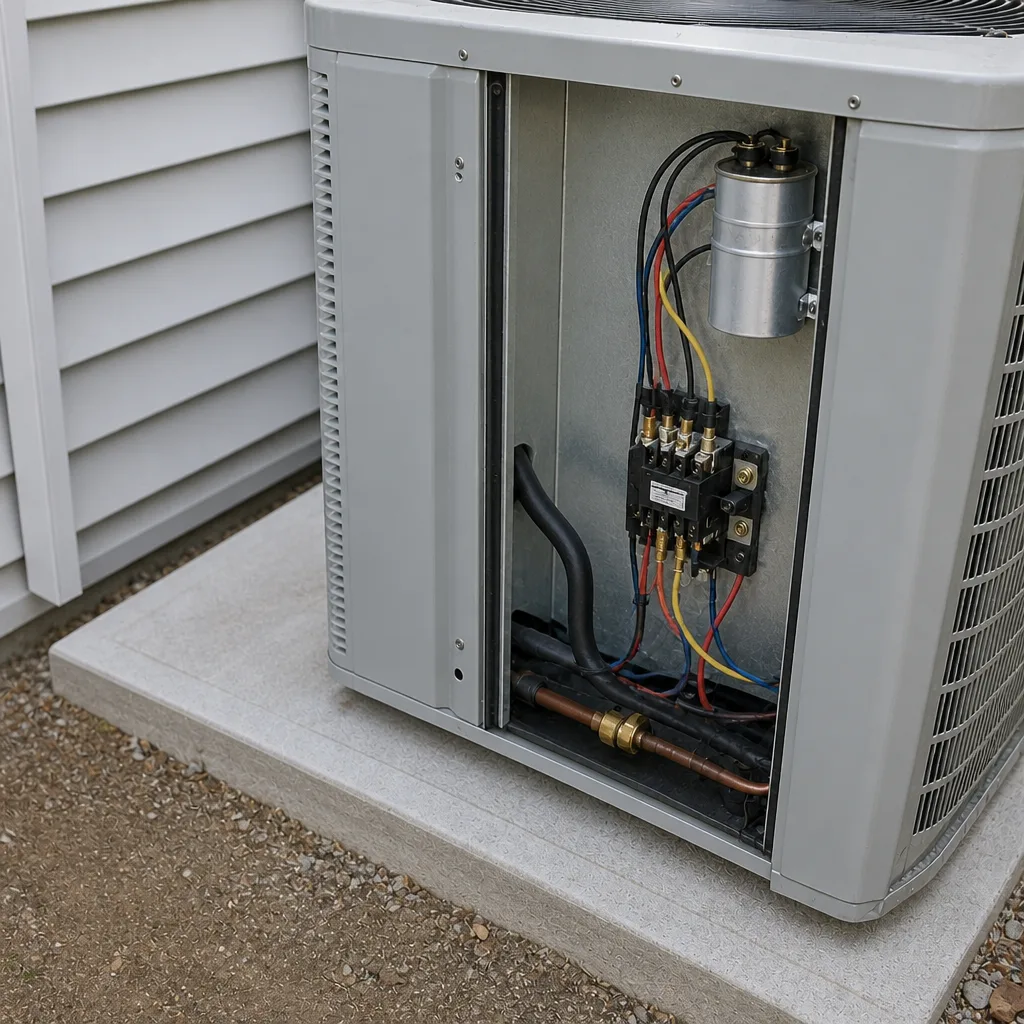
A second cause shows up in Enterprise over and over – the start/run capacitor on the outdoor unit. It’s a small cylinder, costs little, and when it fails the condenser fan often still spins. To a homeowner standing in the yard, everything looks normal. Inside, though, the compressor never starts, so no refrigerant moves through the coils and nothing cools.
Caught early, that’s a straightforward part swap. Left alone, the compressor tries to start on a dead capacitor over and over, heats up, and can fail for real. In Enterprise, capacitor replacement typically runs $150-$300 – an inexpensive fix if it’s diagnosed before the compressor gives out, a much larger one after.
This is exactly why we test the capacitor before anyone says the word compressor. Readings first, numbers second. You see the meter results before you see a price.
Refrigerant, coils and the rest of the list
Low refrigerant from a slow leak causes warm air too, but it should be confirmed with gauges, not assumed. Selling refrigerant on a guess is the most common way homeowners get charged for a problem they didn’t have – and it doesn’t fix a leak anyway.
Dirty condenser coils are a spring and early-summer issue in Enterprise. Wind-driven dust after caliche season coats the outdoor coil until it can’t shed heat, and the system blows warm even with a full charge. A coil cleaning solves that. Refrigerant does not.
- Tripped float switch from a clogged drain trap – fan runs, compressor off, water in the pan.
- Failed capacitor – fan spins but the compressor won’t start.
- Low refrigerant from a slow leak – confirmed with gauges, never guessed.
- Fouled condenser coil – usually after spring dust season.
Here’s the bottom line on cost. For the causes above, AC repair in Enterprise typically runs $150-$650, depending on the part and the labor. If you’re calling around, ask each company what order they check things in.
| What we check | Typical Enterprise price |
|---|---|
| Drain trap clearing / float switch reset | Diagnostic to minor repair |
| Capacitor replacement | $150-$300 |
| AC repair overall | $150-$650 |
| Seasonal tune-up | $80-$200 |
We handle all the major brands in these homes – Goodman, Rheem, York and Daikin among them – so whatever your builder put in, we’ve seen it and worked on it. If your repair turns out to be bigger, our AC Repair & Installation in Enterprise page covers the full range of what we do.
How we work through a warm-air call
The order of operations matters more than anything else. A technician who skips ahead is how people end up paying for a compressor they didn’t need. Here’s the sequence we follow on every warm-air call in Enterprise:
- Check the drain pan and float switch. Confirm whether the safety switch tripped the compressor. If it did, clear the trap and reset.
- Test the capacitor. Meter it before touching anything else. A failed cap explains a spinning fan with a dead compressor.
- Read the refrigerant charge with gauges. Confirm low charge before recommending any refrigerant.
- Inspect the condenser coil. Look for the caliche dust buildup that fouls coils after spring.
- Explain the readings, then the price. You see both before any work starts.
If you’d rather understand the repair side before you call anyone, our AC Repair & Installation page walks through it. And if you’re the type who likes to know what’s going on inside the system, the home page covers how we approach a whole-home checkup.
We’re Ray’s Heating & Air Enterprise, and we believe in showing you the readings first. That way you’re never guessing whether the diagnosis was real.
One more thing worth saying plainly: much of Enterprise’s housing went up in a tight window during the 2000s, which means whole subdivisions are hitting equipment-replacement age around the same time. If your warm-air call turns into a “this system is old enough to vote” conversation, we’ll be straight with you about it – repair now versus replace, and what each option looks like.
FAQs
The most common cause in Enterprise is a clogged condensate drain trap that tripped the safety float switch, shutting off the compressor while the fan keeps running. Hard valley water scales up drain traps fast, especially in attic-mounted air handlers that bake at 140°F or more in summer. A failed capacitor is the next most likely culprit. Call (844) 455-2034 and we’ll walk you through what to check.
You can look at the outdoor unit to see whether the fan is spinning and whether the compressor is making its usual sound, and you can peek at the drain pan near the air handler for standing water. That’s about as far as it’s safe to go – the refrigerant and electrical components need a trained technician with gauges and a meter. Once you’ve looked, call (844) 455-2034 and a live person will pick up, day or night.
AC repair in Enterprise typically runs $150-$650 depending on the cause, and a capacitor replacement alone usually lands between $150 and $300. A seasonal tune-up runs $80-$200 and can catch a clogged drain or failing cap before it strands you in July. Call (844) 455-2034 for an exact quote – estimates are free.
Repair first, in most cases – a warm-air call is usually a fixable part, not a dying system. Replacement makes sense when the equipment is near the end of its life and the repair bill climbs toward the cost of a new unit, or when a compressor truly fails on an old system. We’ll give you the readings and the numbers on both paths so you can decide. Call (844) 455-2034 for a free second opinion on any written estimate.
If you’d rather have it looked at, Ray’s Heating & Air Enterprise offers a no-pressure assessment in Enterprise – call (844) 455-2034 for a free estimate and we’ll check the drain trap, test the capacitor, and read the charge before anyone quotes you a thing.
Written by the team at Ray’s Heating & Air Enterprise, serving Enterprise, NV.