
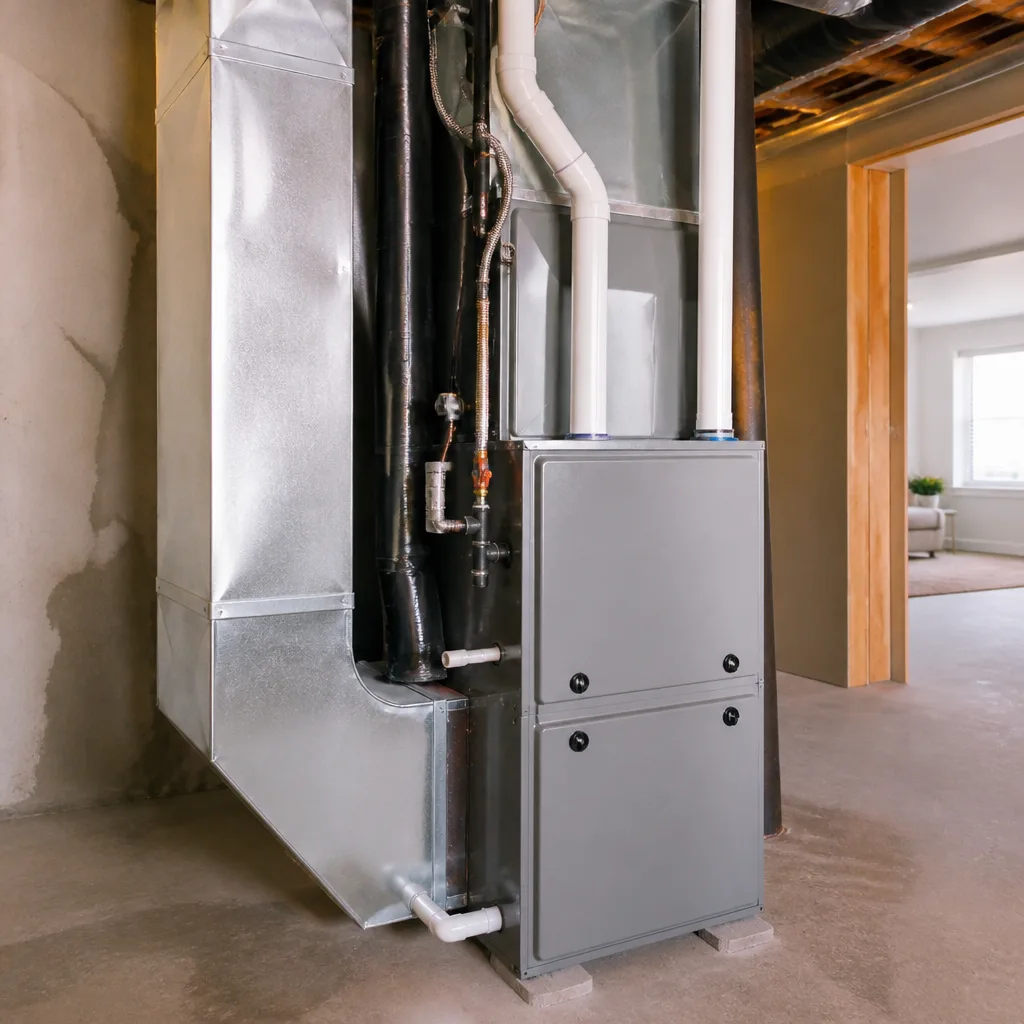
 Furnace & heating
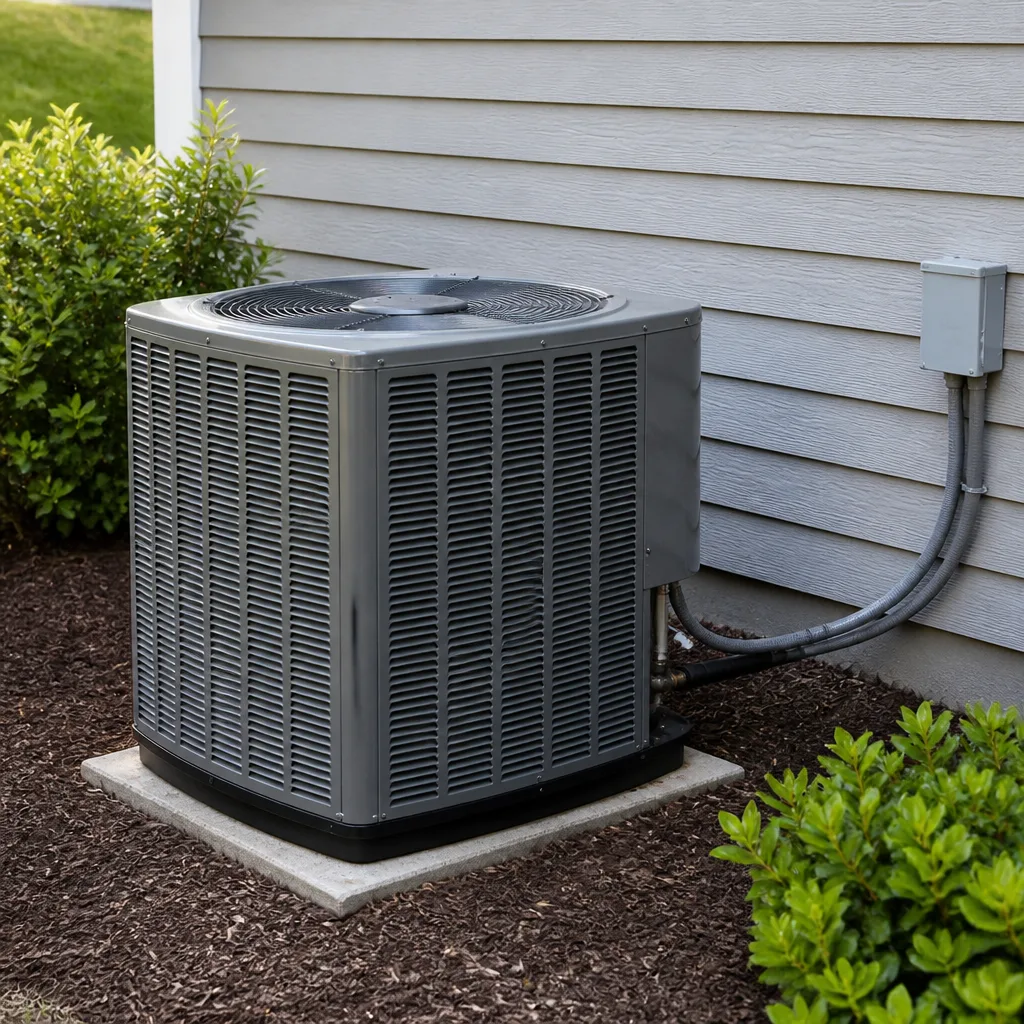 AC repair
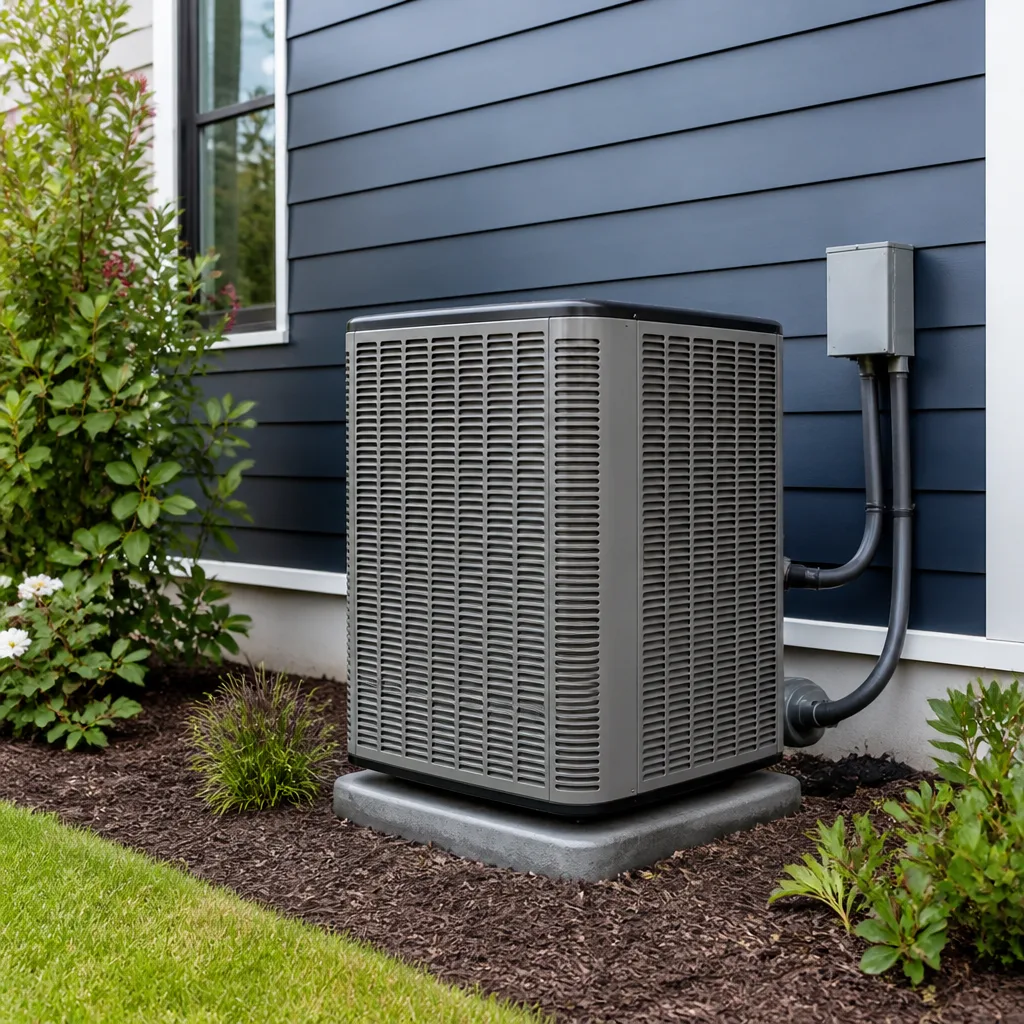 Heat pumps
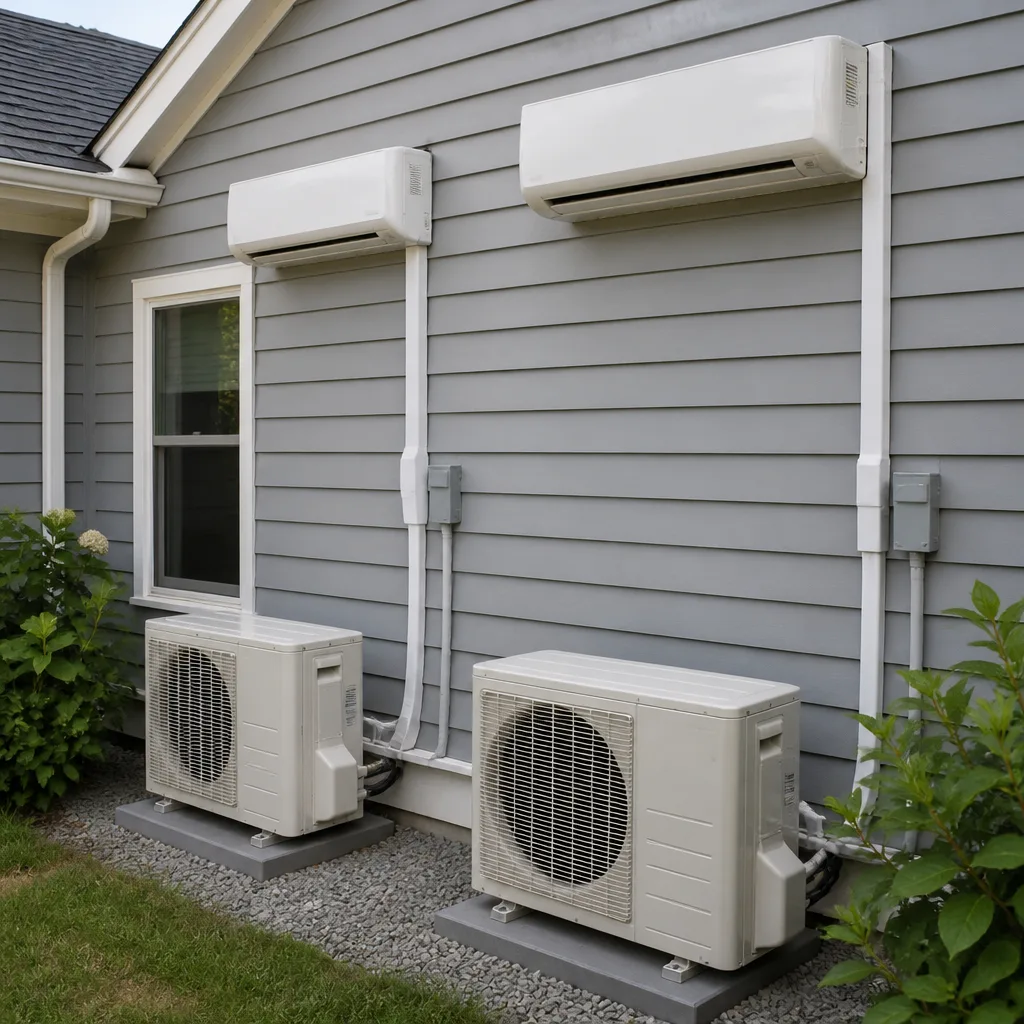 Ductless mini splits
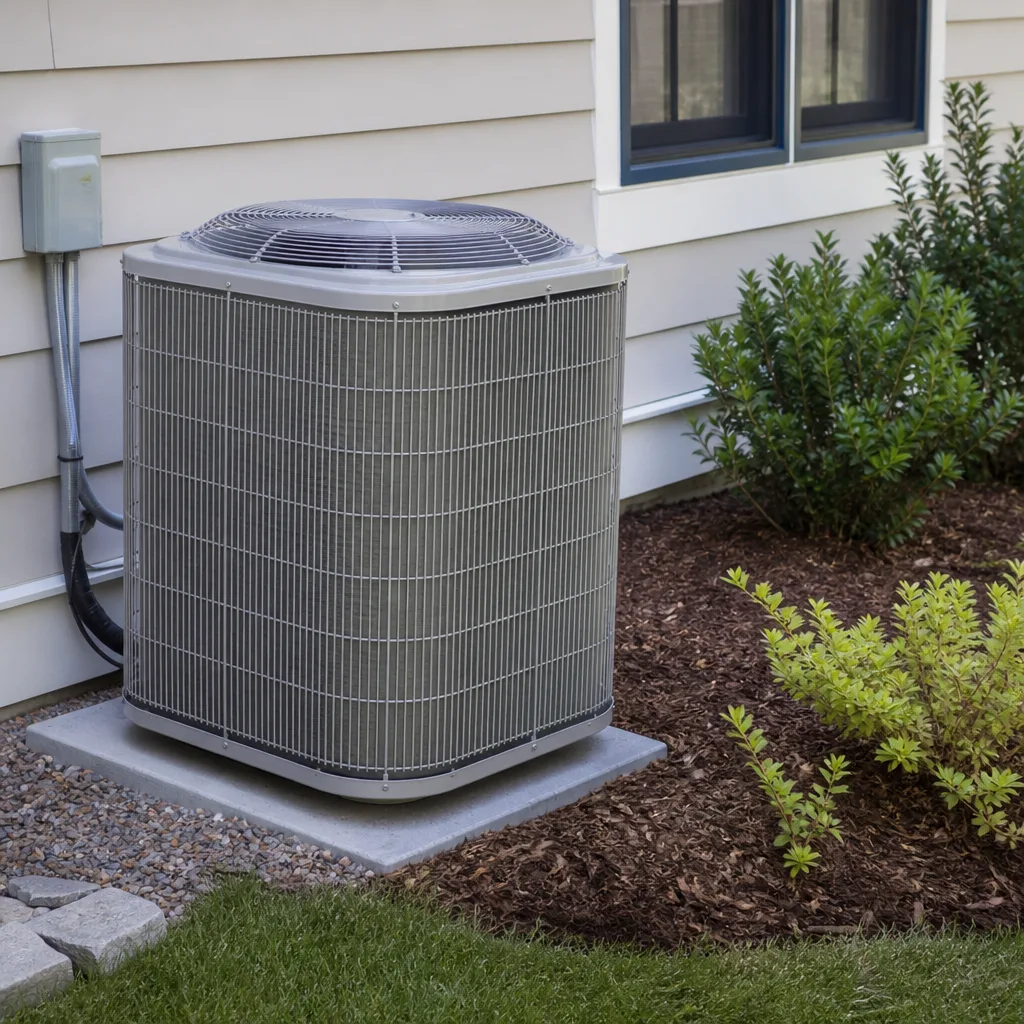 Carrier
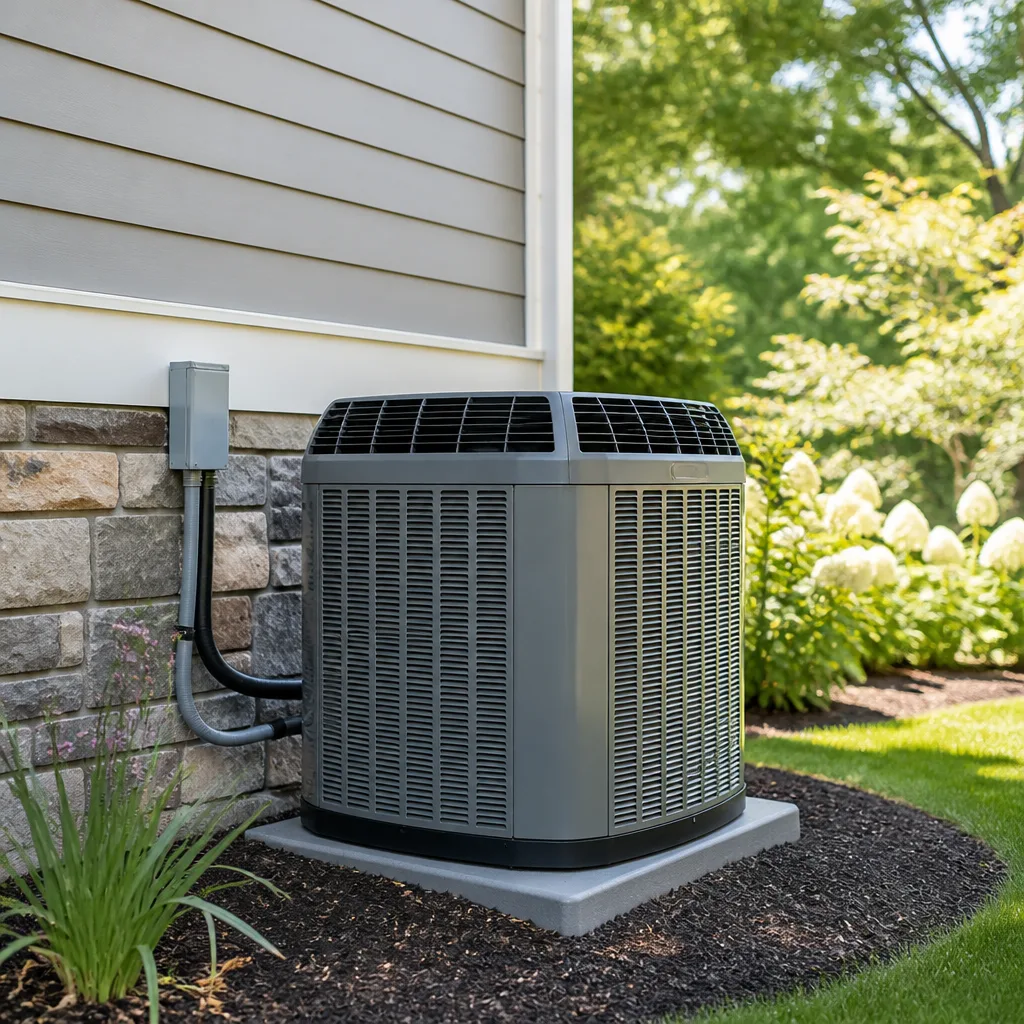 Trane
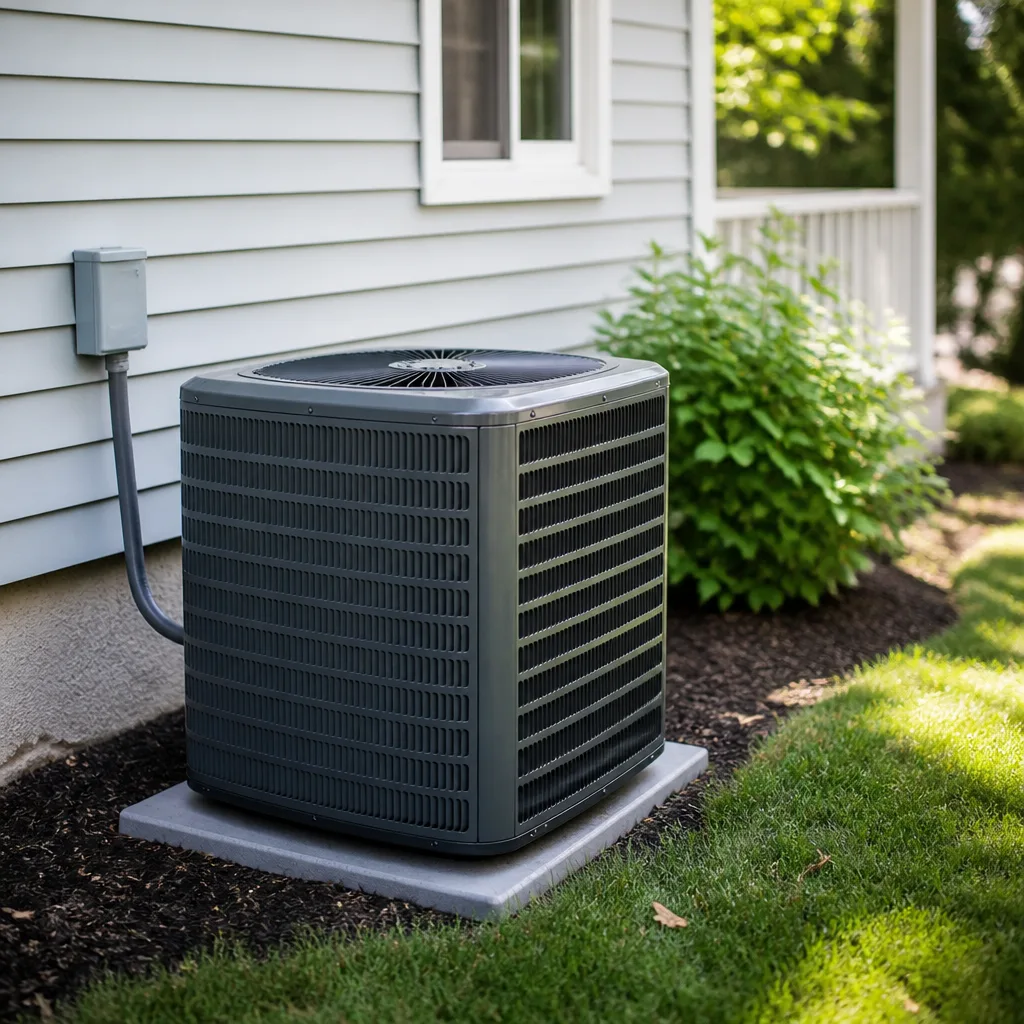 Goodman
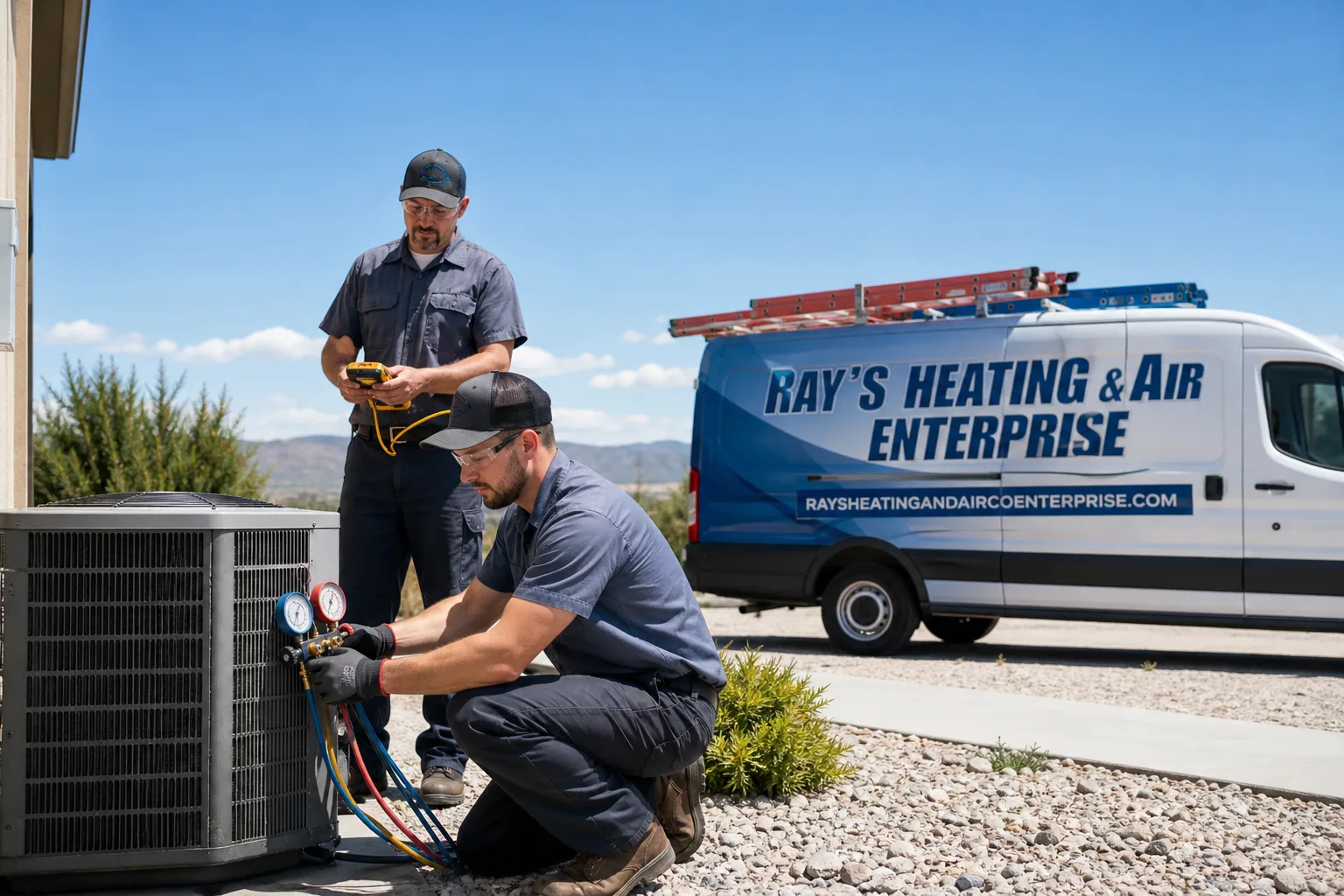
Seasonal tune-up and full diagnostic on your Carrier, Trane, or Goodman system - readings shown to you before any repair is proposed
Diagnosis first, numbers second - you approve the repair price before a single part goes in.
Get your free estimateStyles & brands we work with
- AC repair
- Furnace & heating
- Heat pumps
- Ductless mini splits
- Carrier
- Trane
- Goodman
See the difference
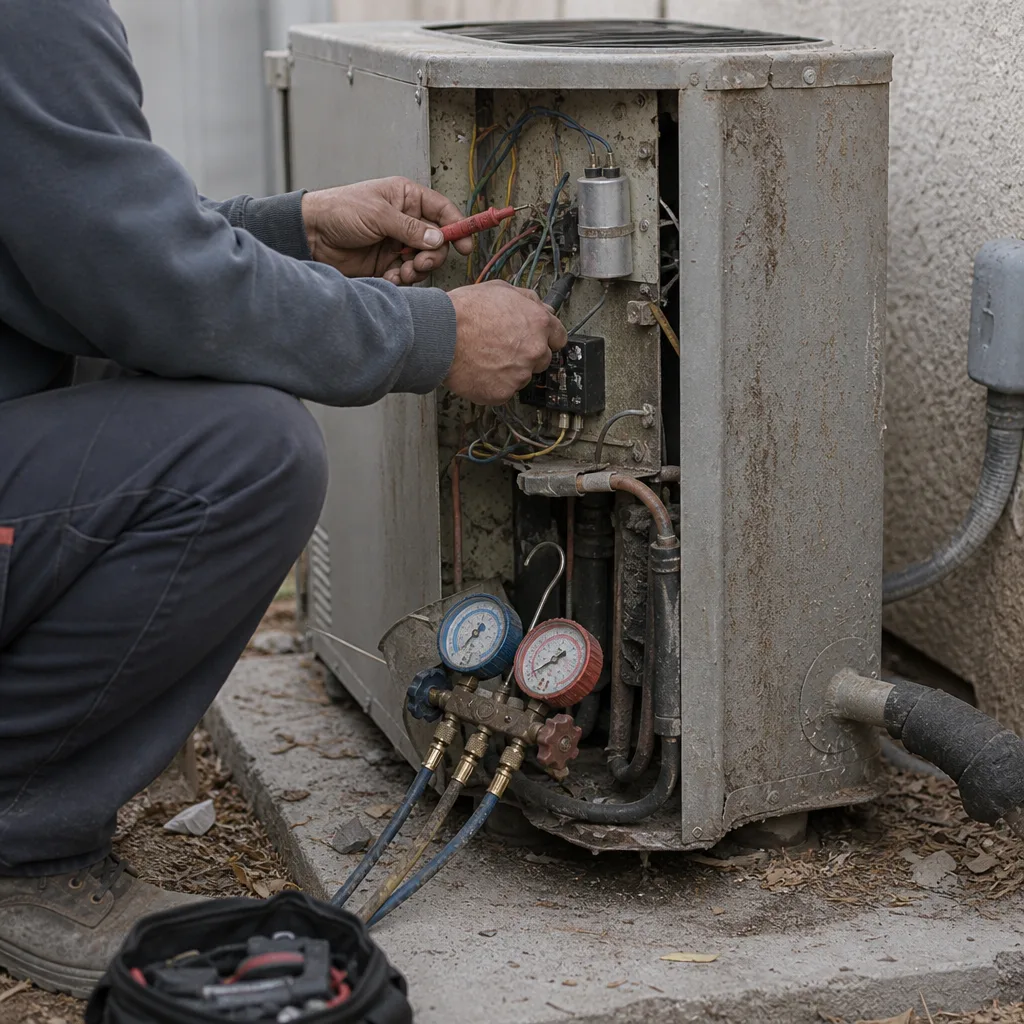 Before
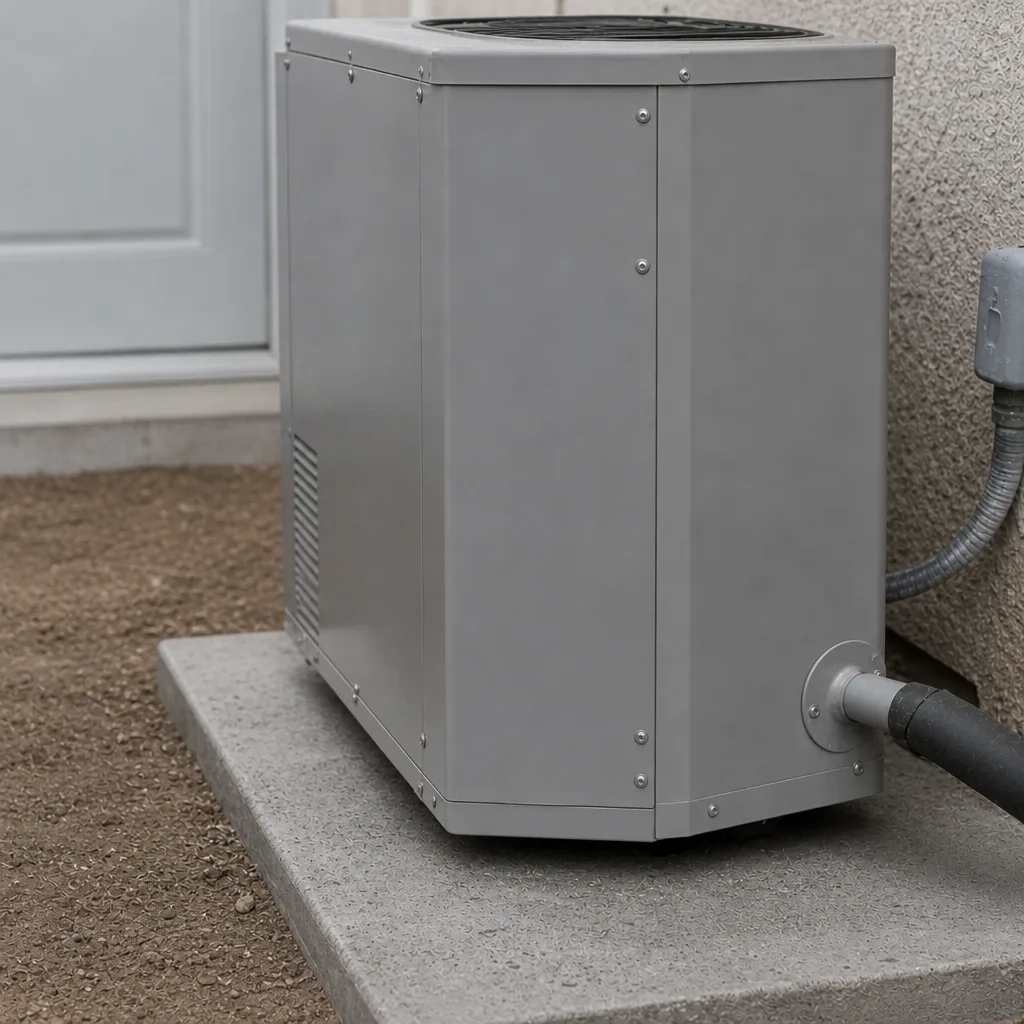 After
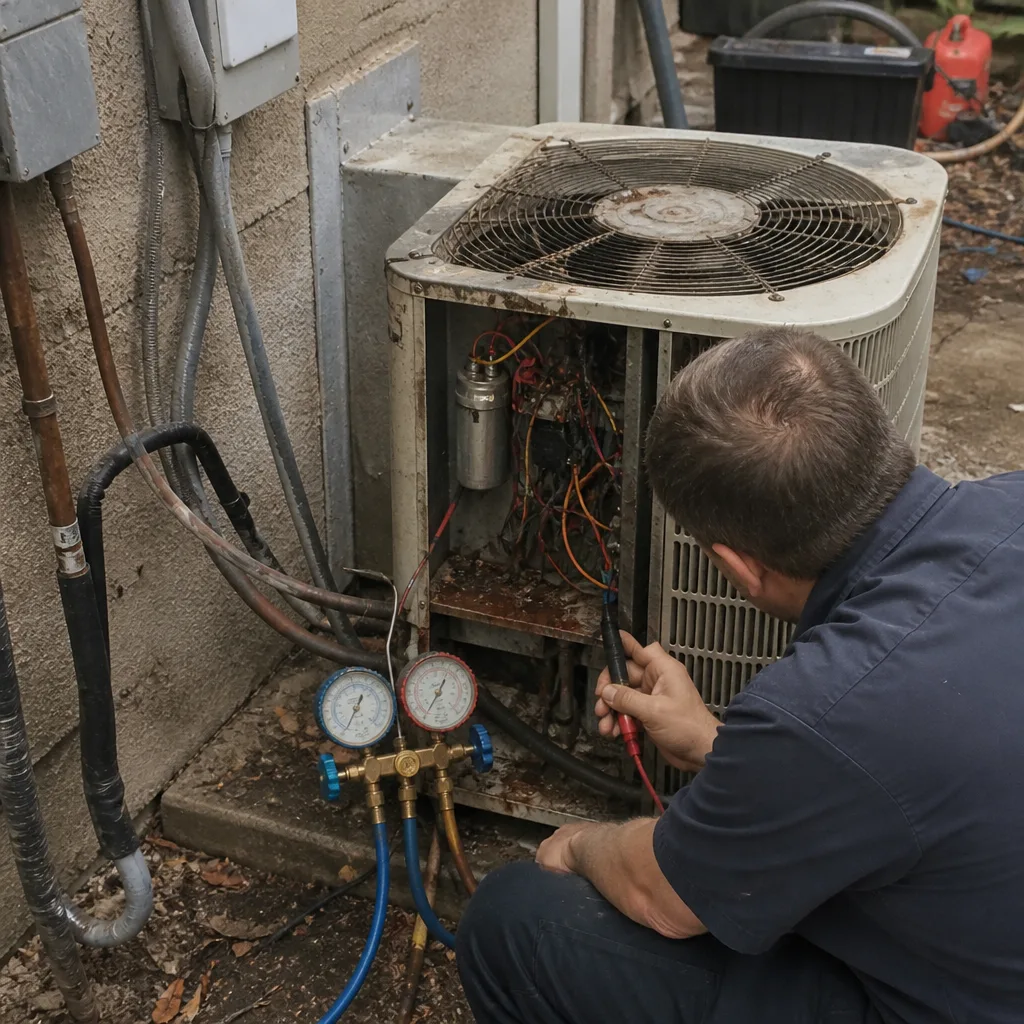 Before
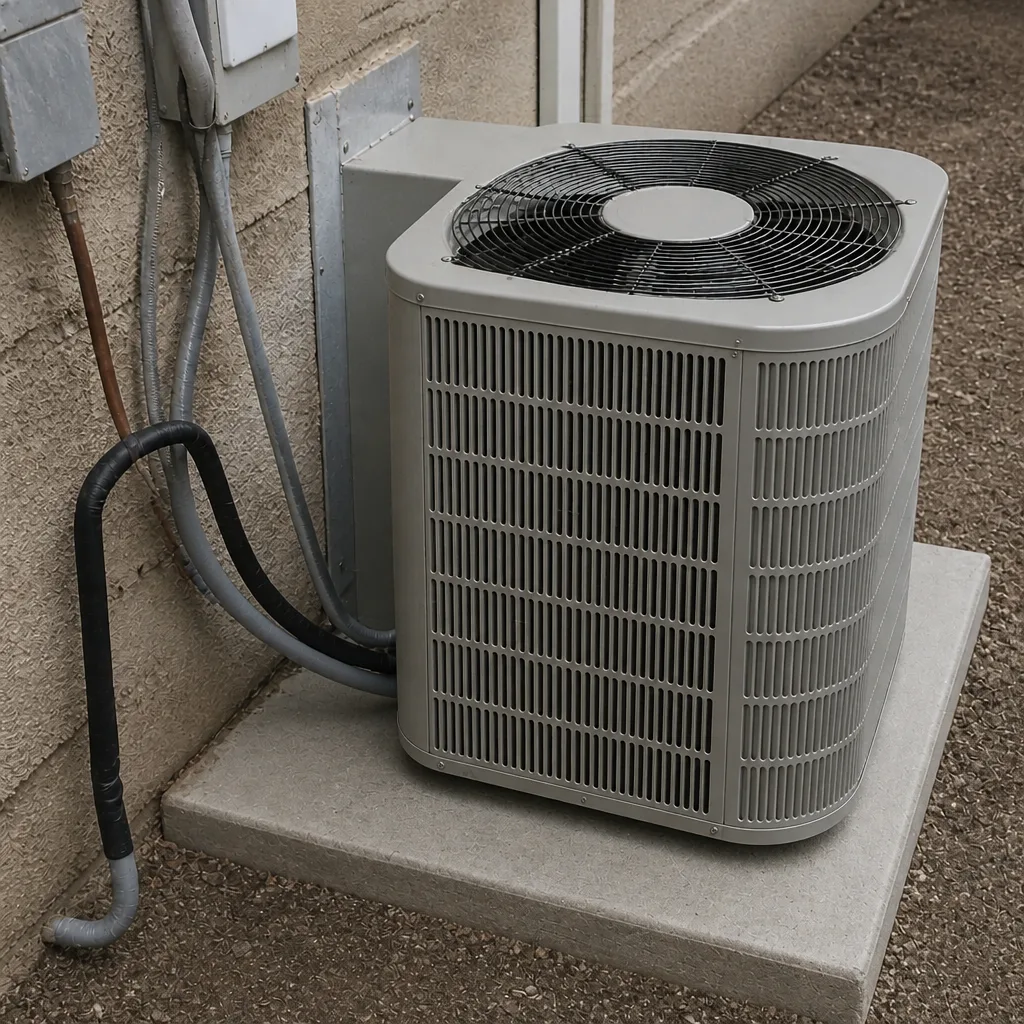 After
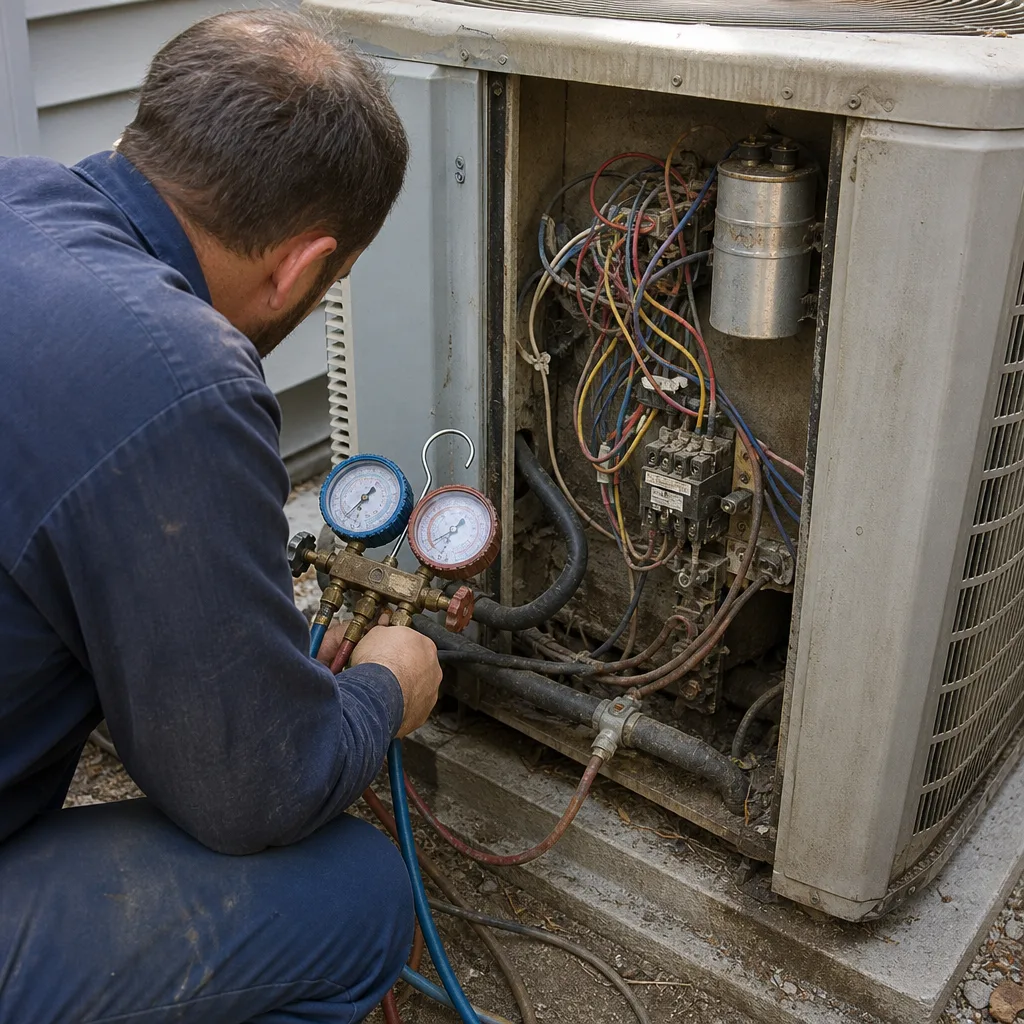 Before
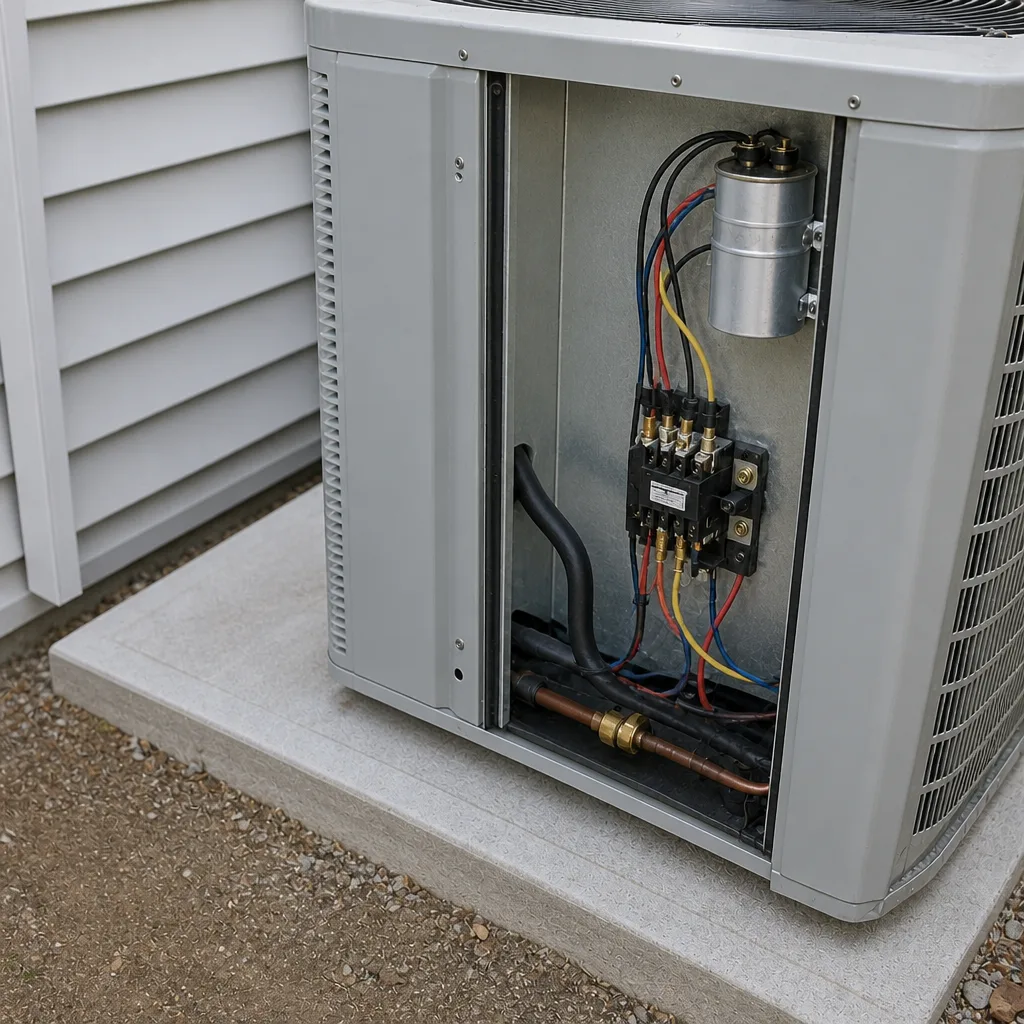 After
Heat Pump Installation Cost in Enterprise, NV: What You’ll Really Pay
Heat pump installation in Enterprise, NV runs $5,500 to $12,000 for most homes, depending on tonnage, single-stage versus variable-speed equipment, and whether your air handler needs replacing too. Variable-speed units cost more upfront, but in a climate that sits above 100°F for months, they handle the peak cooling load better than a compressor that cycles on and off. Call (844) 455-2034 and we’ll talk through your system, your ducts, and a real number before anyone touches a wrench. Estimates are free and the pricing is upfront.
Here’s a number to hold onto before you read the rest: if a contractor quotes you an R-410A heat pump in 2024 or 2025, ask what refrigerant it uses and what happens when that refrigerant gets harder to source. The answer tells you whether that “deal” is actually one.
Why Enterprise Is One of the Best Heat Pump Climates in the Country
Most of the country has to talk itself into a heat pump. Enterprise doesn’t. Summers here breach 105°F to 110°F and winters are mild, with the rare dip to freezing. That means your heat pump runs in cooling mode almost all year, and the heating season is short enough that it rarely strains the defrost cycle the way it would in Minneapolis. The system spends its life doing exactly what it does best.
Which flips the usual shopping math. In cold climates, buyers shop HSPF2 first and SEER2 second. Here, cooling efficiency (SEER2) matters far more, because the overwhelming majority of your runtime is cooling mode. A unit that’s mediocre at heating can still be a fine choice in Enterprise. A unit that’s mediocre at cooling is a mistake you’ll pay for every July.
The tradeoff is peak load. When the high side of Shenandoah Ridge and Mountain’s Edge sits in that 110°F range for weeks, the compressor is fighting every degree of it. Single-stage equipment handles that by running flat out and then stopping. Variable-speed equipment ramps, holds a lower, steadier draw, and moves more air at lower noise. The gap in efficiency widens as the thermometer climbs, which is precisely why variable-speed costs more and is usually the smarter buy here.
What Drives the Cost: Tonnage, Staging, and the Air Handler
Three things shape the number on your quote, and they interact. Get any one wrong and the price was never the issue – the system will satisfy the thermostat and empty your wallet at the same time.
- Tonnage. An undersized unit runs nonstop in summer and never quite catches up. An oversized unit cools the house and forgets to dehumidify, and short-cycles the compressor. In a 2,700-foot high-desert climate with bone-dry air, the wrong tonnage is a comfort problem, not just an efficiency one.
- Single-stage vs. variable-speed. Single-stage is simpler, cheaper to buy, and cheaper to repair. Variable-speed costs more upfront and handles the cooling load quietly and efficiently at part load. Given how much of your year is cooling, the payback on variable-speed is faster in Enterprise than it would be almost anywhere else.
- The air handler. If your existing air handler is original builder-grade equipment from the 2000s, reusing it with a new outdoor unit is a mismatch. The unit will perform only as well as the indoor half lets it. Replacing the air handler is a real line item and one we won’t quietly leave out to make the top-line number look smaller.
The R-410A to R-454B Transition (This Is the Part Competitors Skip)
R-410A is on a production phase-down. New equipment is moving to R-454B. That’s the whole reason for the question at the top of this page. The refrigerant in your system affects more than the sticker. It affects what a recharge costs in five years and whether your service tech can still put the right gas in without hunting for it.
When we quote a heat pump, we tell you which refrigerant it uses and why. Not because it’s the biggest number on the sheet, but because it’s part of the total cost whether or not it shows up in today’s price. If you’re comparing two quotes and neither one names the refrigerant, make both contractors answer the question in writing.
This matters double in Enterprise’s master-planned subdivisions. Southern Highlands and Mountain’s Edge went up almost all at once in the 2000s, and entire neighborhoods hit equipment-replacement age and refrigerant-transition pinch points on nearly the same schedule. You’re not the only one on your street facing this. Ask anyone on your street – and if we’ve already helped them, we’ll be able to tell you exactly what we found.
Cost Ranges by Line Item
Here’s what you’ll see across the board in Enterprise, broken down by what you’re actually paying for.
| Line Item | Typical Range |
|---|---|
| Heat pump installation (full system, single-stage) | $5,500 - $8,500 |
| Heat pump installation (variable-speed, higher-capacity) | $8,500 - $12,000 |
| AC installation (conventional split) | $3,500 - $7,500 |
| AC repair | $150 - $650 |
| Furnace repair | $150 - $700 |
| Tune-up / seasonal check | $80 - $200 |
These are real ranges, not teasers. The final number follows a load calculation and a look at your ductwork and condensate setup, not a phone guess. We give you the readings and the numbers before any work starts.
If you’re weighing heat pump versus furnace, the Heat Pump & Mini Split page walks through the zone-by-zone comparison in more detail.
Hard Water and Attic Air Handlers: The Install Details Nobody Quotes For
Las Vegas Valley water is extremely hard. That’s not a trivia fact; it’s why condensate drain lines and evaporator coils here scale and clog faster than almost anywhere else in the country. On a heat pump install, that means the condensate drain trap gets planned and placed deliberately, not tacked on at the end. It means coil access is part of the layout, so the next service visit isn’t a fight to reach the thing you paid for.
Attic-mounted air handlers in stucco tract homes bake at 140°F+ in July. Techs working Southern Highlands and Mountain’s Edge learn to check drain traps and attic duct insulation before blaming the compressor. On an install, that translates to drain trap placement, duct insulation condition, and coil clearance – details that don’t make the glossy brochure but absolutely show up in your first five years of service calls.
For more on system matching and staging, see our page on Heat Pump & Mini Split in Enterprise.
How Our Installation Process Works
- Readings first. We check the existing system – capacitor, refrigerant pressure, airflow, duct insulation – before anybody says the word “compressor.” Your system tells us what’s wrong. We listen first.
- Load calculation. We size the new heat pump to the house, not to the old unit’s nameplate. Tonnage is matched to square footage, sun exposure, and attic conditions.
- Written quote. You see the refrigerant type, the equipment model, the staging, and the line items. Free second opinion on any written estimate you already have.
- Installation. Condensate trap, drain line, coil access, and duct check are all part of the job – not add-ons.
- 90-Day Done Right Promise. If it isn’t done right, one call brings us back. In writing, stamped on the job.
FAQs
Below $650 in repair cost on a system under 10 years old, repair usually wins. Above that, or on a system past 15 years, replacement often pays back within a few cooling seasons, especially with the efficiency gap between builder-grade 2000s equipment and current SEER2 models. Call (844) 455-2034 for a free diagnostic before you decide.
No, full heat pump installs are scheduled, not same-day, because they run four to eight hours and depend on equipment availability. Repairs are often same-day. We answer the phone live at any hour, so if something fails in between, you’re not leaving a voicemail.
Most homes land between $5,500 and $12,000, with the top of that range reflecting variable-speed equipment and air handler replacement. Call (844) 455-2034 for an exact quote after we’ve done the load calculation and seen the ducts. Estimates are free.
Yes, HVAC equipment replacement in Enterprise typically requires a permit, and the exact requirements are set by the local jurisdiction. We handle the paperwork and pull the permit as part of the job, so the equipment you paid for is properly inspected and on record.
Get a Real Number Before You Commit
If you’re ready to stop guessing at what a heat pump costs here, call (844) 455-2034. Ray’s Heating & Air Enterprise does the load calculation, names the refrigerant, and puts the number in writing. Free second opinion on any estimate you already have. No trip charge inside the county. One call, one visit, and readings before numbers.
Written by the team at Ray’s Heating & Air Enterprise, serving Enterprise, NV.
What Our Customers Say
"Two other companies had told me the furnace needed replacing. Ray found a cracked pressure switch hose, replaced it for under two hundred, and told me the unit had a good five years left."
- Lamar Whitsett"Shoe covers on without being asked and a drop sheet under the whole work area. Small thing, but it tells you how somebody works."
- Paloma Izaguirre"Ray has been out to this house four times over six years and it has been Ray every single time. Not a rotating cast of technicians who have never seen the system before."
- Dwight Kasprzak