

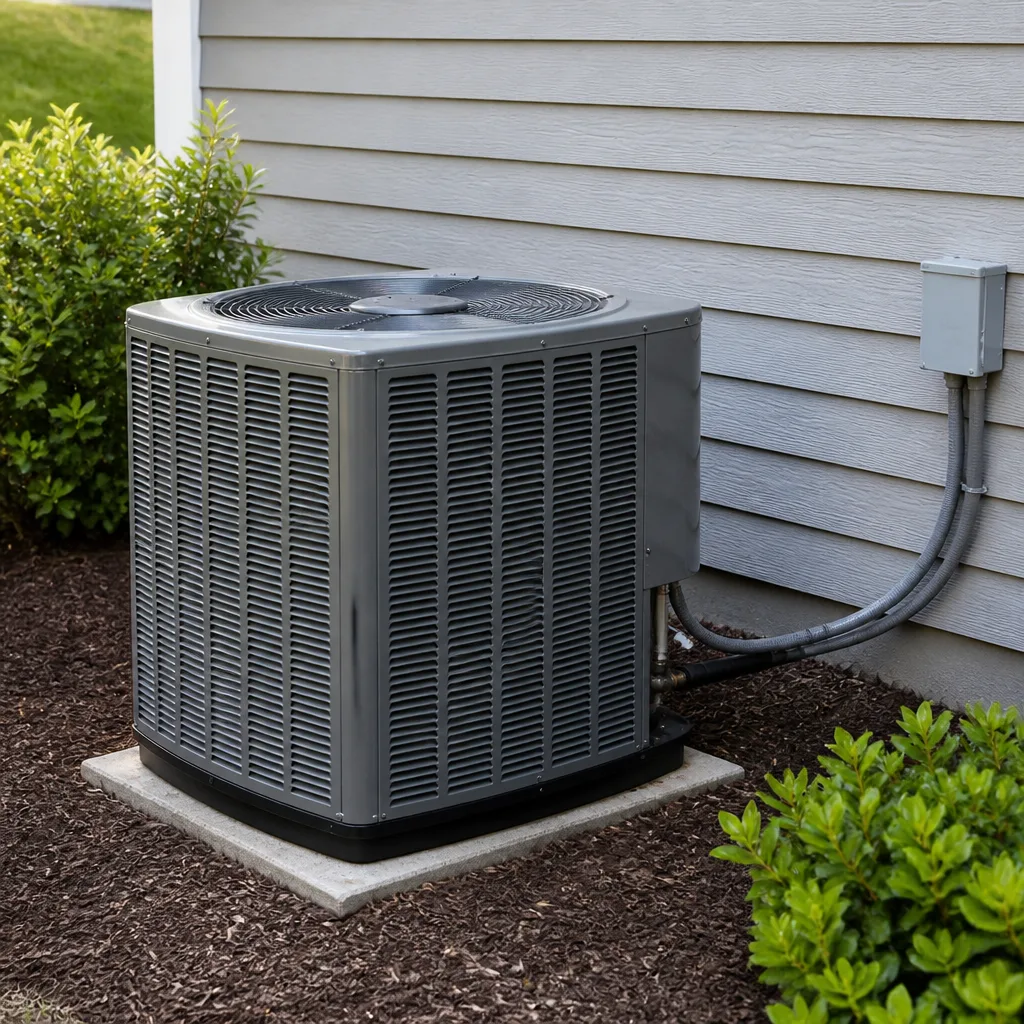
 AC repair
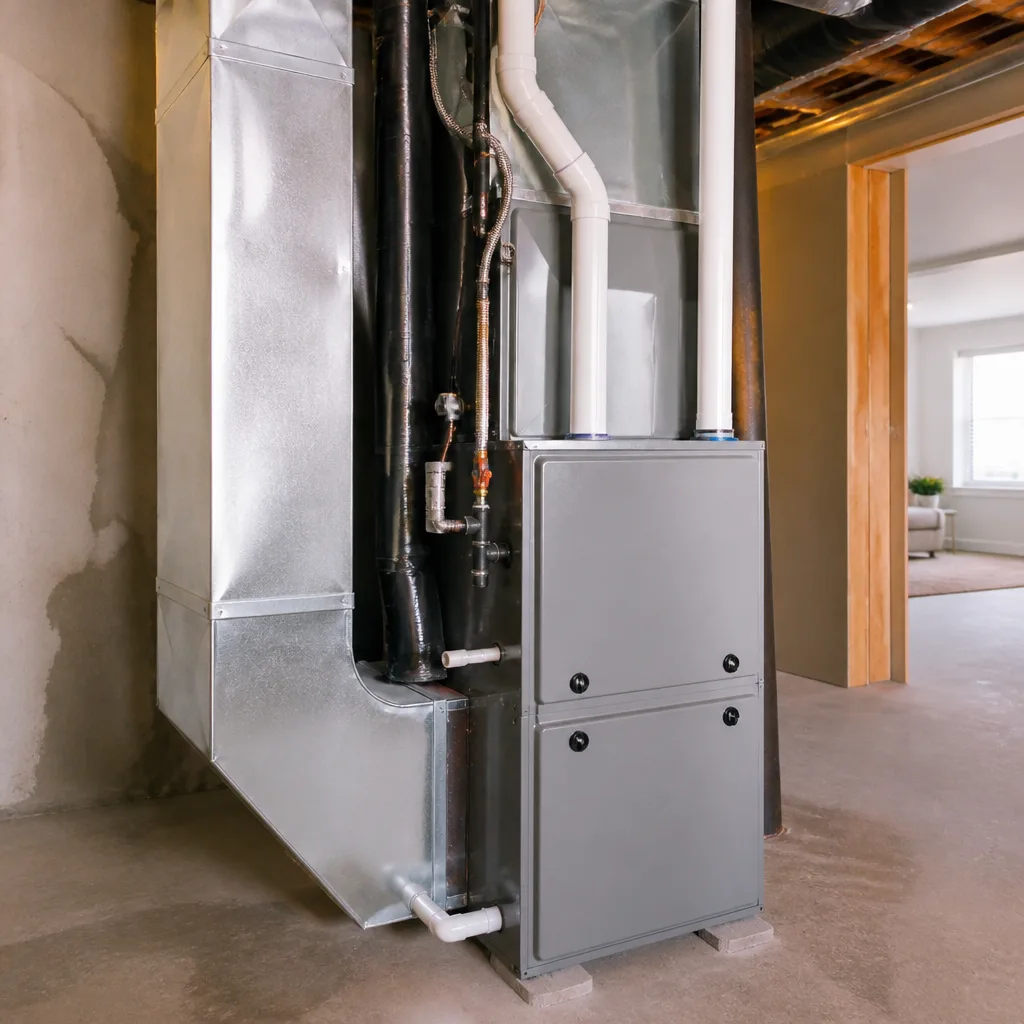 Furnace & heating
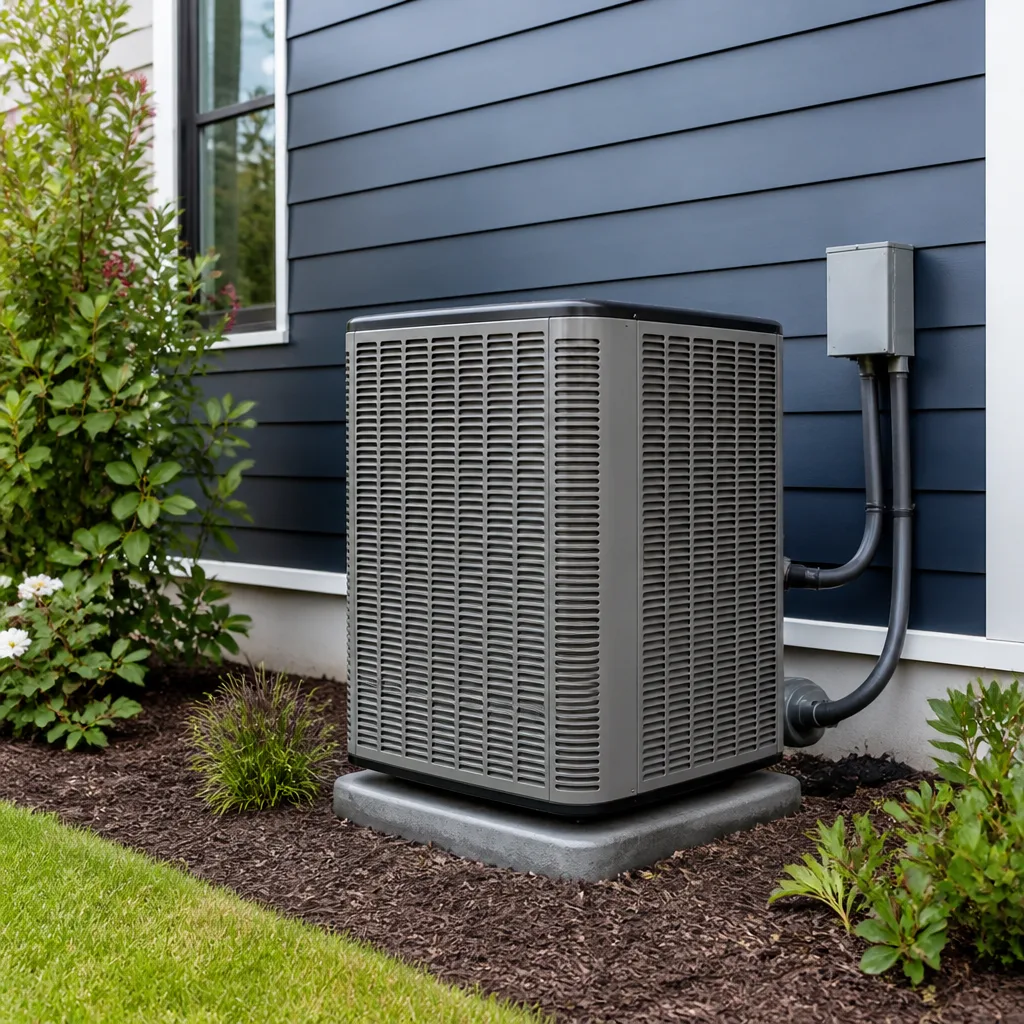 Heat pumps
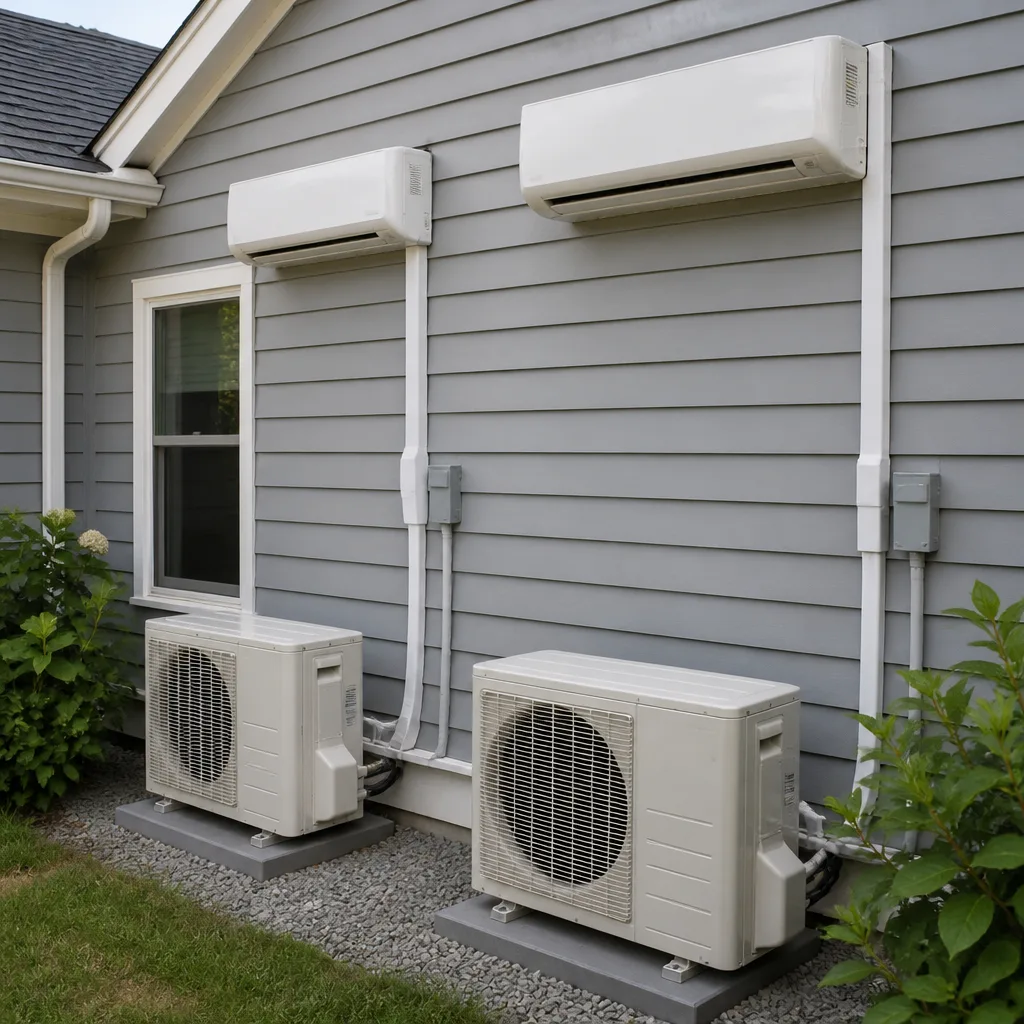 Ductless mini splits
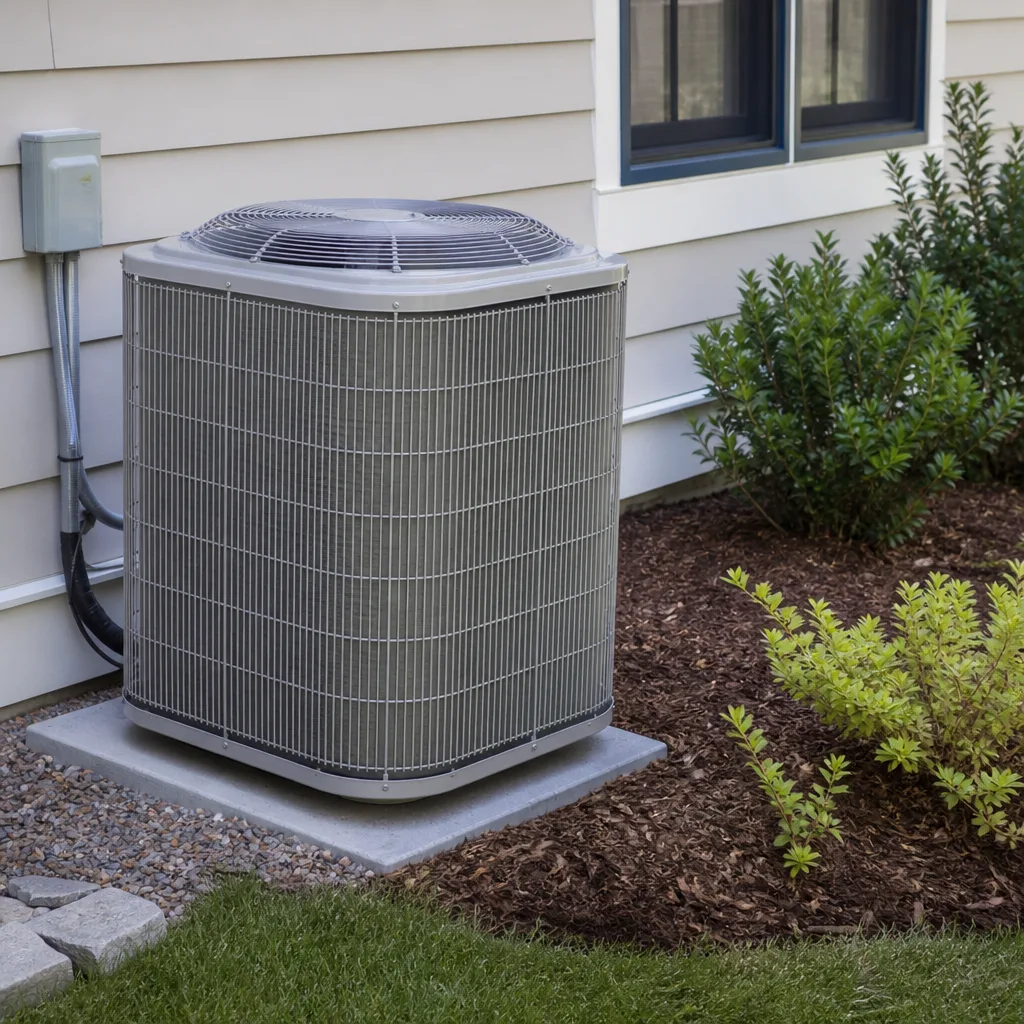 Carrier
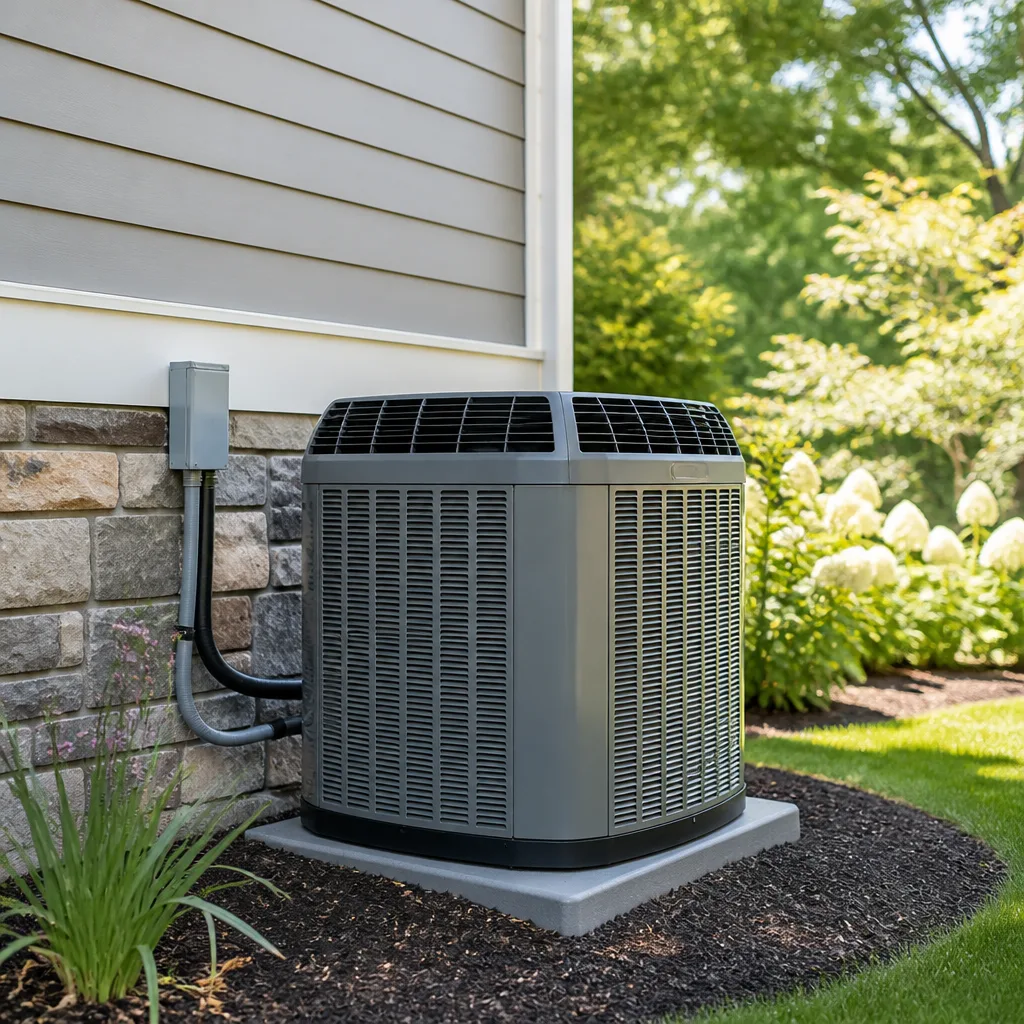 Trane
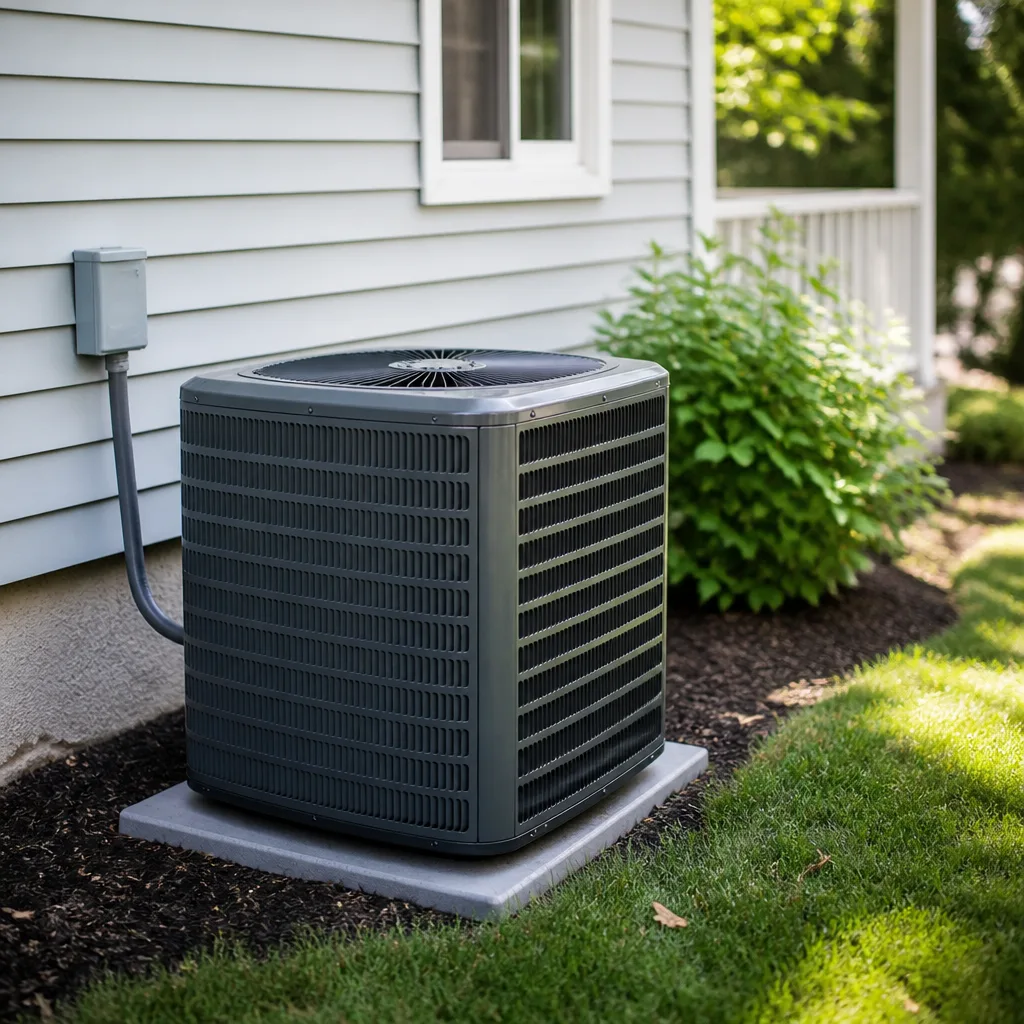 Goodman
Seasonal tune-up and full diagnostic on your Carrier, Trane, or Goodman system - readings shown to you before any repair is proposed
Diagnosis first, numbers second - you approve the repair price before a single part goes in.
Get your free estimateLennox Capacitor Replacement: The Enterprise Owner’s Guide
Lennox capacitor replacement in Enterprise typically runs $150 – $650 installed, and most of that is labor and diagnostic time, not the part itself. We can usually get to you same-day because a failed capacitor means no cooling, and in July in Enterprise that’s an emergency. Before we replace anything, we test the capacitor and show you the readings.
You usually don’t learn the word “capacitor” until something’s already wrong. The AC kicks on, hums, and shuts right back off. Or the outdoor fan motor sits there buzzing while the compressor tries to start. Often the story starts with the system running fine yesterday and doing nothing today, plus a little warm air coming out of the registers. That’s the classic capacitor signature.
Which Lennox Models This Applies To
Capacitors are common across the Lennox lineup, so if you have a Lennox Merit series, Elite series, or Signature Collection condensing unit or air handler, there’s a start-and-run capacitor inside. The variable-capacity units (Lennox calls some of them SL series) can use a different style, and a few setups pair the capacitor with a hard-start kit. So the first job is matching the right part to the right model.
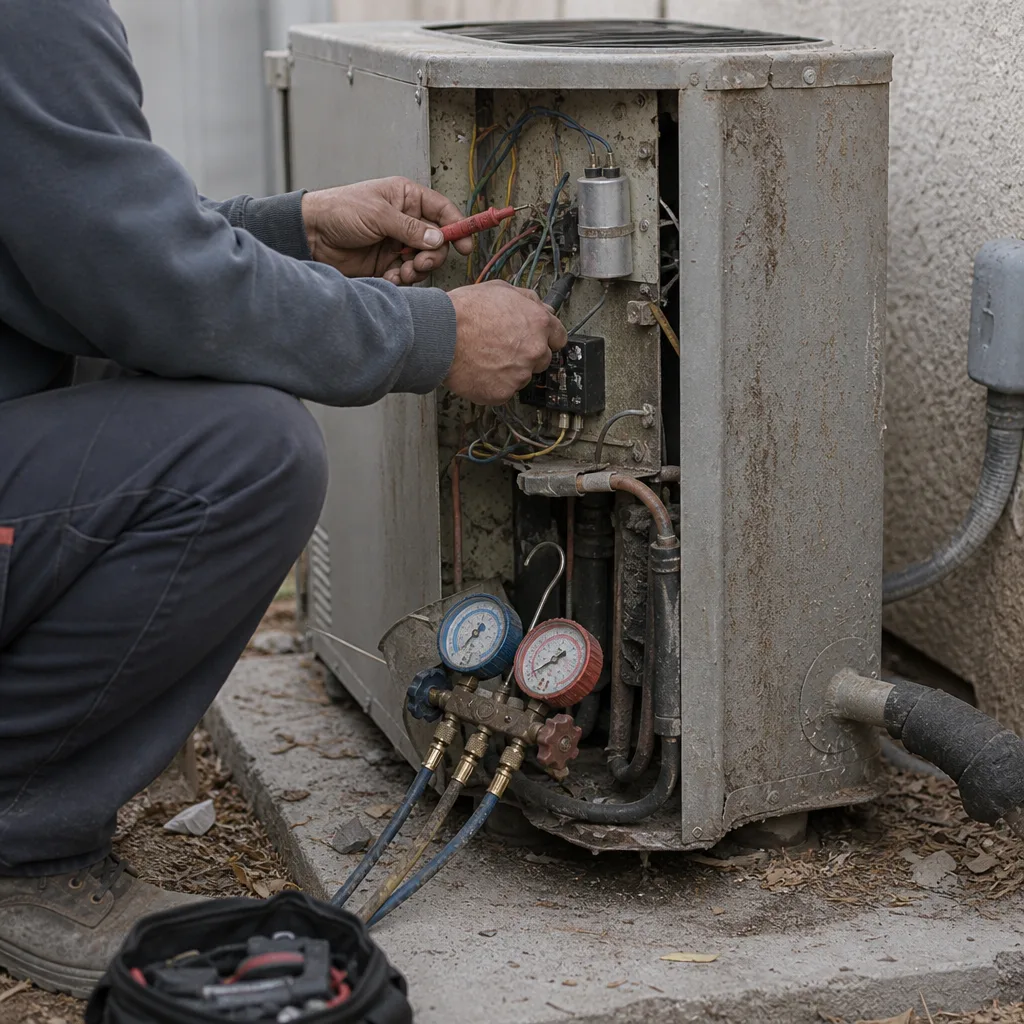
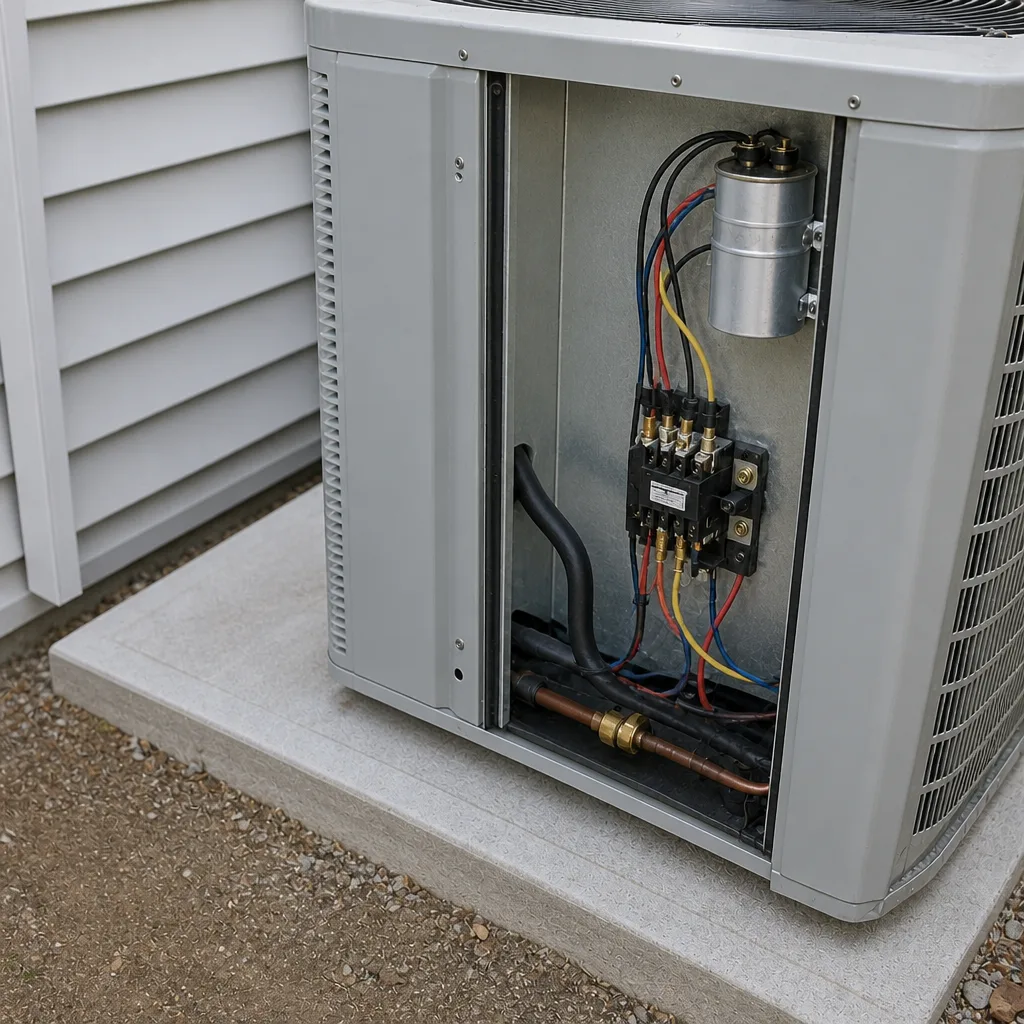
Here’s what we look at on site: the data plate on the outdoor unit, the capacitor’s microfarad (µF) rating stamped on the can, its voltage rating, and whether it’s a single or dual-run design. Getting the µF wrong (even ten over) is a common mistake, and it shortens motor life.
On the OEM-versus-aftermarket question for Lennox: we generally use a quality aftermarket capacitor from a known manufacturer rather than chasing an exact Lennox-badged stock number. The electrical spec matters more than the logo on the can. An aftermarket part with the correct µF and voltage performs the same job at a fairer price. We say that honestly because we’ve seen both.
Styles & brands we work with
- AC repair
- Furnace & heating
- Heat pumps
- Ductless mini splits
- Carrier
- Trane
- Goodman
Signs Your Lennox Capacitor Replacement Is Failing
Five things that point to a bad capacitor, with what’s usually causing it behind the scenes:
- The outdoor unit clicks, hums, and shuts off. The capacitor stores the starting jolt. When it weakens, the compressor or fan fights to start and the system’s internal protection kicks in.
- Warm air from the vents while the thermostat calls for cooling. The compressor may not be running at all, while the indoor blower keeps blowing. That’s the most common way Enterprise owners find this.
- The fan blade barely turns or doesn’t move. The fan motor isn’t getting enough starting torque, and it’s usually the run side of a dual capacitor going soft first.
- Lights in the house flicker when the AC comes on. The compressor draws a big spike trying to start, and you see it in the house. This one’s easy to notice in an older Enterprise home on the same circuit.
- Repeated breaker trips or a system that runs a few minutes then quits. The compressor is overheating because it’s struggling to start. That’s the sign to call before the compressor is damaged.
One honest note about Nevada heat: capacitors here take more stress than in cooler climates because the outdoor unit runs longer and hotter. It’s normal to see a capacitor go at four to six years in Enterprise. If your system has lasted longer, you’re ahead.
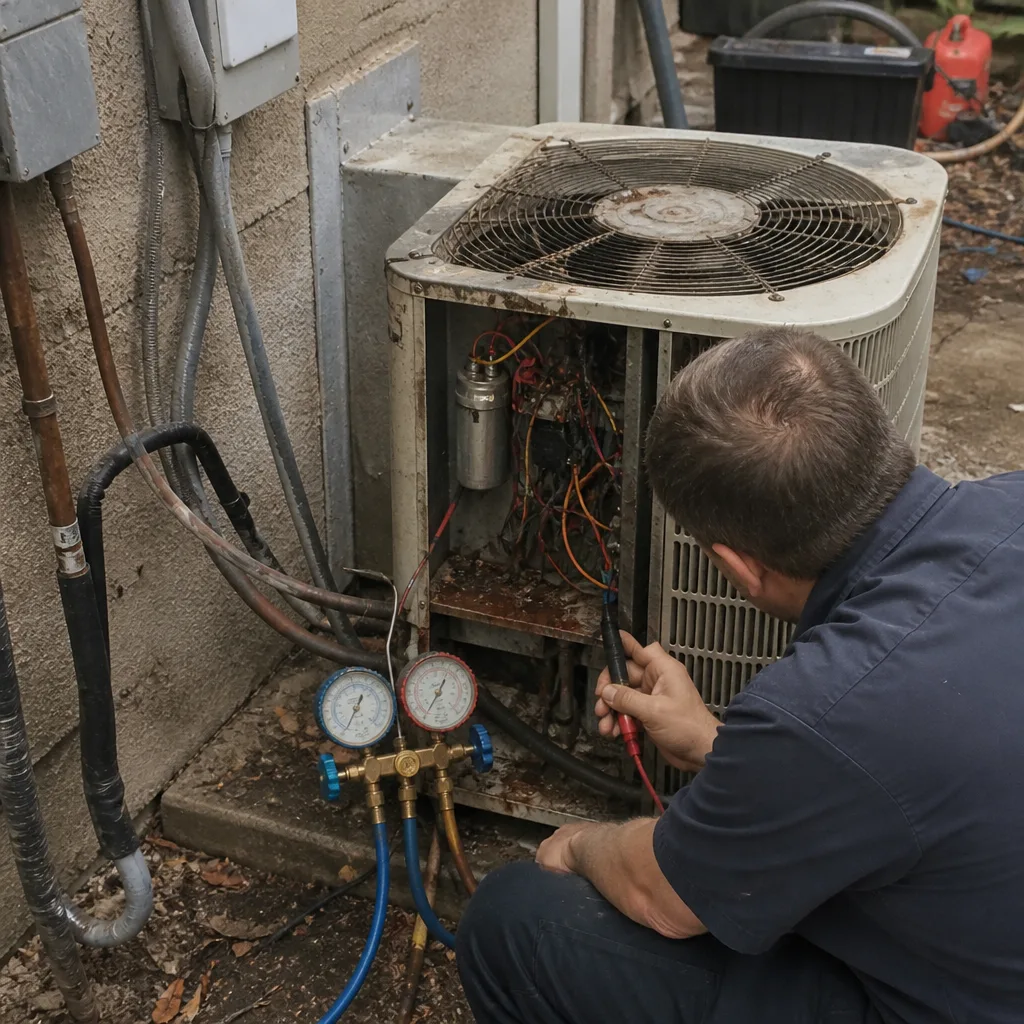
See the difference
 Before
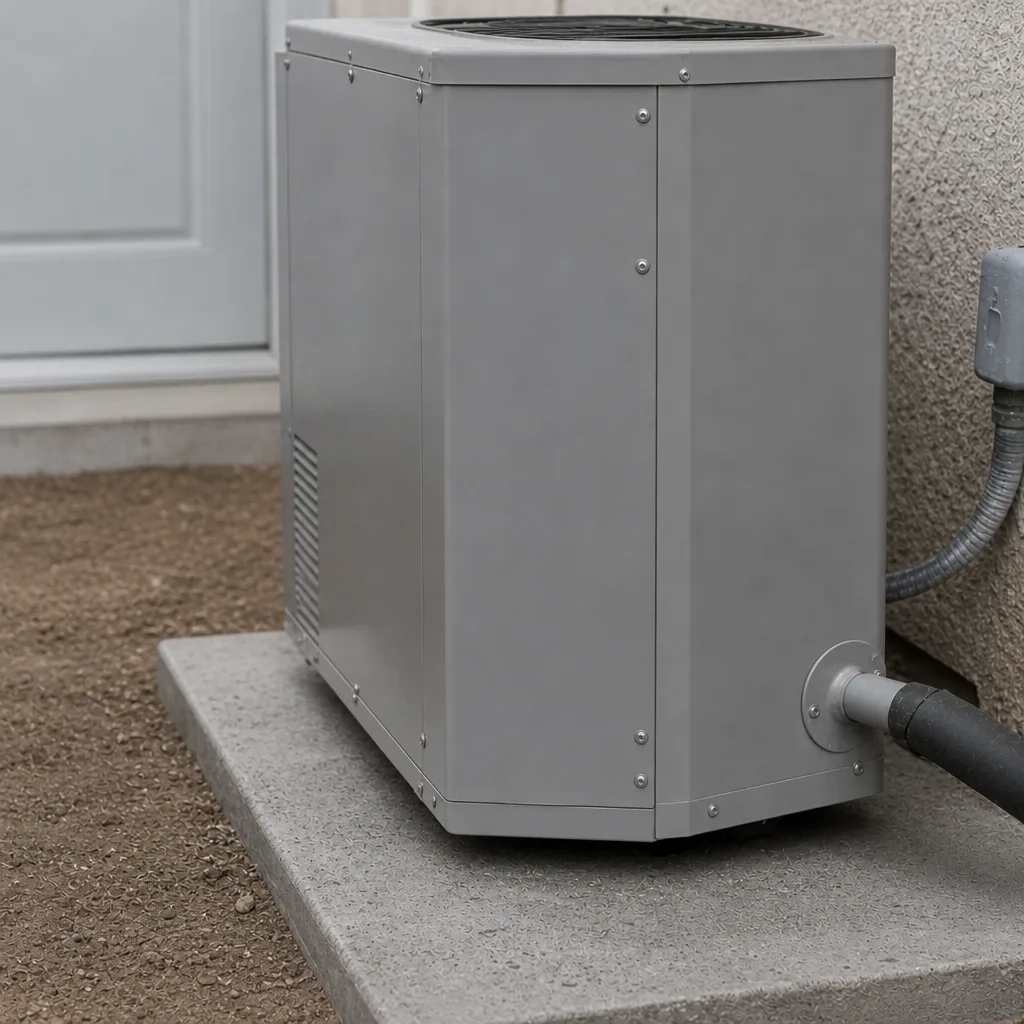 After
 Before
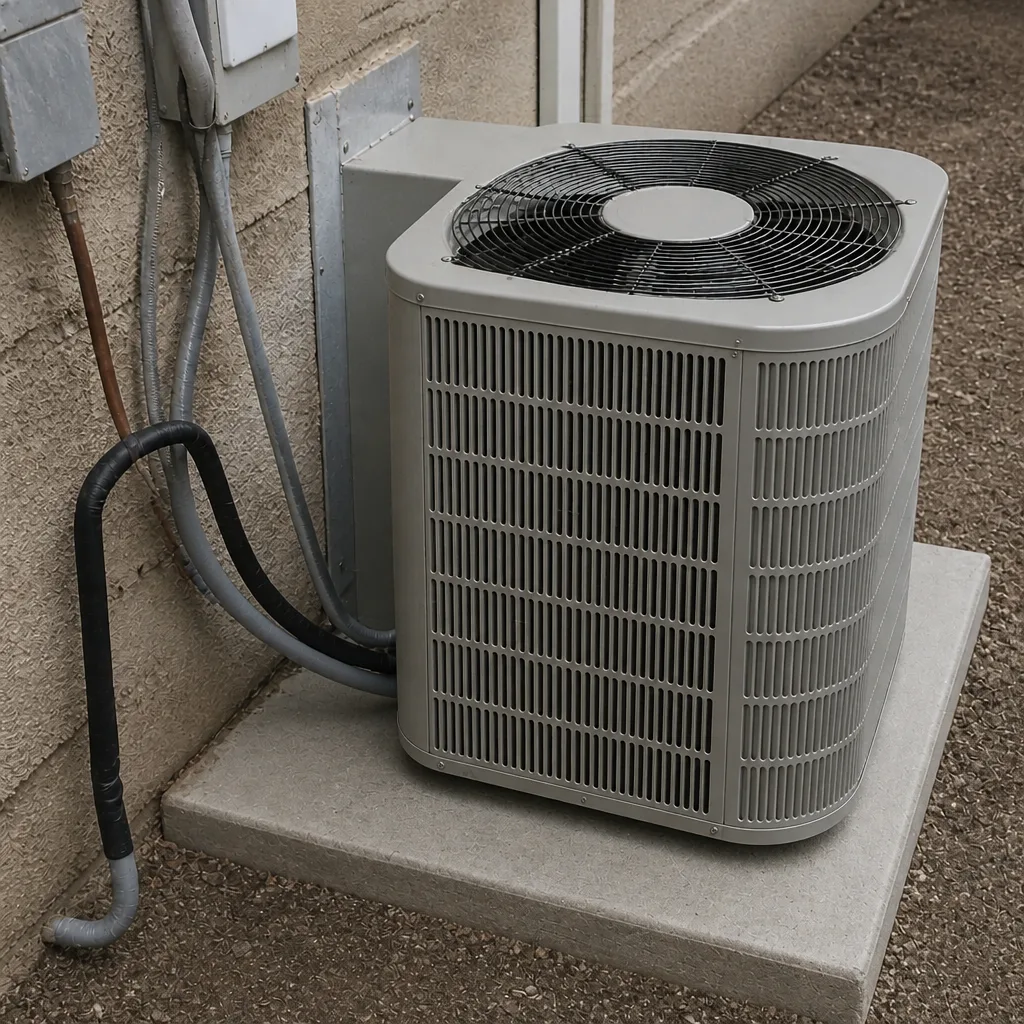 After
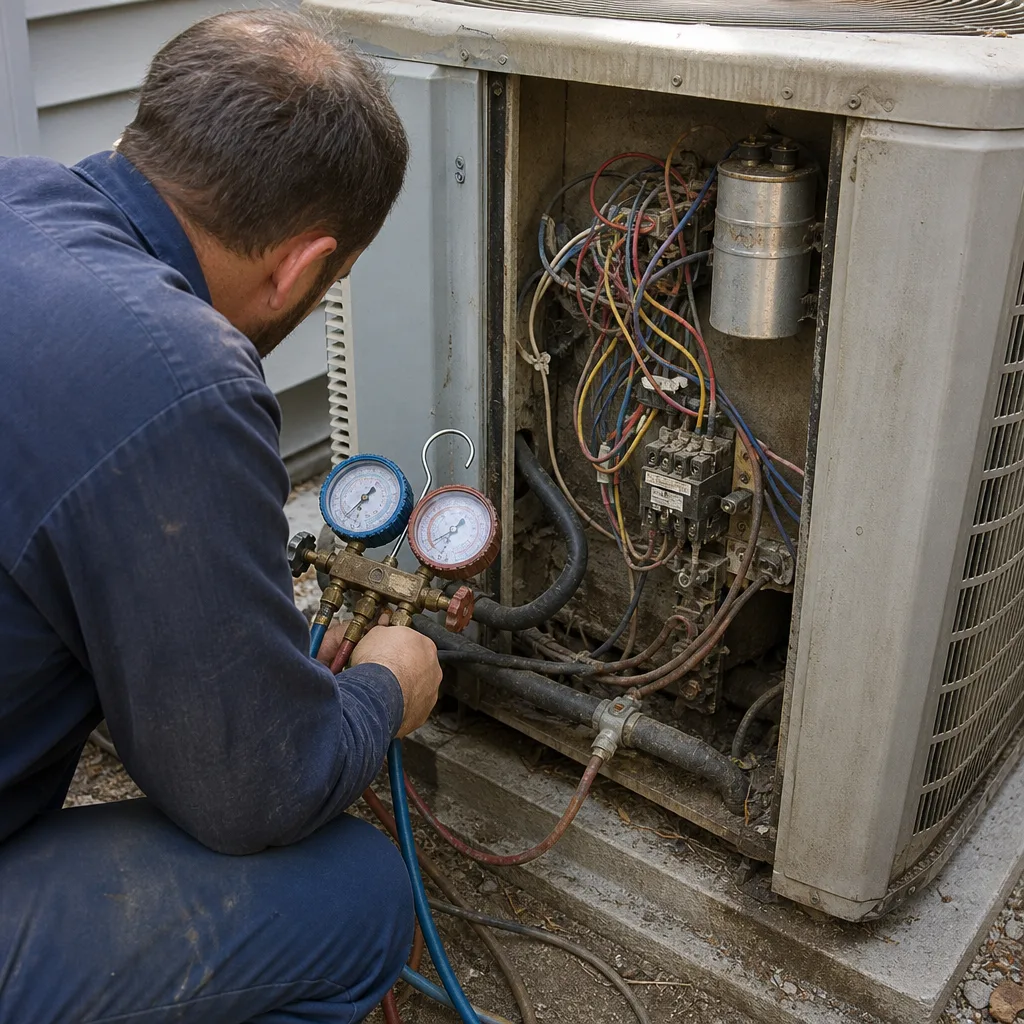 Before
 After
Replacement Cost & What’s Included
For Enterprise, most capacitor replacements land at $150 – $650 installed, including diagnostic time, the part, and the labor. That range covers a straightforward single-capacitor swap on the low end and a more involved job (dual capacitor, hard-start kit, or an air handler capacitor that’s harder to reach) on the high end.
Here’s what pushes you toward the top of the range: the unit sitting on a concrete pad with hard-to-access panels, an old Lennox model where the capacitor is buried behind other components, or a capacitor that’s failed alongside a struggling fan motor. We tell you which case you’re in before we lift a wrench.
What’s included, plainly: readings first, numbers second. You’ll see the µF test on the old capacitor before we quote the replacement, and you’ll see the spec on the new one. Parts and labor are transparent. Every job carries the 90-Day Done Right Promise in writing, so if the new part acts up, one call brings Ray back. No trip charge inside the county. If you have a written estimate from another outfit, the Free Second Opinion is standing.
DIY or Call Us?
This is the part I’d tell a homeowner to leave alone, and I’ll say why plainly. A capacitor holds a stored charge even after the power is off. Touching the terminals before it’s discharged can knock you flat, and the shock risk is real. If you’re not experienced with discharging one safely, don’t go in the panel.
What you can safely do: shut off the thermostat and the breaker, check the filter, and look at the outdoor unit from a distance to see if the fan is turning. Don’t open the electrical panel on your own. Capacitor replacement is a job for a trained person with a meter and the right know-how. When the part fails, you’re without cooling in Enterprise, and we answer the phone so you’re not waiting. Background-checked technicians show up; the person at your door is the one who’ll be back next time, not a stranger.
We also handle Carrier and Trane systems if you have a mixed setup.
FAQs
How long does a Lennox capacitor last? In Enterprise heat, expect four to six years, sometimes longer. The outdoor unit runs hot in Nevada summers, and that shortens capacitor life faster than in cooler climates. Testing before replacing tells us if it’s actually weak.
Can a failed capacitor be repaired instead of replaced? No. A capacitor is a sealed component and can’t be repaired. It has to be replaced with the correct µF and voltage spec. We test first, so we’re only replacing what actually failed, not the part next to it.
How long does the swap take? The part replacement itself is usually under an hour once we’re on site, often 20 to 40 minutes. Most of the visit is the diagnostic so we know for certain the capacitor is the problem. Calling early helps us get you on today’s schedule.
How do you source the part? We buy quality aftermarket capacitors from known manufacturers, not just whatever’s on the shelf. We don’t claim to carry stock on a truck; the part comes from a supply we trust. The spec is what matters, and we verify the µF and voltage against your Lennox model before it goes in.
If your Lennox AC is humming, shutting off, or blowing warm air in Enterprise, don’t wait for the compressor to take the hit. Call Ray’s Heating & Air Enterprise at (844) 455-2034 for a free estimate. I’ll be there myself, test the capacitor first, and show you the readings before we talk numbers. One call brings Ray back if anything’s off, and that’s in writing.
Written by the team at Ray’s Heating & Air Enterprise, serving Enterprise and nearby areas.