

 AC repair
 Furnace & heating
 Heat pumps
 Ductless mini splits
 Carrier
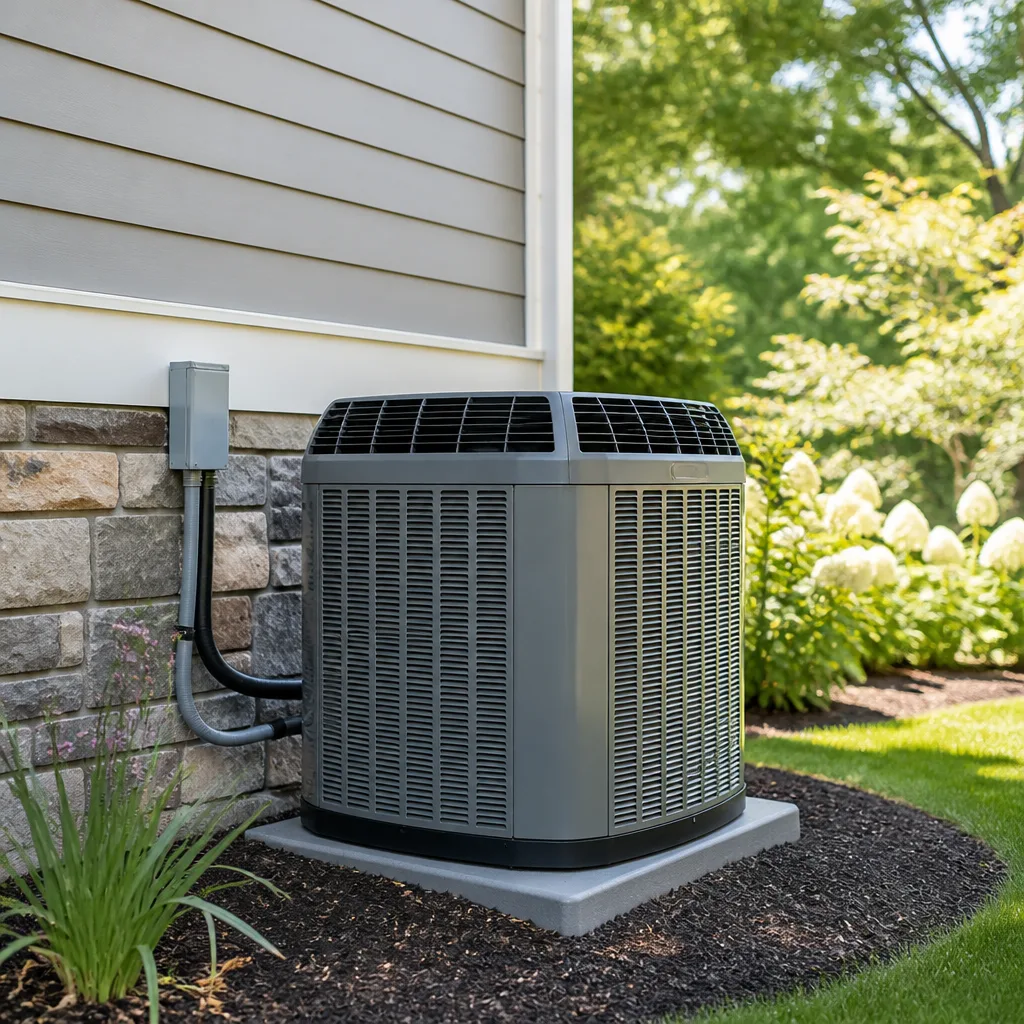 Trane
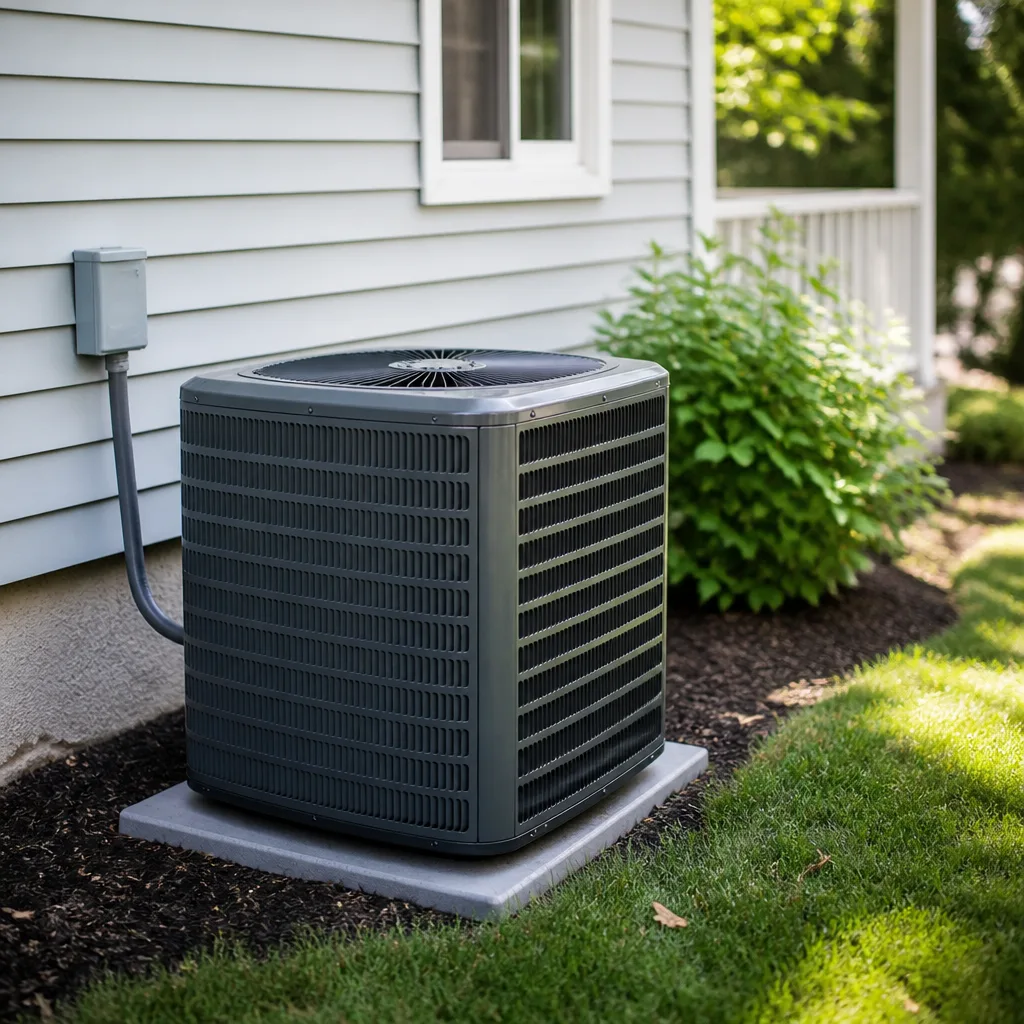 Goodman
Seasonal tune-up and full diagnostic on your Carrier, Trane, or Goodman system - readings shown to you before any repair is proposed
Diagnosis first, numbers second - you approve the repair price before a single part goes in.
Get your free estimateCarrier Ductwork Repair: The Enterprise Owner’s Guide
Carrier ductwork repair in Enterprise typically runs $150 – $650 for most jobs, with the final number depending on which section failed, how long the leak has been running, and whether we’re replacing flex run, sealed hard pipe, or a plenum connection. Ductwork work can often be done same-day when we have the readings first and the parts matched to your model. We’re an independent service provider and not affiliated with Carrier, but we’ve worked on enough Carrier systems in this valley to know what usually fails.
Most Enterprise owners don’t wake up thinking about ducts. They notice the symptom first. The back bedroom never gets cold no matter what the thermostat says. Or the electric bill jumped $80 in July and nobody can explain it. Or there’s a whistling sound in the attic that started around the same time the dog started barking at the wall. Those are duct symptoms, and on a Carrier system in Enterprise heat, they’re worth taking seriously before the next 110-degree stretch.
Ray’s Heating & Air has been locally owned and owner-operated since 2002. When you call, a live person answers – around the clock, every day. Call (844) 455-2034.
Key Takeaways
- Carrier ductwork repair in Enterprise runs $150 – $650 for typical residential jobs.
- Most failures we see here are flex-duct tears near attic transitions and failed mastic at plenum joints.
- Same-day availability is common; parts are matched to your Carrier model, not stocked on a truck.
- Ray’s is an independent shop, not affiliated with Carrier, and handles Carrier, Trane, and Lennox ductwork.
Which Carrier Models This Applies To
Carrier ductwork is broadly the same across their residential lines, but the connections are not. The Carrier Performance and Infinity series air handlers use a specific plenum transition that differs from their Comfort series, and the return-air collar size changes between a 2-ton and a 3-ton unit. If your Carrier system was installed in the last 15 years, the duct trunk is either rigid galvanized, sealed flex, or a hybrid of both – and the right repair depends entirely on which.
Here’s how to identify what you have before we show up, or before you buy anything online:
- Check the data plate on the indoor air handler or furnace. It lists the model number (something like FV4 or FE4 for Carrier air handlers) and the nominal tonnage. That tonnage tells us the collar size and airflow the duct has to support.
- Measure the flex duct diameter at the nearest run. Common sizes are 6″, 8″, 10″, and 12″. Getting this wrong is the number-one reason a DIY repair leaks again in two weeks.
- Look at the plenum where the duct meets the air handler. That joint is where Enterprise heat does the most damage – the mastic cracks and the tape fails first.
On the OEM-versus-aftermarket question: for ductwork specifically, Carrier doesn’t manufacture flex duct, mastic, or metal trunk. They manufacture the air handler. So “OEM” here means matching the correct Carrier collar size and connection style, not sourcing a Carrier-branded duct run. Quality aftermarket flex with a proper R-value (R-8 for attic runs in Enterprise) does the job. What matters is the size and the seal, not the logo on the wrap.
Styles & brands we work with
- AC repair
- Furnace & heating
- Heat pumps
- Ductless mini splits
- Carrier
- Trane
- Goodman
Signs Your Carrier Ductwork Repair Is Failing
These are the five symptoms we hear most often from Enterprise homeowners, and what each one usually means underneath:
- A room that never cools or heats right. One room stays 5 to 8 degrees off no matter the thermostat setting. That’s almost always a disconnected or crushed flex run feeding that room, and it’s the most common duct call we get.
- A whistling or rushing sound from a vent or wall. High-pitched noise at a register usually means a duct tear or an undersized return pulling air through a gap. The sound is air escaping, not the system working harder.
- Dust streaks or attic insulation blowing into rooms. Visible dust plumes from a register mean the duct has a hole pulling from the attic. In Enterprise, that attic air is 140 degrees and full of insulation fibers.
- Rising energy bills with no other explanation. A 15 to 25 percent jump on your bill during a mild month is the classic sign of duct leakage. The system runs longer to hit setpoint, and you pay for the leaked air.
- Condensation or moisture on duct runs or ceiling stains. Wet insulation on a duct in the attic means the duct is sweating, which points to a tear in the vapor barrier or a disconnected run. Left alone, it becomes a mold and ceiling-damage problem.
If you’re seeing two or more of these, get it looked at. Carrier systems are built well, but ductwork is the weak link in every house, and Enterprise summers find the weak links fast.
See the difference
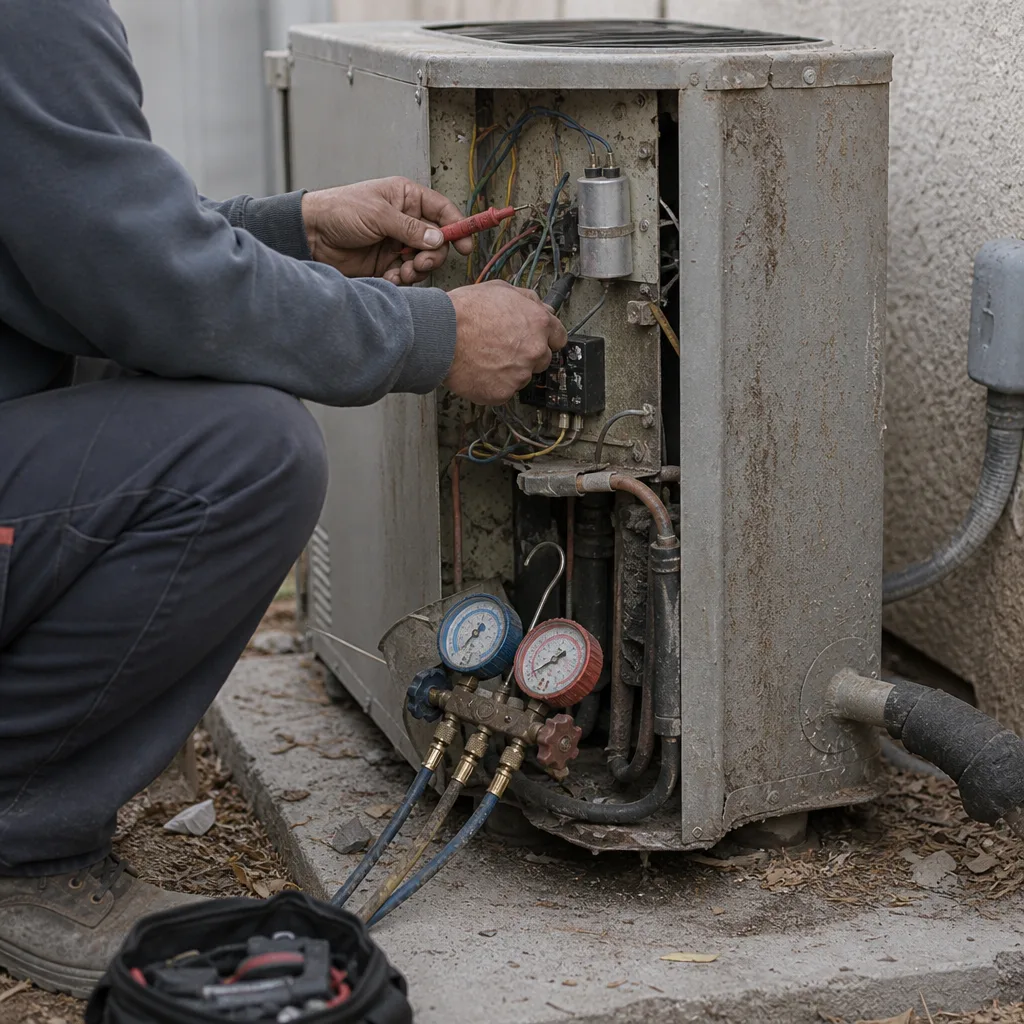 Before
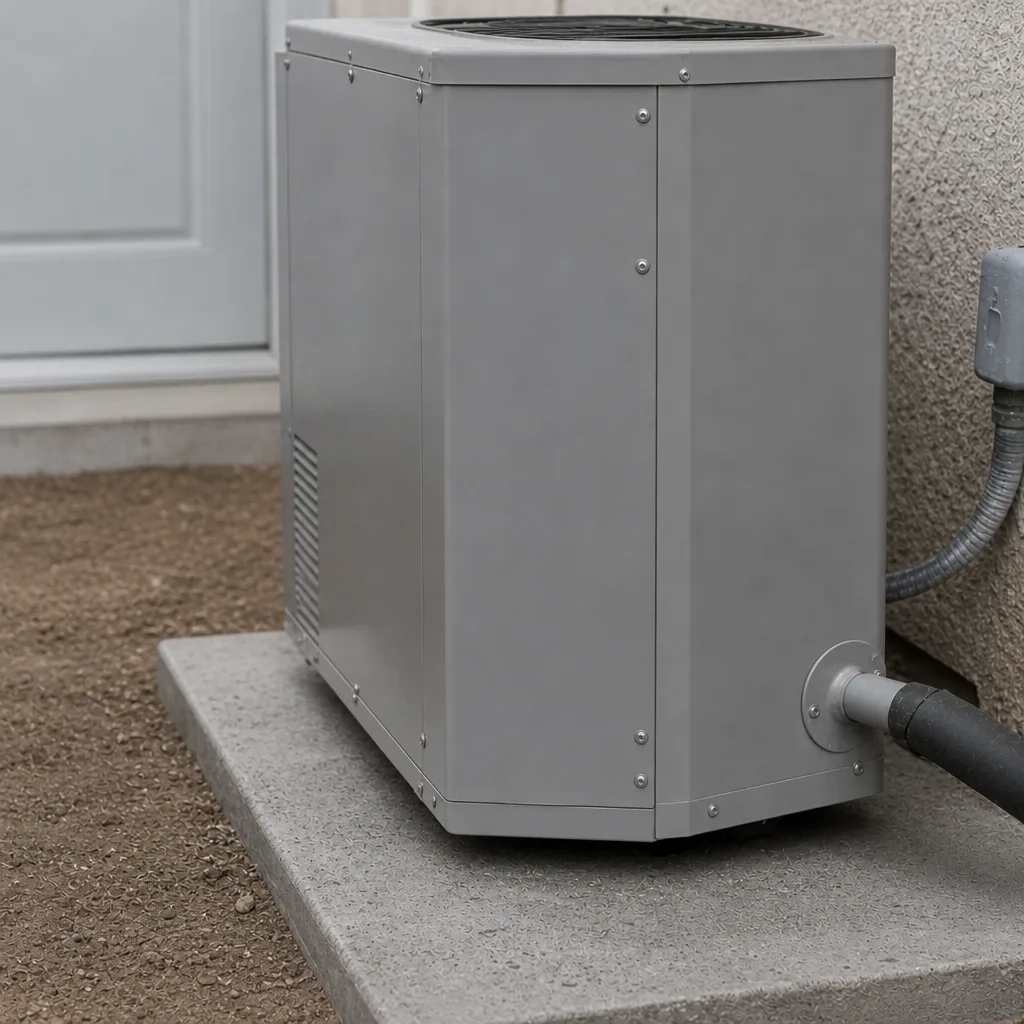 After
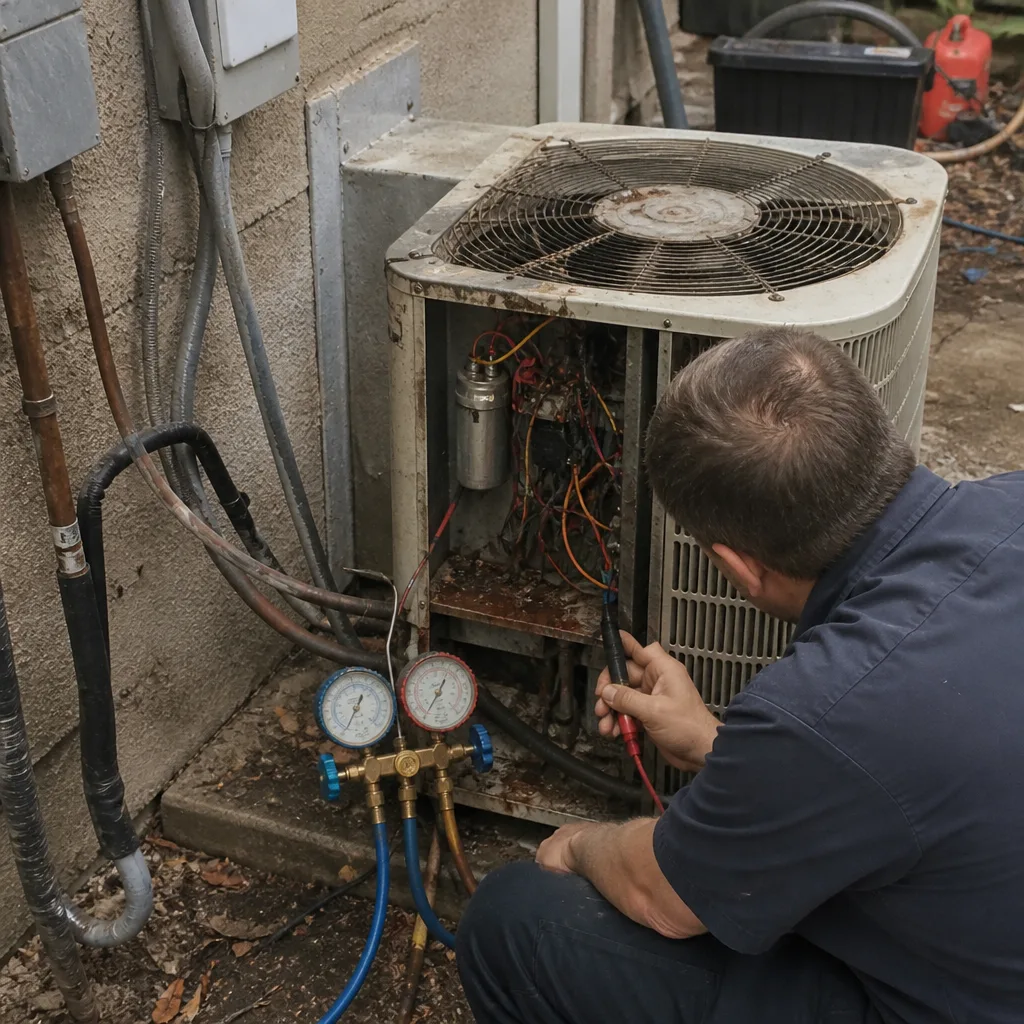 Before
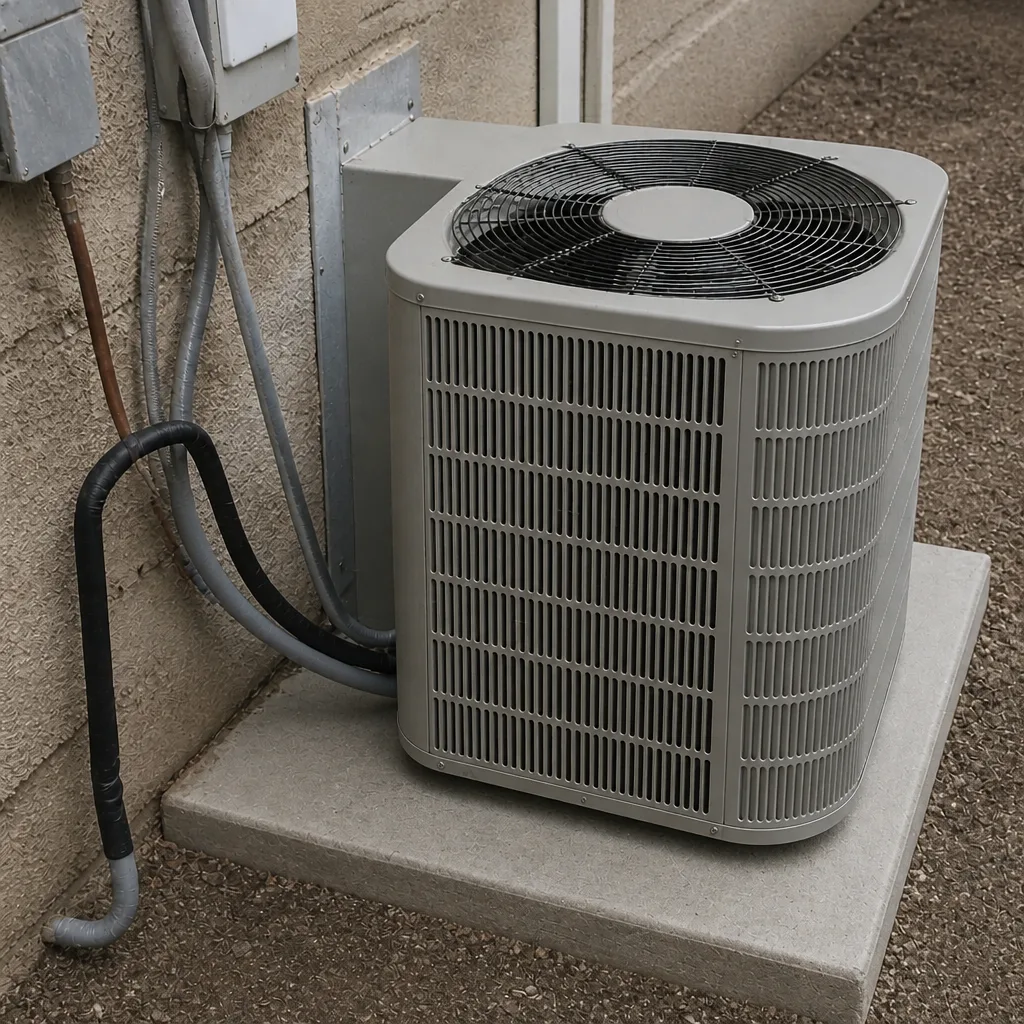 After
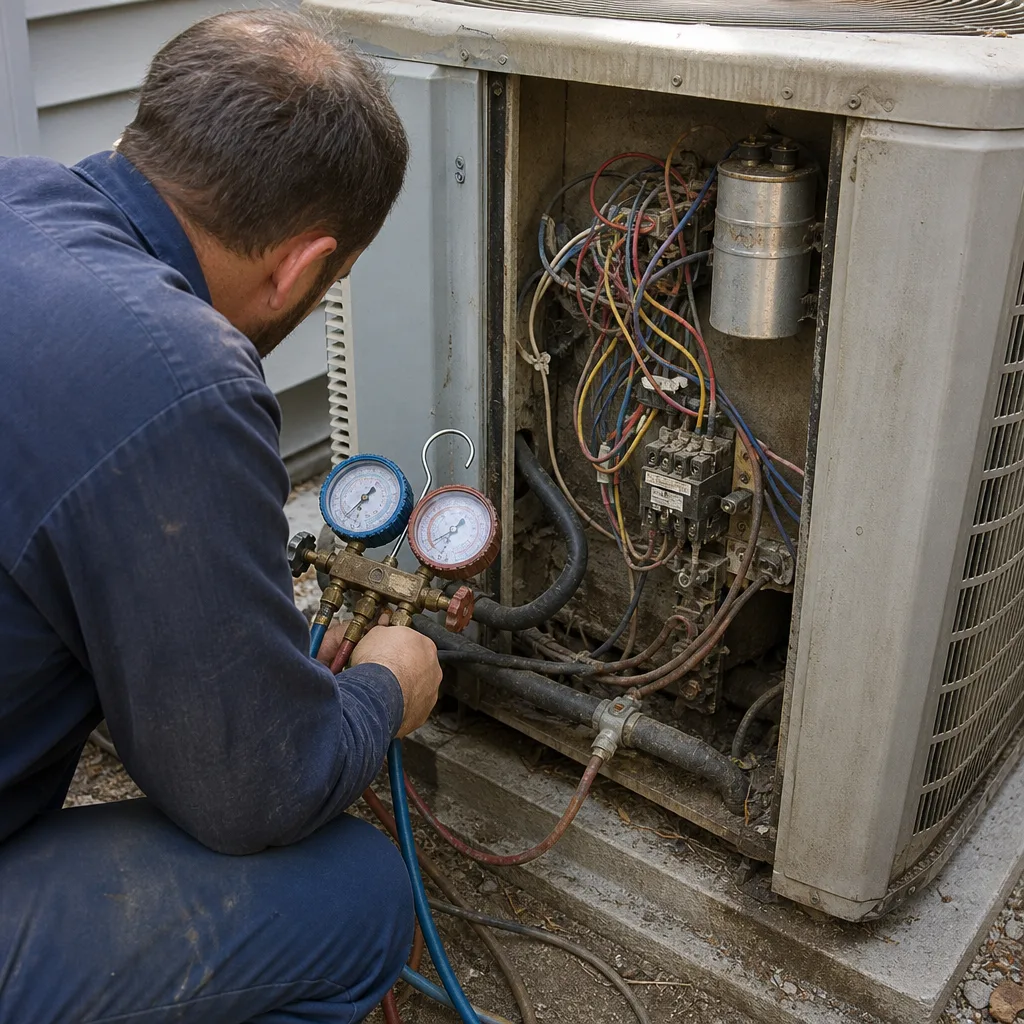 Before
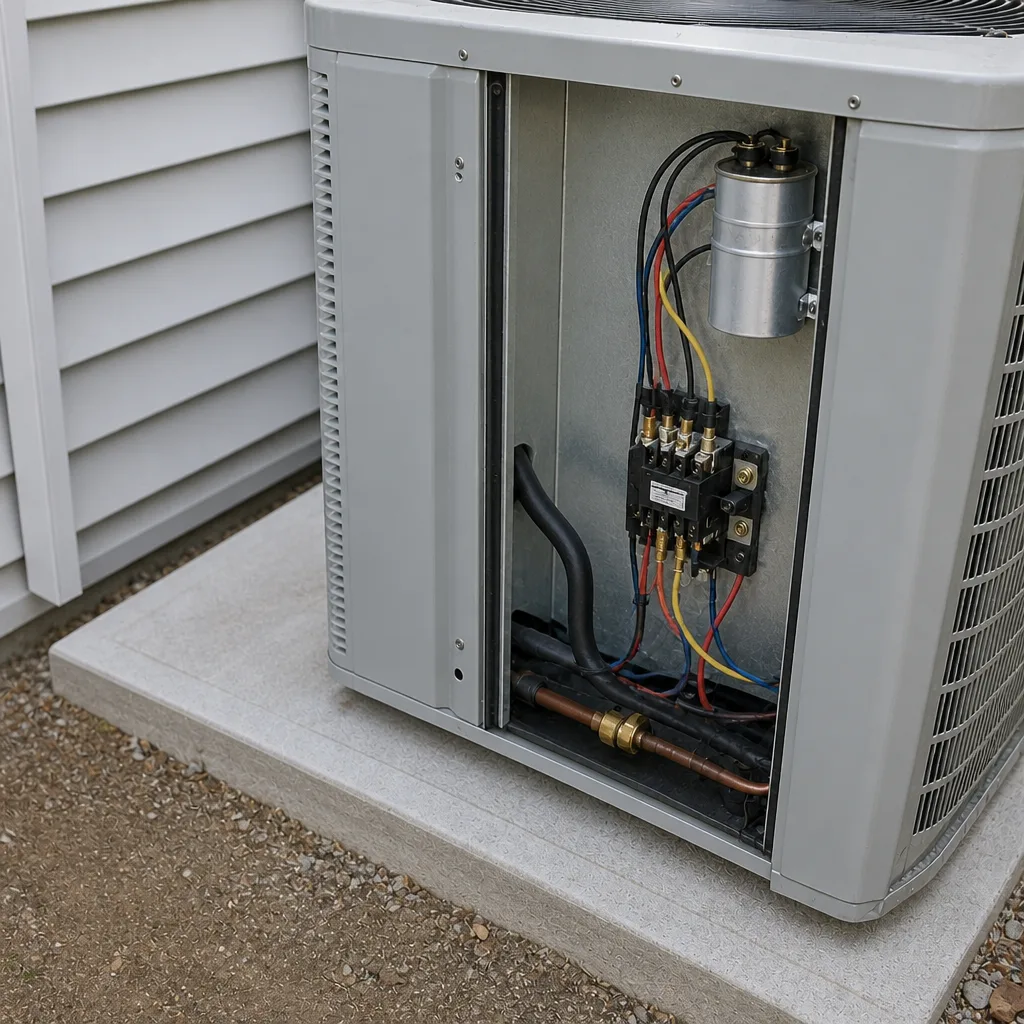 After
Replacement Cost & What’s Included
Carrier ductwork repair in Enterprise runs $150 – $650 for most residential jobs. Here’s what drives the number and what you’ll actually see on the invoice:
| Job Type | Typical Installed Range |
|---|---|
| Single flex run reconnection or replacement | $150 – $250 |
| Multiple flex runs (2 – 4) with proper sealing | $250 – $450 |
| Plenum transition repair with mastic and mesh | $300 – $550 |
| Rigid trunk section replacement with new insulation | $450 – $650 |
Parts and labor are shown separately. Readings come first – we check static pressure and airflow before anyone quotes a number, so you see what the system is actually doing and what the repair should fix. Warranty on ductwork repair at Ray’s is backed by our 90-Day Done Right Promise in writing: if it’s not done right, one call brings Ray back, no hassle.
DIY or Call Us?
Some ductwork is genuinely safe for a homeowner to check. Others are not.
Reasonable to check yourself: walking the attic with a flashlight looking for disconnected flex, feeling for air leaks at joints, checking that each register actually has airflow. Those are visual inspections and they cost nothing.
Where DIY goes wrong: attic ductwork in Enterprise means crawling through 140-degree space with nails, fiberglass, and low clearance. A re-taped joint fails again because the underlying tear wasn’t fixed. Flex runs connected at the wrong length sag and strangle airflow. And plenum work touches the air handler cabinet – that’s metal, mastic, and sometimes wiring, and this is not the place for a first attempt. A proper duct repair needs the right size, the right seal, and a check that static pressure and airflow are back where they should be. That takes gauges and experience.
If you’ve already checked and found a tear, or you’re not sure what you’re looking at, call us. A live person answers, and we’ll tell you honestly whether it’s a same-day fix or a scheduled visit. Call (844) 455-2034 for a free estimate.
FAQs
Flex duct typically lasts 10 to 15 years in Enterprise conditions, but the seal at the plenum and joints often fails in 5 to 8 years because of attic heat cycling. If your Carrier system is more than a decade old and you’re seeing airflow problems, duct inspection is where we start.
Yes, in most cases it can. A single disconnected run or a torn plenum connection can be repaired for $150 – $450 and last for years if done right. Full duct replacement is only needed when multiple sections are failing or the trunk is collapsed. Call (844) 455-2034 for an honest assessment, and a free second opinion on any written estimate you’ve already received.
Most single-run repairs are done in one to two hours. Plenum repairs and multi-run jobs run two to four hours. Same-day availability is common in Enterprise when we’re not already on an emergency call, so call early in the day if you want the best shot at today.
We size and match the duct to your Carrier air handler’s tonnage and collar spec, then order the correct flex, mastic, and fittings from a supply house. Nothing is guessed and nothing is pulled from a generic truck stock. We don’t stock Carrier-branded duct because Carrier doesn’t make it – what matters is the size, R-value, and seal, and we get those right before we show up. Ray’s Heating & Air has been owner-operated since 2002, and our technicians have up to 24 years of experience. We work on all major brands including Trane and Lennox, not just Carrier.
If your Carrier system is leaking air, whistling, or leaving one room uncomfortable, don’t wait for the next heat wave. Call Ray’s Heating & Air at (844) 455-2034 for a free estimate, and you’ll get readings and numbers – in that order, always.
Written by the team at Ray’s Heating & Air Enterprise, serving Enterprise and nearby areas.