

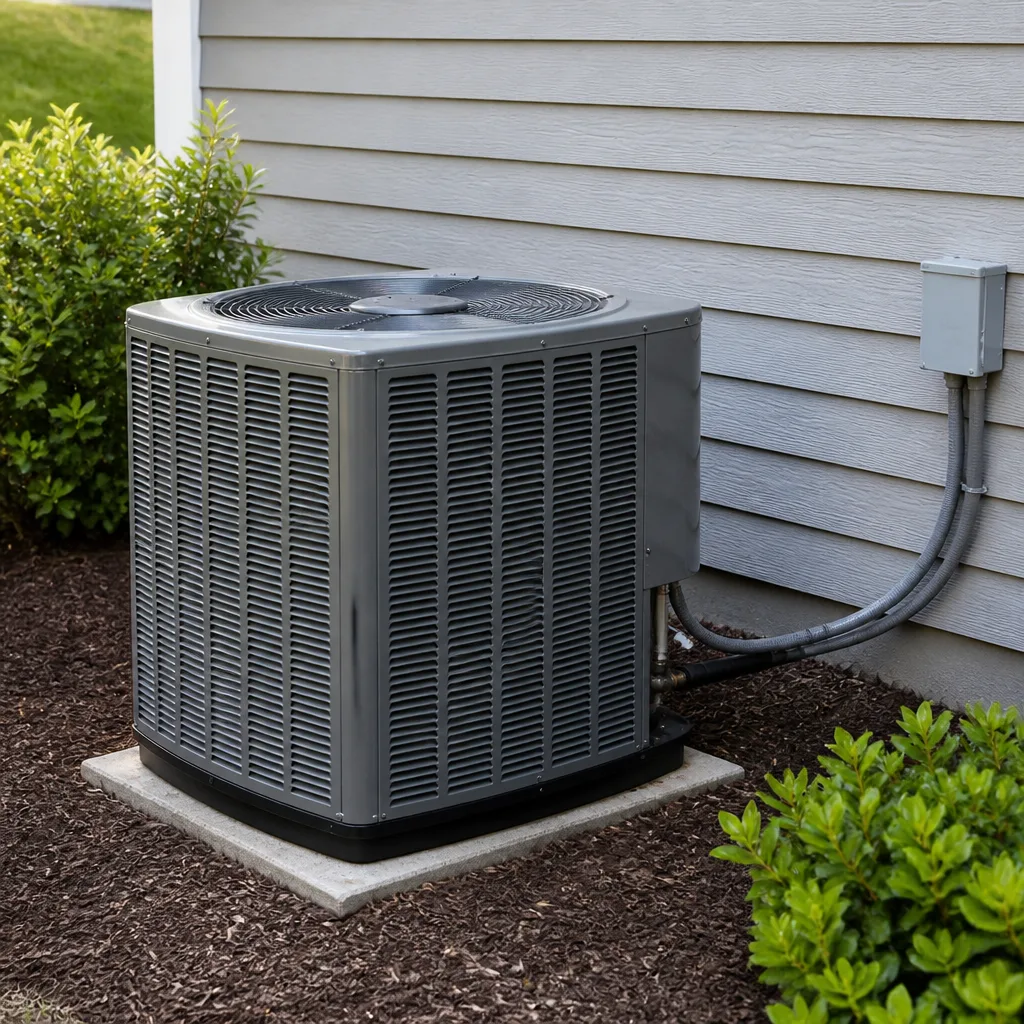
 AC repair
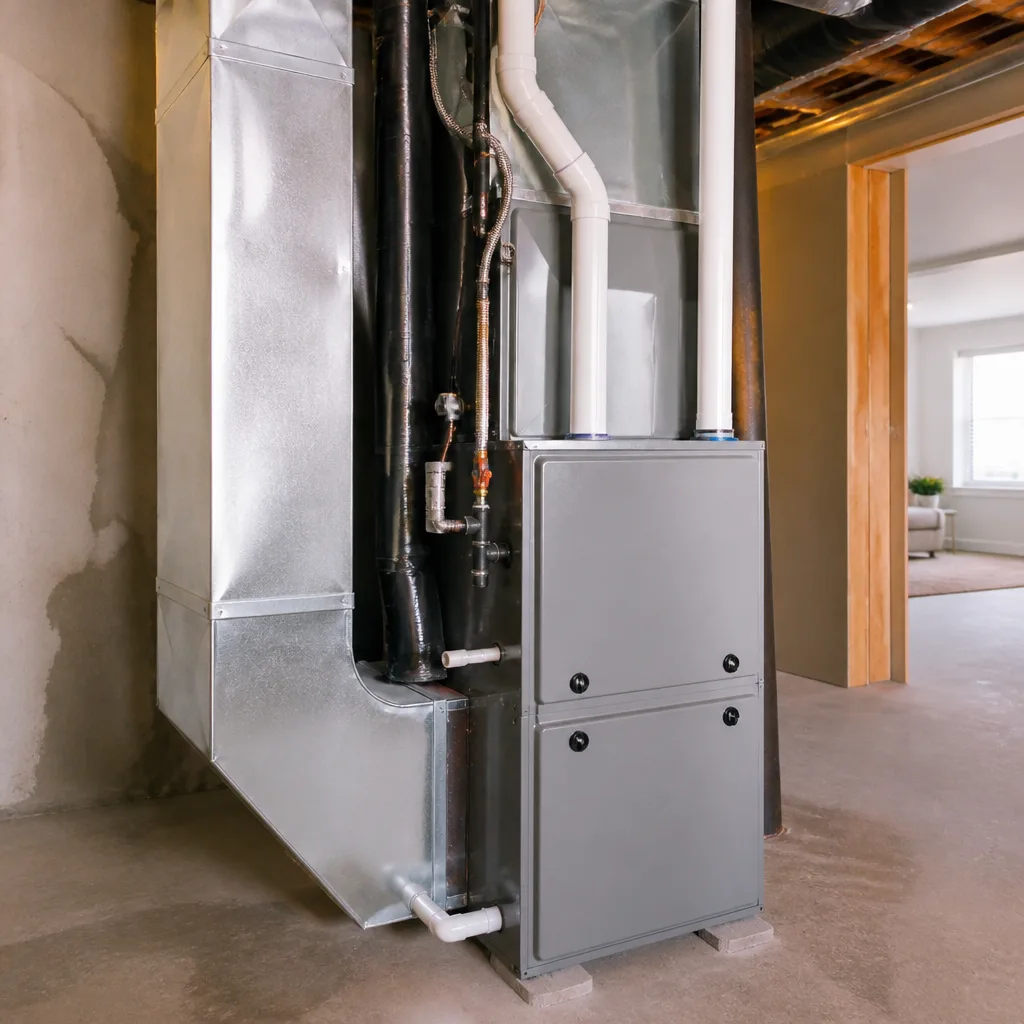 Furnace & heating
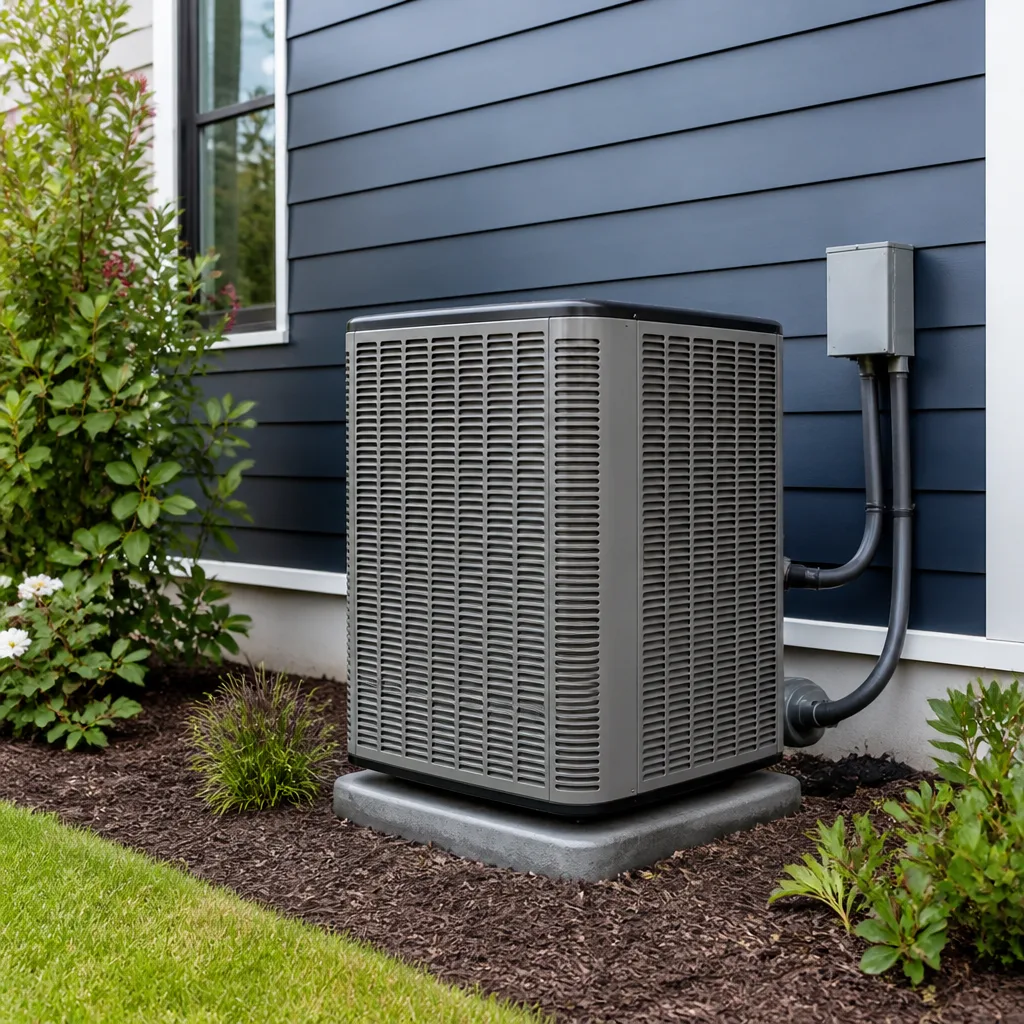 Heat pumps
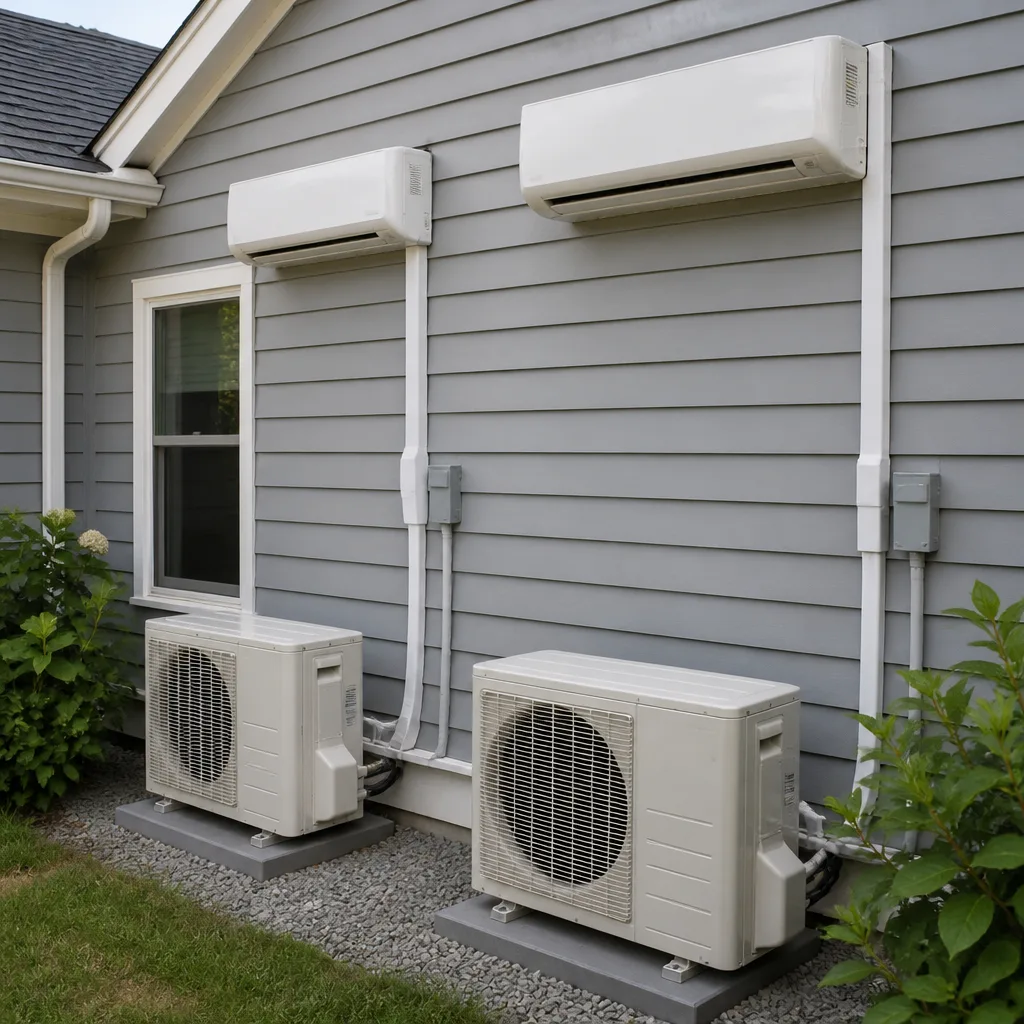 Ductless mini splits
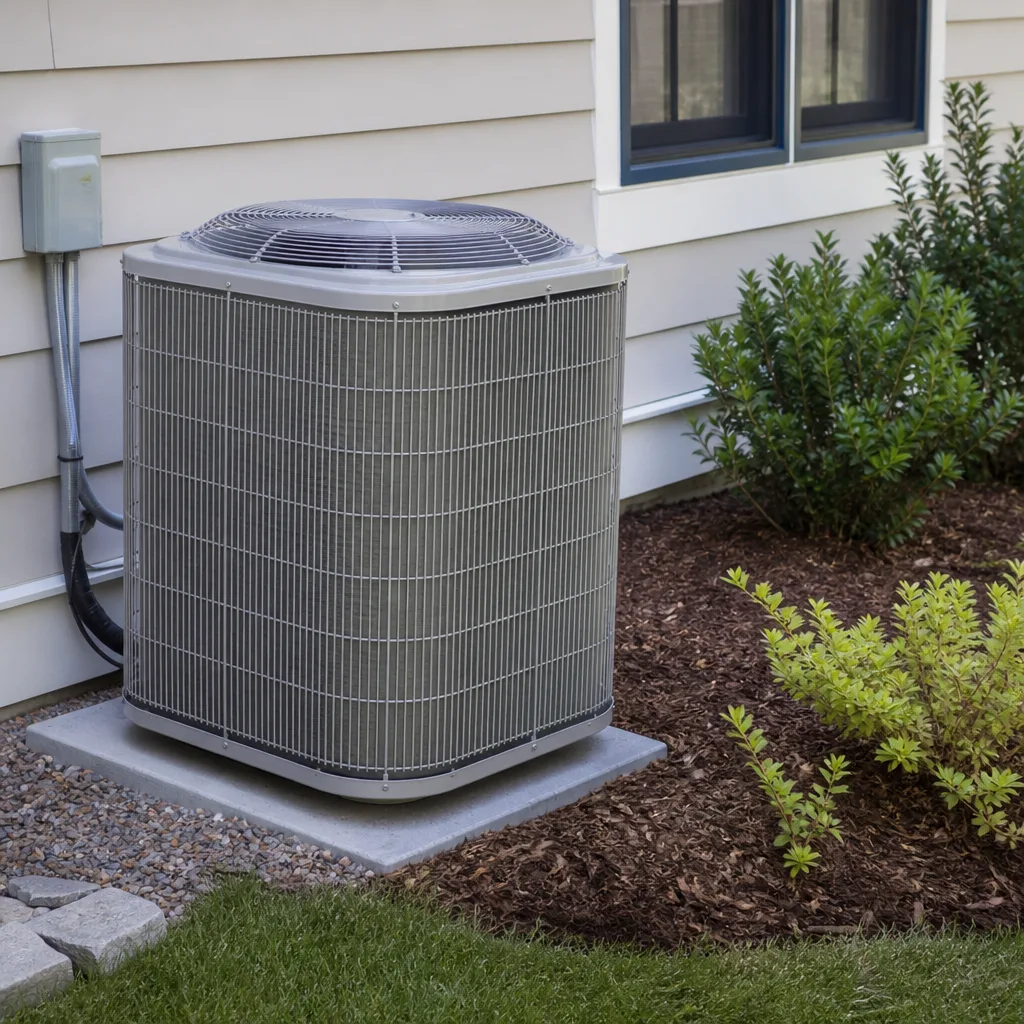 Carrier
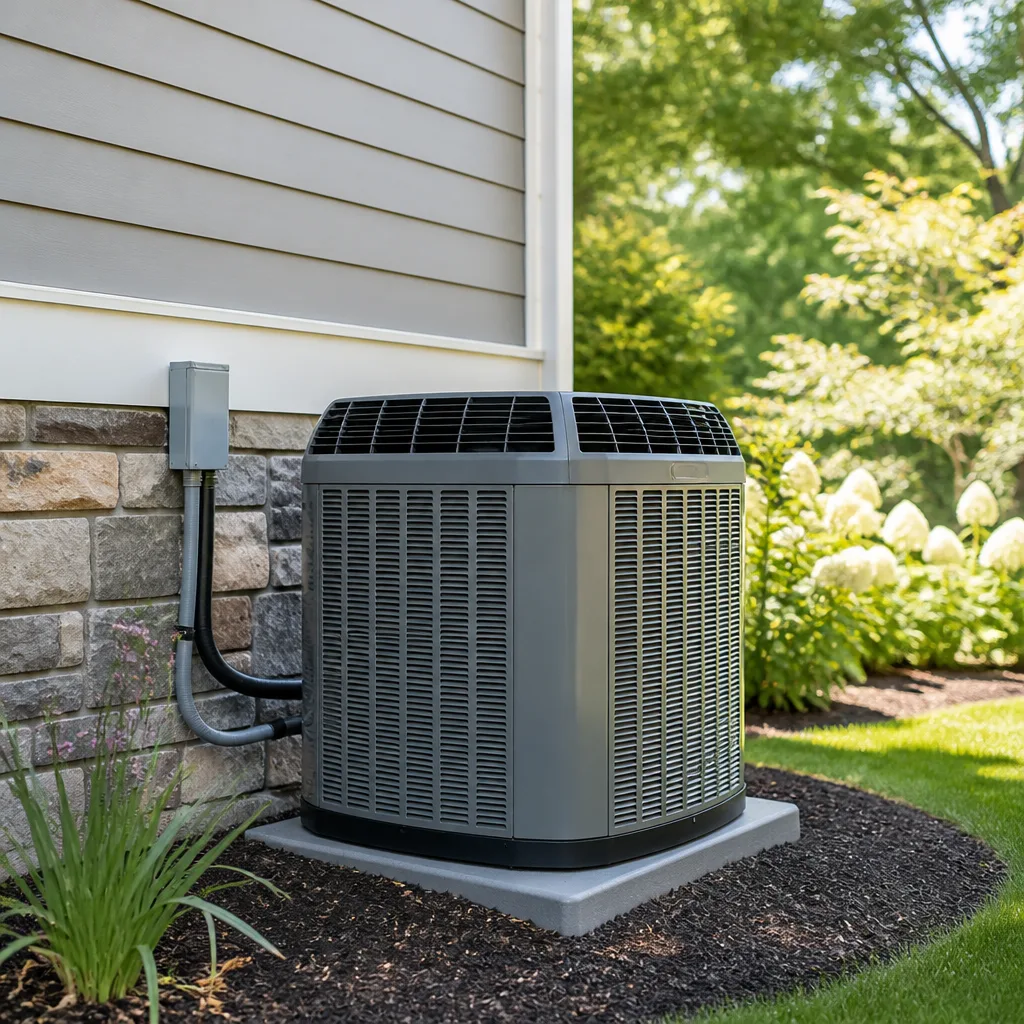 Trane
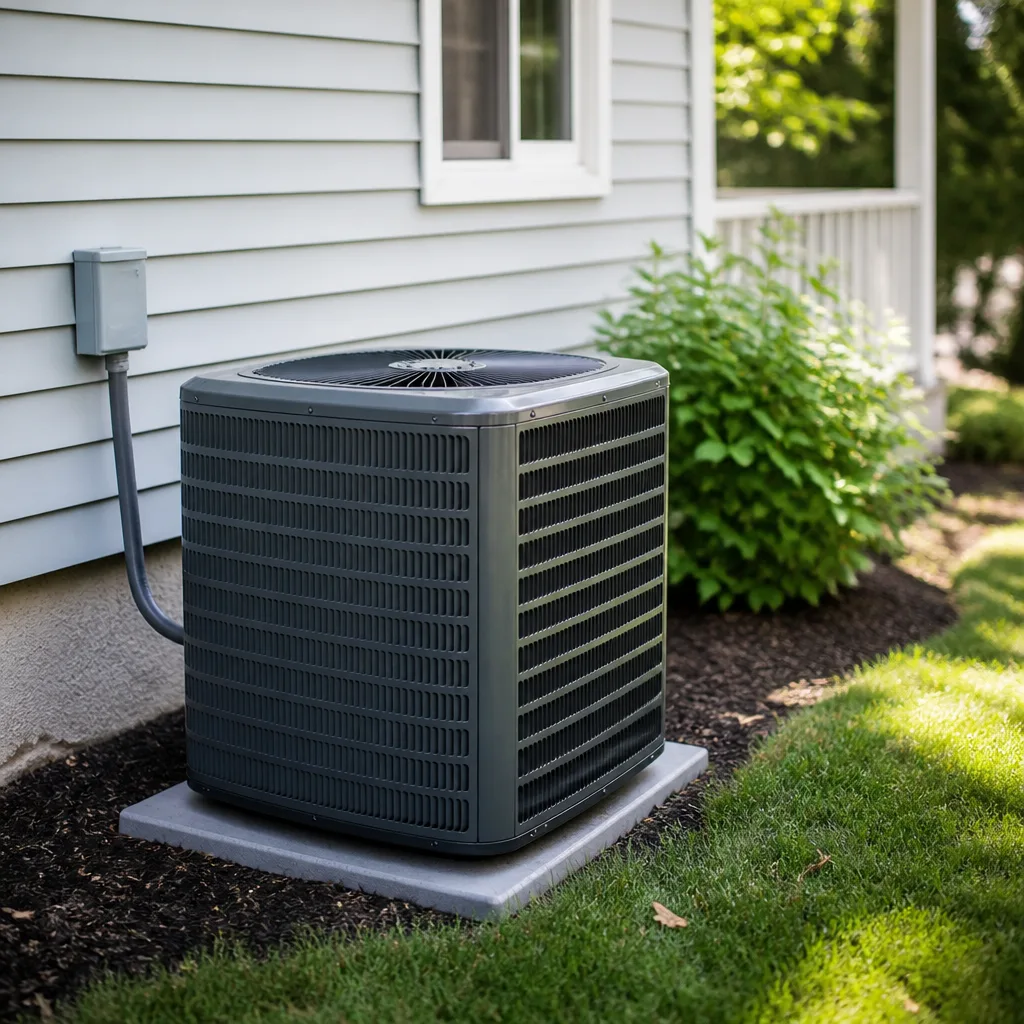 Goodman
Seasonal tune-up and full diagnostic on your Carrier, Trane, or Goodman system - readings shown to you before any repair is proposed
Diagnosis first, numbers second - you approve the repair price before a single part goes in.
Get your free estimateAmerican Standard Ductwork Repair: The Enterprise Owner’s Guide
Ductwork repair on an American Standard system in Enterprise usually runs $250 to $1,200 installed depending on how much duct is involved and whether it’s a sealed joint, a collapsed run, or a full trunk section. Small patches and joint re-seals can often happen same-day; longer runs get scheduled once we see the layout. Most Enterprise owners find out something’s wrong when a room stops cooling, the electric bill jumps without explanation, or they hear a whistle or rattle in the attic on a windy Nevada afternoon.
That whistle matters more here than most places. Enterprise sits at the edge of the Mojave, where attic temperatures push past 140°F in July and the summer monsoon swings humidity hard for a few weeks each year. Duct tape that held fine in April can be curled and hanging by August. We’ve pulled American Standard flex runs out of attics off Horizon Ridge and Sunridge that looked like they’d been through a blender. The system was fine. The ductwork was done.
Which American Standard Models This Applies To
American Standard ductwork repair applies to the whole family of their residential air handlers and packaged units, and the duct itself isn’t branded the way the condenser is. If you have an American Standard Freedom 95, Silver 14, Gold 17, or Platinum 18 series system, the air handler cabinet is where your supply and return plenums connect, and that connection point is one of the most common leak sources we find in Enterprise homes. The model and serial plate lives on the outdoor condenser cabinet and inside the air handler door. Grab a photo of both before you call anyone. It tells us the airflow rating (typically 800 to 2,000 CFM depending on tonnage) which sets the duct sizing the repair has to match.
Here’s the compatibility gotcha people miss: American Standard air handlers have specific cabinet dimensions, and aftermarket plenum transitions don’t always line up. We measure the actual cabinet opening, not the nominal size on the label. On the OEM-versus-aftermarket question, ductwork isn’t really an OEM part in the traditional sense. Rigid galvanized, R-8 flex, mastic, and foil tape are all commodity materials, and the quality of the install matters far more than any brand stamp. What we don’t do is guess at sizing.
Styles & brands we work with
- AC repair
- Furnace & heating
- Heat pumps
- Ductless mini splits
- Carrier
- Trane
- Goodman
Signs Your American Standard Ductwork Repair Is Failing
Ductwork fails quietly. By the time it’s obvious, you’ve usually been paying for it for a season or two. Five things we see constantly in Enterprise:
- One room won’t cool while the rest of the house is fine. A disconnected or crushed flex run is dumping cold air into the attic instead of the bedroom. This is the single most common call we get.
- Whistling or whooshing at a vent. That’s a pressure imbalance, usually from a duct that’s too small or a joint that’s opened up. The air is escaping before it reaches the register.
- Dust puffing out of registers on startup. Failed mastic and loose joints pull attic insulation fibers into the airstream. In Enterprise attics, that dust is also full of blown-in fiberglass and desert grit.
- Electric bill climbing with no change in habits. Leaky supply ducts in a 140°F attic lose a shocking amount of cooling before it ever reaches your living room. The system runs longer to compensate.
- Rattling or banging when the blower kicks on. Undersized or unsecured duct can flex and slap against framing. Sometimes it’s just a strap that gave out; sometimes the run needs replacing.
Any one of those is worth a look. Two or more together usually means the duct system needs real attention, not a patch.
See the difference
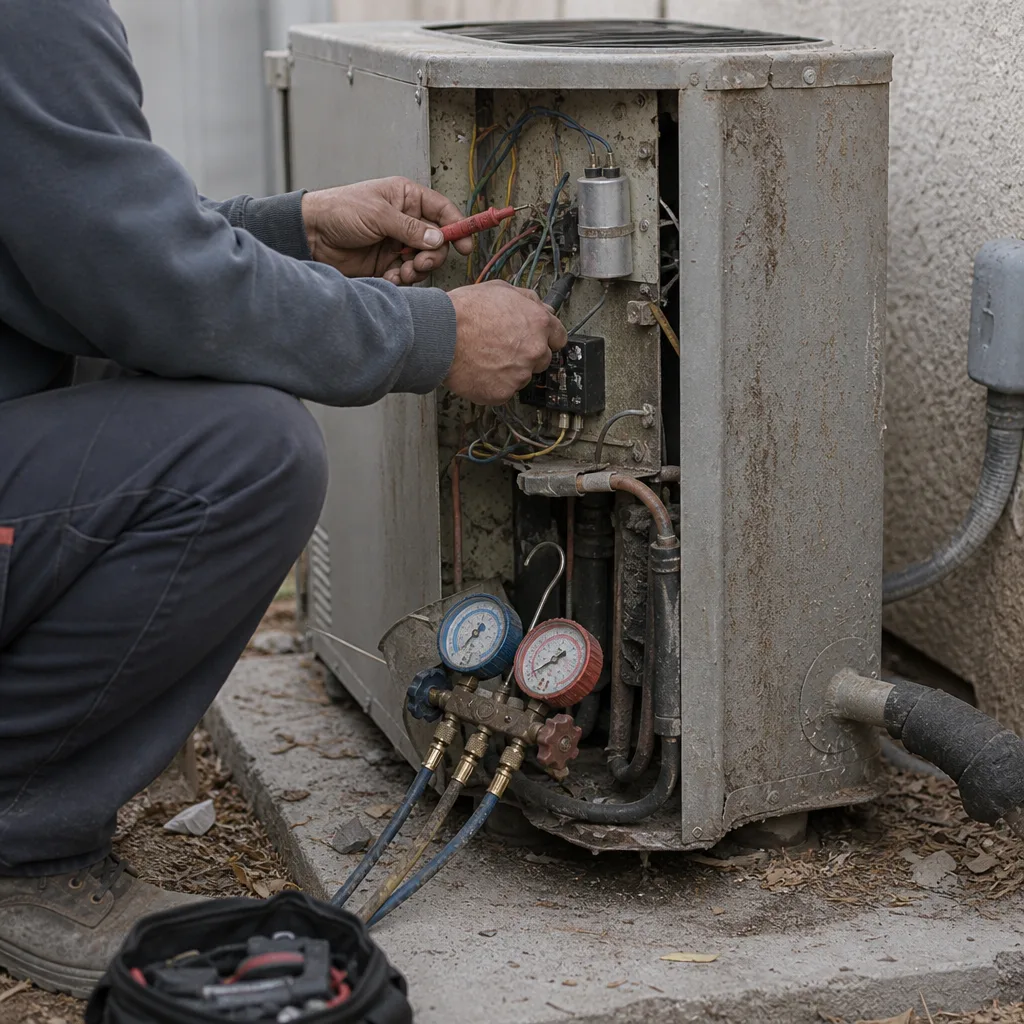 Before
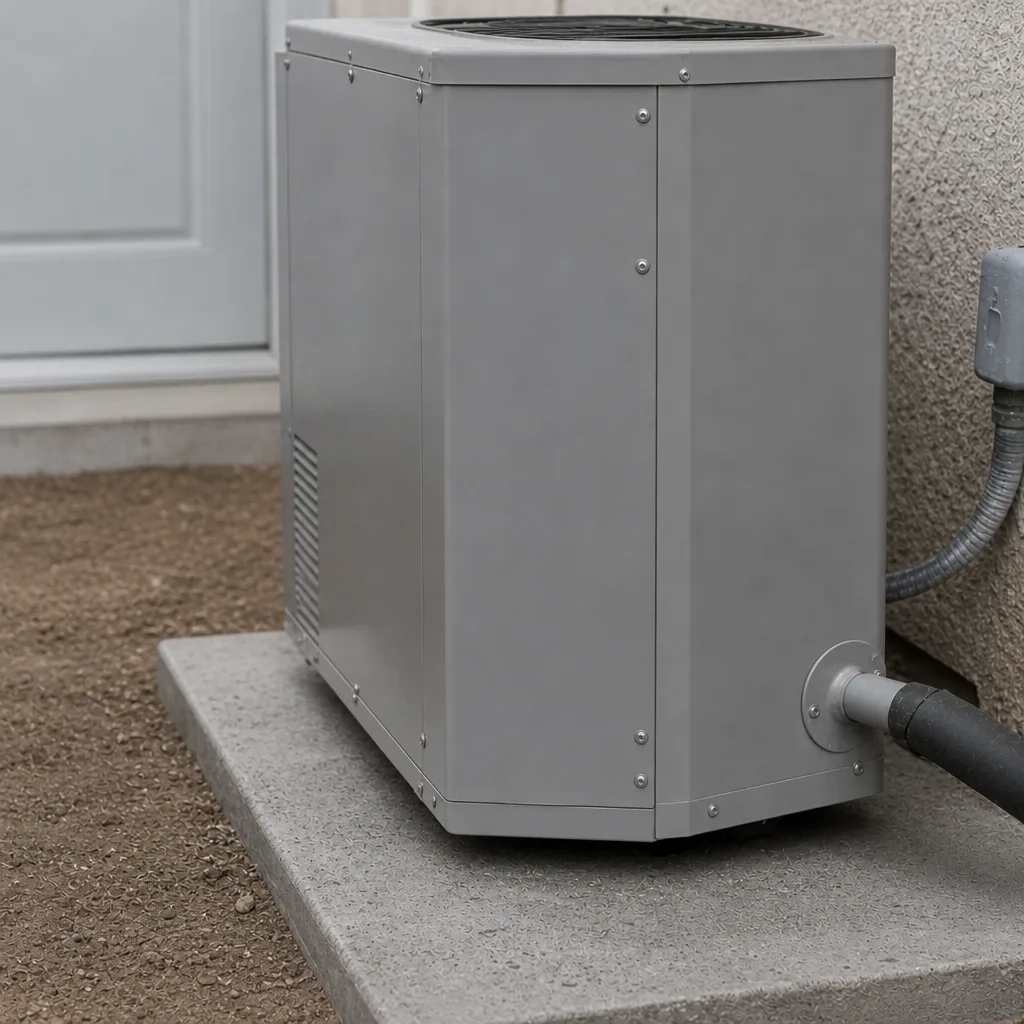 After
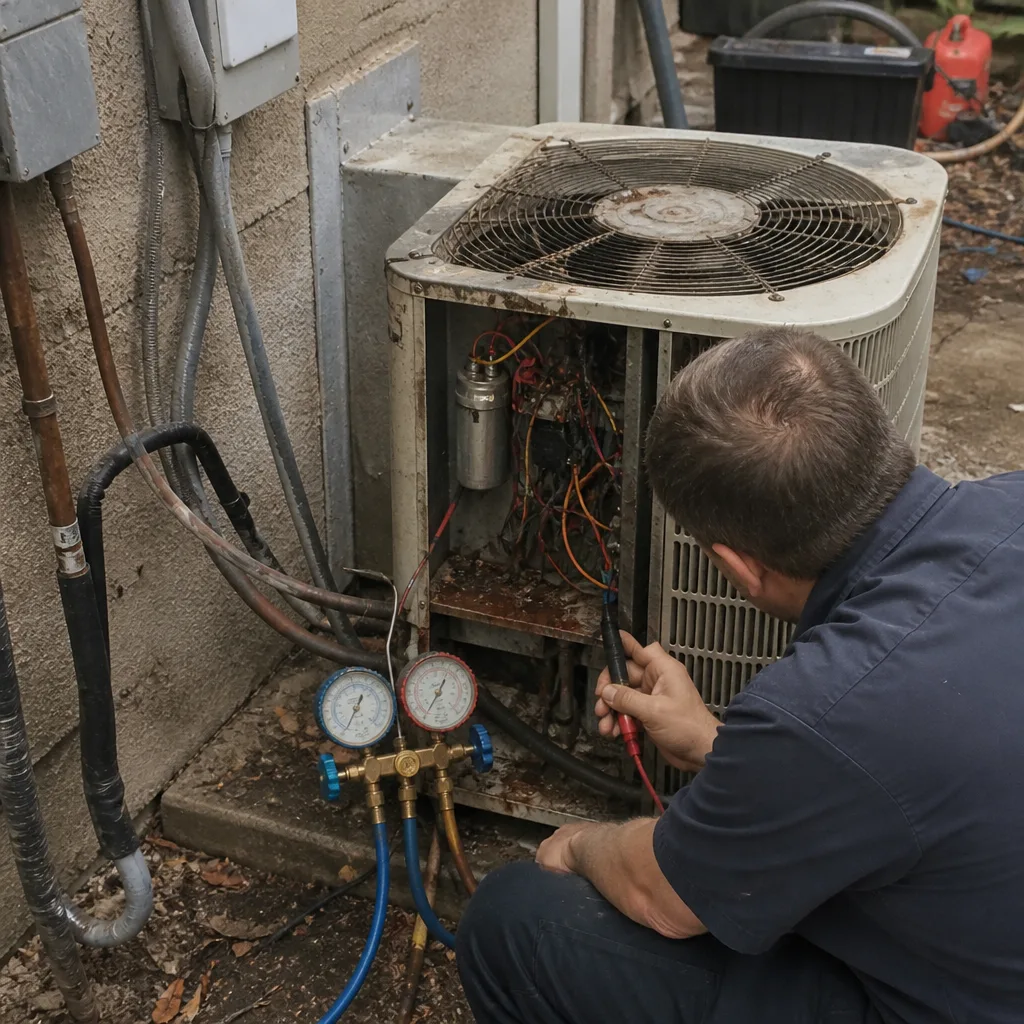 Before
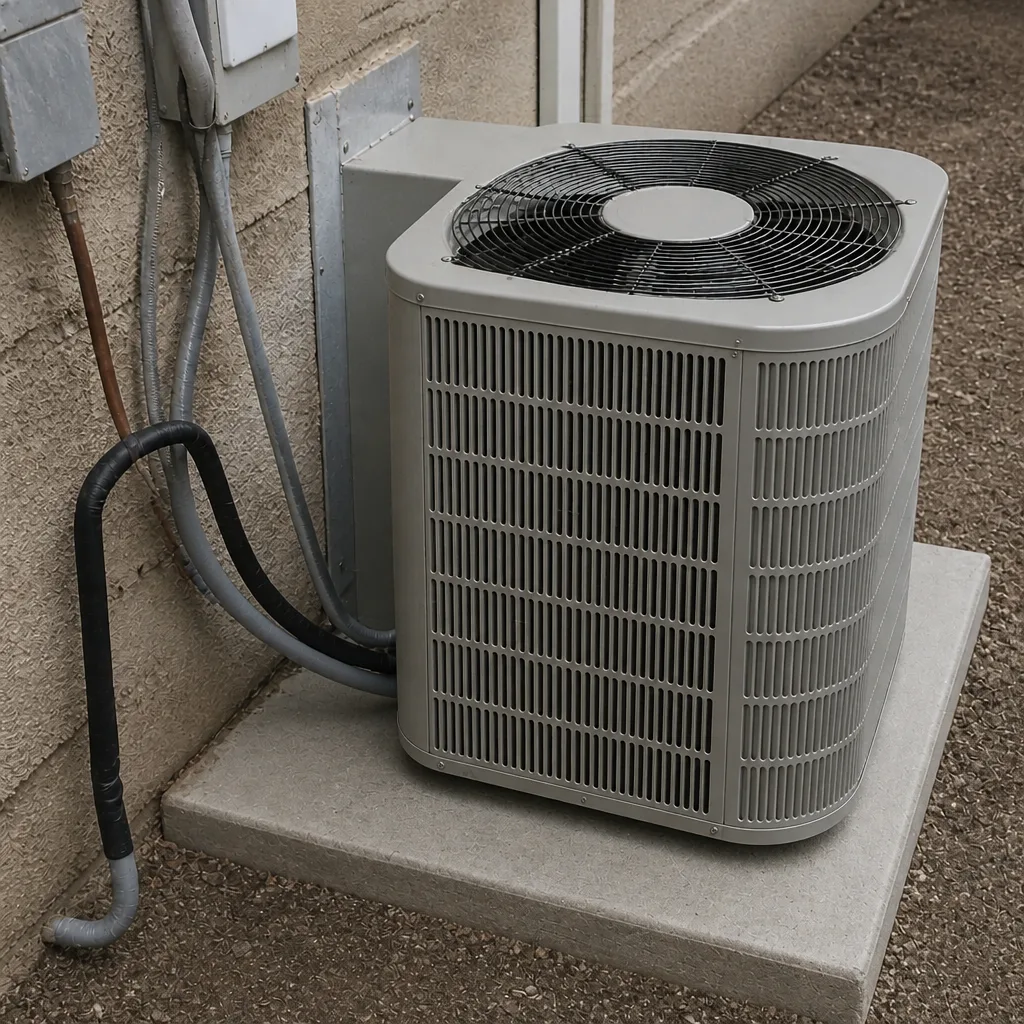 After
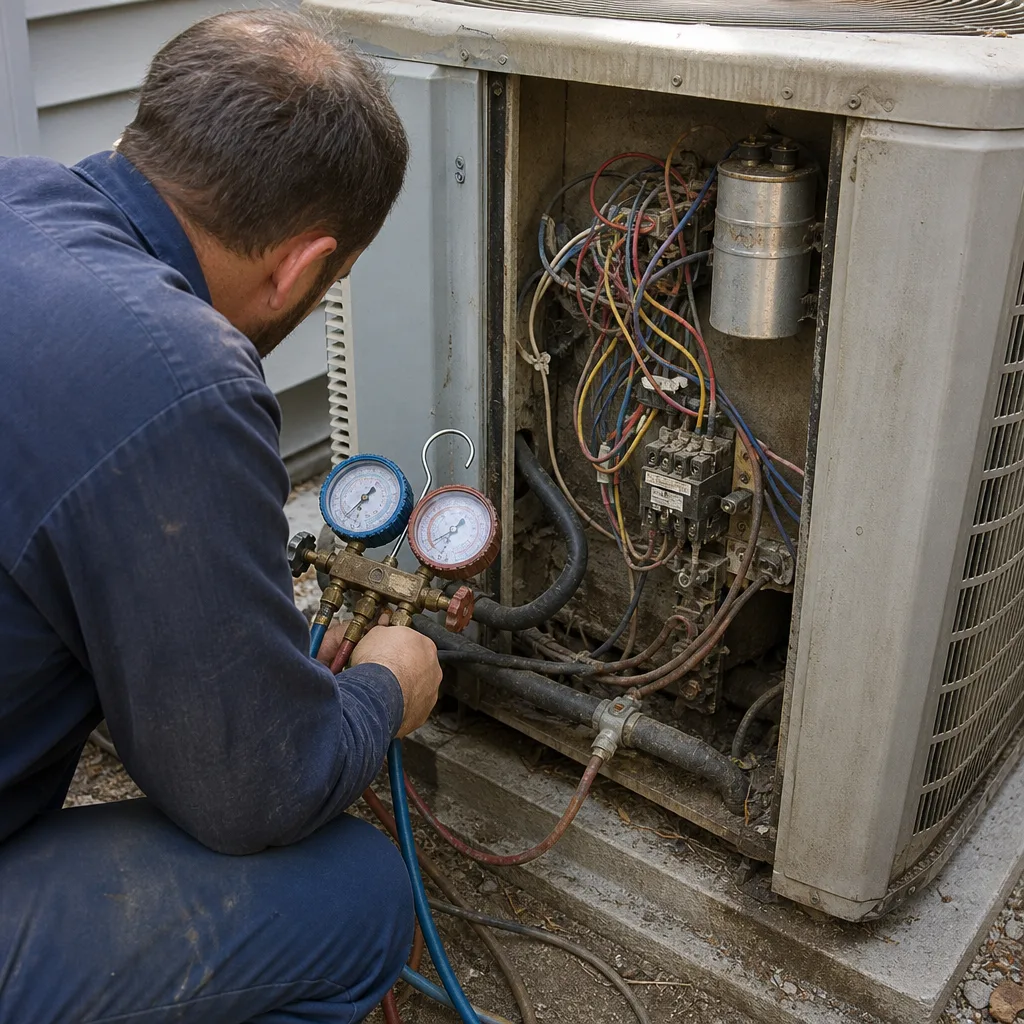 Before
 After
Replacement Cost & What’s Included
Ductwork repair in Enterprise runs $250 to $1,200 installed for most residential jobs. The range is driven by length of run, attic access difficulty, and material. A simple joint re-seal with mastic and foil tape sits at the low end. Replacing a collapsed flex run with R-8 insulated duct, properly strapped and sealed, pushes toward the middle. A full trunk line rebuild or plenum transition goes to the top. Repairs bundled with an AC repair call fall into our $150 to $650 AC repair range, and if we’re already there for a tune-up ($80 to $200) we’ll flag duct problems we spot while we’re in the attic.
You see the readings and the numbers before any work begins. Not a phone quote that changes at the door. Every duct job carries the 90-Day Done Right Promise in writing. If it’s not right, one call brings Ray back. Ductwork is also a good time to mention we service Carrier, Trane, and Lennox systems with the same approach.
DIY or Call Us?
You can safely check a few things yourself. Walk the attic (carefully, with a good light) and look for disconnected flex, obvious tears, or duct tape hanging loose. Feel for air blowing where it shouldn’t. Check that every register in the house is open and not blocked by furniture. That much is fair game and costs nothing.
Where DIY goes wrong: attic heat in Enterprise is genuinely dangerous in summer, and one wrong step through a ceiling is a $2,000 mistake. More to the point, duct sealing done with the wrong tape (standard “duct tape” fails in weeks here) or without proper mastic just kicks the problem down the road. We’re an independent service provider, not affiliated with American Standard, and we’ll tell you straight whether a repair or a full duct replacement makes more sense for your house. Call (844) 455-2034 for a free estimate.
FAQs
Properly installed R-8 flex duct typically lasts 15 to 25 years, but in Enterprise attics the realistic number is often closer to 10 to 15 because of the heat cycling. Rigid galvanized duct lasts longer if the joints hold. The tape and mastic fail first, usually within 5 to 8 years under our temperature swings. If your home is past the 10-year mark and you’ve never had the duct inspected, it’s worth a look.
Yes, and it usually is. Most of what we see in Enterprise is repairable: a reconnected run, a re-sealed joint, a replaced section of flex. Full replacement only makes sense when the duct is collapsing throughout, badly undersized, or the whole system was installed wrong to begin with. We’ll show you what we find and give you both numbers. Call (844) 455-2034 for a free estimate.
A single run replacement or joint re-seal typically takes 1 to 3 hours. Larger jobs with multiple runs or trunk work can run most of a day. We schedule so you’re not left with an open ceiling or a system down overnight. Same-day availability depends on the day; call early and we’ll tell you honestly what’s possible.
We match the duct material and sizing to your American Standard air handler’s actual cabinet dimensions and airflow rating, then source from local suppliers. Flex duct, rigid galvanized, mastic, and foil tape aren’t proprietary, so there’s no reason to wait on a factory part. We don’t carry stock on a truck; we measure, order what the job needs, and install it right. We’re independent and not affiliated with American Standard. Call (844) 455-2034 for a free estimate.
Written by the team at Ray’s Heating & Air Enterprise, serving Enterprise and nearby areas.