
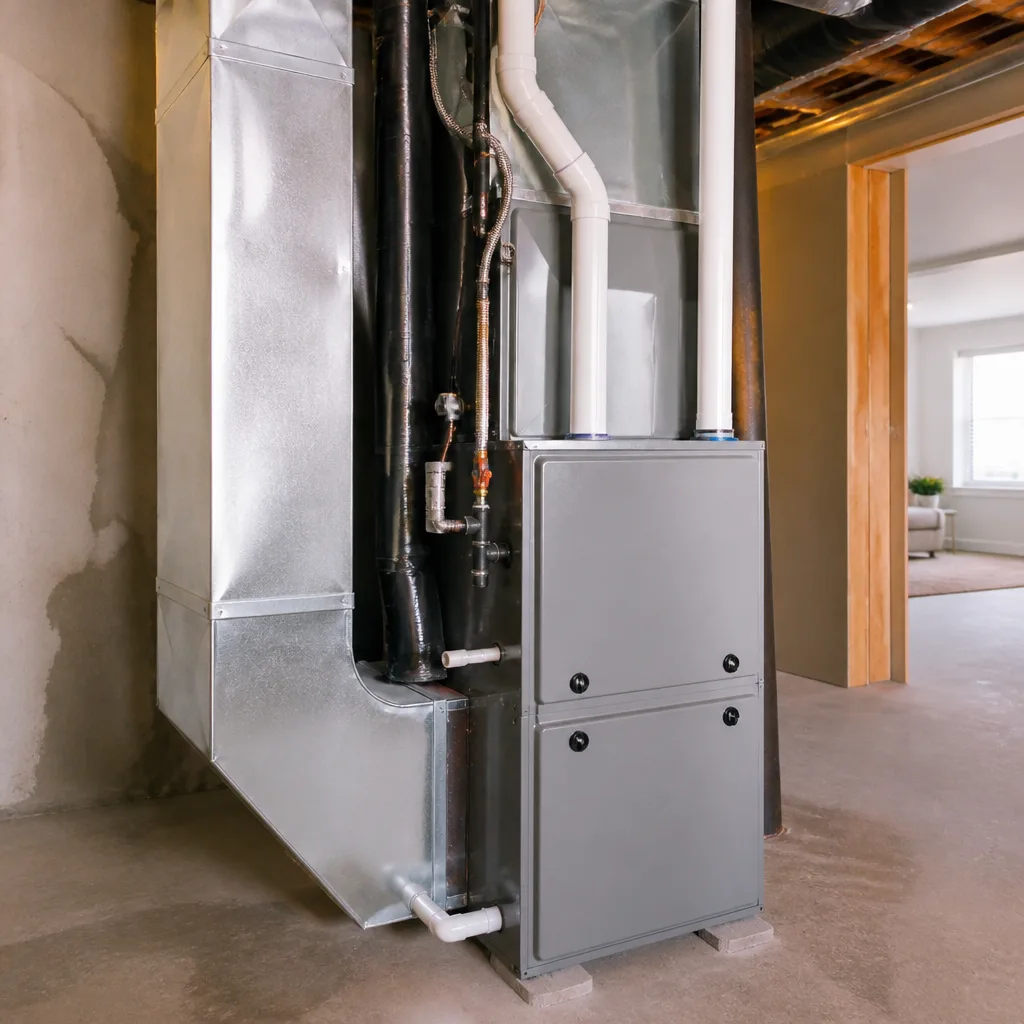
 Furnace & heating
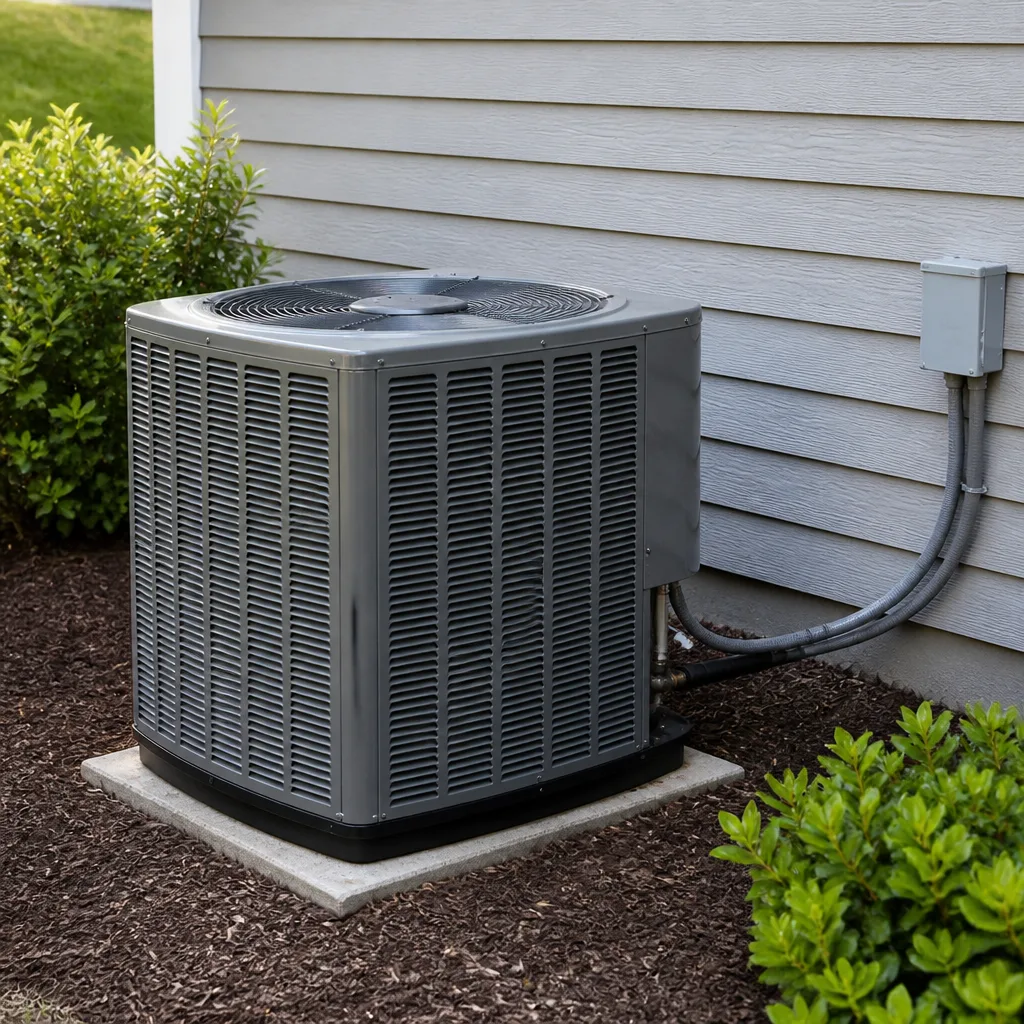 AC repair
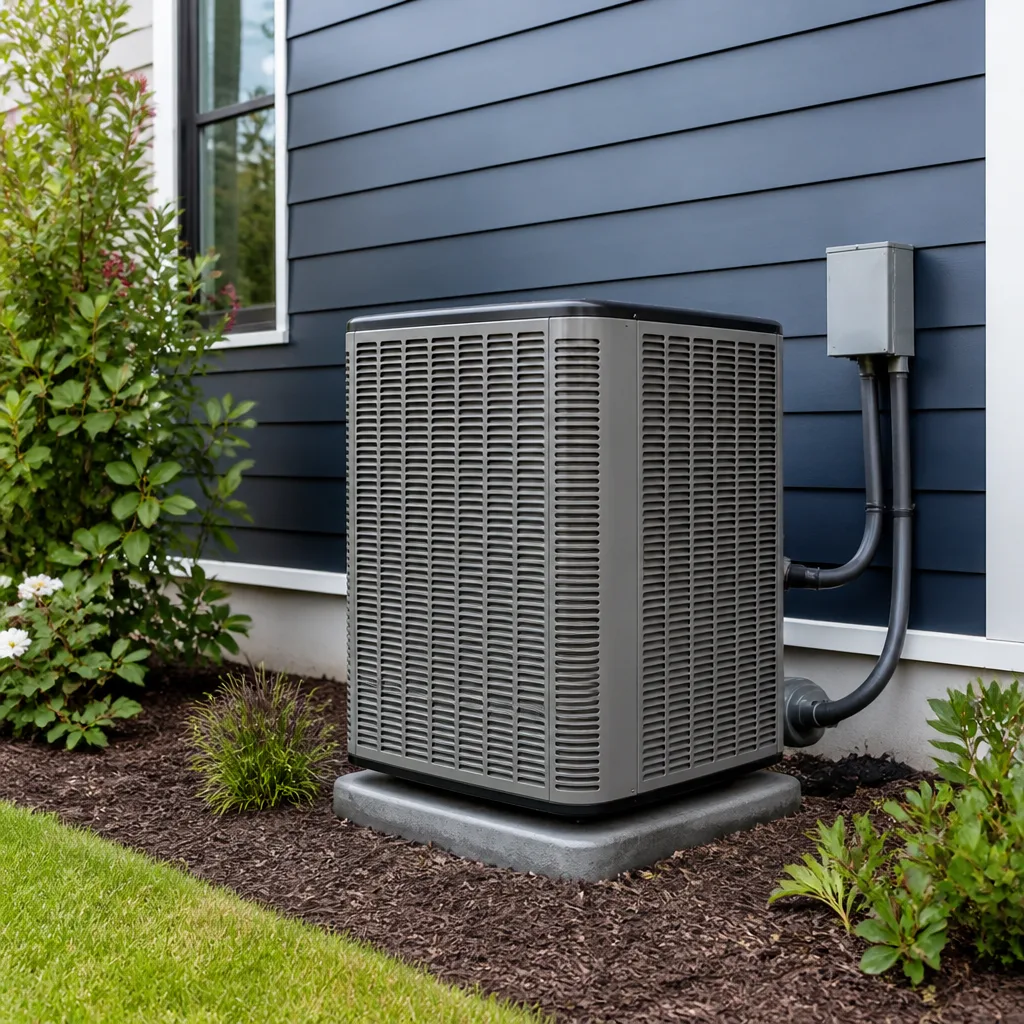 Heat pumps
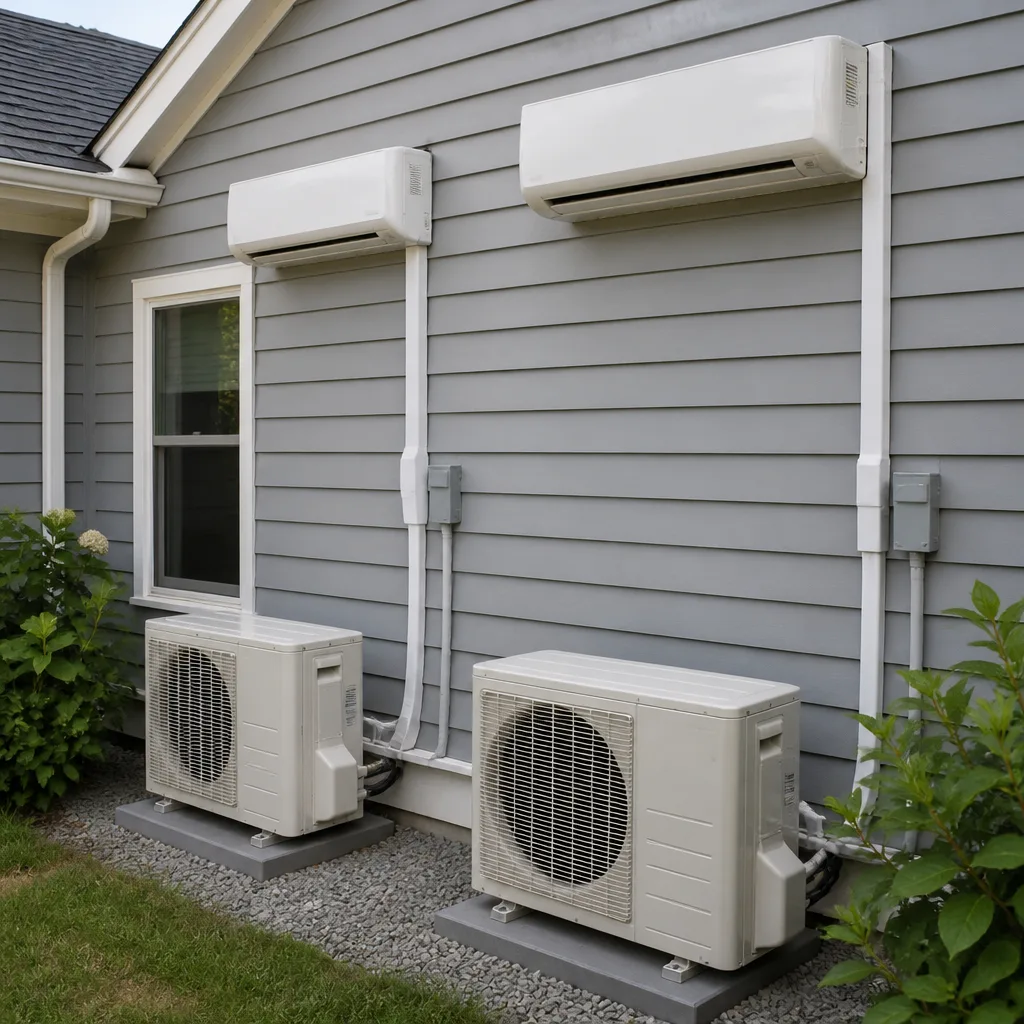 Ductless mini splits
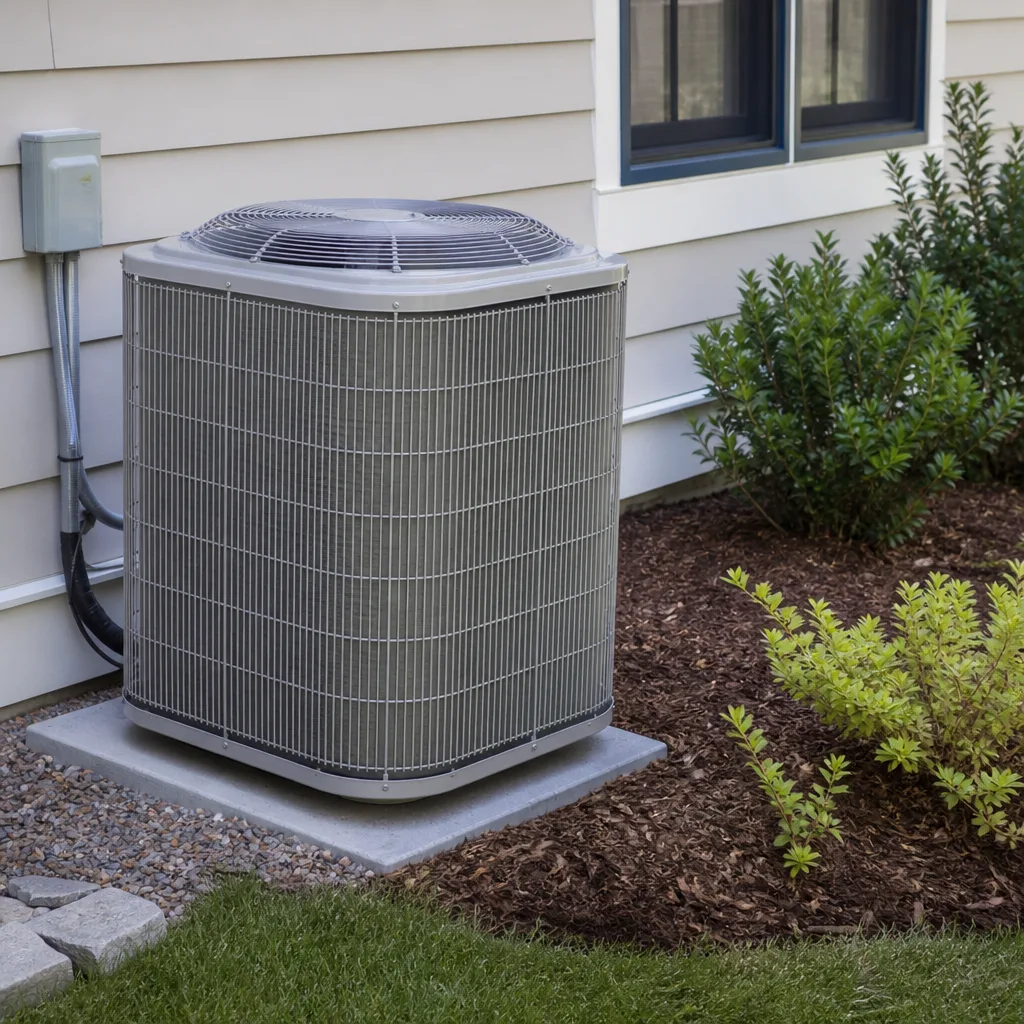 Carrier
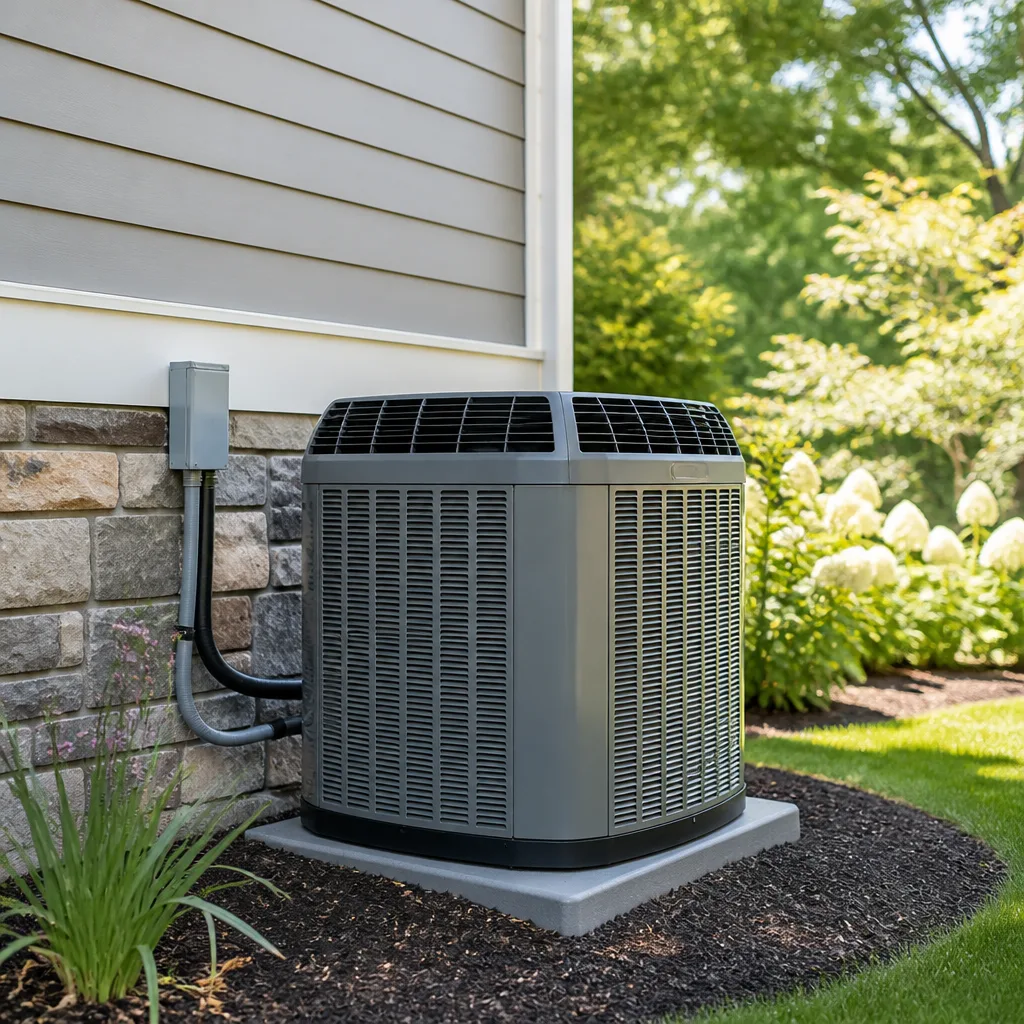 Trane
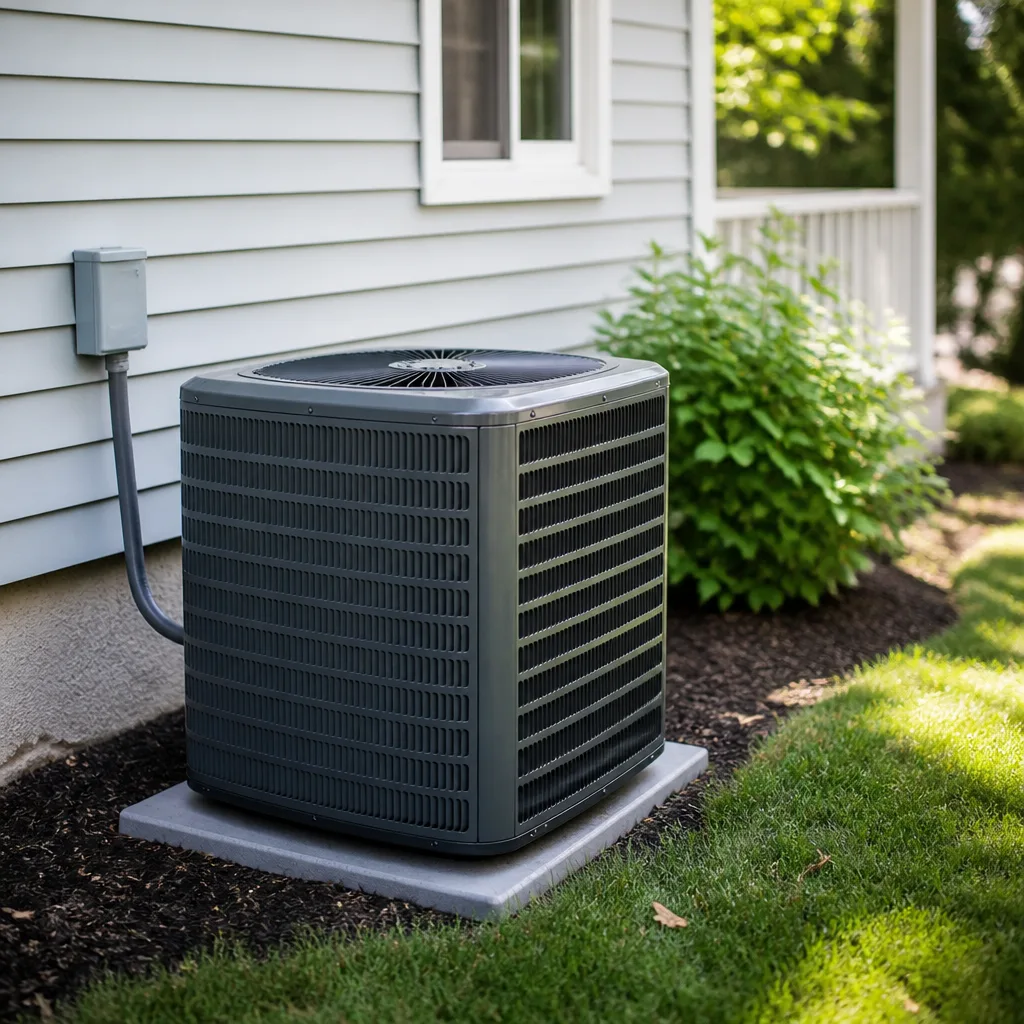 Goodman
Seasonal tune-up and full diagnostic on your Carrier, Trane, or Goodman system - readings shown to you before any repair is proposed
Diagnosis first, numbers second - you approve the repair price before a single part goes in.
Get your free estimateStyles & brands we work with
- AC repair
- Furnace & heating
- Heat pumps
- Ductless mini splits
- Carrier
- Trane
- Goodman
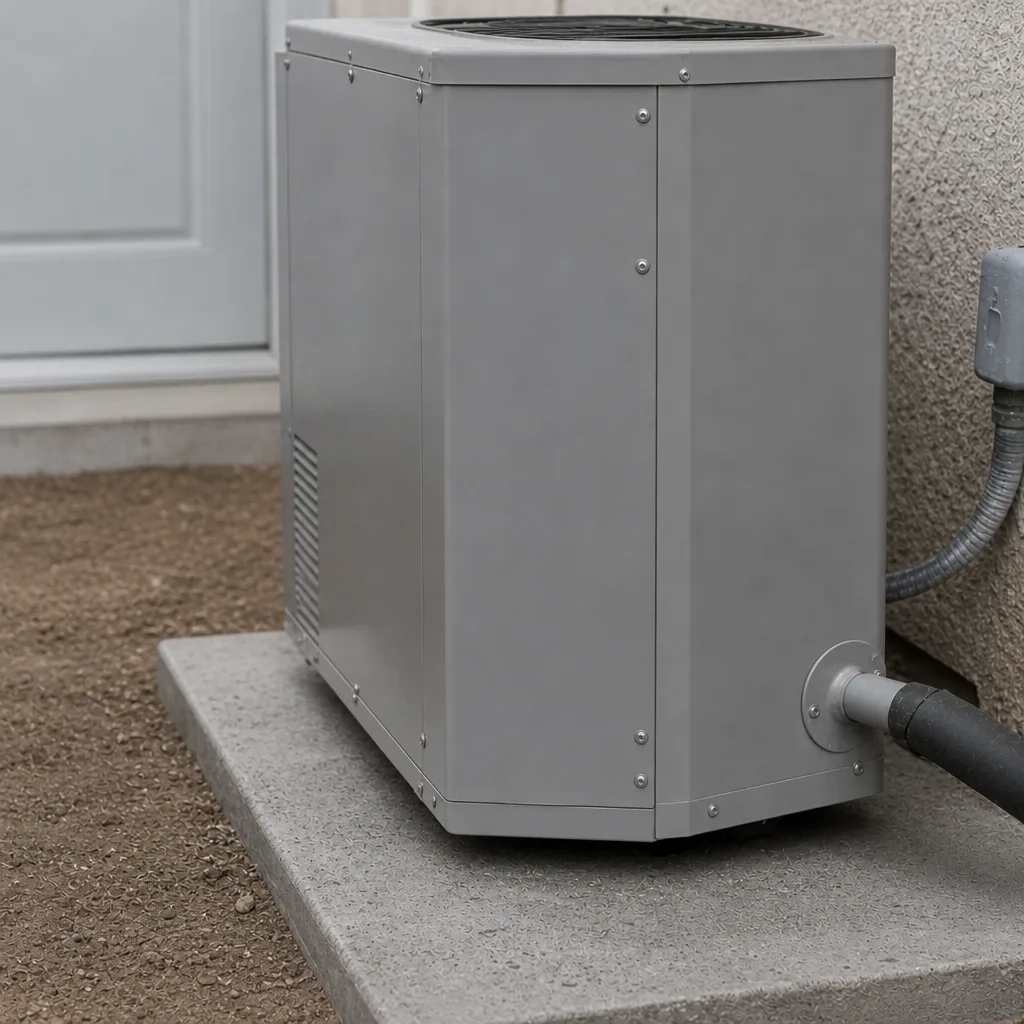
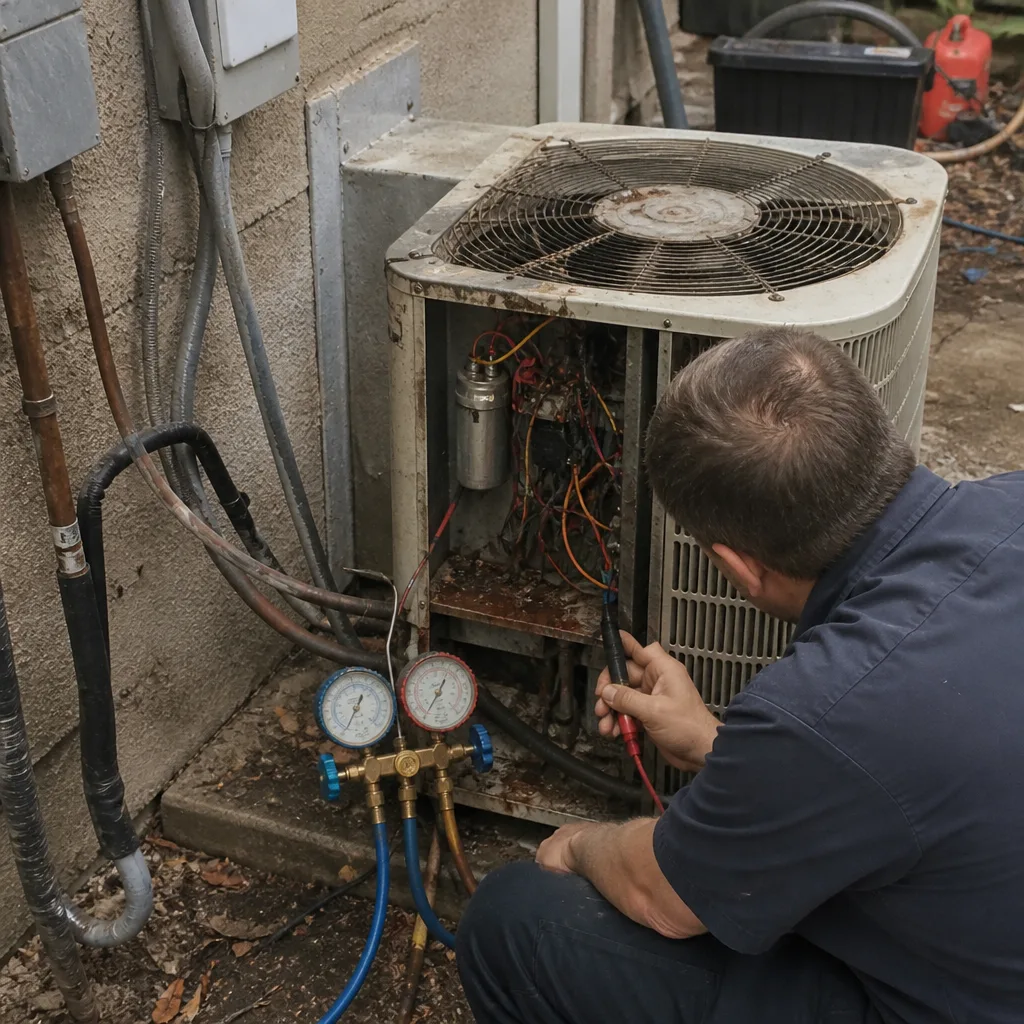
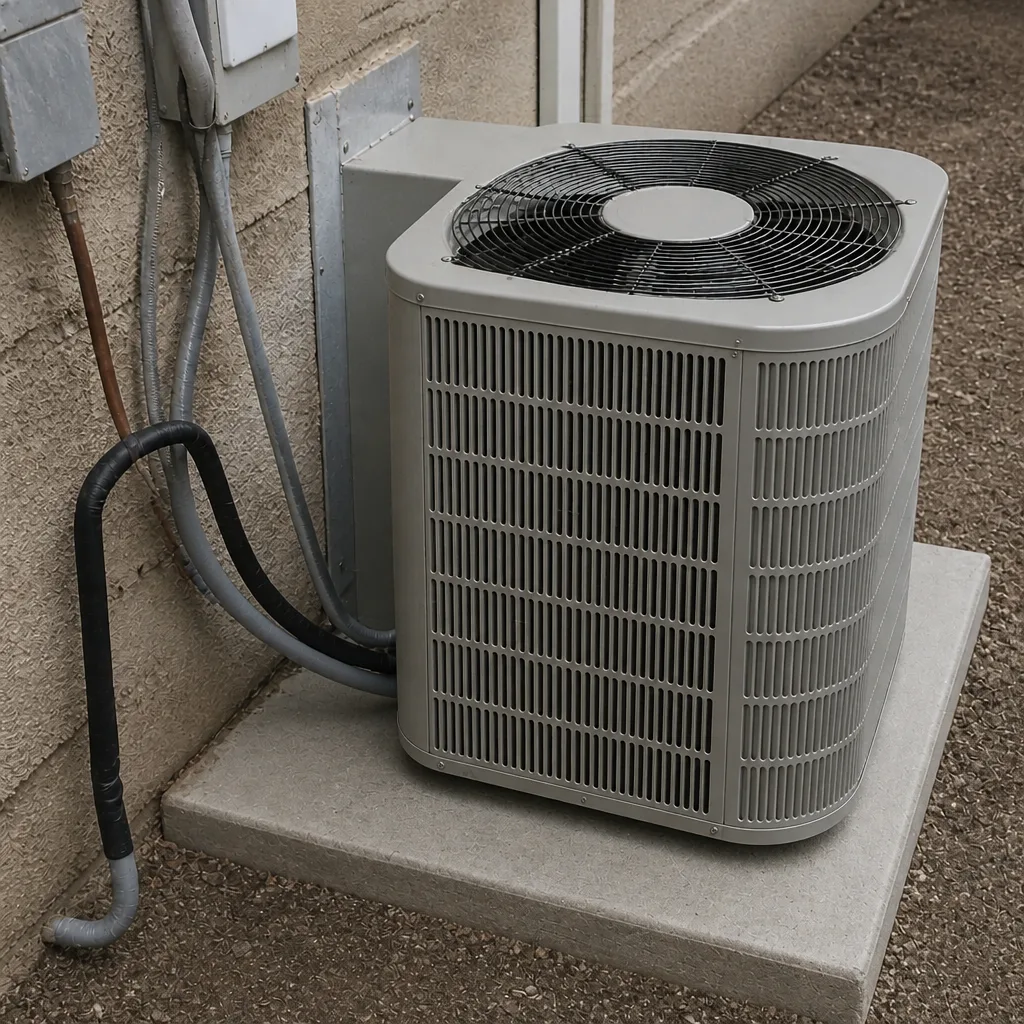
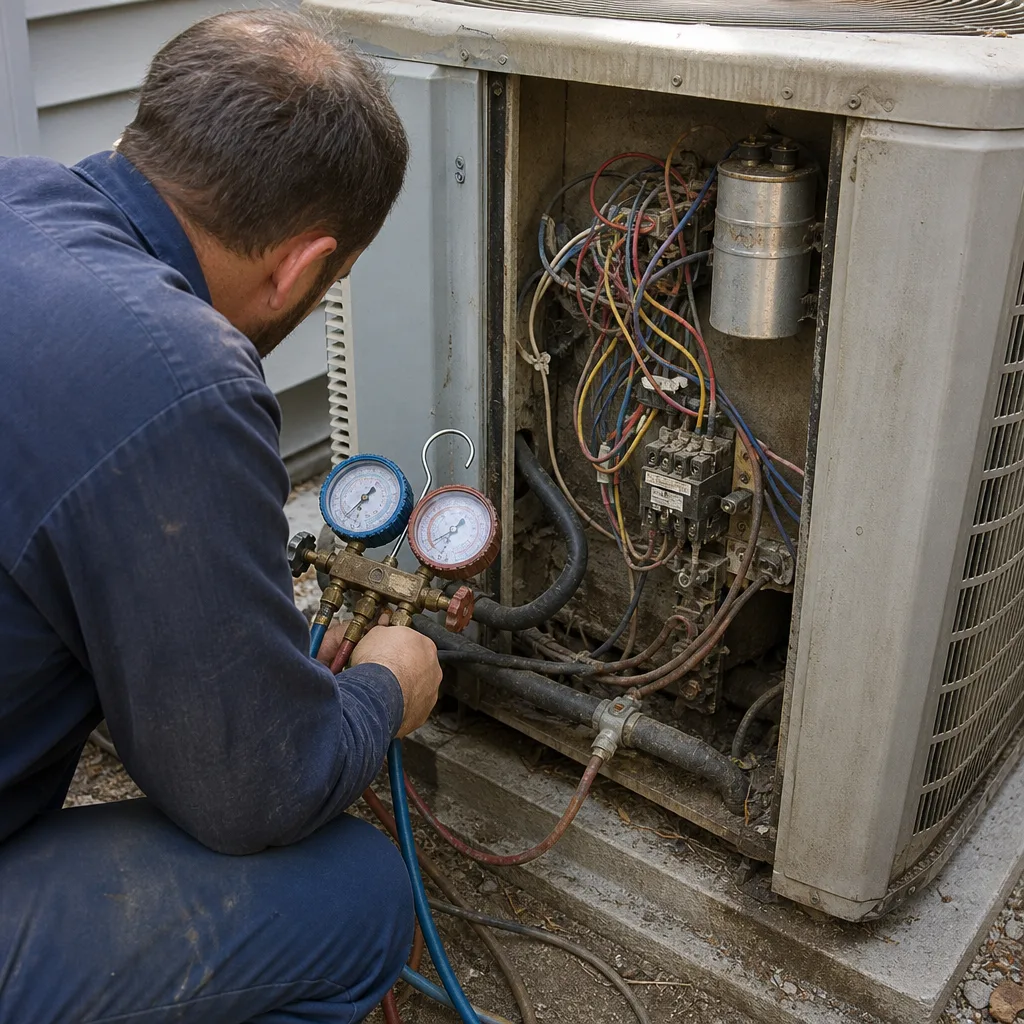
See the difference
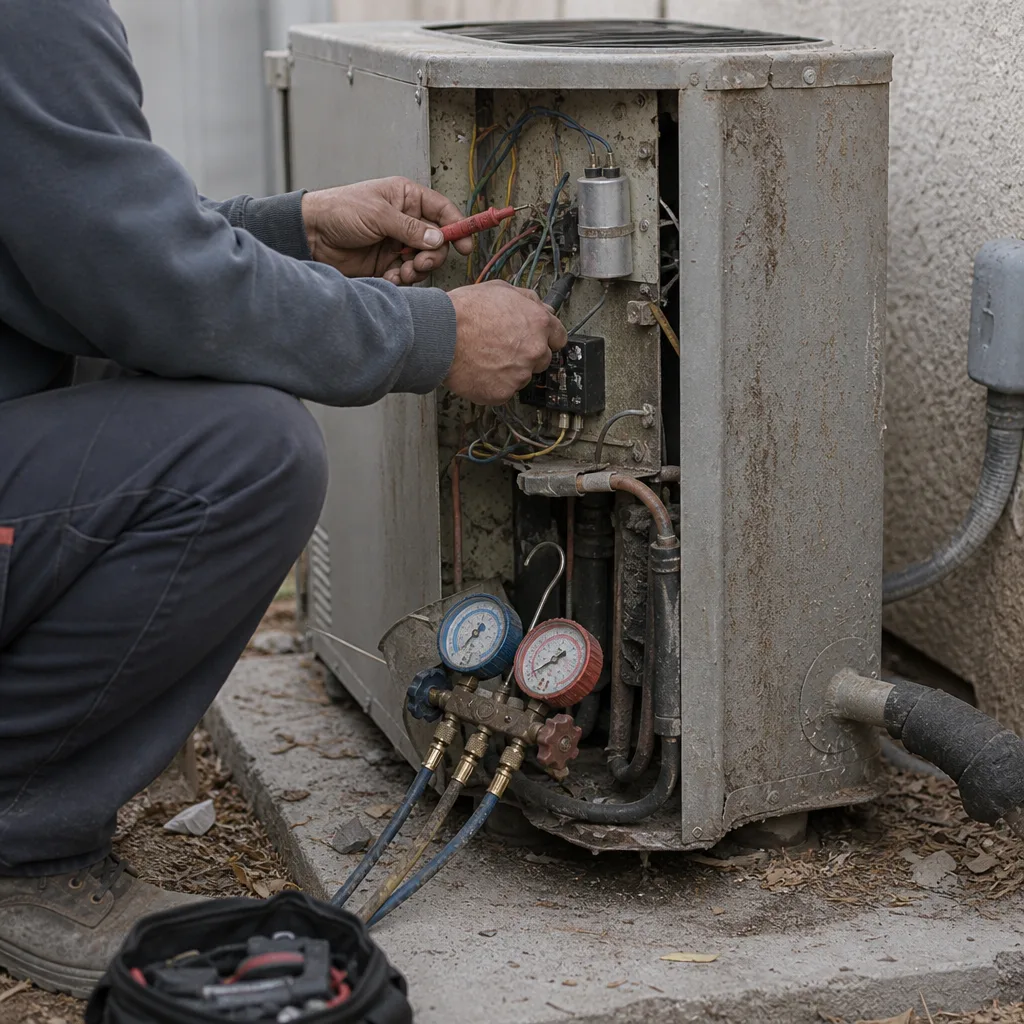 Before
 After
 Before
 After
 Before
 After
How Long Does a Furnace Last in Enterprise, NV?
A gas furnace typically lasts 15 to 20 years with regular maintenance. In Enterprise, many furnaces land on the shorter end of that range because the equipment sits in an attic mechanical space that bakes at 130-140°F every summer, and heat ages components even while the furnace is idle. So if your home went up in the 2000s build-out around Mountain’s Edge or Southern Highlands, your furnace is likely 16 to 22 years old right now, and so is your neighbor’s. Call (844) 455-2034 for a no-pressure assessment before the first cold snap catches your street short.
Why Enterprise Furnaces Age Faster Than the National Average
The 15-20 year figure you see everywhere assumes a furnace in a basement or a conditioned closet. Most Enterprise homes don’t have that. Stucco-over-frame tract houses here put the air handler and furnace up in the attic, and in July that mechanical space runs past 140°F. That heat cooks circuit boards, dries out bearings, and stresses the wiring harness long before the burners ever light. Your furnace can sit dormant all summer and still come out of it older than it went in.
The other thing working against you is the water. Las Vegas Valley water is extremely hard, and it scales condensate drain lines and evaporator coils fast. A clogged drain trap can throw a high-limit fault that looks like a furnace problem but isn’t. When we open a unit in Southern Highlands or Mountain’s Edge, checking the drain and the attic duct insulation comes before anyone blames a major component.
Winters here are mild, but they do dip to freezing a few nights a year, and spring wind-driven dust fouls filters and coils. A furnace that limped through last season often quits on the first genuinely cold night, right when it hasn’t run in weeks. That timing is not a coincidence. It’s the wear showing up all at once.
The Synchronized Replacement Wave Nobody Warned You About
Here’s the part that’s specific to this side of the valley. Thousands of homes in Mountain’s Edge and the surrounding subdivisions went up in the same 2002-to-2008 window, on the same builder-grade equipment. That means whole neighborhoods are hitting replacement age on nearly the same schedule. It’s not bad luck that your furnace, your neighbor’s, and the one across the street are all getting tired at once. It’s the math of building an entire community in one push.
What that does to you practically:
- Contractor availability tightens every winter. When a subdivision calls at the same time, the good crews book out. Homeowners who replace in early fall, before the first cold snap, get better lead times and more equipment options than the person calling in a January emergency.
- Equipment supply gets thin. The same replacement demand hits the supply houses. Planning ahead means you’re choosing from a full lineup instead of taking whatever’s on the shelf that day.
- Emergency pricing is real. A same-night January replacement is not the moment to negotiate. Replacing on your schedule keeps you in control of the number.
If you want to see what a repair runs versus a replacement in this market, the Heating & Furnace page lays out the line items. Our Heating & Furnace in Enterprise page covers the service side in detail.
What to Look For: Repair vs. Replace in This Market
Not every old furnace needs to go. Some 18-year-old units here have plenty of life left, and some 12-year-old ones are done. The age alone doesn’t tell you. What tells you is the pattern of what’s failing.
In Enterprise’s mild winters, the symptoms that matter most show up on the coldest nights, when the furnace has sat idle for weeks and then has to work hard. Watch for these:
- An igniter replaced more than once. One igniter is normal wear. Two or three in a few seasons points to something upstream, and it’s worth asking whether the repair money is better spent toward a new unit.
- Visible rust streaking at the heat exchanger seams. This is the one we take seriously. A cracked or rusted heat exchanger can let combustion gases into your home, and it’s a safety issue, not a comfort issue. This is not a part you inspect or repair yourself. It needs a trained technician with the right tools.
- An inducer motor that takes multiple tries to start. That hesitation often means the motor or the pressure switch is on its way out, and it tends to fail completely on the coldest night of the year.
Sizing a New Furnace Isn’t Just Matching the Old BTU Number
When we replace a furnace in Enterprise, the old unit’s BTU rating is a starting reference, not the answer. A duct system installed 20 years ago may not perform the way it did when the home was new, and load conditions under current standards may call for a different size entirely. Matching the old number blindly can leave you with a system that short-cycles or never quite keeps up.
Here’s how we approach it, in order:
- Read the current system first. We take actual readings and look at how the existing unit and ductwork are performing, so the numbers we discuss are grounded in your house, not a guess.
- Review the load and the ducts. We check whether the ductwork can handle the equipment and flag anything that needs attention before a new furnace goes in.
- Present options and prices up front. Readings first, numbers second. You see both before anyone touches a tool, and there’s a Free Second Opinion standing on any written estimate.
- Install and stand behind it. Every heating job carries the 90-Day Done Right Promise in writing. If it’s not done right, one call brings us back.
We work on all the major brands, including Trane, Lennox, Goodman, and Rheem, so you’re not locked into one make. Ray’s Heating & Air Enterprise has been keeping homes on this side of the valley comfortable, with the same people answering the phone every time.
Typical Costs in Enterprise
Here’s what furnace work runs in this market. These are real ranges, not phone-quote bait that changes at the door:
| Job | Typical Range |
|---|---|
| Furnace Repair | $150-$700 |
| Tune-Up | $80-$200 |
| AC Repair | $150-$650 |
| AC Installation | $3,500-$7,500 |
A fall tune-up is the cheapest way to find out whether your furnace has another season in it or whether this is the winter to replace. We test the components and give you the readings before we give you a number. If you’re weighing a repair against a new system, a furnace repair in the $300 range on a unit with years left is money well spent; the same repair on a 20-year-old unit with a rusted heat exchanger is throwing good money after bad. We’ll tell you which one you’re looking at.
FAQs
A furnace in Enterprise usually lasts 15 to 20 years, but the attic heat here can push many units toward the shorter end of that range. If your home was built in the 2002-2008 wave, your furnace is likely due or close to it. Call (844) 455-2034 for an honest read on yours, and estimates are free.
Repair usually makes sense if the fix is small and the heat exchanger is sound, but a rusted heat exchanger or a string of repeat repairs points toward replacement. Age alone doesn’t decide it; the condition and the pattern of failures do. Call (844) 455-2034 and we’ll show you the readings before you decide.
Early fall, before the first cold snap, is the best window because availability and equipment options are widest then. Wait until a January emergency and you’re choosing from what’s left. Call (844) 455-2034 to get on the fall schedule.
No, a rusted or cracked heat exchanger is a safety concern, and the right move is to stop using the furnace and have it assessed by a trained technician rather than repaired yourself. Combustion gases can enter your home, so don’t run it while you wait. Call (844) 455-2034 for a same-day look.
Let’s Look at Yours Before the Cold Arrives
If your house is part of the Mountain’s Edge or Southern Highlands build-out, your furnace is on the synchronized clock whether you like it or not. Better to know where it stands on a calm fall day than on a freezing January night. Ray’s Heating & Air Enterprise offers a no-pressure assessment in Enterprise, with readings first and numbers second. Call (844) 455-2034 for a free estimate.
Written by the team at Ray’s Heating & Air Enterprise, serving Enterprise, NV.