
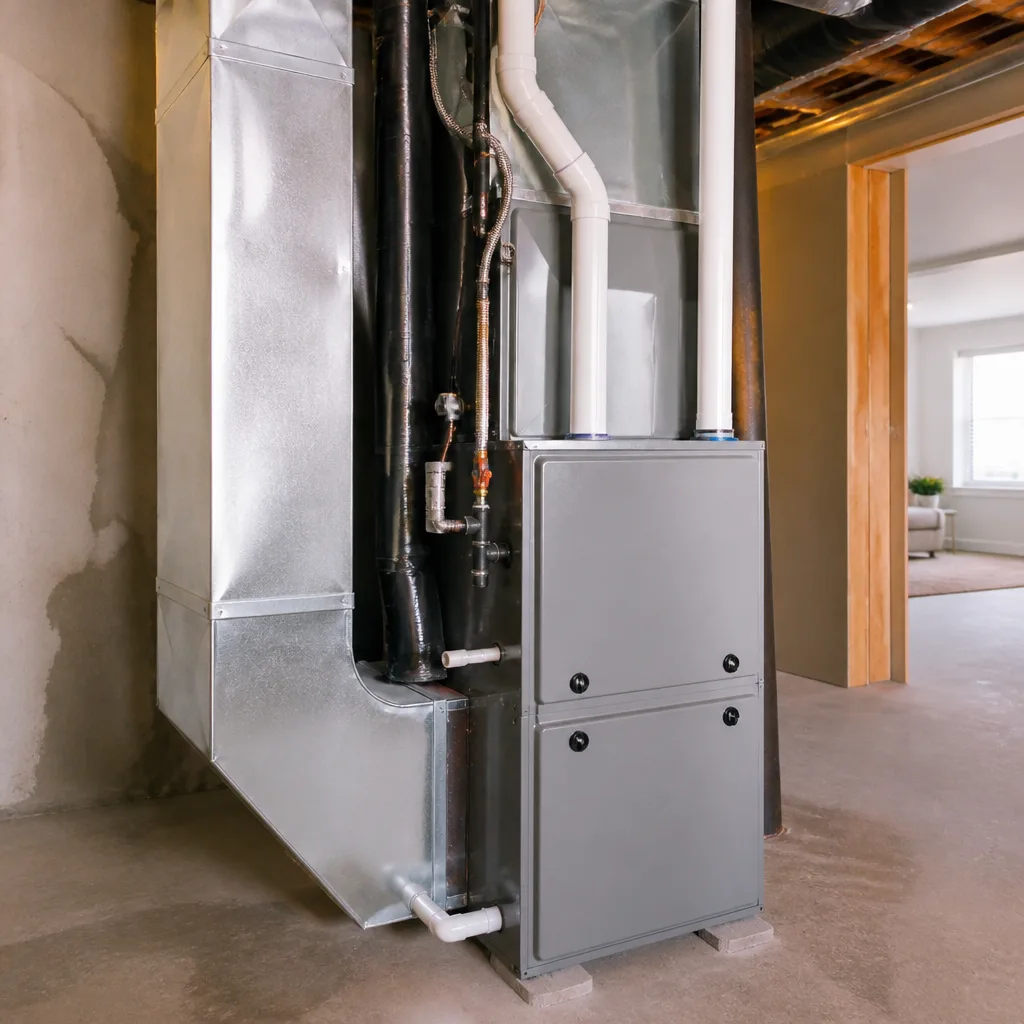
 Furnace & heating
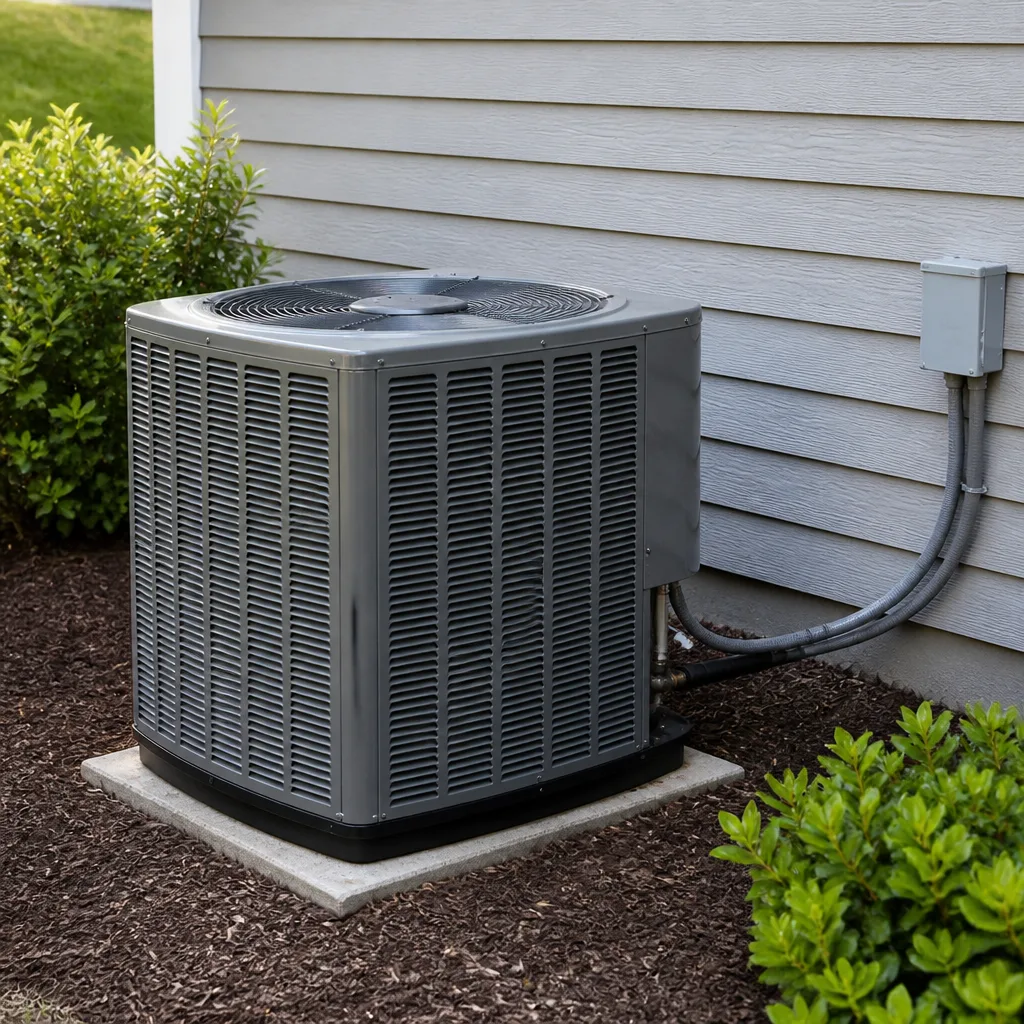 AC repair
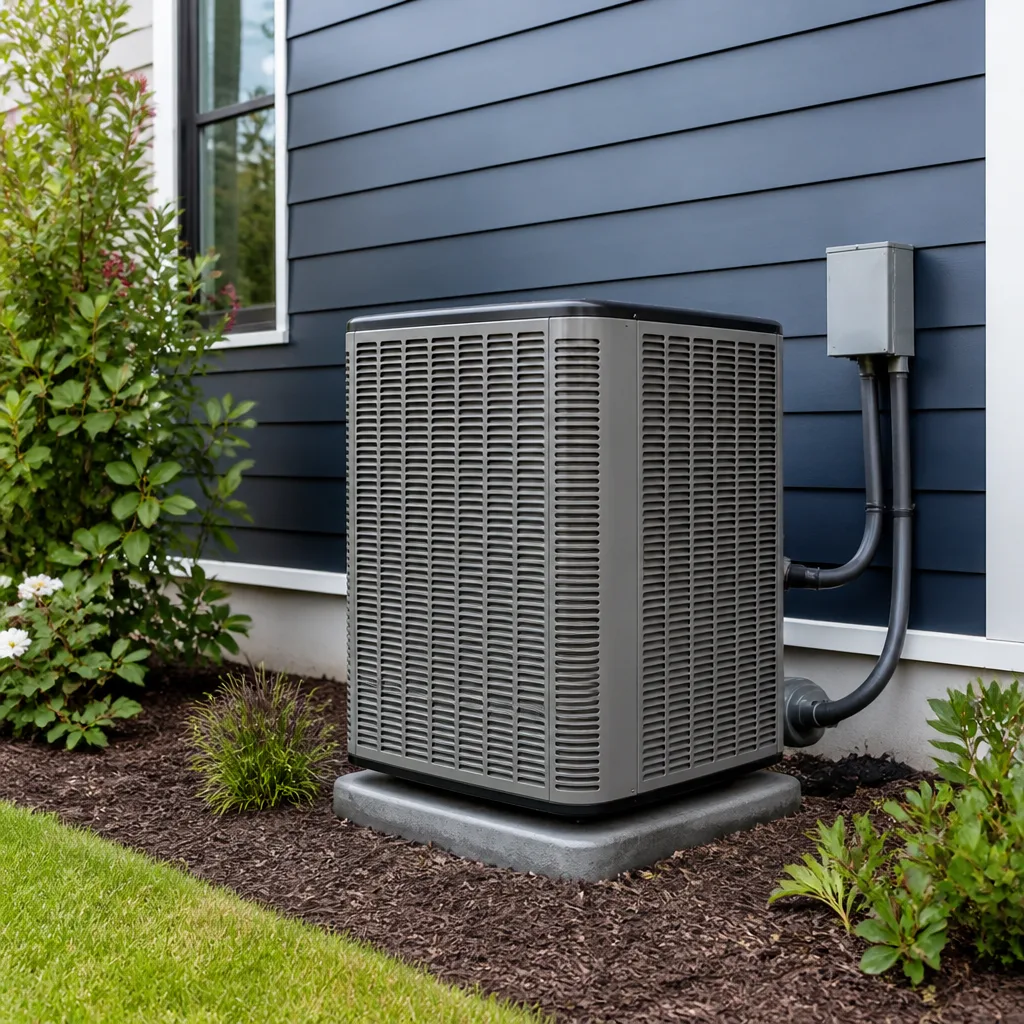 Heat pumps
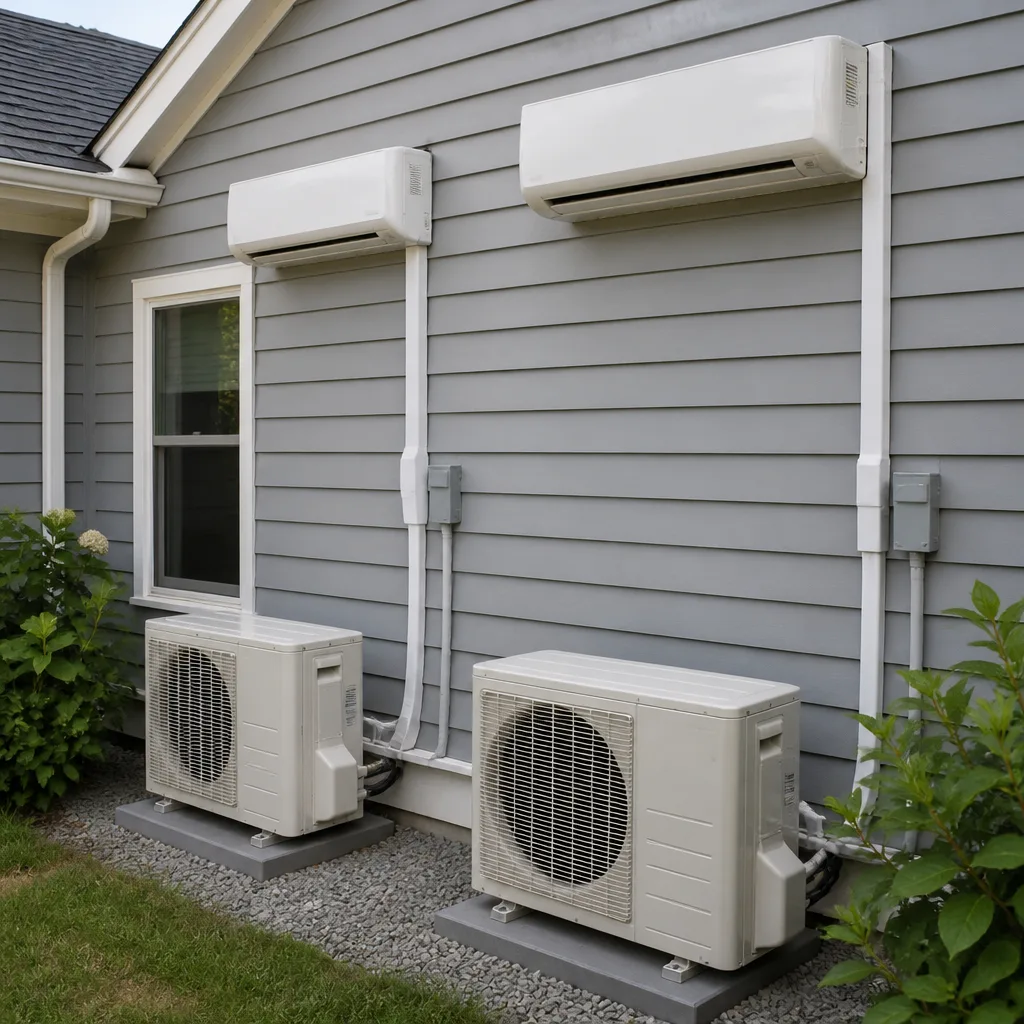 Ductless mini splits
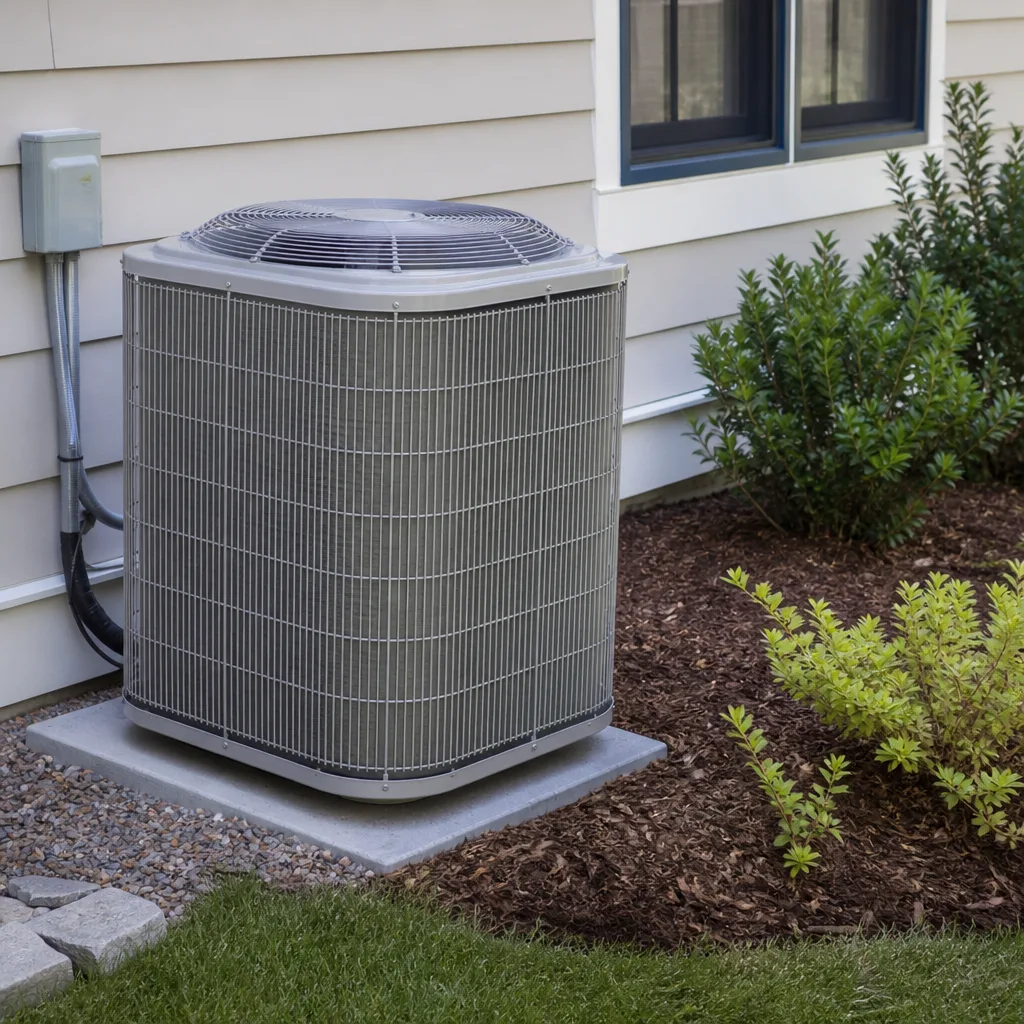 Carrier
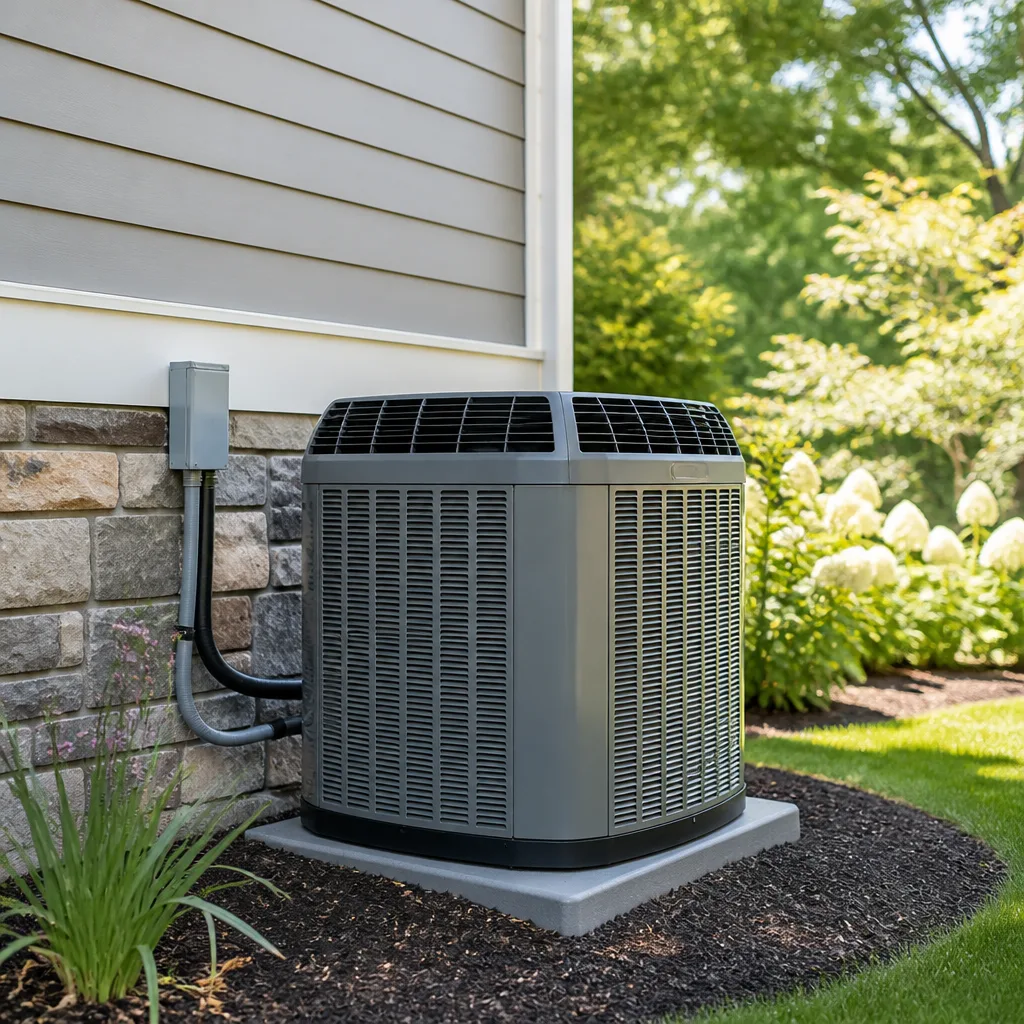 Trane
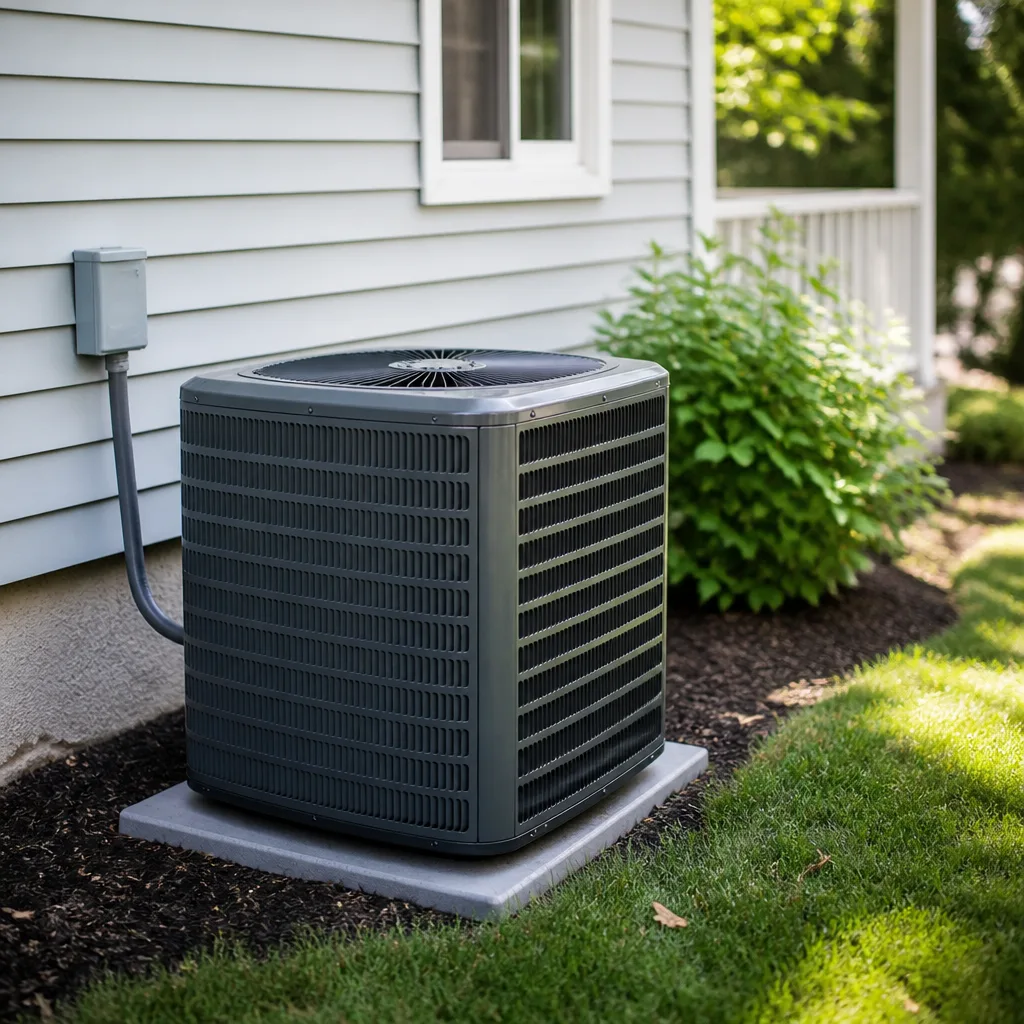 Goodman
Seasonal tune-up and full diagnostic on your Carrier, Trane, or Goodman system - readings shown to you before any repair is proposed
Diagnosis first, numbers second - you approve the repair price before a single part goes in.
Get your free estimateStyles & brands we work with
- AC repair
- Furnace & heating
- Heat pumps
- Ductless mini splits
- Carrier
- Trane
- Goodman
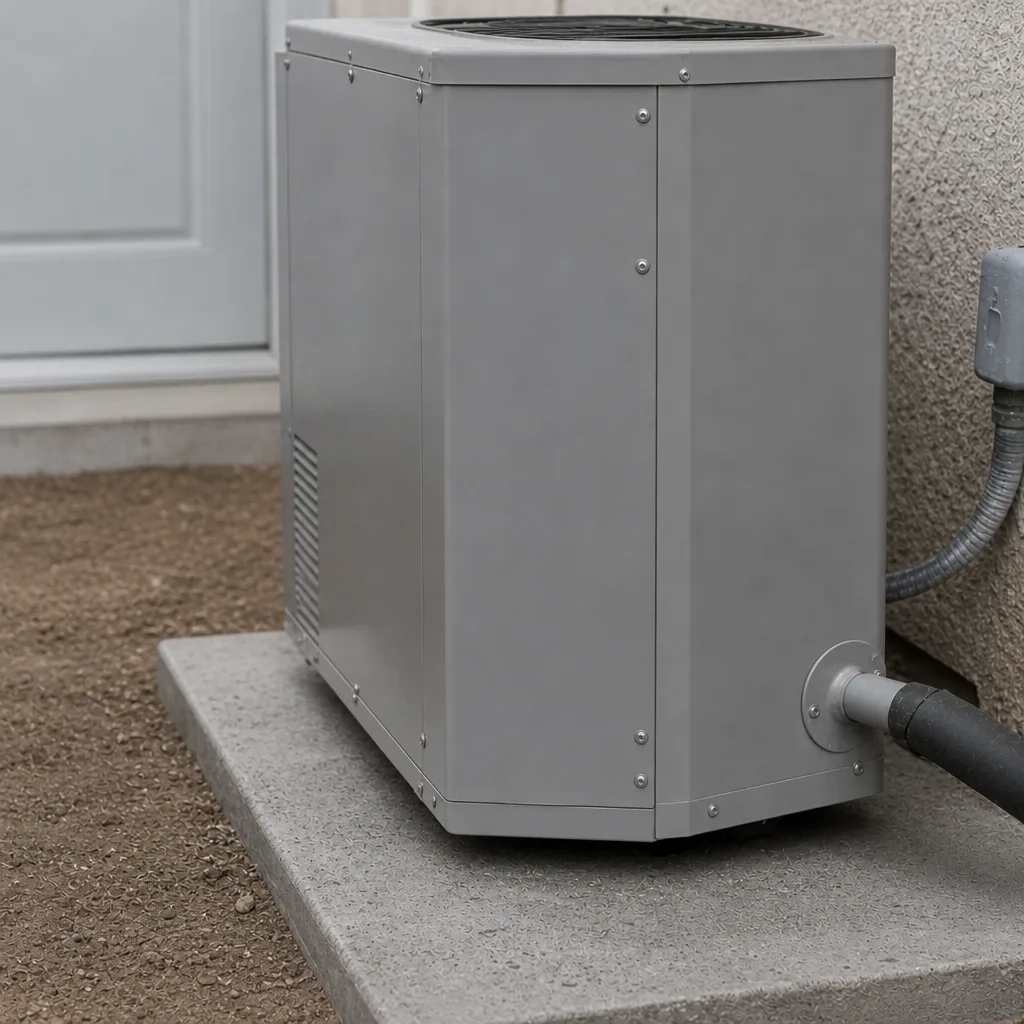
See the difference
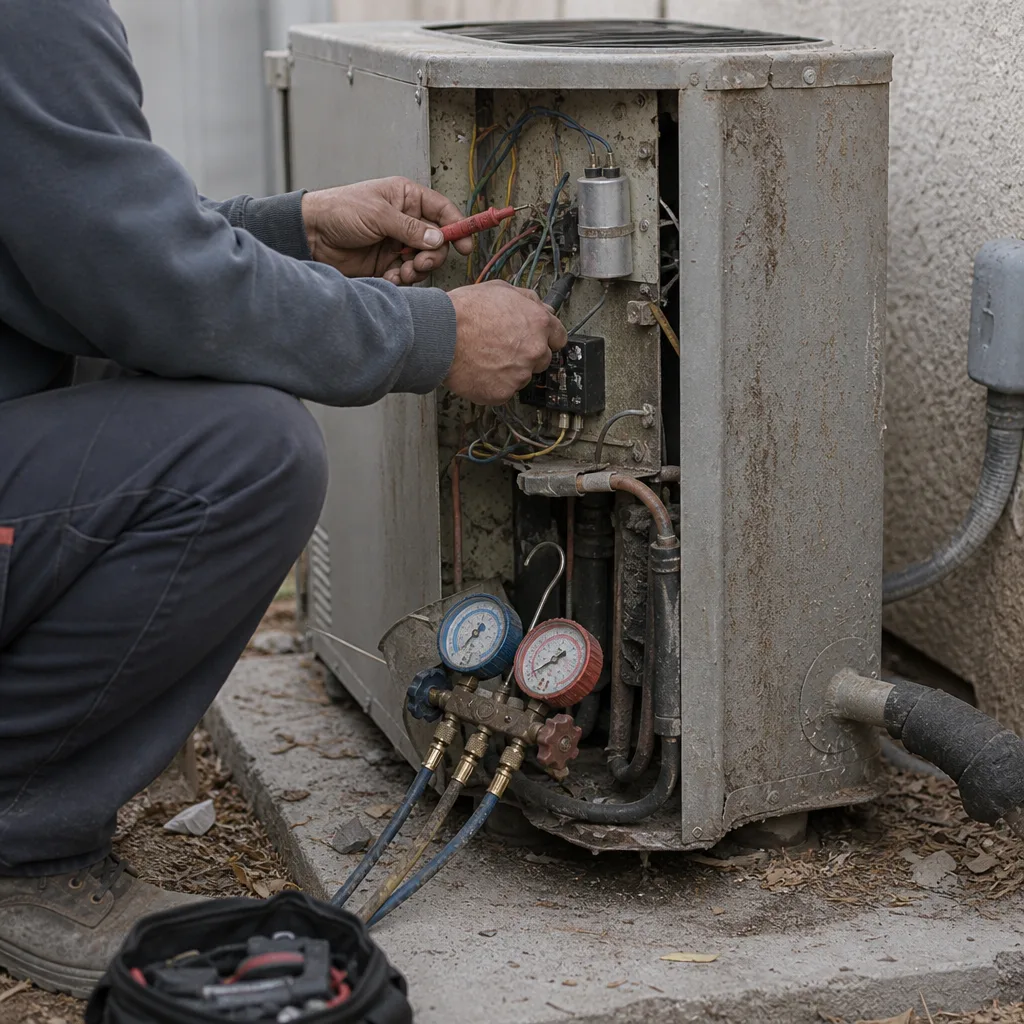 Before
 After
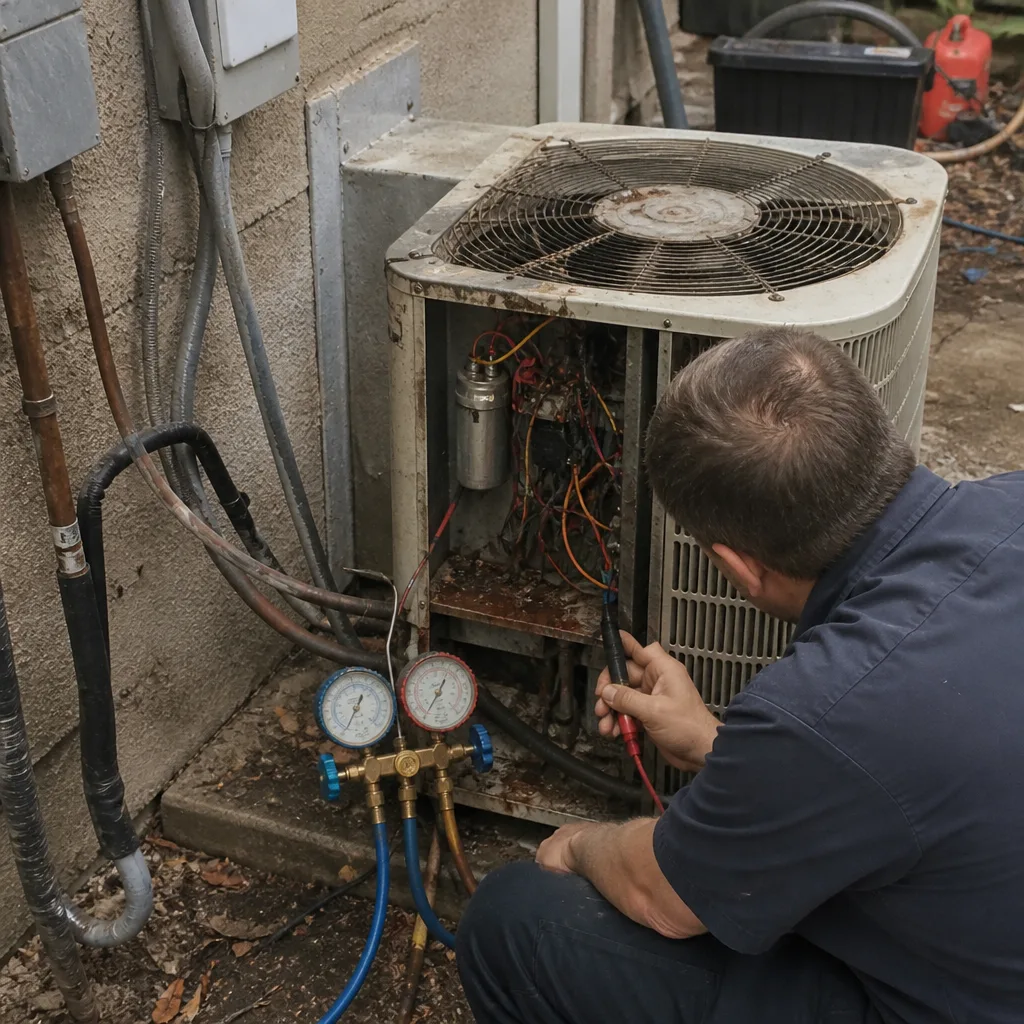 Before
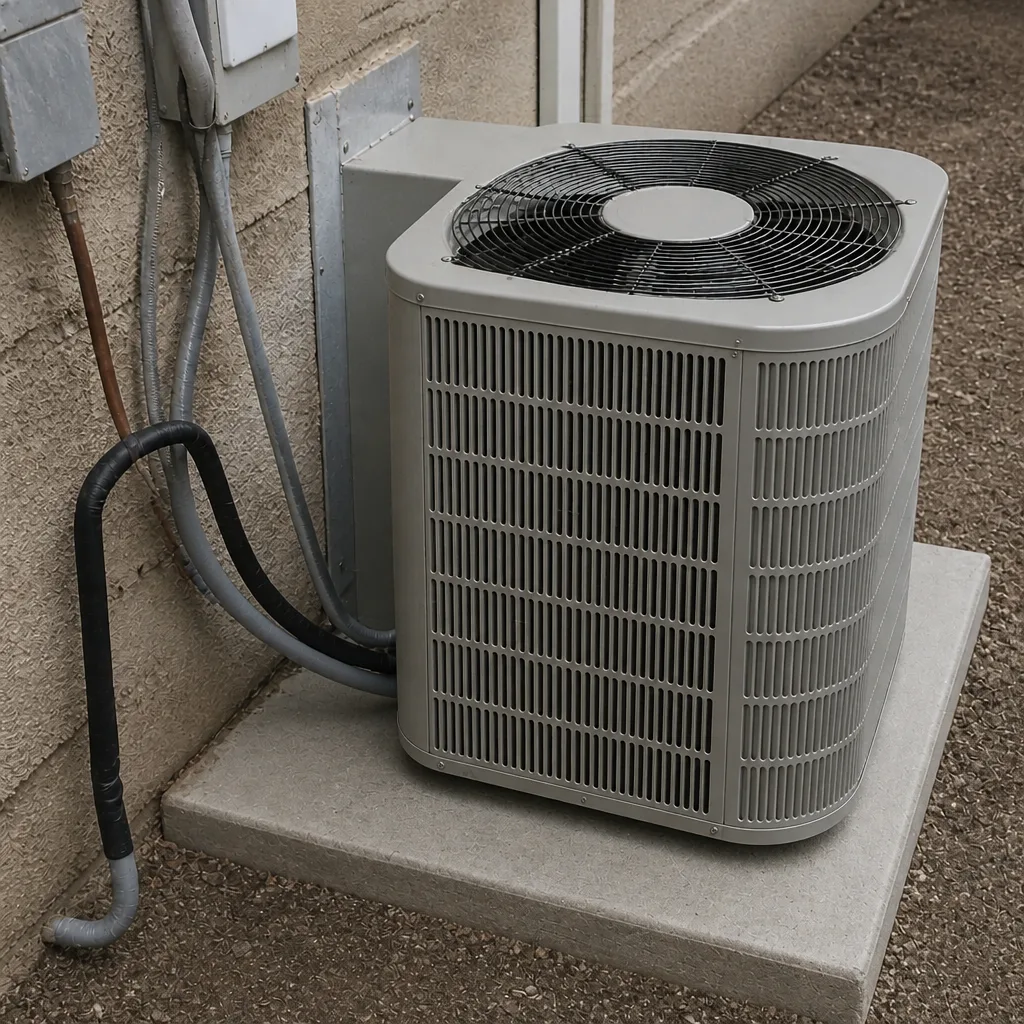 After
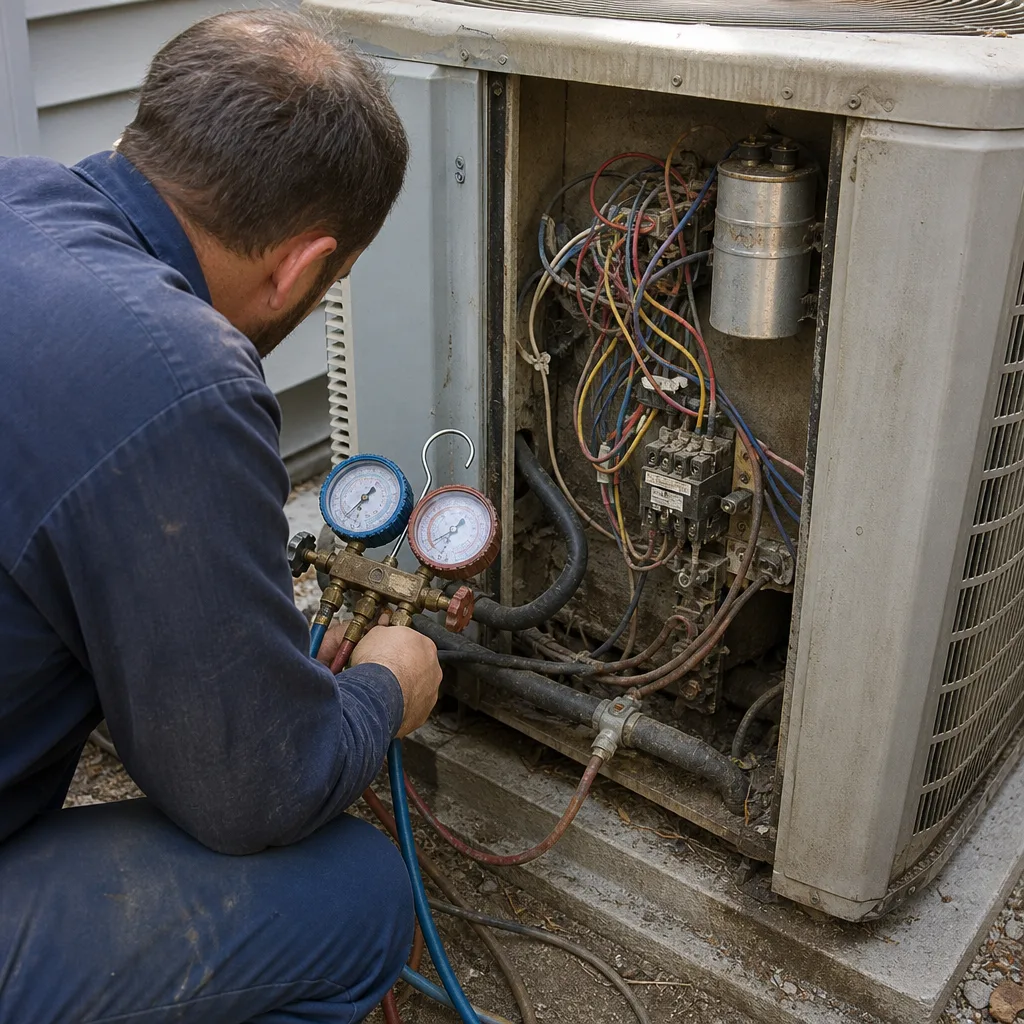 Before
 After
Why Is My AC Not Turning On in Enterprise, NV? The Short Answer
In Enterprise, the most common reasons an AC won’t turn on are a tripped high-pressure switch (the condenser got too hot to keep running), a failed capacitor, a broken control signal from a heat-baked attic air handler, or a blown disconnect fuse. The extreme summer heat here – ambient air over 110°F in July – is a direct cause of the first two. If you’ve reset the breaker and it trips again within minutes, stop resetting it; call Ray’s Heating & Air Enterprise at (844) 455-2034 for a same-day diagnostic with no trip charge inside the county.
The Breaker Tripped. You Reset It. It Tripped Again. Now What?
That sequence – reset, run for ten minutes, trip again – tells you something is drawing more current than it should. In Enterprise in July, that’s usually one of four things. The breaker is doing its job. It’s the messenger, not the problem.
Here’s what we see most often in this part of the valley, and why.
High-Pressure Lockout: The Enterprise-Specific Culprit
When the outside air climbs past 110°F and the condenser coil is carrying a season’s worth of spring dust, the system can’t shed heat fast enough. Refrigerant head pressure climbs until the high-pressure switch trips to protect the compressor. The unit then refuses to restart until the coil is cleaned and the unit cools down. Southern Highlands and Mountain’s Edge homes built in the 2000s with builder-grade equipment are especially prone to this once the coil gets fouled.
Why it matters: a compressor pushed through repeated high-pressure lockouts is a compressor you’ll eventually replace. That’s a $1,500-$2,800 job instead of a $150-$400 coil cleaning. If your system keeps shutting itself off on hot afternoons but runs fine at night, this is the first thing to test.
Capacitor Failure: The Most Common Single-Part Failure in Extreme Heat
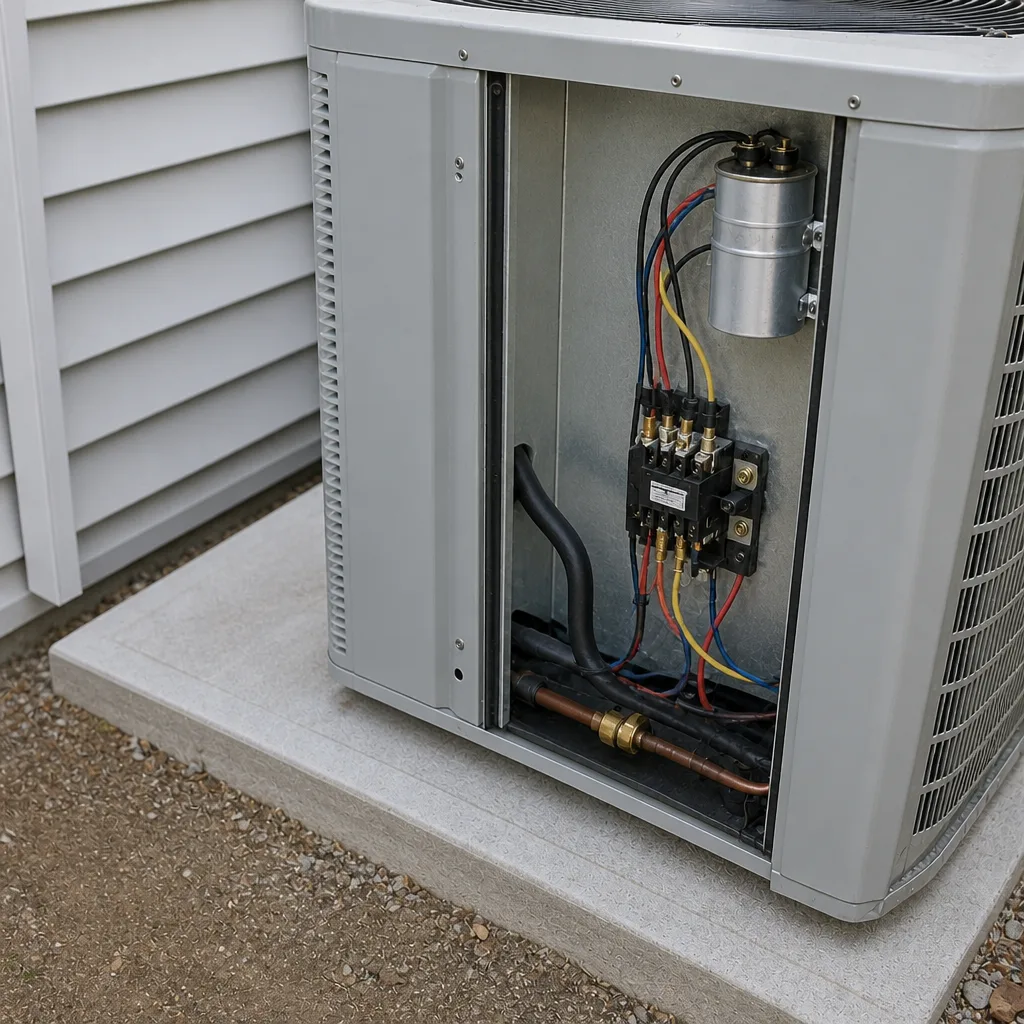
The capacitor gives the compressor and the condenser fan motor the jolt they need to start under load. Heat kills capacitors faster than anything else. When one fails, the compressor hums without starting, draws high current, trips the breaker, and shuts off. You may hear a click, a hum, then nothing.
A capacitor meter confirms it in about three minutes. The part itself runs $15-$40; the diagnostic and labor that find and fix it typically lands in the $150-$350 range. We test the capacitor before anyone says the word “compressor” – readings first, numbers second. You see both.
Thermostat Wiring and Control Board Trouble in Attic Air Handlers
Enterprise tract homes have their air handlers in the attic, where summer temperatures routinely hit 130-140°F. That heat degrades wire insulation and control board components faster than in a conditioned closet. A system that “won’t turn on” sometimes has a control-signal problem, not a mechanical one – the thermostat is asking, but the board isn’t answering. We check this before assuming the compressor is gone.
The Disconnect Box: A Safety Issue First
The grey disconnect box beside your outdoor unit is a switch and, in many installs, a fuse holder. If it shows signs of heat damage, scorching, or a blown fuse, that’s an electrical safety issue before it’s a comfort issue. Don’t open it and probe it yourself. We check the disconnect on every no-start call as part of the standard diagnostic.
What to Check Before You Call (Without Opening Anything)
You can do a few safe things in thirty seconds. Everything past this list is a call.
- Look at the thermostat. Is it blank or showing a low-battery icon? Fresh batteries are a $4 fix and account for a surprising share of “dead AC” calls.
- Confirm the breaker isn’t tripped. If it is, reset it once. If it trips again within ten minutes, leave it off and call.
- Look at the outdoor unit. Is the fan spinning? Is there frost on the copper lines? Is the disconnect box discolored or warm to the touch? Note what you see – it helps us over the phone.
- Check the filter. A filter packed solid with spring dust starves the system for airflow and can trigger the same high-pressure lockout described above.
- Listen. A hum without a start, a clicking relay, or nothing at all – each one points somewhere different.
One call brings us back. That’s the point of the 90-Day Done Right Promise – if it isn’t fixed right, one call brings us back, no argument.
Why “Just Reset It Again” Is the Wrong Answer
A breaker that keeps tripping is telling you the compressor is working harder than it should. Reset it once. Reset it again, and again, and you can cook a compressor that was salvageable. The 2026 repair table below shows what the difference looks like:
| What’s wrong | Typical Enterprise cost |
|---|---|
| Capacitor replacement | $150-$350 |
| Condenser coil cleaning (high-pressure lockout fix) | $150-$400 |
| Thermostat rewire / control board repair | $200-$550 |
| Disconnect or fuse replacement | $175-$400 |
| Compressor replacement (what happens if you keep resetting) | $1,500-$2,800 |
Also worth knowing: this area’s hard water scales up condensate drain lines and evaporator coils faster than most markets. A clogged drain can flood a pan and shut a system down too – another reason to have someone look at the whole picture, not just the breaker.
When to Call a Pro vs. When to Wait
- Call now: breaker trips repeatedly, burning smell, disconnect box warm or discolored, compressor humming without starting.
- Call today: system runs but blows warm air, thermostat is unresponsive, fan won’t spin.
- Can wait for a scheduled visit: the system works but short-cycles on hot afternoons (classic high-pressure signal), filter is dirty and you want a tune-up.
Repairs like this fall under our AC Repair & Installation service, and the same team handles AC Repair & Installation in Enterprise when the problem turns out to be bigger than a part swap. Ray’s Heating & Air Enterprise services all major brands – York, Daikin, Bryant, and American Standard among them – and the person at your door is background-checked and has been in this trade for years, not dispatched from a rotating crew that’s never seen your system.
Phones are answered by a live person around the clock. If you’re standing next to a humming compressor at midnight in July, you can describe what’s happening and get a straight answer on whether to reset the breaker or leave it off – not a voicemail.
Call (844) 455-2034 for a free estimate or a free second opinion on any written quote from another company.
FAQs
Most likely the system has hit a high-pressure lockout or lost a capacitor, both driven by extreme ambient heat. When the condenser coil is dirty and the outside air climbs past 110°F, head pressure rises until the high-pressure switch trips to protect the compressor. The system won’t restart until the coil is cleaned and the unit cools. Call (844) 455-2034 for a diagnostic.
Most AC repair calls in Enterprise land between $150 and $650, depending on the part and the labor. A capacitor is usually at the low end; a control board or larger repair moves toward the top. You’ll see the readings and the numbers before any work begins. Call (844) 455-2034 for an exact quote – estimates are free.
Same-day service is usually available, and phones are answered around the clock. Describe what you’re seeing – breaker tripping, fan spinning, humming, clicking – and we’ll tell you honestly whether to reset it once or leave it off until we get there. Call (844) 455-2034.
Repair usually wins if the compressor is sound and the fix is a capacitor, coil cleaning, control board, or wiring – typically under $650. Replacement enters the conversation when a compressor has failed or the system is past its service life; a full replacement runs $3,500-$7,500 in this market. Call (844) 455-2034 for a free second opinion before you decide.
If you’d rather have it looked at, Ray’s Heating & Air Enterprise offers a no-pressure assessment in Enterprise – call (844) 455-2034. We’ll test the capacitor, look at the coil and the disconnect, and tell you straight what’s wrong and what it costs. No surprise numbers at the door.
Written by the team at Ray’s Heating & Air Enterprise, serving Enterprise, NV.